






















In the Philippines, hospitals are legally bound to uphold strict standards of care, and failure to meet these standards can result in liability for medical negligence under Article 2176 of the Civil Code, which holds hospitals responsible for damages caused by their staff's negligence or oversight, as established in Supreme Court cases like Our Lady of Lourdes Hospital v. Spouses Capanzana and Professional Services Inc. v. Agana.
Hospital Accountability for Medical Negligence in the Philippines: Legal Standards
Added:The concept of Quasi-Delict (tort) under Article 2176 of the Civil Code of the Philippines, which establishes liability for damages caused by negligence.
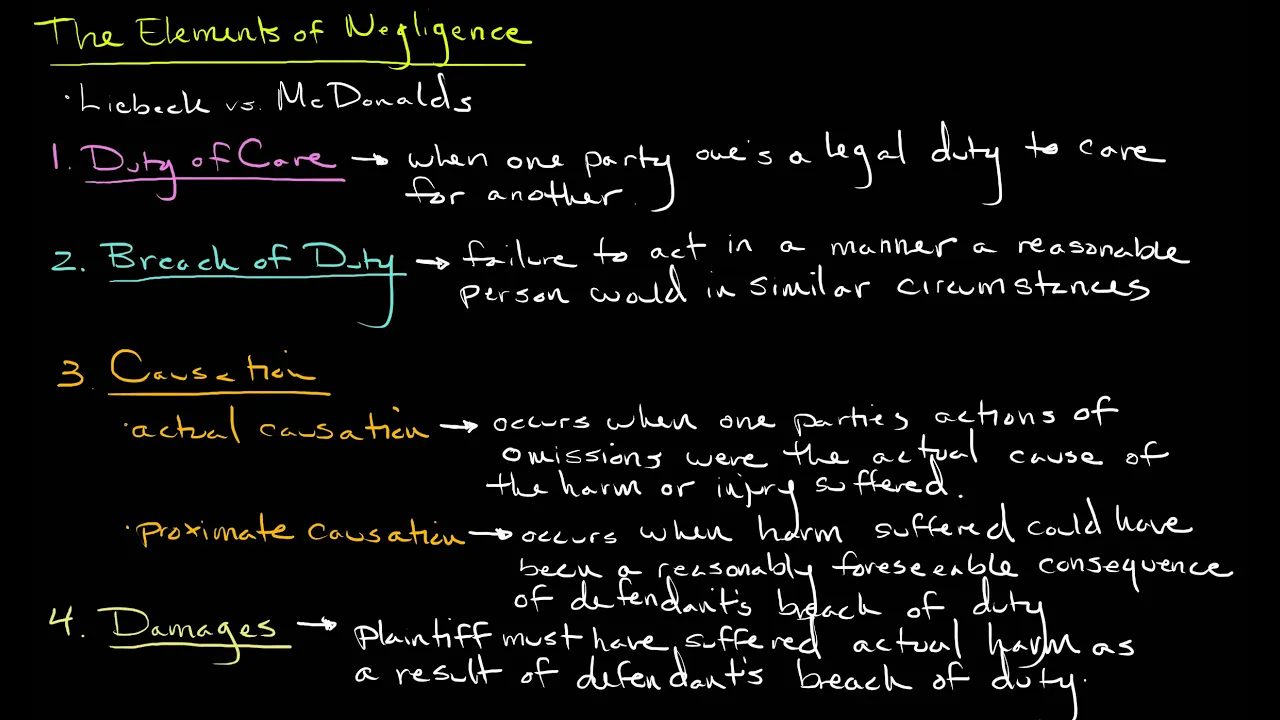
The standard legal elements required to prove negligence: duty, breach, injury, and proximate causation.
The doctrine of Vicarious Liability (Respondeat Superior) under Article 2180 of the Philippine Civil Code regarding employer-employee relationships.
An understanding of how Philippine jurisprudence (Supreme Court decisions) functions as binding law.
Analysis of landmark Philippine Supreme Court cases on medical malpractice, such as Professional Services, Inc. v. Agana and Ramos v. Court of Appeals.
The legal distinction and application of the 'Captain of the Ship' doctrine versus the 'Doctrine of Corporate Responsibility' in hospitals.
The 'Doctrine of Ostensible Agency' (Apparent Authority) and how it affects hospital liability for independent contractor physicians.
The administrative liabilities of medical professionals under the Professional Regulation Commission (PRC) and the Medical Act of 1959.
Practical strategies for hospital risk management, quality assurance, and legal compliance to mitigate negligence claims.
236 views5likes7:48Original Release: 2024-09-09
is your hospital following the right standards of care here's how to find out have you ever questioned whether your hospital is truly providing the care you deserve are they adhering to the right standards or could their lapses be putting your health at risk in the Philippines hospitals and Healthcare institutions are held to strict standards to ensure patient safety and highquality care these standards are based on both medical ethics and the law making sure that when we enter a hospital we are protected from negligence errors or inadequate care understanding whether your hospital is meeting these standards is crucial because failure to do so can lead to Serious harm and in some cases it might even cost lives learning about these standards today is essential as it equips you with the knowledge to protect yourself or your loved ones in the future before we dive into this vital topic be sure to subscribe to our channel to stay updated on important legal matters that could directly affect your health and safety what are the standards of care the term standards of care refers to the minimum level of service that healthc care providers and institutions must offer to ensure the safety and well-being of patients in the Philippines these standards ards are not just a guideline they are embedded in law and enforced through regulations that govern hospitals hospitals are required to meet certain criteria in terms of Staffing cleanliness patient care medical equipment and [Music] recordkeeping the Department of Health do through the hospital lure act mandates these standards to protect Public Health the civil code of the Philippines particularly article 2176 holds hospitals liable for damages in cases where they fail to meet these standards and cause harm to patients through negligence or oversight hospitals are expected to provide the same level of care that any other similarly situated institution would under comparable circumstances legal framework Hospital's duty of care under the Philippine legal system hospitals have a duty of care to their patients this Duty arises the moment a patient steps into the hospital hospitals must ensure that their doctors nurses and medical staff meet Professional Standards are properly trained and are following safety protocols to avoid risks to patients failure to follow these standards may result in a claim of medical negligence a form of Quasi delict under article 2176 of the civil code a quasi delict occurs when a person through fault or negligence causes damage to another even if there is no contractual relationship this principle applies equally to hospitals for instance in the case of our lady of Lord Hospital versus spouses capanna gr number 18928 2017 the Supreme Court ruled that hospitals can be held liable for the negligence of their staff in this case a failure to properly monitor a patient during childbirth led to brain damage in the infant the hospital was found liable for not adhering to the standard of care expected of healthcare institutions emphasizing the importance of hospitals ensuring that their Medical Teams follow the highest standards of care three the role of Hospital Management in ensuring standards hospitals are not merely brick and mortar structures they are complex organizations responsible for the lives of their patients Hospital administrators must ensure that every Department adheres to protocols that minimize risks to patients from sterilizing equipment to properly recording patient histories there are numerous ways a hospital can fail to meet the required standard of care a particularly relevant case is Professional Services Incorporated V KAG GR number 26297 2007 which dealt with the doctrine of corporate negligence this Doctrine makes hospitals directly liable for the negligent acts of their doctors and staff if the hospital fails in its duties such as providing a safe environment or hiring competent medical professionals in this case the hospital was held accountable for failing to oversee its staff properly contributing to a patient's injury patients often trust hospitals implicitly but there are ways to check whether a healthcare institution is following the right standards of Care One accreditation and Licensing ensure the hospital is accredited by the do and other relevant Health bodies two staff credentials ask about the qualifications of the Health Care Professionals attending to you this is your right as a patient three infection control hospitals must have infection control protocols in place poor hygiene practices such as dirty rooms or improperly sterilized equipment are red flags four patient safety practices hospitals should have systems in place for preventing medical errors such as double-checking medications and ensuring proper Handover procedures between staff knowing how to recog recognize these signs can protect you from becoming a victim of medical negligence Juris prudence and the importance of compliance the Philippine Supreme Court has consistently ruled on cases involving hospitals that fail to meet the required standards of care for instance in roset versus Deo Doctor's Hospital gr number 21445 20 5 the hospital and its doctors were found negligent after performing a jaw surgery that used improper screws causing severe complications for the patient the court applied the doctrine of residential ipol loquitor which allows the presumption of negligence when an injury occurs that would not have happened had the proper care been exercised in medical negligence cases proving liability requires demonstrating the elements of Duty breach caus and damage patients need to show that the hospital's failure directly led to their injury which can be difficult without proper documentation and expert testimony hospitals that do not meet standards can face severe financial and reputational damage and patients have the right to compensation for
Up Next

21:02
What Is a Void Marriage? Legal Grounds Explained
@Nezeville
308.9K views•2024-05-07

6:55
Understanding Copyright and Fair Use in the Digital Age
@techquickie
144.1K views•2016-07-22

5:27
Forensic Phonetics: Speaker Identification in Legal Cases
@nptel-nociitm9240
539 views•2025-03-19

24:42
Police Interrogation Tactics: False Confessions & Legal Reform
@LastWeekTonight
7M views•2022-04-18
Related Study Plans & Knowledge Roadmaps
Structured learning paths in Law
law
Analyzing Mergers: Clayton Act & FTC Rules
01Introduction to Antitrust Law and Market Competition
02Corporate Mergers and Section 7 of the Clayton Act
03Defining Markets and Measuring Concentration (HHI)
+ 2 more learning modules
10h5 modules
Explore Roadmap
law
Self-Defense Law: Imminence & Castle Doctrine
01Foundations of Self-Defense Law
02Imminent Threat & Reasonable Belief
03The Principle of Proportionality
+ 3 more learning modules
12h6 modules
Explore Roadmap
law
Defamation Law: First Amendment & Actual Malice
01Introduction to civil torts and the First Amendment
02Elements of Defamation: Libel and Slander
03Public Figures vs. Private Individuals
+ 2 more learning modules
8h5 modules
Explore Roadmap
law
Hearsay Rule: Trial Evidence & Exceptions
01Introduction to Trial Evidence & Courtroom Basics
02Demystifying Hearsay: The Core Definition
03Non-Hearsay: Exclusions Under FRE 801(d)
+ 3 more learning modules
14h6 modules
Explore Roadmap