









![[AI 시대 영어영문학에 묻다]](https://i.ytimg.com/vi/xAzuxk-sQ-U/maxresdefault.jpg)




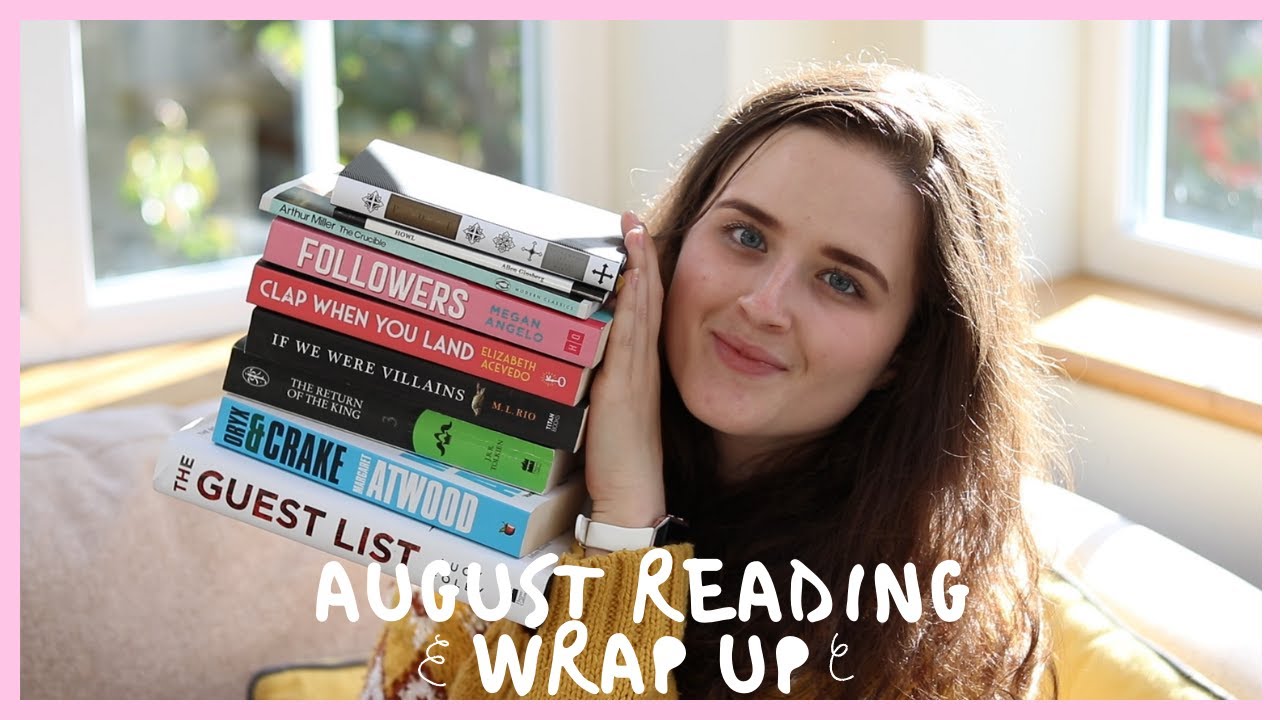

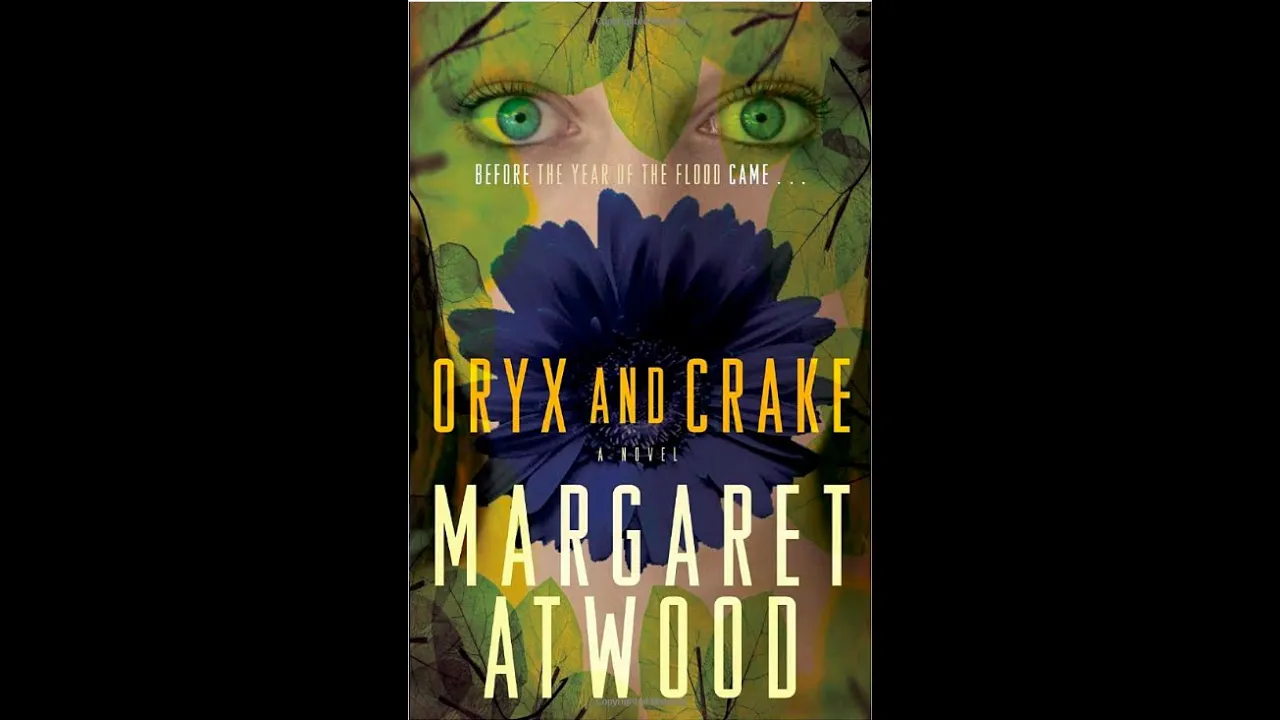

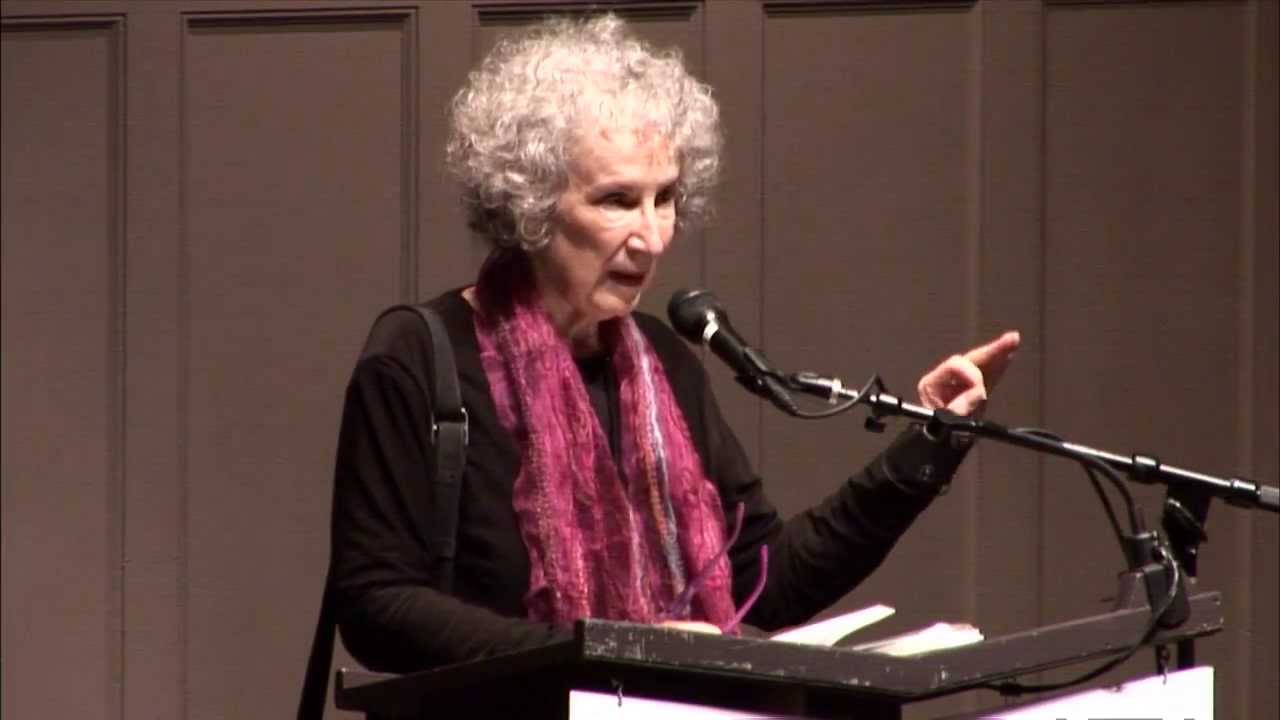
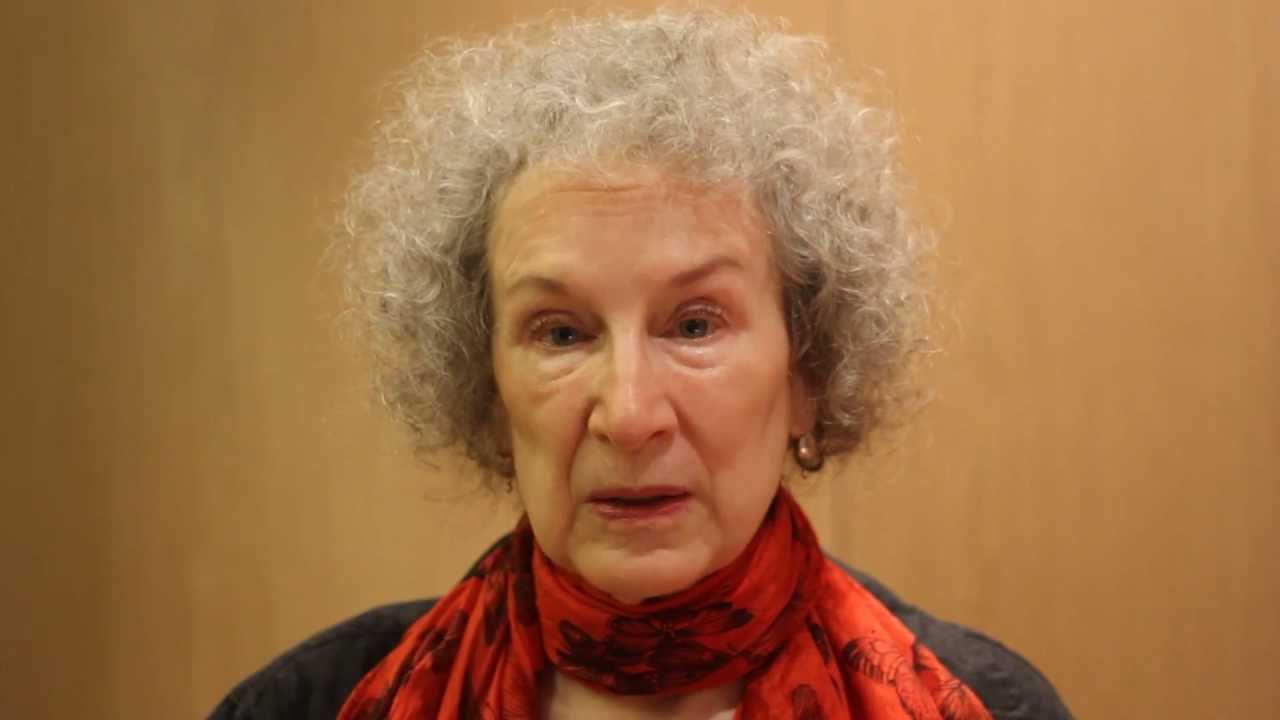
Margaret Atwood explains how her novel 'Oryx and Crake' uses speculative fiction to explore real-world concerns about genetic engineering, environmental catastrophe, and the intersection of science and society, drawing on her background growing up among scientists and her belief that fiction should provoke readers to think critically about current trends and their potential consequences.
Margaret Atwood Discusses 'Oryx and Crake' at MIT, 2004
Added:Familiarity with the plot, characters, and setting of Margaret Atwood's novel 'Oryx and Crake' (the first book of the MaddAddam trilogy).
An understanding of the distinction between speculative fiction (which explores things that could actually happen) and science fiction, as defined by Atwood.
Basic knowledge of genetic engineering, biotechnology, and transgenic science (such as gene splicing and cloning).
Foundational concepts in bioethics, specifically the ethical dilemmas arising from unregulated scientific advancement and corporate-funded research.
Analysis of the remaining novels in the MaddAddam Trilogy ('The Year of the Flood' and 'MaddAddam') to understand the complete narrative arc.
Exploration of 'Ecocriticism' and 'Environmental Humanities' as academic frameworks for analyzing literature about ecological collapse and climate change.
Study of real-world corporate biotechnology monopolies, synthetic biology, and the modern ethical debates surrounding CRISPR and gene editing.
Comparative literary analysis of 'Oryx and Crake' alongside other seminal dystopian works, such as Aldous Huxley's 'Brave New World' or Mary Shelley's 'Frankenstein'.
33K views670likes59:26Original Release: 2019-09-05
[Music] [Music] Alan Brody I'm the associate provost for the Arts at MIT and I want to welcome the MIT community and everyone else as well to this 2004 Abramowitz lecture with Margaret Atwood we're just thrilled to have you here and we're certainly thrilled to have Margaret here as well before I begin let me just say unless you are a drug dealer or an obstetrician please turn off your cell phones pagers the Abramowitz lecture series was established at MIT through the generosity and imagination of William L Abramowitz class of 35 as a memorial to his father it's been sustained since his death by the devoted interest of his wife and children and we lost Lee his wife this year she was an extraordinary woman dedicated to this lecture series dedicated to MIT to the memory of William and was was consistently right up until the end interested in this series and sensitive and excited about the kinds of things we've been doing and I personally I'm going to miss her a great deal since 1961 the Abramowitz series has brought renowned performing artists and writers to MIT to perform present public lectures and always to collaborate with students and faculty in free programs is Dan Epstein here there is I believe there's a member of the Abramowitz family that we'd like to thank but he didn't he didn't make it so much for commitment okay if you're in the overflow room thanks so much I want I want to introduce Candace Callison who was on the Abramowitz selection committee she's a PhD candidate now in STS and she is personally responsible for bringing Margaret here by delivering a hand-delivered note to her at the Giller Awards so Candace you'll speak about Margaret at least say Canada is a small town but I was really surprised there's only two degrees of separation between myself and our esteemed guest today it's my great privilege to introduce Margaret Atwood to you as many of you well know she is the prolific author of sixteen works of fiction five collections of nonfiction fifteen editions of poetry and four children's books and those are just the major publishers titles her work has went a long list of honours including the Booker Prize and the Giller Prize Canada's top literary award I grew up in Canada and I have to say that the name Margaret Atwood is and was synonymous with everything that is great about Canadian fiction and indeed what puts Canada on the map in the literary world but during the mid-90s I began to understand her as a writer who was at work both in the so-called real world and in the fictive world she was creating at that time as a member and past president of pan Canada she spoke out on behalf of Ken Serra a Nigerian writer who faced execution for his writing and political action in his own country I remember hearing on the radio that even Margaret Atwood had spoken out in support of this writer who was previously an obscure figure to me and much of the Canadian public it was a cue that we had better sit up and take notice of what was happening on the other side of the world similarly as the past couple years of seen America go to war in Iraq and Afghanistan her voice could be found in newspapers and publications like the nation calling readers to think and act about the events taking place here and on the other side of the globe perhaps this is why nestled in amongst her list of prizes for literature and writing are awards that speak on both her effect on an involvement with the non fictive world awards like ms magazines Woman of the Year humanist of the year and the Order of Canada Canada's top honor to those who have immeasurably contributed to our society as I was preparing to introduce her today I went online and read mem the many rave reviews for Oryx and Crake and in amongst them on a message board I found a posting from an individual with a summary line shockingly relevant this perhaps sums up her work in general and specifically in regards to Oryx and Crake the posting went on to praise this novel for the creation of an all too recognizable world in which characters grapple with moral and scientific dilemmas again it seems that it is a cue to sit up and start thinking with and through science and technology about the world we are collectively creating and perhaps there is no better crowd that ours at MIT that understands the relevancy of thinking about society through this sort of lens so without further ado here to talk more about her work and her latest novel Margaret Atwood thank you very much it's a great pleasure to be here today I have been at MIT before as I recall that event took place in a corridor and I'm glad we all have chairs today I'm here to talk about my novel called Oryx and Crake but before I do that I'll give you a little bit of background because people are asking me things like how did you did the research and why were you interested in this subject and so forth it is a book about that wonderful place called the future which we can invent because none of us have ever been there and come back yet and I think the future was what we took to and we no longer sent fictional characters to place like places like hell now we've got the future for a while we sent them to uninhabited islands but we ran out of those and sometimes we send them to other universes but I'm I can't do other universes so it's this universe a little bit further on and as for The Handmaid's Tale I put nothing in it that does not have its corresponding clipping in the ominous brown research books in the cellar that is nothing is absolutely pure invention although I have to admit I cranked a few things up a bit however they the spider goat is with us today and so is the luminous green rabbit I will not here gusts of shock from this crowd because you already know that but some people go oh no anyway I in fact grew up amongst the scientists my father was a biologist he was an entomologist these are noteworthy for producing weird writer offspring and date a lot of biologists write themselves and a lot of them actually read and my dad was a great reader he loved history he loved fiction and he was known to burst into Long snatches of memorized Sir Walter Scott poems and also to give us quizzes on Sherlock Holmes as in what Sherlock Holmes story contains the bell pole and the snake right so that's how I grew up and I thought I was going to be a biologist I was headed in that direction my brother actually became one he became a marine biologist and from there he went into neuroscience and now he's pretty much with the synapse and when I published my first book of poetry he wrote me a congratulatory letter that said congratulations on publishing your first book of poetry I used to do that kind of thing myself when I was younger so I've always kept up with the pop science reading and by pop science reading I mean the kind where you don't have to do the math here itself and like other people to do the math and then tell me what they've found out but I think that growing up with the scientists gives you a couple of things number one you're very observant you observe details it's not just a tree it's a certain kind of tree and it also makes you quite skeptical I don't mean that you're a cynic or a pessimist I mean that you question things because as you know in science an experiment has to be repeatable and get the same results so you are always asking things like well how did they come to that conclusion how did they do the experiment and since I spent some time in market research as well I the same skepticism about polls I want to know what the question was and also what the question was that was asked just before that question because that can skew the results as well Oryx and Crake its structure is like that of the Iliad a book it resembles and no other way but that is it begins in the middle of events and then we go back in time to find out how we got to that midpoint and then we go forward in time to find out what the protagonist will do next and at the midpoint of the story the protagonist who began life as a boy called Jimmy has changed his name to snowmen that is not as in Frost either but as in the abominable snowman creature that may or may not exist and may or may not be semi human which is kind of the way he's feeling about himself when the story opens he's living in a tree where he sleeps at night this is because of the new and unusual life-forms that are running around on the ground at night and you'll be happy to know that I've provided him with doctor tape there will be duct tape in the future is with the aid of this duct tape that he has constructed the platform on which he spends his nights he kinds of he kind of wishes he might be able to have a fire up there but he can't and apart from the duct tape he's not really a handy kind of guy he's not a kind of Boy Scout sort of person he is therefore unable to dig the hole in the ground with the pointed stake on which to impale small-game he can't do that but he is able to wield a can opener this is a skill I would advise everyone to acquire with the aid of this can opener he has been opening cans that he has found left around and he has been eating the contents because there are no other people as such in his vicinity something has happened to them we find out in the course of the plot what but I would never think of blowing it for you because shocking as it may seem seem to me some of you may not yet have read this but there are however some people like creatures living nearby along with the luminous rabbits we've got the luminous rabbits already by the way and and some other animals that have been invented but these new people have been improved and I'll tell you some of the improvements I think some of them would be quite good thus disproving the question surely or against science no I think it's great as long as it used for is for for improving types of things for instance these people have built-in sunblock I think that would be good that means they don't need the textile industry or vogue magazine or shopping they don't need any of those things because they don't have any clothes they have an extra layer of skin on the bottoms of their feet giving them a kind of Birkenstock effect and they have built-in mosquito repellent which I think would also be a major plus they do smell like walking citrus fruits but that wouldn't be too bad in addition to that they're not only vegetarian better they will never need agriculture because they can eat leaves unlike you and me we can't digest them but these people can and grass as well this means that their digestive systems would have to have been modified now there are two possible models one would have been the cow but that would have had a less aesthetically pleasing effect and these people are very good-looking so instead they've been modified in the direction of the rabbit if you saw thee i think a few months ago National Geographic with the new big wheel of life about his related to whom you will have noted that we are more closely related to the rabbit than previously thought so maybe it wouldn't be too hard now there are some side effects to having the digestive system of a rabbit and you will come across those in the book but it's a small price to pay the other modification they have which I think would be very useful is that they can purr the purring is not to make them cuter there is in fact grounds to believe I did say I cranked some things up a bit but there's there's grounds to believe that the purring of the cat has a couple of functions we we know that cats purr when they're happy but we also know that they've hurt when they're in pain and if you have ever had a cat you will know that if you have been injured or ill your cat is very likely to get up on top of you and pur over your injured part or indeed over your whole self if you've got something like the flu and you will also know that if a person walks into your house who hates and fears cats your cat will go immediately to that person so possibly the purring is a self-healing aid and your cat is going over to that person out of the desire to be helpful and kind they're the only altruistic thing account has ever been known to do so the people in this book have got purring because they don't have band-aids or any other they don't have hospitals but they do have purring so they can purr to self-heal but the very very very best thing of all that they have and I think this would be such an improvement instead of being intermittently monogamous the way we are they are instead seasonal like most other animals so they're either in season in which case they're interested or they're not in season in which case they're not and to make things even more clear they like many another animal are color-coded so that when they're in season parts of them turned blue think how useful that would be no more no means no no means yes no more I'm washing my hair and I'll also be washing my hair next Friday no more unrequited love no more pain and anguish over this issue you're either in season or you're not in season and no more by the way pair blending so so there they are they will never write Othello in fact they will never write anything because they can't write these people live at some distance from our protagonist why is that first of all to them he looks pretty strange and monstrous but also for him they're pretty boring so he actually doesn't want to spend too much time with them because they don't understand him at all and they don't share many of the same items of interest this is his predicament at the beginning of the book the two characters on the front Oryx who was a female person and Crake who was a male person are dead by the time the book begins I think this is a great advantage what it means is that we see them only through Jimmy snowmen and his memories of them they happen to have been the two most important people in his life Oryx was the person he loved and idealized he's quite a romantic ever since he first saw her on an internet porn site and Craig as his best friend with whom he went to high school now at the end of high school their paths diverged for a while because Jimmy was not a numbers person Jimmy was a words person Craig on the other hand was good at both so Craig got to go off to the very well-funded Watson Crick Institute and Jimmy was stuck with the crumbling falling apart Martha Graham Academy the graduates of which are all going to end up in advertising in the future because in the future the arts have somewhat diminished there is for instance no longer quite the film industry there is now because people can make their own films digitally on their very own computers and Jimmy himself has made a quite an effect of naked Pride and Prejudice so to sum it up it's a joke filled fun packed rollicking adventure adventure story about the downfall of the human race not everybody can get those two ideas together in their heads but I think it's a cheering sort of book much in the same way that a Christmas carol is cheering because Scrooge gets to wake up at the end and he gets to say it was all a horrible dream I'm not really dead and I've got a second chance and you can wake up at the end of the book and say it's only a book we're on the way true but we do still have time and we've got a second chance and the other reason it's cheering is that however awful things may be in your life they're much worse in the book I always preferred that kind of book I don't like books at all in which everybody's happy all the time they they depress me no end this is the only book that has ever received a fan letter from Kermit the Frog Kermit sent the fan letter it's got his picture on it and he also sent a poem right on the fan letter and the poem says Oryx and Crake Oryx and Crake a frog by a lake reading Oryx and Crake no I do not lie this is true I'll tell you why I got this van letter the person who edits the Sunday Times sorry yes Sunday Times Literary section in London England is a person called Erica Wagner Erica Wagner grew up in New York and her first job at the age of 8 was forging the signature of Kermit the Frog on all of Kermit's answers to fan letters because her parents job was answering all of the Muppet fan mail this is a true story so I think we've got I think we put that fan letter on our website I'm going to read you a tiny bit out of the book it's not the bit I usually choose to read but for you I'll read it and it might help explain why Kermit was so taken with this book it's a conversation between Craig as a teenager and Jimmy as now I guess they're both in there they're both in their early 20s and they've got together although they're at different colleges how much misery crakes had one lunch time how much needless despair has been caused by a series of biological mismatches a misalignment of the hormones and pheromones resulting in the fact that the one you love so passionately won't or can't love you as a species were pathetic in that way imperfectly monogamous if we could only pair bond for life like Gibbons or else opt for total guilt-free promiscuity there'd be no more sexual torment better plan make it cyclically and also inevitable as in the other mammals you'd never want someone you couldn't have true enough Jimmy replied or Jim as he was now insisting without results everyone still called him Jimmy but think what we'd be giving up such as courtship behavior in your plan we'd just be a bunch of hormone robots Jimmy thought he should put things in crates terms which was why he said courtship behavior what he meant was the challenge the excitement the chase there'd be no free choice there's courtship behavior and my plan said Craig except that it would always succeed and where hormone Rob robots anyway only were faulty ones well what about art said Jimmy a little desperately he was after all a student at the Martha Graham Academy so he cell felt some need to defend the art and creativity turf what about it said Craig smiling his calm smile all that mismatching you talk about it's been an inspiration or that's what they say think of all the poetry think Petrarch think john dunn think the vita nuova think art said craig i guess they still do a lot of jabbering about that over where you are what is it Byron said who'd write if they could do otherwise something like that that's what I mean said Jimmy he was alarmed by the reference to Byron what right had crate to poach on his own a threadbare territory great should stick to science and leave poor Byron to Jimmy what do you mean said Craig as if coaching a stutterer I mean when you can't get the otherwise then wouldn't you rather be sand craic he wasn't including himself in this question his tone was one of detached but not very strong interest as if he were conducting a survey of people's less attractive personal habits such as nose picking Jimmy found that his face got red err and his voice got squeakier the more outrageous Craig became he hated that when any civilization is dust and ashes he said artists all that's left over images words music imaginative structures meaning human meaning that is as defined by them you have to admit that that's not quite all that's left over said Craig the archaeologists are just as interested in nod bones and old bricks and ossified these days sometimes more interested they think human meaning is defined by those things too Jimmy would like to have said why are you always putting me down but he was afraid of the possible answers because it's so easy being one of them so one study said what have you got against it against what art nothing said Craig lazily people could amuse themselves any way they like if they want to play with themselves in public whack off over doodling scribbling and fiddling it's fine with me anyway it serves a biological purpose such as Jimmy knew that everything depended on keeping his cool these arguments had to be played through like a game if he lost his temper Craig won the mail frog in mating season said Craig makes as much noise as it can the females are attracted to the male frog with the biggest deepest voice because it suggests a more powerful frog one with superior genes small male frogs it's been documented discovered that if they position themselves in empty drain pipes the pipe acts as a voice amplifier and the small frog up here is much larger than it really is so so that's what art is for the artist said Craig an empty drain pipe an amplifier a stab at getting laid your analogy falls down when it comes to female artists said Jimmy they're not in it to get laid they've gained no biological advantage from amplifying themselves since potential mates would be deterred rather than attracted by that sort of amplification men aren't frogs they don't want women who are ten times bigger than them female artists are biologically confused said Craig you must have discovered that by now this was a snide dig at Jimmy's current snarled romance with a brunette poet who renamed herself Morgana and recipients to tell him what her given name had been and he was currently on a 28-day sex fast in honor of the great moon goddess estra patroness of soybeans and bunnies Martha Graham attracted those kinds of girls an error though to have confided this affair to to Craig that's from Craig's post I'll read you a small bit from his present and then we can have a question-and-answer session in which you can ask me things you are dying to know such as how come you're a blonde now so this is from Jimmy is Jimmy snowman is wearing his bed sheet and sitting on the beach and it's dusk and he's remembering that little poem he was taught as a child snowman screws his eyes shut pushes his fists into them clenches his entire face there is the Wishing Star all right it's blue I wish I may I wish I might he says have the wish I wish tonight that chance Oh snowman why are you talking to no one says voice snowman opens his eyes three of the older children are standing just out of reach regarding him with interest they must have crept up on him in the dusk I'm talking to Craig he says but you talked to Craig through your shiny thing is it broken snowman lifts his left arm holds out his watch this is for listening to crank talking to him is different why are you talking to him about stars what are you telling to Craig Oh snowmen I was telling him so snowman that you ask too many questions he holds his watch to his ear and he's telling me that if you don't stop doing that you'll be toast please o snowmen what is toast another error snowman thinks he should avoid arcane metaphors towstee says is something very very bad it's so bad I can't even describe it now it's your bedtime go away what is toast says snowman to himself once they've run off toast is when you take a piece of bread what is bread bread is when you take some flour what is flour we'll skip that part it's too complicated bread is something you can eat made from a ground-up plant and shaped like a stone you cook it please why do you cook it why don't you just eat the plant nevermind that part pay attention you cook it and then you cut it into slices and you put a slice into a toaster which is a metal box that heats up with electricity what is electricity don't worry about that while the slice is in the toaster you get out the butter butter is a yellow grease made from the mammary glands of skip the butter so the toaster turns the slice of bread black on both sides with smoke coming out and then this toaster shoots the slice up into the air and it falls onto the floor forget it says no man let's try again toast was a pointless invention from the dark ages toast was an implement of torture that caused all those subjected to it to regurgitate in verbal form the sins and crimes of their past lives toast was a ritual item devoured by fetishists in the belief that it would enhance their kinetic and sexual powers toast cannot be explained by any rational means toast is me I am toast we can do questions by you waving your arm around and then I'll repeat it into the mic so people will know what you asked which will also give me a chance to reformulate the question started haunting me in another way but we even to which future do you think is more likely right now all right the question was there is another novel called The Handmaid's Tale which was published in 1995 in which projects a future in which the United States of America has become a totalitarian theocracy and for that and that book came out of my interest in world history American history clothing laws and and such things and also my irritation when people say it can't happen here you know that always annoys me very much because anything given the right circumstances can happen anywhere what are the circumstances under which totalitarianism is usually come in social disruption often connected with economic disruption and fear so that people are frightened and confused and they are at a point where they're willing to trade their freedoms for something they think will be safety and security so that is one possible form of frightening future and my rule for that book was I put nothing into it than human beings hadn't already done at some time or another so we know that this is behavior that we are capable of and I also am one of those people who believe that you should listen to what people say they're going to do if they get into power because they probably will do it okay one of the mistakes with Hitler was that people read Mein Kampf and they thought oh he's just fooling wrong so I was born in 1939 the Air Canada went into World War two so I've always been interested in those kinds of of histories that's one kind of a frightening future and I did set it in Cambridge Massachusetts which annoyed Harvard at the time but that would be the right place to set such a book because it can't happen here should be placed in the most extreme here they were I think somewhat perturbed that the Widener Library became the home of the Secret Service myth they didn't think it was funny oh well one of my friends wrote me a letter and said doesn't anybody figured out yet that this book is about the Harvard English department which has changed its ways since but at that time it didn't hire women I'm really old so okay between that and this book well what is more frightening I would say that this book is more frightening because when you're talking about political systems we know that they can be overcome and changed and that's how the Handmaid's Tale ends it ends with a section that takes place after the time of the book in which that thought system is over and I am therefore one of those people who have always thought that George Orwell's 1984 is a more cheerful book than some people have supposed because what you remember is the end of it with Winston Smith and a comatose state and the boat grinding into the human face forever but how the book really ends is with a note on news speak written in standard English in the past tense which means that the world of 1984 has been finished okay so the that is a more hopeful scenario the one in this book brings together environmental catastrophe which we're all ready excuse me heading towards know what senile yet can still open bottle of water cheering it brings together environmental catastrophe on the one hand and our our scrabbling attempts to do something about the diminishing food supply on the other we went we are due to peak at nine or 10 billion and in 2050 we have run through the 90% of the world's fish docks in the past 50 years that's why Jimmy in the cafeteria has fish finger 20% real fish I'm now thinking that 20% was high interesting question what is the other 80% so those things are on the road and I think we're past the point where even governments can can be global warming deniers as they have managed to do so well for so many years so I'd say this one is scarier although it's not completely game over for the human race even in this book as we discover with mixed feelings towards the end yes how do I say the crackers evolving well their creator has tried very hard to get rid of a few things in them without success for instance they still are avid question askers someone has to find him and beings as the animal that asks why so they still do that he's tried to get rid of singing but he couldn't do that either music I think it seems to be quite hardwired and he's tried to get rid of dreams and he couldn't do that so they still make music have dreams and ask questions where will that lead I certainly wouldn't want to narrow the possibilities by giving my own opinion let us say that they do start making something suspiciously something suspicious towards the end of the book yes what it was like for a new writer writing my first novel and becoming published I started writing when I was 16 in high school because I knew no better and I did not know actually how hard it was going to be I was quite sanguine about the whole thing I actually thought and this is true I thought I could write true romance stories in the day because you could make money out of those and I would sell those and then in the evenings I would write my works of blazing artistic genius and I did try a couple of those two romance stories but I could not do them not because of the plots I was good at the plots I know what the basic plot is it was in those days girl meets two boys one of them works in a shoe store the other has a motorcycle jingis tangled up with the one with the motorcycle and they have an episode on the sofa and in those days it had to be phrased as such and then they were one dot dot dot dot well that was the part I couldn't do I couldn't do the dots after that he writes off on his motorcycle and she has remorse and if the story has a happy ending she marries the guy from the shoe store who forgives her for everything or else just isn't told so I could do those ok that so that wasn't going to work out so I was going to be a journalist my parents bit their tongues they had foreseen a wonderful career in botany for me because I was quite good at it and if I had gone in that direction I would be cloning you're a glow-in-the-dark potatoes right now so they dredged up some second cousin who told me at that time the 50s if you become a woman journalist and worked for a newspaper you will only write two things the wedding write-ups and the obituaries good training for a novelist anyway but so I went I went into Honors English instead that way I could teach at a university and then in the summers I could write my towering works of blazing artistic so I did take two years off in the middle because I was scared of my Latin exam at Harvard and I worked in a market research company lived in a closet and it was in a rooming house they had those then and I wrote my first novel which was rejected by everyone I also wrote a book of poems and this is worse it was accepted I told all my friends and then by the third member of the small literary press it was rejected how depressing is not what did i do I got engaged well who can blame me after that I was gonna run off to Europe live in a garret wear black clothing drink absinthe smoke cigarettes write towering works of blazing artistic genius while working as a waitress in the day times that plan came to nothing first of all I couldn't do the smoking it made me cough I couldn't do the drinking it made me throw up I have New England Puritan ancestors so hits genetic so I went to graduate school [Applause] that way I could well you know the story so then I got a teaching job at University of British Columbia and what did I teach I was at the lowest rung I taught grammar to engineering students [Laughter] at 8:30 in the morning in a Quonset hut I had those Quonset huts left over from World War two we were all asleep so it was okay but I did quite a good thing for them I made them read the parables of Kafka useful to them in their future work and write short prose pieces based on those which they quite like doing because they had a puzzle element and then we could work on the grammar that way and I also taught the Whistlestop chorus Chaucer did TS Eliot like that and while I was there I wrote my first published novel not the one that was rejected it was good it was rejected it wasn't a very good novel the edible woman and I wrote it on UBC exam booklets which have a handy lined page down the right-hand in that a place where you can do the doodling on the left so those were the days before computers I then typed all of this onto my typewriter with my typewriter on two pieces of paper I've never been able to type I'm so glad they invented computers because I no longer have to use the little white bottle with the brush the little white lines that you can type and stick on all of that is gone now I have the cheerful man in the box who waives it me all I need if I'm feeling lonely all I need to do is pretend I'm writing a letter would you like some help I can't get Bob the paperclip on my computer but I've been told about him anyway so that's what I did I typed it all up and then I I sent it in to the publisher he lost it this is a Canadian story I actually got an acceptance letter and then I heard nothing but I was studying for my orals and I knew nothing about publishing anyway so I didn't know why it was taking so long and by the time I came out of my trance my orals trance I wrote them a letter by that time I published a book of poetry and won a major literary award and I said where is my novel then I got a letter from them saying we read something in the paper about your major literary prize and it says you've written a novel could we see it then the publisher took me out and had a drink he had actually five drinks and he told me the most outrageous lie he had never been able to get away with us now but what he told me was that the manuscript had been in the hands of a woman editor who had gotten pregnant and you know how that makes them go funny in the head and she had left it in a drawer without telling anyone and that's why they hadn't been answering my letters what a whopper it was all the time on his very own floor covered up with other manuscripts so that's my publishing story about my first novel which came out in 1969 although I had written it in sixty four or five and I did my very very first book signing in men's sock and underwear Department of the Hudson's Bay Company in Edmonton Alberta there I was with yes I don't know why that happened it was the publicist first week on the job doing do we know how long she lasted after that actually no but there I was with my little pile of books saying the Edible woman near are these guys coming in and their galoshes because it was winter looking to snaffle a pair of jockey shorts during their lunch hour and they took one look at me and ran the other way I think I sold two copies and I thought is this the glamorous literary life well it did get more glamorous after that I can't remember when that was anything else who'd like to know [Music] don't throw anything out you never know when it might come in handy how many too many scripts did I submit before I finally got one published I used to submit a book of poems a year and that went on for some time so I think probably came out it is the word of encouragement you're looking for as for the writing part don't look down just pretend you're crossing Niagara on a tightrope don't look down it's one step ahead one foot in front of the other don't worry about large issues worry about the page the page is all you've got yes [Music] yes closure is very useful in some kinds of writing detective stories you would feel very ticked off you read through the whole thing and there was no answer you know you'd really feel annoyed because that's the kind of book you want to read you want to read one with closure which things get wrapped up at the end I would like to write that kind of book but I don't and I think I'd like to leave a space at the end so that the reader can because I think that reading is a very participatory kind of activity in fact when you wire people up when they're reading more of their brain lights up a lot more than when their guess what watching TV because you have to participate in the in the act of creating the story it's I would say reading is - to the spoken word as a musical score with somebody playing it is to the composition that you hear so the page is really just a score for voice and when you're reading that page you the reader are the musician you're doing the interpretation you're also doing the costume designed the acting you're doing all of those things so I'd like to leave room for that and I'd like to leave room for the reader to join in the invention and sometimes I just can't think of how [Laughter] yes why'd you consider your stories engage with with the culture power or let's say in the culture a culture of American power given that you came out of a Canadian background and in that regard which of your stories do you think feels the most Canadian to you that's a double question how does my how do I think my writing engages with the issue of power specifically American power by which I'd take it you mean American power in the world or possibly American power within America number one and number two which of my stories appeals most to Canadians well there is a shocking piece of news for you first of all not all Americans are alike and the other thing that goes along with that is not all Canadians are alike so some of them like one thing some like another they tended to be quite keen on on the blind assassin because it had a lot of history in it that they recognized but similarly similarly they liked counsel but so did a lot of people it was a generational thing the power question to get back to that I think all narratives include an element that has to do with with power that is who's got the power in the story who's got less power how does the crafty person with last power go about fooling the person with more power and so on and so forth I don't know whether there's a direct answer to your first question because I'm not writing a directly small P political kind of book that is I don't write about the Republican Party and the Democratic Party and those kinds of things I think I write about about attitudes and what those attitudes do to people in relationships and when they're transferred into big when they're when they become large-scale what kinds of effects they can have on people in The Handmaid's Tale for instance there's a powerful totalitarian government in Oryx and Crake government has more or less as we know it today more or less vanish and security issues are in the hands of mercenary armies read any news lately that's is making a lot of money in Iraq at the moment their English mercenary armies so that's as good an answer as I can do and I'll do one more and then we'll mind it the list is the list is long because this was once part of what was going to be my thesis topic in fact I got almost through it before I realized that I didn't have to take to new University after all I can write film scripts that never got made so yes the 19th century ones in particular and watch for it coming out soon my introduction to the island of dr. Moreau and on the stands even as we speak as my introduction to rider Haggard's she so that will tell you something about that I'm not very current that is I'm not up on absolutely everything that's being done today but if you want to read my review of Ursula Le Guin it was in the New York Review of Books last year and that hasn't somewhat of an overview you know where did science fiction come from etc so all of the all of the classics including some of the ones who have never heard of such as wh Hudson and his strange book a crystal age and the purple cloud you know those those kinds of books I was very keen as a child on the lost world Arthur Conan Doyle's book about discovering a plateau full of dinosaurs I really loved that it's been made into some really bad movies but I liked it as a book so if you want the full reading list we can talk but it's it's long and one of the things I probably got from doing all about as some ideas on what I myself would like to avoid you know because there sometimes parts in them that you think we might have been better off without and on that note I will say thank you very much you right audience you
Up Next
90:08
AI Upheaval: Harari, Fei-Fei Li on Ethics & Future
@YuvalNoahHarari
394.8K views•2019-04-24

12:54
Triumph of Orthodoxy Icon: Byzantine Art & History Explained
@BenCallan
2.1K views•2024-08-06

9:49
FastAPI vs Flask vs Django: Choosing the Right Python Web Framework
@TechWithTim
302.5K views•2024-05-26

1:42
Game of Thrones Opening Credits: A Cinematic Analysis
@gameofthrones
46.3M views•2011-04-18
Related Study Plans & Knowledge Roadmaps
Structured learning paths in General & Interdisciplinary Studies
general-studies
Elevator Engineering: History, Physics & Cities
01From Hoists to Safety Brakes: The Dawn of Vertical Lift
02Hydraulic vs. Traction: The Engineering Physics of Elevators
03Modern Speed, Safety, and Algorithms
+ 2 more learning modules
12h5 modules
Explore Roadmap
general-studies
Rubber: Material Science, History & Geopolitics
01Origins of Natural Rubber & Mesoamerican History
02The Chemistry of Natural Rubber & Vulcanization
03The Geopolitics of the Rubber Boom & Colonization
+ 2 more learning modules
12h5 modules
Explore Roadmap
general-studies
Containerization: Evolution, Logistics & Trade
01Ancient Trade & Bulk Cargo: Amphorae to Barrels
02The Industrial Revolution & Cardboard Packaging
03The Containerization Revolution: Malcom McLean
+ 2 more learning modules
12h5 modules
Explore Roadmap
general-studies
Textile Tech: Evolution, Labor & Global Impact
01Pre-Industrial Textiles: Handloom & Cottage Industry
02Mechanization: The Spinning Jenny to the Power Loom
03The Factory System & Global Labor Transformation
+ 2 more learning modules
10h5 modules
Explore Roadmap