


























Farm subsidies in the United States operate through programs like Agricultural Risk Coverage (ARC) and Price Loss Coverage (PLC), which use historical base acres (established in 1985) to calculate payments based on county-level benchmarks rather than actual production, due to World Trade Organization restrictions. While these subsidies cost taxpayers billions annually, they benefit consumers by keeping food prices low through increased agricultural production and competition among farmers, making food more affordable for American households compared to other nations.
How Farm Subsidies Work: A Comprehensive Economic Guide
Added:Basic Supply and Demand Dynamics: Understanding how market forces determine price and quantity equilibrium.
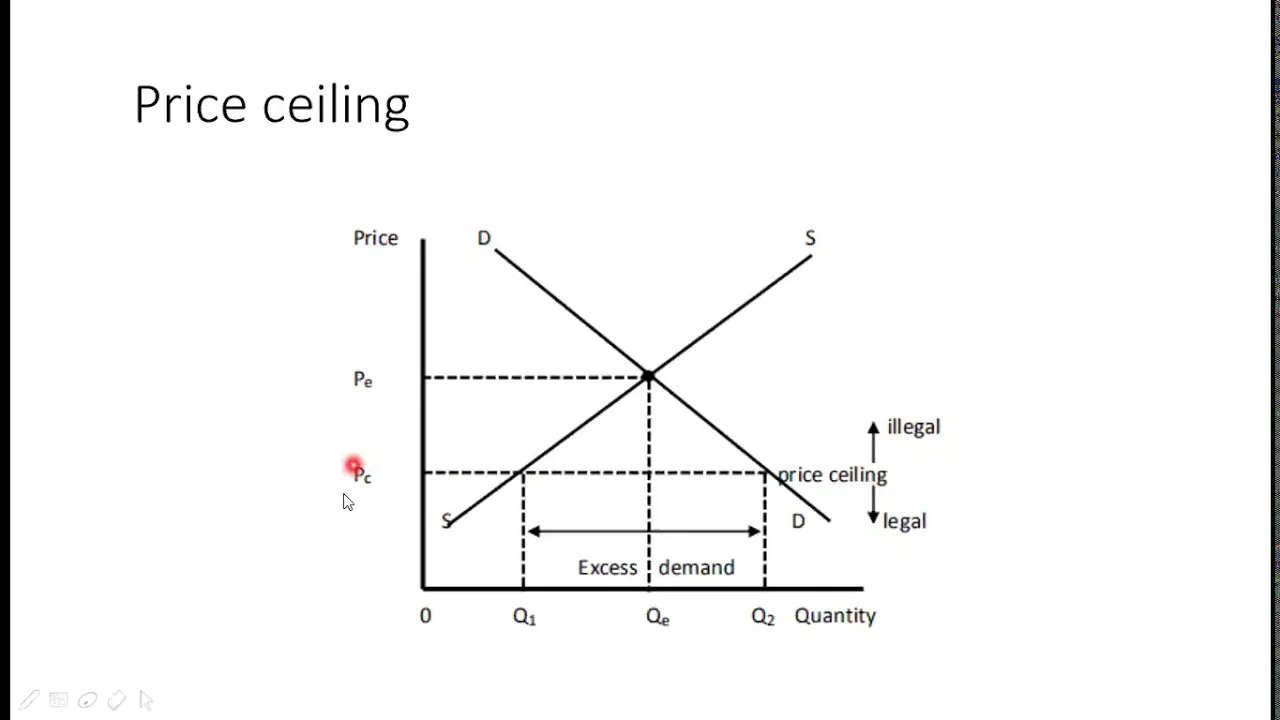
Government Intervention in Markets: Familiarity with price floors, price ceilings, and market distortions.
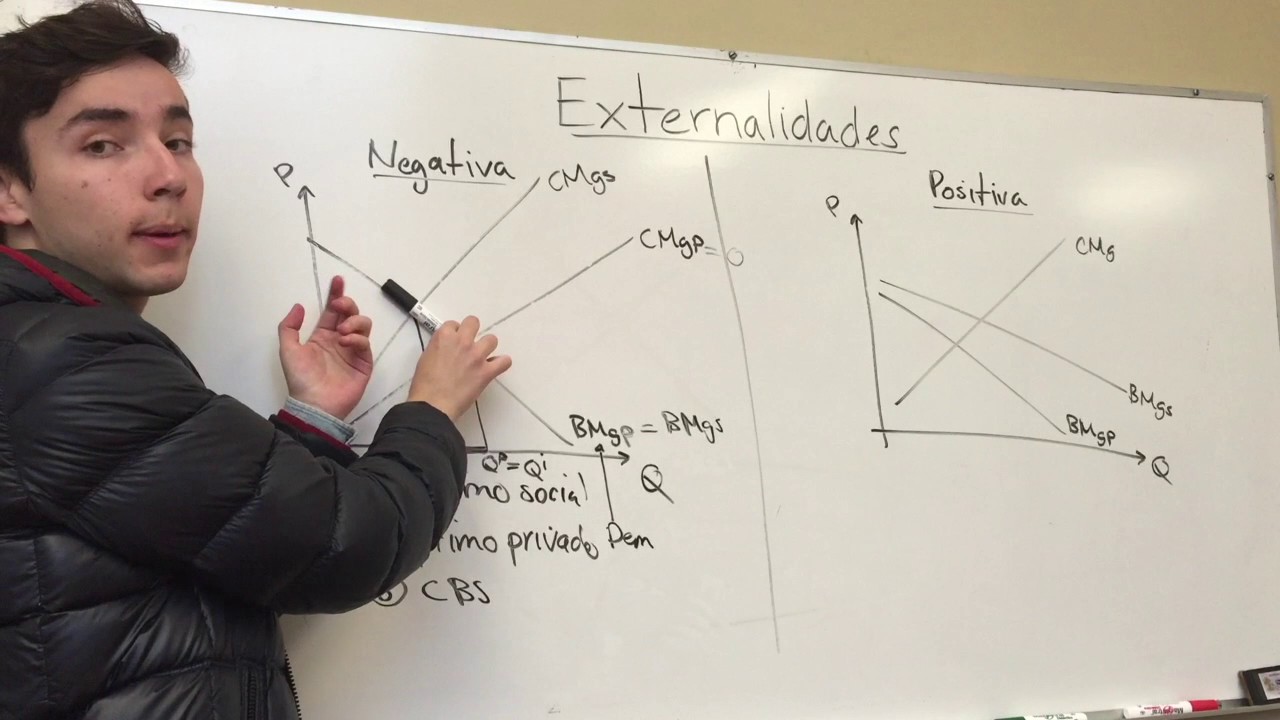
The Concept of Externalities: Knowing how public funding or subsidies can address market failures or create unintended consequences.
Fiscal Policy Basics: Understanding how government revenue (taxes) is collected and allocated to public sectors.
International Trade and Agricultural Tariffs: Exploring how domestic subsidies affect global crop prices, trade agreements, and competition with developing nations.
The Politics of the U.S. Farm Bill: Analyzing the legislative process, lobbying efforts, and policy evolution of agricultural spending.
Environmental Economics of Agriculture: Investigating the ecological impacts of subsidized industrial farming, such as soil depletion, water overuse, and monoculture.
Development Economics: Studying how agricultural policies in wealthy nations impact food security and rural poverty in developing economies.
15.3K views649likes30:39Original Release: 2024-08-31
folks today we're going to stir the pot a little bit we're going to talk about a subject that brings about strong reactions in people both for and against today I'm going to explain all about Farm subsidies how they work the problems with them and more importantly how the American taxpayer actually receives a benefit from them [Music] [Applause] [Music] now today my goal this video is not to convince you to be either for Farm subsidies or against Farm subsidies my goal today is explain them to you so that you can then make an educated decision for yourself on what's your actual opinion of them is now over the years I've heard all the terms used to describe Farm subsidies farmer welfare farmer Queens welfare Queens Etc just to be upfront our farm does receive Farm subsidies we do participate in the farm programs and this uh information is public information and available on the internet if you look in the right place now personally I am against government subsidies as I believe that the government should not involve itself in the free market however if I were not to participate I would put our farm at a severe disadvantage in being competitive for farmland and growing our operation I do believe that our farm operation will be able to survive if Farm subsidies would be eliminated due to our unique sustainable practices now today with partisan politics keeping a new farm bill from being passed I thought this would be a good time to explain how they worked currently we are working under a farm bill that was passed in 2018 called the agricultural Improvement Act of 2018 it was originally a 5-year program that set was set to expire in 2023 but because of the partisan politics not being able to agree on a new farm bill it has been extended for one more year for 2024 now with this being an election season and partisan grid like rampant I don't see a new farm bill being passed this year either more than likely I would assume that there's going to be another extension of the 2018 farm bill now you might be interested to know that a majority of the money appropriated in the farm bill does not actually go to Farmers or farms in 2018 the 5year farm bill was predicted to cost $428 billion and 76% of that was predicted to go to nutrition programs such as snap only about 24% of the allocated money would actually go to farm programs such as crop insurance conservation disasters Etc now you might be asking yourself why is the majority of money allocated for a farm program not actually going to farm programs well it's because there's a lot more political influence from urban areas than rural areas and if a farm bill covered only farm programs then a farm bill would actually never be passed now the farm bill passed in 2018 just basically tweaked some things from the 2014 uh farm bill which was called the agricultural Act of 2014 now the 2014 Farm Bill actually had massive changes that completely changed the landscape of farm subsidies the 2014 Farm Bill did away with a traditional program payments and introduced two major programs that farmers could choose from these programs are called AG cultural risk coverage or Arc and price loss coverage or PLC now when Arc and PLC were introduced in 2014 farmers had to choose one program to participate in at the beginning and they were locked into that program for the length of the farm bill the 2018 Farm Bill actually allowed Farmers to annually elect which program they participated in now to understand how both these programs work you need to understand a term called base Acres both of these programs use base Acres to determine if there will be a payment to the farmer or landowner what a lot of people probably don't know is that farm program payments are not actually tied to actual production in a given year Farm subsidies tied to Farmers actual production are not allowed by the World Trade Organization of which the United States is a member now this Farm behind me I've got cotton planted but on this farm for this year I might have a chance to get paid a farm subsidy for say corn or wheat or soybeans now this is because of Base Acres base Acres actually began with the 1985 farm bill called the food Security Act of 1985 the 1985 Farm Bill utilized the average acre planted on a particular farm from 1981 through 1985 to establish what the base acres for each Farm was now base acres are tied to each particular farm and represent the number of Acres of a covered commodity eligible to receive program payments now for example the farm behind me has 57 Acres of cotton currently planted on it but back in 1985 this particular Farm might have only had sa 40 planted Acres instead of 57 planted Acres you know there might have been some fence lines you know there might been some trees that have been clear cleared cleared since then so now the farm acreage is currently greater than what it was when these base Acres were set back in 1985 so back in 1985 it was determined that this Farm had 40 base Acres on it that could be attached to a particular covered commodity these base Acres were fixed until the 2014 farm bill when farmers were allowed a one-time reallocation of Base acres and the commodity that they were associated with that means that we could reallocate these base acres to more accurately reflect what we were planting at that time now in this area in 1985 cotton was planted on the vast majority of acres and most farms in this area had cotton base acres by 2014 cotton Acres had drastically reduced in this area and a lot more corn soybeans and wheat was being grown so in 2014 when we were allowed to reallocate these Acres I could have allocated all of the 40 base acres to Corn soybeans or wheat in the 2014 Farm Bill cotton was no longer a covered commodity due to issues with the World Trade Organization now what I actually did on most of my Farms this one been included was break up the total number of Base Acres up and assign some of them to corn some of them to soybeans and some of them to wheat now in the 2018 Farm Bill cotton seed not cotton was brought back as a covered commodity and now on a lot of my Farms I have some base Acres allocated as cotton seed Acres now is important to remember that the number of Base Acres on a farm has never grown since 1985 and may not accurately reflect the number of Acres that are actually being grown on that farm so now that you understand base Acres let's get back to Arc and P LC and how do they actually work let's start out with Arc and how a payment can actually be triggered now Arc really works similarly to the federal crop insurance program for Arc each county has a list of approved program crops for each of the crops there's a benchmark average yield per acre for that county is a 5-year Olympic average for the 5 years preceding the program year the Olympic average means that for the previous five years you take out the highest average and the lowest average you average the middle three crop years together to give you the the Olympic average there's also the Benchmark average price it is the Olympic average marketing year price for the preceding five crop years it is not County or state specific next Benchmark Revenue per acre is calculated it is the county average yield multiplied by the average price after that guaranteed Revenue per acre is calculated the guaranteed Revenue per acre is 86% of The Benchmark Revenue a payment is triggered if the actual County revenue per acre for the crop Falls below the guaranteed Revenue per acre however the maximum payment per acre is only 10% of the guaranteed Revenue remember that these are based on County averages not actual production numbers in my field I could have a disaster in the field behind me and the payment wouldn't be triggered unless the actual County revenue drops now there are two ways to trigger a payment under Arc if the county average yeld drops or if the price for a current marketing year drops there could be an above average County yield for the year but if the marketing year price drops significantly from The Benchmark price per acre Revenue could fall below the guaranteed Revenue thus triggering a payment on the opposite side the county average yield could drop below the Benchmark yield causing per acre Revenue to fall below guaranteed Revenue conversely the county average yield could be significantly lower than the Benchmark yield and a payment would still not be triggered this could happen if the marketing year average is significantly higher than the Benchmark price causing per acre Revenue to remain above the guaranteed Revenue let's look at a few hypothetical scenarios on the left hand side for The Benchmark for Crockett County Tennessee for corn you can see that there is an average yield of 180 bels an acre a benchmark price of $485 per bushel this gives us Benchmark revenue of $873 19 then 86% of the revenue is our guaranteed Revenue which equals $750.00 one let's say that Crockett County Tennessee has below average yields and a below average price 165 bushel for a county average yield for corn at $4 per bushel would give us an actual revenue of $660 per acre which is almost $91 per acre less than what our guaranteed revenue is however there is only a maximum allowed payment rate of 87.3 per acre which is what we would be paid for the corn base Acres on this Farm now in scenario two we have a high yield and a low price however the higher yield more than offsets the lower price causing our actual Revenue to come in at $9 per acre higher than our guaranteed Revenue resulting in no payment being triggered in scenario three we have drastically lower yield but we have a high price causing our actual Revenue to be $10 an acre higher than our guaranteed Revenue thus resulting in no payment being triggered again now how would that apply to the farm behind me let's say that Crockett County faces scenario one where we have low yields and a low price on this 57 Acre Farm we have 40 base Acres as I referenced earlier let's say those 40 base acres are evenly divided between the four crops I grow I've got 10 base acres for corn 10 base acres for soybeans 10 for wheat and 10 for cotton seat if a payment is actually triggered only 85% of the base Acres of that commodity are paid for so if corn triggers a payment I will actually receive a payment for 82 out of the 10 base Acres 8 1/2 acres times the payment rate of $873 in scenario one totals $ 74222 that would be the payment for this Farm if any of the other Commodities with base Acres on this Farm trigger a payment I would also receive a payment for those based on the individual scenarios for those commodities now that we've covered Arc let's see how PLC works it is a lot simpler than Arc in that it only focuses on commodity prices with County yields not actually figured in in the 2018 Farm Bill producers were allowed to update their historical yields in regards to PLC these yields were based on the average yield of a commodity for the 2013 to through 2017 crop years on the particular Farm These yields will be used to figure a payment amount if a payment is actually triggered under PLC for PLC there's a reference price on every cover commodity now this reference price can fluctuate yearly based upon the Olympic average price for the preceding 5 years if the marketing year average Falls below the established reference price a payment is triggered let's look at some scenarios behind me if I elected to take PLC on this Farm let's say my average yield for corn from 2013 through through 2017 on this Farm was 160 bushels per acre the established reference price for the 2024 crop year for corn in the United States is $41 per bushel if the marketing year average price for corn is $410 per bushel then no payment would be triggered because the marketing year average price was above the reference price now if the marketing year average comes in to say $3.95 per bushel we would receive 6 cents per bushel on our established 160 bushel per acre yield giving us a payment of $9.60 per acre now if the marketing year average price drops even further as referenced in scenario 3 our payment would grow further now instead of using 160 bus per acre average yield let's just say that our uh average yeld for this Farm was 200 bushels per acre at the same marketing year average price as referenced in scenario 3 our payment would be larger now do you remember the maximum allowed payment per acre that we discussed in Arc now to my knowledge there is no maximum acre payment in PLC I may be wrong on this I cannot find a research saying whether there was or was not however in PLC we are still limited to being paid on only 85% of our base acres for that commodity for example under scenario two we are being paid $9.60 per base acre on this Farm we have 10 base corn Acres we will be paid for8 and 1 half of those Acres giv us a total payment of $81.60 total for the entire Farm now as I said earlier each year we can make elections on which program we want to go with we can decide crop by crop for example on this Farm we have 10 base Acres each of corn cotton seeds soy beans and wheat we can elect to go with arc on corn and soybeans and then go with PLC on cotton seed and wheat or any other different combination that we want to now we have to decide which program to go with by March 15th of that crop year so as you can imagine producers are doing a whole lot of guessing about how the year will play out as far as you know potential yields and what the Market's going to do up or down and as far as trying to determine which program would benefit us the most now one other thing you might want to know is that if there are any payments triggered in a crop year those payments won't be made until the next crop year for example if I draw a payment on this farm for this year that pay payment won't be received until after October 1st 2025 now those are the two basic pillars of farm subsidies but there are quite a few other parts of the farm bill that can subsidize producers in other ways one of those is the federal crop insurance program now I made a video a couple years ago detailing how the crop insurance program works so I won't dive off into too much right here you can find that video on our how Farm stuff works playlist but to give you a brief overview producers can elect to Ure their crop at different levels and a portion of their per acre premium is subsidized by the federal government the percentage of the premium subsidized depends on the coverage level the higher coverage levels are subsidized much less than the lower coverage levels now these subsidies are not paid directly to the producer they are paid to the insurance company crop insurance is not run by the federal government but is regulated by the federal government through private companies crop insurance premiums are set by the federal government and will not vary from one crop insurance agency to another now conservation is another big part of the farm program that uh producers can elect to participate in one of the most prominent conservation programs is the Environmental Quality incentives program or equip which is administered by the natural resource and conservation services or the nrcs this program subsidize producers to make improvements on their farm that will improve the environment now for many years this program focused on reducing soil erosion that would lower the productivity of farmland and pollute the nation's waterways this was done by having a cost share plan with the producer to build Terraces sediment control basins grass waterways buffer strips Rock shoots and many other structures the nrcs will draw up the plans for a structure according to federal guidelines and determine what the cost should be the producer would then be required to build the structure according to the specifications and equip would reimburse the producer for a portion of the estimated cost now more recently equip is being used for other conservation practices such as the use of cover crops pollinator habitats nutrient management planning transitioning to organic and many many others equip will reimburse a producer for the portion of the cost typically associated with these practices however there's a limited amount of money allocated each year for equip projects and not all of the projects will be funded producers must submit an application that will be ranked by the nrcs and payments will be made to the high rank projects and work their way down the list until allocated funds are exhausted now years ago our farm did participate in equip and related programs to build these erosion control structures now that all of our Farms have these permanent structures built on them we are now utilizing equip and other programs to help us with the cost of planting cover crops now some years we have been able to get funded and other years we have not just depending on how our application has ranked against the other applications for the country and also the total amount of money that has been allocated for our County for equi purposes another popular conservation program is the conservation Reserve program or CRP this is probably the most likely program that you've heard of this is a long-standing program that has been around since 1985 in where a land owner elects to take his land out of crop or animal production and sews it with a specific blend of native plants the purpose of this program is to take low yielding highly erodable ground out of production so that the soil can heal itself protect water quality and provide habitat for wildlife now there are strict guidelines that a landowner must follow in the maintenance of the land and there are severe limitations on the use of the land if the land owner follows these guidelines the CRP program will pay the land owner a specified rental rate per acre every year notice that I said land owner not producer the actual owner of the property will receive the payment producers can receive the payment if they are the actual land owner of that property the CRP contracts for a partial land are generally 10 to 15 years in length now we don't participate in the CRP program as all of our table land is put into crops another popular conservation program that we participate in is the conservation stewardship program or CSP this program is similar to EIP but it focuses more on helping you expand your conservation efforts by paying a portion of the cost to implement new conservation activities now there can also be other Farm subsidy payments if a particular region is declared a disaster area by the federal government due to extreme drought flooding hurricanes Etc the legislative branch may pass bills to assist producers in those areas however to be eligible for any kind of disaster payments uh passed in subsequent bills a producer must have purchase at least some level of crop insurance to help mitigate his loss now there can be other sub these available say in the form of low interest loans these are generally available to beginning farmers and ranchers minority Farmers women Farmers or Native American farmers there also may be low interest interest loans available to other producers if their area has been declared a disaster area now I imagine that right about now you're probably thinking it sure sounds like farmers can make a killing off of subsidies if they Farm enough Acres yeah it seems like we're talking about some potentially big numbers here especially people who only have to balance the books on their household and not a business it can be a lot of money but subsidies paid for low yield low price or disaster to not even come close to covering the losses actually experienced and we also have payment limitations to talk about also now on these payment limitations any producer who has over a $900,000 adjusted gross income for any of the previous three years is not eligible to participate in PLC or Arc now if a producer does qualify for PLC and Arc if payments for PLC or Arc are triggered total payments for the producer cannot exceed $125,000 per crop year now if a producer elects to participate in CSP uh contracts have a total payment limitation of $200,000 for the length of the farm bill now if you're looking at the situation we're in now the original 2018 farm bill was for 5 years well now it's been extended to 6 years for 2024 probably will be extended to 7 years for 2025 so that payment limitation of $200,000 still applies even though the farm bill is being extended equip programs have a total payment limit for the link of the farm bill at $450,000 and there can also be other limitations just depending on the program now that we discussed the basic tenants of farm subsidy let's talk about the problems with Farm subsidies in my my opinion the single biggest problem with Farm subsidies is that is that they're not actually tied to the actual production on a farm in a given year like I mentioned earlier this is because the United States is a member of the World Trade Organization and the WTO has LW specifically forbidding subsidizing actual Farm production the WTO believes that subsidizing actual production would be trade distorting and the WTO was created in 1995 to increase access for imports and reduce barriers to trade for the membership countries however this means that because subsidies are not actually tied to production I might receive assistance in years that I don't need it and not receive assistance in years that I actually do need it I've already demonstrated how I might be paid for a crop on a farm that I'm not even growing that year or my Farms on this end of the county might be devastated by a flash drought or flooding but because the whole County was not affected I might not receive payment when I needed most now there has been one Farm subsidy that I'm aware of in history that was actually tied to actual Crop Production on a farm in a given year in 2018 president Trump thumbed his nose at the WTO and pushed for the market facilitation program uh the market facilitation program was completely separate of the 2018 farm bill this was in response to the trade war with China in where China was retaliating against the US tariffs by importing much less uh agricultural Commodities than what they had been previously now for a period of years this resulted in much lower commodity prices for the US farmer due to decreased Demand with the US farmer bearing the brunt of the trade War the market facilitation program provided supplemental payments based upon actual Farm production to help cover the additional losses experienced by producers now on to other problems sometimes the payments levels for conservation efforts exceed the cost of implementing the practice for the producer just here for instance uh in recent years here in Tennessee equip payments for planting cover crops have far exceeded the cost of farmers actually planting them now this has led to some producers abusing the system by planning lowcost cover crops just to make a profit off of the federal subsidy without any regards to making sure uh if the cover crops actually succeed and benefit the and the way the program is designed to now these new users signing up for cover crop subsidies usually rank quite a bit higher on the list that I talked about earlier thus drawing money away from lower rank producers who have been doing it for a while who are actually trying to make the system work and then not only that overpaying per acre for cover crops means that fewer producers and fewer acres are covered by the limited amount of allocated money another problem with the existing Farm subsidies is that the is a big nation with climate ranging from tropical to Desert the 2018 farm bill is kind of a one siiz fits-all program but with an area the size of the US with this vastly different growing regions it's impossible to have one farm bill that suits every producer the way that the way that they need it to some areas may receive more funding than they need While others suffer and then of course there's the elephant in the room the cost the 2018 farm bill was projected to cost 4 28 billion over its 5-year lifespan now even factoring that 75% of that 428 billion dollar was projected to go to programs not related to agriculture like Wick and snap but even with that being said we're still talking about a huge chunk of change for a country that is currently sitting at $35 trillion in debt as I film this right now Farm subsidies do take money paid by the taxpayers and distribute it to others just like any other kind of subsidy does it's just the nature of subsidies but that being said how are Farm subsidies different from other types of subsidies how do they actually benefit the American taxpayer in my opinion the American taxpayer does actually receive a return on its investment now let's look at the cost of food depending on the source you look at the percentage of disposable income spent for food by the average American is between 5 to 10% since the pandemic I'm sure youve noticed that prices in grocery stores have gone gr up dramatically according to the statistics I found in 2023 us consumers paid around 11.2% of their disposable income on food but wages were generally higher also now this table that I'm showing right now shows the percentage of disposable income paid by the citizens of various countries across the world as you can see the Americans spend the lowest percentage of their disposable income on food lower than any other nation in the world this is mainly attributed to two reasons well the first reason is that America is a large company capable of growing almost every type of food that we consume we don't need to import very much food thus lower in cost the US is actually a net exporter of food now because a lot of these other country size and topography and climate and everything many of these other countries have to import a large percentage of their food because they're just not able to grow it themselves but the second reason for low food cost in the US is Farm subsidies Farm subsidies keep food prices low but how do farm subsidies keep prices low did you know that farmers make up less than 1% of the US population as of the last census there are 2.6 million us Farmers that produce enough food to feed 333 million people plus a lot more across the world the bottom line is that subsidies help keep farmers and business both the good Farmers that could survive without subsidies and the bad ones that would likely fail without sub subsidies currently there is about 893 million Acres of Farmland in the US producing crops and livestock that figures to about 343 acres per farmer the 2.6 million farmers are having to compete against each other for the available Farmland to make a profit for their business the most common way to increase a farm business's profit is to increase yield increase yield leads to increased national production increased production leads to increased Supply as you can see from the charts production per acre has increased dramatically over the course of many years now what happens when you have increased Supply increased Supply least lower prices as you can see from these price charts commodity prices that we receive have remained relatively flat from 1983 until now corn and wheat prices have remained very flat while soybeans have seen a modest uptick cattle prices have grown some over the years with a latest increase most likely due to the pandemic now on some of these Commodities you can see a spot where prices have really jumped before falling back flat these spikes were generally the result of production issues resulting in a shortfall in production leading to subsequent years having an elevated price these price spikes would likely become permanent without subsidies if there's fewer Farmers there's less competition for the land if there's less competition for the land farmers can fire more acres and spread their fixed cost over more Acres leading to less urgency to drive a profit from maximizing production on every single acre so folks that concludes a very basic overview of Major Farm subsidy programs and how they work now this H now this video dealt with primarily the road crop side because well that's what I'm familiar with I'm sure that there's some kind of subsidies out there for livestock and animal producers vegetable producers I'm just not very well versed on how those programs work I'm sure there's something out there I just don't know ex what the exact details are now when dealing with these farm programs on an individual Farm level it can be a whole lot more complex than what I've described here I just tried to try and give you the 30,000 foot view of how Farm subsidies work but now that you have the facts about how these programs work you can now make an educated decision about what your position is on Farm subsidies are you for them or against them based upon what you know now now while I understand a lot of y'all may have a lot of anger about your hard-earned tax dollars being given to someone else I hope that now that you can recognize that you are actually getting some kind of value for it well guys I hope yall enjoyed the video I hope you found interesting and I appreciate y'all watching and we'll see you in the next one
Up Next

28:30
US Farm Policy and Global Trade: Subsidies and Development
@WoodrowWilsonCenter
303 views•2013-10-01

5:07
Impact of Yuan in Indo-Russian Trade Amid Sanctions
@WION
261.9K views•2022-07-01

41:08
How Crop Insurance Works for Row Crop Farmers Explained
@griggsfarmsllc
11K views•2022-09-12

113:18
The Age of Easy Money: Fed & Inflation | Full Documentary
@frontline
21.2M views•2023-03-15
Related Study Plans & Knowledge Roadmaps
Structured learning paths in Economics
economics
Sovereign Debt: Defaults, IMF & Restructuring
01Introduction to Sovereign Debt & Government Bonds
02Debt Sustainability & Credit Ratings
03Anatomy and History of Debt Crises
+ 2 more learning modules
12h5 modules
Explore Roadmap
economics
Market Design: Matching Theory & Gale-Shapley
01Introduction to Market Design and Price-Free Markets
02Two-Sided Matching & The Gale-Shapley Algorithm
03School Choice Systems and Mechanism Design
+ 2 more learning modules
10h5 modules
Explore Roadmap
economics
Impossible Trinity: Forex, Capital & Policy
01Introduction to Monetary Policy and Central Banking
02Exchange Rates and International Capital Flows
03The Mundell-Fleming Model
+ 2 more learning modules
8h5 modules
Explore Roadmap
economics
Healthcare Economics: Market Failures & Systems
01Introduction to Healthcare Markets and Market Failure
02Asymmetric Information and Adverse Selection
03Moral Hazard and Insurance Design
+ 2 more learning modules
12h5 modules
Explore Roadmap