













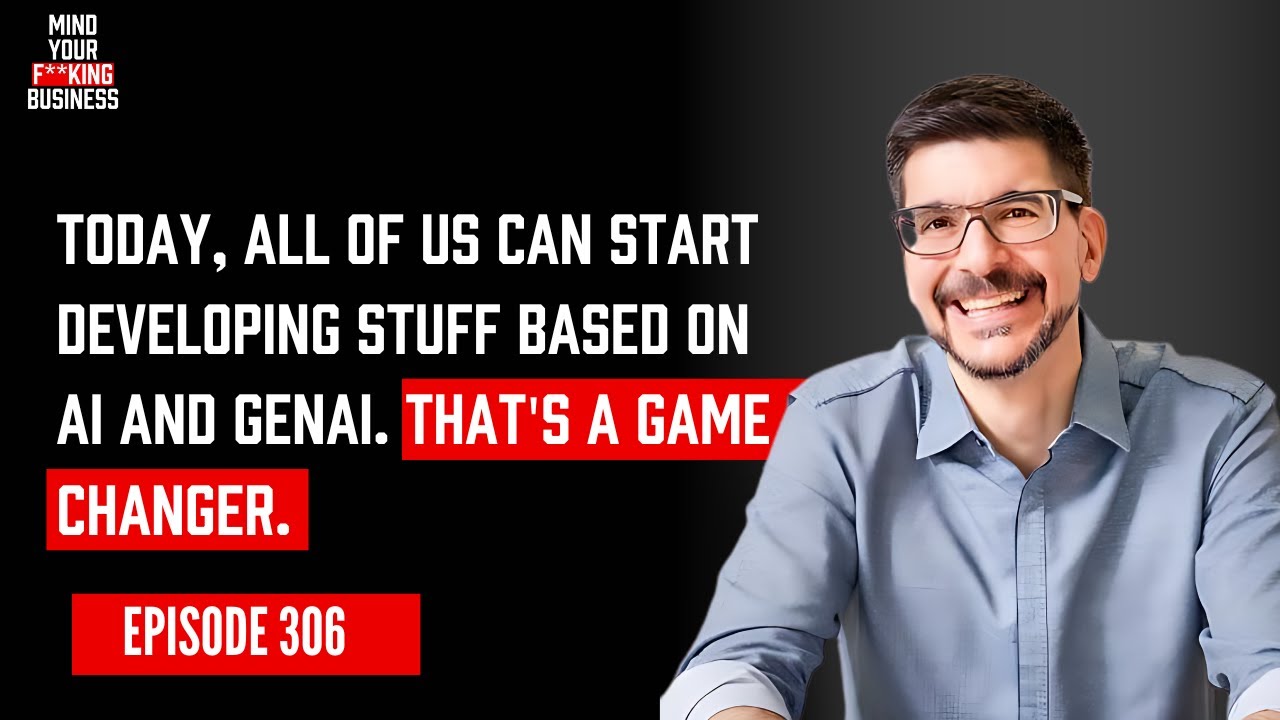







Business owners should increase prices when costs rise (inflation, tax increases, minimum wage) to maintain profitability, using market threshold testing to determine optimal pricing by progressively increasing prices until customers decline, while rewarding existing loyal clients through grandfather pricing (keeping their original rates) and launching new products at lower prices to build customer base before increasing value and prices.
Strategic Pricing: How to Increase Prices Without Losing Customers
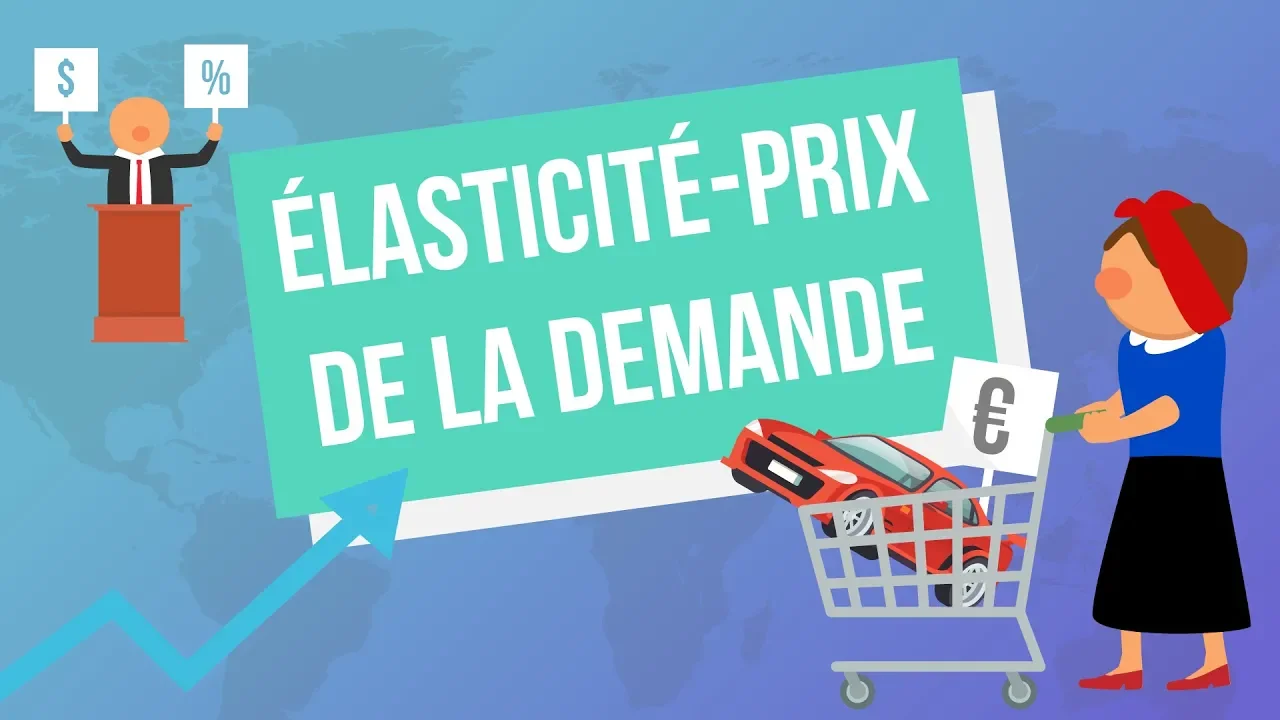
Added:Price Elasticity of Demand: Understanding how price changes affect consumer purchasing behavior and overall revenue.
Basic Pricing Models: Familiarity with cost-plus, competitor-based, and value-based pricing strategies.
Customer Lifetime Value (CLV) and Retention Metrics: Knowing how to calculate the financial impact of client retention and churn.
Market Segmentation: Comprehending how different customer groups perceive product value and their varying willingness to pay.
Behavioral Economics and Price Anchoring: Exploring how cognitive biases and psychological framing influence consumer perception of new prices.
Pricing Experimentation and A/B Testing: Learning how to scientifically design and run price tests in live markets to determine price elasticity.
Dynamic Pricing Algorithms: Studying advanced models that adjust pricing in real-time based on supply, demand, and market data.
Strategic Crisis and Change Communication: Developing communication frameworks for announcing price increases to clients to preserve trust and brand reputation.
10.7K views50likes13:49Original Release: 2024-04-29
when we started gold Circle in 2016 uh the program for that mentoring program was around £7,000 around that per year and the the interesting thing is that that now is 16 177,000 program per year but it's not the same program as it was 8 years ago but there were people that joined me in 2016 and I've let them renew every year for their original price point he everybody welcome to another episode of business growth Secrets the podcast I'm here with Charlie from my marketing team and he has been asking some epic questions from you epic epic people that have been commenting and putting them in the comments so if you have a business question a business challenge that you want to ask go ahead comment put it in the chat and we will be more than happy to help you with it you know what is this podcast all about it's all about helping business owners take their businesses from like six figures to seven figures how do we turn you into a million pound business owner using scaling strategies that's what it's all about take it away Charlie with your questions for today so this one is uh that a lot of business owners come to us about come to you about um and it's a bit of a controversial area but it's about putting their prices up what is the how do you go around that with your existing clients when do you decide that the prices have to go up um and what are the best strategies about yeah about having that conversation with them okay so lots of different aspects of the question let's break it down so the first part of when should you put your prices up for most businesses probably right now is is the answer and a lot of businesses under charge and a lot of people's pricing strategies what they do is they go right I need to figure out what my prices are for my business so they go and they find somebody that does something similar to them just match it and they match it put it a little bit higher a little bit lower depending on where they're at you know they find two or three people and they go somewhere around that and that is their pricing strategy and then they leave it like that for years yeah yeah yeah don't even change and it's crazy and when you look at what we've been going through in the economy over the past couple of years with inflation um inflation is going up and many people have not put their prices up um but everything that they P so for imagine this for a moment I just try and really get across to you imagine that we kept our price is the same continuously forever and we're running a business and year one let's say we run a business year one make a million quid sell sell a million pound worth of stuff after we've paid for everything we make £100,000 net in the business we've got 10% profit right million P 100,000 and then year two um we do the same thing you know million quid 100,000 in profit year three same thing and then inflation changes in the UK and we don't do anything about it we don't change our prices and we sell a million P worth of stuff going but basically everything that we pay for has gone up in price so we've still done a million pound worth of sales but instead of making £100,000 because we've paid more for everything and all of a sudden we might only make £20,000 so we've worked the same amount of hours the same amount of time the same amount of effort we're just making less money why because that's what happens with inflation when you pay more for everything else your profitability is affective so when I say why should bus owners probably put their prices up especially what we just been through in the UK economy um business owners need to do that and the reality is it's not just that you know inflation is one thing but what we've also seen is we've seen corporation tax has increased from 19% to 25% so at the end of the year on that £100,000 a business used to pay you know £19,000 in corporation tax and now paying 25 yeah yeah so the inflation you're paying more for everything you buy you're paying more in tax you know and guess what's also gone up minimum wage so the employees that that pay for you you got they've gone up as well so all of the sudden your 100 G is G shrinking really shrinking yeah yeah yeah so business owners need to be commercial they need to be smart and they need to understand and and then they go I can't put my prices up because my competitors are not well the reality is your competitors are going to go go out of business yeah yeah yeah because there being scared of your competitors when like you need to be more scared of losing money and going out of business yourself yeah you do you need to be more scared of your business being at risk than what your competitors are doing so there's a sharp wakeup call to a few business owners that are watching and the actual reality so this is how pricing works I always always remember I had a really when I when I first started um coaching business not even this business I first started coaching ever I had a great coach at the time that was working with his name was U Marco yeah and he talked to me about the concept of uh Market thresholds and what he said to me was as I went out and I and I had a few people that really wanted to work with me and wanted to coach them and I was running other businesses it wasn't my main business it isn't what I wanted to do but they were asking me so I said how much should he charge he said well you know charge as much as you possibly can and uh do them a great deal give them value so the first thing I said is okay yeah I'll coach you it's £1,000 £1,000 a month and the person I made that offer to said yes yeah no problem so I said Marco uh yeah I did what you said I charged,000 a month they're they're happy we're getting great results so what have you managed to do for their business well when they started working with me they were losing £10,000 a month we turned that around now and now they're making like £8,000 a month so they swung the whole profitability like wow well they got a good deal at a grand didn't they I went oh I suppose they did he said well yeah you saved their business he said oh I said well what do I do he said well the next person that wants it you charge 2 and half th000 and what did I go I was like I I I don't know if I could charge that yeah said just do it so I went out and the next person I Char 2 and a half thousand and they were like oh yeah great so I started working with them I got them a great result and then I remember talking to Marco and I said Marco what do I charge now he said charge 5,000 yeah no I couldn't possibly do that he's like so I did and then he said yeah and they got then charge 10,000 like I can't possibly charge £10,000 and he said and the lesson in this of the stacking of the pricing yeah is what I was doing was actually testing the Market's appetite yeah for the offer right you go until someone says no yeah essentially if everybody's saying yes you're too cheap yeah now when I did go 10,000 people started losing their bottle and they didn't go ahead but then you know where it's at yeah so I knew that the market threshold type of opportunity was that unless I changed client I went out and deal with American Express and I'm Consulting for them 10,000 is nothing you're doing for your average business owner is different right so you know you're at the highest level so you don't have to worry about like I mean you already now know that you've tested it that for that that moment in time you're at the top of that level absolutely and that is the that is the concept of Market thresholds and most business owners have never applied that to their business they've never seen the impact of that they're too afraid that people will say no so they've never increased their their prices consistently in order to do that so it's something that I would definitely and I just gave extreme examples there but it might be that your restaurant is currently charging $6.99 for a Mill and you yeah you could and you could charge $9.99 and then people would say nothing and then you could charge $1499 and then they would say nothing and then you would charge $6.99 and then they would say nothing and then stop going into a restaurant cuz you because they think you start charging 20 think it's too expensive you know so you found your sweet spot and it's always worth testing and and look give you an example of how a restaurant could do that is maybe you don't change your menu but what you do is you put a special on for 2020 and you see orders a special speci and now you got a little test going on is to is there an appetite to spend 20 in my restaurant for the special and if there is maybe the special makes the menu yeah yeah yeah and then it's on men and then you get another special but this special is 22 Yeah exact exactly right and then you're and then you're building up building up building up and you're testing those Market thresholds and it's a it's a really good thing for business owners to do with their pricing uh so if if you go back to the the question you said pricing how do they do it um I think we we've covered a couple of those aspects well there's more to it Charlie or not yeah it was um it was just about so with your sa you're a service based business and I know maybe you're a life coach to someone and you've been charging them a certain amount of money all year but now you know everything's gone up April's come around and you want to start charging them more what's the sort of best way to go around that oh so existing clients okay yeah good really good question so look my My Philosophy on this and what I do is is I always reward loyalty yeah and I make that very clear so for example when we started gold Circle in 200 16 uh the program for that mentoring program was around £7,000 around that per year and the the interesting thing is that that now is 16 177,000 program per year but it's not the same program as it was eight years ago but there were people that joined me in 2016 and I've let them renew every year for their original price point yeah now why I appreciate lty yeah I reward loyalty yeah and what that means is that person that came in in 2016 well the difference between gold Circle in 2016 and gold gold Circle in 2024 yeah is that gold Circle in 2024 has nine coaches in it yeah you know you don't just get me and you get nine different coaches gold Circle in 2024 has trainings every single day gold Circle in 2024 is live streamed around the world gold Circle in 24 has uh marketing one-on-one coaching it has cron 201 didn't any of that so I'm getting a few points across in this conversation so first of all I don't increase pricing on existing clients I reward loyalty and secondly in and the second point of the conversation is in order to increase price you have to increase value you have to increase value you picked that up very well right you increase the value and and you can continue to increase the value and the more value you increase the more valuable that the product becomes to to the people and that's why people people stayed with us for years for the lty and new people get way more value than the person that came in originally and if anyone went well I'm paying I'm paying 20 grand for that and they paid oh you know I'm paying 17 and they and they paid seven well they paid seven for eight years yeah exactly right so they they've paid 70,000 they stay loyal with you right you know where yeah where where you might only be in the program for year or two right so so it's slightly different so I think that's a way of giving everybody value and also it gives that mentality of first come first served and when I launch a new product I always launch a new product at a low price point and the reason I launch a product at a low price points I want a lot of people to come on Board Test the product build the foundations you know and actually work with me through the process and then I will increase the price you know so the new people know they always get a great deal right yeah and that's yeah is is good yeah no answer that perfectly and I think yeah it definitely makes sense you know keeping the same price for those Lal customers um and then I love what you said about the the story with Marco like yeah testing the waters then you always know you're at you're at that you're at that ceiling so the strategy for the Loyalty strategy is often referred to as grandfather pricing and what that means is you're grandfathered in you were there at the beginning you get to keep the pricing all that so just so people are aware that that's kind of the philosoph and that's the philosophy that I like to use uh with my clients to reward them for their loyalty so I think to sum up from this episode if somebody's been listening you probably need to increase your prices right now okay you need to look at um how your costs have gone up and if you are worried about increasing your prices ask yourself how can I increase my value to the person that is buying the product or service because when you actually go and offer them that increased price you're not going to be worried about that when you go they now get this and they get this and they get this so if you look at it in that way increase pricing increase value look after and be loyal to your existing client base your existing client base should always get great deals you should always look after them and that way people grow with you brilliant smashed it there we go hopefully you've enjoyed that episode of business growth secrets and and make sure to leave us a comment below perhaps there is a specific topic that you want to discuss that you want to hear about uh perhaps there are some challenges that you're facing in business right right now and you need a little bit of help want to be here for you want to be your business growth partner in your business to help you through those steps uh so tell us how you're doing tell us what you're enjoying and I look forward to seeing you on the next episode of the business grow Secrets podcast thanks everybody guys
Up Next

14:11
SaaS Negotiation Tactics: Closing Deals with Procurement
@chris_orlob
2.5K views•2022-10-15
46:36
Retention Habits of Top DTC Ecommerce Brands Revealed
@SendItPodcast
44K views•2026-03-03

15:23
Decoy Effect: How Pricing Psychology Influences Consumer Spending
@bobinvestsUS
90K views•2026-01-05

17:30
The Planned Obsolescence of Light Bulbs and Tech
@veritasium
25.3M views•2021-03-26
Related Study Plans & Knowledge Roadmaps
Structured learning paths in Business
business
Pop-Up Retail: Strategy, Design & Execution
01Introduction to Pop-Up Retail & Strategic Goal Setting
02Budgeting, Site Selection, and Legal Essentials
03Experiential Retail Design & Visual Merchandising
+ 2 more learning modules
15h5 modules
Explore Roadmap
business
Reg CF: Startup Funding, Marketing & Launch
01Introduction to Equity Crowdfunding & Reg CF
02Platform Selection & Legal Preparation
03Crafting High-Converting Campaign Assets
+ 2 more learning modules
14h5 modules
Explore Roadmap
business
Productized Services: Scaling Solo Freelance
01Foundations of Productized Services
02Packaging and Scope Definition
03Pricing and Subscription Models
+ 2 more learning modules
15h5 modules
Explore Roadmap
business
Gov Procurement: Find, Bid & Win Contracts
01Introduction to Government Procurement & Business Setup
02Small Business Certifications & Set-Asides
03Finding and Analyzing Contract Opportunities
+ 2 more learning modules
14h5 modules
Explore Roadmap