














Successful SaaS procurement negotiations require three key techniques: (1) Always get your champion in the room with procurement to provide business context, (2) Isolate price objections into three buckets—lack of value perception, logistical payment issues, or desire for better deal—and solve accordingly, and (3) Great negotiation starts with great discovery, as the business case built during discovery serves as the foundation for all subsequent sales activities including negotiation.
SaaS Negotiation Tactics: Closing Deals with Procurement
Added:Understanding the B2B SaaS sales cycle, specifically the distinction between the end-user champion, the economic buyer, and the procurement department.
Fundamental negotiation theory, including concepts like BATNA (Best Alternative to a Negotiated Agreement) and ZOPA (Zone of Possible Agreement).
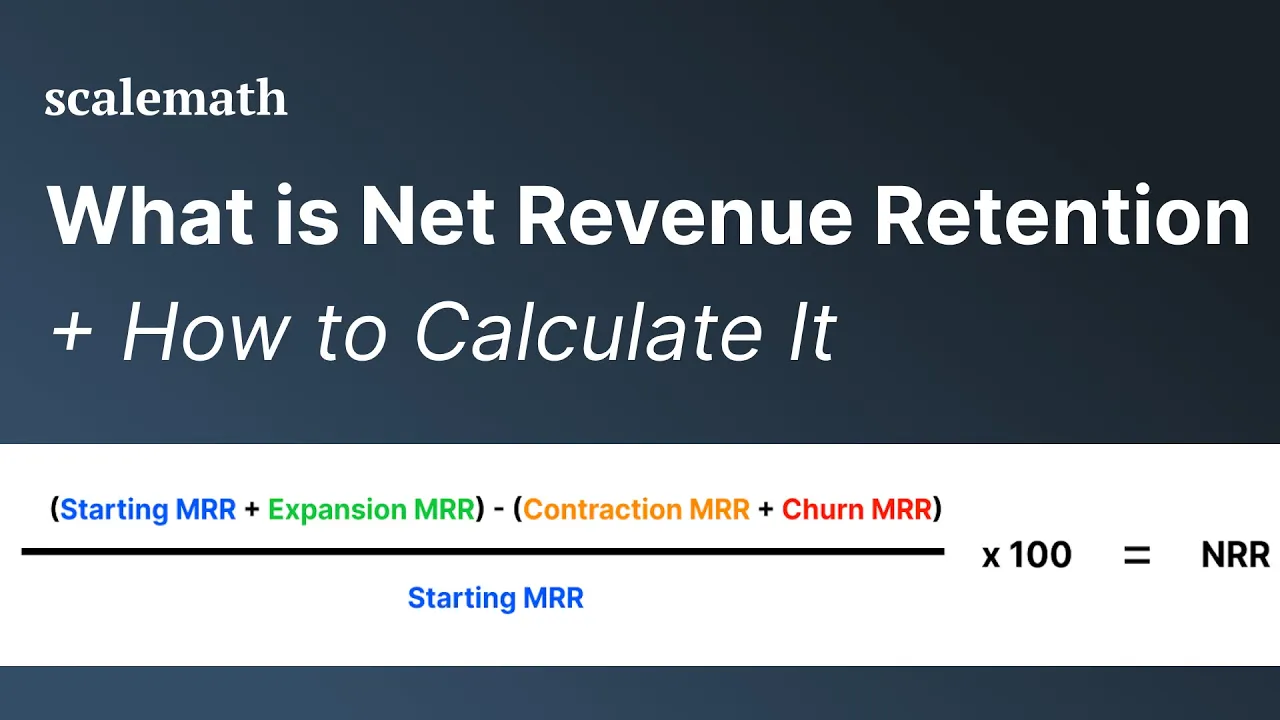
Basic SaaS unit economics and metrics, such as Annual Contract Value (ACV), and why discounting disproportionately damages net revenue retention (NRR).
Familiarity with standard SaaS contract components, such as Master Services Agreements (MSAs), Service Level Agreements (SLAs), and Statements of Work (SOWs).
Advanced enterprise contract redlining, specifically negotiating legal risk allocation, liability caps, and intellectual property clauses.
Designing and implementing value-based pricing structures and packaging configurations that defend margins during procurement reviews.
Multi-threaded selling strategies to build alignment across the executive suite, IT, and security teams before reaching the formal procurement phase.
Applying negotiation frameworks to customer success scenarios, including annual renewals, CPI price indexation, and account expansions.
2.5K views54likes14:11Original Release: 2022-10-15
hi this is Chris orlob and in this video I'm going to teach you how we negotiated a 385 000 Q4 SAS deal with procurement you're going to learn three techniques that'll help prevent you from getting ground down on price with procurement now stay tuned to the very end of this video this is a short video I have a special offer and message for you toward the end here so let's wind the clock or the clock back to October 2021 uh we were negotiating me and my top rep a 385 000 deal with procurement selling gong okay and we were almost at the finish line of getting this Q4 deal closed a little bit early and procurement of course was doing their thing grinding us down on price okay so we had a quote of 385 thousand dollars and they come back saying this price is insane we only have budget for two hundred thousand dollars okay so here's how the conversation unfolded in a way that helped us keep the 385 thousand dollar price point and then we'll unpack three techniques you can steal and start using today you're going to notice that a lot of our foundation of success was set up at the beginning of the deal that allowed us to negotiate in the way we did so when they said they only had 200 Grand and this isn't worth it we said how familiar are you with the business challenge we're solving in this proposal okay so we started asking questions and as expected they answered we're familiar you know but they only were familiar at a high level they said we're familiar you're going to help us ramp new sellers faster that's valuable but it's not worth 385 thousand dollars now the next thing we did was we gained permission okay we didn't just start doing back of the napkin math in their face because they would have resisted it and the conversation would have cut become adversarial and so the way we got permission is very simple and subtle we said can you walk or can we talk you through some of the math we did with your cro to see if it checks out with you right that phrase is simple but profound because if we went straight to doing the ROI calculation they would have resisted it and of course they said sure it's very hard to say no to that it you know somebody would come across as unreasonable if they did that so next we set it your existing account executive ramp time is nine months at month nine the average rep starts producing around forty thousand dollars in ARR per month after around eight months of more or less zero dollars we can just round it down to zero sometimes they produce a little bit more but for simple math okay does that sound right to you and they said yes next we said your cro tells us she's hiring 80 new account Executives in the next 12 months right starting in January 2022.
and they said I'm with you so then we go into so if you've got 80 new account Executives up to speed one month faster than you're currently doing it that's 80 reps times forty thousand dollars in ARR each that equals 3.2 million dollars in ARR that you wouldn't see and so the question then becomes how believable is it that we can cut a month off your ramp time with the capabilities we have given the context of your specific ramp problem and at this point the chief Revenue officer Chimes him and gives us a little air cover and she says very believable I've gone deep with them on this bingo so then we come back summarizing so a 3.2 million dollar expected return against a 385 000 spend okay and now we went into the objection handle okay so this this is uh one of the techniques we'll get into in a minute here but we said usually when we get price resistance at this stage it's for one of three reasons maybe a mix of both the first is you're not bought into the financial value you're not convinced we're going to see a return the second is there's a logistical issue preventing you from spending the money either you don't have cash or it's tied up in something else and then the third is maybe you're just trying to get a better deal which is expected and respectable and I can understand where you'd be coming from now given that context it feels like number one is not an issue it feels like we've proven the return though you can tell me if we're off so what's stopping us from getting this deal done from here okay so we set the context with these three potential buckets of prices resistance and we basically said which one is it now the contract got signed six hours later because what it turns out is they were just trying to get a better deal and they didn't really have anywhere else to go because we had highly differentiated the product earlier in the sales cycle from our competitors so there are three lessons to take away from you know this story that where we closed this 385 thousand dollar deal with procurement number one get your champion in the room with procurement I realize that is much easier said than done and they won't always agree to it and sometimes procurement will prevent that from happening but one of the talk tracks that's worked for me is when I get a procurement meeting scheduled and I'm talking to my Champion I'll say look I would love for you to be in that meeting with me procurement is going to try to get as good a deal as they can and I understand that and we're willing to give as good a deal as we're able to give that's fair for both sides but I want to make sure they are not negotiating without the context of the business problem we're solving and you are the best person to represent that context if and when we need it in that conversation so is it fair of you to join me in that conversation with procurement okay so a lot of the times that's still not going to work but shoot your shot always ask let them tell you no instead of telling telling yourself no by not even trying so number one get your champion in the room with you number two isolate the price objection isolate where price resistance resistance is coming from deconstruct that objection into its component parts okay and it's usually going to be one of three issues or possibly a mix of the first and second with the third or the first or second with the third so usually price resistance comes from one of three buckets you're not seeing the value there's a logistical issue preventing you from pay or you're just trying to get a deal and I use this talk track exactly when I get price resistance down the line in a sales cycle and I kind of force the you know person I'm negotiating with to answer which of these it is sometimes I'll leave off the last one the deal sometimes I'll just present the two buckets and say either you're not sold on the value or there's a logistical issue now based on how they answer that now you just start problem solving right if they say well I'm not really sold on the value now they just opened the door for you to do Discovery now you can start asking pain questions and building the value and hopefully you have some raw material already because if you're negotiating you should have a decent understanding of the business value you're providing but if that's what they answer with they open the door with you to do additional Discovery to go deeper on the problem you're solving now the second thing is that there might be a logistical issue right they might say we literally just do not have the cash to outlay 385 000 right now and usually my playbook at this point if your organization will allow it is seeing if you can get creative payment terms and so the first thing I'll you know tell them is or ask them is making sure this is the last thing this is the last objection so I'll say Okay so let's say that wasn't an issue let's say we found a way to pay at the price we're talking about would you then be willing to move forward or is there anything else preventing you from doing so if we did solve this issue and now you get those additional objections out and wrestle with those but if they say no this is the final thing now you can start conceding with payment terms right like quarterly payments or net 60 or net 90 break the payments up delay some of the payments okay but do not offer that until you know that this is the last thing there's no other objections you're going to have to Sir mail if you can jointly solve the payment issue then you have a done deal okay make them verbalize that before you offer it so it sounds like if this were solved is this the last thing or if I found a way to help you pay this in a way that mirrors your cash reality are we good to do a deal or are there more issues that we still need to face okay and then the third lesson is negotiation is really easy when you've done great discovery and other leg work earlier in the sales process so you remember the back of the napkin math that I shared with procurement well the only reason I had that is because I did or more accurately my rep did really great discovery throughout the sales process leading up to this point so great discovery it has a compounding effect on the rest of your sales cycle okay what you learn in Discovery influence is how you do your demo how you talk to people when you multi-thread the success criteria you set in a pilot or proof of concept it influences how you build your business case in fact you could argue it is the business case it's the raw material and as you've seen in this video it dictates how you negotiate and close a deal so Discovery influences everything in the sales process going forward and the big turning point in your SAS sales career is going to be when you understand this at a gut level okay sales is about problem solving not pitching benefits it's not about the product it's about the problem okay so that's why we created the SAS Discovery master class which is our online course that helps and teaches you how great SASE create urgency from thin air and sell even in an economic meltdown okay I've taught this to almost 2 000 SAS Sellers and it was the system that I used the five-step discovery system I used to train the number one sales team at gong be very high performing and sell through an economic meltdown so almost 2 000 SAS sellers are raving about this online course this is what just some of them are saying um absolutely raving about it people are loving it using the techniques and closing way way way more SAS deals as a result even in this climate so here's a little bit about it number one you're going to learn how to find business paying That Money Follows okay you'll get word for word questions and Frameworks to make dead certain you find pain and you also learn why ninety percent of SAS AES anchor their deal to the wrong problem okay that's an expensive problem if you spend 90 days of a sales cycle selling to the wrong thing number two you'll learn the secret of becoming a trusted advisor especially in this economy which is cause analysis I'll teach you why you literally cannot sell without the right root cause questions and you'll learn a dead simple technique that skyrockets your credibility with customers number three you'll learn how to create repeatable urgency on every deal okay it's a simple three-step technique to intensify business pain and move it up the priority list for your customers and when you do this you increase urgency which increases deal size which increases access to power in a perpetuating Circle all of these things feed on each other in a virtuous circle number four you'll learn how to get customers to run through walls okay that's how compelling you'll be able to craft your deals you'll get customers to want what you sell before you even demo and you'll learn how to tap into the raw emotion that boxes out your competitors and accelerates your deals fast and big so if that's interesting to you go to pclub.com Discovery you can learn more about the course there I've spent a lot of my life and time building this course it's probably worth about twenty thousand dollars I'm not charging twenty thousand dollars I'm not even charging five thousand dollars in fact I'm not even charging one thousand dollars right now at the time of this video you can get the course for a hundred and fifty Seven dollars so go to pclub.com discovery we've got three bonuses you'll see on that page those are temporary and won't be on that page forever and you'll get them if you sign up for only a hundred and fifty Seven dollars so go there now and I'll see you in the next YouTube video
Up Next

63:09
Negotiating Microsoft Enterprise Agreements: Legal Strategies
@ScottScottLLP
1.8K views•2020-05-28
66:41
Web3 Social Decentralization: Farcaster Co-Founder on Crypto Social Networks
@levychain
1.5K views•2022-10-18

15:23
Decoy Effect: How Pricing Psychology Influences Consumer Spending
@bobinvestsUS
90K views•2026-01-05

17:30
The Planned Obsolescence of Light Bulbs and Tech
@veritasium
25.3M views•2021-03-26
Related Study Plans & Knowledge Roadmaps
Structured learning paths in Business
business
CPG Retail Strategy: Pitching & Trade Spend
01Foundations of the CPG and Grocery Ecosystem
02Retail Math and Designing the Pitch
03Securing Shelf Space & Category Reviews
+ 2 more learning modules
12h5 modules
Explore Roadmap
business
Pop-Up Retail: Strategy, Design & Execution
01Introduction to Pop-Up Retail & Strategic Goal Setting
02Budgeting, Site Selection, and Legal Essentials
03Experiential Retail Design & Visual Merchandising
+ 2 more learning modules
15h5 modules
Explore Roadmap
business
Reg CF: Startup Funding, Marketing & Launch
01Introduction to Equity Crowdfunding & Reg CF
02Platform Selection & Legal Preparation
03Crafting High-Converting Campaign Assets
+ 2 more learning modules
14h5 modules
Explore Roadmap
business
Productized Services: Scaling Solo Freelance
01Foundations of Productized Services
02Packaging and Scope Definition
03Pricing and Subscription Models
+ 2 more learning modules
15h5 modules
Explore Roadmap