





![Nick Sherwin: The "P" of Price [Crowell School of Business]](https://i.ytimg.com/vi/qVE_1S-vrBA/maxresdefault.jpg)



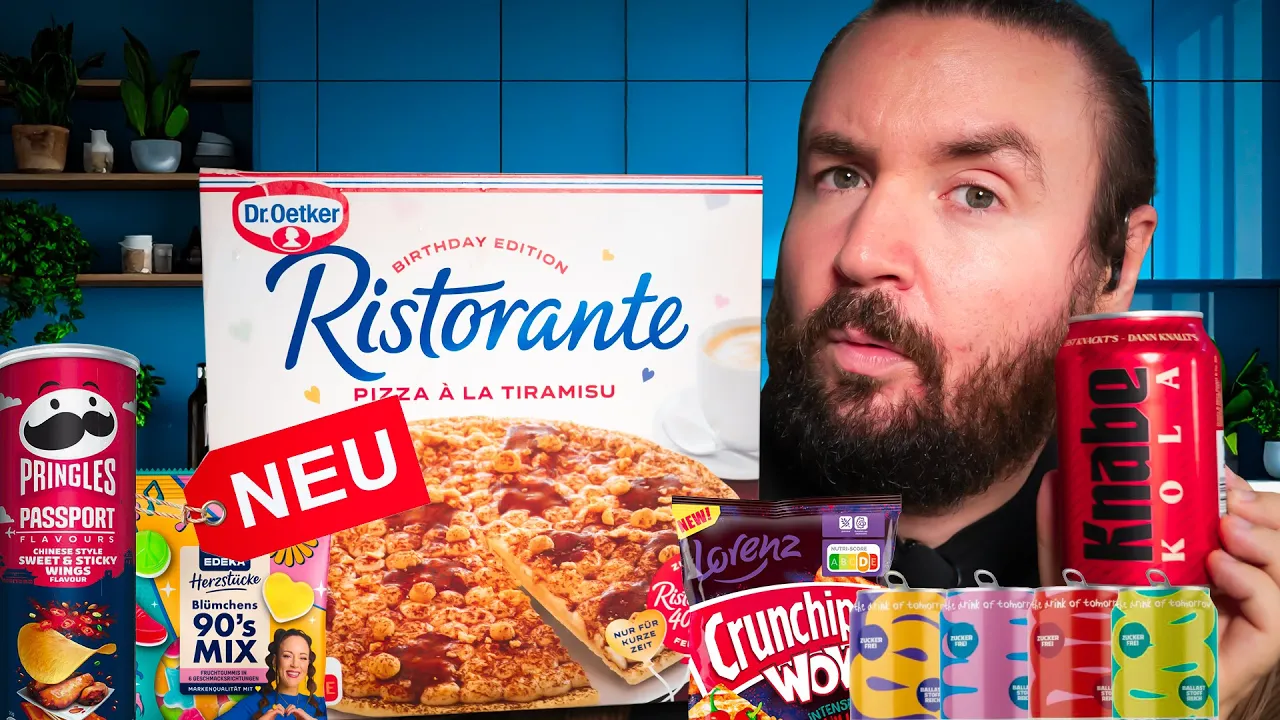




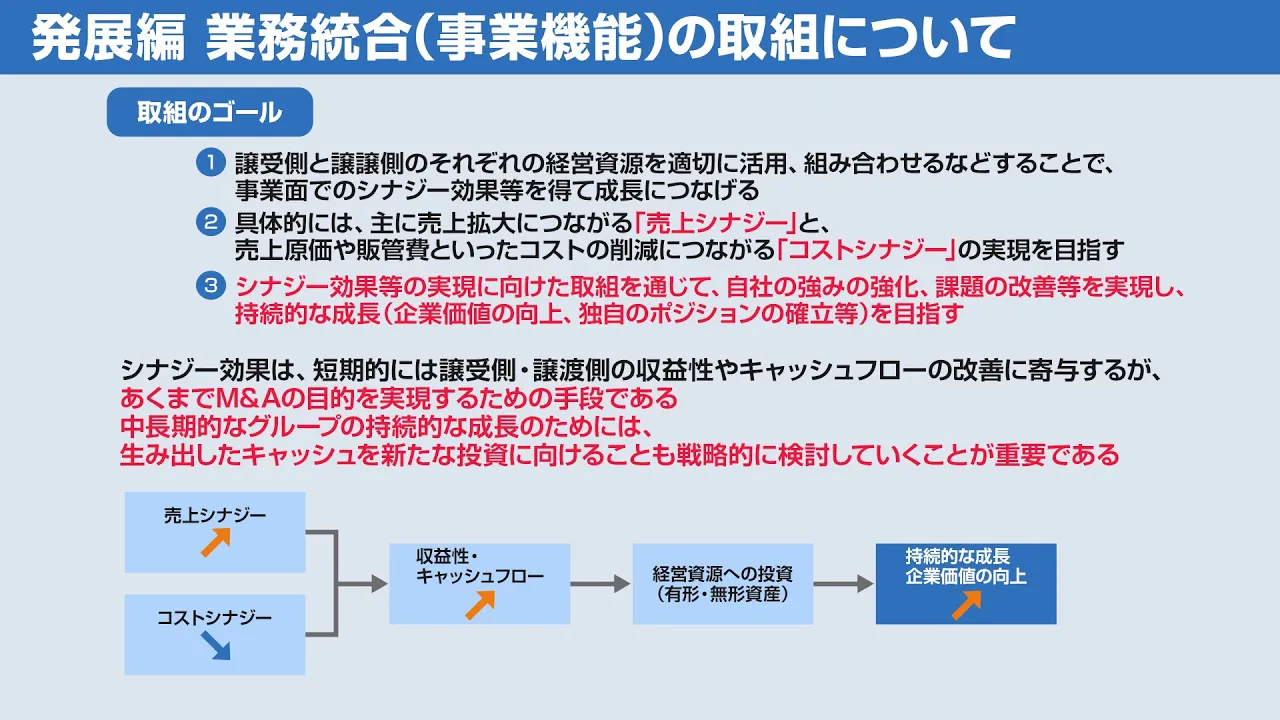




Large corporations often fail to create innovative brands internally despite having substantial R&D budgets and market research resources, leading them to acquire smaller, trend-setting brands; however, these acquisitions frequently result in value destruction when companies dilute the brand's unique identity through aggressive format expansion, pricing adjustments, and supply chain integration, ultimately alienating the core consumer base that built the brand's success.
The Poppi-Pepsi Merger: A Pricing Strategy Analysis
Added:Basic Mergers & Acquisitions (M&A) concepts, including market valuation, strategic synergy, and acquisition structures.
Fundamentals of Brand Equity and the mechanism of 'Brand Dilution' when niche products scale under conglomerate ownership.
Pricing strategy principles in the Consumer Packaged Goods (CPG) sector, specifically premium pricing vs. value-based pricing.
The landscape of the modern functional beverage industry and the rise of health-conscious consumer segments.
Post-Merger Integration (PMI) frameworks designed to successfully align corporate cultures, pricing architectures, and supply chains.
Advanced pricing models and price elasticity analysis during transition phases from premium channels to mass-market retail.
The 'Buy vs. Build' dilemma: Assessing corporate R&D portfolio management and why large conglomerates suffer from innovation stagnation.
Antitrust and regulatory scrutiny in food and beverage sector consolidations, including FTC guidelines on market concentration.
4.9K views18likes14:53Original Release: 2025-03-21
[Music] Hey everyone, welcome to another episode of the pricing guys. I'm Michael and I'm Abby. So, um, marketing guy got some more budget this week. I don't know who approved it, but we've got some more cameras in here, so we're going to be able to take shots from multiple angles.
So, yeah, I hope we look good. I put on a fresh shirt. Yeah. So this week when the news we saw that Poppy got acquired by Pepsi 1.8 1.8 billion. Yep. And Poppy is that drink brand out there that's good for your gut health. So it's still got sugar though.
Okay. Still it's got I think it's like the real sugar, not like you know. So it's good sugar, bad sugar. I get confused nowadays. I don't know either.
I guess there's a couple things we can talk about.
Um first one and maybe we go on we'll start high and we can go low but you know often we see that big companies you know they're going outside to buy true innovation that they haven't really been able to kind of generate that internally right and if we look at like how much R&D budget they have how much market research they do how many kind of panels they're on like theoretically these companies should be incredibly in tune with what market needs are and what customer needs are and where they're going. But we continually see that, you know, despite all of these resources being available and having more data than anyone else in the world, they're missing these trends and they're not creating these brands that can be sticky in the marketplace.
Like why do you think that is?
I I think a lot of what I've seen in my experience and you know we we both came up through consumer goods and we've worked a lot in consumer goods and I think the thing that I see time and time again is that yeah you have the research budget you have all this kind of crazy stuff but you're you still aren't close to the consumer even though you think you're close to the consumer. Um, and you know, you see it time and time again. And I would even say that like a scarier trend to me is when these big brands buy these like kind of like, you know, kind of call them startup CPG brands like craft, right? Think about craft beer a couple years ago. This is like craft soda, craft pop. And um they buy these like kind of crafty mom and pop brands and then they destroy them because what they fundamentally forget is what that brand is trying to do. I think that a lot of these smaller brands have a really unique way of connecting with an audience in a different way. And a lot of that is just different ways to connect via social, via online versus slapping up, you know, a big Super Bowl ad. It's a very different marketplace than it was 20, 30, 40 years ago where, you know, the big guys buy a couple Super Bowl ads. Well, now it's like Tik Tok and and and Facebook and Instagram and and and doing it more on a kind of viral basis as opposed to huge marketing budgets. And I I don't think big companies are equipped to play that ground game. You know, I think that's a great point. And when they get these companies, I mean, the first thing they're doing, they're integrating them into their supply chain. So, they're taking a bunch of cost out and they're driving volume in that I'm driving profit in that way. They're also expanding distribution, right? Like everywhere that we had our product, we can now lop on that product. And that and that's I think the benefit like I think those are the benefits of acquiring a brand like this. But I think where it starts to go sideways is when now you say, "Oh, I'm going to change the brand position or the marketing or or or or the unique thing that made that brand popular." Well, I I was about to say like, and the third thing that I think is always in the playbook is, okay, here we are. We have this one nichy product. Now, I'm going to take this name and I'm going to put it on seven other things, seven other formats, 100%. And you know, format number two, it goes pretty bad. And then we say maybe we had a pricing issue. Format number three, format number four, five, six, seven. And before you know it, you're kind of sitting there and you're like, hey, we've had like a string of losses and now we've kind of disenchanted the customer. When I say customer, who we're selling it to to go and sell it out there into the market, we've killed all that equity. And the consumer is disenchanted as well. And like so much um, you know, value destruction has taken place. And I'm not sure that companies actually hold themselves accountable to what's actually happening, what's going on, and that they're having those hard discussions. And I think why they're not having those hard discussions is because, you know, they were part of the problem, right? Well, yeah. And and what you're doing is you're taking it a lot of the time is you're taking a successful brand, a successful innovation, and you're putting it into an innovation engine that sucks, that just isn't good. and the people aren't equipped to really take that to the next level and they're trying to really just build upon the name brand and exactly to your point format number two new flavor this that right and before you know it you've you've created this hodge podge and you've alienated the core consumer that built up that brand. You wouldn't believe how many times we've seen people buy these brands, they come in and they throw all this money at it and then what happens to the brand in the first couple years? Well, volume starts going down because people start looking at this and saying like, "What is this? I don't understand it." And and they don't it doesn't resonate with them anymore.
Yeah. I I think it's it's a great point.
And one of the other things like and I'm just going to do a quick disclaimer here. We're not saying that this is going to happen to Pepsi. They got a lot of smart people and they're probably going to do great things and we're looking forward and excited to see what happens with the Poppy brand. But um on the side, I think the other thing is, you know, and I'll take you this more from a pricing angle. If you look at where Poppy's priced, right? You got a fourpack in Walmart and I I can pick a store and let's say it's running around $8.98 for four cans, right? And you look at like an equivalent Pepsi product, man, you can get a lot of Pepsi for if you got that nine bucks, right? It's not even equivalent, right? And I think the thing is is it's an attractive offering because it's going to drive mix in the Pepsi portfolio. Yeah. But you got to remember that you're going to see that price go down, right? First thing first thing Walmart's going to do and those big retailers, they know that that brand is at a premium because the cost of production like these guys don't have the scale that Pepsi does on buying cans, buying raw ingredients. Oh, it's going to be even better than that because the buyer is going to say, "You know what? Now this product is in your portfolio. I no longer want the support program I was getting from Poppy. I want the program that you're giving me and all the other stuff." Yeah. So, get ready to ink that check to me. Yeah, 100%. So, one, you're going to see that price go down, but I think what's really important when I think about from a pricing standpoint, this should be a mix driver. Like, this should be like you're selling four cans for $9 or $8 or whatever it is. Like, you know, two $2 to 250 like$225 a can.
Like, that that's pretty premium priced versus, you know, buying a 12-pack of Pepsi off the shelf. So, if they play this right, yes, there's going to be investment that they need to put in and and and bring it inside inside the portfolio, but a lot of the cost savings should help pay for that and it should be a positive mix driver. It should be able to push that net revenue per um whatever metric they're using at Pepsi, I don't know, liter or whatever they got going on should be pushing that up, right? Yeah. I think um you know interesting to that as we talk about those savings the other fallacy that we see companies having a lot of times is they say you know what the margin on this project just uh increase drastically then we go ahead we execute these things in market you know is it flavor number two format number two whatever it is and they're not going so well and then we say you know what this is a mixed driver in our portfolio we sell one can of Poppy it's like selling 17 cans of Pepsi So, we should discount it, right? And then when we discount it, they say it's not only on format number two because format number two um doesn't have enough volume on it. We need to line price it. So, you discount and we're still making more money. So, we feel warm and fuzzy as a company, but when you're doing that, you're starting to destroy value. And we get into this fallacy and often it's a finance fallacy, right? Because they're like, "Ooh, we continue to draw mix. we continue to drive good margin, we continue to drive utilization. And it's this fallacy because in the short term, you can kind of talk yourself into any of these kind of, yeah, let's run the BOGO on this. Yeah, let's go ahead and line price the entire thing. Yeah, let's and not not taking the hard decisions like, hey, maybe we screwed up. Maybe we need to delist this and it doesn't make sense. We'll often see companies go ahead put in these promotions and it's doing a lot of long-term damage to you're training your customers that the value wasn't there. Some of them are stocking up on it and they're not going to buy it when it's off deal and the company itself which it's interesting it becomes like a drug for the company. But you know what that I would say it's like it's not only with brands that you bring in but it's with any innovation right what I see time and time again is that people forget the one kind of not sure I call it a dirty secret but the one thing that people don't like to talk about in consumer goods is is the slotting fees and for those of you who don't know so when you go to a lot of these major grocery chains like you got to cut a check for you know depending on the category 20 to $50,000 per skew per skew to even get on the shelf. This is like those mafia kind of like protection scams, right? In order to you got to pay to play, right? Yeah.
And actually, if you look at the financials of the major grocery stores, you'll see that without these slotting fees, like they're probably not viable with if they don't have this ancillary revenue. So, it's a huge driver for them and they have a vested interest for you putting new product on, product churning off the shelf. But what I see time and time again is that when people look at this innovation or they talk about the skew proliferation or adding new flavors or whatever they're trying to do, what they don't look at is they don't look at well what's the true incrementality if I take away these slotting fees. I'll give you an example. We were working with someone and they were kind of on like flavor seven, right? And it started with one flavor like huge success and they kept adding more and kept adding more and kept adding more and they got to like you know I think it was like six or seven and they're like oh yeah we need to put it on shelf and you know we were looking at it and the business case looked great finances kind of stamp of approval great but I said but we're not taking in account slotting fees like they had it in a kind of a different line and the payback on this like one skew going into a retailer in the US was like 11 and a half years and I'm asking myself like what are we doing here? It's going to take us 11 and a half years to get them. By the time that we're going to be on flavors 235 and we're going to have delisted half these flavors and it's just a losing proposition. We might as well just flush money down the toilet.
Agreed. And there's no accountability because if you look at the salesperson who put that in, the sales leader who put that in, the management team who allocated that spend and said that this is going to be big and we're going to hit any of those stores. when you're kind of three, four years down the road and you're dlisting this stuff, there's absolutely no accountability on where this money was spent. And I'm going to go back on what I just said around the protection because you know what? I don't think slotting is a bad idea because at the same time, this is really valuable real estate we have. You're asking us to make changes in that real estate. You're telling me that you are going to bring value to the category, bring value to my customers, bring value to the consumers that are coming through the door. If um it makes 100% sense that by charging these fees, I'd hope you would think you would do your analysis and you'd make sure that these things not only will drive value for myself as a retailer, but also drive value for yourself, right? And I think it forces them to be much more uh sophisticated and analytical in terms of their approach. But I don't think a lot of companies are doing that to be fair and honest, right? No. Oh, and I I think the mentality that a lot of the time gets pushed around is innovate or die. But are we really truly thinking about innovation in the right way? Is it truly valuable? Is it truly incremental? Are we spending the right amount of time? I think when I look at a lot of these companies out there, I'm more impressed with companies that innovate slow and put out like a handful of items every single year because there are companies out there that they'll put out 20 new items in a given year and can you really spend the time to truly understand the benefit of like 20 new items? Is it are we sure that we have the understanding from the consumer standpoint and from the retail standpoint to to to get a good grasp of the level of success that we're expecting. I think even more than that um as you have these shiny new toys where I'm impressed is a lot of times we have these shiny new toys and the core of the business that deteriorates because we're not focusing on the core of the business. I think where I'm really impressed is these organizations that they have these core offers and they continue when they're driving innovation, they're looking at new ways to connect with customers, new occasions that they can bring that to customers, um new day parts that we can go into and that is driving the growth. And there's so much more scale to that, right? So much more scale because you're you're growing on your base there, right? But time will tell, right, Poppy? It's like they're a week in, I guess, now. We We'll see where it goes. And And to your point, like Pepsi's got a shiny new toy.
Let's see what happens. It's going to be exciting. I'm looking for flavor number two, three, four. So, we'll see what it comes out. Thanks everyone for this time this week. We'll catch you next time.
[Music]
Up Next

20:00
The Economics of Owning a Grocery Store: Margin Analysis
@ZANROO_OFFICAL
4.9K views•2026-07-20
46:36
Retention Habits of Top DTC Ecommerce Brands Revealed
@SendItPodcast
44K views•2026-03-03

15:23
Decoy Effect: How Pricing Psychology Influences Consumer Spending
@bobinvestsUS
90K views•2026-01-05

17:30
The Planned Obsolescence of Light Bulbs and Tech
@veritasium
25.3M views•2021-03-26
Related Study Plans & Knowledge Roadmaps
Structured learning paths in Business
business
Pop-Up Retail: Strategy, Design & Execution
01Introduction to Pop-Up Retail & Strategic Goal Setting
02Budgeting, Site Selection, and Legal Essentials
03Experiential Retail Design & Visual Merchandising
+ 2 more learning modules
15h5 modules
Explore Roadmap
business
Reg CF: Startup Funding, Marketing & Launch
01Introduction to Equity Crowdfunding & Reg CF
02Platform Selection & Legal Preparation
03Crafting High-Converting Campaign Assets
+ 2 more learning modules
14h5 modules
Explore Roadmap
business
Productized Services: Scaling Solo Freelance
01Foundations of Productized Services
02Packaging and Scope Definition
03Pricing and Subscription Models
+ 2 more learning modules
15h5 modules
Explore Roadmap
business
Gov Procurement: Find, Bid & Win Contracts
01Introduction to Government Procurement & Business Setup
02Small Business Certifications & Set-Asides
03Finding and Analyzing Contract Opportunities
+ 2 more learning modules
14h5 modules
Explore Roadmap