






























The Campus Novel, also known as the Academic Novel, is a literary form that emerged in the 1950s, characterized by its setting within college or university campuses and its exploration of internal academic affairs, power politics, faculty-staff relationships, and social issues such as discrimination, gender struggle, and class conflict; key examples include Mary McCarthy's 'The Groves of Academe' (1952), considered the earliest example, Kingsley Amis's 'Lucky Jim' (1954), David Lodge's campus trilogy ('Changing Places,' 1975; 'Small World,' 1984; 'Nice Work,' 1988), and J.M. Coetzee's 'Disgrace' (1999), which won the Booker Prize.
Campus Novel in English Literature | Academic Novel Explained
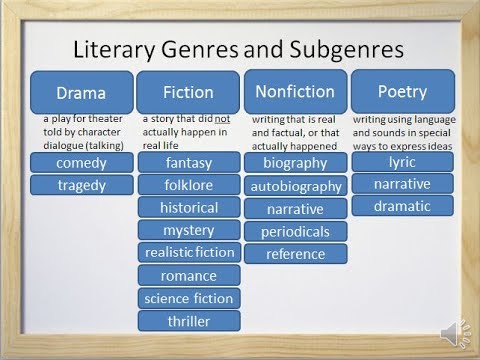
Added:Understanding of basic literary genres and the concept of subgenres in English literature.
Familiarity with the historical development of the university system, particularly in the UK and US.
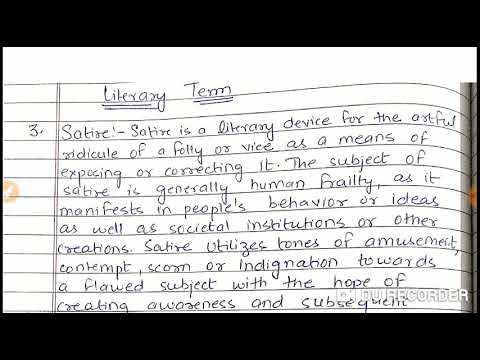
A foundational knowledge of satire, irony, and social commentary as literary devices.
General awareness of 20th-century social history, specifically the post-WWII democratization and expansion of higher education.
In-depth critical analysis of seminal campus novels such as Kingsley Amis's 'Lucky Jim' and David Lodge's 'Changing Places'.
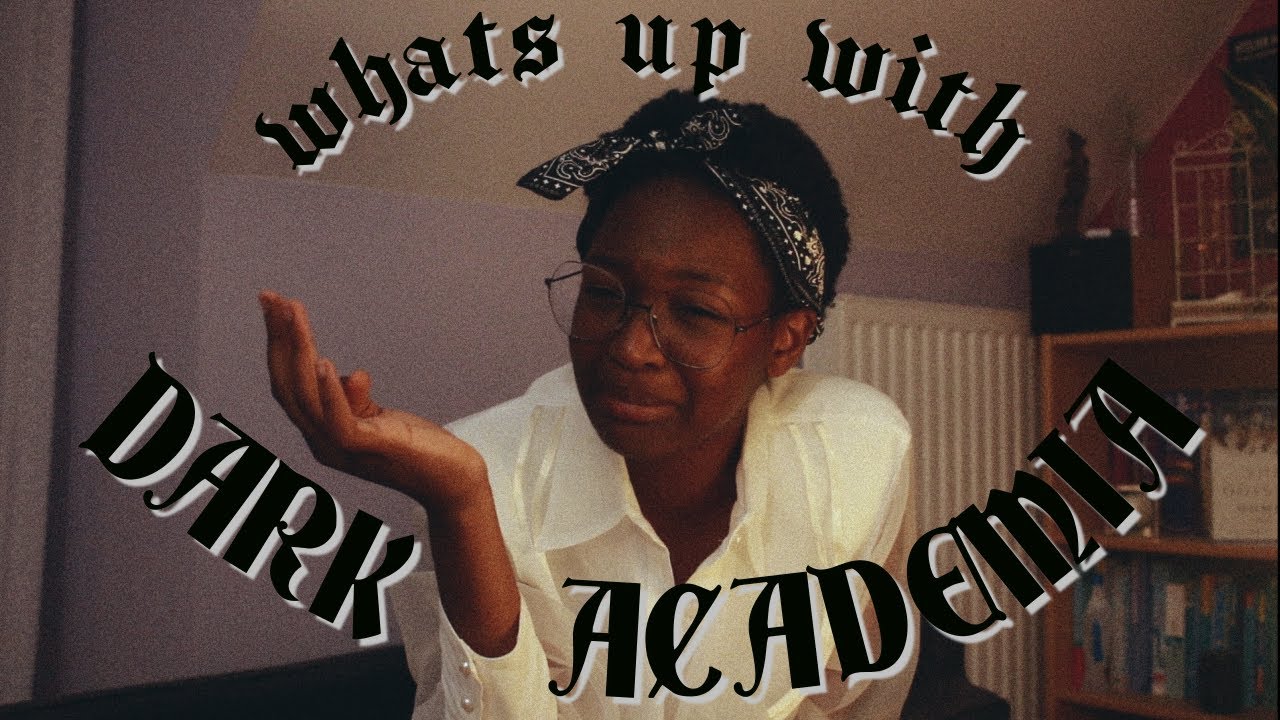
Exploration of modern spin-offs and subgenres, such as 'Dark Academia' in contemporary fiction and internet culture.
Comparative study analyzing the differences between British and American academic novel traditions.
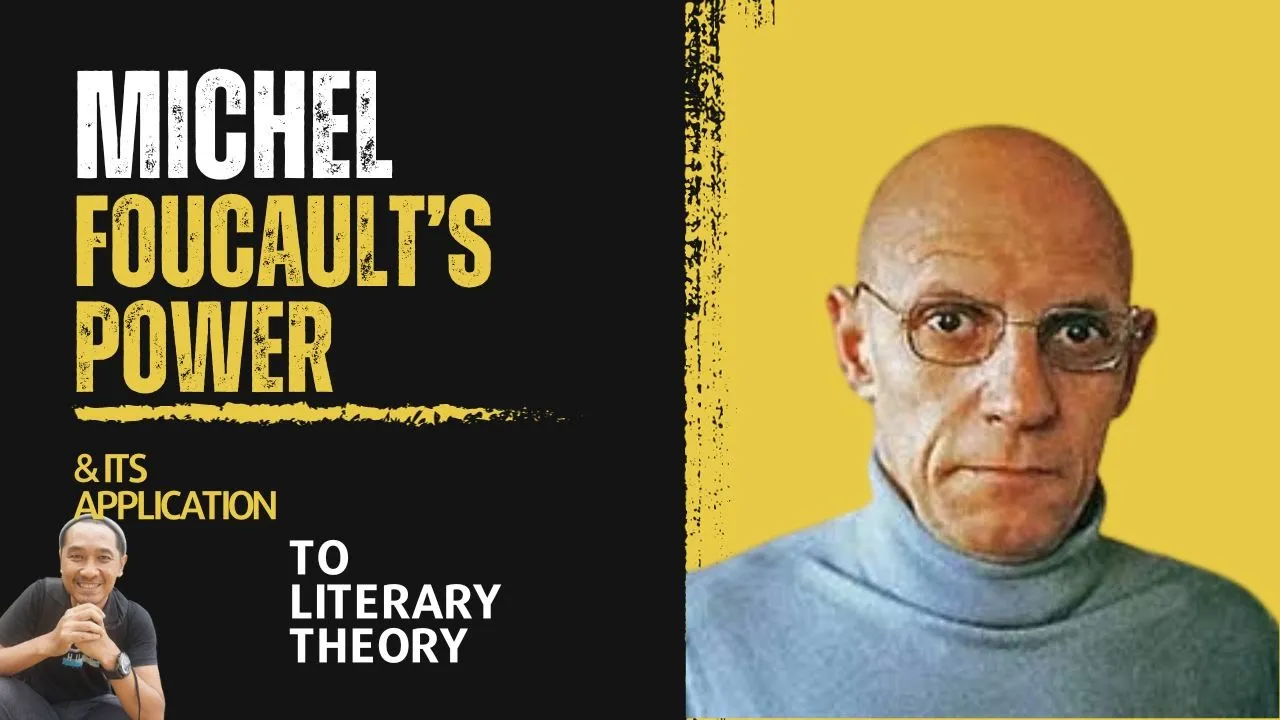
Application of literary theories (e.g., Foucault's power/knowledge or Marxist institutional critique) to academic fiction.
Preparation for competitive exams (like UGC NET or GRE Literature) focusing on genre-specific questions and authors.
1.2K views37likes17:00Original Release: 2020-11-03
welcome back to literature guide today's video is about one of the forms of english novel the campus novel it is also known as academic novel this video contains information [Music] about the campus novel its features and setting along with a few examples the campus novel emerged after the second world war and the anti-heroes were held as angry young men mccarthy's the gross of academe can be considered as the finest example of the campus novel i don't want to [Music] waste your time but before diving into the video i have to make you remind that many videos have been produced for the students i have tried to cover all the important information about the campus novel for the students who are pursuing the net and set examinations and other competitive examinations i have already made videos on pseudonyms of english writers unfinished works of english writers the gothic novel you can watch all those videos by visiting my channel let's dive into this video and enjoy it [Music] campus novel in the 1950s a new form of novel appeared on the literary scene it is known as campus novel the campus novel is also called as academic novel the action of the campus novel is usually set within the campus of a college or a university the writers of campus novels had first-hand experience of teaching at various universities and colleges the novelists have recorded their experiences in their works they have woven the stories of their novels in or around the campus of the institutions the readers can find a fine blending of realistic and imaginary elements in the campus novel the campus novel generally deals with the internal affairs of a university or a college it deals with the complex relationships among the faculty and the staff it presents a picture of the past memories of the members of the university their experiences power politics conflicts and struggles of the characters the campus novel presents the socio-cultural point of view of one of the members of the staff it abounds with scenes of drinking partying love scenes seduction molestation envy sexual exploitation and manipulation in the university or college campus such scenes are the inseparable part of campus novel extramarital relationships adultery of the authorities have been focused through the campus novels the campus novel also unveils the snobbery and hypocrisy of people there are also scenes of disparity and discrimination on the basis of caste religion culture language and gender in the campus novel the campus novel presents the dirty picture of power politics within the academics it also highlights class struggle and gender struggle it also throws light on a clash between members of the staff on the basis of their position in the hierarchical order though some of the campus novels have been written in comical vein they have serious undercurrents the views of the characters are presented by using satiric and sarcastic language many campus novels have anti-heroes who are incompetent unlucky tactless and stupid the campus novel deals with the hopes and aspirations of characters their failures and disillusionment there were several novels with academic background and setting produced before the second world war willa sibbet cartha's novel the professor's house appeared in 1925.
it deals with the story of a disillusioned and dejected middle-aged professor saint peter the novel describes saint peter's memories of his favorite student outland who discovers an abandoned stone city created by pueblo indians in the past the masters a novel of charles percy snow also has academic setting the masters appeared in 1951.
the masters deals with the internal politics and conflict of a fictional cambridge college the narrator of the novel is lewis elliott the novel describes the election of a new master of unnamed college the two candidates for election are crawford and diego but mary mccarthy's novel the groves of academe can be considered as the first and earliest example of the campus novel it holds all the qualities and features of a campus novel the groves of akadem was published in 1952.
the novel is written in satiric vein it describes the political persecution of mccarthy's period the protagonist of the novel henry mulcahy comes to know that his teaching appointment as a lecturer will not be renewed it is important to note that mary mccarthy's the groves of academe opens with one of horace's epistles the novel is set within the premises of fictional jocelyn college the groves of akadem revolves around the story of henry mulcahy lucky gym of kingsley amis was published in 1954.
it deals with a story of a lower middle-class professor jim nixon who holds revolutionary and rebellious views jim nixon has been hailed as an angry young man kingsley missus lucky jim has setting of a provincial university james nixon the eponymous hero of the novel criticizes the university culture of hypocrisy and snobbery there are many scenes of love affairs flirting exploitation and internal politics of the university it is important to note that the novel has been dedicated to philip larkin kingsley amis's lucky gym presents the conflict between jim and his head of department welch who is highly manipulative randall gerrell's novel pictures from an institution appeared in 1954.
the novel has a nameless narrator pictures from an institution presents keen observation of students and the staff of the benton women's college in this novel randall jarrell has satirized life in progressive women's college the novel comments upon the oddities of academic life it is said that the character of gertrude is modelled on mary mccarthy vladimir nabokov's novel prin was published in 1957.
it deals with a story of timothy prin a professor of russian at fictional weyndle college malcolm bradbury's campus novel eating people is wrong was published in 1959.
the novel deals with the story of the relationship between stuart therese a professor of english and his students the novel is set in a provincial english university the novel presents stuart theresa's failures as a professor and a lover stuart therese realizes that his moral scruples and socialism are no longer appropriate and viable he feels alienated and frustrated in the company of his young students he also finds his professional career on the wane another novel of malcolm bradbury namely stepping westward appeared in 1965.
the novel has setting of midwest of america it is an entertaining campus novel written in the style of david lodge's changing places malcolm bradbury's stepping westward was followed by his third novel namely the history man it was published in 1975.
the novel is set in the university of watermouth howard kirk is the protagonist of the novel who is a lecturer in sociology howard kirk and his wife barbara kirk detest exploitation manipulation disparity and discrimination the novel presents many scenes of adultery flirting and seduction for example barbara kirk flirts with an egyptian student behind her husband's back similarly howard also has illicit relationships with his student and faculty members john simmons bath's allegorical novel giles goat boy abounds with illusions from mythology john barth has delineated the universe as a university campus the novel is an allegory of cold war george giles is the protagonist of the novel the novel is a fine example of metafiction and it is written in comical vein with serious purpose john barth's giles goat boy describes the spiritual development of the hero george giles goat boy was published in 1966 alison lurie produced the war between the tates in 1974.
the novel deals with student politics infidelity marital anguish and teenage revolt the war between the tates presents the turmoil and conflicts of the late 1960s it describes upheavals in political and social spheres erica and brian are the chief characters of the novel they are successful academic couple a twist comes in the marital life when jenny a young student comes to their life jenny opposes sexist view of professor dibble brian is allured by jenny's beauty the novel highlights the start of the feminist movement david lodge's novel changing places has been considered as the first campus novel by a british novelist the novel is subtitled as a tale of two campuses it recalls charles dickens's novel the tale of two cities the novel changing places was published in 1975.
phillip swallow and maurice zapp are academic members of two different fictional universities phillip swallow has been portrayed as a british professor whereas maurice zapp is an american professor the novel describes the story of the six-month academic exchange program between the two universities at the end of the novel the readers come to know that both philip swallow and maurice zapp have an affair with the other's wife the exchange of the campuses of the two universities and exchange of wives shock the readers david lodge's changing places was followed by another novel small world an academic romance it was published in 1984.
the novel alludes to holy grail and edmund spencer's fairy queen the characters of philip swallow and maurice zapp once again appear in the novel the last novel of david lodge's campus trilogy is nice work which appeared in 1988.
david lodge's campus novel thinks was published in 2001.
the novel has scenes of love and betrayal it is a story of a woman chaser ralph messinger and helen reed a novelist robertson davis's novel the rebel angels appeared in 1981.
the novel deals with the story of several faculty members and the staff of the fictional college of saint john and holy ghost robertson davis has recorded his experiences as a professor in the novel the characters of parliament move arish have been modelled on college staff of robertson davis another novel of robertson davis namely what bread in the bone was published in 1985.
it deals with the story of francis cornish it is the second novel of cornish trilogy the novel what bread in the bone was followed by the liar of orpheus the last novel of the cornish trilogy the lie of orpheus appeared in 1988.
the novel present scenes of exploitation seduction and love affairs howard jacobson's campus novel coming from behind was published in 1983.
the novel is set in a midlands polytechnic it is written in satiric vein sefton goldberg is the protagonist of the novel he abhors his weaknesses the novel coming from behind presents realistic picture of depressed and demoralized lecturers in comic manner it deals with humiliation envy and helplessness of sefton goldberg john maxwell coates famous novel disgrace was published in 1999.
the novel deals with the story of david lurie a professor of english who is charged with sexual harassment of melanie isaac a student it is important to note that john maxwell kotzey is the first writer to win the booker prize twice disgrace won the booker prize in 1999 the human stain of philip roth also holds some features of the campus novel it was published in 2000 the novel deals with the story of coleman silk who is a retired professor of classics the narrator of the novel is nathan zuckerman tom wolfe's novel i am charlotte simmons appeared in 2004.
the novel i am charlotte simmons deals with a story charlotte simmons of a college she is studying at a fictional university charlotte is seduced by hoyt and adam truth and consequences of alison lurie appeared in 2005.
it deals with the effects of pain on creative process and relationships the protagonist of the novel is alan mckenzie who suffers from back pain alan mckenzie gets some relief when delia a visiting author comes to his life thus there have been many campus novels which depict the life of a college or a university the hopes and disillusionments of the characters have been focused through these novels the campus novel presents the realistic picture of life after the second world war how is the video i hope you liked the video i will meet you soon with a new video with interesting topic but before i leave let me remind you of some of the videos i have already produced you just visit my channel and watch all those videos made for you i have already mentioned them at the beginning of the video if you really like the videos please like and subscribe and put your comments in the comment box below your views and opinions they are precious for this channel meet you soon with a new video meet you please subscribe literature guide
Up Next
11:39
IB English Paper 2: How to Write Comparative Thesis Statements
@ibenglishguys
54.9K views•2022-08-29

13:43
Formalism in Literary Criticism: An Academic Lecture Overview
@mattalberhasky9952
39.1K views•2015-08-05

6:08
Point of View in Fiction: First Person vs. Third Person
@magicalthriftyteacher
153.8K views•2014-03-31

15:25
1984: Orwell's Dystopian World and the Mechanisms of Totalitarianism
@AlternateHistoryHub
7M views•2017-03-04
Related Study Plans & Knowledge Roadmaps
Structured learning paths in Literature
literature
Graphic Memoirs: Visual Art, Trauma & History
01Foundations of Sequential Art and Visual Language
02Autographics and Processing Historical Trauma
03Visualizing Personal Trauma, Grief, and Graphic Medicine
+ 2 more learning modules
14h5 modules
Explore Roadmap
literature
Campus Novels: Evolution, Themes & Critique
01Introduction to the Campus Novel Genre
02Mid-Century Satire and the Post-War Academy
03Dark Academia and the Critique of Privilege
+ 2 more learning modules
14h5 modules
Explore Roadmap
literature
Theater of the Absurd: Philosophy & Plays
01Postwar Existentialism & Historical Roots
02Dismantling Narrative: Esslin & Absurdist Conventions
03Samuel Beckett and Tragicomic Existentialism
+ 2 more learning modules
12h5 modules
Explore Roadmap
literature
Revenge Tragedy: Justice, Madness & State
01Foundations of Early Modern English Theatre
02Anatomy of Revenge: Structural Conventions
03Psychological Complexity: Madness and Melancholy
+ 2 more learning modules
15h5 modules
Explore Roadmap