























![Ce Pouvoir Qu'on Sous Estime ! (1er Accord Toltèque) [OYC N°19] (English Sub)](https://i.ytimg.com/vi/Znb9noU9PDA/maxresdefault.jpg)








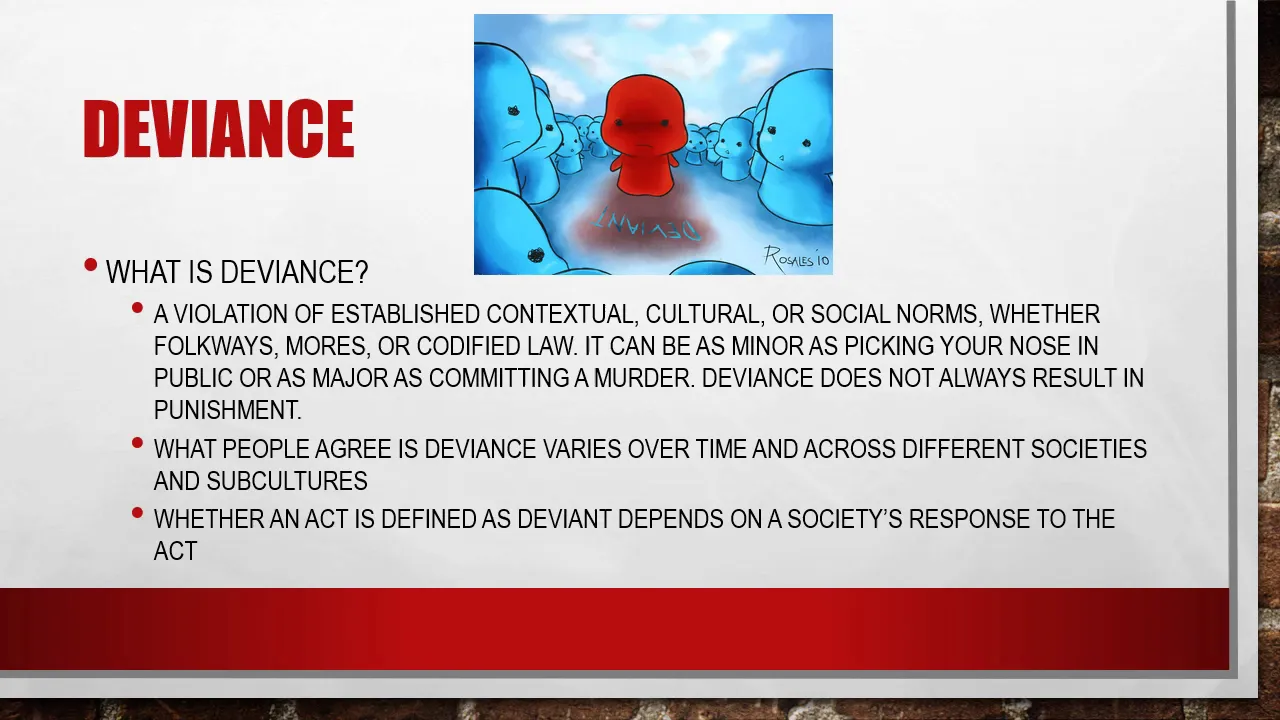
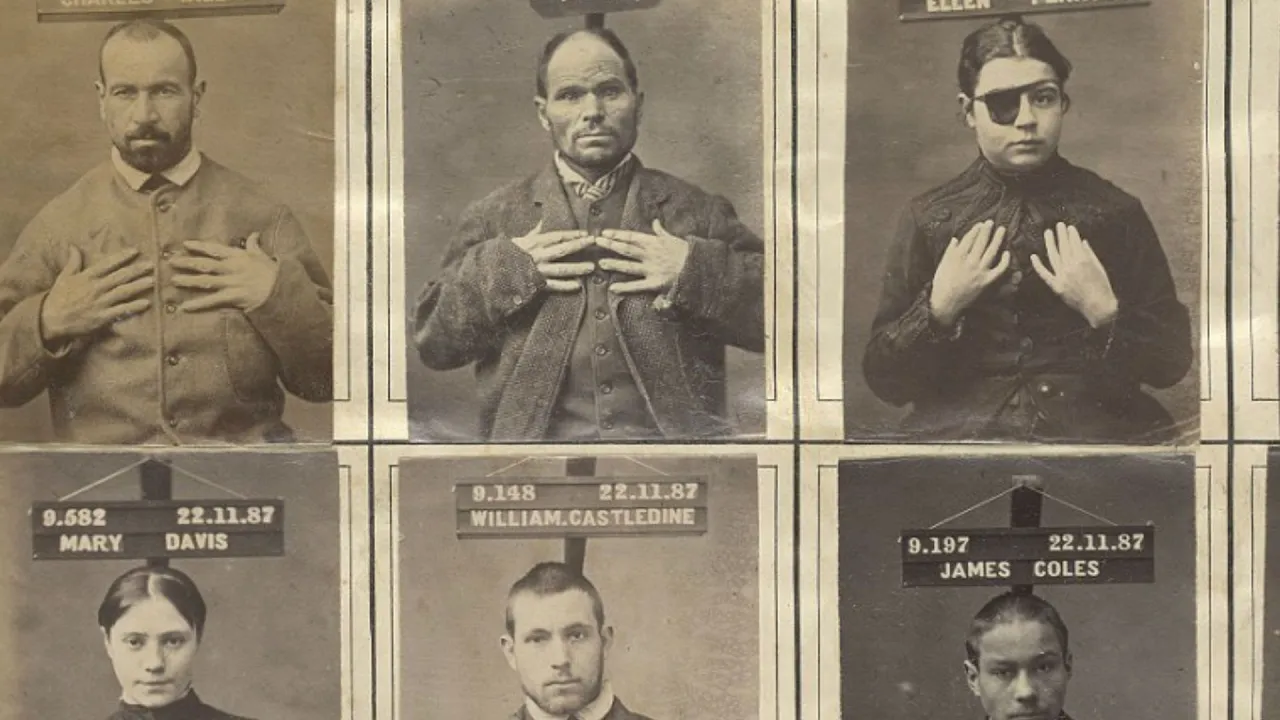
Labeling theory is a sociological perspective that explains how the labels assigned to individuals influence their own and others' perceptions of them, thereby channeling their behavior into either deviance or conformity; for example, when a child is labeled as a 'troublemaker' after drawing on walls, both the parent and the child come to view the child as such, potentially leading to continued deviant behavior.
Labeling Theory Explained | Deviance in Sociology (Chegg)
Added:Fundamental sociological concepts of social norms, deviance, and how society defines conformist versus non-conformist behavior.
The core tenets of Symbolic Interactionism, particularly the idea that human behavior and identity are shaped by social interactions and linguistic symbols.
The basic distinction between primary deviance (the initial non-conforming act) and secondary deviance (deviance that occurs after a label is applied).
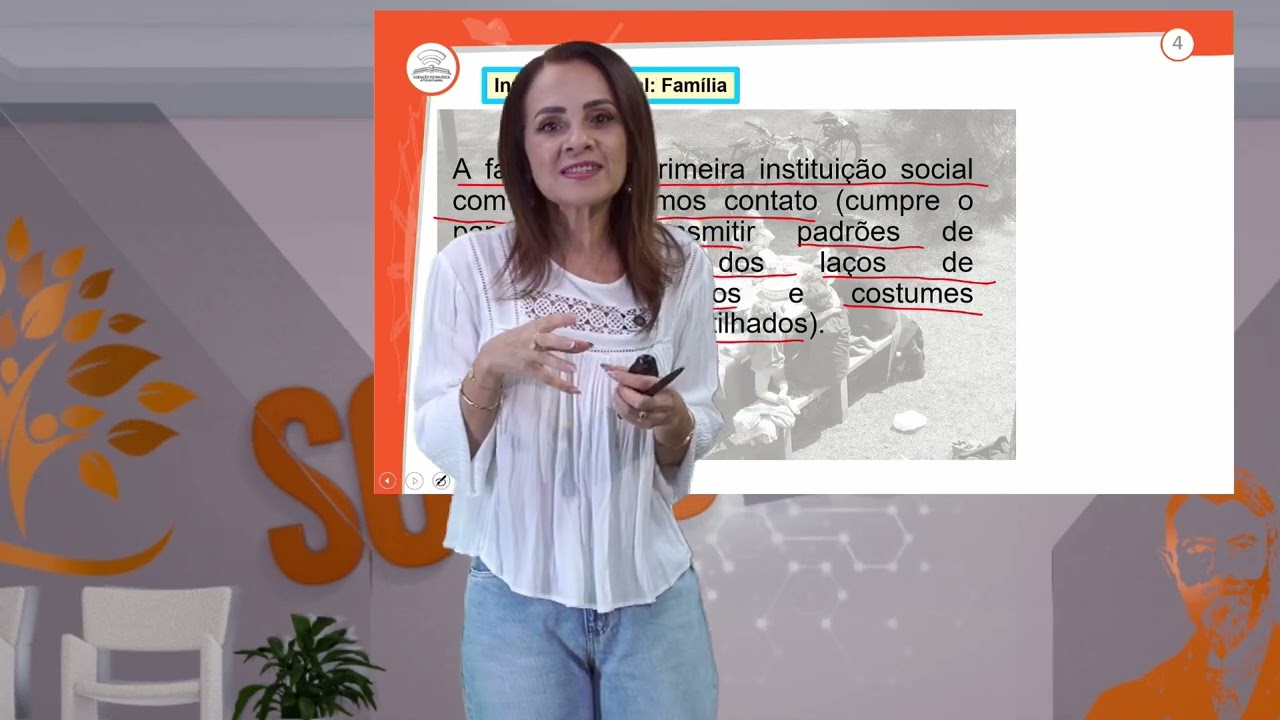
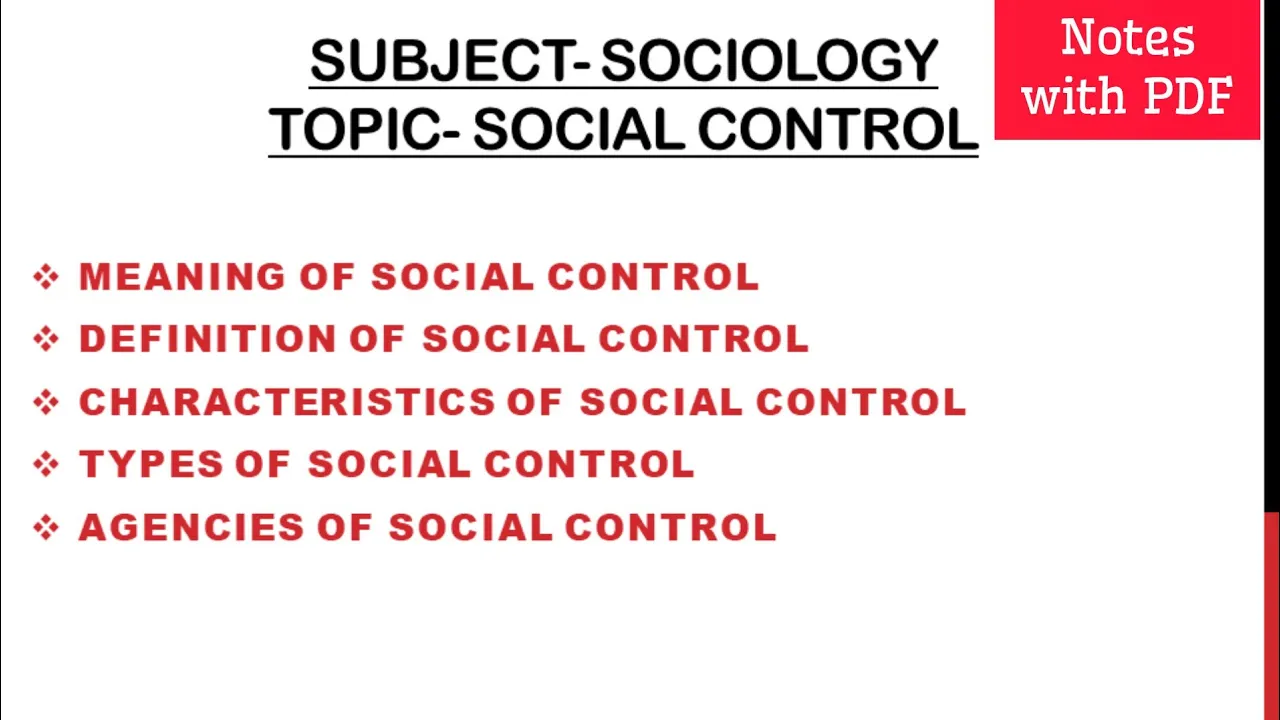
How agents of social control, such as schools, law enforcement, and the media, regulate and enforce societal expectations.
Erving Goffman's sociological theories on social stigma and how individuals manage a 'spoiled identity'.
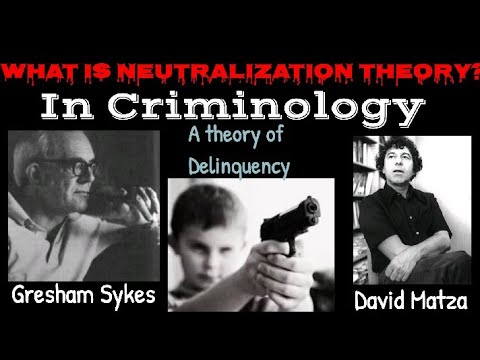
A deep-dive analysis of Sykes and Matza's 'Techniques of Neutralization' to understand how individuals psychologically justify delinquent behavior.
The concept of the 'Looking-Glass Self' by Charles Cooley and how internalizing external labels contributes to self-fulfilling prophecies.
John Braithwaite's theory of Reintegrative Shaming and its real-world application in reformative and restorative criminal justice policies.
Conflict theories of deviance, exploring how socioeconomic power dynamics dictate who has the authority to apply labels and who gets labeled.
64.7K views393likes9:58Original Release: 2016-02-13
hi my name is Alex and I'm one of the tutors on check tutors if you need to message me just hit that link right there and in this video I'm gonna talk about a social sociology topic called labeling theory so what is labeling theory basically it's a theory on deviance so to begin our video let's just explain what deviances deviance is basically defined as the violation of rules or norms so this could be anything as simple as breaking a law or any crime that would be deviance but this could also mean any social norm breaking this could mean like take talking about an inappropriate subject or doing something that is just not socially acceptable so how does labeling Theory really go with deviance so to explain it I will I have this example let's say a low kid and a little doodle that I just made let's say this boy Johnny Johnny finds a marker somewhere and he just found out that it makes really cool things when you push it against the wall and so he doesn't know any better but his mom catches him drawing on the walls and you know the regular course of action a mom would take would to be fit to punish her child right so let's say his mom puts him into timeout okay puts him into timeout and so what does this really do to the moms idea of the child she would kind of think of him as being a troublemaker now after this action right but the also the child would see himself as being a troublemaker because he ended up in timeout right so he would be also upset there you go so this is the basics to labeling theory so what is the formal definition label in theory well it's the view that the labels people are given influence their own and others perception of them so that's changed channeling their behavior into deviance or into conformity so that's a lot of words if we break it down just piece by piece we can get a better understanding of it so let's let's start it off the view that people that the labels people were given influenced their own in others perception of them so the first part is a person is given a label first right they they have like a set amount of behaviors that someone a group perceives and that group will then label that person or thing as being this label day they have given okay and then it then this label within influence that person's view of themselves but the label also influenced how others will view that person okay now the last part of the definition channeling their behavior into deviance or into conformity so depending on their label they will be forced into continued deviance or continued conformity so if you're labeled a troublemaker like johnny was you would be your behavior be influenced into more deviance so there are three basic ideas that also reinforces labeling theory so let's take an example first a very common group egde in middle school high school is the jocks and the Nerds right so let's say somebody who labels a person as a nerd right so they will call him a nerd just because he's smart but if you could be just as smart as anyone else and he might be a little socially awkward but he could be just as socially awkward as anyone else but because he was labeled a nerd he would see himself as a nerd and this label actually comes with some negative effects right you're you're kind of shunned away from the main part of society so this is what we call stigma you see yourself as an outcast right it's a so the stigma is I am a nerd so I must be socially awkward and not like everyone else okay okay next example let's think of a murderer right somebody has murdered someone else that person that person is a murderer now so a person who sees that murderer might know the murderers past right and they would see like they had they had certain events and they would call the murderers past events as violent and they would say wow that person was really violent in their past so of course they will would eventually come to a point where they killed someone right but that violent event might be just as violent as anyone else's event or I mean everyone has violent events but uh they would just make make you know more of a point saying that that person's past had had been much more violent than anyone else's past but is that person's past might be just the same as any other common person then there is the idea of a person sees a murder so someone is a murderer and they might say that murders future actions are awful will be violent like and so that is what we would call projectile labeling and because like you are just seeing that they are this label right now so therefore their actions in the future we'll also be violent so labeling theory does a really good job of explaining why a deviant will continue to create deviant acts and also how a conformist would continue to conform but it doesn't do a good job of actually explaining how a person would start deviance right so that's where techniques of neutralization comes in so basically this these are methods that a person would use to rationalize breaking norms so there are five parts to these techniques and I'm going to go through each one individually so the first one is denial of responsibility so this is saying like a person was forced to break a norm because they had been put into a circumstance out of their control that forced them to break a social norm the second one is denial of injury so this is saying that the their action a person's actions never didn't have any harmful effects it didn't really hurt anyone or harm anything the third one is denial of victim this is trying to say that the person who was hurt or harmed in their breaking of norm was justifiably deserving of that action they'd had deserved what has happened to them the fourth one is condemnation of condemn errs so this is like say refuting a person would refute against their condemn errs the people who had called them out on the action they would say that the condemn vers themselves are hypocrites that they had also break in the norm broken the norm just like this this person would the last one is appeal to hire loyal geez so this is like saying that your actions are justified due to the long-term consequences of their action like it so this could be the most basic example is like protecting a friend you you break a social norm in order to save a friend so you justify it because the long-term consequences are better than what was a consequence of breaking a norm okay so that is basically what labeling theory is if you need any more help you can reach me at this link right here like I said before I'm also really proficient at teaching any sciences especially chemistry organic chemistry and biology you can also reach me for math help especially calculus and I can also help with any social science like psychology and of course sociology so I hope you have helped - see you soon you have a good day bye
Up Next

17:44
How Racism Harms Health: A Sociologist's Analysis
@TEDMED
26.5K views•2017-04-06
54:57
Contemporary Sociological Theory: Micro, Macro, Integrative
@NaSESYNC
45.7K views•2016-02-17

19:23
How to Analyze Conversations Scientifically | Elizabeth Stokoe | TEDx
@TEDx
1M views•2014-12-04
9:41
What is Sociology? The Sociological Perspective Explained
@crashcourse
4.6M views•2017-03-13
Related Study Plans & Knowledge Roadmaps
Structured learning paths in Sociology
sociology
Celebrity Culture: From Hollywood to TikTok
01Foundations of Celebrity Sociology
02The Rise of Micro-Celebrity & Digital Platforms
03Parasocial Relationships & Algorithmic Intimacy
+ 2 more learning modules
12h5 modules
Explore Roadmap
sociology
Hostile Architecture: Space, Power & Control
01Introduction to the Sociology of Space
02Social Control and Surveillance in the City
03Hostile Architecture and Defensive Design
+ 2 more learning modules
12h5 modules
Explore Roadmap
sociology
Loneliness Epidemic: Third Places & Isolation
01Foundations of Social Capital and Community Cohesion
02The Death of Third Places and Urban Space Erosion
03The Privatization of Leisure and Atomization
+ 2 more learning modules
12h5 modules
Explore Roadmap
sociology
Sociology of Tourism: Gaze, Power & Heritage
01Foundations of the Sociology of Travel and Leisure
02John Urry and the 'Tourist Gaze'
03Staged Authenticity and Cultural Commodification
+ 2 more learning modules
14h5 modules
Explore Roadmap