![ГРАФИЧЕСКИЕ РОМАНЫ [ погружение LIGHT ]](https://i.ytimg.com/vi/V6EW8m-0S2E/maxresdefault.jpg)


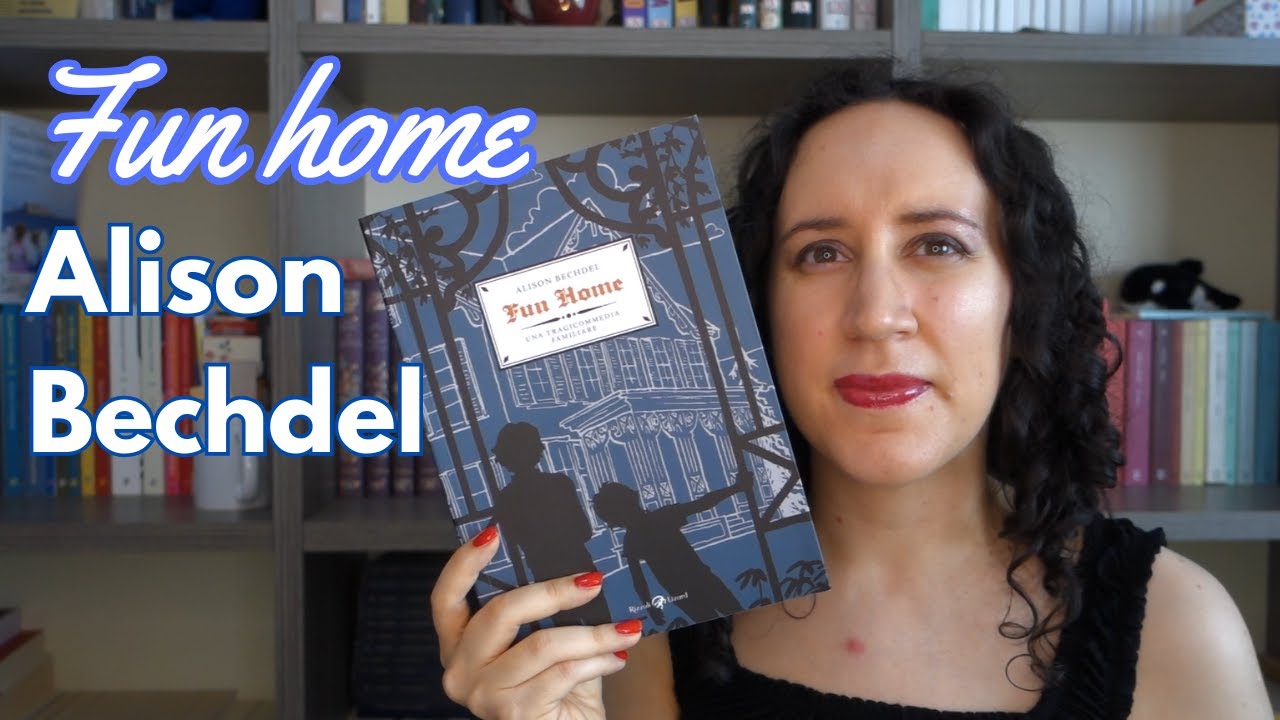


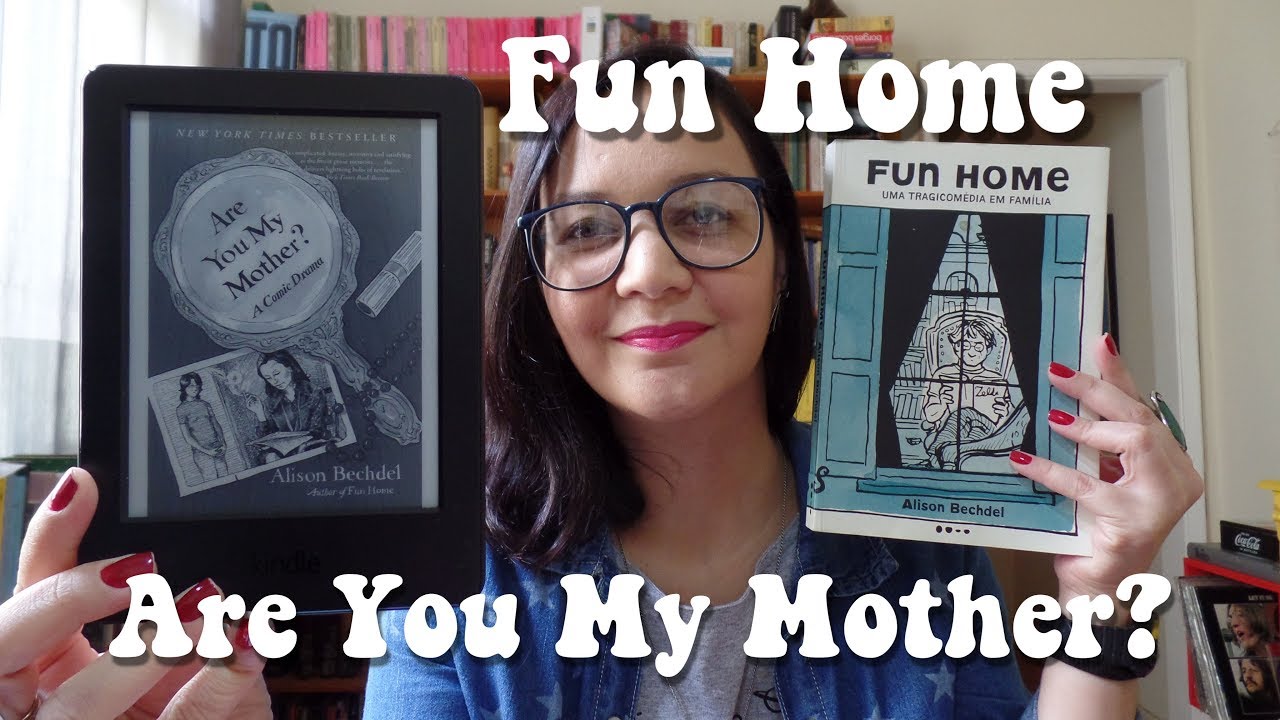






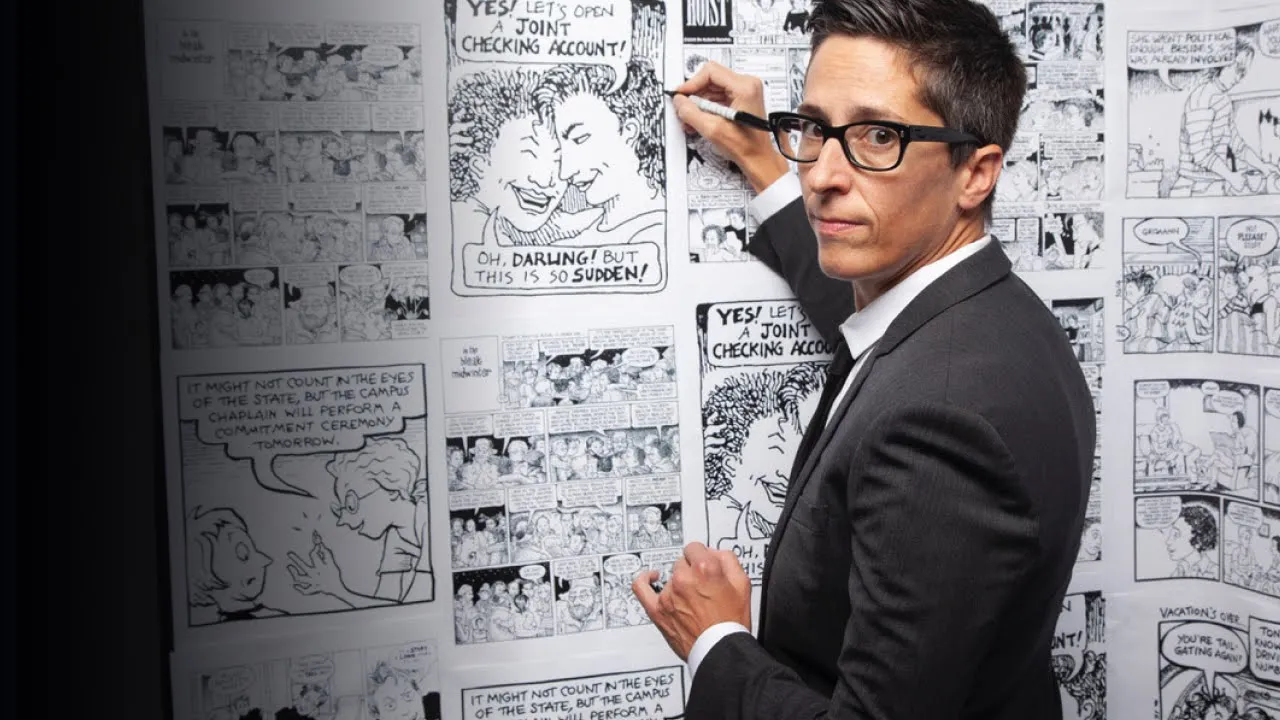




In graphic memoir, the combination of words and pictures creates a third form of storytelling that transcends either medium alone; this dual approach allows authors to explore complex themes like identity, family secrets, and personal truth through visual and textual elements working in harmony, as demonstrated by Alison Bechdel's 'Fun Home,' which uses meticulous visual research and layered narrative techniques to examine her relationship with her closeted gay father.
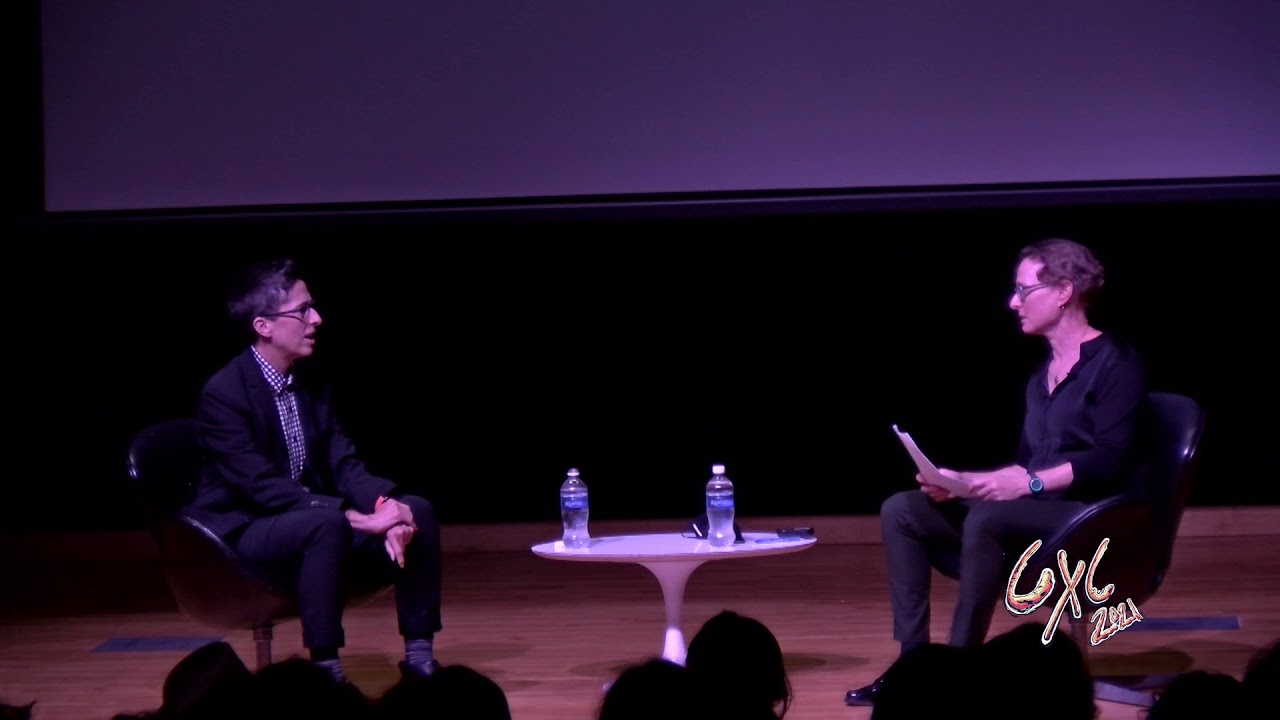
Alison Bechdel on Graphic Memoir and Creative Process | UChicago
Added:The history and evolution of the graphic memoir as a serious literary genre, distinct from traditional superhero comic books.
Fundamental concepts of visual literacy and comics theory, such as panel layouts, the 'gutter,' and how readers synthesize sequential art (e.g., Scott McCloud's 'Understanding Comics').
A basic familiarity with the plot and themes of Alison Bechdel's 'Fun Home: A Family Tragicomic,' particularly its exploration of identity, sexuality, and family dynamics.
The literary conventions of autobiography and memoir, including the subjective nature of memory and the ethics of writing about real people.
Advanced text-image analysis, exploring how visual juxtaposition can create irony, subtext, or psychological depth that words alone cannot convey.
The practical application of Bechdel's meticulous creative methodology, such as using reference photography, storyboarding, and multi-layered drafting for graphic storytelling.
An exploration of intertextuality in graphic narratives, examining how Bechdel uses classical literature and modernist references (e.g., Joyce, Proust, myth) to structure her memoirs.
The study of queer theory and feminist representation in contemporary comics, analyzing the cultural and academic impact of Bechdel's pioneering work.
5.9K views72likes1:07:11Original Release: 2015-08-13
there okay uh and I take the sudden silence to mean the kind of reverence that Allison beel kind of commands among her audience so I'm Janice SN and I'm the chair of creative writing and I want to welcome you to this Terri event um there's going to be reception afterwards and I also uh want to tell you that next week we will have uh we're very fortunate to have another a talk by another graphic novelist Paul horn schmeer who will also be teaching a course next quarter for us so please uh that's just been newly added so please uh look on our web page to find that um I want to say how grateful I am to be here today I'm a great fan of Allison's and obviously so are you um but before I turn to Dan Raburn who's going to introduce Allison uh I want to tell you about another person uh of whom I'm really a great fan and that is Jonathan deadmond who has so generously created the fund to support visiting writers like Allison um in 2007 I think it was Jonathan who is a member of our humanities visiting Committee created the Claire and EMT Deadman visiting writers program to honor his parents the Deadman fund annually supports a distinguished visiting writer who is interested in exploring interdisciplinary aspects of the art whose work uh moves across various genres or whose work engages in Innovative syntheses of more conventional genres uh the university has long had a tradition of innovation in the literary arts and the deadmond fund allows us uh to continue um that tradition past Edmond writers have included Michael Henry Heim uh Richard B and Elliot Weinberger and of course this year Allison in the graphic novel I'd also like to add just a couple of words about Jonathan himself last year I discovered uh that before entering his current career uh in media and public relations he worked 10 years himself as a journalist in uh Washington DC and before that was a reporter first um not first actually for The Denver Post but for the very venerable Rocky Mountain news um and I've also recently come to know him as a superior literary critic uh in a reading group on Melville's M dick that we share um the creative writing um program is immensely grateful for his support of our Enterprise so I'd like to ask you to please join me in honoring the memory of Claire and Anna Deadman and in thanking their son for his generous and I'm going to turn you over now to another venerable creative writing member The Honorable Dan rurn without whom we could not exist okay uh good crowd um comic books we gathered here today to talk talk about something that nobody knows what to call comic books graphic novels now graphic Memoir which is a terrible term graphic Memoir you expect there's going to be an ax Murder full penetration or something um our own Ivan brunetti uh graphic novelist cartoonist uh went to school here as an undergraduate taught Comics here for number of years till he was stolen by Columbia College uh recently did the cover for this week's New Yorker one of the four covers he uh I'm telling an anecdote about him because it reflects on Alison's work indirectly he like all cartoonists has a hard time getting his work filed properly at Borders and Barnes & Noble and Amazon and whatnot um no matter how literary or serious or ambitious your work is if you're a cartoonist your work always gets filed with um books about the movie Star Wars or with Dungeons and Dragons modules in the graphic novels section of your friendly Mega Superstore which nobody ever visits so I decide what am I going to do about this and finally took a pen when he was designing the cover for his book Haw um and he wrote in tiny letters in the back file under queer studies cuz he said that's the only way I'm ever going to reach a normal audience um it's you know they're they're a queer medium Comics you know they're words and pictures at once but there're words and pictures that work simultaneously and in harmony but also in Counterpoint kind of both at the same they're both words and pictures and yet they're like a third thing at the same time something that's really easy to understand right we all grew up reading comics but they're really hard to explain they're even harder to draw um they're really hard to put a finger on and pin down maybe they're a maybe they're a trans Medium as opposed to a queer medium um but they're just narrative they're storytelling um Adrien Rich the poet and essayist uh wrote a letter to Our Guest Alison Beckle and in it she said in this letter which I gather is one of Allison's most treasured possessions she said I've always admired the way your work tries to explode Dyke essentialism and explore our common Humanity I guess that's what I'm going to talk about very briefly um I chose that anecdote because I guess I want to talk a little bit about what Allison's work means to me in case you don't know Allison for almost 30 years 27 years has done a comic strip called dkes to watch out for which has got to be one of the longest running soap operas in American culture me 27 years is an amazing body of work uh I first encountered it at Women and Children First bookstore here in Chicago when I moved here uh almost 20 years ago uh was a small town kid uh I mean I had a goatee but I was still a boy I'd had a mullet recently but I'd cut it off but it sort of the ghost of my mullet followed me around and I walk into my friendly neighborhood feminist bookstore and I'll admit I was a little nervous you know uh straight guy I walk in and there's this book hot throbbing dikes to watch out for a collection of Allison's cartoons and I being The Limited man that I was I gravitated toward it you know and like it was not at all what I thought it was going to be [Music] I mean as Adrien Rich put it like she really exploded a lot of things it kind of blew my mind I felt the same way I did the first time I read Robert crumb's Comics as a boy um I don't even know how to describe dyes to watch out for it's like it's a soap opera but it's also a New York Times oped a really smart New York Times oped um ferociously smart discourse you know it's the story of how people fall in love fall out of love and now have kids move to the suburbs um it was a totally alien world and yet within that alien world I saw my world and because my world was in that world it's sort of enlarge my world in that sort of magical trans substantive way that reading does and it you know any comic strip is going to mean a million different things to a million different people especially one that's been running for 30 years but what it meant to to me was when I moved to Chicago the guy who went and read dkes to watch out for was as I said still a boy and now I'm not and that comic strip is actually part of the reason it's it fundamentally changed me and changed my world um I'm a more Urbane open-minded adult than I was when I was that that limited small town guy so anyway the joke is that reading dkes to watch out for it actually made a man out of me so speaking of men fun home all right this is Alison's other big project um it won every literary award you can win almost my favorite was book of the year not comic book of the year not graphic Memoir of the year just book of the year period uh in 2006 it's a book about her dad uh I don't want to give away the story because I think she's going to talk about it and if you haven't read it I don't want to ruin it her dad was a closeted gay man so closeted that he was probably even closeted to himself um and as a result he kind of lived this lie you know uh so much so that it was sort of the death of him and that even the death of him was kind of a lie as you'll find out when you read the book it was a fictional death death everything about his life was artifice and fiction and yet Allison managed to write this beautiful book about him because she used the one conduit into his life which was the books he gave her to read Joyce PR Colette Fitzgerald everything in his life was fiction but you could discern the truth about his life through the fiction he gave her um it's amazing book I think we're going to see a lot of examples from it if we're lucky we'll see some examples from the book she's working on right now yesterday when she was hanging out with our students for a few hours um one of the things she said that struck me was she said you know it's the book is about my dad but it was really a book about reading now I'm writing a book about my mom it's really a book about writing I've long maintained that reading and writing are the double helix of a writer's DNA uh and it's almost literally true in this case anyway please welcome one of our very best writers Alison Becky hi thank you all so much for coming thank you for that really like that quite beautiful introduction I just want to sit there and listen you keep talking thank you very much to the creative writing department for bringing me here I feel very fancy um I wonder if we can turn the lights down a little bit does anybody know how to do that just for more sort of can people hear me okay in the back of the room yes don't you think it's more pleasant to watch in the dark all right does that enough yeah that's okay that'll help is anyone scared are you all okay okay um that was just a really interesting I mean yeah it was a flattering introduction but it was also very interesting you brought up a lot of really interesting things um I want to start off by talking about this old saying that um cartooning is a field for people who are mediocre artists and mediocre writers and I would say that in my case those things are really um pretty much true this is one of several rejection letters I received from graduate art programs in my youth and this interestingly is a a rejection letter from a literary journal about a year later from audre and Rich interesting that you mentioned her it was actually very sweet rejection letter uh but a rejection letter nonetheless um what the Maxim about mediocre artists and mediocre writers fails to take into account is the fact that writing and drawing together telling stories with pictures is a third thing its whole own form that a person can be good at without necessarily being good at the individual parts and and my art by itself and my writing by itself at this time of my life really deserved those rejection letters but then I started putting the things together I love words and pictures together in a mystical way that I can't even explain but I'm going to try to try to explain it a little bit today the caption down there reads well Kendrick still think I'm just an alarmist this is a Charles Adams cartoon um and Adams was my earliest biggest cartoon influence my parents had one of his books and I would read it all the time well I wouldn't read it I would look at it before I knew how to read I would look at these weird pictures without you know didn't understand what was happening in them and eventually I learned to read and I still couldn't understand what was happening in them this one says we won't be late Miss WAMS get the children to bed around 8 and keep your back to the wall at all times like what the hell did that mean uh these baffled me but at the same time there was something deeply familiar about them cuz I grew up in an old antique filled house that that looked very much like the world Adams was drawing this is a panel from fun home so I found his cartoons both familiar and enigmatic at the same time and I also grew up in a house as Dan said filled with secrets and and where appearances were extremely important so the way that I didn't get Adams's cartoons reminded me of the way I didn't get what was going on around me in my household in this family where there was a real disjuncture between appearance and reality are you unhappy darling Oh yes yes completely see check out the Manel um so it was somehow both tantalizing and soothing to see that disjuncture reflected back to me the slippage between the words and the picture between what Adams was saying and what you were seeing and I very much wanted things to match up I wanted people to tell the truth uh about what was going on but what I found out as I went along through life is that nothing matches up that this slippage is everywhere even when you try very hard to tell the truth you you can't because language itself has this slippery relationship to reality in my diary when I was 10 this is more uh stuff from fun home I started doubting whether the things I was writing were really absolutely demonstrably true and I would qualify sentences I was worried about with these tiny little I thinks that I would write at the end uh and then I started kind of prating over them like writing it once wasn't enough so I write it over and over until they were there were blots like this um but that got very timec consuming so I turned it into just this sort of asterisk symbol that I then started putting over all names and proper nouns and it became like this this protective device um you know and if doing doing it once was good then doing it multiple times was even better and then I realized oh I could put it over a whole entry and protect everything I'd written and if doing that once was okay then doing that multiple times would be even better until ultimately I was almost obliterating everything I had written and I think this is this has something to do with why I became a cartoonist does that look weirdly stretched out I forgot to check if the um right yeah no it's no it's good it's okay um so I sensed on some level that if if language is unreliable and appearances were deceiving then maybe somehow um by triangulating between the two things you could manage to get a little closer to the truth Twilight is appalled to learn that Irene is a morning person telling the truth remained somewhat of a compulsion for me as I grew up our big family secret was that my dad was gay so when I figured out that I was a lesbian I wanted to be very open and upfront about it and somewhat to my mother's distress I started drawing this comic strip called DS to watch out for soon after I got out of college another thing that I liked about working with with words and pictures together was the fact that um cartoons were this low brow accessible populist medium that was not really going to get scrutinized or critiqued the way fine art or literary writing would and after all those rejection letters I was I was very fragile as a young artist um but cartoons were like this judgment free zone um a way to express myself while simultaneously guaranteeing a certain measure of obscurity and choosing the Obscure path of comics wasn't quite enough so I chose as my subject matter something even further from the Limelight the the domestic habits of politically committed lesbian [Music] feminists so the comic strip evolved into a a soap opera as Dan said with regular characters and I drew it for many years I actually stopped um doing it a year ago I can't tell if I'm if I've really stopped or if I'm on Hiatus but um I have had to suspend it to do other stuff uh which was a very difficult decision to make uh still kind of adjusting to that uh one of my preoccupations in the comic St was always the tension between being an outsider and being a citizen I always like being an outsider I felt like it gave me this a certain objectivity about the world that I wouldn't have if I were inside the system you know inside the sphere of normal see yet I of course I yearned on some deep level to be normal um or rather for my queerness to be seen as normal so the strip became a way for me to normalize my own difference it was never about defending or explaining homosexuality but just making it a ground assumption it was it was just there and I always hoped it would win over a broader audience but I didn't want to have I didn't want to have to why do I do this I know I hoped it would win over a broader audience but I always refuse to to watch water it down um so it was part soap opera but also part editorial cartoon uh again you basically gave my whole talk in your introduction I would I would weave current events into the story of the character's lives um because I always find the news very uh overwhelming and baffling so I would use the strip as a way to sort of make order out of all that chaos and of the chaos of current events by recasting things in these more familiar everyday terms like here's my characters at the mall This was um you know the m is like this little microcosm of the country at that moment in time I came of age learning that the personal is political and that our intimate lives have political implications but I also believe that um that goes the other way that our political lives have an intimate aspect you know and that the relationship between countries and between citizens and their governments and between politicians and voters that all of those things are are just interpersonal relationships WR large with basically the same Dynamics as a a marriage or a family often a rather dysfunctional one but one whose basic workings we all recognize which brings me to My Dysfunctional Family Memoir um in a way I feel like fun home carries on the the mission of dkes to watch out for it's a it's an intensely personal story but also a story about the way our most intimate selves can't escape their political contexts uh it's about my father's suicide but it's also about the opposite of suicide about creativity and and how I learned to be an artist from my dad I had the somewhat unusual experience of being raised by parents who loved music and books and art and who actually wanted me to become an artist or a writer and that might sound really great but it's kind of a double-edged sword because you still have to rebel against it God that was so traumatic but the method of rebellion that I came up with was instead of becoming an artist or a writer like they wanted me to I became both at once and sometimes I think I became a cartoonist because it was the only creative Turf my parents had no interest in um but also like I said earlier the combination of words and pictures seemed to solve a problem for me and as this section of the story progresses here where with the coloring book um I talk about how my favorite part of the Wind and The Willows coloring book that that my dad has commandeered here is the map this is actually my redrawing of the map um but as a child I just found this profoundly mystical I would look at this forever uh in the same way I would look at the Charles Adams cartoons um and I think for I think there's a similar thing going on the cool thing about this map was that it was a map uh with a symbolic overlay of labels and the compass rows in the corner but if you really looked up close um it was an almost animated depiction of reality like you could see Mr Toad kening along there in his motorc car um and it was this bridging of symbol and reality of the of the label Iron Bridge and the Iron Bridge itself um that was so exciting to me that that slippage between signifier and signified that was so troubling to me in my diary seemed somehow to come to rest here or at least pause enough to take stock and cartoons are like maps to me um in in the way they distill the three dimensional world into uh this layer of pictures and a layer of words that you know you can hold in your hands I feel like fun home is kind of a map of a part of my life in fact I think of my obsessive compulsive fifth grade diary as a in some ways a very early draft of fun home it was a similar attempt to pin down something accurate about my experience and even now my creative process entails a lot of self- obliteration and obsessiveness um I'm going to show you a little bit now about how I work some stuff about my process um because people always ask me what comes first the writing or the pictures and I always feel sort of like a cheater as a Cartoonist because I do write the words I generally write the words first um but it's not exactly just writing like like writing in a word processing program uh I can't write like that I I write in a drawing program an Adobe Illustrator uh so I can I have a two-dimensional page that I'm working with not just a line of text on the screen and I can move things around draw panels reshape panels write words edit words reshape the shape of the words um it's a very flexible and visual way to write and I'm thinking of images I'm going to be placing here as I write I'm showing you just a not a full page but a part of a page I'm going to show you its progression from just the writing all through the final process when I get it written I print it out just on my you know on typing paper and start sketching and then I keep refining the sketches in multiple layers with you know tracing paper overlays getting more and more detail into them I love how the pipes KN it this place I it's become very comforting the first night I was here it's like I totally thought the quadrangle Club was haunted but now it's it's very sething oh no don't tell me it is I don't want to know that so as I was refining the drawings I was doing that by looking at all these photo sources this is a scene the scene I'm drawing happens in 1976 in grenwich village and it was a point when I was 15 years old and I all of a sudden know notic these notice gay men for the first time and we're up on this roof watching fireworks and I noticed this bunch of gay men hanging out on the on the roof so I I did a lot of visual research on what what were gay men wearing how was their hair 1976 uh like those socks those tube socks who would have remember that um in my crazy web research I even was able to locate the exact rooftop we were on um because the place turned into a condo and there the address was online I you know this would have been a very very different book if I didn't have access to Google image search uh because I can find all these references I have to draw them uh this is from a book I knew I had this book with skyline pictures so I stole some of those buildings in the background for my drawing I Googled fireworks you know that probably took me 2 hours fireworks are like who knows how they look they're hard to draw water towers I even Googled people on our roof I'm sort of like a method cartoonist um I don't know like I didn't use any anything really visually from this but just the feeling of people on a roof on a summer night was helping I also have a huge bunch of family photographs this is my father just your average All American Dad at home but this is my dad around the time that this story happened um that's me on the right around the time that this story happened there's that Long Mountain see that mountain mountain I love that mountain and now I do this crazy thing now as I'm writing about my life I of like posing I do all these compulsive photo references of myself in the poses of the characters even simple things like a person standing there I've gotten totally dependent on the camera for the simplest things people coming out of doorways is always tricky though that's you definitely I need a picture for that so all of this research goes into there's the old sketch it it turns from that to this with all of the um all that research I've done so I get a very tidy precise pencil sketch which I then ink inking is the fun part I love inking at this point like once you have the pencil done 95% of the work is complete and you get to just do this fun part and you can make mistakes like uh see this that all up but I fixed it in Photoshop I don't I'm a very I cheat all the time or this you know this I just left that there deleted it in Photoshop um and I totally filled in the black area in photosop I just I don't know I don't really think about the the page itself as a piece of art I'm thinking more toward the ultimate printed product which is sort of sad I don't really have pretty pieces of art to sell anyone I should work on that and then I I would shade shade the stuff on a separate layer of watercolor paper which I would also scan into Photoshop and then I'd combine them but it wasn't until I'd done both of these things separately that I would have this wonderful moment of oh that's how it's going to look would really know till I got it done I also cheated by doing my text digitally that's not hand lettering my hand lettering is not nearly that neat and then the printers at the printer's end they tinted that shading layer so it came out green here's me doing some of my crazy posing as my dad for this I don't I don't always dress up that was just an unusual situation mostly I'm just whatever I have on I just run out and take a picture also I don't know I mean did use Polaroids before I had a digital camera but that was always hard it didn't I didn't have a like a remote so I'd have to you know get friends to pose for me and each picture cost a dollar it was crazy um so my my work has evolved very much in sync with the technological possibilities sometimes to my downfall some I think I just spend way too much time on this craziness but in a way it also saves time you know if I can take 30 seconds to do a photo reference that will help me get a better more accurate drawing that's good um I'm just showing some of the crazy uh I keep saying crazy I shouldn't say that just some of my more obsessive little rabbit holes I went into into while working on sunun home um I wanted to quote a Charles Adams cartoon so of course I couldn't just just copy his work into my piece so I redrew it myself which took a long time that's mine on the right his on the left I had to make up a fake New Yorker cartoon that looked I wanted to you know have the feel of a New Yorker cartoon but it couldn't look like any actual particular New Yorker cartoon what was just for this one little thought balloon um I love text I Incorporated a lot of actual text from books as images in fun home um this is uh a real map which I used to create my own map in the book map making as I realized is amazing and very complicated art form Isn't that cool see look how did they do that it took me forever to make those little crosshatches then do that tonal shading arrange all the words so they match the places that took forever one weekend I spent recreating the William Morris wallpaper pattern we had in our living room I did a lot of copying of photographs in phone home uh this was actually the whole book kind of grew out of this picture which I discovered uh well you'll find out cuz I'm going to read that part of the book this is a photo of my dad isn't that wild it was like in I don't know his fraternity um scrap book like I don't know is this some kind of prank or I don't know what but I use that um I I began each of my chapters with a copied photo you know a snapshot from our our family archives um I spend a lot of time on these pictures trying to it's hard to draw a photograph because a photograph of course is is a tonal image and and this is lines and it was a fun drawing challenge to try and recreate some of that feeling which you know I didn't ever do it nearly well enough um so that's how I do what I do I'm afraid I'm not I don't have stuff of my current project to show because I shouldn't talk about that in public I can only talk about it in small classes of creative writing students but I'm going to read a section of fun home to you now okay um I'll just sort of set the stage a little bit um in the first chapter of the book I I introduced my father he was this part-time mortician amateur decorator historical preservationist high school English teacher who had sex with his students and very likely killed himself he died by being hit by a truck um in the second chapter of the book I talk about how weird it was to grow up around a funeral home and and how surreal to experience my own father's funeral there in the third chapter I explain the weird timing of my own coming out to my family just a few months before my dad died and how I've always felt kind of responsible for his death in an indirect kind of way and then the the fourth chapter uh the pr chapter I I delve more deeply into my relationship with my dad focusing on this aspect of our our shared homosexuality I never know how to say that sounds like I had a homosexual relationship with my D how would you say that our mutual homosexuality that sounds even worse I don't know all right chapter four in the shadow of young girls in flower I suggest said that my father killed himself but it's just as accurate to say that he died gardening he'd been clearing brush from the yard of an old farmhouse he was planning to restore and had just crossed route 150 to toss an arm load over the bank the truck driver described my father as jumping backward into the road as if he saw a snake and who knows perhaps he did of all his domestic inclinations my father's decided bent for gardening was the most rolent to me of that other more deeply disturbing bent what kind of man but a [ __ ] could possibly love flowers this ardently our home was an efflorescence of bulbs Buds and blooms flowers wild and cultivated native and imported flowering Vines and trees silk flowers glass flowers needle point flowers flower paintings and where any of these failed to materialize floral patterns at Easter dad would paint goose eggs with twinning tea roses during the ensuing hunt we would be sure to find a yellow egg in a thatch of daffodils a lavender egg passing itself off as a crocus and nestled in a crab apple tree a pink egg the precise shade of the blossoms that would soon burst forth there our games of baseball already lethargic Affairs would grind to a halt as soon as the ball rolled near a perennial border there my father would become lost to us in a Ry of weeding at the Fun home this is what we called the family funeral home that's where the title of the book comes from at the Fun home dad would take a break from his Grizzly chores to tweak the stiff Arrangements delivered by the florist ugly as these were their quick damp scent masked the odor of FL alahh if my father had a favorite flower it was the Lilac a tragic Botanical specimen and very ly beginning to fade even before reaching its peak we stopped for a moment by the fence lilac time was nearly over some of the trees still thrust aoft in tall purple chandeliers their tiny balls of Blossom but in many places among the foliage where only a week before they had still been breaking in waves of fragrant foam these were now spent and shriveled and discolored a hollow scum dry and scentless that's how PR describes the Lilac Border in Swan's way in remembrance of things past my father had begun reading this the year before he died after the Lilac passage PR describes Swan's Garden in a feat of both literary and Horticultural virtuosity that climaxes in the narrator's rapturous communion with the pink blossoms of the Hawthorne Hedge through the Hedge Chris's narrator could see even deeper into Swan's Garden there surrounded by Jasmine verbina and pansies sat a little girl the young narrator failing to distinguish this girl from the general floral fecundity instantly fell in love with her if there was ever a bigger pansy than my father it was Marcel puce puce would have intense emotional friendships with fashionable women but it was often young straight men with whom he fell in love he would also fictionalize real people in his life by transposing their gender the narrator's lover Albert for example is often read as a portrait of PR's beloved chauffeur secretary Alfred my father could not afford a chauffeur SL secretary but he did spring for the occasional yard work assistant/ babysitter he would cultivate these young men like orchids I admired their masculine charms myself indeed I had become a connoisseur of masculinity at an early age I sensed a [ __ ] in my family's armor an undefended Gap in the circle of our wagons which cried out it seemed to me for some plain two-fisted senu I measured my father against the grimy deer hunters at the gas station up town with their yellow work boots and Shor sheep haircuts and where he fell short I stepped in I counted as an indication of My Success the nickname bestowed on me by my older cousins no one needed to explain what it meant it was self-descriptive cropped Curt percussive practically automaic at any rate the opposite of [ __ ] and despite the tyrannical power with which he held sway it was clear to me that my father was a big [ __ ] PR refers to his explicitly homosexual characters as inverts I've always been fond of this Antiquated clinical term it's imprecise and insufficient defining the homosexual as a person whose gender expression is at odds with his or her sex but in the admittedly limited sample comprising my father and me Perhaps it is sufficient not only were we inverts we were inversions of one another while I was trying to compensate for something unmanly in him he was attempting to express something feminine through me it was a war of cross purposes and so doomed to Perpetual escalation that was a bad night between us lay a slender de ized Zone our shared reverence for masculine Beauty but I wanted the muscles and Tweed like my father wanted the Velvet and Pearls subjectively for myself the objects of our desire were quite different shortly after dad died I was rooting through a box of family photos and came across one I had never seen it's low contrast and out of focus but the subject is clearly our yard work assist assistant/ babysitter Roy it appears to have been taken on a vacation when I was 8 a trip on which Roy accompanied my father my brothers and me to the Jersey Shore while my mother visited her old roommate in New York City I remember the hotel room my brothers and I had one ad joining it the blurriness of the photo gives it an ethereal painterly quality Roy is gilded with morning Seaside light his air hair is an oral in fact the picture is beautiful but would I be assessing its athe aesthetic merits so calmly if it were of a 17-year-old girl why am I not properly outraged perhaps I identify too well with my father's elcid awe a trace of this seems caught in the photo just as a trace of Roy has been caught on the light sensitive paper the picture was in an envelope labeled family in Dad's handwriting along with other shots from same trip the borders of all the photos are printed August 69 but on the one of Roy dad has carefully blotted out the 69 and two small bullets on either side with a blue magic marker it's a curiously ineffectual attempt at censorship why cross out the year and not the month why for that matter leave the photo in the envelope at all in an act of pred digitation typical of the way my father juggled his public appearance and priv private reality the evidence is simultaneously hidden and revealed and that's the end of that could someone whoever Turned the Lights Off turn them back on that would be great thank you thank you very much um I'm happy to answer questions any wants to ask any questions yes I was wondering if you could talk about the parallel but obviously not parallel experiences of inhabiting the characters of D to watch out for whom obviously you got to know very well over you know 20 some years and then the inhabiting the characters who were your family but still in some ways belonged to you because you were creating this literary something um I you know all of my characters are me in this weird way even my family members and obviously I'm I'm like doing this strange elaborate posing method impersonating members of my family which I also did for the comic strip impersonating the characters there but I kind of started it with the with fun home and it came it mutated into my D to watch out for work um sometimes I feel like did you ever see that movie Being John movich I feel like I'm like John malovich going through his own portal where just like all I can write about is myself all I see is myself all my characters are me it's really sad but you know I mean that's in a way that's what anyone does you you have to have some point of identification I think to write about someone otherwise how could you even begin that's my answer to that question one down yes what is the reaction of your family I always think my menoir has to happen after my parents die they can't be alive for it but what about the rest of your never hear that question it's a very good question um this is the big question that's inevitably someone asked very early on what about my what does my family think of all this um this was at the time this was a very difficult book to write um I had to show it to my mother and my brothers like I had to deal with my mother's anxiety and um anger and different different feelings that came up but also uh well it was it was a hard thing it was but what I'm saying is writing I'm now working on a memoir that's about my mother who was alive writing the Memoir about my father who was dead was nothing piece of cake you know even though it was very hard at the time I see now like what was my problem that was anyone can do that um I don't know I mean it's a it's a very tricky thing and sometimes I feel like it's my particular family and my particular damage from my particular family that enables me to write Memoir or compels me to write Memoir about them perhaps as some sort of not even Veil aggression um that's what I have to do I'm having this really interesting experience with my mother she knows I'm writing a book about her now she's not happy about it but my mom is really remarkable and she you know she doesn't say don't do it she says do what you have to do U but she doesn't want to know about it she doesn't want to talk to me about it um I think it makes her feel like it's not really about her she stays out of it uh so I don't know it does help if people are dead yeah didn't start writing so her parents I know like you there's a lot of examples right till they're both gone Virginia wolf is really interesting she um her mom died when she was what like 13 and she said her mother just like inhabited her head constantly until she wrote to the lighthous um and she was what How old was something like that um but once she wrote that book I I keep hoping that this writing this Memoir about my mother will have that same effect get it out of my head um as a critical as a critical voice you know but we'll see we'll see how that works out so you're writing this book with therapy or you're audience I'm going to therapy like therapy I won't say the book is not therapeutic I this is a a complicated question you know I think memor often get asked this question is this partic for you is this therapeutic and recently I was thinking I've always gone to Great L to say no no it's not therapeutic I go to therapy for that I don't want to inflict my unprocessed emotional baggage on my readers but on the other hand of course it's therapeutic of course it's goodar but it's like asking someone who just swam the English ganel if they had a good workout It's Kind inside the point um but yes it was it was therapeutic and I hope this book will be also pathetic in that way yes in the back uh first of all I'd like to say how incredibly proud was that fun Kong was listed as a Magazine's book of the year not awesome graphic novel but book uh which was fantastic because it it is a book absolutely and deserves every single that it's one um what I wanted to ask about was something I noticed after reading through the recent essential dkes to watch out for after about the third or fifth time I'd read through it again uh noticing that for the majority the characters who seem to be the most challenging in terms of challenging uh characters assumptions readers assumptions all the majority of them seem to be blonde I mean you've got you've got loisa Sydney Cynthia uh I'm probably forgetting there's at least one other I'm forgetting Carri it oh my God totally true well I I I never thought about that I guess I think of blond people are somehow essentially other put all these controversial views onto huh good one I'm right here what's it like become what's it like having your work and through your work yourself become something that is being about being studs like this talk about coming and talking feels different than being written about like two separate things I know this is kind of weird and exhibitionistic but that's um kind of cool I don't like fun being written about is very peculiar um like there there are have been a number of academic articles written about fun home most of which I can't even understand but it's funny I mean I feel like it's it's wonderful I I'm so happy that people are that interested are finding things in it but I have to kind of just separate from it I it's not really um about me personally once oh I was just recently at a American University they did they did a colloquium on and I didn't go to the actual like conversation but I see outside of the one of the rooms and I hear people talking about my mother and my father as characters in this book and it was just really totally mindblowing I forget what they were saying I was Shing because it was really funny yes no one of the most moving things one but you're used to geography us and also all the so I just have always loved Maps I remember discovering um that you could get a topographical map of any any square inch of the country when I was like 16 on I third s for maps of my house and maps of where I was going go to college and I've always had like Maps now of course I have my little GTs on not quite the same I like a nice paper yes um so in the chap the book I hband which is where your father makes the least appearance and your mother is more predominant if I remember correctly um it's also I think the chapter where uh you talk about getting a period for the first time and there's that scene in the house with the two doctor forget their last name the doctor and and there's a picture on the wall of the the husband's painting of his wife and the kids running with their fake guns and they're like spread them pun and and so I was just wondering this kind of question of body uh and and a woman's body uh in this chapter and there's also the the domination of um like the presence of the mother rather than the father in this chapter and I was wondering if there was some kind of a deliberate TR like attempt to orient SE ual identity and that Narrative of yourself with your father and then more of a s of directly physical kind of embodied understanding of self with your mother or whether I just totally read that no you totally read that in but I like it it it's weird I feel like in a way I'm like offering myself through psycho analysis and I want to do it first I want to get it right myself first I want to analyze myself but um other people often have more accurate insights um which has a weird feeling like right now I feel incredibly exposed why do I do this um it's interesting too um because now I'm working on this book about my mother and I'm exploring a lot of her acting roles that summer that she played lady rnel in the importance of the ER was so I just um well it's I have to read my next book when I figure it all out yes going back I think your words and art alike are very lovely and evocative and one thing I was drawn to quite a bit was the specificity in your artwork no table looks the same no window looks the same if someone's reading a book They're reading a specific book of an author and a title I just wondered how do you go about choosing the details to put into your PLS um that's a good question I was talking about yesterday in in the Crea class about how I have this executive function disorder anding and all I can see are the details of like if I left to my own devices I would draw like if I were drawing this room I would draw every grain of wood in this house you know if I were yeah if I'm drawing a bookshelf I have to draw every title of the book I have to draw the Publisher's logo and find so much of drawing is knowing when to stop doing doing that you know to make it inedible and um focus people's eyes where you going to go so I I don't I don't it's not so much what details I know to include is which how when do I stop including and I don't know I don't know if I'm that great at it but I I do always want to create images that takes you a while to to read that you can spend time in the pictures you know just like you can it takes time to you have to run each word through your head I want go look at all all the areas of the drawing just flip over like you know some Comics like manga for example I've never seen this but people have told me about watching Japanese people reading on the subway and they're just like turn like that like I don't want people to read them like that yes secret and now maybe because that yeah I never actually got to see the TV show we didn't get that channel but um so I didn't see it till much later I actually never saw I only saw that wonderful movies yes oh she's talking about these little tips of the nib I would give in my comic strip um I think I got that from Catos they'll do it what's that cartoon hat they'll do it every time they would always say a tip of the hat to somebody who sent in an idea for that Cam that we um so I give a tip of the nib of the pend to people who help me like I all these Consultants like people I talked to about the various Char jobs or still somebody's dialogue that's all that's what that's about we're about done you want to go the reception he when you were young I was very S I had similar kind of I think kind of anxiety about uh the truth of what is trueing it the moment talking brige to the bridge and I wondered if of phots saids because easier out parallel reass I don't what I'm askings so so interesting it asks something of Rel I it's not really a question it's just the idea the word would bege would be yeah you know often when it takes like a lot of energy to get get it up to finally start that closing process which launches me into the drawing process um I I feel drawing I mean drawing is not like I love to draw but it's not I feel like I'm probably strong stronger than a drawer I having self outb about my drawing and to to fill a blank picture plane with a drawing with a fictional or with a with my past SC from my past feels like this huge physical effort and somehow it's like push I have to really push into it physically push through that plane and it's enacting these things that the characters are doing that helps me to get there that I think that's sort of related to what you're talking about but um it's what I have probably some kind of magical thinking what I have to do to immerse myself to reassure you all right thanks so very
Up Next
19:13
Persepolis Analysis: Satrapi's Authorial Choices in Graphic Narrative
@ReadingRenaissanceTL
34.3K views•2020-12-14

13:43
Formalism in Literary Criticism: An Academic Lecture Overview
@mattalberhasky9952
39.1K views•2015-08-05

6:08
Point of View in Fiction: First Person vs. Third Person
@magicalthriftyteacher
153.8K views•2014-03-31

15:25
1984: Orwell's Dystopian World and the Mechanisms of Totalitarianism
@AlternateHistoryHub
7M views•2017-03-04
Related Study Plans & Knowledge Roadmaps
Structured learning paths in Literature
literature
Graphic Memoirs: Visual Art, Trauma & History
01Foundations of Sequential Art and Visual Language
02Autographics and Processing Historical Trauma
03Visualizing Personal Trauma, Grief, and Graphic Medicine
+ 2 more learning modules
14h5 modules
Explore Roadmap
literature
Campus Novels: Evolution, Themes & Critique
01Introduction to the Campus Novel Genre
02Mid-Century Satire and the Post-War Academy
03Dark Academia and the Critique of Privilege
+ 2 more learning modules
14h5 modules
Explore Roadmap
literature
Theater of the Absurd: Philosophy & Plays
01Postwar Existentialism & Historical Roots
02Dismantling Narrative: Esslin & Absurdist Conventions
03Samuel Beckett and Tragicomic Existentialism
+ 2 more learning modules
12h5 modules
Explore Roadmap
literature
Revenge Tragedy: Justice, Madness & State
01Foundations of Early Modern English Theatre
02Anatomy of Revenge: Structural Conventions
03Psychological Complexity: Madness and Melancholy
+ 2 more learning modules
15h5 modules
Explore Roadmap