

![[R13] HTTP étude des requêtes et réponses de ce protocole](https://i.ytimg.com/vi/CHp89jImK_M/maxresdefault.jpg)






![Plan, Code, and Deploy a Startup in 2 Hours [Full Stack JavaScript Tutorial]](https://i.ytimg.com/vi_webp/lauywdXKEXI/maxresdefault.webp)


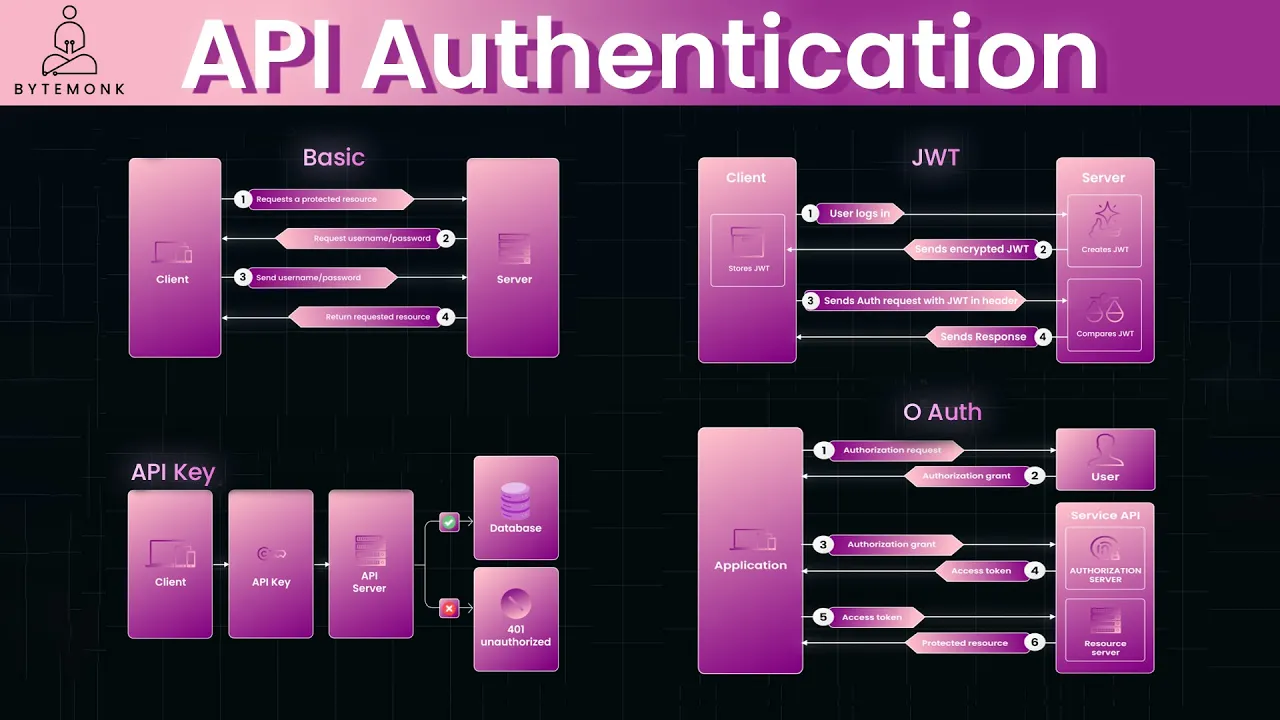




A RESTful API (Application Programming Interface) is a standardized way for software programs to communicate with each other over the internet, using HTTP methods (GET, POST, PUT, DELETE) to exchange data in a structured format like JSON. APIs serve as intermediaries that allow machines to request and receive data from servers, enabling machine-to-machine communication essential for modern internet applications like IoT devices, mobile apps, and web services. REST (Representational State Transfer) is an architectural concept that provides a structured approach to designing these APIs, ensuring interoperability across different programming languages and operating systems.
What is REST API? Explain API, REST, and Web API
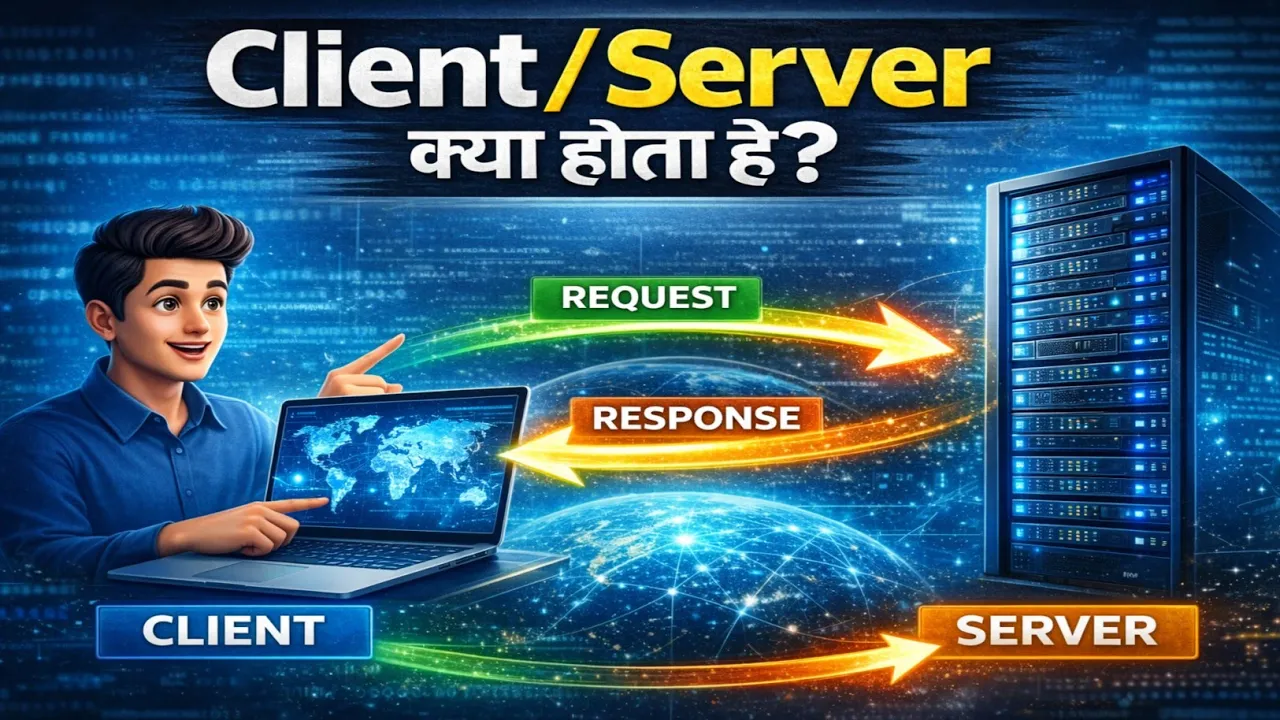
Added:Basic understanding of the Client-Server architecture and how the internet functions.
Familiarity with the HTTP protocol, specifically request-response cycles and basic status codes.
A foundational grasp of common data serialization formats, particularly JSON and XML.
Basic programming concepts, including how applications send, receive, and manipulate data.
How to design, build, and deploy your own RESTful APIs using backend frameworks like Express.js, Django, or Flask.
Implementing API authentication and security standards, such as API keys, OAuth 2.0, and JWT (JSON Web Tokens).
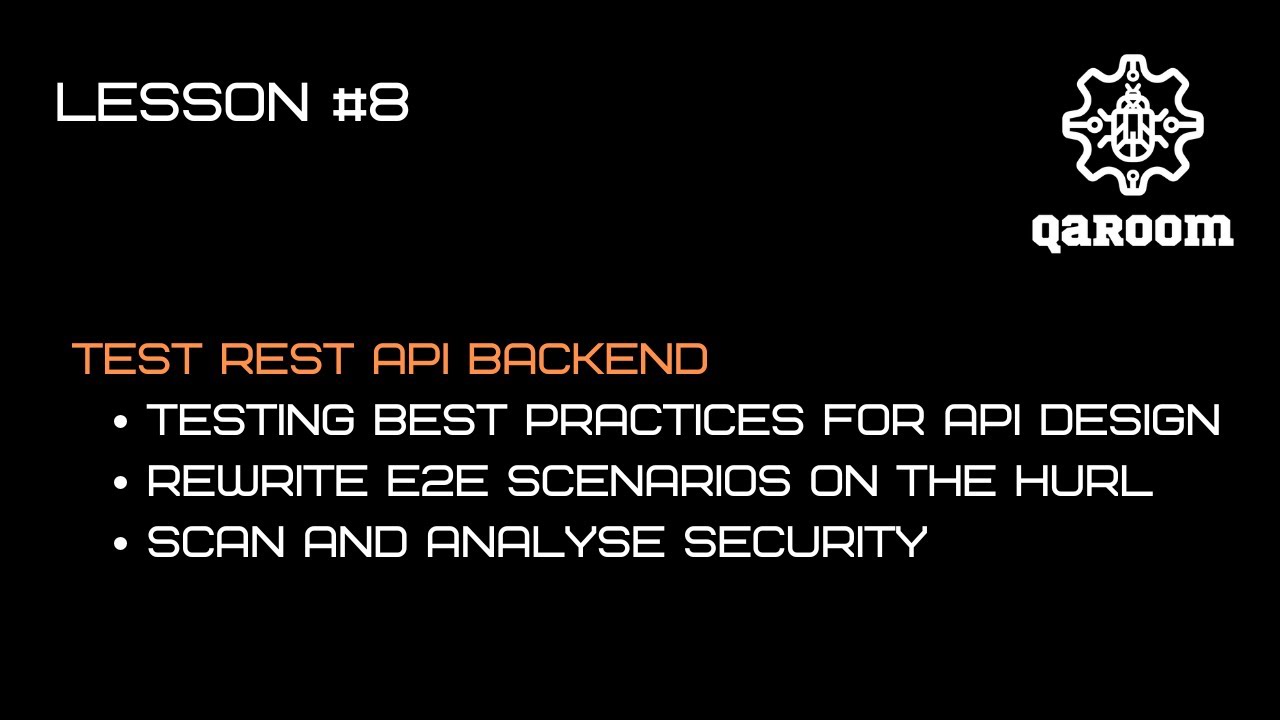
Utilizing API documentation and testing tools like Postman and Swagger (OpenAPI specification).
Comparing REST with alternative API paradigms, such as GraphQL, gRPC, and WebSockets, to choose the right tool for a project.
104.5K views768likes7:39Original Release: 2017-10-30
so we are living in a world of internet where Internet is everything and to access the internet we have desktop tablet and mobile and our world is not inside our mobile this world that means the internet works on a simple protocol which is called hypertext Transfer Protocol or simply HTTP and think about protocol just as the rules because rules are rules but in the beginning of the internet internet was designed to share information between one computer to another computer placed apart but because we are living in it 2017 and this means we need machine to machine talking and what is that suppose you have one machine and under machine both machines work on a different kind of operating system different language different situations and they have to share the data between these two and all these process happen without the involvement of the humans but you know the actual civil of any machine is its software so actually we need software's to talk that's cool but why we need the machine to machine talking let me explain you actually I only use the future and what IOT stand so are i already means the Internet of Things in the future you have house or you have a car and you can access the house you can open and close the door start stop Geezer or AC something like that and also the car you can send the information about how much fuel is that how much speed is that and not only that even a simple toaster can be included in internet or thing can be accessed by using Internet that's cool but these are the browsers to talk to machine yeah this means we the humans can talk to machine by using the browser and not this kind of human and whenever you request any page fly a browser you will get the data along with that HTML and CSS because HTML and CSS is intended to design to have the page looks more readable for human but machine needs machine readable data so what we have to do if you have to think about that yeah here comes our API and what API is API is application programming interface and you know interface means connecting any to and that's exactly what we want but what an API can do for us API allow to software program to communicate with each other and that exactly our sole purpose okay API can be local and web and program API but in this episode we are only talking about the web api but what web api can do for us so suppose you have a website all you have a mobile app and in mobile app you want to get the weather information and the G map for your user but your device cannot have a sensor to sense the weather information and even it has it can sense only the information where the mobile is placed not the information of whole word but there are some website which can give you the data or the weather information of any any city in the world so here is the interesting point so let's see some example let's go to Chrome and open http://openweathermap.org this website give you the information of weather of every big city in this world so let's talk about Mumbai so search for Mumbai and you will get the Mumbai here and here is the information let's search about London and you will search for London London is here London US sky is clear everything is good but how will I get this information on my mobile app so for that here comes our api's so you can see here is API tab and let's get this API current weather data and let's search for London so new tab and you will get the data like this so actually the same data we have received here is now in a structured way here so this is actually the machine-readable data and this is the human readable data and I think you got the point to think about API as a waiter who can take the order from you go to kitchen and come back with the order you have placed similarly Web API can get the request from a machine go back to server and get back the data to the requested machine but what we have to do to create an API actually we know that there are many developers in the world having knowledge of various kinds of languages so we need a concept or a structured way of creating an API so that everyone in this world that means every developer can follow that way here comes our hero called rest and okay I am not about this kind of rest so dear you have to go so bye-bye okay so rest stands for representational state transfer and what its mean by that it's not a web service it's a concept design or architecture what the architecture mean architecture if you heard this word you will come up like this picture but the actual word meaning of the architecture is the art of practice of designing and constructing buildings I'm not talking about the buildings but same is true with the rest also we are going to build our data in a structure or a proper way okay so suppose you have a lots of data you have to structure it think about this as the data base having many kind of tables having many relationship and if a machine requests data from your server then you will give the data in a JSON format JSON stands for Java Script object notation and how its look like it's looked like this so the machine will get the data in this format as we have seen on the openweathermap.org and you can see the curly braces then query pages and all the information in this pages object so every API has to follow this way that means the rest way of creating the API okay so some of the rest basics are whenever you are creating an API in restful way that means if you want to read the data you have to send a get request similarly to write you have to send the post request and put for edit and delete for delete you know that's good but all these information are transfer on single thing which is called HTTP as I have told you and you know same thing is true for Internet that means our website our browsers our API everything works on the same platform called URL route or resource or HTTP or anything you can call it you don't have to create a new platform for the API is the same platform used by humans is used by the machines so we have seen that rest is not a web service but let's see what is web service it's a collection of open protocol and standard used for exchanging data and this is actually we want that means a machine running on any kind of operating system having any kind of languages we have to transfer the data between two machines this means an API created in a rest way is a web service because web service is designed to exchange the data between two kind of machines and this is the conclusion of this episode which says that to have communication between machines we need API web api our machine readable form of your web page so some websites are also consuming their own api and they need a standard which we call rest so if you liked this episode please give it a thumbs up share with others so that everyone know what is restful api don't forget to subscribe like BitFumes on facebook twitter and instagram bye bye
Up Next

782:53
Learn Python Programming: A Complete 13-Hour Tutorial
@DataWithBaraa
54.3K views•2026-02-24

87:26
Introduction to Secure Multiparty Computation with Yehuda Lindell
@fhe_org
7.7K views•2021-02-04

4:55
HTTP Requests Explained: GET, POST, PUT, DELETE
@codecademy
103.1K views•2021-10-07
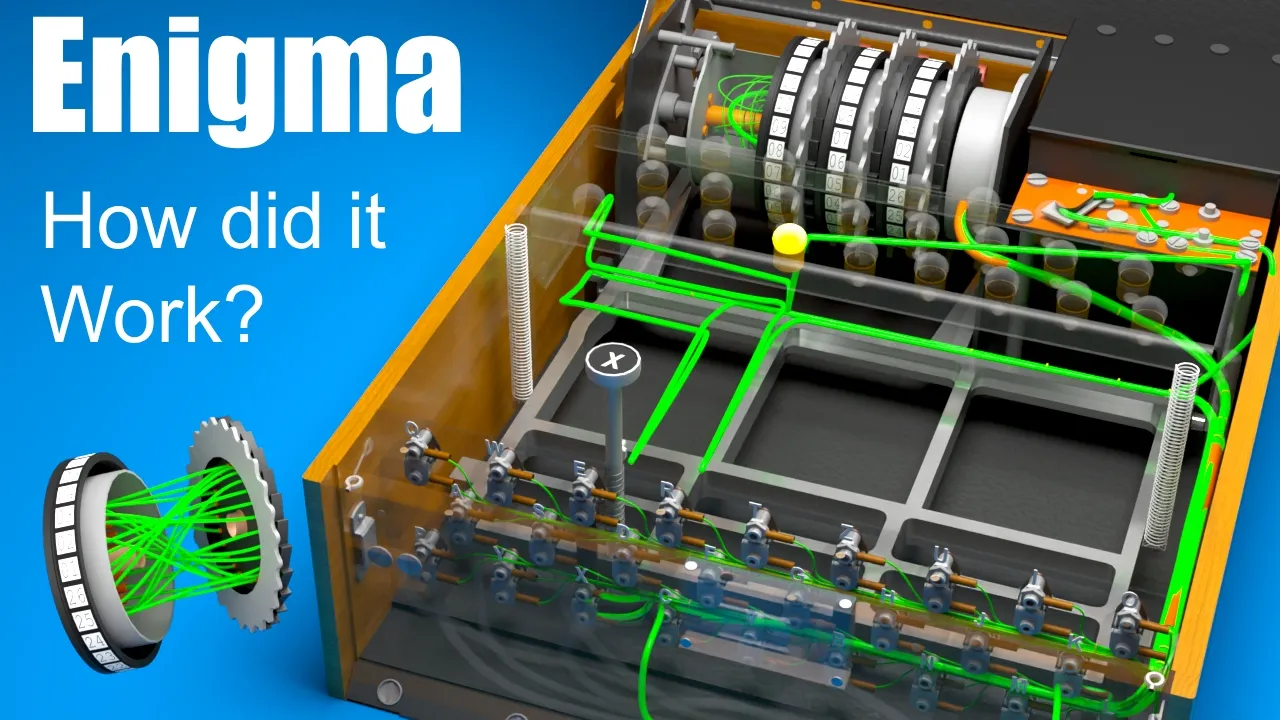
19:25
Enigma Machine Mechanics: WWII Encryption Explained
@JaredOwen
13.2M views•2021-12-11
Related Study Plans & Knowledge Roadmaps
Structured learning paths in Computer Science
computer-science
Container Runtimes: Namespaces, Cgroups & Go
01Linux Systems & Go Programming Foundations
02The Core of Isolation: Chroot and Filesystems
03Linux Namespaces: Process Isolation
+ 3 more learning modules
32h6 modules
Explore Roadmap
computer-science
Building a CHIP-8 Emulator: Rust & CPU Basics
01Computer Architecture Foundations (Bits & Bytes)
02Rust Programming for Systems Development
03CHIP-8 Virtual Hardware Specifications
+ 2 more learning modules
32h5 modules
Explore Roadmap
computer-science
Building BitTorrent: Go, P2P & Concurrency
01Go Fundamentals & Concurrency
02Networking Foundations & P2P Architecture
03Bencode Parsing & Torrent Metadata
+ 3 more learning modules
26h6 modules
Explore Roadmap
computer-science
Actor Models (C++ Concurrency & Lock-Free)
01C++ Multi-Threading Foundations
02Thread Pools and Task Scheduling
03Atomics and Lock-Free Queue Design
+ 3 more learning modules
45h6 modules
Explore Roadmap