
















Virtual worlds like Second Life are genuine social spaces where people create avatars to interact, build communities, and form meaningful relationships, demonstrating that human social behavior transcends physical boundaries and that virtual environments deserve serious anthropological study using traditional research methods.
Anthropology of Virtual Worlds: Avatars and Identity in Second Life
Added:An understanding of basic ethnographic research methods, specifically how anthropologists use participant observation to study cultural groups.
Sociological concepts of identity construction, particularly Erving Goffman's theories on the presentation of self in everyday life.
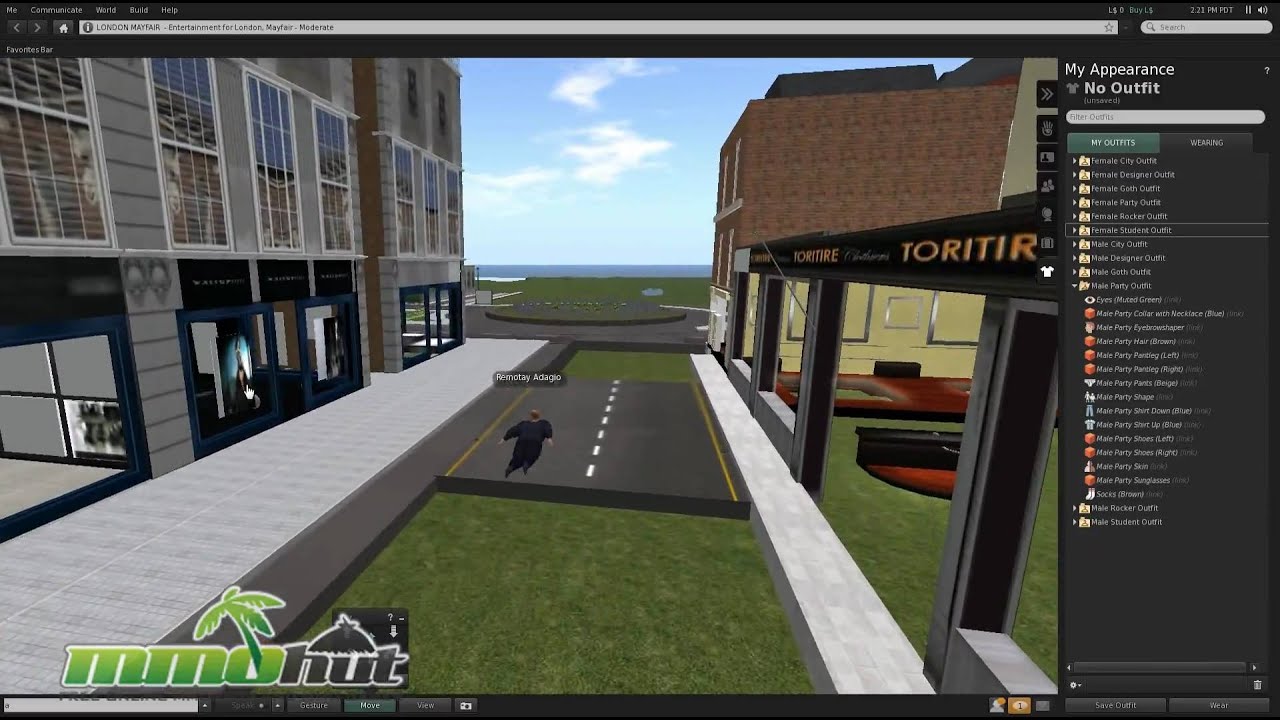
A foundational knowledge of what Second Life is, specifically its nature as a user-generated, non-gamified persistent virtual world.
The distinction between 'digital dualism' (treating online and offline lives as entirely separate) and co-presence (the feeling of being together in a virtual space).
Advanced methodologies in digital ethnography, including the ethical implications of conducting academic research in online communities.
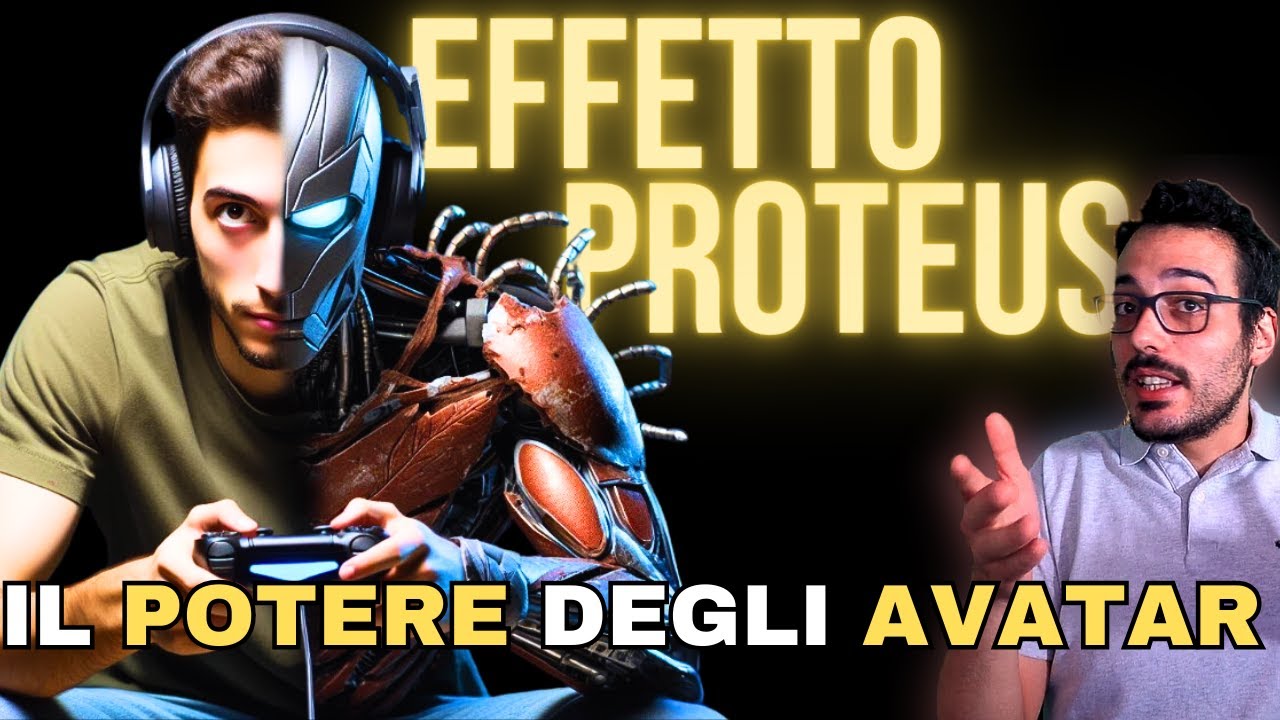
The 'Proteus Effect' in cyberpsychology, which studies how the visual characteristics of an avatar influence a user's real-world behavior and attitudes.
The evolution of virtual identity into modern platforms, such as VRChat, Roblox, and the broader concept of the 'Metaverse.'
The political economy of virtual worlds, specifically focusing on digital labor, virtual real estate, and the monetization of identity assets (skins, emotes, and digital fashion).
22K views162likes52:19Original Release: 2010-11-30
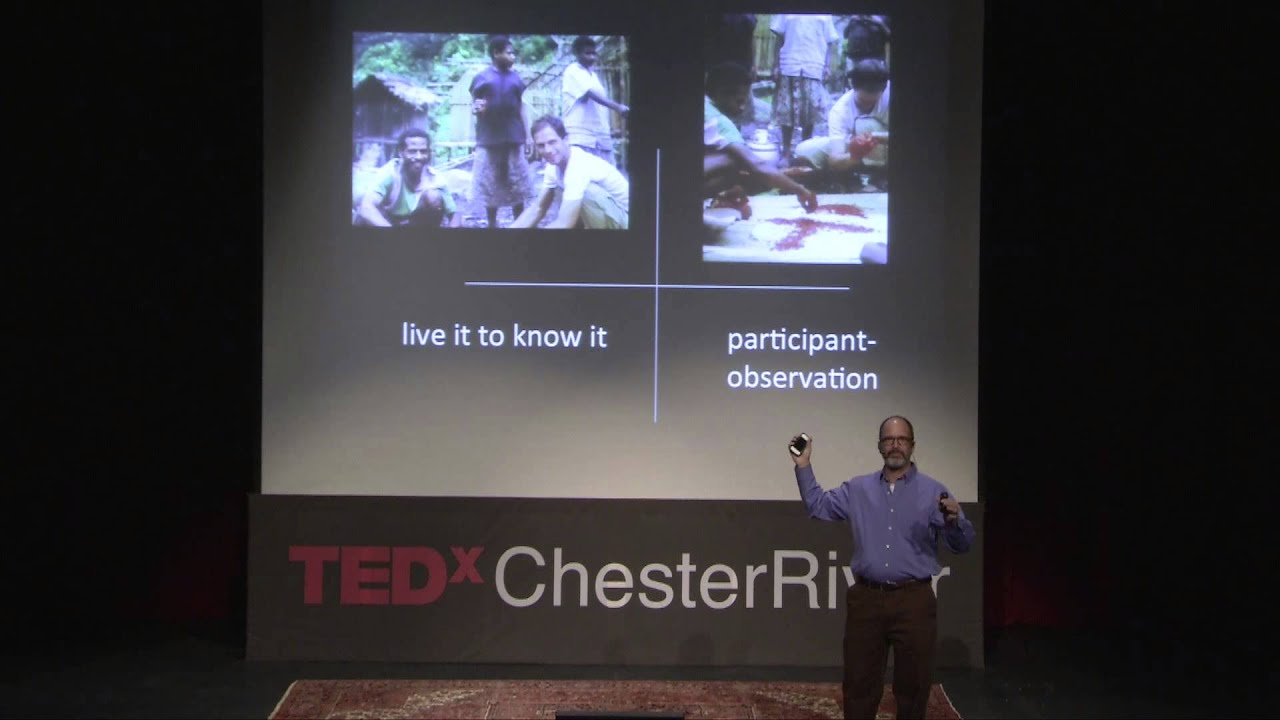
so before I give my formal talk since many of you have no idea what something like Second Life is let me explain very briefly what it is it is a virtual world and a virtual world is different than email or a website or something like that because it's a place online so this place is an island inside of Second Life that I have some control over and I built this auditorium myself I can show you how I did it later and I have a body here called an avatar here's my avatar body you can see me talking in my hello hello you can watch my voice moving here as I talk thank you very much I'm glad either you're saying in second life that I'm beautiful or my building is beautiful but I'll take either compliment and as you'll see here in Second Life these are other people who have avatar bodies as well and here's my friend Ludo here's a whole bunch of people sitting around and all of these people could be in Japan they could be in Germany they could be in California they could actually be a man they could be a to people controlling an avatar at once there's no way for me to know right what you know from just meeting people in second life this is its own unique social interaction where I'm getting to know people and we're getting to know each other inside of Second Life based on our interactions here now of course often you get to know details about someone's physical world life inside of Second Life but sometimes you never know for sure and and that's not you know explaining what's happening in terms of how you're interacting inside of second life itself and second life allows you to build inside of second life in real time so for instance here's a piece of CEQA of my auditory embarrass little cube I can move it around and people inside of Second Life here will see this block walking around don't worry I won't hit you with it I know don't worry I'm not someone just typed oh I won't hit you with it and I could rotate it I could change its shape I could move things around and oh good it sounds like the voice is getting a little better so keep doing whatever it is that you're doing so this is how you build things inside of Second Life and you can put a texture on that on those things that you create you can do all kinds of interest things and if we have time later I'll show you some of the beautiful things that people have built inside a Second Life DePaul University has a place in Second Life there's a whole bunch of educational institutions the Mormons and many religious folks have things in Second Life those casinos there's clubs there's houses there's shopping malls there's great shopping because things that you make in Second Life you can sell for physical world money so for instance here you see I'm wearing this very nice red shirt it's by a designer who I think is very good I paid about a dollar 50 us for it and that's physical world money and if this designers selling ten thousand of those a month you can see how it can start to add up and there's people who make their physical world living through objects that they make inside and sell inside of Second Life or selling this virtual land inside of Second Life and if you think of buying an application for your iPhone and app or music online like on iTunes it's not as different as you would think it would be right this idea of a virtual good that people can buy over here you see my you see our good friend who is actually up in the tech booth right here as well who is recording this and is also he Gnaeus who's also here in Second Life thank you for the bow he just did a very nice bow so um so this is a part for the people sitting in Second Life is probably boring because they know about Second Life but there are many other virtual worlds besides Second Life and also I'll mention later for instance the number one application in Facebook farmville is a virtual world that has over 60 million members Club Penguin which is a virtual for kids has about that many members there's a newspaper that kids inside of Club Penguin make that has over six million readers that's bigger than a lot of newspapers in the physical world and here just to see how you can do those kinds of things here's the first chapter of my book that you can actually buy outside later but here it is is a book inside of Second Life that people inside of Second Life could actually open and turn the pages and read it and actually read the first chapter of my book and and people inside the Second Life I can actually give you a free copy of this later if you want so these virtual worlds they have connections with other technologies but they're unique and they have some really unique possibilities so that's just a really quick demonstration now those of you in Second Life look to the left where it says the virtual body this I have a short PowerPoint presentation that I'm going to show but I'm showing it inside of Second Life so that the people in the Second Life audience can watch it so I'm just zooming in on on it here so that people can see it makes a couple noises at the beginning because the people who designed it designed it that way it's sort of fun I think you're gonna hear Neil Armstrong so what I'm gonna do today is first that's just an you'll don't worry about him talk about how I came to study virtual worlds and what are they and why should we care because often those and then I went a second talk about some possibilities and and perils of virtual worlds people often have a very negative view of them if they don't know about them they think they're addictive they think it they're for losers who live in basements and don't have a real life I never actually used the idea of real world I talk about virtual worlds and the physical world because it's all real computers reveal virtual worlds are very real and and so they actually do have you know are worthy of thinking about what the possibilities are cuz they have a lot of wonderful good possibilities and one researcher John Naughton has this great first law of technology he always talks about which is that we always sort of overestimate the short-term impact of new technologies we think that something new is going to take over the world and we don't realize how overtime the long-term effects of technology can be really significant so that's what I'm gonna do and then I'm going to try and and end in about 15-20 minutes so there's a lot of time for questions and then even a guided tour of showing you a couple little places around Second Life if there's time so as was just mentioned in the very kind introduction I originally for almost 20 years now I do research in Indonesia which is the fourth largest country in the world I speak the Indonesian language fluently and I have been doing research there for a long time on issues of sexuality and other other kinds of things I still love going there I don't have any problem with Indonesia but I've always loved technology and five or six years ago I thought you know I want to try something really different and so I've got this idea of studying virtual worlds and I spent time in Second Life and I'm gonna pan out for a moment and as I got to sort of hang out with people and see how these virtual worlds work and that I can be sitting here talking to all these people like here you can see the audience now once again that if you're talking to me I realized I could talk to these people just like I talked to people in Indonesia and I can interview them I can do all kinds of things just like I do possibly in Indonesia so I wanted to try to use the exact same methods that I use when I do my research in Indonesia and see could we use that to understand these new cultures that are emerging inside of virtual worlds so this is what Indonesia where I do research in Indonesia looks like the island of Sulawesi sort of doesn't look that different from Second Life right there you got the same basic idea you know you have your sort of beautiful rice fields but I mostly work with gay and lesbian Indonesians and transgender Indonesian so here's the staff of one group where I work and and these are not women they're actually transgender men who've become women and actually here you see this is a photo that hopefully will not end up all over the web thank God it's a little grainy over to the in the back to the left you see me this is from 1993 when I was a young thing working with some gay Indonesian just to show you sort of how long I've been working with these folks in Indonesia and I was just back there in June I I still you know I'm interested in doing that research but then I got the idea of you know when I'm in Indonesia I do what they do and so you know they'd men their dress up as women sometimes and so here am i with my partner I'm sitting down there I think I look very lovely don't you think a dressed up as a bougie knees bride for actually hiv/aids awareness event in Indonesia but part of being a good anthropologist is you always try and fit the context you're studying and in a sense that was the kind of Avatar that I would use in Indonesia sometimes and now here I am in second life so here I am now here's my avatar now talking to you now Tom Bukowski so anthropologists always try and be flexible and fit the cultures that they're studying and so that's something that I did in Indonesia and still do I don't always dress up like a woman in Indonesia obviously but when I came from Indonesia to study second life I decided that I would try to learn about second life as an insider just like I learned the Indonesian language and learned how people in Indonesia do things I tried to learn how people in second life do things and I was actually pretty early coming into second life in 2003 so I'm actually what people in second life might call an old bi I've been there for a long time I'm although a lot of people spent more time in second life than I have obviously and so the idea that I had behind this research was to replicate these traditional methods to see if they would work and and actually you'll see down here like Jane Goodall grooming Silverbacks a great thing about second life is people can backchat in text so these are some wonderful snarky comments from my friends in the audience in second life and so yes I don't think I quite look like Jane Goodall ran but I will take that as a compliment as well and so but I can't one of my friends says yes I could I'll get a Jane Goodall avatar just for you eventually but anyway that the point is that I tried to sort of replicate these methods that I used in Indonesia and try and do them inside of second life and so here I am in Indonesia doing a focus group with some gay and lesbian and transgender people sitting around a room there's me in the back with the computer taking notes and Here I am having a focus group in second life this is actually me with your back there and these are a bunch of people sitting around and we're having a discussion about culture and second life and Here I am talking to someone in Indonesia when I'm doing my research and I do the exact same thing in second life I the experiment was to try and use the same methods that you use in the physical world that's why the name of my book is coming-of-age and second life which of course is playing with the famous book coming of age in Samoa by Margaret Mead is that I was trying to respect the history and respect the methods of anthropology and see what would those methods do in a virtual world and what really shocked me frankly is how well they worked I was expecting that maybe you know these virtual worlds were so different I'll never be able to understand them using classic anthropological methods but they worked and what that really showed me is that people in virtual worlds are people they are human we're all human whether we're online or offline and there are many aspects of our physical world life that are virtual as well I'm using language to talk to you and you can't touch that you can't see that you can't feel that language is virtual in a certain sense now because these technologies are so new people often forget that they have a history and that history is really important so for a couple minutes here I want to talk about history that ever sense cave paintings people have been imagining other kinds of worlds since the invention of the novel and then things like the Telegraph there were people getting married over the Telegraph in the 1880s and 1890s so if you think about match.com or eHarmony it did not start with the internet now and we have email that we use we have websites we have a social networking site like Facebook that's not a virtual world but it can have virtual worlds inside of it like Farmville and then virtual worlds themselves which include these massively multiple online games I don't like that term mmog at such a mouthful we can just call them online games where you have an avatar and you can interact in other in real time with other people like I'm doing like I'm doing here in this in this virtual space as I'm talking to you now in the physical world so to me the key thing about virtual worlds is that they are places and in fact in the English language it's very interesting that people will say they go on Facebook or amazon.com but they'll say they go in Second Life they actually use a different preposition most the time in English because they are places and actually a famous researcher of virtual worlds Richard Bartle talks about how people often get confused and think that Second Life is a game and his explanation is he'll say that Pasadena Rose Bowl is not a game it's a place where you play a game but it is not a game I don't do sports much even though I'm from Nebraska can you remember what your stadium is called here but whatever the hell is Shea Stadium is New York whatever it is here it's not a game you play a game inside of it but it's not a game and so virtual worlds are not games as such but they often have games in them or even sort of structured as games they can they are places of incredible flexibility there's people who are disabled doing amazing stuff in places like Second Life to be able to have bodies that other people can have there's incredible experiments in education I could show you later if I have time the testis tour where you get on a sperm and fly inside of a 500 foot tall human testes and you can see anatomy I mean you can go inside of the human body and see it in this incredible way there's all these amazing things that people can do with virtual worlds but they do have a history so to give you just some quick ideas on that like I just said since the invention of writing cents cave paintings in a way we've had certain kinds of virtual worlds and a sort of very rough sense but that isn't quite the same as what we call a virtual world nowadays the first real virtual world began in 1970 although in a way telephones created a early kind of virtual world I could talk about later if I have time when you're talking to someone on the phone that actually creates a kind of place but the first virtual world that we really know of was created in 1970 by this man Myron Kruger and this picture on the left for the people in Chicago I'm gonna zoom in on it you can use your camera's in Second Life and zoom in on the on the upper left part of the image at first he was at the University of Maryland and he had a colleague who is in a different building on another part of campus and they were studying waveforms and they each had a wave form that they were looking at on a TV screen and they had these cameras that they were using and that was a very new technology in 1970 right a camera to sort of show themselves in each other these ways but they were really having trouble communicating so he was saying I'm looking at this thing that's sort of like a square and then the other guy was saying well mine looks like a wave in the ocean but they were really having trouble communicating and then Myron had this realization that we could take the cameras and point them at each other and then what we would see is our hands superimposed with a composite image this had never been done before and that we could put our two hands together this way then we could each see both of the images we were sorry about that we could each see both of the images and he talks about this moment when they did this for the first time and they were pointing at these images and talking to each other and Myron moved his finger up of thanks for the Wikipedia link run Myron moved his finger up and his friend up here jerked his finger back like he was gonna be like he thought he was going to be touched and Myron had this sort of shock of realization that he thinks were in the same place he thinks we're going to touch and he sort of played around moving his hand back and realized for the first time this is a kind of shared place and he actually created an early virtual world called video place and he tried to imagine what a virtual world might look like back in 1970 and this was this picture and look at how important on the right here two people inside a second life look how important bodies are from the very beginning the first thing he imagines is these people running around and if I step back now to show you the audience and all of us sitting here in second life you know things are a little more complicated than that earlier picture is now right but he sort of got some of the basic ideas even that you see you know in this kind of situation now where I'm sitting in this room with all of these people with these avatar bodies they could be anywhere in the physical world they could be anyone we have no idea who they are unless we get to know them but we are creating a social environment here that is not unique that that is not reducible to the physical world looking at these people in the audience maybe one of them is in Germany one of them is in Japan one of them is in Ohio one of them is in California to understand our culture inside a second life right now our social interaction I don't have to get on a plane and fly to Ohio and fly to Germany and fly to Japan that would be a real misunderstanding of what's happening oh now I'm getting them some of them telling me Seattle Sioux City Iowa Brazil New York Maine Scotland Ohio thanks audience so that's where they're sitting around the right now but if we wanted to have a discussion Poland there's someone from Poland Oregon we wouldn't have to be flying all around the world and often people don't understand that they'll tell me as an anthropologist Tom how could you talk to these people and understand them without flying everywhere in the world where they are and they you just don't understand how a virtual world works because of course I would love to do that and meet everyone but I'm meeting them here and this is face-to-face interaction it's a virtual face but we are meeting face to face in second life and people can fall in love and second life people can do all kinds of things together in second life and you know people were falling in love over love letters in the Victorian era a hundred years ago the idea that that's possible shouldn't be so confusing to people so just to go quickly through I'm just gonna go for about another 10 to 15 minutes before I do Q&A then some other early be early virtual worlds some early games like hunt the Wumpus if you're a total nerd you might actually know what this game is you actually had a body see that yellow body and you would move around in a cave like here's some bat I've got to kill or something this is 1972 very early on in this stage was an early precursor of virtual worlds some of the early beginnings of virtual worlds were just based on text and if you see everyone in Second Life talking to me using text you can see the text is still very important adventure which first came out in 1976 was a kind of early virtual world but it was all text so it would say things like you're standing at the end of the road before a building there's a stream what now and then you would type go to building and then it would say there's a goblin who's gonna kill you and you'd say use axe so that you wouldn't die but it created a sense of a virtual world purely through text this is you know 1976 as a kid I I was born in 1969 I'm 41 when I was young I played utopia which is for the Intellivision an early simulation kind of game where you know compared to the islands and if you see the islands and the water and Second Life where you can actually go underwater and it's so advanced that you see ripples I mean that's an incredible graphics capability with second life utopia you had blue and blue was the ocean and yellow was a house and here's a ship getting it going average system fish it was very simple but it was the basic idea of the simulated world was already there in a very early form but one of the very earliest virtual worlds was habitat in the sort of modern sense and it dates to 1985 let me see if I can and it was created by a chip Morningstar and Randy farmer and if I can get it to work now we're getting very high-tech I'm gonna actually try and play it this a short thing about it ah inside of a website in Second Life so this was an early promotional video made in 1985 for this very new virtual world before anyone really knew what they were let me see five cents pops the name's not pops I just want to find out about this here parallel work it's called habitat but cuff up that dope pops no playing games Jimmy the name's not pops look I promise I'll pay you assures my name is valentino what's going on here what kind of gave me you plain pops pops and his friend Jimmy aren't the first people to get drawn into this strange new world where names can change as quickly as events surprises lurk at every turn and the key notes of existence are fantasy and fun here so here someone's getting ready to teleport which is something you do now in second life 25 years later where am I and who in the heck are you it is said that boredom once ruled the lifestyles of the avatars the beings who populate this world but recently all that changed and inanimate at they couldn't actually talk using voice that was added for this ad but you note that they're already using the word avatar Oh way back then and with the cooperation of the huge mainframe in Virginia now using their modems and Commodore computers people from West party wire Alec enjoying quantum link and Lucasfilm electronic it's an island just like my one in Second Life one that means two habitats where thousands of avatars each controlled by a different human and can converge to shape an imaginary Society Henry a human he's just controlling you here you get to be someone else now let me be a minute I got some digging to do and some treasure to find and I don't have time to show the whole thing but I wanted to show you over here the plus they'll actually try to show you what the human was so rest assured mr. Valentino will hardly be alone no hot dog come on thing oh ho for example swell fella here is an avatar controlled by Luanne Smith from Beverly Hills here on a quest but with her 1980s hair hide magic is just what she's found here in the land that lies beyond her wildest dreams so I'll mute it now just to make a couple comments it's remarkable how many aspects of second life were already there in habitats avatars teleporting making money had the possibility of a different identity and even the change ability of the body so look at this person changing his head look at this example this person changing his head young turk back in Poughkeepsie he's Conrad Klein a lawyer with Klein Cates Kipling and Klein reflect his real self image obviously anxious to show all of this true selves anxious to show up his true self so I'll stop it there but you'll see that you know what's so fascinating to me about this is how much of this was was possible even way back then and thanks Amina's for that I'm done now showing the video to people inside us like in life sorry about that and I'll even show just from the still image that I have here from 1985 if you look closely at the text you'll see LOLOL laughs out loud once again they were already using that back in 1985 and I think this historical sensibility is very important because not everything about these virtual worlds is as new as people think they are then after that things start to get more familiar EverQuest was a well-known virtual world that was also an online game that one of the first ones to really get big oops I just pressed the wrong button other let me go forward this is gonna be about oh yeah here we're World of Warcraft very well-known online game and then some of them many of the contemporary virtuals now some seven out of the ten biggest ones are for kids Club Penguin was sold about four years ago to Disney for over seven hundred million dollars this is the one that has there's a newspaper in it that has over six million subscribers all kids the these one kids love these virtual worlds and you know Alan Kay a famous Internet researcher talks about how technology is anything invented after you were born you know for us a radio isn't technology we just return the thing on for kids these virtual worlds are just obvious you know they're just something that they so many of them do and also they're getting integrated into other media so for instance the number one application and face book is a simplified virtual world farmville it has over 62 million active users Second Life has about one and a half million so it's gigantic that and that's the data as of September 2000 2010 it's got 62 million so virtual worlds are here to stay and we need to think about what their possibilities are and what they can what they can do so in terms of the virtual body just to show you once again this will be an obvious thing for people who know Second Life but I'm gonna stand up here for a moment so people in the audience can see big thing about the body inside of Second Life is that it is very easy to alter and you can change your body at any point you want as often as you wish to do so so for instance you see here my sort of typical everyday Tom Bukowski look I've got some nice tattoos or whatever but um if I wanted to have a different look I could do so instantaneously and I could change my gender I could change my race I could become a robot like I'm doing right now if I wanted to become a robot and have you know machinery on top of my head and a big key and on my chest that you could turn if you want to you know wind me up or whatever so I could be a child I could look like an animal like a dragon like anything and this is something that you obviously can't do so easily in the physical world with your with your body that you can that you can make those kinds of instantaneous changes you know that you can't in the physical world I can't get up one morning and say you know I really just have this desire to be a miniature mechanical cat you know I've always wanted to just see what that feels like I don't really feel like being a human today I think I'll try being a miniature Caps and you know talking to people in Chicago with the body of a miniature flying cat um but in second life I can so here I am I'm a little miniature cat talking to talking to the audience here I'm glad look very cute I think you can as you can see if I want to fly around I can fly have little wings that flap and I can fly around I could fly away if I felt like it but I won't I'll stay here um sorry I just fell down so this kind of change ability of the body is something that's very interesting and very very different obviously also the possibility that you can be anonymous not everyone in second life is anonymous that's a mistake some people have two bodies one that is linked to their physical world name and one that's not and and then Janette says and none of us are surprised - and just to give you and so I won't show you all of the ways that I can look but here's some other of my avatar looks I can look like a big kitty cat like a Daisy like a Japanese anime character a giant dragon I mean anyone in second life can do this you can change your look anytime you want and in many virtual worlds you can do that not in all of them but many of them you can and this leads to interesting possibilities because you can change your body but also you can have more than one body and so just to briefly read you a very an interesting example of something that you couldn't do in the physical world with your body let me tell you the story of Sipho she traveller so Sipho she who's on the left there of that picture wearing sort of a the black here was a person who had just gone through a breakup in the physical world and he broke up with his girlfriend he was feeling bad so he created a second avatar for himself named beginning this woman you see her there she's looks to be very very nicely dressed and you he would sometimes login both avatars at once in second life you can do that you can run the program twice and and oh and and have more than one avatar online at once so Sipho she would logon beginning with him both at the same time and one day when he was feeling upset about the fact his girlfriend had dumped him in the physical world he moved beginning up to himself and offered himself a hug as he says and at that point he says something shifted so he did the next logical thing he started dating so Sipho she started dating beginning inside of second life and he says i talked to myself tell myself the things I secretly wish to lover would say to me it's tell myself I'm beautiful and loved it became a way to explore how to give myself the kind of love I was seeking before from outside myself so having two bodies two people that fell in love with each other became a way to sort of take care of that person's own soul in a way that they would not be able to do in the physical world but one last thing to note before you go Sipho she actually in the physical world is a female who decided to create a male avatar just as an experiment to have a hot guy to stare at who as it turns out is just another case of a woman imagining herself as a man imagining himself partnered to another woman who's really herself that's something you couldn't do in the physical world Oh Ana and some people in the second life audience I see typing some great questions um if we have time and I'm gonna end in about four minutes and we'll take questions from the audience in Chicago and in Second Life I just have about four more slides so there are so many places we were going I could go we are going I could talk about it for three hours and not be done halibuts changes ideas of place and time for instance the fact that I'm sitting in Second Life right now to show you again with all these people we're sitting in second life together and they are from in Poland Seattle all those places they listed but in order to be here we have to be here at the same time there is a way that time resists being compressed in a way that space does not by the internet and there's a reason why if you look at pair of my computer it actually says 111 PSD PDT because California Pacific time is the new Greenwich Mean Time of virtual worlds as one of my colleagues puts it because Silicon Valley is so powerful so virtual world show us how time can be compressed in a way that space is not which is extremely interesting to me the new possibilities for community and education for identity for embodiment for thinking about disabilities in new ways if very interesting questions of governance in law I could talk about if you rob someone in second life or cheat them what laws do you use if one of those people from Poland does something to me or I cheat them do we use the laws of Poland do we use the laws of the US how do we even think about that ways in which this is becoming integrated with the physical world in new ways I could talk more about as well later on just to give a great example from a recent campaign in Second Life of people stealing hair ideas for hair it's like stealing music off the internet or movies you're not supposed to do that so here is a campaign by some people who may care to sell in Second Life I'd rather go bare than wear stolen hair and so here's a great sort of advertisement advertisement showing that you know you shouldn't be buying hair that you had you know that stolen that's pirated inside of Second Life just like you shouldn't steal music or something interesting questions about intellectual property law and so in terms of looking for ahead they're here to stay but they won't the the rest the slide didn't come in they won't I know they're not going to take over the world not that long ago we spent zero percent of our time in virtual worlds that percentage is going up but it's never again a hundred it's probably never gonna be 20 people I talked to in second life most of them have perfectly healthy lives they have wives and husbands and kids and jobs and when I asked them how do they find time to do second life they just don't watch TV much anymore and when you compare TV to the interactive social space of second life I would rather have people doing second life than TV and actually a lot of families participate in Second Life together there are of course potential dangers for any technology including virtual worlds or television or the cell phones or anything else but virtual roles in and of themselves like all technologies are neutral they could be used for really bad things but they can be used for good things as well this final slide is one that I often show to people when I give these talks on the Left this is the McDonald's website from 1996 I think they probably spent ten million dollars to have that thing made very high-tech website right you could click on the Golden Arches and that was about it now over here on the right is Twitter if you know what Twitter is or Facebook where people are sending each other messages if you don't know about it you've heard about it all over the place and people are using these one-line messages that are limited to 140 letters 140 characters now Twitter is actually very simple it's actually easier than habitat that thing I showed you the video of it's just little lines of text you could do it with an old computer in fact you could do it with a dial-up old modem there's no reason that we couldn't have had Twitter in 1996 or Facebook in 1996 the reason that we didn't was not a failure of technology it was a failure of imagination we did not yet know what these new technologies would make possible so what did we do we made a web page because we knew about pages of text of a newspaper or something so we made web pages cuz that's all we knew and even when you look around and Second Life right now we've got trees we've got grass we've got water it looks very familiar because people start with what's familiar and you see that in Second Life I can show you places it's like a life that look very different on a really crazy and inventive but this is inventive too in its own way so it was a failure of imagination and right now I think virtual worlds in the year 2010 are like the web in 1996 that we can't even imagine yet all of the creative uses that we could have out of virtual worlds and people are starting to get some ideas but we just don't even know yet and it will be fascinating to see in the next 5 10 15 years what happens with these technologies and the potential that they have for reducing our environmental impact on the planet when IBM now has meetings inside of Second Life instead of flying their staff all over the world for instance for education for intercultural learning because over 80% of Second Life is non-us you can go to whole areas that are Japanese Chinese Brazilian learn about other cultures learn other languages all of these new potentials but I don't even think we can imagine yet what will be possible with these technologies and as a researcher that's something that I am trying to understand and learn more about so thank you very much we have about 15 minutes left and so let's go ahead and have some questions and actually heaney assuit who's the tech person helping out could you just get one or two questions from the people inside of Second Life and we'll try and make time for that as well because I don't have time to look through my text history right now to see them so if you could just pick out one or two and then feed them to me thank you that'd be great because I want them to be able to ask a question or two as well and I'm gonna pull out now so that people in Chicago can see the audience in Second Life as well so we can all see we got quite a crowd now here of people inside a second life who are watching as well so questions and we have one microphone unfortunately so we'll be running that around to people as an anthropologists have you done any investigation of the demographics obviously there has to be access to the electronic media that is a self-selecting group but beyond that can you make any characterizations of the demographic of the second city the second light population uh-huh and did people inside the Second Life here that I'm he nice you can text it if they didn't if the mic didn't catch the question but yeah so the question was in terms of who what kind of people are in Second Life unlike some subscription base virtual it's like World of Warcraft you can get a second life account for free in the old days you had to use a credit card but now you can get one for free and you can get more than one account so for that reason it's hard to get exact statistics for us to know for sure we know better about some of the other virtual like EverQuest and EVE Online or World of Warcraft and what we seem to be seeing is that it's now like Second Life from the internal the company also doesn't release all of its data but from what we can tell Second Life has more women than men the average age of most gamers now is 35 and in second life and even skews older I mean there's people who are 50 60 70 80 90 inside a second life I meet them all the time and O'Quinn one of the people in Second Life has they've brought a physical world house into second life so people can visit it there who can't make it to the physical world house so we seem to you know with any technology you have a early adopter phenomenon that tends to be young men who have money right and then over time that that fades out and you know my research in Indonesia it's amazing in the last two or three years everyone in Indonesia now has a cell phone I mean people living on $2 a day have cell phones now and that used to be a rich elite thing if you saw someone with a cell phone you thought they were stuck up and also a new frontier of these virtual worlds to run Second Life I have to have a pretty good computer and we had to do all this tech setup but there's now some testing of being able to run virtual worlds off of iPhones or smartphones and as those become cheaper you're gonna be seeing people accessing virtual worlds through cell phones as well as through computers and that will me even make it easier to get so it's hard to say for sure but it's definitely getting more and more accessible and I'm seeing some great questions inside the Second Life so he needs to just write those down and I'll take like what two more one or two more from this audience and then I'll take a couple from Second Life you can people in Chicago you can see off the left people are asking a lot of great questions and actually making really great comments in fact I'll increase the size of the type so you can see it'll go by faster when it's bigger but I'll make it I'll make the type larger and then then you'll be able to see because people are people in second life for making some really interesting comments I'm fascinated by what you're talking about today but I have a question that may reveal my lack of imagination you talked about the interactive social life in Second Life and it to me it seems that this interaction is safe interaction and it doesn't expose you to the risks of person-to-person interaction that you're not the real you isn't out there that these avatars are characters that really you've made up out of your fantasies and desires so I would like you to address what you really mean by the interactive social life and whether you think that might really endanger the kind of important interaction that should I think or that's valuable to me in my real life right well I don't think it there's ever danger because no people are never gonna be only in virtual worlds but there's two ways to answer that first in some ways it's safer because I could hit the quit button and be out of here right if someone tried to beat me up or something right that there could be emotional harm if someone says something mean or if I fall in love with someone and then break up with them that I've met in second life or something like that you could have those kinds of risks but I think virtual worlds teach us a lot also about authenticity because you can have inauthentic relationships in the physical world and I'll never forget one of the most interesting things that happened early in my fieldwork in Second Life sitting in my house and Second Life which I don't I don't want to show you right now because I want to leave the audience here but I was sitting with someone in Second Life and they said you know Tom the interesting thing about Second Life is in the physical world you get to know people from the outside in but in the second life you get to know them from the inside out and there's so many amazing examples where if I meet someone here let me just zoom up on a random person here in Second Life I don't know if this person is old or young if they're a man or a woman if they a plumber or a physician and I get to know them in a certain sense for who they are as a person how they treat me and my colleague at Irvine bonny Nardi he researches World of Warcraft talks about how she's a professor and she has to admit in her everyday life 95% of the people she talks to our professors and students and that's just the way we're all busy that's the way like this bet her guild her group of friends and Second Life includes a 20 year old college student a 75 year old doctor a 40 year old unemployed plumber I mean there's people from walks of life that she actually doesn't meet in the physical world and I think we don't want to romanticize either the physical or the virtual and we can have inauthentic interactions in the physical world and there can be incredibly interactive and emotional relationships inside of virtual worlds and once again there's been really interesting historical work on the history for instance of love letters I mean you can follow love with someone sending them a letter and you'd never meet them in the physical world maybe so I don't think it's an either/or issue that no one in second life to my knowledge and all the time I've been doing second life ever wants to only be in second life it augments it adds to our possibilities and as one a friend here saying in sync of life you can have these sort of mental relationships where you're getting to know someone and I know really interesting cases of you know a man who gets to know a woman in second life and they become really close and then he finds out that other person is also a man and they laugh about it but they realized they got to become friends in a way they probably never would have otherwise they never would have given each other that chance to have a different kind of emotional connection so I don't want to romanticize either you can have fakeness or if in authenticity in the physical or the virtual that's why once again I I never talk about real life as unique to the physical world because our virtual lives are real then humans have been virtual for a long long time a long time before Second Life or habitat or these other things came around so maybe let's get one question he's could Yuri type to me one question from in second life and I'll answer it quickly and then we'll get maybe another question from the physical world arm audience I'll just read it to you oh great awesome there he is from second life to the physical world hi Cindy mo hindi asks do you find that gender differences or in qualities are overcome in second life or as gender something we cannot escape that's a great question and that was Cindy so here she is I'm looking at her in second life there's Cindy who asked that question great question Cindy and there have been a lot of researchers actually looking at that exact issue there Cindy is typing something back right now you can see as we're talking and she says thanks see there have been so there's been research on this and and what's interesting is that gender and racial stereotypes at least so far carry into the virtual world in many cases that you know people men who've tried being women in virtual worlds it's often an amazing chance of seeing what sexism feels like they had no idea they've said what that's like or when someone tries being african-american or asian-american inside a virtual world it can be an amazing chance to sort of put yourself in the shoes of someone else and it's really remarkable the degree to which there can still be racism and sexism in second life not all the time I know more than in the physical world and I think of anything less but it doesn't just magically go away but remember these virtual rules are so new and so we have to also see what will happen over time because also how does that question of racism or sexism work when my avatar looks like this right when this is me I mean maybe there's like cat ism or something mechanical cat discrimination against mechanical cats but um so there has been research that people do and new BISM that sort of people who are new to Second Life treating them in a different way so there have been researchers psychologists sociologists anthropologists looking at this and seeing that there can be forms of racism and sexism or anything else and it can but it can also be an interesting space to unlearn that I know it's an area where so much more needs to happen because these virtual rules are so new someone is saying in second life usually nonhumans get more respect so maybe I'll take one more question here in the room and one more question from Second Life and then I can stay afterwards for the people here in Chicago and the people in the second life we can always do a follow-up talk and second life I think Ludo offered to do that and I could talk about other stuff too so whoever has the mic I can't see you all very well because the light so just pick someone I can't see see people in the audience very well hi hi um I was wondering if you think it's possible for a virtual world to exist without technology is it possible for virtual to exist without technology well as I define it no and in fact for Second Life you had to have broadband I mean even habitat was really hard to do you have to have pretty fast computers and broadband in the sort of I have a narrow strict sense of a virtual world as a place on the internet cuz I don't just want to call everything a virtual world and then the term loses its meaning so for that you do need a certain amount of enabling technology just like you need paper and whatever to have a book to have a virtual world you need computers and you need internet because the thing about the Second Life is if I were to shut down my computer right now all these people in the audience and my auditorium here oh wow here's someone with with a great avatar it's a greeny avatar actually I know um if I were to shut down my computer they would all still be here and my building would still be there because it's not on my computer it's in the cloud it's being held on a server somewhere and I'm streaming it in over broadband right now none of what you see here is actually on my computer it's on servers somewhere and in Texas or Singapore or North Carolina and it's getting streamed in so you have to have broadband because that's what makes it a persistent virtual world not just a pretty thing I've made on my computer if you see what I'm saying but then there's a broader sense you can talk about the virtual not just virtual but the virtual and what I call in my book the virtually human and that can be a much broader issue that extends to the human ability to use language or to imagine alternative realities or alternative identities and that broader meaning of the virtual feeds what virtual worlds are absolutely science fiction like Snow Crash Neil Stevenson Lord of the Rings things like that have really influenced the development of virtual worlds but they aren't virtual worlds themselves in that narrow definition that I would use and I do think it's important to be careful in one's definitions but that broader sense of the virtual I think absolutely does have an impact so maybe let's take one more question from Second Life I'm he nice you could read that out and then the the people here can let me know if there was more time or if we have to take it out outdoors sure one moment yes live music is awesome part of Second Life there's a lot of great music that happens my step stefanos kowalski asked I would like to know what you think about violence pedophilia and things alike in Second Life some people argue that they should be banned and others that it would be a safe escape valve for people with those impulses that's a great question who asked that again it was Kowalski Kowalski I'm trying to find you we've got so many people now well there you are it's to find us wait wait there you are sitting okay there you are sitting yes you got well you got a serious beard there's stuff on this that's awesome okay um well that is a rate case so the question is about violence or pedophilia is that like an outlet in these spaces or does it feed it what should you do and you know if I had the answer to that I would get like a big fat award of some kind or something cuz there's huge you know there's a big debate right now going on in California with the district court or the Supreme Court there about violent video games and the jury is still out about do violent video games to make kids more violence or if you have sex in second life or something like that does that make you more likely or less likely to do it in the physical world I would just make two quick comments on it one is it raises interesting legal questions because in America sex between an adult and a child if it's just images is actually legal if no child is actually harmed so if you draw a cartoon of a man having sex with a young person that is not illegal in other countries like Germany even the representation of sex with a child is illegal so in Second Life there are people who live as children and they usually do it for non-sexual reasons this would be a kid again is totally fun you know it's really fun to be a kid in second life but it was happening there were some people doing this for sexual purposes and the company eventually decided to ban it based on the explanation that in Germany it's illegal so we're gonna ban it and I I agree with Willick it's it grosses me out as well but the legal precedent there is very disturbing or a big issue of concern I've talked to the chief legal counsel of Linden Lab about this because in America you can do it in Germany you can't so they picked the one country as to be the source of the law but you know i'm gay i study gay Indonesian and Saudi Arabia homosexuality is illegal so are we going to ban that in second life because in one country in the world it's illegal is it gonna be a sort of lowest-common-denominator thing so to speak where if something is illegal in one country we're gonna make it illegal in virtual worlds that is a scary issue how are we going to deal with that and in the case of pedophilia I think it's fine to have it banned of course but the question is how do you think about these issues and I don't have a better answer than that the only other quick thing I would say about violence and especially kids in these kinds of things is you know Mahdi who invited me here who's viennese if you ever read have been you ever read the original Brothers Grimm fairy tales or read fairy tales I mean the stories that kids usually hear around the world I mean we're talking you know Hansel and Gretel and all that we're talking cannibalism dismemberment murder I mean violence is actually even I'm from Nebraska you know from a rural community where you see death all the time because you had to do it you know kids are not sanitized historically from violence it's actually part of being a child in an interesting way in many cultures and in the United States both around sex and violence we have very conflicted ways of dealing with it where on the one hand we try and ban it and on the other hand we revel in it right so America which can be very hung up about sex is also the world capital for pornography you know that kind of difficulty that we haven't sort of talking honestly or thinking honestly about these things and I don't have a better answer than that Stefano's because it's a big issue and a very important question that we need to have not just the lawyers thinking about you know we love them lawyers are great but to have other people talking about as well
Up Next
9:53
Pierre Bourdieu's Theory of Capital Explained | Social & Cultural Capital
@OliviaKon
276.5K views•2017-12-19
38:41
Astrobiology Through an Anthropological Lens: Field Insights
@georgiatechastrobiology
128 views•2021-04-14
4:45
Proxemics Explained: The Study of Personal Space
@Vox
536K views•2016-07-05
10:38
Psychology of Internet Trolling and Pranks Explained
@AzzyLand
10.7M views•2017-12-20
Related Study Plans & Knowledge Roadmaps
Structured learning paths in Anthropology
anthropology
Space Anthropology: Analogs, Culture & Habitats
01Foundations of Space Anthropology & Cosmic Imaginaries
02Extreme Isolation & Micro-Societies in Orbit
03Space Analog Habitats & Earth-Based Simulations
+ 2 more learning modules
15h5 modules
Explore Roadmap
anthropology
Legal Anthropology: Customary Law & Pluralism
01Foundations of Legal Anthropology and Social Justice
02Legal Pluralism: Coexisting Legal Systems
03Customary Law and Indigenous Dispute Resolution
+ 2 more learning modules
15h5 modules
Explore Roadmap
anthropology
Global Tourism: Gaze, Authenticity & Heritage
01Introduction to the Sociology of Tourism
02The 'Tourist Gaze' (John Urry)
03Staged Authenticity in Tourism
+ 3 more learning modules
14h6 modules
Explore Roadmap
anthropology
Modern Kinship (ART, Adoption & Chosen Family)
01Foundations of Kinship and Family
02Assisted Reproductive Technologies (ART) & Relatedness
03Transnational Adoption and Global Kinship
+ 2 more learning modules
12h5 modules
Explore Roadmap