







![[Syntax] Constituents](https://i.ytimg.com/vi_webp/Ia7d4slVL6s/maxresdefault.webp)


![[렉처북] ≪Syntax - A Generative Introduction≫ by 김정석 교수 E05 - Ambiguity](https://i.ytimg.com/vi_webp/jz1ViMUe2-c/maxresdefault.webp)









![[Syntax] Theta Roles and Theta Grids](https://i.ytimg.com/vi_webp/06MpE22sIPI/maxresdefault.webp)




![[Lecture 1]Working Toward the Strong Interpretation of SMT](https://i.ytimg.com/vi/vD1Vqv7cmq4/maxresdefault.jpg)
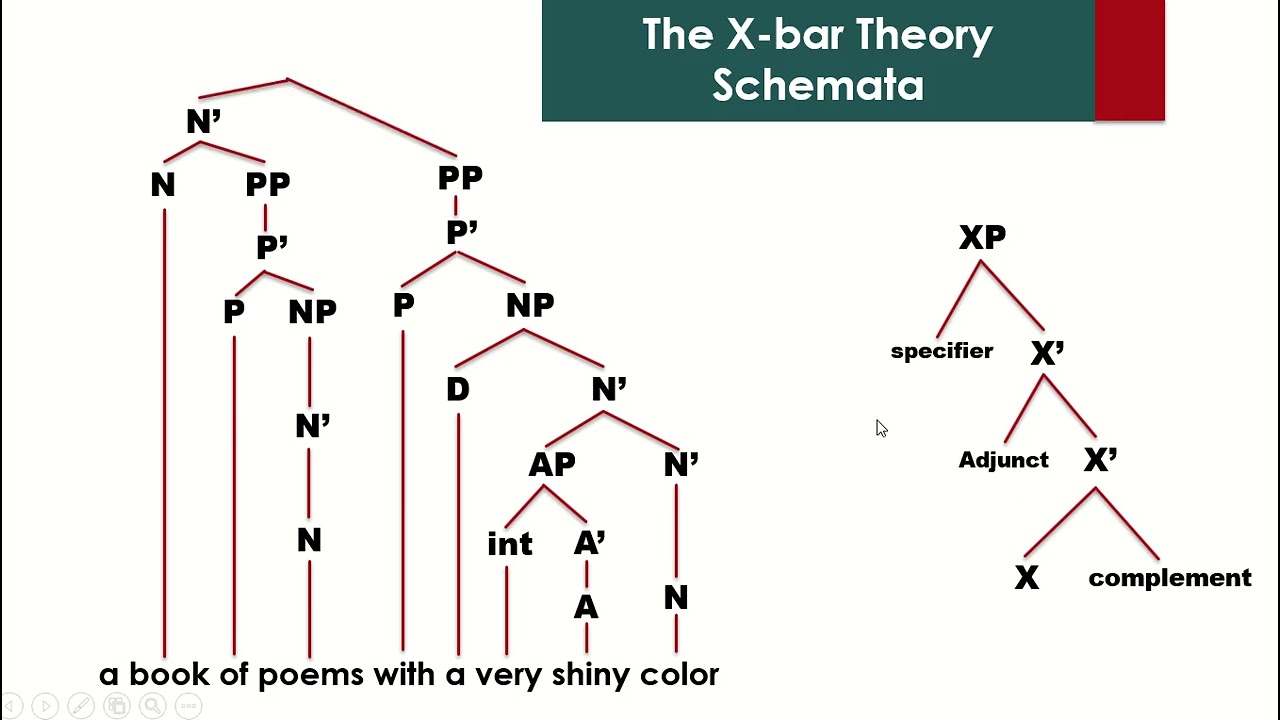
X-Bar Theory is a syntactic framework that analyzes phrases into three hierarchical levels: specifiers (daughters of phrases and sisters to bar levels, such as determiners in noun phrases), adjuncts (optional modifiers that are daughters and sisters of bar levels, like adjectives or prepositional phrases), and complements (required constituents that are daughters of bar levels and sisters to heads, such as objects of verbs or prepositional phrases like 'of Canada'). The key distinction is that complements must appear immediately after the head and cannot be reordered without changing meaning, while adjuncts can be moved or omitted without affecting grammaticality.
X-Bar Theory in Syntax: Specifiers, Adjuncts & Complements
Added:Basic lexical and functional categories (e.g., nouns, verbs, determiners, prepositions) and how they function as heads of phrases.
Traditional Phrase Structure Rules and their limitations in representing hierarchical relationships within sentences.
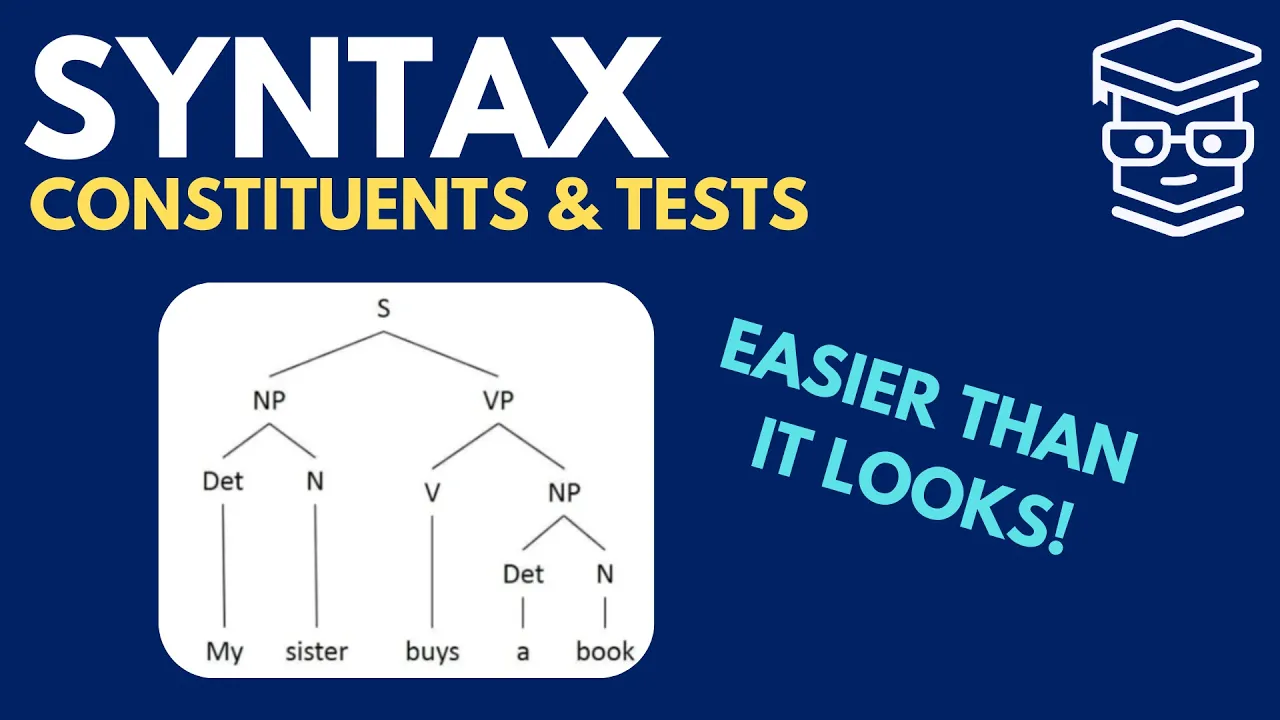
The concept of constituency and syntactic tests (such as substitution, clefting, and movement) used to identify phrasal boundaries.
How to read and interpret basic hierarchical syntax trees.
Applying the X-bar schema to functional projections, specifically the DP, TP (IP), and CP hypotheses.
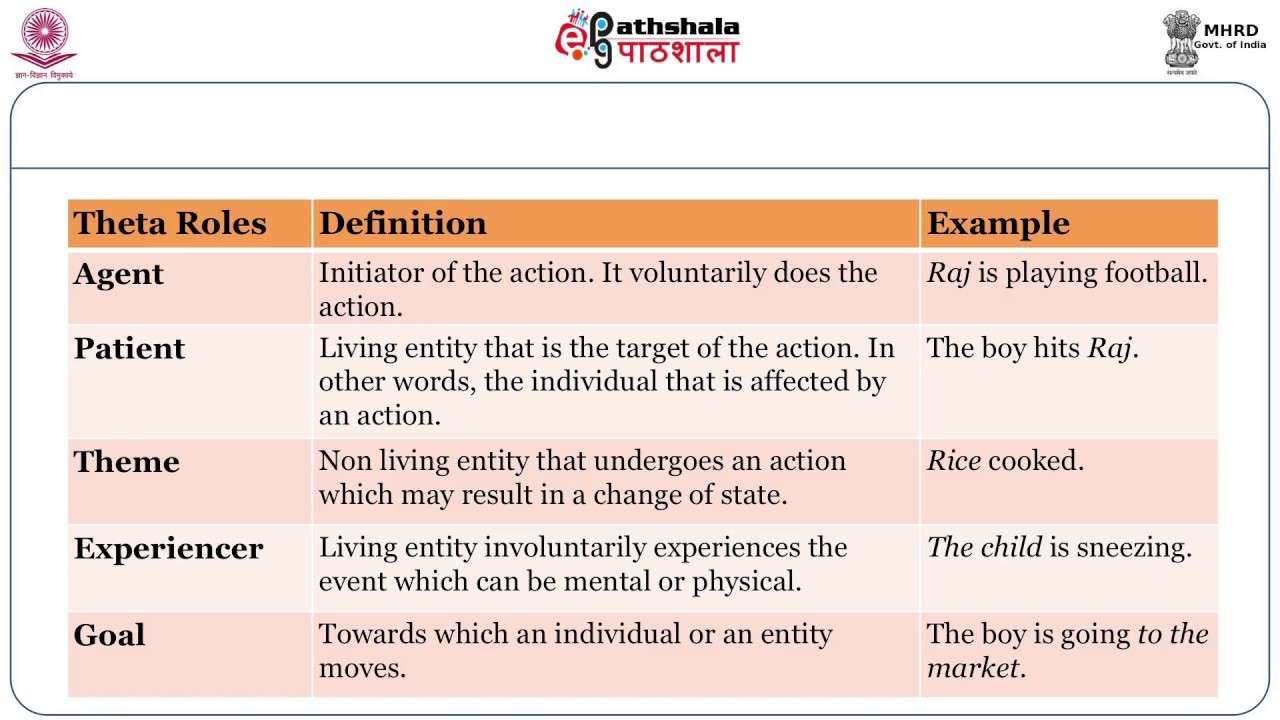
Theta Theory and Argument Structure, detailing how semantic theta-roles are assigned to complements and specifiers.
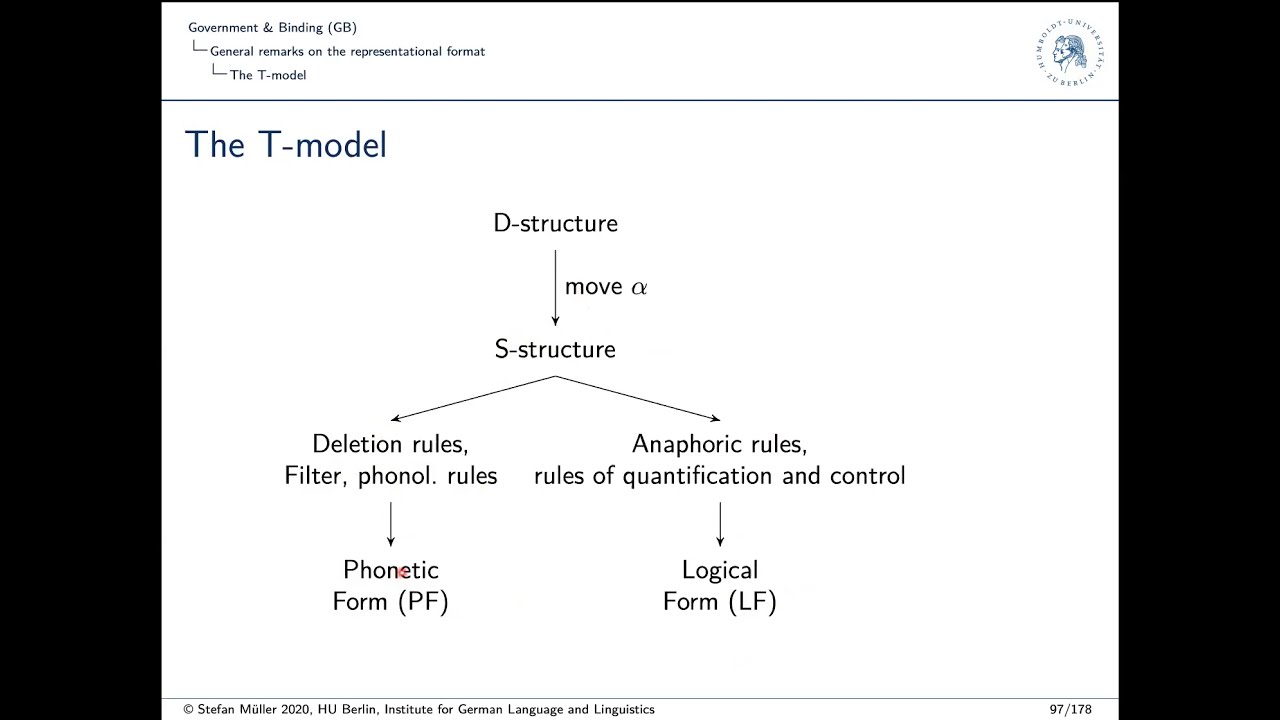
Syntactic Movement (e.g., Wh-movement, head-to-head movement) and how operations like 'Move' alter underlying X-bar configurations.
The transition from X-Bar Theory to the Minimalist Program, focusing on how the 'Merge' operation replaces rigid X-bar templates.
304.4K views5.9Klikes24:54Original Release: 2017-04-29
this video we're going to introduce x-bar theory so x-bar theory is a widely known theory of syntax and constituents and it looks a little bit like this so this might not make much sense of first but we'll go through each step by step and we'll show you how to build some really basic structures at the very end of the video I'll do a really complicated structure and then the next video in the series will be some practice sentences to kind of get used to the doing this x-bar theory I really recommend looking at online resources as well I'll do them in this video for more visual explanations as well as more practice sentences there is no way to learn x-bar theory in one video and mastered it is impossible for any person to give a perfect lecture on x-bar theory with total understanding in 20 minutes it's not possible trust me I've seen students it just does not work okay so here's the x-bar theory we have a phrase which we'll call an X P so this could be a noun phrase a verb phrase an adjective phrase adverb phrase or whatever it has three levels to it it has a specifier and not every tree will have all of these but if it does have a specifier it will be the daughter of the phrase level and sister to a bar level so these are words like so in a noun phrase you could have uh for the dog will see some other specifies later will have adjuncts which are daughters of bars and sisters bars and these are like optional or modifiers so if we have something like the happy man we have our adjectives here or slowly ate or slept at night so these are all modifiers there adjuncts finally complements our daughters to the X bar level and sisters to just the X level and complements like in firms when we take our objects from verbs or if we have something like map of Canada so this of Canada this isn't a modifier of Canada this is like oh this is what the map is of yes those are complements and we'll look at all of these three things in detail finally the head of a phrase so if you have an XP then the head is the X so if we have a noun phrase an NP the head is a noun if we have a verb phrase a VP the head is the verb okay specifiers so specifiers here we have a noun phrase so the book okay so specifiers which in this case would be our determiners for nouns they are daughters - the NPS and sisters - n bars okay so the is our determiner and then book will book is the head of the noun phrase so book is under just the N so the book okay notice here that I have this n bar level even though nothing attaches to it we still have to maintain the N bar level for now just to show that this is in fact a specifier so remember specifiers if we take a look at this diagram specifiers our daughter's - XPS and sisters - X bars so here is a sister - an N bar and a daughter of an NP so this is a specifier again book is a head down so it's under the head which is just n okay very happy very they specify are happy so very another to the degree word let's just call it or an intensifier let's just call it egg for degree you can also call it ain't for intensifier so this is the word very and again this is a specifier so it has to be a sister to an a bar and then happy is the adjective head of the adjective phrase so that's under a and if you're saying well what do we need a bar for we'll get two adjuncts in a second okay finally quickly eat so in this case quickly well quickly is an adverb so in this case to be consistent this is one of those cases where an adverb phrase a specifier so again because it's an adverb phrase we have to have an adverb bar level and an adverb head level so this is where it quickly is okay it's a little bit more in depth because degrees and determiners aren't phrases but then eat so eat so the specifier is a sister to a v bar level and then eat is a head verb so we have quickly eat okay so again we don't actually have to draw this whole structure out we can abbreviate a little bit so let's cheat and abbreviate a little bit an adverb phrase because it's just a single word we can do this triangle and within this triangle all it means is that the adverb far and the adverb are just sitting in there and they're just going one branch down to each other okay so this is the specifier position and again think of it as positional think of the word specifier to mean a specific position the specific position of a specifier is right below the phrase and to the sister of a bar that is the position of a specifier and these specifiers will always occur in the same position in English okay let's contrast that with adjectives or adjuncts so the big book okay in this case I have a specifier as well so we can start with a specifier so specifiers are determiners they are daughters of phrases and sisters of bars so we have the here and then bake so big is an adjunct it is a modifier so this will be the daughter of a bar level as well as the sister of a bar level okay and then adjectives are always adjective phrases so they will also go down to bar levels and then to heads so this is big so the big book and then book is a noun and it is the head of the noun phrase so the big book okay so again the important part for this position here is that the adjunct is the daughter of a bar and a sister of a bar so what about eat at night okay eat at night so eat well eat is the head of the sentence at night is an adjunct so at night has to be the sister of a bar as well as the daughter of a bar so there is no specifier here so we don't have anything branching out below the phrase but we do have this adjunct so at night is a prepositional phrase adjunct so again daughter of a bar level sister to a bar level and then eat is the course the head of the verb phrase okay so that's eat now at night what I kind of want to do here is I want to cheat and just write at night so you can see specifically that it is an adjunct by pointing out that it is the daughter of a B bar and sister of a V bar however to show complements as well I will further draw this tree out so P bar and P so ad is the head of the prepositional phrase and at night so night is a complement and that means that night is going to it be the daughter of a bar and the sister of a head so I'll cover this in more detail in the next slide I just want to make sure that I'm giving you the full trees for these sentences a similar man with diabetes so it's not the man with diabetes or a man with IBS there is no specifier here so we go straight to the bar level with diabetes is an adjunct so it is going to be a daughter of an end bar and sister of an n/bar and then finally man man is the head noun so again with diabetes going to take the same form as the previous sentence which is the head of the prepositional phrase and diabetes is the adjunct or sorry the compliment diabetes is a compliment because you have to be with something so with need something else with it and needs a noun phrase so that is the compliment and again there's no specifiers no adjuncts so there's no other sister's to the n/bar level and then diabetes again is our noun or head noun so it's at the bottom here okay so those are adjuncts again the point is adjunct sister of a bar daughter of a bar sister of about our daughter of a bar sister of our daughter of a bar those are our adjunct position finally compliments in the morning so in you have to be in something you can't just be in so you have a P bar and our compliments are going to be daughters of bar levels and sisters two heads so in is the head and then the morning is going to be the complement of in so we have a noun phrase here for the morning remember that is a specifier so the is going to be below the phrase and sister to a bar level and then finally morning is the head noun of the noun phrase so in the morning okay map of Canada so out Canada here is not an adjunct it is a complement so there's no specifier so we don't need anything any sister to the embark but our head map takes a complement of Canada and of Canada is a prepositional phrase so you can go down to of which is the head of the prepositional phrase and of will meet something you can't just give the map of an ask you the map of something so that something is our complement map of Canada which is our NP and there's no specifiers or adjuncts here it's just the head so map of Canada I'm going to be really detailed and draw all these power levels for the first few videos will condense it later when you get the big idea and the big picture behind the bar levels okay drink the soda okay so the soda is the complement of drink therefore it will be the sister of drink and the daughter of the V bar with the soda and again we've seen the soda so the is the determiner X so does the sister of n bar daughter of the NP and then soda is of course the head of the noun phrase so it is on the end note so drink the soda those are complements okay so we've done specifiers adjuncts and complements we've kind of seen them together but we haven't done a huge example of them together yet so we're going to draw an example so here's the first question how do we distinguish what's a compliment that was an adjunct okay well here's the sentence the map of Canada with a glassy legend so with complements and adjuncts a compliment has to appear first in order to keep the same meaning adjuncts can swap their order and not change the meaning of a sentence okay so the map of Canada with the glassy legend if of Canada is an adjunct then we can swap it around and has the same meaning so the map with a glassy legend of Canada does not have the same mean because in this other example when the adjunct is flipped with the compliment this of Canada now modifies legend so the of Canada it is now a legend of Canada not a map of Canada the map could be of anything but the legend only has Canada in it therefore we can't swap the order of views to the complement of the adjunct so the complement will appear closer to the head so map is the head the compliment must appear earlier than the adjunct if the adjunct appears first then we can see it has a different meaning so let's draw the sentence the map of Canada with the glossy legend okay so this is the this whole thing is a noun phrase and first of all duh so we have the map of Canada so the is a specifier so it is a daughter of the NP and sister to an n/bar level now with the colossi legend is an adjunct and of Canada is a complement so with a glossy legend is going to be the daughter of an n/bar and the sister of an n/bar because it is an adjunct okay so let's do with a glossy legend actually let's do it out let's do map of Canada first let's get the adjunct or is it the complement in there so complements are going to be daughters of n bards and sisters of heads so this is mapped and then we have of Canada so here is our complement and here is our adjunct ok so let's do the complement of Canada so again of well of is the head of the preposition and Canada is the complement of us so we've actually seen this example before so we can finish this off like we have before so map of Canada with a glossy Legend okay so with a glossy legend well with with is of course the head of the prepositional phrase because it is the preposition and it has to be with something so that something is going to be the complement now we have a glossy Legend so ah well that's a determiner that's our specifier oh that's going to be daughter of the NP sister to the N bar and now we have glossy legend well glossy is an adjective modifying legend so glossy is an adjunct which means glossy is going to be the sister of an n/bar and daughter of an n/bar okay and this is an adjective phrase so of course we have to have the bar level and the head as well and then finally legend is the head of the noun phrase so here is our tree for the map of Canada with a glossy legend so again the important thing here is that with the glossy Legend is an adjunct for map which means it's going to be the daughter of an n/bar and sister of an n/bar while the complement of Canada is going to be the daughter of an n/bar and sister of the head okay and again how do we check this while we check the ordering so complement closer to the head and an adjunct if you flip them around the meaning changes which means that we do have a complement and an adjunct but if they're both adjuncts then you can flip the meaning or you can flip the order and the meaning stays the same okay so again put questions in the comments about the tree if you're a little bit confused but I will move to another example here so eats dinner with his wife okay eats dinner with his wife so with his wife is an adjunct and dinner is a complement so we can't say eats with his wife dinner no our complement has to be right after the head which is the verb here if these were both adjuncts then we could switch them so eats with his wife at noon eats at noon with his wife those are both adjuncts at noon as an adjunct with his wife isn't at rest but dinner is the object of what's being eaten so it's the complement of heat so let's draw this one too let's draw each dinner with his wife so this is a verb phrase so with his wife as an adjunct dinner as a complement so we don't have any specifiers in go straight to a v-bar level but with his wife is going to be an adjunct so it's daughter to AV bar and sister to AV bar so of course with his wife so with his the head of the prepositional phrase his wife we don't want to get into possessive structure right now so we'll call this an NP complement and I'm going to do his wife like this we'll get too possessive structure shortly but not now okay then eats dinner well dinner is a compliment so it's going to be daughter of av bar and sister to be head so eats is the verb and dinner is the complement which is a whole noun phrase so I will draw it out with the bar levels and the head so each dinner with his wife again this PP is an adjunct and this NP is a complement so they have different positions the adjunct daughter to a V bar sister to a V bar complement daughter of a V bar sister to a V different positions keep that in mind okay so we don't do these complement adjuncts now let's do a ridiculously challenging sentence okay the old man from Washington found crates of fish at the supermarket okay now super complicated but it's good I'm going to expose you to something super difficult and next video we'll do some more practice so we've been working from the top down we can also work from the bottom up and the first thing we do when we work from the bottom up is we label all our notes so the is a determiner old is an adjective man is a noun from as a preposition Washington is a noun found as a verb creates as a noun of as a preposition fish is a noun at is a preposition the is a determiner and supermarket is a noun if you're confused about these label ends you might want to go check out the nouns verbs and adjectives videos just to make sure you can label these okay now we really have to think about the sentence right we have to think about things so the old man from Washington so from Washington is another modifier of man so this isn't a jobs you know we don't have to say the man from washing that's not required information is optional same with old old is also a modifier of man so we have two modifiers of man that with 2 adjuncts for men ok found crates of fish at the supermarket okay so at the supermarket is also an adjunct because it describes where things were found so this describes found this is an adjunct for found crates of fish okay so this is one of those things like the map of Canada where we can't say the one of Canada so the map of Canada and the one of Spain that's a little weird so we say it's a compliment that of Spain so we can't say the crates of fish and the one of beef that's that's weird too so this is going to be a compliment to crates okay okay well we will visit that chest a little bit later so this is pretty difficult so we can start taking a look at the Turner's it's kind of where I like to start so let's do at the supermarket first so determiner is a specifier so it's going to be the daughter of an NP and sister of an end bar okay so we'll have a structure for the supermarket such like that and the supermarket is a complement of act so we'll draw this together as a pbar and this goes up to a prepositional phrase so we're going bottom-up here it's a little bit harder to visualize sometimes but the supermarket this is a constituent at the supermarket is another constituent and those supermarket is the complements of apps therefore it goes to the P bar level so it's daughter of a P bar sister to a P okay this is going to connect to found at some point but let's do a fish so I'll fish well a fish keep the same color so of fish fish is the complement to of so it's going to be the daughter of a P bar sister of a P we'll go up to a prepositional phrase and of fish is a complement of Crais so again we have the of fish being the daughter of the N bar and sister to the N okay finally found creates a fish at the supermarket so crates of fish is the object of sound so this is the complement of found so we can connect that to the V bar level and then this at the supermarket is an adjunct so we can connect it to another V bar level and finally put the whole verb phrase up to a VP so found crates of fish at the supermarket is a predicate verb phrase okay so we have the VP part and we'll just put this up to a TP for now for tense phrase we won't worry too much about tense yet we'll get to that later okay the old man from Washington okay so man has two adjuncts it has from Washington so let's do from Washington well Washington is the compliment of the preposition from so that will be the daughter to a P bar sister to a P that will go up to a prepositional phrase okay so man from Washington okay so this will connect at an n/bar rule because from Washington is an adjunct and then old so old is also an adjunct so we'll just connect it to another n bar level so here we have two adjuncts we have daughter to an N bar sister to an N bar and we also have this prepositional phrase daughter to an N bar sister to an N bar so we create multiple adjuncts just by making more n bar levels that's all we do that's how we deal with multiple adjuncts okay the order does not matter so much you could make a case for it but constituency tests will group either together and either way so whichever one wanna connect first go for it and then finally the so the is a specifier so this will connect as a daughter of a noun phrase and sister to an n/bar and this will connect all to a TP so here it is here is the tree for the old man from Washington found crates of fish the supermarket it is a call it is complicated I definitely would not expect anybody to be able to fully understand this the first time going through the video without taking notes without doing other examples sentences without taking time to really study why each constituent is the way it is okay so if you've got this far and you're still little confused I recommend going through the video again finding some other resources online or asking questions in the comments I'll do my best to answer them and as always the stuff is hard so don't feel that if you don't get it the first time alright I will see you guys in the next video
Up Next

25:53
Complements vs. Adjuncts: Key Differences in Syntax
@CarnieSyntaxthEdition
22.1K views•2020-08-23
36:52
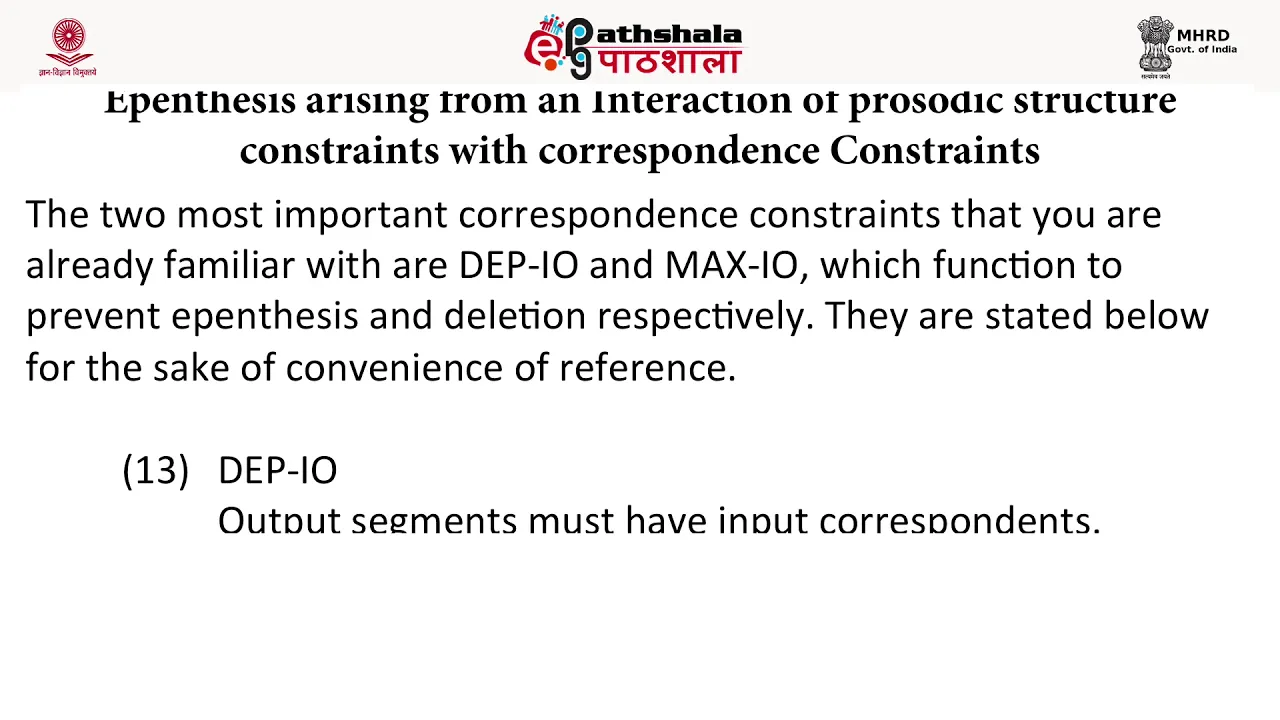
Constraint Interaction in Optimality Theory: Epenthesis & Deletion
@Vidyamitra
180 views•2018-08-20
19:56
Phonological Rules and Derivation in Linguistics
@Trevtutor
100.8K views•2016-04-27

21:32
Accent Expert Explains U.S. Regional Dialects | Part 1
@WIRED
9.3M views•2021-01-21
Related Study Plans & Knowledge Roadmaps
Structured learning paths in Linguistics
linguistics
Optimality Theory: Tableaux & Constraints
01Phonological Basics: Sounds, Syllables & Rules
02Foundations of Optimality Theory: GEN, CON, and EVAL
03The Constraint Inventory: Markedness vs. Faithfulness
+ 2 more learning modules
15h5 modules
Explore Roadmap
linguistics
Morphosyntactic Alignment: S, A & P Systems
01Foundations of Syntax: Transitivity and Arguments
02The Linguistic Variables: Mapping S, A, and P
03Nominative-Accusative Alignment
+ 3 more learning modules
12h6 modules
Explore Roadmap
linguistics
Analyzing Sign Language: Phonology & Syntax
01Foundations of Sign Language Linguistics
02Phonology: The Five Parameters of a Sign
03Morphology: Word Formation and Classifiers
+ 2 more learning modules
14h5 modules
Explore Roadmap
linguistics
Pragmatics: Speech Acts, Grice & Politeness
01Introduction to Pragmatics: Meaning in Context
02Grice’s Cooperative Principle & Implicature
03Speech Act Theory
+ 2 more learning modules
14h5 modules
Explore Roadmap