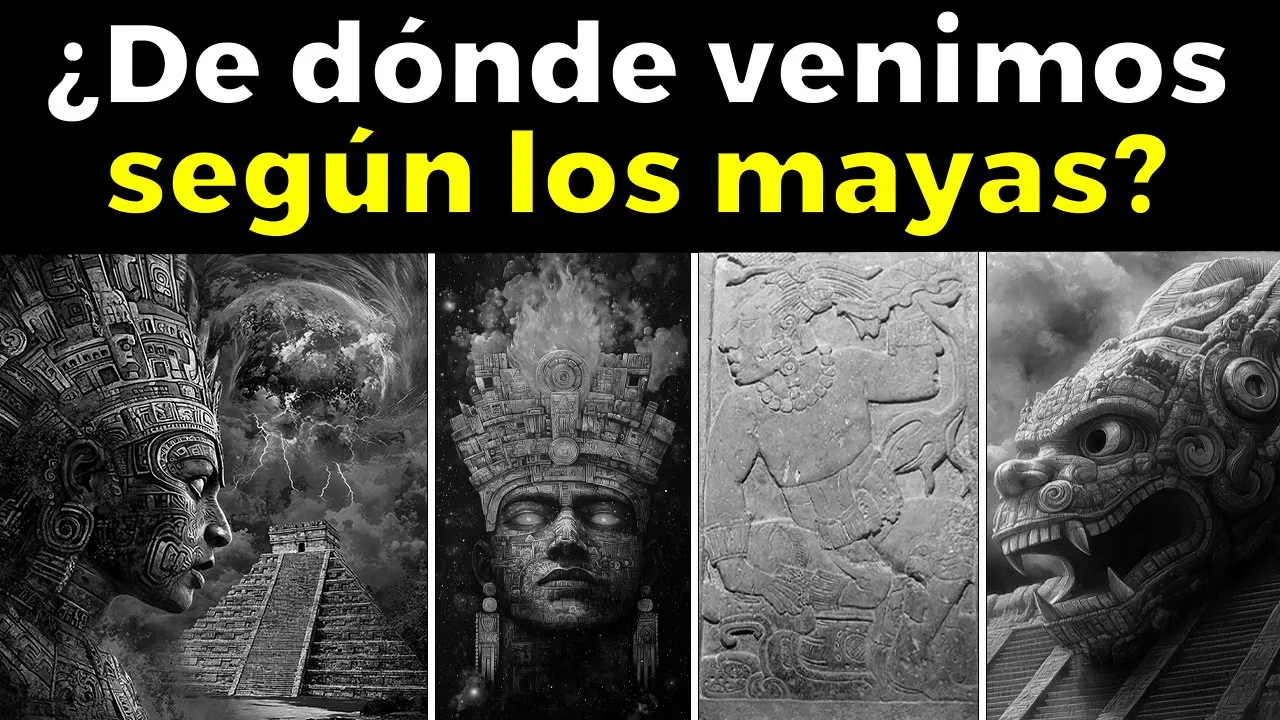
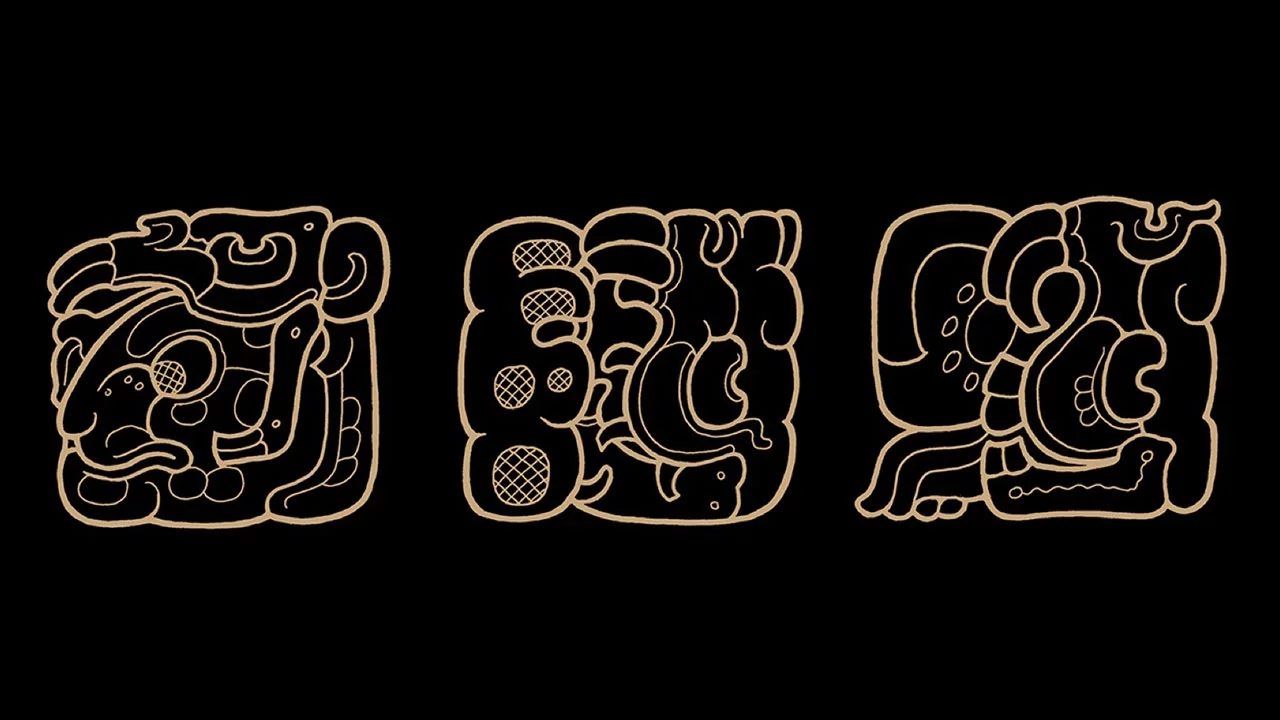


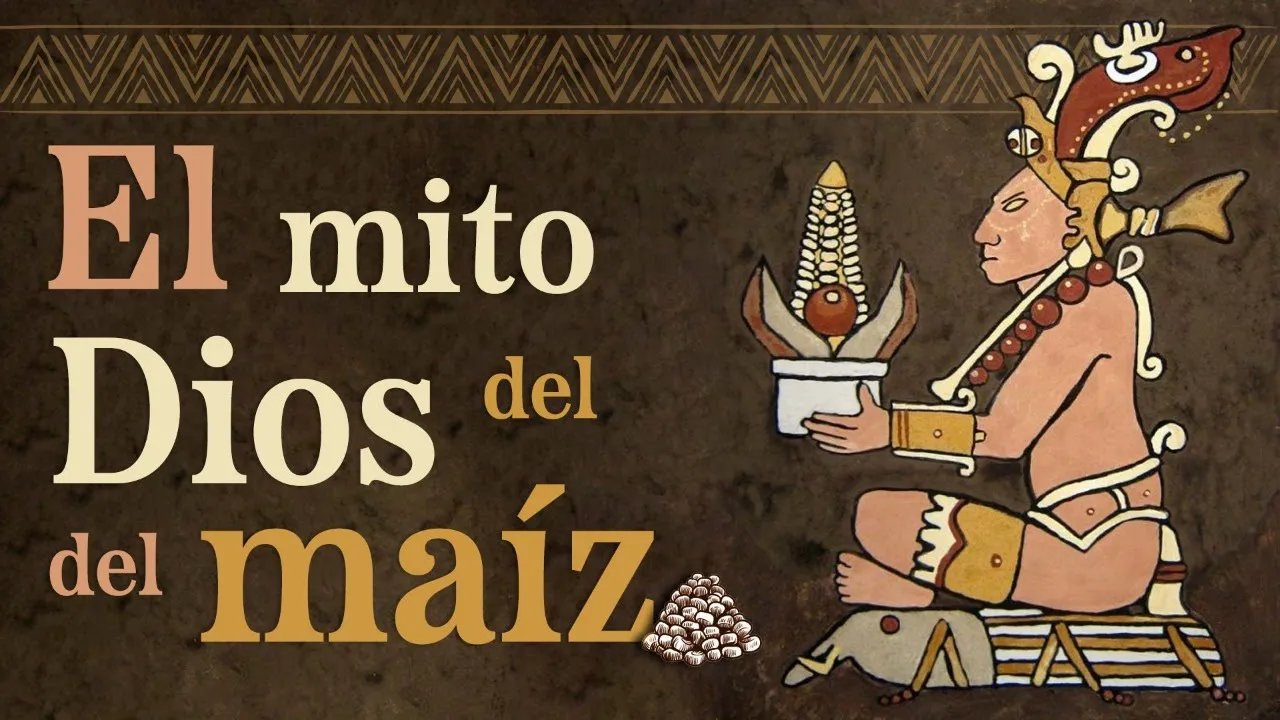




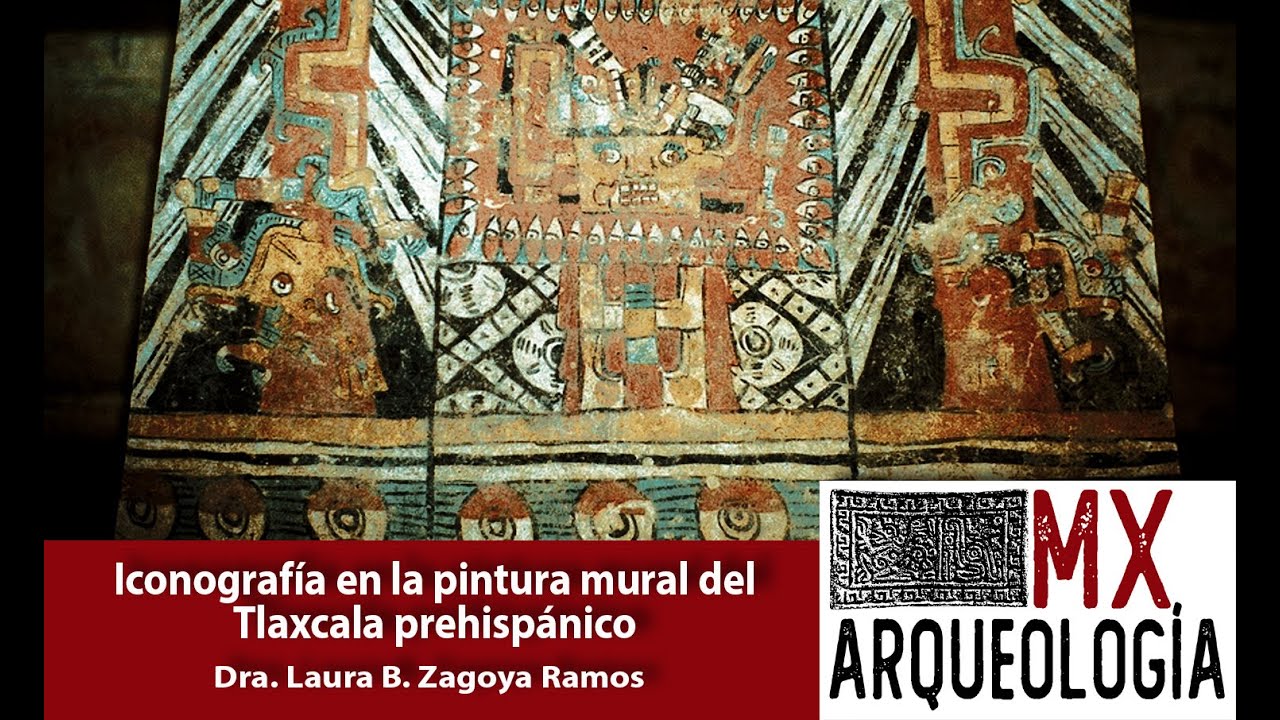




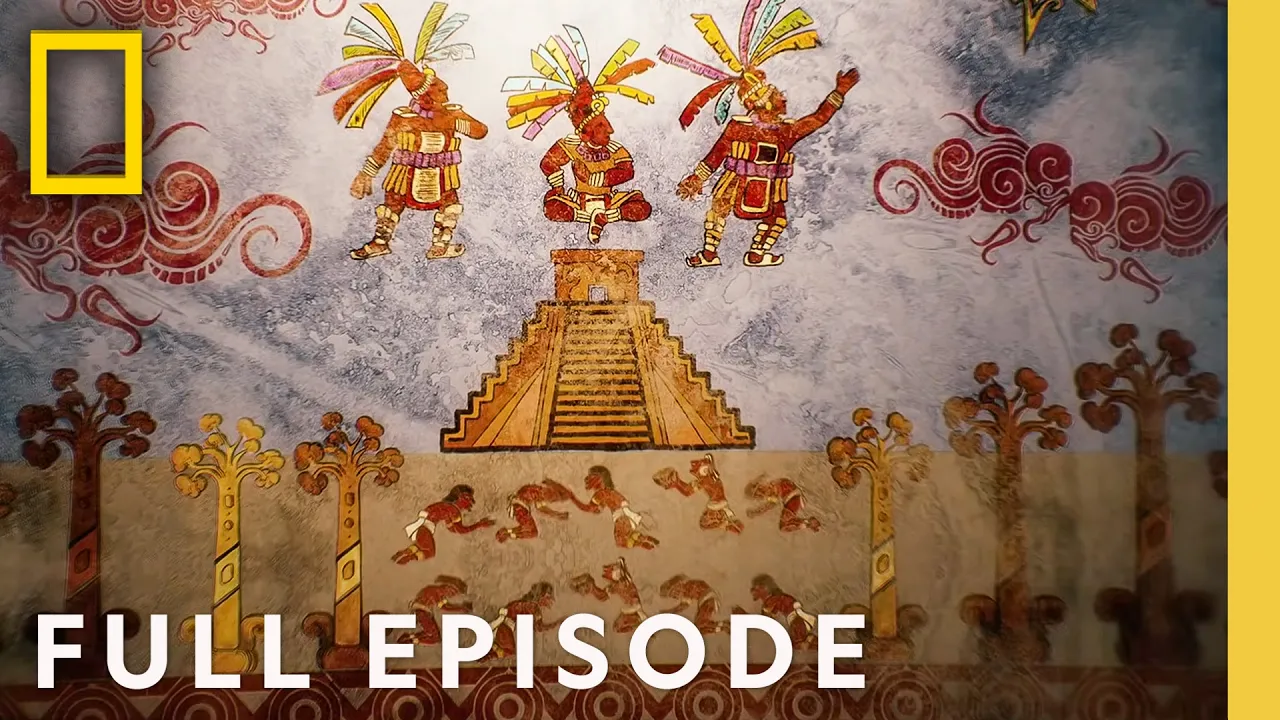



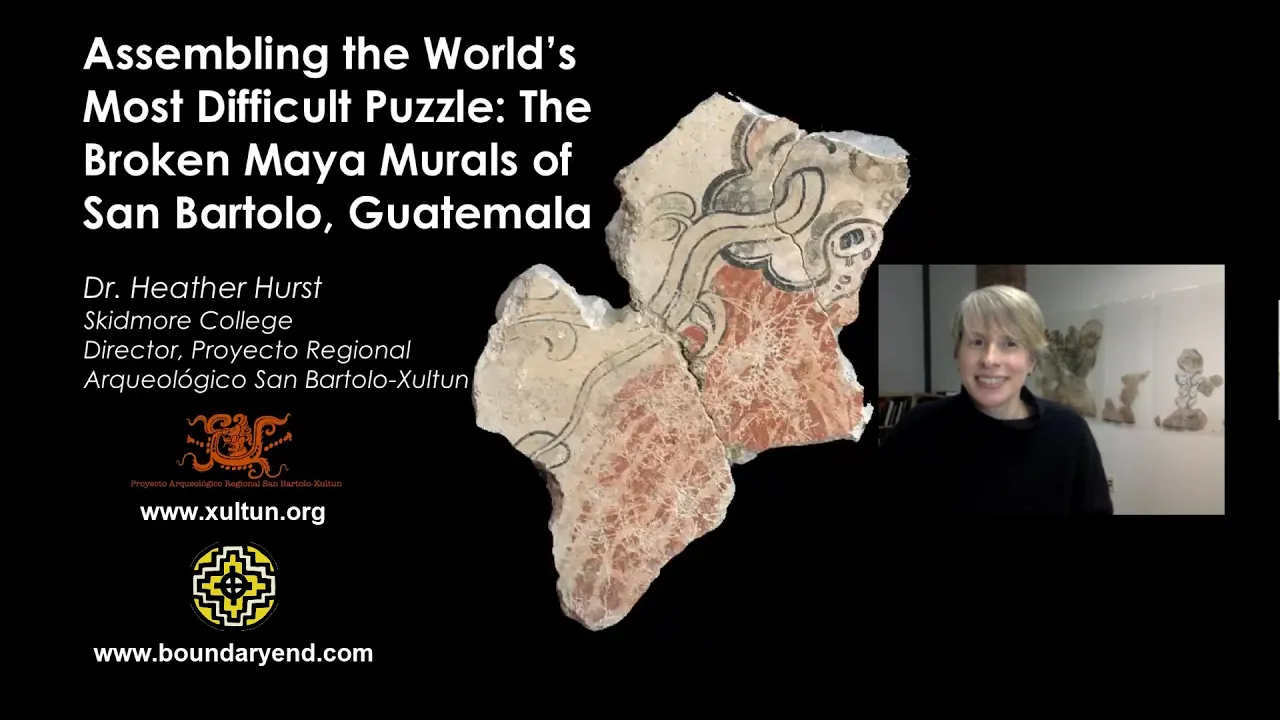



The San Bartolo mural, discovered in 2001 and dating to approximately 100 BC, is the earliest known Maya painted artwork, predating the famous Bonampak murals by nearly 900 years; it depicts the Maya creation story featuring the maize god establishing the world center and crowning himself king, while also revealing how Maya civilization transformed the landscape through extensive deforestation for lime plaster production, ultimately contributing to environmental degradation that may have contributed to the eventual abandonment of their cities.
San Bartolo Murals: Maya Creation Myth & NASA Archaeology
Added:Basic chronology and geography of the Maya Civilization, particularly the distinction between the Preclassic and Classic periods.
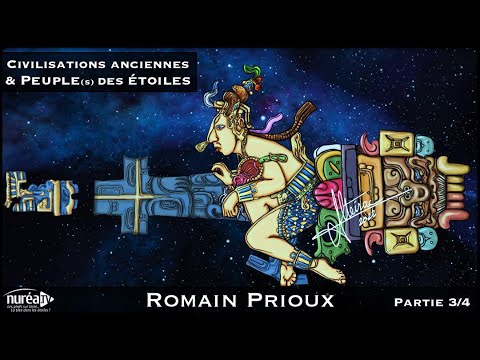
Fundamentals of Mesoamerican mythology, specifically the core narratives of the Popol Vuh and the significance of the Maize God.
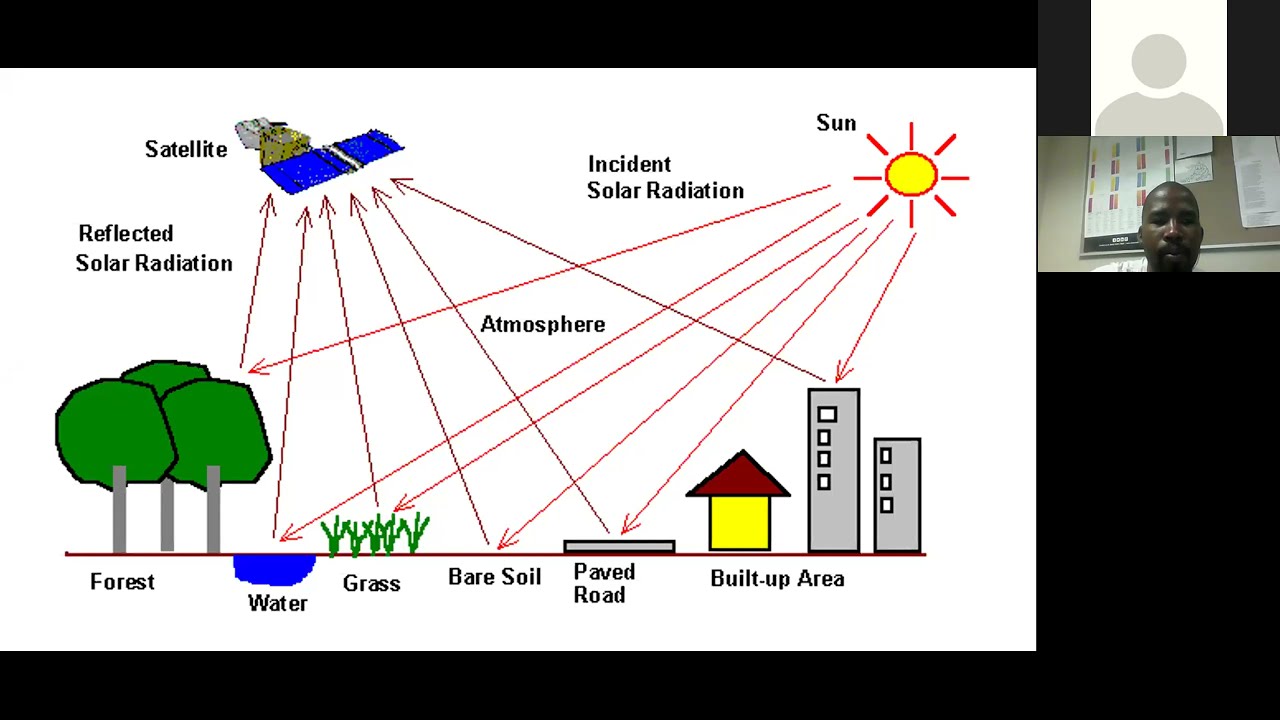
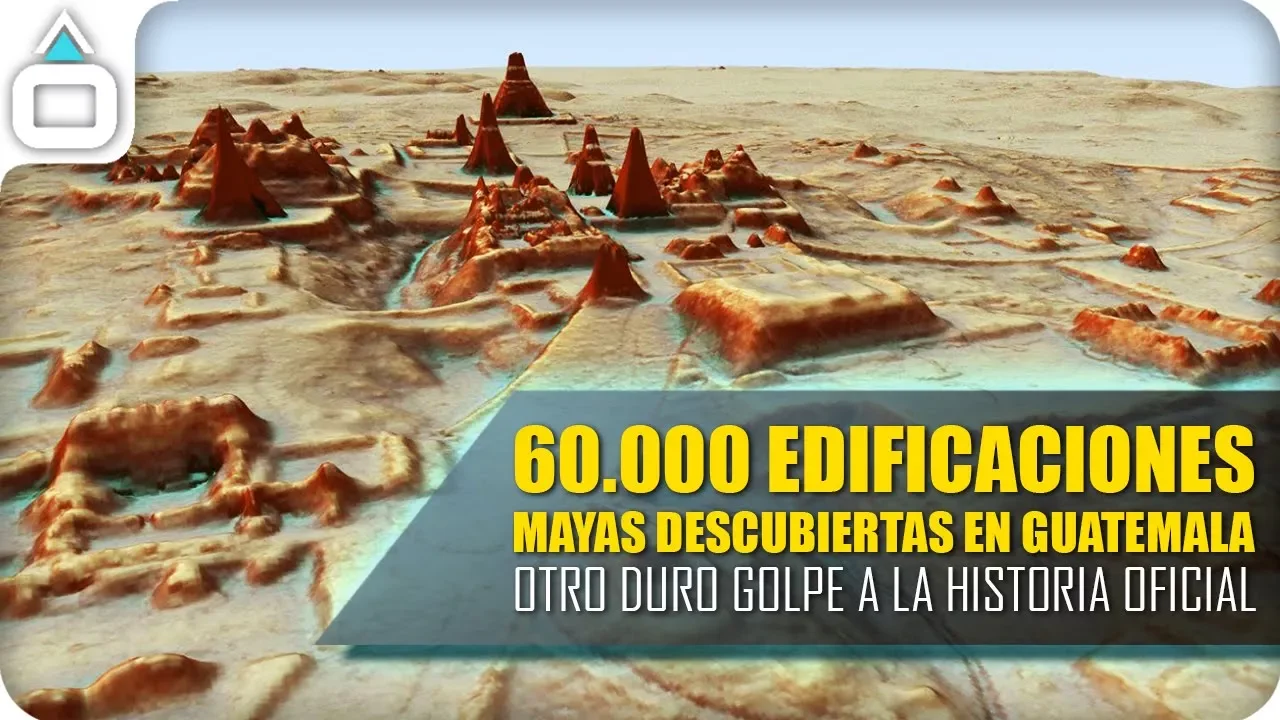
Introductory principles of remote sensing and how satellite or aerial imagery is used to detect subterranean or jungle-covered archaeological features.
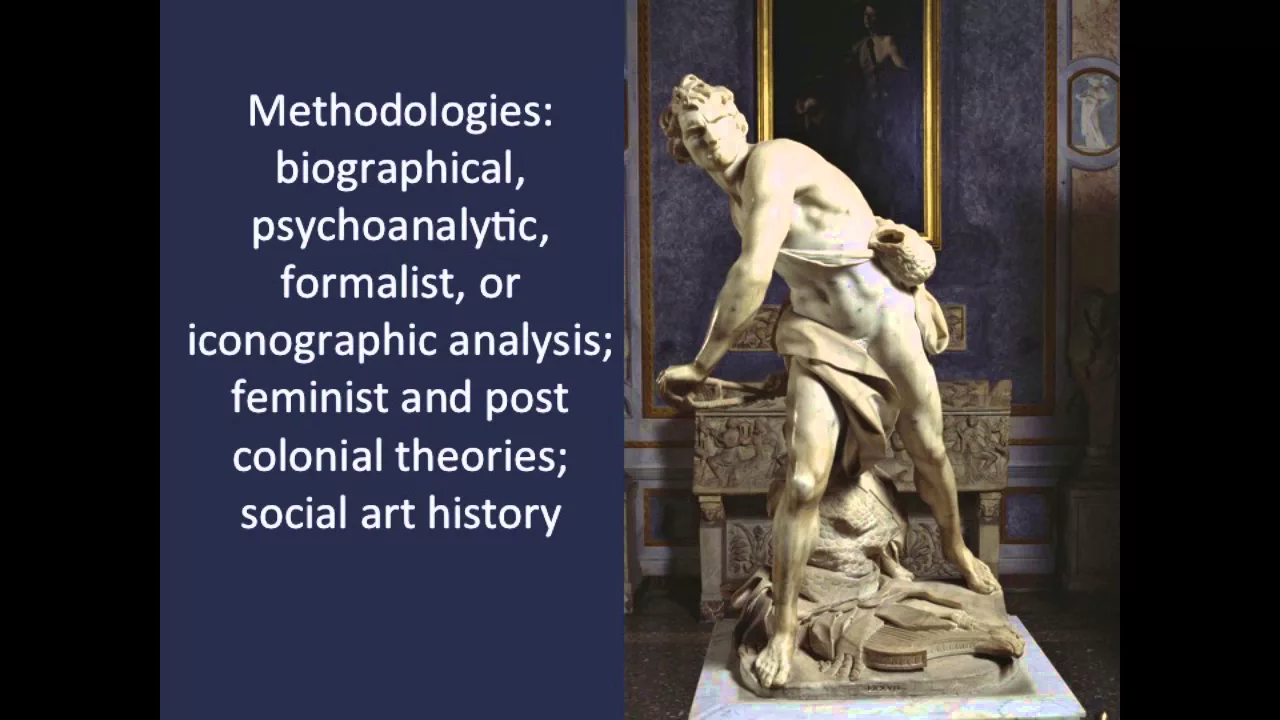
The role of iconography and art history in interpreting ancient Mesoamerican murals and glyphic writing.
Advanced applications of LiDAR (Light Detection and Ranging) technology in mapping extensive, hidden Maya urban landscapes.
The historical implications of the San Bartolo discoveries on shifting the timeline of Maya literacy, writing, and the establishment of divine kingship.
Archaeological conservation techniques, focusing on the preservation of fragile stucco and plaster murals exposed to tropical microclimates.
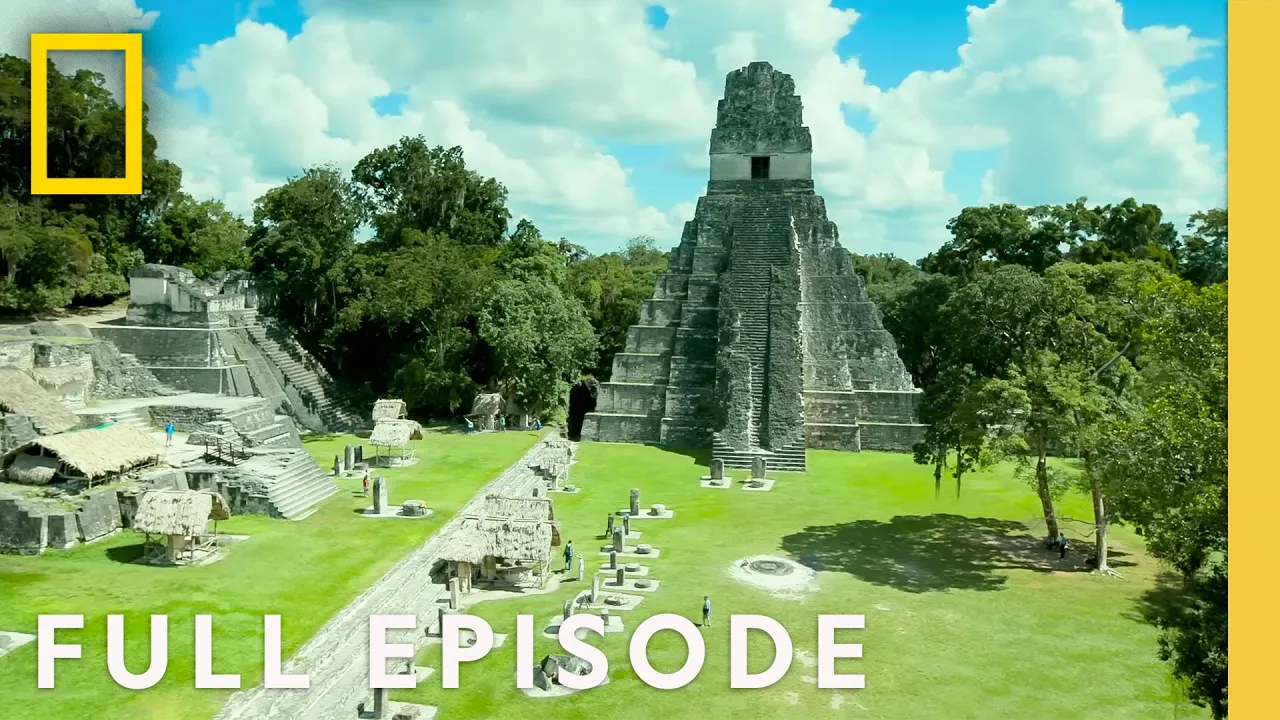
Comparative analysis of Preclassic Maya ritual art in San Bartolo with the later, Classic-period artistic traditions of sites like Bonampak and Tikal.
16.7K views461likes1:58:53Original Release: 2019-05-14
I'm sure all of you are looking forward to this as much as I am so please extend a warm Portland welcome to dr. Saturn [Applause] well thank you all for coming out tonight hopefully you will find this both enlightening and entertaining to start the story first I just need to say where we are and this is sort of a tedious detail but it'll help us get on with the story fairly quickly the sight of Sun Bartolo is located here in the northeast corner of Guatemala the Maya area as a whole occupied Western Honduras the entirety of Guatemala and essentially southeastern Mexico and Belize it'll get better now this is the view of that same area the area of research but this is the view from space and I know in the introduction when someone says he's an archaeologist at Harvard's Peabody Museum at the University of New Hampshire and at NASA's Marshall Space Flight Center a lot of people are wondering that's sort of an odd thing to do what why do archaeologists work at NASA and hopefully it'll make a little more sense as this talk goes on the area that you see here you'll notice is largely green the reason for that is that other than this small settlement around the lake lake peten itza the great majority of this area is unpopulated in fact what you can note on this you see this little white airstrip here and an airstrip there this is the site of Tikal and this is the site of wash achtung other than those two sites and the road that connect them this is essentially a largely unexplored expanse of what we would perceive as virgin rainforest now my own journey in Guatemala began in March of 2001 and it began right here right on the lake and it ended way up there that journey was covered over a period of a few days and the adventures eventually led to this discovery that we'll talk about tonight now while I was at Harvard University there was an archaeologist there by the name of Ian Graham and in began a project known as the corpus of Maya hieroglyphic inscriptions and he began this project in that sort of a race against time he was racing against looters that were carving up Mayan monuments and selling them on the black market and so in decided to go and dedicate his life to the recording of those monuments both with photographs and with drawings so that in the event that these monuments would be destroyed and sold off somewhere that there would be a permanent record of them and that that record would help with the decipherment of Maya texts and the understanding of Maya culture as a whole now in 2001 ian was approaching his 80th birthday and in decided that he needed to scale back his operations in Guatemala and he needed someone and I quote young and foolish to take up the charge and although there were a number of younger candidates none of them actually matched my foolishness and so Ian gave me an assignment to go to Guatemala to visit two places that he had been years before where he had found hieroglyphic monuments didn't have the time to properly document them and had hidden them so that looters wouldn't find them he wanted me to go to those same places and make sure that the monuments were still there and this time to document them I unfortunately failed miserably in fact I didn't make it to either of the sites where Ian had instructed me to go I arrived in Guatemala and was told by the guides that I had hired that making it to those sites in the short amount of time that I had namely Spring Break at the University of New Hampshire that the journey was simply impossible in that amount of time but they provided another option now what they said was well we can't get to those sites but there's this new site there's a site with three carved hieroglyphic monuments as well hieroglyphic monuments I mean that's the business of the corpus Project they've been uncovered by recent looting and they're only a three hours journey away somehow we've eliminated the problem of time it's still within the mission of the corpus certainly and we'll be disappointed that I didn't get to those other sites but at least I will have accomplished something so we set out the next morning for what I probably should have understood was to be similar to Gilligan's 3-hour tour now this is the road to San Bartolo in fact it's the best part of the road to San Bartolo I probably should have known something was up when we began this journey it was supposed to be a two hour car ride followed by a six kilometer walk now we began the journey at this road and the sign pointing down this road said shulton 40 kilometres Amino and malice phthalo road in bad shape the sign itself was actually broken into with the arrow pointing straight at the grounds so with the sign in such bad shape I probably should have had an idea that the road was really going to be bad but it started off so nice it wasn't long however until we came upon a tree that had fallen across the road now as you'll notice in this picture we were armed with a couple of machetes and a chain now a chain is far less useful than a chainsaw I probably don't have to say that in the Pacific Northwest but I pointed out anyway loggers had actually knocked this tree down and intended to haul it out at the later time they had also been doing this illegally so they laid across the road so that no one could make it further into the jungle we were not dissuaded and after we were completely unable to move this tree with that chain and the three of us and two vehicles we had to cut a new path around the tree now after all once we had accomplished that which took an hour so we thought well now the path is clear we have a very short distance to drive six kilometer walk I'll document those monuments we'll be on our way I mean what are the chances really of finding another tree fallen in the forest what are the chances that 1808 well now I can tell you pretty good back 18 would have been a really good bet at the time and we in fact spent 12 and a half hours cutting a new path now because this was only going to be a three-hour tour we only brought supplies for one day we brought some box lunches and some water and we consumed that in our 12 hours but now it's night and we're only six kilometers away from this site now how does one find themselves in the middle of the forest dying of thirst well you need to be committed to bad decisions you have to make a bad decision and then you have to follow it up with a series of worse decisions and you have to stay the course and then two days later when you find yourself staring at a bird in a tree thinking I'm going to kill that bird and suck its blood and you know that that bird is looking at back at you thinking that chubby little guy is gonna die and I'm going to suck his blood you know that you've truly accomplished something our journey however was not six kilometers I know this because I had a GPS now many have said that I got lost in the jungle that is not the case I had a GPS I know exactly where I was I however had no idea where I was going it's very different I was able to track with great accuracy the path that we walked and we walked for a total of 21 kilometers we walked to the north than a bit south we walked to the east bit to the west we spent nine and a half hours the next day walking without food and without water until we found a Maya archaeological site now as you'll see later in this presentation when I show you the NASA view from space and how many archaeological sites in the area this was truly my greatest accomplishments being able to wander for nine hours in the rainforest of Guatemala and not find and archaeological site is truly impressive and you'll understand that shortly when we arrived at this archaeological site there was a trench that had been dug by looters into a very large pyramid a pyramid that Stan excuse me a pyramid that stands about 80 feet high now we walked right by that because we were looking for carved hieroglyphic monuments behind you so we walked around to the other side of this to the plaza the plaza where those monuments should have been standing when we got to the other side of this pyramid there were no monuments you can imagine my joy at having spent two full days without food or water finding myself in the absolute middle of nowhere with 60 pounds of camera equipment on my back without anything to take a picture of other than my own face and how irritated I was well at this point one of the guides said to me don't worry bill I have emergency rations so I thought that would have been nice to know about six hours ago he said well the emergency rations he brought was crab flavoured cup of soup the irony is gonna catch you in minutes because of course crab flavored cup of soup only requires one ingredients an ingredient that we'd ran out of two days earlier well nonetheless they went off into the forest to find water now they assured me this whole day that water would be found in vines there are vines that grow in the patan that you can cut them open and you can in fact shower in the water that will pour forth and I thought well you know if there are hot and cold running shower vines in the area certainly we will be saved and so they went off to find shower vines and in the meantime I thought I'm going to go into this tunnel it's bound to be a lot cooler in there and when I walked into that tunnel just past where the light enters my sat down in a very large pile of bat droppings I showed my flashlight up on the wall just to see above me if there were bats that were going to add to the glory of my day when I did that this is what I saw now to put this in perspective the last time a Maya mural in this condition was found was 1946 it was found by Giles Healy at the site of bone and pop and that mural dates to 798 AD this mural was painted at 100 BC nearly 900 years before the murals at Bonampak now certainly it was clear to me that I had made the discovery of a lifetime unfortunately I thought my life was going to be very short suffice it to say that we did make it out alive they did find vines although I don't think anyone could shower them they didn't actually produce water but more this rubbery white resin which makes quite a lovely crab soup the next day we walked out the same path we walked in meticulously following the GPS and we eventually made it back to our vehicles and back to civilization and for me to a hospital what followed were four years of excavations excavations that often had me in tight corners in an effort to uncover this mural now the looters had uncovered that fortune portion that I showed an image of but that was a very small fragment of what the Maya had in fact painted there the looters had uncovered about 80 centimetres of what we now know to be more than 15 metres long so over the next four years painstaking excavation revealed the entirety of this wanders work of pre-classic my art the story that this tells goes beyond simply the artistic work of the piece our this is really akin to finding the Renaissance existed when you know only modern art this is a period of Maya art that we didn't know happened we had no evidence that paintings like this ever existed before this was found obviously protecting it was about most importance but also it was important for us to try and get a good idea as to the exact date and we were able to do that using radiocarbon we were able to date the carbon within the plaster itself and also a large burn stain on the floor where the Maya had offered incense during the time in which this mural in this room was in use those dates you see here is between 230 and 50 BC and 230 BC so we've estimated roughly that this is around 100 BC conservatively now it's important to point out that the site of San Bartolo was found largely by traditional means that is some incompetent boob followed local guides and rumors to some place that they had no intention of going and happened upon something of great worth now today this area when viewed from above looks just like this at the time however this place looked much different and the Maya themselves developed a mythology about the world and their understanding of it and their place in it and part of that mythology is painted on the walls at San Bartolo and part of that mythology is intimately tied to the Maya's role in the forest itself how they experienced that forest world that they presumably lived in this is one of four myah books that is still preserved today it was painted in probably the 14th century and these four pages actually depict the ceremonies at the new year in which a series of individuals provide offerings of their own blood incense and sacrificed animals in front of four trees those trees are labeled as the trees of the four cardinal directions north south east and west now the Maya envisioned a world bounded by trees within those boundaries were civilised space the space of an agricultural civilization that they themselves brought into being they believed that the gods had began that journey the gods had set out the pattern that they existed in they had set out this four-sided world with four corners and center we see other representations of this four-sided world this images from a tomb in Guatemala which was painted around 400 AD that tomb labels for birds the birds that we know from the mythology inhabit those trees these are not normal birds these are monstrous birds a symbol of the wilderness that lies at the very boundaries of civilization and here on the four walls of this tomb they are labeled as the star-lord bird the darkness Lord bird the moon Lord bird the Sun Lord bird and they're given the four cardinal directions the very same thing is found in a cache under one of the car of hieroglyphic monuments that I never found this one that at tikal in which those same birds are listed one of the four objects was missing so we have only the sun the moon and darkness but are missing a star lord bird at San Bartolo what we're looking at is much like a book a Maya screenful book that is in fact been unfolded and painted on the wall so as we read down the wall we see each chapter in this epic story of creation and what we begin with is we begin with one of these four trees this tree growing on the banks of this flowing water you can see the talons and the tail feathers of that monstrous bird that lives in its branches we have this protagonist clearly a male protagonist providing a sacrifice of blood the very blood of creation in offering that blood and also the sacrifice of the fish as he stands in this flowing water and in a very real sense we're able to follow this narrative and turn the page to the next chapter in this story of creation in which we see the second tree in this case we have a much better preserved version of this bird with his wings spread wide its talons its tail feathers we see this young deity now standing firmly on the ground providing the same blood offering but in this case standing on land and offering not a fish but offering a deer a deer that is bent backwards over this tripod altar and see its hooves its belly is split open and stones have been piled in and smoked and its own life force to rise up as an offering to this monstrous bird and again we're able to simply turn the page and we see our third scene in this instance we can see the wing of that bird his beak and some of the foliage from the tree the Maya actually destroyed this poor of the wall where the rest of that tree would be but we see our protagonist once again this young Lord this time not standing on the ground and not standing in a field of water but in fact floating just above the ground level he has birds tied to a hunting basket on his back and he does the same blood offering this time in the company of a turkey those same stones piled up the smoke rising up above it in this instance we actually have a hieroglyphic text that accompanies this individual the others likely had those texts as well but one of the things that we find is there's little pecking marks all the way around this as though when the Maya decommissioned this room they were removing the texts as well sort of decommissioning that story that history now although the text from this time period some of the earliest Maya texts ever found are very difficult to read David Stuart a pig refer at the University of Texas was able to read this as a how a queen eke Lord Starman now he also has the star symbol in his headdress the same glyph there and there and it's likely that he is just like the Lord starburst our Lord bird is a symbol of the cardinal direction that this sacrifice is taking place at again we're able to simply turn the page and at this point we reached the center of the room and in the very center of this room we see again our monstrous bird this time is talons even more pronounced and he wears the symbols of day and darkness in his spread wings in front of him stands that young lord once again making the same blood offering but this time he adds no sacrifice of an animal instead we see him standing only in a field of flowers this yellow field with flower blossoms and the scent rising up from them now interestingly this is painted and 100 BC and if we look at that Dresden codex they're in fact the same sacrifices that are being offered we see blood being offered and that blood being accompanied by a fish a deer a turkey and incense in this case the scent of flowers now in a real sense you can see that the mural here was actually damaged a bit by smoke and that's from the offering of incense that the Maya actually placed at the foot of the mural during the time that this room was in use in fact offering incense below the scene where our God creates that 4th cardinal direction by offering his blood and the scent of flowers now I've spoken to these four directions but for the Maya there were actually five because that 5th Direction was actually more important than the other for that fifth Direction was the world center and the mural shows the establishment of that tree as well but this time our protagonist is not that young Lord our protagonist is in fact the God of corn we can tell by the shape of his head he has this little corn silk that hangs down in front of his face his eyes nose this particular lip and Fang this supernatural face of corn we see him setting up the world center and at that Center we see a bird inhabiting the tree but it's not that monstrous bird anymore this is just a normal bird we're no longer beyond the realm of civilization were in fact centered at civilization now this is an artist's reconstruction of what a Maya city looked like this is actually the site of El Mirador at around 100 BC and you can see that the artist represents this image much as the Maya represent themselves that is with this Center this civilized artificial center that which is based on cultural productivity and the power of Kings surrounded by forests now if we look at a Maya city today from space like this the site of Tikal we can see that in both of these images it's a fairly similar idea that's being represented so that we have when tourists go to see these sites they experience these sites in much the way we think the Maya thought of themselves so that they go to this this deforested center surrounded by natural forests this also shows you the incredible leap in resolution between Landsat which is 15 meters of pixel and aiko nose which is 1 this is actually the exact same spot on the globe now one of the nice things about brilliant scientists is that they often come to the aid of buffoons and that was the case with NASA and myself and that because I had nearly died in my initial journey to San Bartolo scientists at NASA that were working in Guatemala on other things provided me with satellite imagery in the hope that on my next journey I wouldn't kill myself when they did that they thought well and on this image secret white areas are clouds the black areas of the shadows from those clouds they said you should be able to find your way better through the forest and probably have much better luck at prospecting for water and so they sent me this image and as soon as I sent it down I noted that some Bartolo which I knew for my GPS points was right here looked a little bit different than the rest of the area in fact the trees growing in San Bartolo seemed to me a slightly different color now I should say that this is not a photograph that I was sent this is not what a human being would see when they flew over the area this is a satellite image that is created from only four bands of light one invisible near-infrared and then red green and blue in this instance red green and blue have been put together to make a near true color image but it was in that data that I was able to see this distinction and in looking across the image I saw other areas of similar color and I thought to myself well I wonder if those are archeological sites too well as it turns out the best thing to do in this situation this is a false color image now using invisible light to highlight this distinction so that you have these areas of green this is the site of San Bartolo I thought well I have a very enthusiastic graduate students I should send him to there I mean I'm certainly not walking heck I walked all the way to here I've done enough walking for a lifetime I'll have him do it so I sent him out to this spot gave him the GPS coordinates and I advised him in my infinite wisdom to walk in a straight line from here to there shortest distance between two points that student was finishing his ph.d now at Harvard named that Seitz when he found it chalk kick clay which is Kekchi maya for island of thirst human indication of how much better my navigational skills got with the NASA imagery but he returned with that information I thought well if that's a site then surely so is this and we set out to verify them and what happened was with the GPS we were able to predict with incredible accuracy where these sites were going to be now visibility in the rain forest is less than 10 meters okay what that means is is that I could see the front row of the audience but the fifth or sixth row is beyond my my view so what we were able to do with this is say to plot a point into the GPS and say we're going to walk into archaeological settlement hidden by the rain forest we're going to walk into that in 20 meters 10 meters 5 4 3 and there it is and we spent 4 days walking from site to site and within sight predicting where architecture would begin and where architecture would end we also found a number of sites that we didn't have time to get to and I wrote back to NASA so happy about this I wrote back assuming of course that NASA already knew this because well their NASA and they know everything and so I wrote saying I don't know what you guys did to these images but thank you for highlighting all of the archaeological sites well unbeknownst to me this news reached the scientists at NASA and they thought haha Christ he still isn't drinking any water well this time Phylis gone completely completely nuts but I went down to Marshall Space Flight Center and I made a presentation of all the data we had collected and they were certainly convinced by that data and they decided to come down to verify these things with us now I should say that when you involve NASA in a project the technology that you have at your disposal is uncanny when you need 3d visualizations you got them when you need high-tech jungle transportation you got it what you don't see here is this mule actually has a LoJack on it we can we can track that baby from 30 miles above the earth now when Tom Seaver and Dan Irwin from Marshall Space Flight Center came down they actually brought with them a NASA film crew because NASA was so impressed with this who thought how well we should film it while you do this and so we set out to these various places with the film crew to verify the existence of these sites essentially counting on this still working now we set out and we began to walk and we got about 10 meters from our first archaeological site that we had predicted with the imagery and I could see absolutely nothing and I called Tom Seaver over and I said Tom do you think they could stop rolling because we've got about ten meters in it and I'll see anything he said I don't panic don't worry about it what we'll do is we'll walk ten meters and after we've walked ten meters you say oh my god an archaeological site I'll say yeah the smallest one ever found and we found it from space it'll be perfect but in fact we walked those extra ten meters and when we did these are the things that we found that in each and every time we were able to find as soon as that we got close enough sites like this and this now beyond that explain what's going on here this is a false-color satellite image the areas that you see is red or actually areas that are reflecting more infrared light because I've replaced actual red with invisible infrared now the areas that you see is blue are actually low canopy forests in the areas you see is red or high canopy forests but what you see here these areas in yellow sort of greenish yellow are the archeological sites now what that means is that the leaves growing on the trees in the sites those trees that are growing on architecture reflect solar radiation with a slightly different spectrum and that that spectrum is perceptible to the sensors on the satellites though it is imperceptible to the human eye now if we zoom in on this you can see the degree to which the known architecture at San Bartolo conformed to this spectral signature and this was the architecture that we knew at the time that I got the imagery so isn't even just knowing that the location of San Bartolo was the the same as this location of discoloration but the form the size and shape of this discoloration conformed on the image with the image that I had in my mind of what Sun Bartolo looked like on the ground now the first place that we thought to test its on Bartolo was this area right here that this should be a very simple test at a very high resolution level now not just finding a new site but finding architecture within a known site we started at this point we should be able to walk from point A to point B across this red expanse and see absolutely nothing and when we get to the other side of it we should see this and when we got to the other side of it that's in fact exactly what we saw and when money could pay a cent or Guatemalan archaeologists from the university of san carlos beyond our excavations there she uncovered beneath that small pyramid of what is likely the earliest maya royal tomb ever found interestingly enough we saw it first from space now also interestingly that site that structure is only about a hundred 150 maybe 200 meters away from architecture that we knew but again we had been working at San Bartolo for three years before we found this and we found it from space before we found it on the ground now another graduate students who will go nameless had gone out to explore this area in our first year of investigations at Sun Bartolo before we were using satellite imagery and reported back that there were no architectural remains on that side of the site now once we saw this signature in in the vegetation we thought well this is very good for us this is a false positive right this will help us to understand what in fact is going on in these trees if we can find a place without architecture that causes the same signature that's sure to help us so we went out to investigate that area unfortunately as it turns out they graduate student had in fact climbed to the top of this small hill where all of the pyramids work this is actually the largest architectural complex at San Bartolo again only 400 meters away from where we've been working in this case for five years and hadn't found just an indication of how important this technique is if a structure that's standing in this case about 32 meters above the surface level that we were unable to see on the ground without going first to the satellite imagery but more importantly is this part to the north of that you see this sort of blueish yellow color here now that predicts that we should see architecture here and here but none here in the center or none here on the side where it's that red and there it is now this is really remarkable because the architecture that we're talking about now are simple household structures these are not monumental pyramids these are not 30 metre tall structures these are structures the height of my waist and my waist is not particularly high these are about 10 meters by 5 meters there were a small cobble platform covered with lime plaster on which a thatch Hut was placed 1400 years ago and that that thatch Hut deteriorated long ago and that plaster surface began to deteriorate long ago but generations of tree later that plaster surface that decaying human construction still affects the trees to the extent that they reflect solar radiation differently than the trees next to the mounds so the tree growing on the mound looks like this and the tree growing off the mound looks like that that is a remarkable thing to see how long a Neolithic farmers hut changes the violent effects the health of trees 1,400 years later now it's no surprise that if we back back out and don't use high-resolution imagery we can find sites like Tikal because you can't find Tikal what's good is it I mean its enormous I can remember the day I came home and told my wife had a fancy call she was like it didn't we know where that was haven't we been there with the kids you know what I found it differently and you can see here this sort of red forest and the the exact bands of light collected by Landsat are different than those from the icono satellites that have been showing which is why it doesn't look that bright yellow color but you can still see the sort of brown stain on the forest canopy that in fact is the architectural extent of the site of Tikal now the interesting thing about this as well is now that we're able to look across the Maya landscape and see where all of these cities were see how many cities there are and the extent of those cities what it highlights my inability to find sites and any other way by wandering aimlessly through the forest and finding nothing but it also highlights the extent to which the ancient Maya altered this landscape and if we extrapolate the size and population of these cities with the amount of land that they needed to support the populations of those cities essentially by knowing where the cities are we can also say where the cities aren't and it's where the cities aren't that serve as the resource areas to supply food to the enormous populations living in these cities once we have this larger understanding of Maya landscape and we complement that with excavations of botanical remains of Paolo Paolo that's being analyzed by John Jones up at the University or Washington State and Pullman we're able to see that the types of plants growing around these Maya sites aren't the same then as they are now in fact the environments that we see now and we assume to be these primordial environments in fact are nothing like the environments we experience so that these areas that we see is low canopy forests in many instances were shallow lakes these areas that we see as high canopy forests were nothing more than cities and farms so that this entire area a place that we sort of assume is primordial its rainforest and unchanging the time the Maya lived there looked nothing like this in fact the time the Maya lived there this was a landscape even unlike the images they portray in the mural that that idea of a civilised center surrounded by forests was not something that the person that painted that mural experienced at the time that mural was painted there wasn't a tree very close to some Bartolo now the reason for that is because these cities were made of lime plaster and that lime plaster is made by excavating by mining limestone and then by burning it burning it using green wood in great big kilns like the one that you see here when then hydrates that line that you pulverize it and hydrate it and allow it to soak in water sometimes for many years is the particulate size gets less and less over time and it's that substance that you've made that ends up covering every square inch of a Maya city that covers every square inch not once but repeatedly throughout that cities use these cities were being paved over and over and over again with limes plaster and that lime plaster was made by cutting down every tree anywhere near those Maya sites so when the Maya paint that mural and when they come up with this idea of the king as centered like the my amazed God as ruler of the civilized space between this wild area bounded by trees there is no wild area bounded by trees within their proximity now at the sight of San Bartolo as we see here now without trees anywhere around it we see these large expanses that were white but the sight of some were told of the great majority of the site was white except for this building this whole complex complex that we call it being threw at us the building where the murals were found and buildings associated with it were the only buildings in San Bartolo that were painted like this where each structure is painted on its exterior brilliantly with sky bands in these red swirls and human figures darting portals with sculpted monstrous birds as their rooms and with murals throughout their interior depicting these stories they invested in this building as Center this became that artificial center they created their own paradise their own center in a mythic and ideological world surrounded by forests a forest that was forever receding they tied that centre to the king to the role of a divine individual that took the place of various deities on earth more most importantly he takes the place of the maze god this central deity this deity that embodies not only civilization but the agricultural cycle at its foundation and painted on the walls at Sun Bartolo we see this cycle of corn painted before us now this came as is this sort of great boon to the project iconographer Carl Talbot who has dedicated his entire career to studying the maize God and here we have him as a small baby in his birth being held in the arms of another deity again in this this flowing black water being lifted out of the water as in his birth we see him next actually within the earth itself you see him here inside of a turtle one of the many ways the Maya represent the earth here's his head his little beak two of its feet now inside that turtle sit two deities the god of rain chuck and the god of standing water in between those two deities we see the maize God in this case dancing he's doing this great little number and he's playing a turtle shell drum he plays music before the gods of rain and standing water and he carries a tump line a rope that ties this basket to his forehead he's carrying his harvest on his back and this is a scene that we know for much later in Maya mythology we see the maize God reborn out of the earth carrying his harvest this is followed by a scene of the maize God's death we see him diving down here's again that you see the tassel of hair in front of his face his feet are up and his hands are down he's diving in to this current of black water the Maya Frey is for death is ox ha it means to enter the water and so we see him born of water and entering the water we see him born and dying and we see his resurrection with the harvest in the middle of this room we also see him explicitly taking on the role of King we see him seated upon a wooden scaffold sitting on top of a Jaguar Pelt we see him here his knees wearing very fashionable Jaguar skin pants Terry wouldn't let me wear mine but the well you know next time and he's being crowned with this jewel this jewel which is actually the head of that bird that monstrous bird with a tree growing out of it and see the little leaf coming out here and the person crowning him his king is him he crowns himself you can see the hair cascading in front of his face his eye that nose the lip he's still wearing the same Jaguar pants it's running the exact same costume we see him setting up the world center and crowning himself King in a very Napoleon like way I knew who else is qualified to crown the maze God king but himself our wall ends with another coronation with a similar scene in which an attendant crowns this individual seated upon his wooden scaffold the Jaguar sacrificed behind him the individual dressed with this great monster bird headdress passes this crown the same crown that we see in the iconography of the Maya for the next nine hundred years in the crowning of Kings you see here at San Bartolo and there's a text that details the events taking place now again this is not a text that we can read easily but it does end in the glyph Wow meaning Lord or King and so we see for the first time this explicit representation of the four corners of the world established the creation of earth the creation of civilized space by the maize God we see the cycle of corn we see him crowning himself as king and this is all followed by the coronation of a historical individual named entitled assuming that same role in the same space inside a building that is the very center of the site of San Bartolo now this is artists reconstruction of how that building was painted at the time but interestingly I want to point to this small structure here that what we're looking at is this is the Maya like to build one building on top of another and as you dig farther into this structure we get farther back in time so that when here we're at a hundred BC back and accompanying that we see again hieroglyphic text this time the earliest Maya text ever found the only glyph of which we can read is here the glyph for a how for Lord or King well this raises the question I've asked well how long does this go back how far back in time do we have to go before we can discuss the period in which the Maya myth holds true that these Kings are at the world center and that that world center is still surrounded by forests that a hundred BC it isn't at 400 BC it doesn't look like it is either at 700 BC is really our first evidence of the forests being cleared around San Bartolo so we have to go even farther back in time to be able to understand how the Maya created this space and how they interacted in this space how they survived in this environment and created cities like this and perhaps how to avoid the same mistakes that they may by over exploiting that environment by making these cities that were unsustainable we tend to think of native civilization as being in tune with the forest around them in Mesoamerica that was not the case the Maya destroyed that environment by creating these cities by creating the artificial the human the the civilized and they paid the price for that when they overextended their reach and the cities were no longer able to be sustained and those people left those cities abandoned now the period we're talking about is still the pre-classic we're talking about the cities like El Mirador and San Bartolo being abandoned at a hundred AD still 200 years before the sort of birth of the classic period these cities are being abandoned and are returning to the forest the Maya move out of those cities and create still new cities that become those great centers of the classic period they pull back from the edge of complete collapse they're unable to do that 800 years later and 900 AD when all of the great Maya cities fall the similar shortages and environmental degradation now many ask and wonder and so with your the Maya they seem so smart you know I mean they hard you see they're they're painting those wondrous murals they have this elaborate system of writing they chart the motions of Venus and the Sun and the moon and predict solar and lunar eclipses with the same accuracy that we predict today they had engineers that could construct these enormous architectural works align them with the motions of the moon and the Sun with great precision didn't they notice didn't anyone see it coming didn't anyone have anything to say about it and chances are they did it's really unfathomable to think that the Maya scientists that can predict the the eclipses of Venus didn't notice that you know and he was a kid you could walk for about three hours and find a tree and now it's like four days away so chess seems like they're growing further away than they used to of course that was something that was noticeable but one of the things about civilization is that once everything all of the energy of that civilization is invested in a particular ideal weather that be the king or nobility or the city itself that it is very difficult this fight people saying you know we're heading in the wrong direction to enact any change the Maya were unable to enact that change the only change they enacted was by abandoning those cities permanently by moving back out of the area back into the highlands up into the Yucatan Peninsula moving back to a completely agrarian way of life and abandoning civilization altogether hopefully we can learn the lesson from the Maya without resorting to the same solution thank you you great I noticed that the Mesoamerican people are na don't have a lot of facial hair but I'm very nervous sorry but I did notice that they had these red goatees on their faces it looks like it's a fake goatee what's the meaning of that yeah it's very similar to the the same it's the same sort of idea that you see in Egypt I mean in a society in which facial hair is fairly rare the the symbolic the meaning of having facial hair indicates wisdom age power and so you see those patron biddies of Kings wearing that false beard one of the things that's really neat is in the see if I can go to it quickly that in the the second scene this one right here not only does the guy have a fake beard but if you if you could zoom in real close he actually has real stubble under it so you see the little lines like I have a real beard I'm just I'm just wearing this one you know but in real life I've got one too but that's the reason it shows that that age wisdom why is it red though why is it red I can't say I have no idea why it was painted red thank you so much no worries yeah she's a question down here if I understood you correctly you're the painting of the trees or the trees of the cardinal directions does not represent the physical reality that they would have been experiencing would you be comfortable then making the conclusion that they're essentially thinking symbolically not literally in their in their art in their mythology certainly I mean this this isn't representing a reality but it is representing an ideal and and ideally those are the were the trees that grow at the four corners of the world that hold up the sky and ideally they show the boundaries of civilization they're also associated with colors right east is associated with red West with black north with white and yellow with south so there there's certainly a conception of the whole of the universe and how it works and that that conception is in place long before these paintings were ever done so at the time they're painting them it is completely figurative representation in this particular instance the ideal and the real are to date for two different things that's correct Thanks and they show they use the ideal also to show that this sort of idea of time past is this mythic time right they they set the events that take place as being events dissimilar to ones will experience yes over to this one did you say they decommissioned the mural yeah essentially what the Maya did was they filled in the room they built another structure over the top of it so that the room was only in use for about maybe 30 40 years and after that time they knocked down two of the four walls of the room and filled the entire room with rubble and then built another pyramid over the top of it so in a very real sense they decommissioned it and some parts they actually went at with axes ceremonially so that they they destroy specific parts of the mural like they Peck around texts and they actually opened the the shell of that turtle prior were the maize God comes out yet they went at it with an axe you can see the ax marks all there do you know why they did that well I mean the Maya build one building on top of another for a number of reasons one it can be seen as pure economy if you want to build a 15 meter tall building and you got a 10 meter tall building the best way to do it is put it on top now rather than build it next door the other issue is the reason that building is there is because that's a sacred spot right that's the world center so if that's the center you don't want to build next to center you want to build on the center so it has the effect of both being economical and preserving that sacred location also if you're the king you get to look out onto the horizon and see your stuff maybe the stuff of your father but none of that older guy stuff it's all yours so it really shows your accomplishment so it serves all of those purposes and it combines to mean that sometimes we get to find remarkably preserved my architecture and art deeply buried underneath later phases of construction yeah can you talk about the connection if any between the pyramids in Egypt and pyramids in the the question is what are the connections between pyramids in Egypt pyramids the Maya I mean they serve similar purposes sometimes are used for burial the Maya used pyramids as artificial mountains right they create mountains which are part of their sacred landscape part of this idealized model of the world right you access the sky and the deities from mountains you access the underworld from caves they build a mountain with a cave mouth at the top of it in the middle of their city so that they can occupy can occupy the space that we live in at the same time being able to enter the underworld in the above world now why the Egyptians build them in the Maya build them building tall buildings the easiest way to do it is wide at the bottom narrow at the top right it's not like they're in communication about that and the actual architecture is completely different Maya pyramids are rubble they're essentially an enormous pile of garbage with really nice stones as a veneer around the outside whereas Egyptian pyramids are actually architectural stone from the very center out you're welcome up top the Tomek civilization in Veracruz predated and apparently from your program overlapped with pre-classic Mayans what has archaeology revealed about the relationship between the tall Mex and the Mayans are there any of their glyphs or images similar and is there an evolution and was there interconnection between them okay well first of all the very first Olmec writing was found well it was actually reported in science about maybe four weeks ago it looks nothing like this writing but it actually creates this writing in mesoamerica it's from around 900 BC now other than that the the Maya are certainly conscious of the Olmec now the Olmec occupy Veracruz and build cities like San Lorenzo and and La Venta starting around 12 1300 BC up to around 400 BC so there is some overlap between you know say 700 800 BC and and you know 400 BC the Maya and the Olmec are coexisting in different geographical areas now that said the Maya after the fall of the Olmec once the Olmec no longer exists certainly make use of Olmec iconography they co-opted aspects of Olmec iconography into their own showing themselves as the rightful heirs of what was Olmec the maize God himself has an Olmec face right they show the maize God as this ancient civilised deity okay whose history predates their own right going back into that mythic time now one of the convenient things is they can do that because the Olmec aren't there now this happens all the time in Mesoamerica specifically you know the Teotihuacan sort of claims itself as the heir to the pre-classic Maya well then the Classic Maya claim to be the heir of of Teotihuacan once that Falls you know then the Toltecs are the heir is the my of the Maya the air the Thoth X and the Aztecs with the errors of the Toltecs whoever falls the next guys and the blocks say oh we're the rightful heirs of them because they're no longer there but one place that doesn't happen in Mesoamerica is in Oaxaca with the Zapotecs because the Zapotecs are always there they're there from 1200 BC until the time the Spanish get there so no one ever says I'm the rightful heir of all things a patek because well franklin Zapotecs we kick their butts yeah from these may let us read them to you a couple of about population as in how larger the population taste estimates for these periods and these are in and the satellite satellite images alter as if they enhanced our sense of how many people were there and sized the populations and the other one is is about that the Mayans being genetically different from other indigenous people in the Americas and does that tell us about their the Maya are not genetically different from other indigenous peoples of Mesoamerica the Maya can form genetically to the initial sort of Amerindian migration not to the subsequent Athabascan or Inuit Eskimo migrations but to the initial migration since the new world they they conform very well to that both genetically and linguistically also sort of ideologically a lot of the ideas that the Maya have are similar to ideas that are shared by native populations in southwestern US and South America even in China so that there there's this sense that some of these ideas are very very old indeed like the organizing of the world into four directions and giving colors to those four directions fact the specific colors are the same in China and for the Maya and for the Hopi and for the Zuni and so those are all sort of separated by both time and space but that ideas is likely a very ancient one as far as population goes the population during the pre-classic is a very difficult thing to establish during the classic period it's much easier because we hat we're able to see all of the extant architecture on the surface and and we can test to see what type of contemporaneity it has and then say oh we know so many people lived in so many structures and we can multiply all that out and can say Oh sixty to a hundred thousand people lived at Tikal and so many people have did collect moral and so on and so forth and you end up with with really impressive population densities certainly much more than he would there today some have estimated it as high as is on the order of of the most densely populated areas of Indonesia at the time population estimates and archaeological contexts are very difficult and if the farther back in time you go the more difficult they become if we talk about the pre-classic we can talk about a city like El Mirador the largest city the my ever built having a population of near a hundred thousand but at San Bartolo we can say well they built these enormous pyramids and they filled them with art and they did all these great things but at around 600 AD Maya Classic Maya moved into this long abandoned Center raised all of the household architecture and built their own houses so we have these large monumental structures that date to the pre-classic but all the residential structure at the site dates to the classic and so we have no idea what that resident population is from any archeological data I think I'm at this one congratulations for presenting at Portland State University earlier today keep up the good work your research in Mayan culture makes me proud to be part Aztec I hope that you're sharing this information this resource with the rest of the world it's crucial information I consider myself open-minded in that you also challenge the assumed paradigm that native people had mother nature figured out when there's proof that maybe that's not always the case and that would probably anger some native advocates who say well we're always right how can the average person or even the average student continue to support you know being that we have a war going on right now in Iraq and all of our resources are going towards that effort how can the average person support that this type of work that you do thank you I think it send me a check no I'm just essentially by supporting the nonprofit organizations that support work like this places like National Geographic Society foundation for the advancement of most American Studies smaller things Franklin foundation Annenberg Foundation all of those places contribute in some way to to the work that we do the government actually has not been too too bad to us the National Endowment for the Humanities gave us as I said myself was very kind of inviting me here Oh although they haven't actually paid for any of my research but they can certainly support them they'll bring people like me here to town to tell you about it next up top this time yeah a little different kind of a question one of the things that's a bit worrisome about what you showed really is the satellite technology and the threat of speeding up the looting is there any way to keep that technology out of there looters hands maybe a couple things one there's only one site that we've ever found using the satellite technology that wasn't looted so the looters already know where these are they've had time to be out there also it's not as as simple as I portrayed it it's not like a looter can is going to go spend the $5,000 for like oh no Simmons that's ten kilometers by ten kilometers download that data put it onto a commuter onto a computer using image processing software know how to process those images which really just comes down as a series of numbers from 1 to 256 for each pixel and organize that into an image that they'll then interpret runs and hug rhythms on highlight those differences between bands and then go out and find them they're just gonna walk out and do it and they've clearly already done that because we've never found one that they haven't found so we were not real concerned about it but if it were simpler than that it certainly would be something to be concerned about what this enables us to do is it helps us catch up that we don't have the time and the resources to cover every square inch of rain forest in Guatemala we know that because we've been doing research in Guatemala for more than a hundred years and in the two months that we did this research we found 15 new sites that hadn't ever been found before so you know it's one of those things that this helps us for the first time this technology gets us on par with the looters sad as that may sound thank you yes to a how much how much of the surrounding countryside who has required to support the the the township the towns or the cities that like like San Bartolo yeah at the height of Maya civilization all of it that's the min the sad truth of it is that how much of the countryside was required every square inch that at by 900 AD there was likely not a single square inch of earth that had not been turned over by the mile yeah um in your letter you mentioned uh central building you know what this would be youth for like would it be it for a palace or a worship the structure at some were told that central building the pink lotus structure was a large temple pyramid and the mural room is actually on the backside of the pyramid and this sort of preparatory room in which the Kings individual ceremonial specialists would prepare for the events that would take place on the front side of that pyramid at the top of that pyramid was another temple a temple that was actually painted and was destroyed in antiquity so far in digging about one meter by one meter we found 10,000 fragments of mural from that building that are actually much finer painted they're more finely painted it's really pretty ridiculous so essentially these they were preparing these buildings in the back there were stairways on the backside of the pyramid that could lead them up to the upper platform and they can appear in the front of the building before the masses okay I think and also you mentioned that there were a lot of birds were symbolic representations do you know why well the birds that they choose are these raptorial birds I mean these these sort of eagles right which are symbolic of both the Sun and also of many deities and and this symbolic eagle which is which we call so sometimes called the principal bird deity for the Maya is used by kings in their headdresses they where this bird and his emblems throughout Maya history and so he's this this sort of wild symbol but also the symbol of this divine power that Kings conquer thank you yeah up top is there a specific structure pattern that is used to build the my own structures you mean is there uh I mean other than nesting them that pattern changes through time during the pre-classic the most common pattern of structure is what's called a triadic group which has one large pyramid and two small ones on the sides during the classic period they sort of move away from the triadic group and builds larger plaza groups they want them to be sealed on all four sides does that answer your question pattern that would be used like when they're putting all those pieces together is there like a pattern they would use over and over and over again yeah in the the actual building buildings yeah I mean that they use a specific construction method that reutilize --is the same old materials through time and so when they take down a wall of one building and they fill in that space they use those same stones to build up on top of it and the pattern that they use is by making this large mound of rubble it's a fairly unconsolidated mound of of stone and earth and mortar and then they tenon in cut stones to the exterior of that and that's the pattern of architecture that the Maya build walls with build pyramids with build palaces with throughout time okay can I I wanted to build on that question because a you and I had discussed over the last little days if any of you have been watching this series on engineering at Empire you know engineering the Empire on the was a History Channel History Channel History Channel really anyway they had I was noticing in that the the Egyptians have these vaulted seeing if you want to build a big room how do you do that without you know the roof falling in so they do these vaulted things that that have the the angles in with so the Egyptians did this a lot yeah before this is before the arch you know before somebody discovers or uses arch and bill was mentioning that apparently I mean you fought that the same there the Maya are big fans of this car bolt of having the slanted sided rooms that are you know interior space the slanted ceiling that rises up with a capstone on the top of it but not using a key stone arch and one of the interesting things that came out is they thought well they just never invented the Keystone arch but actually excavations at the site of colic Mull revealed the Keystone arch and about 400 BC it just they never liked the Keystone arch they certainly know how to do it but they never did it again after that they just ain't from an like the engineering parts the engineering the angle of the roof was set so that it so the same was the width of the wall basically what you're doing is distributing the you know the pressure on the wall and in other words so that it wasn't just like oh let's pick an angle it was it was they picked the angle they pick was not by accident was the proper engineering angle to pick so they're obviously a lot of sophistication Graham I asked one other one from them yeah so there were a couple of questions on essentially the geology the limestone and the minerals that were involved in the pigments that they picked out and how to what was natural the the the pigments are all mineral pigments the reds are iron oxides hematite specifically the yellows are also a different iron oxide excuse me the black is carbon black the Pink's are combinations of a whites which we haven't finished analyzing yet and and the red so there are a number of pigments that we haven't gotten to analyze yet they're oranges and this sort of grayish blues and greens that we still don't know what they're made of we can see pretty clearly that they're mineral in origin but what mineral that is we don't yet know as far as the geology of the area the entirety of the area is a limestone shelf and in included in that limestone or often these inclusions of church or say a flint like material which they make stone tools out of other than that stone tools are imported down from the Highlands where you have volcanic deposits of obsidian and things like that and also where a lot of the the ores and minerals come from or from up in the highlands that are widely traded throughout the area you were mentioning to it the depth of the surprise meters the depth of the soil and this very shallow soil I mean the natural soil depth on top of the limestone can be as thinnest you know 2030 centimeters I mean it's certainly an environment that they had to manipulate greatly in order to the support that intense populations to live there do one more of each other can you yeah okay my question is many civilizations when creating monuments use limestone many different kinds of plaster and I'm wondering if it's the specific tree the specific kind of tree that you can tell from the electromagnetic waves or can you tell with other trees like needles and such could this become a huge global impact on how we study archaeology well I mean essentially that's an excellent question and one of the things that we're doing now is that we know that this works in in Guatemala in this particular environment and we've begun a collaboration I actually leave in I think maybe two weeks November 2nd I go to Australia to begin a collaboration with people that are working in Southeast Asia around Angkor Wat to try and identify architecture they're using likely a different spectral signature but the same premise we've also begun doing research in Brazil in which we've been able to identify numerous archaeological sites from the spectral signature associated with them which is again not a limestone environment and not making plasters but it's human activity that's still changing that that forests reflectance generations later oh no worries this there's plenty there's plenty of stuff yeah last question I had a question about how you are looking at some of the text and having using like in certain cases only a certain glyph could be interpreted what basis are you drawing from in order to to be able to interpret these in Travelers essentially from the period about 300 ad on we're essentially literate and Maya text okay that we can read it much the way we read any text now those symbols that remain constant so that we see the same symbol in these texts as we see in the earliest text that we can read more fully and we say okay well there it is and we see it in an iconographic context in which it makes sense that would be talking about a king or they show that a king being crowned and there's a glyph that looks like the glyph for king and sure enough it's the same as the glyph that looks like glyph for king for the next nine hundred years so chances are that that means King now what King means at at 100 BC versus what King means at 980 those meanings could be very different but the word is essentially the same does that answer your question yeah one other mm are you are you drawing on any other external evidence to interpret those or is it only Mayan you know like you're looking at classical mind to help interpret pre-classic yeah essentially just looking at classic mind to interpret pre-classic Mayan mainly because we can't read any of the other early scripts in Mesoamerica with any sort of efficiency and and Mayan is really the only full writing system in in the area so that in a sense that it's clearly representing the spoken word written down it's not just symbolic representation it's it's this is the for classic - this is the sound these are the sounds that make the word last guy up top dr. sadira I was wondering you spent a lot of time obviously in Guatemala and Mexico among the Mayan speaking people is there a sense of ownership of this past are people do they feel a great interest in this or is this just a bunch of ruins actually last year for the first time the the shaman the and the holy men from Santiago atitlán made a pilgrimage from the highlands all the way to San Bartolo in order to see the murals which portrayed their version of the story of creation painted 2100 years ago and so they came down and I was happy to be there to receive them and they conducted their ceremonies to the four corners and played music and sang in that chamber for likely the first time in 20 100 years and it was it was pretty spectacular and so there is certainly a sense of ownership of this is being these are images this is a creation story that's been passed on for generations in oral tradition that we have a concrete version of painted 2,100 years ago in a fartist in place from them so there's certainly a sense of of claiming it and if wanting it to illustrate that story to their children thank you for having such [Laughter] become an art Galvis you know I always wanted to be an archaeologist I when I was a child I liked dirt as my mother would say there there was really no separating me from it oh I used to bury things in my backyard and I'll be honest I never found any of them I've gotten better I'm pretty sure I could go back now set up a nice bridge I think I could recover a good deal of my mother's silverware that's what I wanted to be and where that interest came from it just from probably from National Geographic from things like that and the amazing thing was is that when I you know I can remember the first time I was asked in kindergarten what I wanted to be I think in kindergarten I actually wanted to be a Buch aetherium which is a extinct mammal that wasn't gonna pan out paleontology interesting dinosaurs to archaeology interested in cultures and I remember saying that to teachers and them saying well don't you think you should be a fireman like everyone else but by the time I was in high school I was in math and science I did um calculus and physics you know beginning in the in the ninth grade and so I was supposed to be a physicist and you know if you're good in math and science that's what you do and archeology is certainly not the place for you and I can remember once I made the switch when I told the post the table that I sort of decided to to abandon the myth of physics which was this idea that I'd spend my life in a solid state lab and to chase the myth of archeology which was at that time to be Indiana Jones that you know when I decided to do that it meant a great deal of resistance both for my father who was a theoretical chemist and from the folks that I knew from my my high school even though I was in college at the time my high school guidance counselor at a reunion said unequivocally that I was an idiot for making that choice and it wasn't until much later that I thought you know I wasn't berating your career choice of your high school guidance counselor why are why do you have the power to say that archaeology is somehow an irrational decision on my part but it really wasn't until college that I it was clear to me that there were archaeologists and that it wasn't just some myth and that there there wasn't just Indiana Jones that there were actually people that did this and why couldn't I be one of them it's much easier and you know far fewer whips but yeah but yeah and so I went to a field school in Arizona and at the time I did that I will say that my father decided that paying for me to be an archaeologist was was not something he was willing to do and so I went to Arizona to go to field school and then I promptly dropped out of school and went to the University of Arizona on my own dime but yeah so that's I mean it was something that I wanted to do and it took me until halfway through college to realize it was something that could in fact be done he was fine with it but actually that when I got a National Science Foundation graduate fellowship to go to Harvard for graduate school his response was you know real scientists apply for those yeah I know that he's fond of it now the first time he ever came down to Honduras and saw me actually running an excavation it was clear that this is what I was supposed to be doing and now that I'm you know half the time at NASA I think he has some respect for the fact that I still am a scientist yeah um you know there it's different on different days to be honest I mean there are days in which you know I'm in that tunnel and in front of that mural and it's there your Eureka moments you know when you sort of have an understanding of how a Maya experience dis room that the the scientists excavating this recording what's there but really what the feel of this space would have been like for a person that is about my height and it's a very it's a huge advantage I was like they saw it from right here alright fine right here but you know that there are days when you know like the way someone asked me out for the talk how does this read left to right does it read right to love how does this thing read how does the narrative work and it's really interesting because they've set this up so that people never have their backs to each other when they're in the same scene so that if you have two people that are back-to-back that's the break that's the page break and so that you really can't look at this like like a book and see the page breaks and the gutters in the scenes that that's how it was intended to be and there are only two exceptions in the entire mural where people back-to-back are in the same scene and what they do is they actually turn the person there back to back but they turn their head around or they reach their hand out and touch that person so that you know yeah my back is to him because you know the symmetry of the scene requires it but he's really part of this scene so don't don't count him out kind of thing and so there are moments like that when there's sort of an understanding of the internal logic of it that nor does it read left to right as if they asked me it sort of reads from the center out you know because a person walks into that room along the center line right there's three doorways on the east side of the building Sun rises straight into this room and the person follows the path of the Sun directly into this room and walks in on the center line and on the very center line of this room not only is there this big stain on the floor where they're burning incense but there's a date right three ink right which is just the this sort of positional date for the beginning of time and it's a date that occurs throughout my historical texts and there's a text associated with that but to the one side of that you have this establishment of the four trees right that whole section and to the other side of that you have from the may Scott establishing the fifth tree crowning himself King his whole life cycle that whole thing extends down so that if you get to the center you go this way you get those the four trees at the four corners if you get to the center and go this way you get the history of the main scale and so the story really can go in either direction and all the stories are related but you don't have to have them in any particular order so there really is a sense that by by being able to experience this space in in a very real way that you can anticipate how the space was was interpreted by the mile and that knowing that the space was designed by the Maya with that experience intended right that the Maya are doing things accidentally right they don't place the height of the mural at eye level at the feet of these people for no reason right they they don't they didn't paint the whole bottom half of the wall where the walls are unpainted up to this point from this point the wall juts out there's a band sky band it's telling you that all the action is taking place in the sky and your nose is at the sky and everything else takes place above you all right so that mean that's that's done intentionally right so knowing that does help you get into the mindset of the Maya but understanding the intention of it is really vital the Maya didn't do things accidentally in terms of their architecture their architecture and their artwork is the is the result of a design that was meaningful to them now that said there are details in in the mural that I'm never going to understand right each of the four birds has a two-headed snake in his mouth okay and that's possibly related to the whole symbolism of eagle and the snake that that goes throughout Mesoamerica for you know there's Pope's in Mexico they're like comes in Guatemala and it's at a hundred BC that's not good news this is inherently an Aztec symbol but it's not it's a Mesoamerican symbol as a whole but not to steal national symbols or anything but the second of these birds the two-headed snake hanging in his mouth one of the heads is cut off and it floats next to it blood pours out of the neck from both sides I have no idea why that is but but but certainly to the person that painted it like as part of the myth the snake in the mouth of the first of the bird in the second tree has one of its heads cut off and that's part of the detail of the story that for them had meaning and for me has none because there's no other reference to it in the body of my iconography it's about establishing those relationships by examining the entire body of work yeah well one of the things is that in the Maya area there's always more than one City so that when your particular city may be experiencing a downturn there's construction going on somewhere else and so that what you see is you do see the sort of wholesale abandonment of cities in which you see no architecture no large-scale architecture being built you see no houses being built you see no pottery at all being you know broken on the site so it's a real indication that people are not living there you in fact see the plaster surfaces of these buildings begin to decay and insects move into them so in plants begin to grow on them and it's rate them and then people return to that site to some Bartol after about 500 years people return to San Bartolo after about 500 years probably after that environment has renewed itself to a certain degree and they build residential structures there and they vary over some of these deteriorating structures and they conduct ceremonies on the surfaces of these enormous buildings right they they burn they burn ash they collect ash they burn things and they ask the corners of these pyramids and above this ash layer you find pottery from around 700 AD and below the ash layer you find pottery from 100 AD and before and there's actually a student at the University of Kansas writing your dissertation on that process of reoccupation at some Bartolo in general terms that sort of thing is happening all over the place and it happens from you know 700 BC on in which environments are continually being exploited and exhausted and people are moving on to different environments learning lessons and moving into different niches and doing things slightly differently right using resources in a slightly different way nonetheless the populations continue to grow and the amount of space available continues to shrink okay so that you know in the classic period this manifests itself in the eternal warfare between cities you know and this is warfare that's structured as ideological warfare but has likely a material basis to it right and it's about claiming primacy in these areas and eventually there aren't any areas left to occupy and the idea of the city itself fails and people move out on mass and many of them likely died of disease and starvation and but even after that even after the fall of the classic period in the Yucatan Peninsula in the highlands of and in the highlands of Guatemala new Maya cities are built they're not erecting stone monuments with texts glorifying Kings on them but they're still building monumental structures you know it's again lessons learned and systems changed those clothes the articles of clothes have existed for a very long period of time and what we see in a very public sense in public monuments is an effort of of the King to Center the universe on that construction and on their participation in that construction it's standing at the top of this pyramid and showing themselves as world center in a very public in public way that same thing is being accomplished at every level of society differently whether it's by I mean you know the King constructs the four-sided Kingdom right based on this view of the four-sided world and inside that four-sided Kingdom is a four-sided temple well at the household level it's the four-sided house with the four the four posts at the four corners of the house representing the four world trees and the hearth and the center of the front of the house representing the world center right and the milpa the place you'd you're not in your house the the milpa that you farm you could conduct the ceremony the four corners right and you plant trees at the four corners of your milpa to farm that area and you center that that milpas the center of the world a milpas field so it's a it's a field that's been cleared for farming and it's the same thing with the clothes not even that the clothing very often centers the wearer at the center of the universe in which the four corners are represented on the fabric and the opening at the neck is the center where the person emerges and so this happens in all levels of society and it happened all through time so it's it's not necessarily that the modern Maya have you know sort of come up with a new way to represent Center in the absence of this architecture this is a way that's continued all the way along it's that that upper echelon of society is what collapses and fails and gets moved away and no longer serves a purpose and the Maya continue on their merry way with the things that worked and those are the things that work then and still work yeah well there also isn't an assumed permanence to it the question is there seem to be errors that there are are drops of there are mistakes that are there are can't hear me any better over there other that there are mistakes made on this and what do you make of that this is being commissioned by the king but if you look at a Botticelli there's there are no mistakes there no errors I mean essentially this is this is intended you know part of it is that that's likely not vital okay I mean that that's part of our aesthetic that this this needs to be perfect I mean this is no less that young lord if there's a red spot dripping down his nose than if it's not there it's it's the the simple act of commissioning that this work is what's impressive I mean this also one can say that it's clear that this is not the first work that this person ever painted all right despite the brushstrokes despite you know drops that that go from one thing to another no no it certainly is yeah but it's likely different because of a different sense of what's important I mean the way that's painted too it's important to know that this is done that there's an outline that's drawn and then that outline is then the the final black line has come over the top of that and it's sort of this calligraphic flowing brushstrokes then those fields of color or added in and oftentimes there's a they use a border so that the solid fields of color don't extend all the way to the black line and they leave that blank space between the solid color and the end of the outline and in a sense gives away of how light plays off of a rounded surface on this guy no mostly alder is here there they leave these gaps and then the fine detail is then painted over the top of those broad fields of color so that you know this sort of the beard itself or the fabrics that are being used those things are at those details are added last well it's a double edged sword the question being there seems to be a great deal of consistency in the iconography over a long period of time and that is true there is a good deal of consistency but one of the problems is is where there's consistency is where we understand it best where there is inconsistency is where we understand at least so as with the the head of that second snake I don't know what that means because I've never seen it anywhere before but if that head of that second snake appeared 15 other times and it was a company's four of those times with texts from you know 800 ad I might have a better idea what was going on so those things that remain consistent are relative relatively consistent over long periods of time we can interpret and understand more accurately that doesn't close the door of the fact that maybe it just looks the same and it's totally different yeah I mean and certainly some of these ideas of you know like the universe is organized as you know four corners and the Sun rises in the east of the East is red and the Sun sets in the west and the West is black you know in the south is yellow and the north is white the fact that the Chinese have that same exact organization that the Maya do and that the Hopi do doesn't mean that the Chinese and the Hopi and the Myers getting together and saying so how do you want to organize them it's a matter of the fact that when people come into this hemisphere they don't come into this hemisphere with their minds empty you know we're talking about twenty five thousand years ago only thirty thousand years ago um those are modern humans and they come with with very established ideas as to how the world is organized and where these things come from and then those evolved separately in China and in the new world but from the same the same route yeah for some I think there is not for me personally but certainly I have received letters I received copies of the Book of Mormon advising me of the fact that these weren't these weren't Maya that they were Nephites that that they had recently defeated the Lamanites and that the data this shouldn't be a surprise so there's certainly the possibility for other worldviews and ideologies to look at this artwork and find their own meaning it you know I can't deny that ya know in the same way that someone could that someone can and you can look at it and say well you know doesn't think it's on the north wall of this you know it's like well there's the maize God in the center and there's three guys you know walking up to them and they're all carrying gifts hello you see anything there there's three foreign guys bringing gifts to the central deity we've just been resurrected anything putting the story together here I mean so that there's certainly you know I mean I also I'll be honest that someone came to me in my office in the University of New Hampshire on the north wall there is an image of a bird's nest and that bird's nest is sort of bulbous it looks sort of like an aura pendulum nest or a bar poriyal just a weaver birds nest it's a hanging nest and he came to my office because he had evaluated the mathematics of that nest and informed me that it was some sort of representation of a black hole and that the Maya had experienced this and determined this and then Illustrated it on the painting and didn't I think that was fascinating and from his point of view is incredibly fascinating things about about rich iconography is that it is open to interpretation and an important thing is to determine how one evaluates between an accurate portrayal and an inaccurate portrayal and the way to do that is based on this concept of consistency and it's not just based on the Saturno says it's you know it's the maize God in this young Lord and Karl Talbot says that but this guy says it's a black hole you know I mean it's it's about saying well you're a series of examples in which through time this is what the maize God looks like maize God looks like this an 800 the maize that looks like this in seven other means it looks like this than 600 you know so on here he looks in 100 BC here's how he looks in 300 BC for the Maya hey here's how it looks in 700 BC for the Olmec here's their looks at 1200 BC for the Olmec and you see this enormous progression and how what things remain consistent right and it's that eyes that nose the projecting lip the mouth that Fang tassel the hair and shape of his head those things remain consistent over a long period of time so when you see they say oh that guy's may makes you think about does I mean one of the things that's neat about this is that this is this is essentially for for the native Maya when they came to see this this was just mind boggling for them I mean there are a couple of things that were mind boggling the first was that here was this sort of pictorial rendition of a story of creation that they had passed on orally for generations without ever having seen a picture of it and here they saw a picture that resonated with them it was telling the same story we the ones that came to visit and actually in Guatemala City I was giving a presentation at the Ministry of Culture about this and I gave this presentation about the four corners and so on and so forth and I had said you know here you have this discontinuity from 100 BC to the stress and codex in 1400 AD you're talking about 1500 years of continuity the Guatemalan Minister of Culture whose native Mayans stood up and said actually you know this is a wonderful talk I just want to add one thing it's not 1500 years of continuity it's 2,100 years this is the story this is the story that I tell the my children and I'd like to have a copy of this so I can show them I said sure you go ahead after let's talk they a group of native Maya had come to the talk to conduct a ceremony they had no idea what I was going to talk about but they conducted the ceremony to the four corners you know in which they lit you know fires for the four corners and they phonetic through the ceremony of the four corners right after I had just given this talk on that symbolism and in the mural and that was just they were coming to give that ceremony yeah and so that there for them that there really was the this this incredible continuity to this and for them it was like seeing you know it would be the same thing as this for a Christian going back and seeing a 2,000 year old Bible yeah 2,000 year old New Testament you know written you know the day that Jesus is crucified by the way today's the day Jesus is crucified you know that that'd be remarkable to see that painted from that time and that's what this is like for the for the Maya yes sure if it's related to modern ma yeah certainly yeah I mean it's sort of the the language that's written in the classic period is sort of lingua franca across the my area it's called proto so long and classical Chuang or Cheol tea on but there are currently more than 39 languages spoken and there are a number of words that are consistent across those languages and those are very similar to the words that are represented in the written language so that like the word of how exists across all the signer the word for it means Lord the word for whole is is cool too or cool or cold I mean it's it's different in different ones but you can tell it's from the same root and that's written in the Maya Texas cool yeah and that's how a lot of the decipherment is me that's right exactly that same yep yes right I mean in general my anism is an Amerindian language so it's related to other Amerindian languages but is distinct from the nawa language family of as X distinct from the meek s ok languages of the Miche tech and in central Veracruz regions it's it's a language group the family that's contained really in in the area that we define is the Maya area is really the Mayan linguistic area the modern mind linguistic area that corresponds to a large degree with what we consider architectural II and culturally Mayan in an ancient sense there's one area along the northern Gulf Coast of Mexico and Veracruz which is a Mayan speaking area that is the most different from the rest of the Mayan languages and it's spoken in a very circumscribed region on the northern Veracruz in an area that doesn't actually have other you know sort of ancient mine artifacts and it's unclear as to when they broke off but linguist tend to recreate those things through claudel chronologies and things like that that's not my area of specialty but there's certainly relationship between there's more relationship culturally between all those different areas than there is linguistically in the sense that the Aztec and the Maya are using the same calendar system but the day names in Maya are not the day names in Aztec although you know one rabbit is in Aztec is the same thing that in in Maya but it's Maya word for rapid as opposed to astok the calendars is as precise and a lot of folks oh it's the same I mean it's one of those things that folks sort of look at the Maya calendar and consider it this sort of obsessive thing so you know that they have this 260 day ritual calendar they had a 365 day solar calendar and they had a Long Count essentially the count of days I mean do you really need three calendars and then they have lunar calendars and Venus calendars isn't that a little bit obsessive and the interesting thing is is we keep track of time exactly the same way we have a ritual calendar for us it's only seven days we have a solar calendar it's 365 and a quarter and we have a count of years okay instead of the count of days we do we just shorten it to a count of years that's essentially exactly how the Maya fixed things in time they fixed it in ritual calendar I fixed it in a solar calendar and they fixed it in the grand scheme of things with a universal position the sort of grand odometer of time now one of the things that seen is that they kept track of the solar year and they knew the solar year was longer than 365 days but it's really annoying that's yeah and so and so they simply kept track of how far off they were rather than as we do corrects for a quarter day every four years and then not correct for that quarter day every hundred years but do correct that quarter day every 400 years yeah so that rather than do that which is of course a brilliant system they decided just to ignore it and say you know what we're now officially 432 days off of the solar year and that's why they built these solar monuments to track the real position of the Sun and the solstice and the equinox throughout time because that would be a permanent record of the solar cycle whereas their calendar was an impermanent record and the difference between you know the solar year in the pre-classic and the solar year four hundred years later was dramatically different if in fact you were trying to predict when to plant and I'm doing a jig back here she knows I'm doing Riverdance right behind this podium that weren't any boats huh have been good to save one of those well population grows there eventually is no place to move to all right I mean if you have a place like teak olive it's cutting down all the trees than a radius of teak all that's fine if everyone lives in teak all right then you can say I'm half the population move halfway to where they're trees well that's fine and good unless there's a city called colic mall that's you know only 60 kilometers away 70 kilometers away from Tikal and they're deforesting the area around them well and then there's another city that's 60 kilometers that way and they're de forts in the area around them and so all of these people are doing the exact same thing at these different cities it's not like there's a space that isn't you know if we think about how these arcs these these you know the concentric circles all intersect these very small triangle like places where there's forests for about 25 minutes you know until that two gets the forest and there really just isn't the area for them to to use and what happens is that I mean this really impacts the agricultural system it isn't even so much that there's no trees for fuel or to make plaster because they learn that lesson and the pre-classic they're laying down plaster floors that are 20 centimeters thick and at the end of the pre-classic they're laying down placer floors that are 2 centimeters thick I mean it's clear that they like okay we can't do that anymore that's not that's not gonna work but at the same time that deforestation causes a lot of other problems namely those areas that we think of as ba hoes these low canopies forests well that's all clay right now it's the most infertile area in the Milo once it's it's a horrible place it seasonally floods with water and the only thing that can grow there right now there are plants that can handle having absolutely no water at all for four months of the year and being completely submerged in water for the other months I mean they're not a lot of plants like that and there certainly aren't any you can be eat and so but that whole environment the bajo environment was not an environment the Maya existed with at the time the Maya lived there the majority of those things were shallow lakes in which the predominant species were cattails and water lilies and exactly and you can take that soil from the bottom of those shallow lakes and you can use it for planting you can take that's very nice rate rich you just move it off the bottom of the lake you put it on a terrace and you can plant there year-round well the problem is is that as soon as the deforestation gets to a certain point all of those infertile soils from the high areas erode into the swamps it Road into these shallow lakes and silt them in and they create an environment that currently takes up more than 40% of the landscape that is completely infertile they lose access to that to the engine that drives the economy because of that p4 station that's right and so people die and when people die people
Up Next
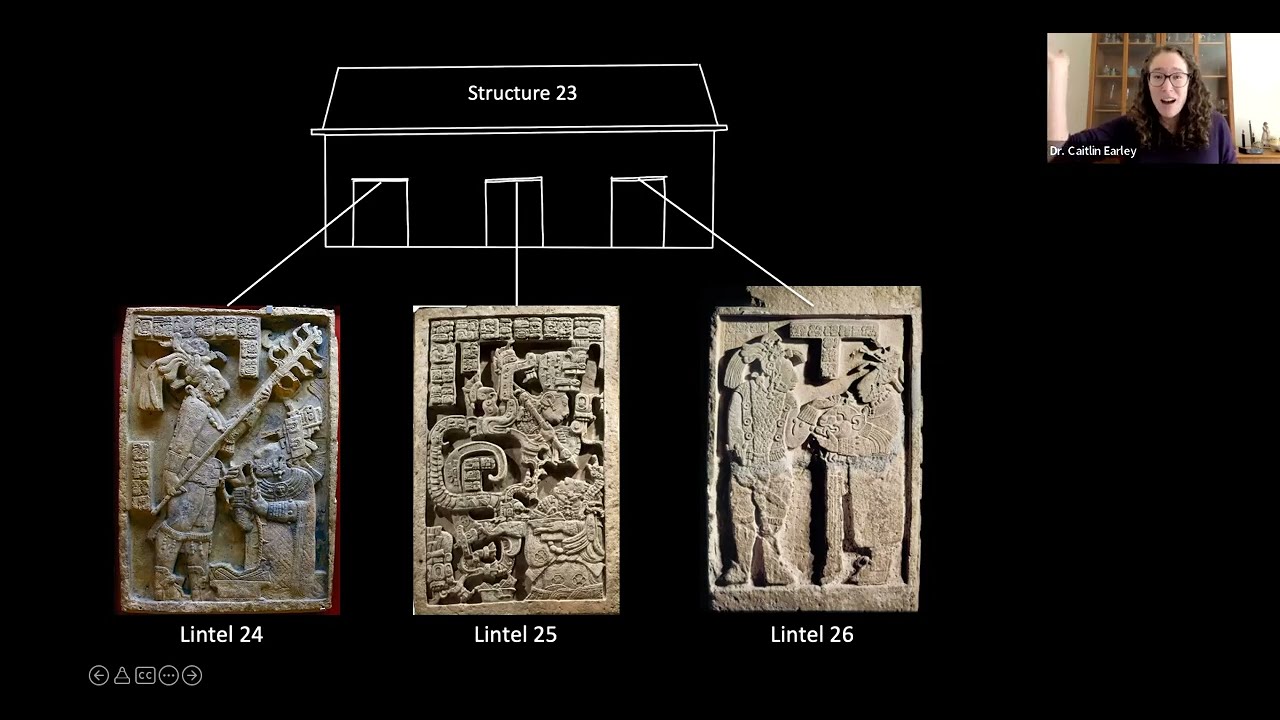
46:13
Teaching the Yaxchilán Lintels 24 and 25 with Dr. Caitlin Earley
@smarthistory-art-history
4.8K views•2022-02-09
38:41
Astrobiology Through an Anthropological Lens: Field Insights
@georgiatechastrobiology
128 views•2021-04-14
4:45
Proxemics Explained: The Study of Personal Space
@Vox
536K views•2016-07-05
10:38
Psychology of Internet Trolling and Pranks Explained
@AzzyLand
10.7M views•2017-12-20
Related Study Plans & Knowledge Roadmaps
Structured learning paths in Anthropology
anthropology
Space Anthropology: Analogs, Culture & Habitats
01Foundations of Space Anthropology & Cosmic Imaginaries
02Extreme Isolation & Micro-Societies in Orbit
03Space Analog Habitats & Earth-Based Simulations
+ 2 more learning modules
15h5 modules
Explore Roadmap
anthropology
Legal Anthropology: Customary Law & Pluralism
01Foundations of Legal Anthropology and Social Justice
02Legal Pluralism: Coexisting Legal Systems
03Customary Law and Indigenous Dispute Resolution
+ 2 more learning modules
15h5 modules
Explore Roadmap
anthropology
Global Tourism: Gaze, Authenticity & Heritage
01Introduction to the Sociology of Tourism
02The 'Tourist Gaze' (John Urry)
03Staged Authenticity in Tourism
+ 3 more learning modules
14h6 modules
Explore Roadmap
anthropology
Modern Kinship (ART, Adoption & Chosen Family)
01Foundations of Kinship and Family
02Assisted Reproductive Technologies (ART) & Relatedness
03Transnational Adoption and Global Kinship
+ 2 more learning modules
12h5 modules
Explore Roadmap