































To have productive conversations with people you fundamentally disagree with, follow these three strategies: (1) Don't argue the opinion—identify the underlying need, which is typically rooted in fear, safety, or control; (2) Shift from trying to prove your point to asking open-ended questions (how, when, where) to understand their perspective; (3) Water your own garden by protecting your peace and emotional energy rather than wasting it trying to change others' minds or fix their problems.
Conflict Communication: A Framework for Productive Disagreement
Added:Fundamental principles of active listening, including paraphrasing, validating, and reading non-verbal cues.
Basic concepts of emotional intelligence (EQ), specifically emotional self-regulation and self-awareness during high-stress interactions.
The distinction between cognitive empathy (perspective-taking) and affective empathy (emotional sharing).
An understanding of common cognitive biases, such as the fundamental attribution error and confirmation bias, which distort conflict perception.
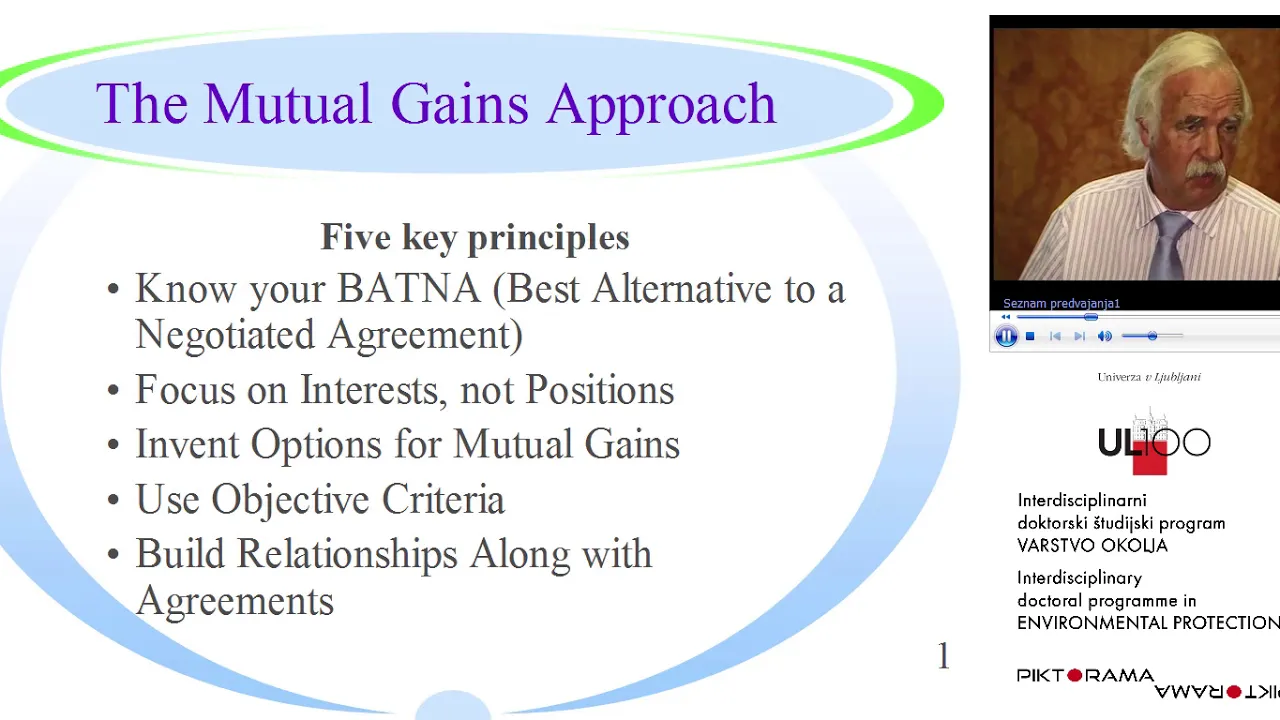
Interest-based negotiation and principled negotiation strategies, such as the Mutual Gains Approach.
Techniques for professional mediation and third-party dispute resolution in organizational settings.
Cross-cultural communication frameworks to adapt conflict resolution strategies across diverse cultural norms.
Systemic conflict management: Designing and implementing dispute resolution workflows within teams and institutions.
112.9K views6.9Klikes16:07Original Release: 2025-11-25
In today's episode, I'm going to teach you how to talk to someone you completely disagree with on every level.
That's looking at you family members at the dinner table. And here's the takeaway I'm going to tell you right now. You don't have to agree with them ever. All that and more coming up. Let's go. Welcome to the Jefferson Fisher Podcast. We're on a mission to [music] make your next conversation the one that changes everything. If you're listening to this podcast, my guess is it's because you want to be a better communicator and in turn improve your life. So that's [music] exactly what my promise is to you. In exchange, what I'm going to ask for is that anywhere you're listening, [music] would you please press the button subscribe? It's a very low lift. It'll take one second, but it really makes a difference to me and my family and the mission that I am continuing to serve with passion. This episode is brought to you by Cozy Earth.
I love Cozy Earth. They've been a sponsor of this podcast for a long time now. Why? Because they put out really good stuff when it comes to anything that is cozy is the best way to put it.
And I mean, the name is right on the nose. When I wear their sweaters, their hoodies, the sweatpants, even just a regular like dress pants that they look like dress pants, but they're not. Their towels, their bed sheets, all their products are premium. You will not regret it. If you are somebody that is at the age where you value a good set of towels, you need to go to Cozy Earth.
Listen to me. Go to cozyearth.com/jfferson.
Use the code Jefferson and get 40% off.
And now back to the episode. If you want to talk to someone you completely disagree with, here's what I want you to do. We're going to get right to it.
Number one, don't argue the opinion.
Identify the need.
Identify the need. Number two, shift from proving to understanding.
And number three, water your own garden.
Don't waste your water trying to water their bad seeds. All right? Water yours and they'll get curious why yours is doing so well. Water your own garden.
We're going to go into depth on those.
Number one, don't argue the opinion.
Identify the need. Let's go deeper on that. What does that mean? So many times in conversation, you are, let's say you're at the dinner table and you have family members, in-laws, whatever it is, and somebody brings something up and there's all of a sudden that tension in the room. They go, "Oh god, oh my gosh, he they just they went there." They they talked about it. They talked about that candidate. They talked about that platform, that opinion, that that whatever it is. Maybe you think it's a old mindset. It's an outofdate mindset.
It's a um it's it's not a nice it's not good to bring up. It's it's not cuth.
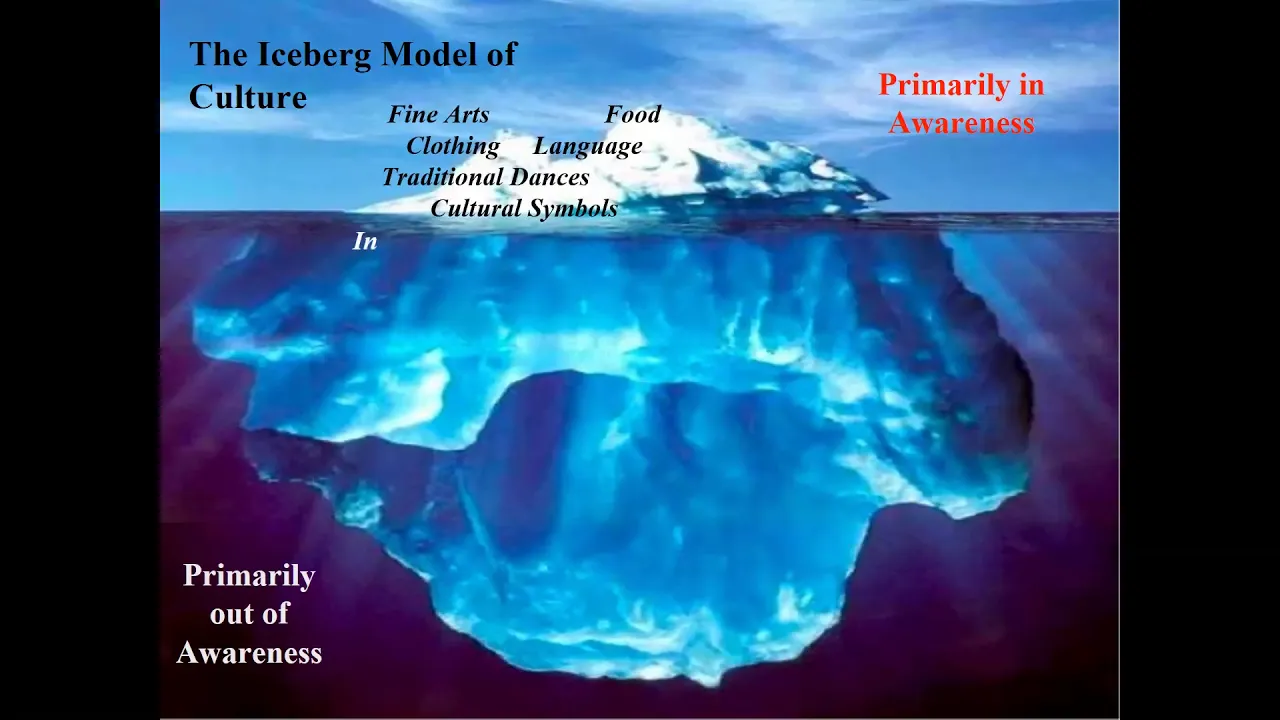
Whatever it is, it's going to bring you tension, right? And what you want to do is start arguing the opinion. You're arguing the very top the tip of the iceberg. We get caught in trying to argue somebody's opinion. If they were to say, "Well, I believe that so and so is the best for this or they obviously this issue in our country is the worst it's ever been." And you want to argue, "No, it's not. Actually, we need this."
And you have this different opinion.
You're just talking about the tip of the iceberg. But what breaks that down is that you're never going to get them to come your way and you're never going to get to theirs. You don't have to share their opinion to have a valuable conversation.
What you have to do first is identify the need. The tip of the iceberg, what's the bottom of it is the need. And it usually has to do with safety or control or fear. Typically, fear of change. And if you don't, if you choose not to hear their words as, "God, I cannot believe they want to vote for that person." Instead, you hear it as they're afraid of change. They have a fear of this. They have a fear of that.
It was told to me once that nobody says anything for the purpose of being wrong.
Nobody has an opinion, gives an opinion for the purpose of being wrong. Even the people who begin with, you know, I could be wrong about this. They never think they're wrong about it, do they? No.
They always think that they're right.
And if you go from that mindset, instead of looking at the tip of the iceberg, instead of the tops of the trees, you're looking at the roots of what is the need. It's their need for safety for people around them, for their own safety. Usually it is all based in fear and that or what their value is and how for kids or for their life or how people should do and and and live and things that really should have no effect on them whatsoever, but yet they've decided they're going to have a big opinion on it right now. What you're hearing is fear of change. Things should be better.
They were always better back in the day.
If it was just how it was back when I was a kid, it's always the fear of change. This is never a topic that's going to expire. So, how do you talk to somebody you're never going to agree with at any level? Don't argue the opinion. That's going to go nowhere.
Instead, identify the need. What does that sound like, Jefferson? What does that sound like? It sounds like you saying, "Hey, I I agree this is worth talking about. You know what? I I can hear that you really care about the safety of this. I can hear you. you you don't want things to to change. Or maybe it's as simple as I hear that safety is a big thing for you. I hear that this political ideal is important to you. I hear how the future of this country is important to you. how you begin to [snorts] simply acknowledge the need rather than arguing the opinion.
Another one, it sounds like you really care about this. It sounds like you really care about this. And you know they're going to say, "Yeah, yeah, I really do." And all of a sudden, you're going to start to break down that it's it's a deeply rooted need that they have typically for control. That's that's what you're hearing. Don't argue the opinion. Don't even address that.
Instead, identify the need. Ways that I even like to I explain that is I might say I agree, but I go macro, not micro.
So, I might say I agree this is worth talking about. I I agree that's one way to look at it. I agree that's an opinion. [clears throat] Or I might say that's helpful to know.
That's well, you know what? That's helpful to know. Or I might thank them.
Hey, well, thank you for sharing that.
You see, I'm not having to agree with anything that they said. I'm just acknowledging the need that they have.
That is deeply rooted need. If you only respond to the opinion, they will argue you forever. If you only disagree or argue the opinion, they will push it forever. I can promise you that is a conversation at the dinner table that will last months, if not years, if you continue to push on that. But if you identify and discuss and talk about the need, the issue underneath, you can actually make progress. You can actually make progress. That's where you want to go. Number two, be more interested in understanding rather than proving.
Proving is this mindset of no, you have to agree with me. No, I have to make you understand my way. You know what? I I can't even I I can't even wrap my mind around how you could possibly think this. Are you kidding me? You actually think, is that ever going to make anybody agree with you? Whenever you come on the offensive to prove something where you go, are you kidding me? Do you really believe this?
The more you tell somebody they're wrong, the more convinced they are that they're right. Or they all of a sudden clam up and go, "Well, I'm not going to share my opinion with you. This is what I believe, so I don't care. Evidence doesn't work. Facts don't work." Why?
because you're only hitting the opinion.
You're not identifying the need like we talked about in number one. So, what do you do instead of trying to push push push improve prove? Because you know what that feels like? What does that do?
That makes you harden even more.
Instead, ask questions that help open up understanding. These are not questions that begin with why. That will kill it instantly. Why do you think that? Why do you believe that? Yeah. Okay.
What about anything that challenges the why to make them explain in a defensive posture? But if I begin with what, how, when, where, those are what they call open-ended questions. Open-ended questions. So if I were to say, how long have you felt this this way? Oh, well, you know what? I I felt this the first time in Oh, what what happened there?
Where? Where did you hear this? You hear how I'm not going, "Yeah, right. Well, okay. You explain to me how X, Y, and Z." That's going to claim up, right? But if I were to say, "Where did you Where did you learn this? How long have you felt that way? And I'm actually interested in understanding." They will explain to you more. And what's going to happen in that thread? you're gonna go, "Ha, okay, there's the the need of something that happened to them probably that they just believe." And sometimes, especially, I would say, in the political area, you you see all this stuff where they like they interview people on the street, right? And they try and catch them on something and they might mention something of a different political candidate and all of a sudden the person who's being interviewed is talking like they know and it's actually inaccurate information.
It's because people have opinions that are based on feelings, based on the inner needs, not typically based on facts. So that's why evidence doesn't work. Proving to them, saying, "Look at this piece of paper. How could you possibly look at this report that came out?" That doesn't work because it doesn't address the inner need within.
So, when you ask the open-ending questions to get them to open up to you and help you understand, it helps identify the need and it makes them feel acknowledged. It deescalates the situation and it helps have a productive conversation that actually moves rather than just creating a big mess where somebody has to get up from the table and walk away because you know what? I'm over this. You're never going to change.
I want to take a quick second to tell you about gusto. Let's be real. Nobody starts a business because they love paying payroll. I definitely didn't. And when I first started hiring people to help me, I was drowning in tax forms and spreadsheets and trying to make sure everyone got paid right and on time. And you want to do the best for your people.
It just is difficult, especially if you're running a new business. I have personally used Gusto for four different businesses, and it's been the best platform I could ever use. Gusto is an online payroll and benefits software built for small businesses. It's all-in-one remote friendly and incredibly easy to use. So you can pay, hire, onboard, and support your team from anywhere. It handles all your taxes. If you have people remote, out of state, it does all that for you, too.
And one of the best things about it is that they have certified HR experts on call for the tricky stuff, the things you might have questions about. And you can run unlimited payrolls for one full flat monthly price. No hidden fees, no surprises, just straightforward help for people who wear a lot of hats. Try Gusto today at gusto.com/jfferson and get three free months when you run your first payroll. That's three free months of free payroll at gusto.com/jfferson.
One more time, gusto.com/jfferson.
And now back to the episode. Number three, water your own garden. Water your own garden. I I I love this illustration in my mind because so much peace can be had. If if you're somebody who gardens, you know what kind of peace that brings up? We've had gardens. Um and it is you tend to it, you pay attention to it, you protect it, and you water it. And so much of conversation is understanding.
I can only tell it to you. I can't understand it for you. So what I'm going to do is I'm going to water my own garden. Meaning I'm going to make sure my people are protected. By protecting my peace, I also protect my people. The people who care about me, the people that need me in the right state of mind, who who need me to be present.
If I am so worked up about opinion of yours that that will have no impact on my life whatsoever at this meal or at this gathering, right? I'm I'm I've lost sight of the fact that I have a beautiful garden. If I start arguing against your opinion, what I do is I get my water hose and I'm all of a sudden I'm trying to water yours when they've planted bad seed. And what's that going to grow? It's going to grow thorns. It's going to grow animosity. It's going to grow contempt. And all of a sudden, what could have been a five-minute conversation of acknowledging the differences, there is now five years of estrangement. That's what happens.
That's how quick it happens when you understand that they can have their own opinion and have their garden. Let let them have it and you have yours. So, you can hear conversations from them and say, "You know what?
I'm not trying to change your mind." Or, "You know what? I know I'm not going to change your mind. I just want to hear what you have to say or I appreciate what you're sharing. I know we're not going to see the eye to eye on this, but you know what? We do make eye to eye on whatever topic that you know that you agree on. Choosing when to go into that conversation knowing when to get out of it. Usually we just get very stubborn.
We get really stubborn and we try to go to number two. We just prove proof proof proof and that does nothing. So remember when it comes to watering your own garden that there will be an end to the conversation and there certainly can be a place for meaningful dialogue. What I playfully like to say is if somebody is trying to have some kind of conversation with me whether it's it's if it's something I know I disagree with, I might easily say, you know what, I'd rather hear about you. They ask me a question that's kind of sent to te me up. It's me saying, "Well, I'd rather hear about you." Nobody gets mad if I suggest talking about themselves. I've never had that once. They go, "Oh." They kind of laugh as if like, "All right, I understand. We're not going to go there." And sometimes, you know, even like my grandparent, my grandfather, you know, he will try and spark these arguments just for fun. They can get me really worked up and doesn't bother him at all. Maybe you can relate to that.
And it's me having to choose to just water my own garden. I love him. I'll always love him. That doesn't mean that I have to agree with everything that he says. Okay, what do we got? Number one, don't argue the opinion. Identify the need. Go deeper. Number two, instead of talking to prove, talk and respond to understand.
Again, we're going layer to layer to layer. And number three, water your own garden. Protect your own peace. Don't be walking over and start trying to pick their weeds. All right? Water your own garden. That's the key to a lot of peace in your life. All right? I hope you have a wonderful [snorts] holiday season. I know that's coming up on us. And if somebody is talking about something you completely disagree with on every level, remember this episode. So you can try that and follow
Up Next

10:53
Empathy Not Endorsement: How to Talk to People You Disagree With
@TED
322K views•2018-05-18

12:54
Triumph of Orthodoxy Icon: Byzantine Art & History Explained
@BenCallan
2.1K views•2024-08-06

9:49
FastAPI vs Flask vs Django: Choosing the Right Python Web Framework
@TechWithTim
302.5K views•2024-05-26

1:42
Game of Thrones Opening Credits: A Cinematic Analysis
@gameofthrones
46.3M views•2011-04-18
Related Study Plans & Knowledge Roadmaps
Structured learning paths in General & Interdisciplinary Studies
general-studies
Elevator Engineering: History, Physics & Cities
01From Hoists to Safety Brakes: The Dawn of Vertical Lift
02Hydraulic vs. Traction: The Engineering Physics of Elevators
03Modern Speed, Safety, and Algorithms
+ 2 more learning modules
12h5 modules
Explore Roadmap
general-studies
Rubber: Material Science, History & Geopolitics
01Origins of Natural Rubber & Mesoamerican History
02The Chemistry of Natural Rubber & Vulcanization
03The Geopolitics of the Rubber Boom & Colonization
+ 2 more learning modules
12h5 modules
Explore Roadmap
general-studies
Containerization: Evolution, Logistics & Trade
01Ancient Trade & Bulk Cargo: Amphorae to Barrels
02The Industrial Revolution & Cardboard Packaging
03The Containerization Revolution: Malcom McLean
+ 2 more learning modules
12h5 modules
Explore Roadmap
general-studies
Textile Tech: Evolution, Labor & Global Impact
01Pre-Industrial Textiles: Handloom & Cottage Industry
02Mechanization: The Spinning Jenny to the Power Loom
03The Factory System & Global Labor Transformation
+ 2 more learning modules
10h5 modules
Explore Roadmap