


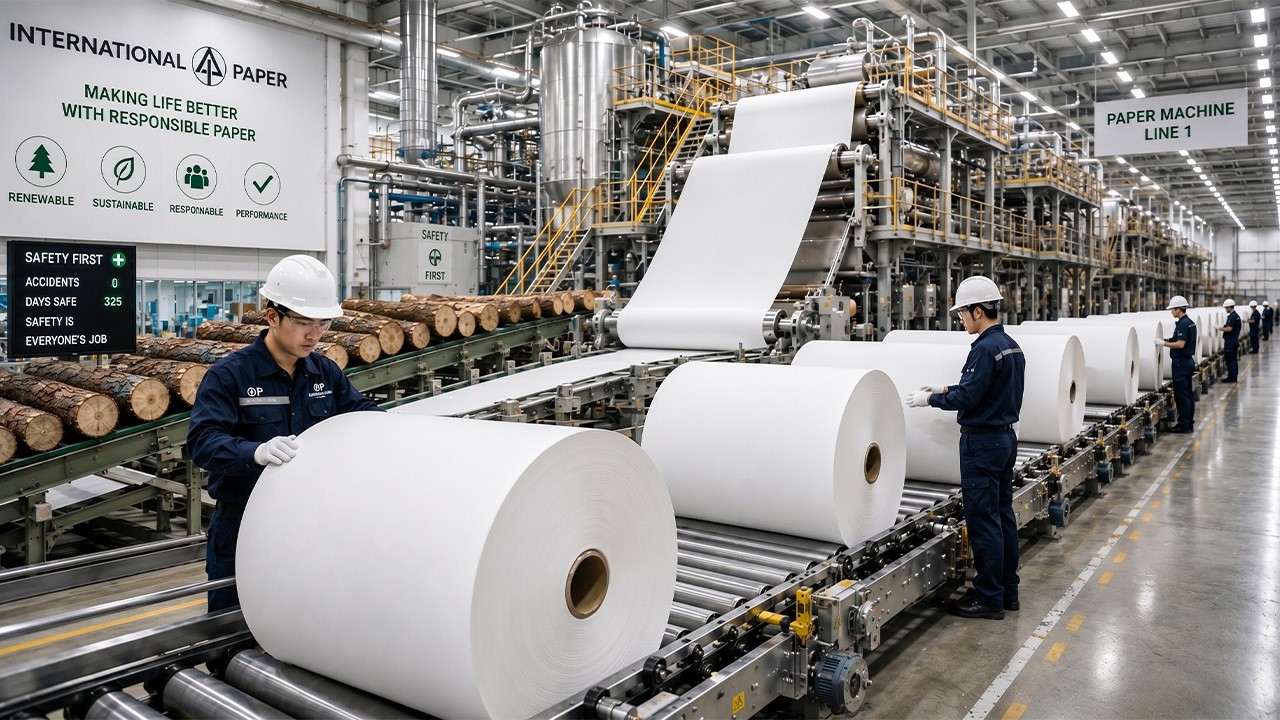





















Corrugated boxes are manufactured through a multi-stage process beginning with sustainably sourced wood fibers from responsibly managed forests, which are transformed into liner board and medium at container board mills; these materials then undergo corrugation (where medium is heated and formed into fluted shapes between steam-heated rolls), adhesive bonding to create single-face material, and further processing through slitting, scoring, and cutting to customer specifications; the final converting stage uses either flexo folder gluers for printed boxes or rotary die cutters for shaped boxes, with over 22 quality checks ensuring product standards are met throughout the production process.
How Corrugated Cardboard Boxes Are Made: Inside the Process
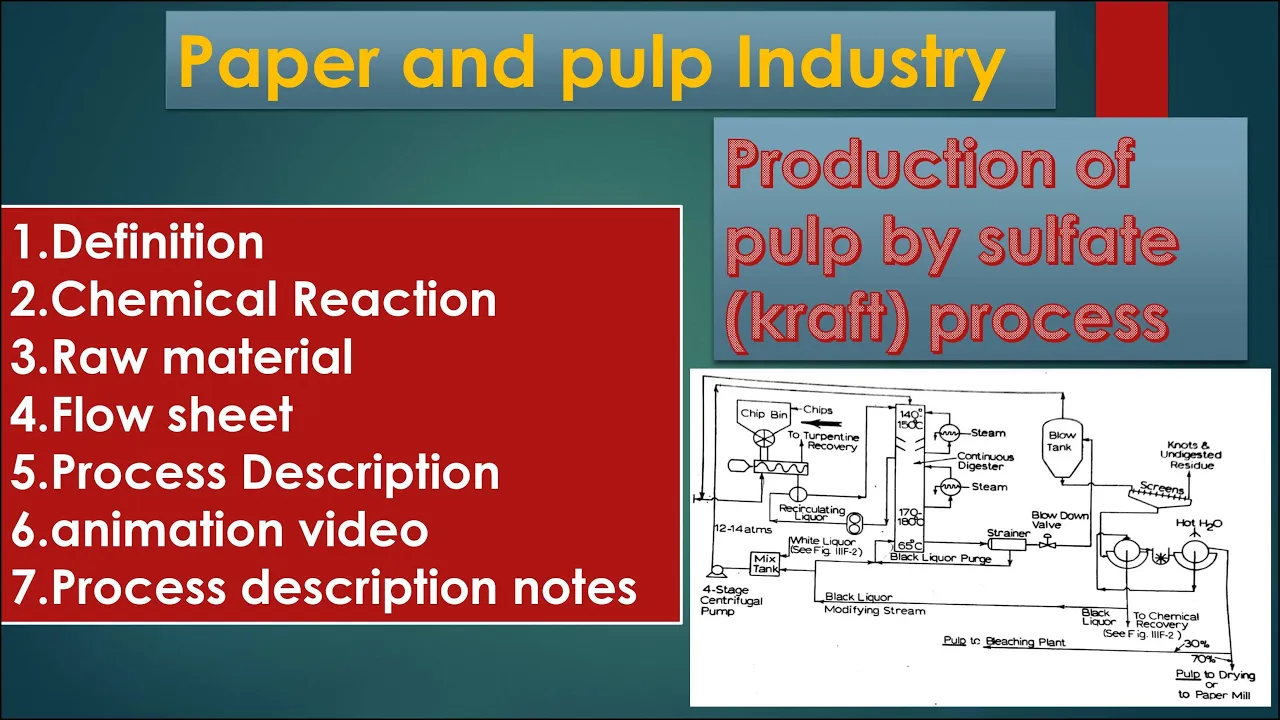
Added:The fundamentals of paper manufacturing, specifically how wood pulp is harvested, processed, and refined into raw paper (the Kraft process).
Basic mechanical engineering principles of structural strength, particularly how geometric shapes like arches (fluting) distribute load and resist compression.
The concept of sustainable resource management and the basic closed-loop cycle of paper recycling.
General industrial manufacturing concepts, including continuous assembly lines, automated machinery, and basic quality control protocols.
Standardized structural testing methods for packaging, such as the Edge Crush Test (ECT) and Box Compression Test (BCT) to measure load-bearing capacity.
Industrial printing techniques on fibrous substrates, with a focus on flexography, litho-lamination, and digital printing technologies.
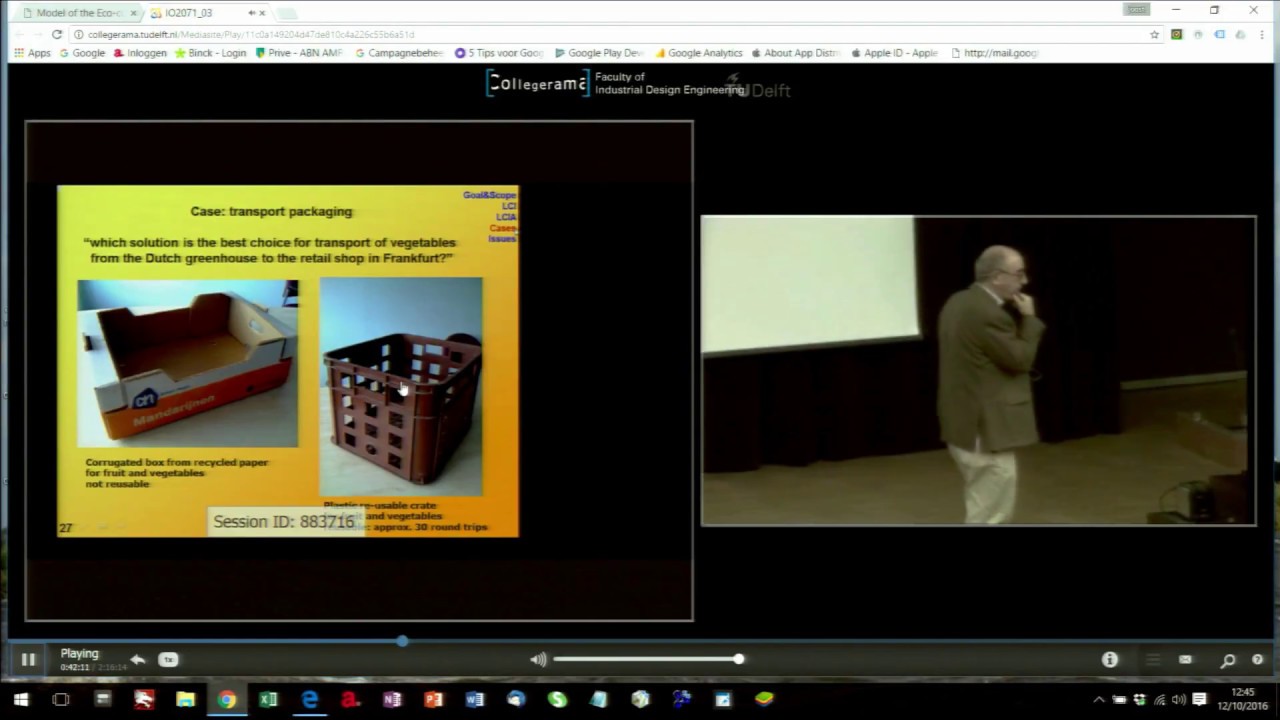
Life Cycle Assessment (LCA) methodologies to scientifically evaluate the environmental impact of corrugated cardboard compared to plastic and alternative packaging materials.
Advanced packaging design and supply chain optimization, including custom box geometry, space-utilization algorithms, and moisture-resistant barrier coatings.
89.8K views0likes10:04Original Release: 2021-04-27
corrugated packaging plays an integral role in countless supply chains around the world it brings fresh fruit and other foods to far away places protects priceless objects and safeguards goods that enhance the lives of consumers around the globe which makes me wonder how does a corrugated box get made [Music] the first use of corrugate can be traced back to 1856 when two englishmen helium allen fluted paper to use as a lining in men's hats then in 1871 an american by the name of albert jones received the first patent for corrugated paper board for use as an improved packing material specifically albert was using it to protect bottles and lanterns during shipment three years later oliver long has the idea to put another layer of paper on the outside and thus the modern day corrugated box was born [Music] the process looks much different today than it did in the late 19th century in the u.s alone nearly 100 billion fully recyclable corrugated boxes are produced every year today we are visiting international paper one of the world's leading producers of corrugated packaging to learn how they're made with more than 190 converting facilities international paper knows a thing or two about how to deliver the best quality box for its customers a corrugated box begins where else but actually before we get started let's talk about how we got here a corrugated box starts here a working forest ip's entire business model depends upon the sustainability of the forests it's an important part of who they are and has been since 1898 transforming renewable resources into products people depend on every day is ip's mission statement every ounce of new fiber used in ip's paper process comes from responsibly managed forests contrary to popular belief the production and use of forest products which includes corrugated boxes leads to even more responsibly grown trees in fact there are 20 percent more trees in the us today than there were in 1970 from the forest harvested trees travel to one of ip's container board mills where they are converted into an extensive variety of liner medium and white top grades customer orders are taken by the sales team and passed along to one of ip's talented customer service representatives like vicky this brings us back to the corrugator this is rick he's a corrugator operator at one of ip's box plants modern corrugators like this one can be nearly 600 feet long and run at max production speeds of nearly 1500 feet per minute rick and his colleagues take great pride in working safely and the role they play an ip customer success story liner board and medium are loaded onto roll stands and thread through a splicer at what is referred to as the wet end of the corrugator as it winds through the paper is heated the preheated medium travels into the single phaser where two steam heated rolls give it its corrugated form this is the same material used in those tall hats we talked about earlier the now corrugated medium is then glued to our first of the liners once combined the medium and the liner are known as single face and it's the same product albert jones used to protect his bottles and lanterns for shipment the single face travels to the bridge where the initial glue bonds are given extra time to set before being combined with the second liner like before starch adhesive is applied to the tips of the fluted medium and the second liner is applied from there it's on to the corrugator's dry-in where the now fully combined board is fed through an automatic slitter score here the corrugated board is slit to the width of the order which we received from vicky and scored to ensure the exact folding of the box later on it's then fed through a cut-off knife which cuts the corrugated board to the exact length required the cut sheets are collected in the automatic stacker this is michael at this step in the process he ensures the corrugated sheets are well bonded properly scored and meet the customer specifications his attention to detail is particularly important for the next step of the box making process converting depending upon the boxes end use the corrugated sheets are either sent to a flexo folder gluer or they go to a rotary die cutter think flexo folder gluer for boxes like those used in ecommerce or other packing needs and think of the rotary die cutter for items like produce boxes and beverage trays we'll start with the flexo folder gluer this is robert at the beginning of the flexo process he feeds corrugated sheets into the machine one at a time from there the boxes enter the print section of the machine before the order begins an operator like darius safely installs the customer's print plate which is essentially a giant stamp that picks up ink and transfers it onto the outside surface of the box depending upon the number of colors needed there may be multiple print plates installed on a series of consecutive print sections after a box is printed slots are cut to complete the box flaps allowing the box to close on the top and bottom the box trim falls below the machine so once printed and scored the manufacturing joint is glued which holds the box together international papers customer promise is to do the right things for their customers at every moment in every experience throughout the entire converting process there are more than 22 quality checks christina is conducting a number of these checks now she's looking to ensure the box matches every detail of the customer order such as proper dimensions accurate scores and precise color matches the steps christina and her colleagues take are the same steps happening at every one of ip's box plants international paper created what they call the global converting system the platform houses more than 200 quality processes and manufacturing best practices to ensure consistency throughout ip's network of converting facilities customers can rest knowing safety and quality are top of mind no matter where the box is being produced at the end of the flexo folder gluer the now printed and scored sheets are folded bundled and prepared for shipping but before we visit christian and shipping let's talk about the other primary method of converting the rotary die cutter this is dan the machine behind him works like a giant cookie cutter known as a cutting die to cut and score the sheet to meet customer specifications a cutting die has sharp metal strips mounted on a solid backing known as a die board before an order is started team members will safely install the die board to the machine as sheets are fed the machine rotates the cutting die perfectly hitting the sheets as they pass through like the flexo folder gluer sheets are fed into the machine and printed but rather than being folded and glued the sheets run through the die cutter with the box trimmings falling below the machine to be collected once out of the machine the boxes are stacked banded and traveled to jonathan for more quality inspections jonathan's double checking the cuts to ensure the boxes fold correctly once the boxes arrives at shipping christian and his team load them onto the trucks they are the final piece of the puzzle to ip's quality commitment and here it's all about safe handling and on-time delivery compared to some other non-fiber-based packaging solutions corrugated packaging is known for maximizing efficiencies by lowering costs providing better protection and using space on a truck more effectively and speaking of benefits corrugated packaging has a higher recovery rate than any other packaging product remember those trimmings from earlier they're collected throughout the facility in a series of vacuum tubes that carry it to the baler room where it's baled and sent back to a paper mill to be used in the paper making process new fiber mixed with recycled content is important because a tree fiber can only be recycled up to around seven times before it turns to dust so if the world relied on only 100 recycled boxes we'd likely run out of recycled fiber within a matter of months [Music] international paper knows the challenges their customers face are specific and while the idea of corrugated packaging may be nearly 150 years old international paper is continuously evolving their processes and innovating their products to safely deliver the best most sustainable packaging solutions for their customers and our planet
Up Next

51:01
Supermarket Evolution: Grocery History, Industry Insights & 2024 Food Trend Forecasts
@ChristopherKimballsMilkStreet
921 views•2024-01-26

12:54
Triumph of Orthodoxy Icon: Byzantine Art & History Explained
@BenCallan
2.1K views•2024-08-06

9:49
FastAPI vs Flask vs Django: Choosing the Right Python Web Framework
@TechWithTim
302.5K views•2024-05-26

1:42
Game of Thrones Opening Credits: A Cinematic Analysis
@gameofthrones
46.3M views•2011-04-18
Related Study Plans & Knowledge Roadmaps
Structured learning paths in General & Interdisciplinary Studies
general-studies
Elevator Engineering: History, Physics & Cities
01From Hoists to Safety Brakes: The Dawn of Vertical Lift
02Hydraulic vs. Traction: The Engineering Physics of Elevators
03Modern Speed, Safety, and Algorithms
+ 2 more learning modules
12h5 modules
Explore Roadmap
general-studies
Rubber: Material Science, History & Geopolitics
01Origins of Natural Rubber & Mesoamerican History
02The Chemistry of Natural Rubber & Vulcanization
03The Geopolitics of the Rubber Boom & Colonization
+ 2 more learning modules
12h5 modules
Explore Roadmap
general-studies
Containerization: Evolution, Logistics & Trade
01Ancient Trade & Bulk Cargo: Amphorae to Barrels
02The Industrial Revolution & Cardboard Packaging
03The Containerization Revolution: Malcom McLean
+ 2 more learning modules
12h5 modules
Explore Roadmap
general-studies
Textile Tech: Evolution, Labor & Global Impact
01Pre-Industrial Textiles: Handloom & Cottage Industry
02Mechanization: The Spinning Jenny to the Power Loom
03The Factory System & Global Labor Transformation
+ 2 more learning modules
10h5 modules
Explore Roadmap