













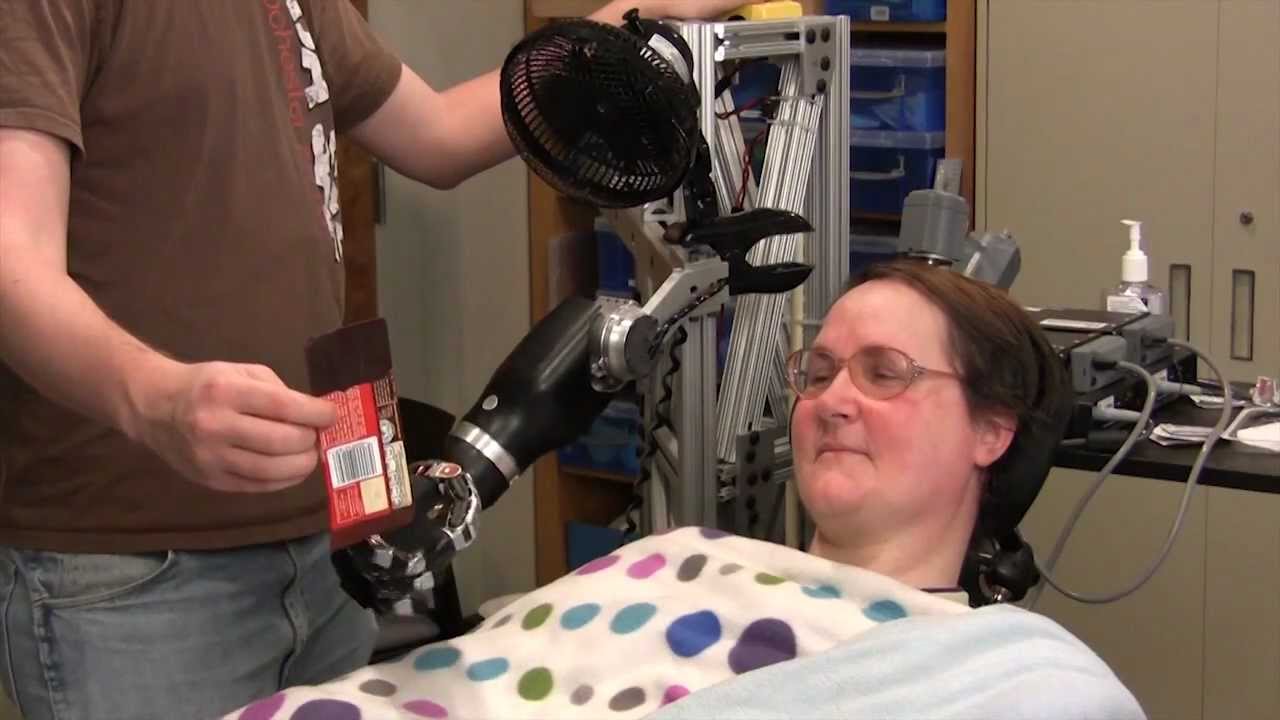


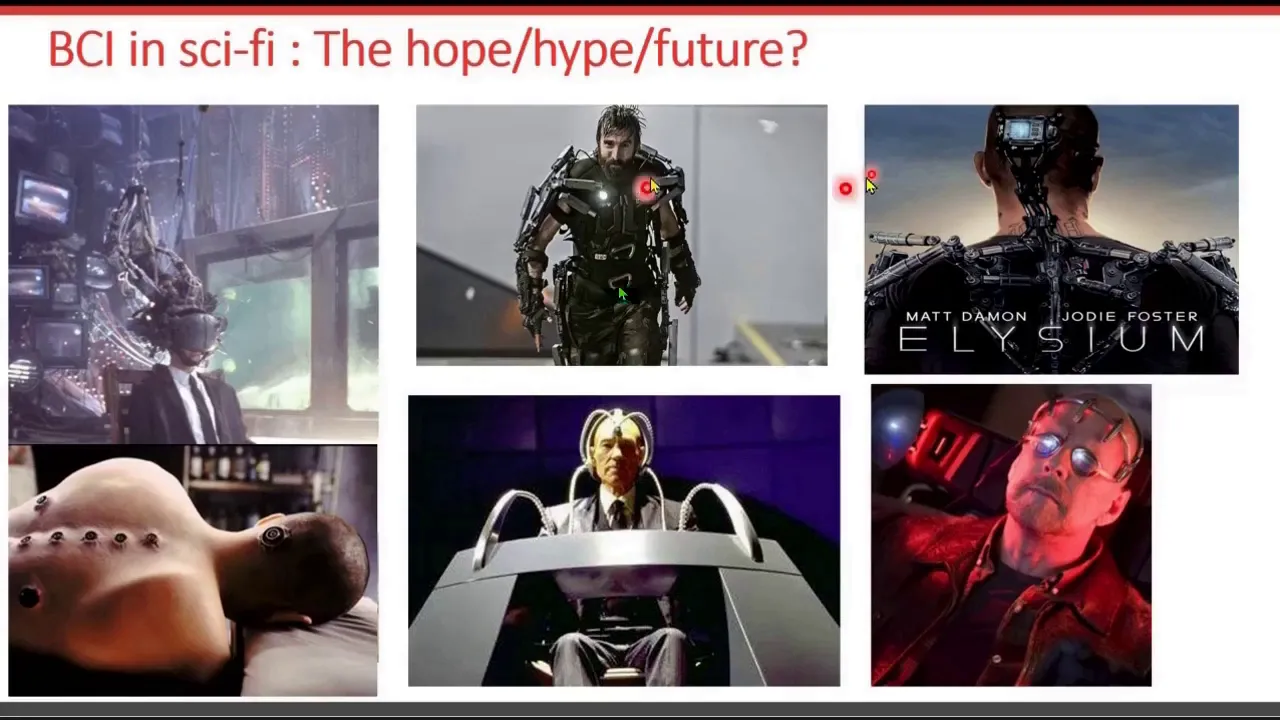


A Brain-Computer Interface (BCI) system enables users to control computer cursors through thought by recording EEG brain signals, extracting oscillatory features from specific brain regions using spatial filtering techniques like Common Spatial Pattern (CSP), and applying machine learning algorithms to translate neural activity into directional cursor movements without physical input devices.
BCI-Based Windows Cursor Control: EEG Signal Processing & Machine Learning
Added:Basic neurophysiology and understanding of Electroencephalography (EEG), including scalp electrode placement and neural rhythm frequencies (mu, beta, alpha).
Fundamentals of digital signal processing (DSP), particularly frequency domain analysis, bandpass filtering, and artifact removal techniques.
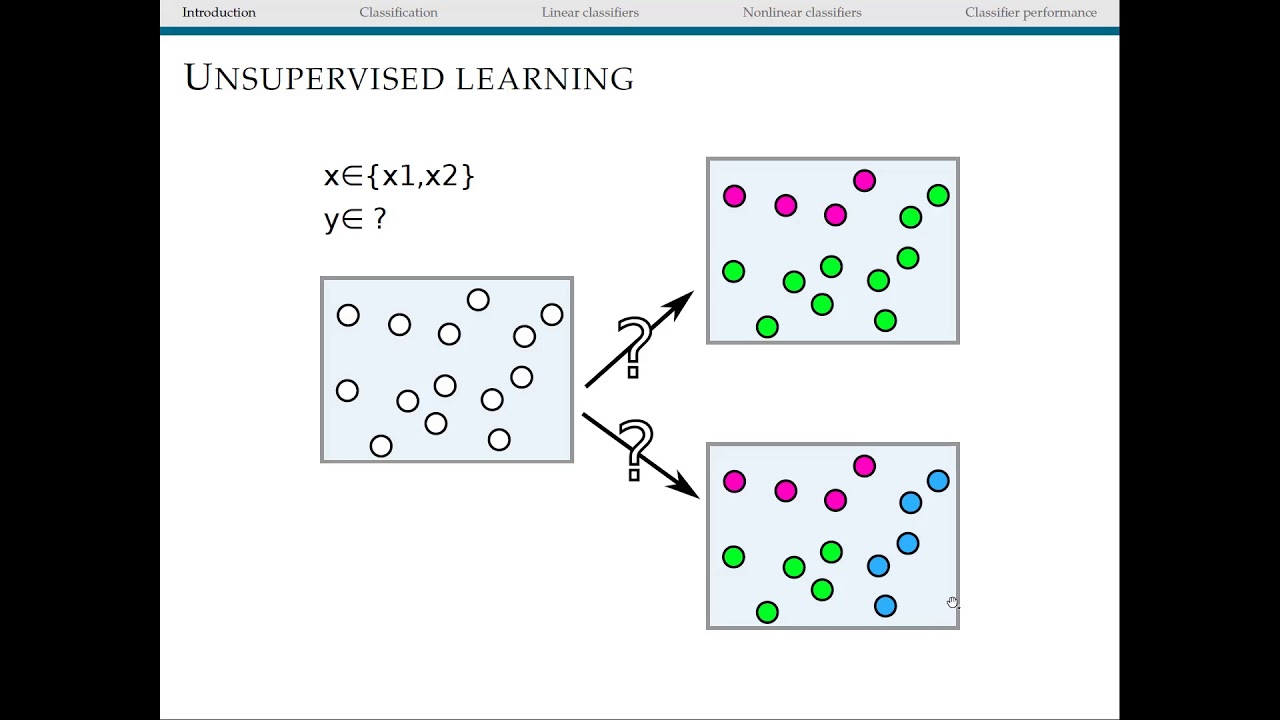
Core machine learning concepts, specifically supervised classification algorithms (such as Linear Discriminant Analysis or Support Vector Machines) and feature extraction.
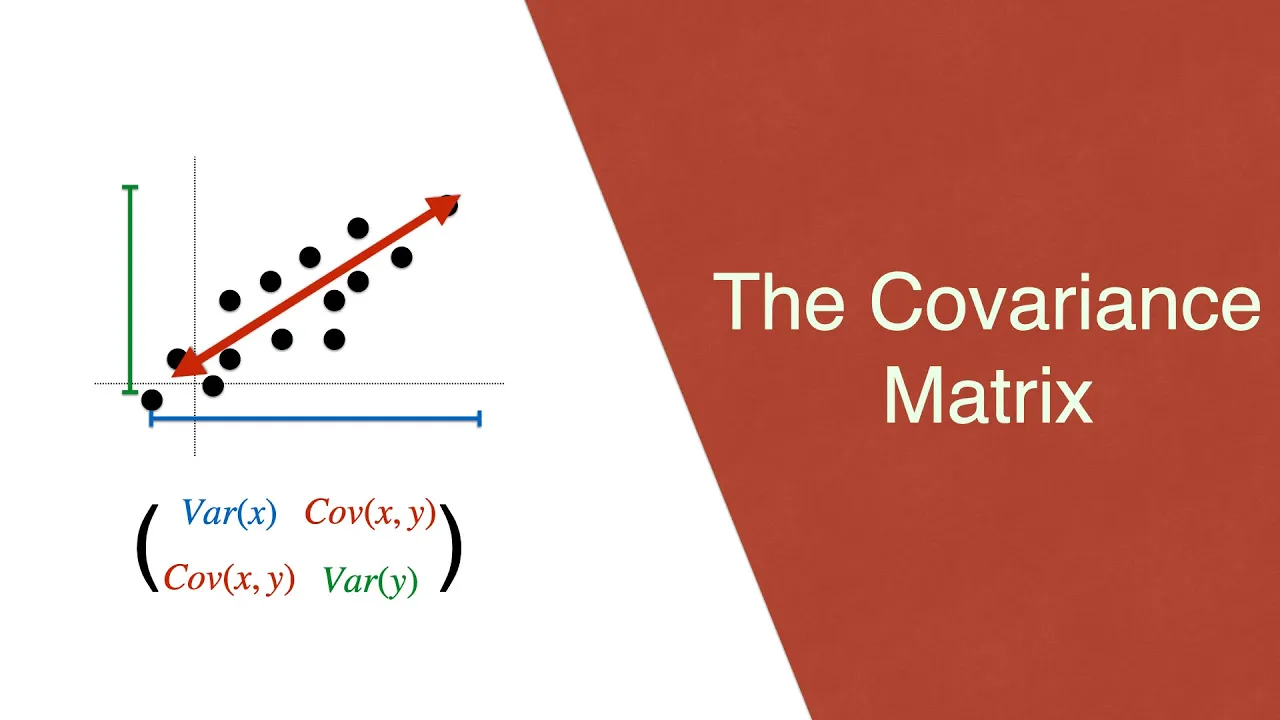
Introductory linear algebra, including matrix operations and covariance matrices, which are essential for understanding spatial filtering methods like Common Spatial Patterns (CSP).
Advanced deep learning frameworks tailored for EEG signals, such as Convolutional Neural Networks (e.g., EEGNet) and Recurrent Neural Networks (RNNs).
Design and optimization of closed-loop BCI systems, focusing on real-time feedback mechanisms, latency reduction, and co-adaptation between the user and the decoder.
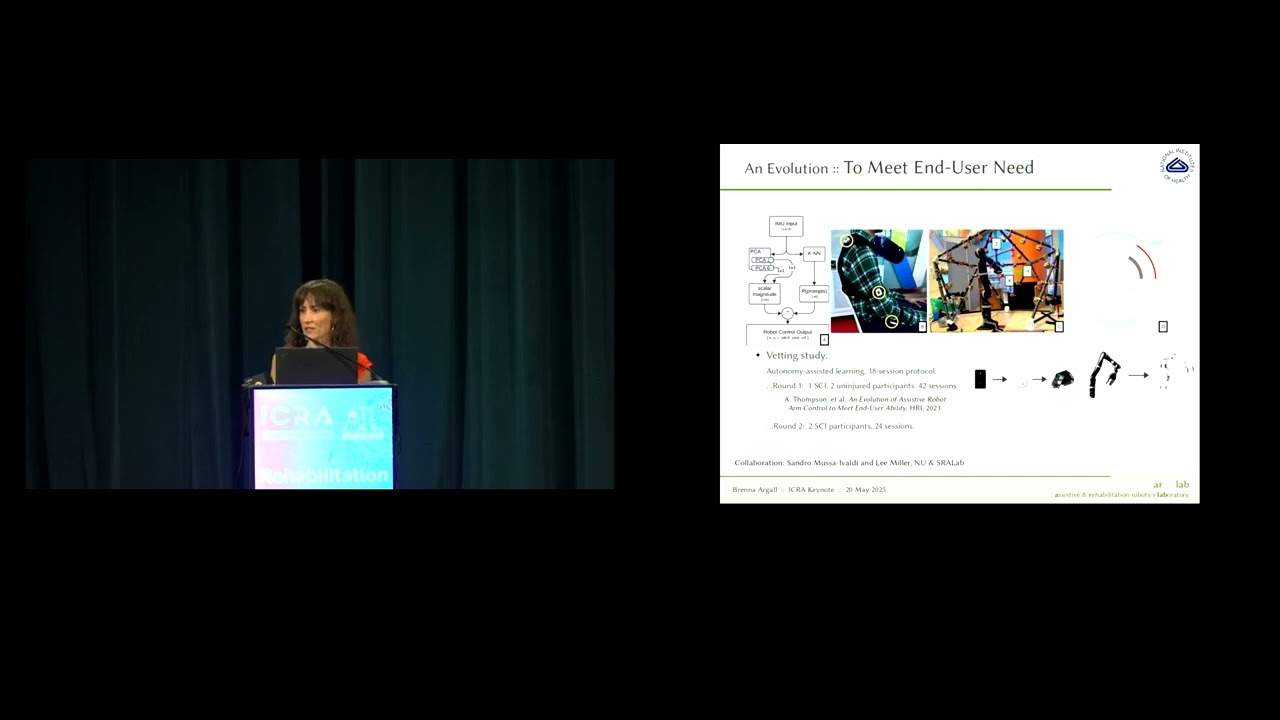
Explorations into multi-dimensional control (higher degrees of freedom), transitioning from simple cursor movement to robotic limb manipulation.
Other major BCI paradigms, such as Steady-State Visually Evoked Potentials (SSVEP) and P300 event-related potentials, and how they compare to motor imagery-based control.
568 views5likes10:48Original Release: 2022-07-11
have you ever wondered how easy it is for you to use a computer we have various devices such as keyboards Maxes Bluetooth devices and various other inputs but for a paralyzed person the only means of communication for him are his thoughts hence we the group of tg01 I'm Jason we have a teammates Varun Rai Khan and Jewel we are here to present our project which is BCI based cursor control for Windows so what is BCR BCI or brain computer interface records EG signals from our brains records it and it and finds it into a certain action that the user wishes wishes to perform we present brain computer interface which allows the user to control the windows cursor by just using these thoughts although user has to do think about moving up later line and the play and the person both supporting so the user only has to do is think about the certain action that you want to record it on hook then a model is generated using bclr and trained using the EEG data that we have collected and this model is then used to predict the next set of actions that the user wants to perform so a fresh data history into the model and a control signal is generated to move the cursor according to the user's brush next we have the objectives which will be continued by one since the project was considerably large and we had several small steps to finish we segmented the objectives into five or six different parts so that we knew that we were progressing enough and as sufficient report the first step was to pre-class the signal since we were not using any online data set and we use the VCR headset we need to really understand how the data worked and what pre-processing change it required so that we could get the best cluster output The Next Step was to build something called PCL algorithm a VCR lab algorithm is the entire Three cross is the entire processing chain including something Crossing some feature extraction and then finally uh going into the linear discount fire which we will all see uh later on in the presentation uh finally we had to annotate events whenever the subject was moved Imagining the movement with left and right hand we had to Mark the events on two different channels on the headset so that the classifier would know on on at what times the action was happening finally the reason I had algorithm is the model and then we use a model to live stream data real time we use real-time data to move the computer across up so any BCA lab or any signal processing application has pretty much the same algorithm you pre-process you have a single processing block which extracts some control signals you feed that control signals to something called Java robot class which you which internally managed to move the mouse so normally you're used to moving the mouse physically but here internally through software we've moved the most so that is taken care by something called Java robot class so the the algorithm or single processing chain extracts these control signals and feed the machine learning application of project it is really essential to understand how data goes from time series to final classification output so here these are 16 channels that we have we use 16 channel data and the uh so the essential idea of any of our project is to identify something called oscillating processes oscillating processes are when a set of neurons in the brain are inactive and they're not really doing anything they synchronize each each other and that leads to the oscillating process so uh when we have more more imagery or imagination of motor movements some parts of the brain this the sensory motor cortices are active and thus the oscillatory the the power and the oscillating signal is reduce because of activity so we essentially try to see what parts of the brain are inactive and from that we reduce what parts of the brain are actually active the essence of the entire the algorithm is Computing the magnitude of dfts of the of some data but the reason is but the problem is we can't apply the maximum DFT Direction on the time series Channel data because that throws away the base information and that space or rather Source information is really important for the classifier to actually reduce between left and right and Imagination so if we have the non-linearity of the magnitude of vft process on the channel data and throw away all the base information you can't train the classifier while map or in fact at all so a way to extract that phase of source information is using a linear process of spatially filtering the data so uh essentially what is happening in a simple linear multiplication of ways on the channel data to give us something called Source activity uh so Source activity is just what passes the brain of projecting some sort of electrical signal on what channels so you multiply by by that by some weight and you get these and you compute the magnet to the dfps and to get the features to the engineer discriminator analysis classifier so we're using the top six maximally informative features after spatial filtering so we have the sixth outputs of the waiting process spatial filtering process into many linear system analysis problem which is just I think uh a linear combination of its features to give the classified output so the question then is how do you manage clean W how do you manage a Theta same Theta is easy LD will take care of it but NTA can't really managed to train W or optimize The View but it has a custom non-impact in the middle it cannot optimize the entire chain so the best way to find W Optimum W is to make some statistical assumptions about the data that we display that assumption is join gaussian energy simpler Dimensions an extension of that into multiple Dimensions is called Joint gaussianity we make that assumption that statistical assumption about the about the sanitator that has recorded and the problem then becomes tractable it becomes uh solvable as that's right as a simple uh optimization problem a constraint optimization problem and that is called spectral CSP or or specifically common spatial pattern the job of common spatial pattern filtering is to maximize variance between data as the speed of now is to maximize so in before CSU filtering you see that uh the left hand is right hand the left hand left to right hand corresponds to one color right hand corresponds to the other color it's not really possible to differentiate them before CST filtering but after CSC filtering you know that one uh when you distribute the scatter plot of uh the amplitude you see that one varies like this the other variance across another Channel and that sort of maximizes the way if the diagonalizes data so uh once you make the Assumption it becomes a simple constraint optimization problem so what you're trying to do is find W such that this is maximum but you then you can say just make W infinity and maximize it so that's why we constrain the optimization by saying uh this is the sigma is the uh the Trend optimization problem is just maximizing finding W such that this is maximum so you can say that you can just make W Infinity but that uh so that's that's why we impose a certain constraint on the problem and that's why it's called constraint optimization problem and this is you can say this is just the uh the covenants matrices for for one class minus one is one class plus one is the other class and in the other application Maybe which basically means that if one uh a class is maximum variance the other should have minimum and uh the opposite of course Supreme Crossing chain will be explained by you too so for data the first thing we used uh PG lab we gilab is a Matlab toolbox so because so in step one we have all 16 channel rotations locations are basically the XYZ coordinates of all 16 electrodes and then we have the second set in which events for extract from two different animations imagination of Lifetime movement and Imagination of right angle which is respectively values in third step we remove bad channels we can remove back channels by visually analyzing them so simply for makeup which are the main outliers only later that we have and it was common median reluctance to remove consistency due to supply between the imagination of your right hand and your left hand movement and to do this easy data from while our subject to forms motor energy experiment yes so training experiment was performed as followers firstly we recorded we did a recording of over 20 minutes on our 16 seconds for uh please lifetime and we added annotations signals they said related five seconds for three seconds doing these few seconds the subject imagine the moving their right hand and the time we actually use a imagination of time movements and not actual language feedback from the muscle into the brain and what we actually need is the fingers from the brain through the muscle so we used our Java class for person before loss essentially is management Library used for test on where you need to foreign
Up Next
15:46
std::future Quick-Start: Async C++ for Parallelism
@cppweekly
41.9K views•2016-05-02
87:26
Introduction to Secure Multiparty Computation with Yehuda Lindell
@fhe_org
7.7K views•2021-02-04
4:55
HTTP Requests Explained: GET, POST, PUT, DELETE
@codecademy
103.1K views•2021-10-07
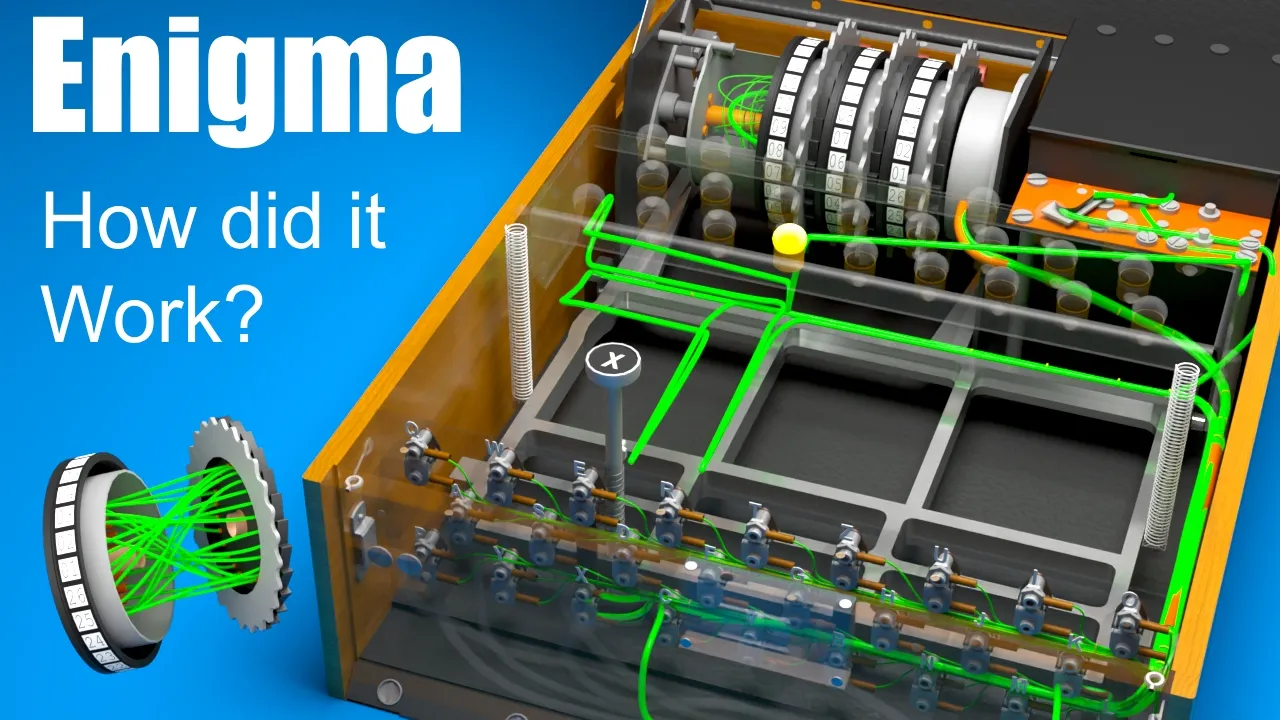
19:25
Enigma Machine Mechanics: WWII Encryption Explained
@JaredOwen
13.2M views•2021-12-11
Related Study Plans & Knowledge Roadmaps
Structured learning paths in Computer Science
computer-science
Container Runtimes: Namespaces, Cgroups & Go
01Linux Systems & Go Programming Foundations
02The Core of Isolation: Chroot and Filesystems
03Linux Namespaces: Process Isolation
+ 3 more learning modules
32h6 modules
Explore Roadmap
computer-science
Building a CHIP-8 Emulator: Rust & CPU Basics
01Computer Architecture Foundations (Bits & Bytes)
02Rust Programming for Systems Development
03CHIP-8 Virtual Hardware Specifications
+ 2 more learning modules
32h5 modules
Explore Roadmap
computer-science
Building BitTorrent: Go, P2P & Concurrency
01Go Fundamentals & Concurrency
02Networking Foundations & P2P Architecture
03Bencode Parsing & Torrent Metadata
+ 3 more learning modules
26h6 modules
Explore Roadmap
computer-science
Actor Models (C++ Concurrency & Lock-Free)
01C++ Multi-Threading Foundations
02Thread Pools and Task Scheduling
03Atomics and Lock-Free Queue Design
+ 3 more learning modules
45h6 modules
Explore Roadmap