

















Lifestyle branding is a corporate strategy where companies sell ideas and lifestyles rather than physical products, creating a global system where brands control public space, reduce consumer choice, and exploit workers in developing countries; this has sparked democratic resistance movements worldwide that challenge corporate power and seek to reclaim public spaces and democratic control over trade policies.
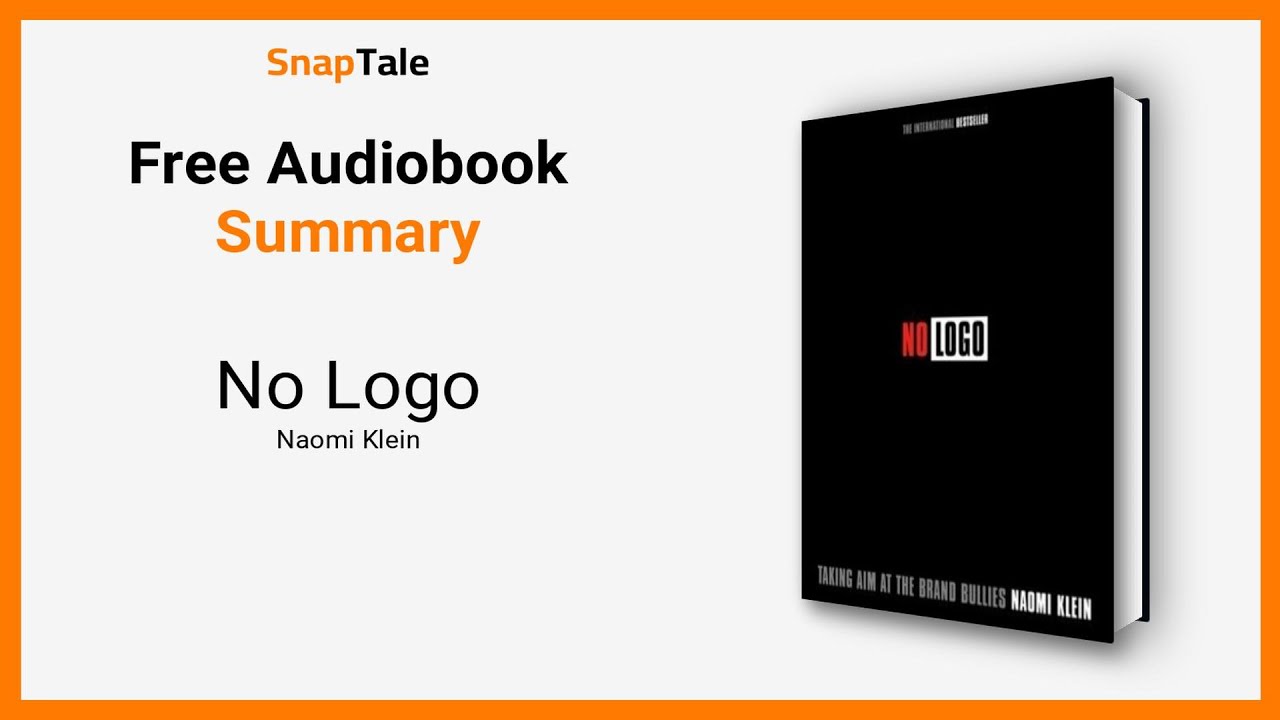
No Logo: Brands, Globalization, and Resistance by Naomi Klein | Documentary Analysis
Added:Basic concepts of globalization, including how multinational corporations utilize global supply chains, offshoring, and outsourcing.
The evolution of modern advertising, specifically the historical transition from marketing a product's utility to selling abstract lifestyles, identities, and brand equity.
An understanding of neoliberalism and free-market economics, which facilitated the deregulation of international trade and the growth of multinational corporate power in the late 20th century.
Fundamentals of labor rights and the international division of labor, particularly the history of export processing zones (EPZs) and sweatshop labor.
The tactics of 'Culture Jamming' and 'subvertising', examining how activists actively disrupt and repurpose corporate iconography to protest consumerism.
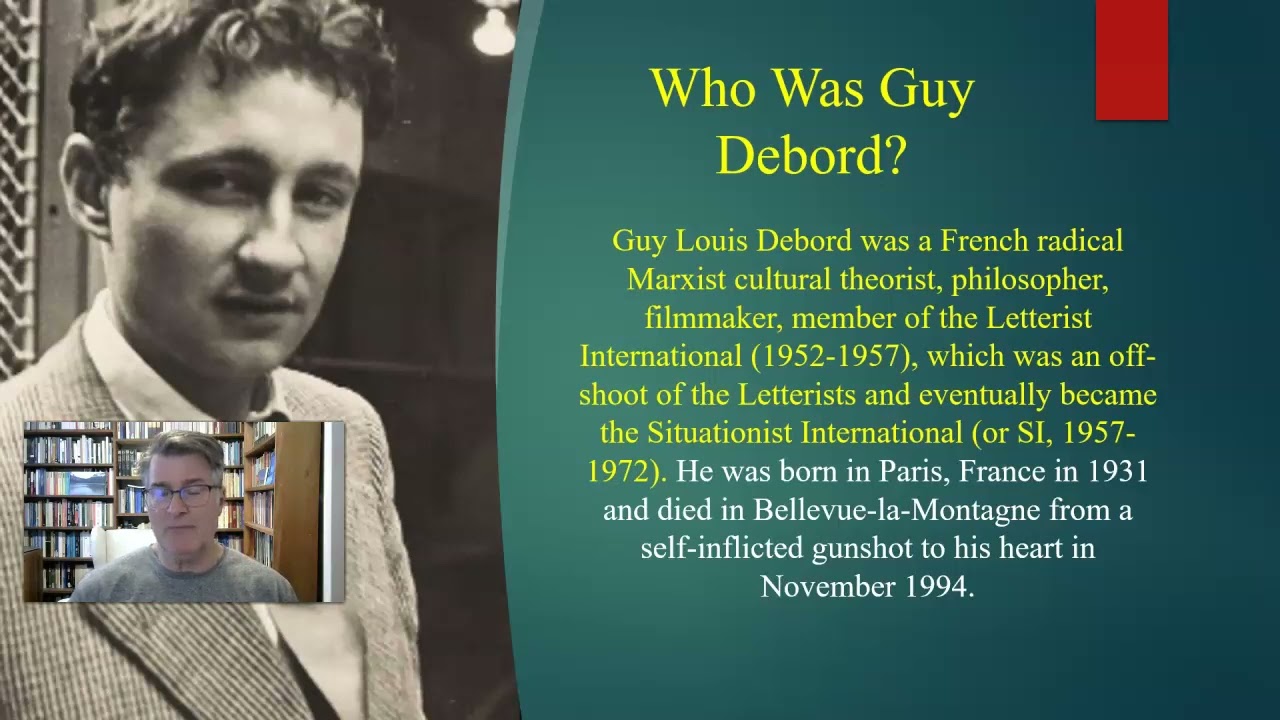
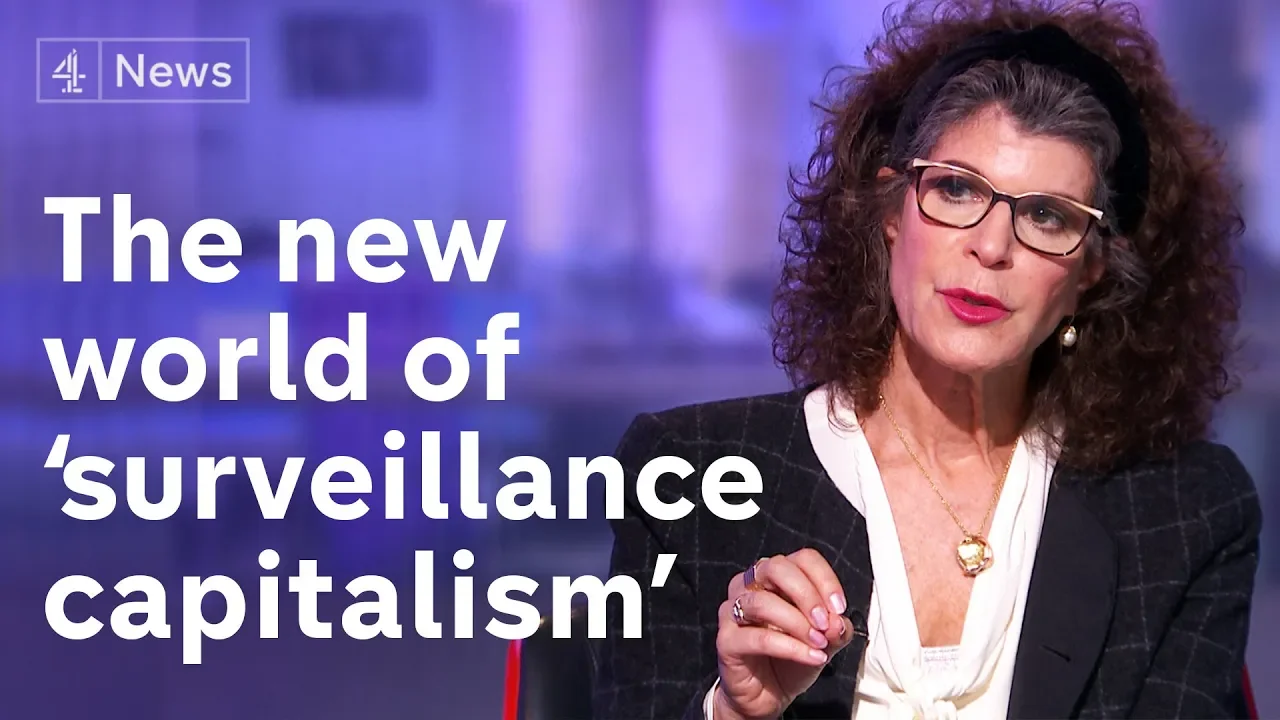
The concept of 'Surveillance Capitalism' and how branding has shifted from physical logos to digital, algorithmic tracking and personalized consumer profiling.
An analysis of Corporate Social Responsibility (CSR) and the rise of 'greenwashing' as strategic corporate defense mechanisms against anti-globalization activism.
The efficacy and limitations of ethical consumerism, fair trade initiatives, and localism as systemic alternatives to multinational corporate hegemony.
93.7K views1.3Klikes41:33Original Release: 2018-11-24
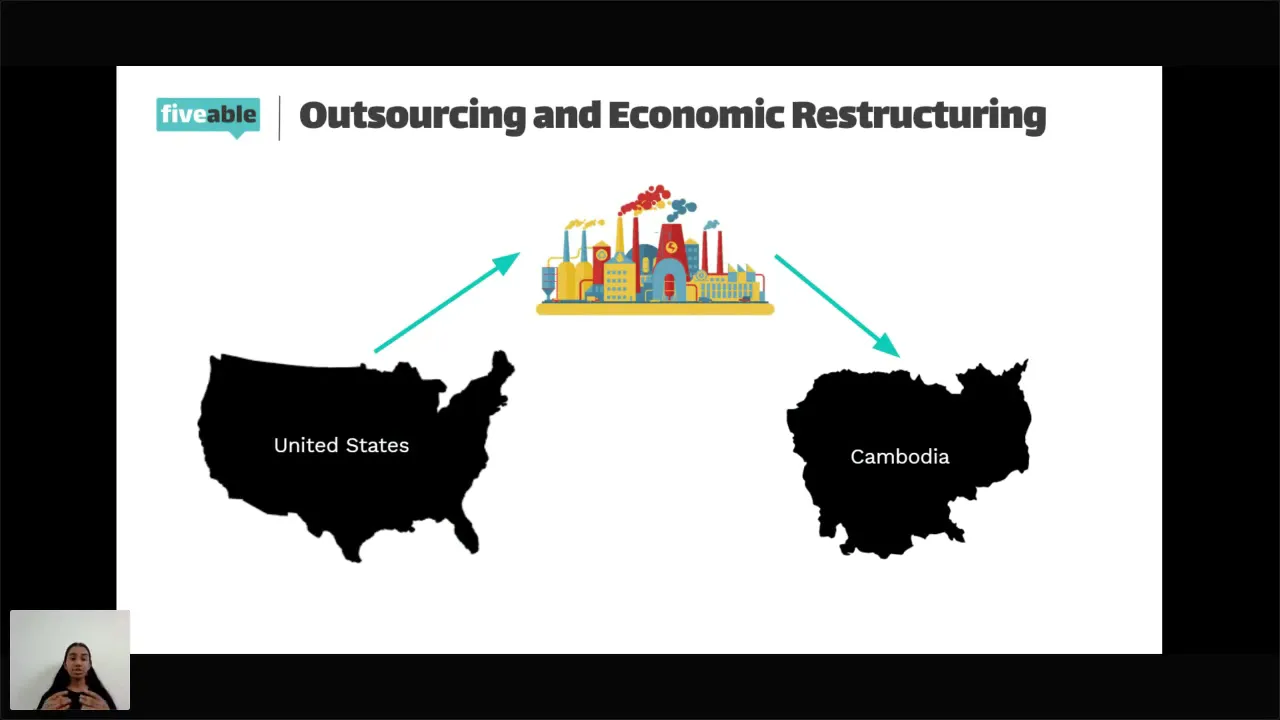
[Music] [Music] [Music] [Music] I wrote no logo based on a hunch in around 1995 I started to notice what I thought was the beginning of a new political movement political movement that would specifically take aim at the growing power of multinational corporations and in many ways would do an end run around governments and go after corporations directly we knew something big was going on I'm talking about in the mid 90s we knew there were global shifts taking place around free trade around corporate consolidation and that these shifts didn't respect national boundaries in any way and our traditional way of thinking about politics which was to change politics nationally weren't working and yet we didn't have the intellectual tools to even imagine this thing called globalization and frankly there was a lot of anger directed at multinationals like Nike Monsanto Shell McDonald's what I wanted to understand was why what were the conditions that created the backlash that in my opinion made the backlash inevitable and also what liberated this generation of young people to be so bold as to go after multinationals directly what my research brought me to was this seemingly innocuous idea that had gripped the corporate world and had sort of at this point was was not seen as a political phenomenon but was just seen as kind of management babble you would really only be paying attention to it if you read business magazines and and and books about how to make a million dollars and this idea was the idea of lifestyle branding the idea that if companies wanted to be truly successful and competitive in a global marketplace they had to understand that their true product was not their product ie sneakers movies lattes computers it was an idea a lifestyle it was meaning itself the idea of brands not products explained for me a few things at once it explained the assault on the public sphere in the form of corporate sponsorship it explained why we were seeing evermore new and creative forms of marketing particularly directed at young people it explained why despite the promise of choice and interactivity there seemed to be less choice because of corporate consolidation and it also explained why we were hearing more and more about sweatshop jobs temporary job Smith jobs why the quality of work seemed to be diminishing in many parts of the world not just in the developing world and these forces taken together which I described as no space no choice and no jobs together converged to create the conditions for what I sort of colloquially am calling no logo which is a phrase just to describe the spirit of anti-corporate resistance the process of branding in its simplest form is just the process of marking a product with a consistent logo image mascot that sends a message to the consumer a message of consistency a message of quality this process became really important with the advent of mass industrialization goods were being produced in factories and mass transport because what that meant is that all kinds of products that people used to buy from a local shopkeeper or a local farmer who they had a relationship with locally we're now coming off of trains trucks and out of factories and this was quite actually scary at the turn of the century because the relationship of trust that you had with that shopkeeper or with that farmer when it was just spooned out of the barrel or scooped out of the barrel was now subverted by these goods coming from far away being produced in anonymous factories so the original brands were comforting logos that were often people like Quaker Oats or aunt jemima that were essentially surrogate relationships it was like okay you're not buying it from the local shopkeeper you're not buying it from the local farmer but here is this image that you can relate to you can form a personal relationship albeit a fake personal relationship with this mascot with this figure but but the message was you can trust it as much as you would trust it if you actually had a real relationship how did we get from the the fairly simple role of the brand of the the Aunt Jemima of the Quaker Oats to these brand tribes that we have now where we almost follow brands like we would follow rock stars we organized ourselves into brand tribes we are a Nike type of person or a Tommy Hilfiger type of person how did how did that happen there were a handful of brands that understood that marketing could play a larger role than simply branding their product as a mark of quality they understood that they could sell ideas that they could sell lifestyles coca-cola Disney McDonald's these core American brands became powerful precisely because they understood that they were selling ideas instead of products that they were selling an idea about family coca-cola was selling the youth lifestyle in the 60s they started selling peace and love they were selling something way more profound than their fairly generic product was true which was this black fizzy liquid Walt Disney understood that he was selling the American Dream he was selling a nostalgic vision of the small time American town that people felt sad about they felt that it had disappeared the CEO of Nike Phil Knight says that he had a kind of an epiphany in the mid 80s where he realized that he didn't want to compete in a commodity market place anymore that he did not want to be a sneaker company or as he said a fashion company he wanted to be a sports company and that their core image or their core idea was not about their sneakers being better than Reeboks but was an idea about the nature of sports and that pure athletic ability and the the raw ability of truly superstar athletes like Tiger Woods and Michael Jordan is a kind of metaphor for the American Dream and so he decided to sell that idea when you have a culture where ideas are not treated as being connected to belief for action but are just commodity and just to be used and attached oh diversity let's use that to sell Benetton sweaters community let's use that for Starbucks the ideas themselves are devalued the best example is virgin what's significant about virgin is that they are so clearly not selling a product they are selling an idea the idea that they're selling is the Virgin type person the Virgin type person kind of bucks authoritative as an individual they're in their late twenties early 3rd they see themselves as a nonconformist Richard Branson the CEO the Virgin understood the power of that idea what he understood is how many people see themselves as rebels and he found a way to mass-produce the desire for individuality pedophilia so our most our most powerful ideas are now treated as brand content the environmental movement is the body shops identity Apple has used revolutionary icons like Martin Luther King and Gandhi after their deaths long after their deaths as pitchman for Apple because allegedly the Apple brand stands for doing things differently and these men did things differently because the people who are crazy enough to think they can change the world are the ones who do [Music] diesel markets to a very self-conscious ironic consumer that's their brand identity everything is Donnelly if I kind of nudge in a wink I Kia's brand identity they claim is democracy because you can put together your furniture on your own so you can really be an architect of your own destiny so our most powerful idea is a citizen's democracy revolution these are now mere brand content there were many of these of these brand epiphanies where our Starbucks would announce you know Starbucks is not a coffee company it is a community company it is about the idea of the third place which is not home and not work but rather a place where people gather and a lot of these brand epiphanies had a kind of quasi anthropological approach where what they were trying to identify was nothing to do with the product itself but had to do with what tumors were thinking and experiencing while they were consuming the product car companies realized that for a lot of young people what they love most about cars doesn't have that much to do with whatever new feature they put on they loved the act of listening to music with their friends in the car road trips that that was the most thrilling thing that you could do in a car so car commercials started saying very very little about the teachers in any given car but would just show group of beautiful 20-somethings in the car bopping up and down and singing like crazy you consuming this product is being sold back to you and it's not just about creating associations within advertising that's the old way of doing things hire an advertising firm to create an association between a desirable lifestyle and more product I use show footage of people consuming your product that's the old way the new way is to go out into the culture and find out where people actually are doing those things where your brand idea lives independently and then what you try to do is you try to merge with it or you try to buy it you try to own it if your brand identity has to do with the spirit of rock and roll in the case of Tommy Hilfiger then what you try to do is you try through many different ways it wants to merge with that spirit through sponsoring first by starting to sponsor concerts then by getting musicians like the Rolling Stones or Sheryl Crow to to sign deals to only wear your clothing then you get them in your ads then you start buying music festivals outright so you have the band's kind of performing in your ad then your ad don't even need those rockstars anymore because you are a rock star like you are you the goal is not to sponsor them but to grab that their energy and their identity so that you exist your brand has the same cultural role as the rock star you have followers of your own you are the star as opposed to sponsoring somebody else's star Tommy Hilfiger wasn't the first company to put the logo on the outside of the clothing as opposed to on the inside of the collar Lacoste and polo had been doing that for a couple of decades but there was a difference in scale because it wasn't like the little alligator in the corner it was a human that human sized billboard or almost like a walking talking Tommy Hilfiger doll and the measure of a successful brand more and more is not whether it's truly a mark of quality on a product but how well it stretches if it's a successful Cola can it also be a line of clothing if it's a line of clothing can it be a house paint if it's a coffee chain can it be a magazine and so more and more what you have is a stratosphere of the super brand where everyone is everything these are kind of imperial powers that are constantly pushing against their own boundaries and saying you know no we're not just a clothing company we can be a music company and we're not no we're not just a music company we can have we can have our own planes so you have this stratosphere of Waring mega brands that want to be everywhere and be everything because Disney has been at this for so much longer than most companies they have gone further and what they have done is they have built and essentially they've reached brand nirvana they have built a Disney town called celebration Florida have you been dreaming of going back to those days gone by well welcome to your dream come true welcome home to celebration Florida it's not about just going there on your vacation or extending a fantasy from a film of just a little bit longer you can live your whole life inside the brand and that's what what thousands of families have done they've packed up the kids and and moved into the Disney brand full-time they send their kids to the Disney school and they elect representatives to the Disney Council so it's a fully privatized life what's interesting about the world's first branded town is that there are no brands there they're if you go to celebration Florida you will see not a franchise no McDonald's you won't see any billboards you'll see lots of green spaces and parks and and and kids driving around on bicycles and Disney says that this is because they built celebration Florida as a monument to to the ideal of the of the American town of public space public space is a big part of that now that may be true but there's another aspect of it as well and and that aspect is that when you have finally reached your absolute brand nirvana where you have built the dream world in three dimensions and you actually have people living there full-time the first thing you want to do is you want to slam the door behind you and you want to make sure that there aren't any competing messages that are in any way interrupting with this perfect synergized cross promoted marketing moment and that's why what we're really talking about is monopoly [Music] people have to say about advertising well why don't you just turn it off but in many of these pieces the point is that you don't have the choice whether or not to turn it off [Music] [Music] the point is that you don't have the choice whether or not to turn it off because it's you know it is is in the streets it's right in front of your face on the subway or even in the bathroom in a public bathroom so that's the the point is to take choice out of the equation because choice when you know well even if you can click with your converter that is seen as the enemy in the world of marketing that's why you need to get your ad woven into the content of television show so choice is taken out of the equation Jodi tends to get carried away what I saw them at Starbucks together didn't I you're out a diet coke staff meeting this morning to go to Starbucks venez what about that QT that you met at Banana Republic this is business it needs to be done properly and legally it's a standard lease form Taylor I bought it at Office Depot you can do anything in a came out you can fill up on sugary snacks you can catch up on your dental hygiene in fact I'm something like this idea so much I may never leave because this store it's perfect just the way it is don't change a thing because the power of marketing is always the power of getting someone's attention and we're let's face it it's hard to get our attention we are literally bombarded with images and with interruptions at our daily lives so the ante is constantly being raised the advertisers constantly have to come up with new and more creative ways to get our attention Patrick Gauri has invented a machine that creates a beach blanket of advertising right in the sand in this case for Skippy peanut butter right now practically on this 1/2 mile stretch are proximate 5,000 impressions of Skippy peanut butter jars this marks the beginning of the commercial development of the moon and we suspect we know where it'll end as well there is now no aspect of our lives that is not open to being used in this kind of theater of the brand rewatching our logo here on the side of the spaceship is the perfect metaphor for what we're really trying to accomplish with the brand today's Pizza Hut rocket was actually the company's second choice their preference just imagined the moon a nighttime billboard as companies try to feed off of meaning and feed off of space everything is a potential prop Auto wraps one California firm paying consumers $400 a month to become driving billboards a day at the beach brought to you by a big-name sponsor even a town selling its own name to an Internet company for $75,000 welcome to half.com Oregon all of it any idea political activism all of it gets pulled into these brands tell their story as they say even in in capitalist culture there are still places where the rules of the market do not apply we we have we have lived with rules where there are there public spaces that are cordoned off and protected because we understand that they're important for our democracies when you lose the Commons when you lose the very idea of the public when schools start to look like malls when libraries start to look like Barnes & Noble bookstores and Barnes & Noble bookstores start to look like libraries you lose the very idea of there being any place that is outside of the market and I think that in terms of democracy this has drastically weakened our democracies because we have fewer and fewer places where we can relate to each other as non consumers as citizens probably the best example of that is is the the shopping mall because the shopping mall is designed to mimic the town square but often designers of malls will use this language overtly they'll they'll talk about it about creating a Town Square type atmosphere well your you'll have fountains and you'll have benches and you'll have pseudo streetlights and it sort of looks like an old-style Town Hall or town square but it isn't and you can find that out very quickly if for instance you try to pass out a political pamphlet of any kind or if you're an employee at a clothing store say and you and your friends decide to form a union and you want to have a picket line in the mall well you can't do that you can do that in the street but this is a privatized public sphere and the private rules around private property apply so protesters anyone who is exercising free speech that is seen is not being conducive to the goal of them all which is buying and selling any message that has not come to this store because we have a sale on you'll immediately find yourself in the parking lot escorted out by private security [Applause] we're not talking about a new idea when we talk about corporate censorship but what's changed is the scale Walmart owns so much of the book and music market that their brand image often comes into conflict with artistic expression we want products in our stores that a family will be proud to have in their homes Walmart in addition to being at the top of the fortune 500 list the largest employer in the United States they are also a very powerful brand and their brand identity is surprise surprise is a family brand it's like Disney it's very similar kind of identity and they pride themselves on creating a family store now this doesn't have to do with the values of the company it has to do with a marketing strategy where by having by identifying themselves as a family store they are able to attract the the fam the entire family you know dad can go buy power drills and guns and mom can shop for clothes and the kids can buy video games and and magazine so their strategy would be a family store obviously is what has contributed to their incredible profitability but part of what that means is that their brand identity as a family outlet clashes over and over and over again with artistic expression there have been many cases where they have decided that the lyrics in a rap CD or the art on the cover or the image on the cover of a magazine doesn't fit the Walmart image now on one level you can just say well that's their right it's a private company they've got a right to decide what's on their shelves but the difference is this incredible difference in scale because what that means to the record company or the magazine is that they've just written off 30% of their songs and they're not going to accept that so they start they reissue the CD and they also internalized Walmart's aesthetic and Walmart's brand values when they think about which artists to sign and when they think about what culture they're going to put out there in the first place so there's a kind of pre-emptive censorship that we never even hear about I mean we'll hear about something if it gets ganked off the shelves but what we don't hear about is the the censorship behind the scenes and the pre-emptive and second-guessing censorship that takes place that is silent censorship brands are not new but what started to happen is that companies instead of seeing their primary role as producing products and then branding them with a corporate identity we're now seeing their primary role as producing brands image meaning which could be stretched and emit into many different arenas and that producing the product was almost incidental when you buy a pair of shoes say a Nike pair of shoes even though there's a Nike swoosh on it Nike didn't make those shoes Nike bought those shoes and the way that they did it is probably they approached a broker in Hong Kong and that broker in Hong Kong told them which factory it could produce those shoes for the cheapest price so the contract to make those shoes was given to a factory in China in Vietnam in Indonesia but that contractor may then decide that they can even get a cheaper price by contracting with subcontract factories and at every stage the amount of money that goes to the workers shrinks and you end up with this maze of contract and subcontract factories the Nike paradigm as it is now called was held up as the future of the corporate world now what makes a product cheaper one product cheaper than the next they can't scrimp too much on materials because obviously there needs to be a baseline level of quality in all the products or they're going to go out of business so where they usually manage to get the savings is how much they pay the workers human rights groups say Nike pays some workers in Asia less than a dollar a day and employs child labor in some of its plants and part of the way that you keep wages down is by tightly controlling a workforce making sure that they don't start forming unions and making demands for things like health care benefits job security more control over their lives these goods are produced in what are called export processing zones they're often called maquiladoras but there are special industrial parks that have been set up especially to produce goods for export to the United States to Canada to Europe they are Walden there are high fences and they are usually armed guards monitoring these zones the workforce is incredibly young and almost entirely female the the dominant age of eighteen to twenty five and I would say that they were about 80% women and the women who worked there didn't come from the surrounding areas they came from provinces that we're at six or seven hours away this was in the Philippines and Indonesia and the people who I met said that they felt that this was done on purpose that they were designing a workforce that was very very easy to control that there was a feeling that women were easier to control the men young women were easier to control than older women and that girls who are far from their family and their community and their infrastructure what makes them strong and rooted are easier to push around our constant feeling scared and unstable and this is why it's an easier workforce to control when Mikey first started buying its shoes importing its shoes from contractors it was dealing primarily with with Japanese manufacturers but then producing products in Japan got too expensive so they started giving the contracts to manufacturers in Korea and Taiwan but then workers in Korea and Taiwan started forming unions and started getting higher wages and Nike and Reebok and all the companies that were producing products in Korea and Taiwan weren't very pleased with this so they canceled those contracts then what happened is that the companies that owned the factories in Korea and Taiwan moved to the Philippines Vietnam China and opened up factories there the government's in these countries will say okay well we'll give you a ten year tax holiday can come to our country you can set up a factory no tariffs and we'll guard what you will guard your factory make sure no pesky union organizers even get in there and then the the company will say in you know we have a docile workforce we can give it to you for ten cents cheaper apiece so there's a kind of a global auction going on and the pawns in this auction are the workers themselves and that's why even though the promise of globalization is that it will lead to development in poor countries and that wages will go up and the situation will improve what's actually happening is we're witnessing a race to the bottom where where countries are out bidding each other for who can abuse their workers more but the significance of for a company like Nike is that building these kind of utopian branded world costs much more than just advertising a product so you often hear companies openly saying that we have made a choice we have decided to build our brand but that choice has consequences and one of the consequences is that when that decision is made it is often accompanied by a decision to sell off factories and to embrace the Nike model the company that owns all this intellectual property but doesn't earn any Factory when a company decides to embrace this model that obviously immediately affects their workforces in in North America and Europe people who had steady unionized jobs were paid enough to support a family lose those jobs cutting 6,000 jobs now unemployed lost another 42,000 jobs cutting 11 and a half thousand jobs from factories across the south to plants overseas where labor is cheaper the communities that were built around a factory that depended on these factories are often gutted and the jobs that often come to replace these manufacturing jobs are these new economy jobs that are often service sector jobs they are often temporary jobs it's significant that in the u.s. right now the two largest employers are Walmart and manpower and Manpower's is a company that doesn't produce anything it supplies people it is a temp firm a huge temper they have a roster of temporary workers that they offer to companies on short-term if you need to move it clean it cater it build it up or tear it down and you can help the service sector jobs are often also short-term jobs and we here at the term McJob used to describe people who sell the products for these mega brands like Walmart the Gap Nike and there's a feeling that somehow they are not real jobs and by real job I mean the kind of job that would have benefits that would have some measure of security that an adult would have that they would be able to support kids with in fact there's been a kind of a campaign to see these jobs these mall jobs these service sector jobs that have largely replaced manufacturing jobs for the working-class the United States a campaign to see those jobs as almost jobs with training wheels on not real jobs you often hear well I know it's kind of lousy working at McDonald's and you don't have any control over your shift and your manager doesn't respect you and you're you know there are all these crazy rules about how you can't talk to your co-workers but it's good experience it's a good experience for some real job down the road I'm Carol Martin and this is - Donna and it strikes me that this is quite a feat on the part of these extraordinarily rich multinational corporations that they have convinced us and we have largely accepted this logic that the jobs that they create should not be held to the same standards as so-called real jobs so in a sense what we're seeing is using branding that is so amassed in our culture and in our lives as a way back into our own society is a way to engage with globalization because if you pick up a shoe now you have the story of globalization in your hand you have leather that was maybe produced in Argentina shipped to to the Philippines produced by a Korean subcontractor that went through a Hong Kong broker that was dealing with a company in Oregon so you're looking at this thing and if you can deconstruct it if you can trace all the components through the global economy and not only that but find out how much that company that's selling you that shoe spent on advertising last year and how much money they paid a superstar athlete to sponsor them then you you have the disparities of the global economy and they enter the winners and the losers what we've seen in the past six years is an explosion of brand based investigative activism where you have campaigners that have peeled look behind the brand peeled away the facade to see how the goods are produced there are labor groups in the United States that have sponsored tours of Nike workers as gas workers going to US campuses to community centers to tell people how their products are produced mean embrace Kenya even go dominicana para usted esté pan como nosotros estamos en nuestros futuros para ustedes upon estas Dora's hello my name is Kenya I come from the Dominican Republic and I come here so that you may know that we are sacrificing our life so that you can wear these hats and of course this is very uncomfortable for these companies because even though they are the engines of globalization they don't really believe in globalization not this kind of localization right I mean their whole system depends on the world of production and the world of consumption staying safely apart and they're not being this connection at the grassroots where we learn the secrets behind our shiny perfect airbrushed global world so now these brands have become in many ways the most visible targets of globalization so much so that whenever you see a protest during a protest there'll be a line of riot cops guarding the Starbucks guarding the gap guarding the McDonald's and this strikes me as tremendously symbolic somehow that they're there guarding the facade the entry point into the world of globalization and what this activism is doing is it's putting them together and it's going to the shiny facade of the brand outside the mall outside the superstore and saying we know how your products are produced that's what these campaigns do they make globalization real they say it's about the food that you eat it's about the clothes that you wear it's about the toys you buy your kids I'm often asked you know so what do we buy how can we shop ethically in this context and the truth is that it's very very hard to do you can't go to the average mall and go to the ethical section and and buy products that you know are produced under under ethical conditions the truth is that you that there is no way to change the world through shopping but you can actually work on a few different levels at once you can work as an individual by supporting businesses that are making an effort to produce their goods under ethical conditions you can also buy in bulk as a school in ways that have a positive effect on an industry but I think more importantly than that I think that you can be part of this global movement that is really about creating more ethical conditions of trade fair trade as opposed to simply free training so if you keep following the logos still further you end up inevitably on the doorsteps of the World Trade Organization at the World Bank at the International Monetary Fund you end up on the doorsteps of the institutions that are writing the rules of global trade what these institutions believe people at the World Bank the International Monetary Fund the World Trade Organization what they honestly believe is that what's good for business what's good for large corporations will be good for all of us eventually so that when we write the rules for trade we should write rules that are in the interests of these large corporations because if we do that if we make the conditions good enough for them then eventually we will all reap the benefits in terms of jobs even in terms of the environment what we're hearing most forcefully on the streets is not an anti trade message or an anti globalization message but a rejection of the logic that what's good for corporations will be good for everyone and that we should take a spectator ship approach to our own democracies that we should just watch and wait part of what we're starting to see at these huge protests outside of trade meetings Alec Seattle Washington Prague Genoa every time world leaders get together to talk about the global economy there are these counter demonstrations and what is being articulated is the beginnings of a movement that is about reclaiming the public reclaiming the Commons and that's a really difficult thing to do because of course so much of our lives has been privatized and is now within within the umbrella of the market that even talking about the Commons is like trying to talk about the matrix while you're in the matrix during these protests one of the slogans on the street is the world is not for sale and part of what's being done is carving out spaces where we can say that the rules of the market should not apply here what we're seeing is an explosion of activism that is about reclaiming the public reclaiming the Commons and this is taking many forms one form might be culture jamming ad busting or billboard liberation where you have groups of activists that are forcing a dialogue where there is only a monologue on the street so that might mean climbing up on a billboard and placing your own message over a commercial message hacking into that message and and parodying it or sending a message about how the product that's being advertised is produced or where it's produced and under what conditions somebody hijacked the sports shoe company's website instead of the Nike logo web surfers found a message apparently placed by hijackers hackers that is in Australia protesting world trade policy so we're seeing more and more direct action I think that there's a new impatience out there that people aren't waiting to be granted rights that are already ours that are already enshrined in law and if the market isn't providing in the much promised trickle-down if it isn't providing for people then people have to take action in order to meet their basic needs in fact have a right to and even if they face repression from the police in so doing there they are behaving ethically and they are behaving as citizens and that's where the debate about globalization really is that it's not about saying I'm for or against trade or on for or against this institution it's about democracy it's about people's rights to be authors of their own destiny to control and have a say in controlling our shared public resources [Music] [Applause] [Music] you [Music]
Up Next

16:02
FLCL and the Bildungsroman: A Literary Analysis of Coming of Age
@GoatJesus
48.5K views•2015-08-08

12:54
Triumph of Orthodoxy Icon: Byzantine Art & History Explained
@BenCallan
2.1K views•2024-08-06

9:49
FastAPI vs Flask vs Django: Choosing the Right Python Web Framework
@TechWithTim
302.5K views•2024-05-26

1:42
Game of Thrones Opening Credits: A Cinematic Analysis
@gameofthrones
46.3M views•2011-04-18
Related Study Plans & Knowledge Roadmaps
Structured learning paths in General & Interdisciplinary Studies
general-studies
Elevator Engineering: History, Physics & Cities
01From Hoists to Safety Brakes: The Dawn of Vertical Lift
02Hydraulic vs. Traction: The Engineering Physics of Elevators
03Modern Speed, Safety, and Algorithms
+ 2 more learning modules
12h5 modules
Explore Roadmap
general-studies
Rubber: Material Science, History & Geopolitics
01Origins of Natural Rubber & Mesoamerican History
02The Chemistry of Natural Rubber & Vulcanization
03The Geopolitics of the Rubber Boom & Colonization
+ 2 more learning modules
12h5 modules
Explore Roadmap
general-studies
Containerization: Evolution, Logistics & Trade
01Ancient Trade & Bulk Cargo: Amphorae to Barrels
02The Industrial Revolution & Cardboard Packaging
03The Containerization Revolution: Malcom McLean
+ 2 more learning modules
12h5 modules
Explore Roadmap
general-studies
Textile Tech: Evolution, Labor & Global Impact
01Pre-Industrial Textiles: Handloom & Cottage Industry
02Mechanization: The Spinning Jenny to the Power Loom
03The Factory System & Global Labor Transformation
+ 2 more learning modules
10h5 modules
Explore Roadmap