
![Corporate Earnings 101: How To Read Company Financials [FREE COURSE]](https://i.ytimg.com/vi/dqhsR-zC4LQ/maxresdefault.jpg)









![[AU] Startup 101: Understanding Term Sheets | LegalVision](https://i.ytimg.com/vi/r0poZU6A1lw/maxresdefault.jpg)






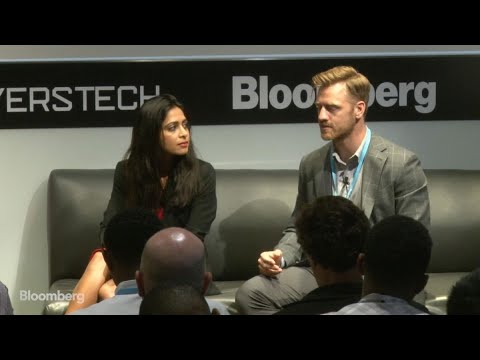
This video provides comprehensive guidance on fundraising for early-stage fintech startups, covering pitch deck structure (elevator pitch, problem-solution framework, market opportunity, competition analysis, team presentation, and funding ask), investor types (angel investors, VCs, corporate investors, crowdfunding), and practical tips for building credibility through regulatory endorsements, team composition, and strategic partnerships. The presenters emphasize that successful fundraising requires understanding your target investor type, preparing a compelling narrative that connects personal experience to the problem being solved, and demonstrating clear traction and unit economics to justify valuation.
Fundraising Strategies for Startups: Pitch Decks and Investor Types
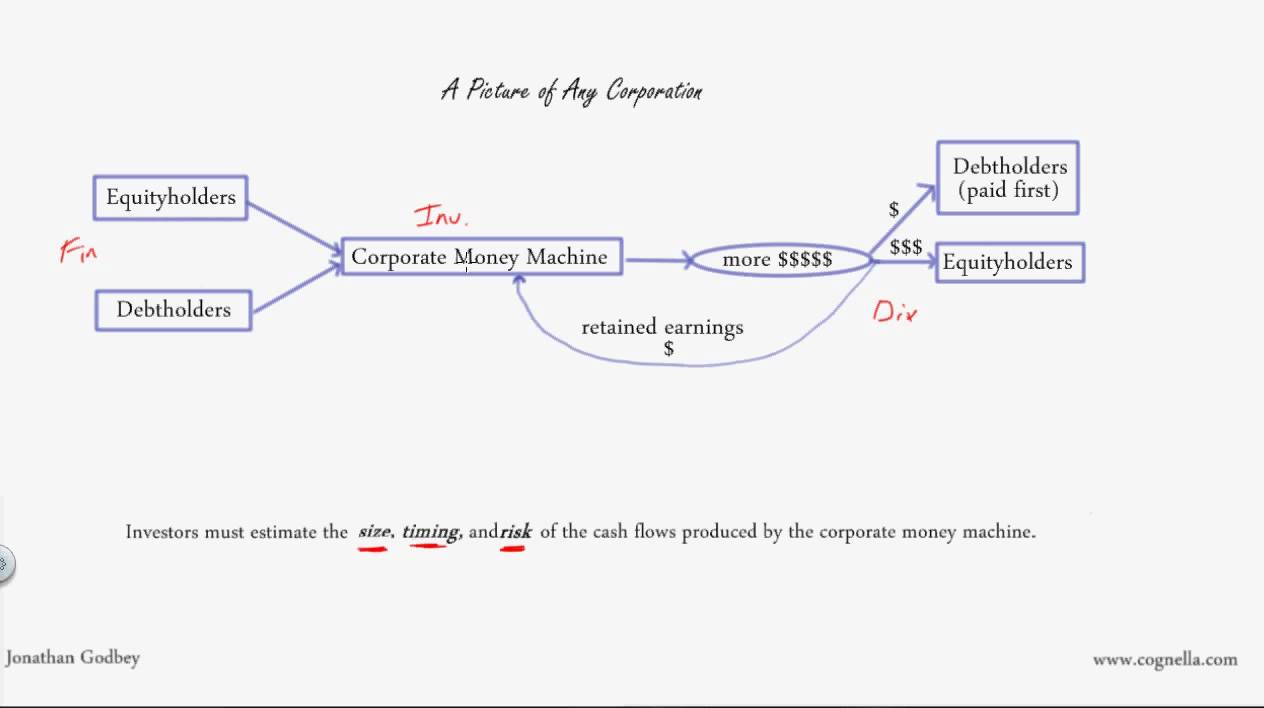
Added:Understanding of basic corporate finance, including cash flow, revenue models, and financial statement analysis.
Familiarity with the startup lifecycle stages, from ideation and Minimum Viable Product (MVP) to scaling.
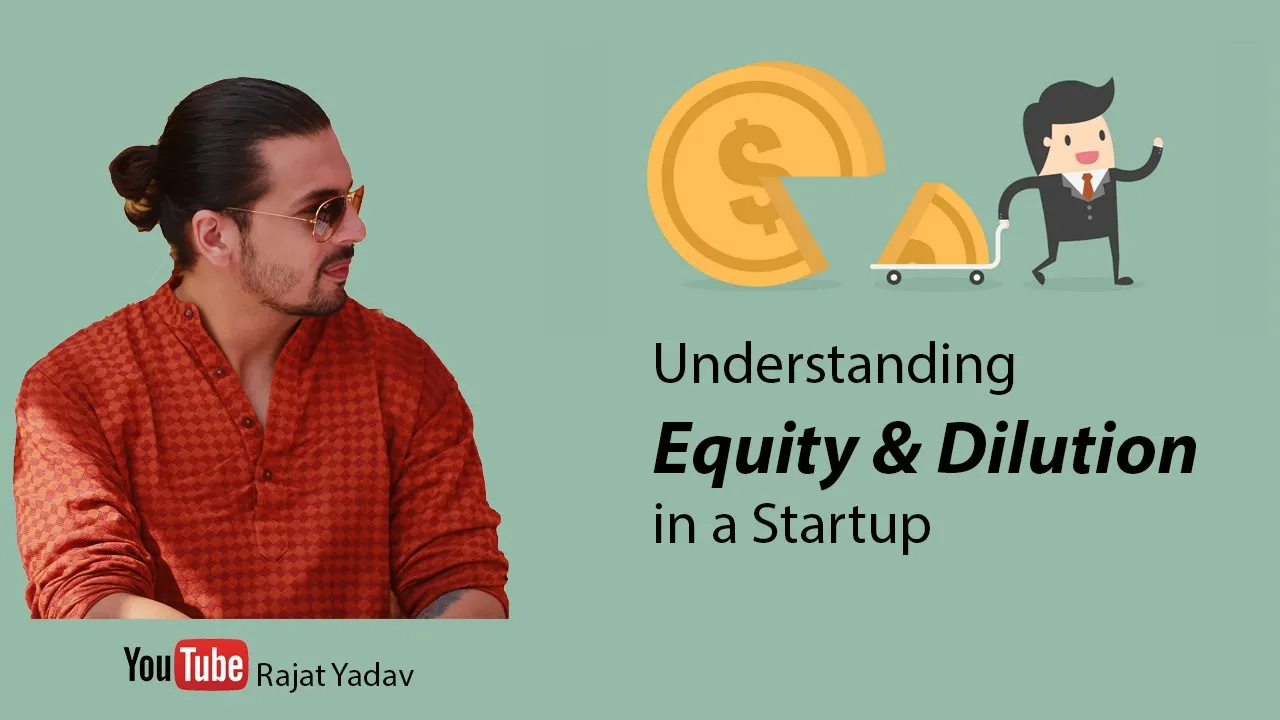
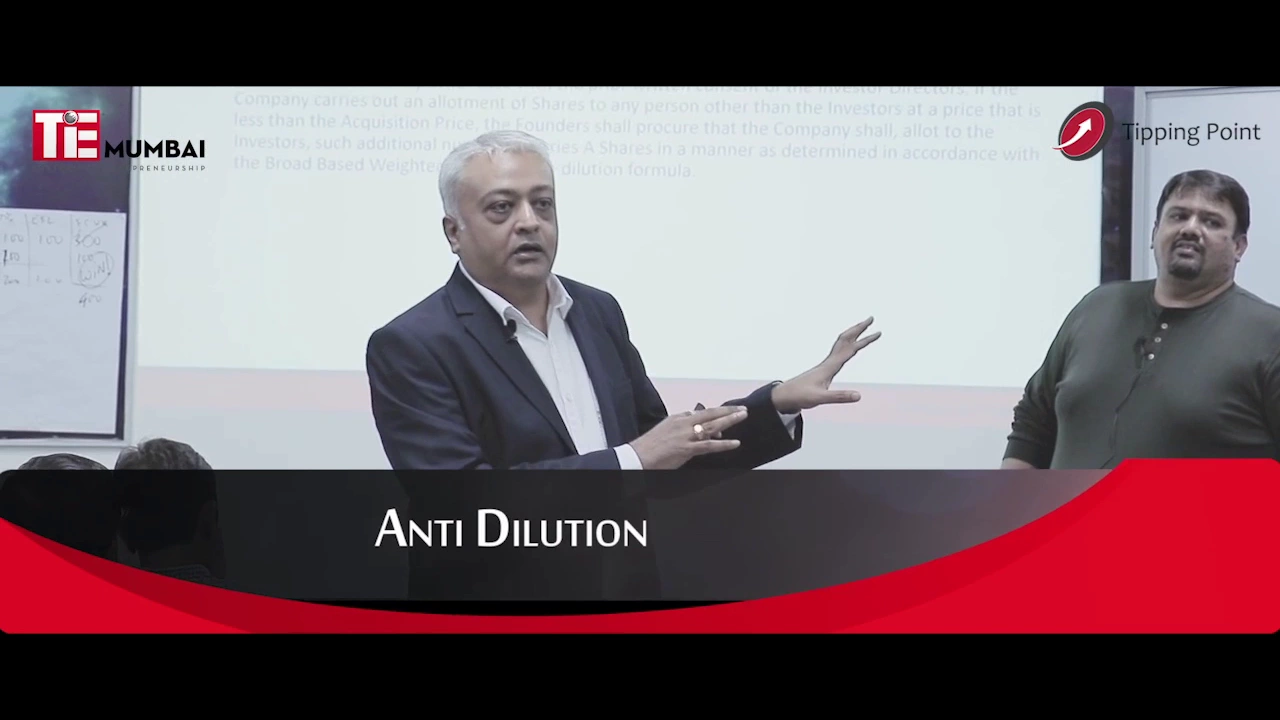
Basic knowledge of business equity, ownership structures, and the concept of dilution in private companies.
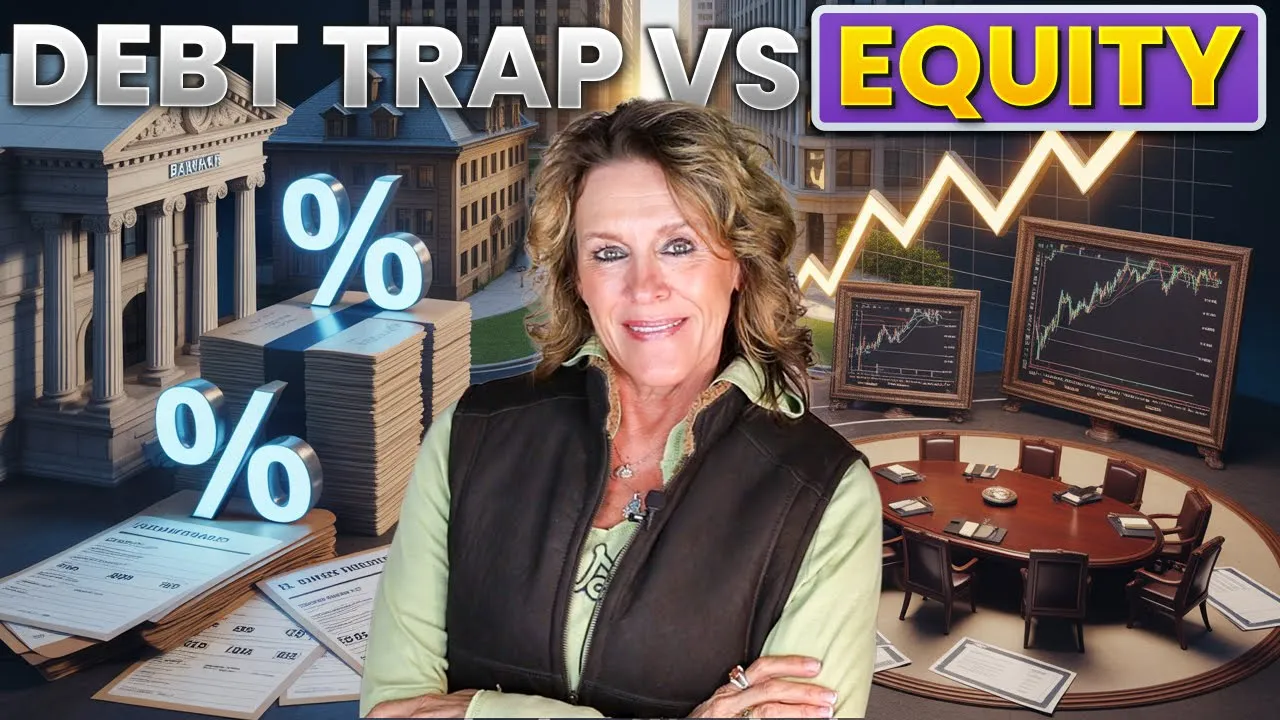
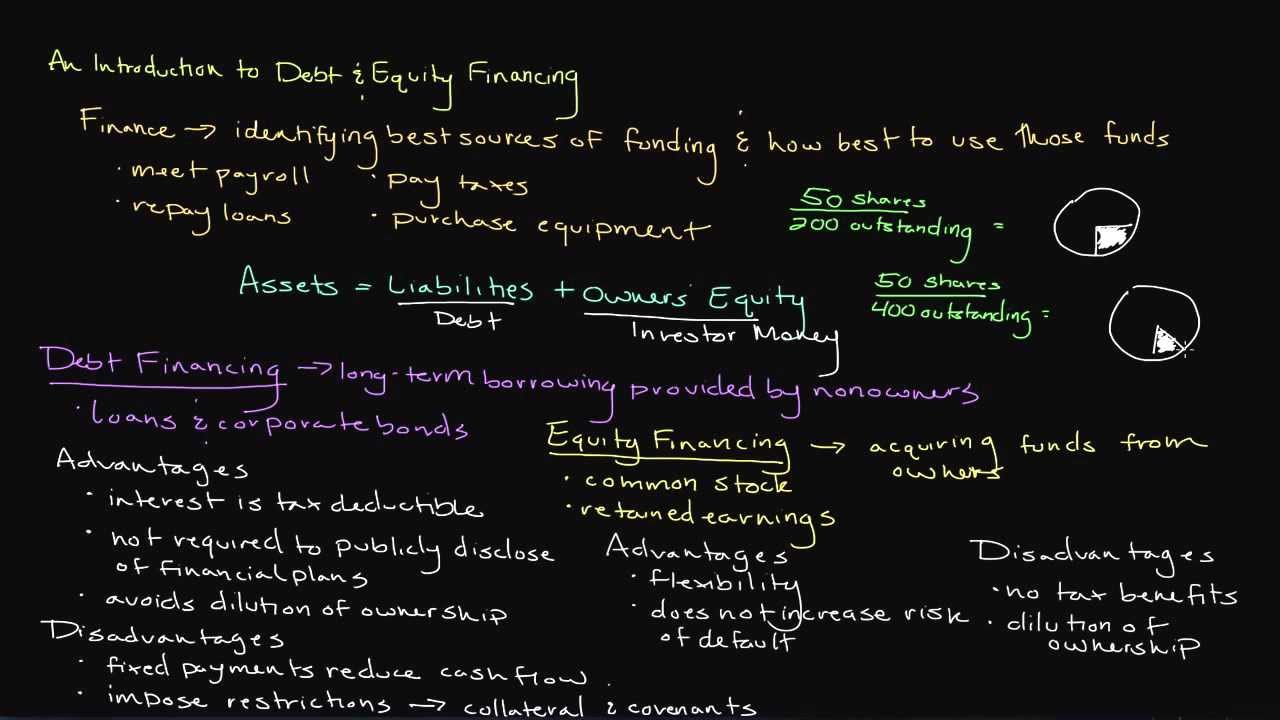
Familiarity with the fundamental differences between debt financing and equity financing.
Mastering Term Sheet negotiation, including clauses like liquidation preferences, drag-along rights, and anti-dilution provisions.
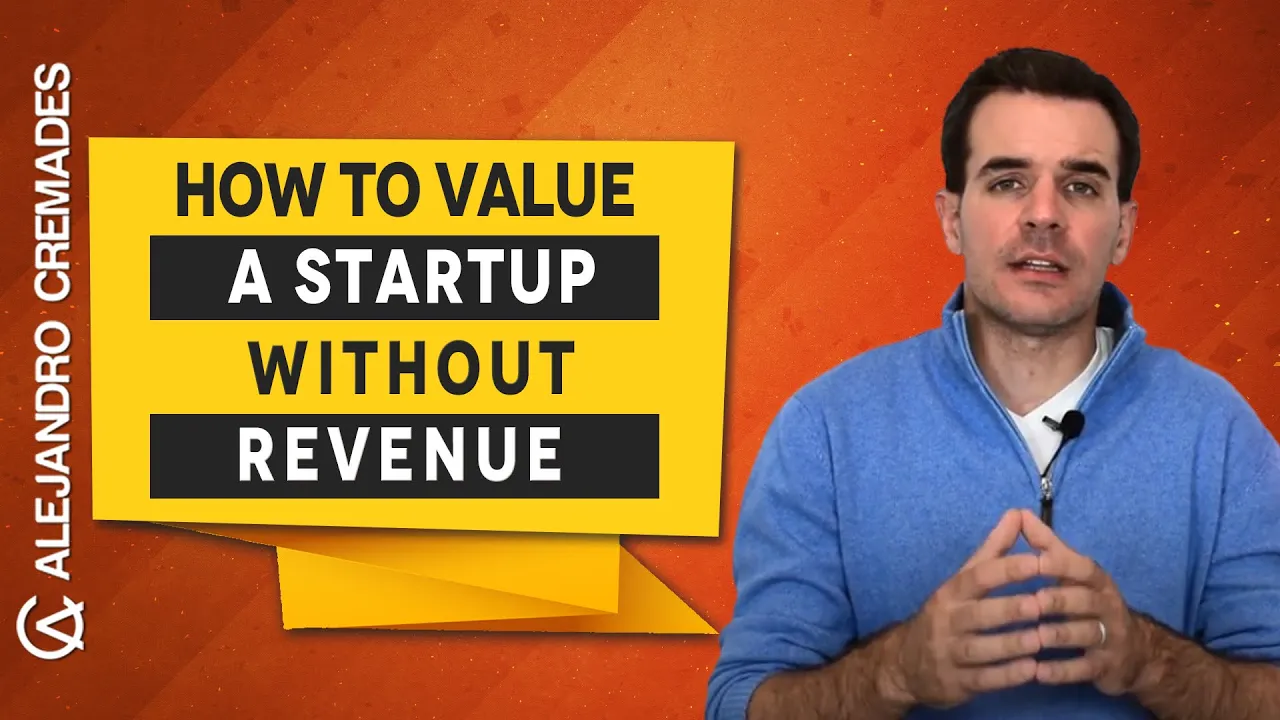
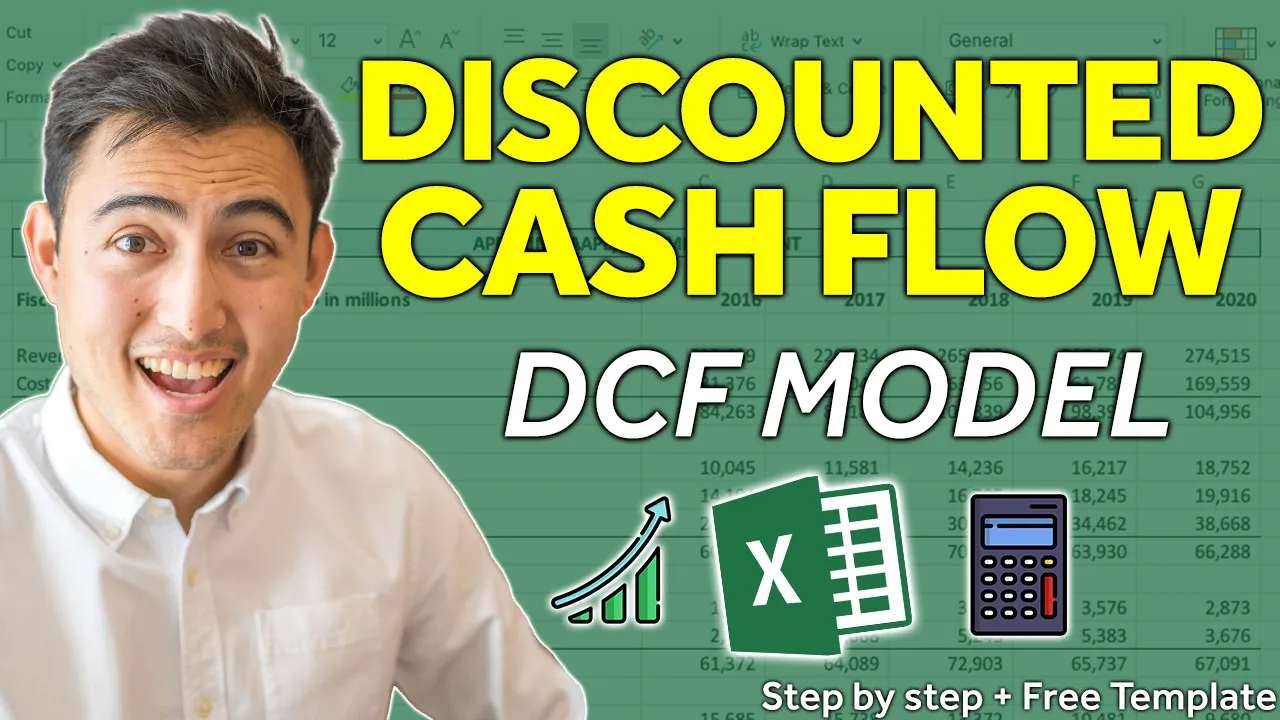
Advanced startup valuation methodologies, such as Discounted Cash Flow (DCF), Venture Capital Method, and Scorecard valuation.
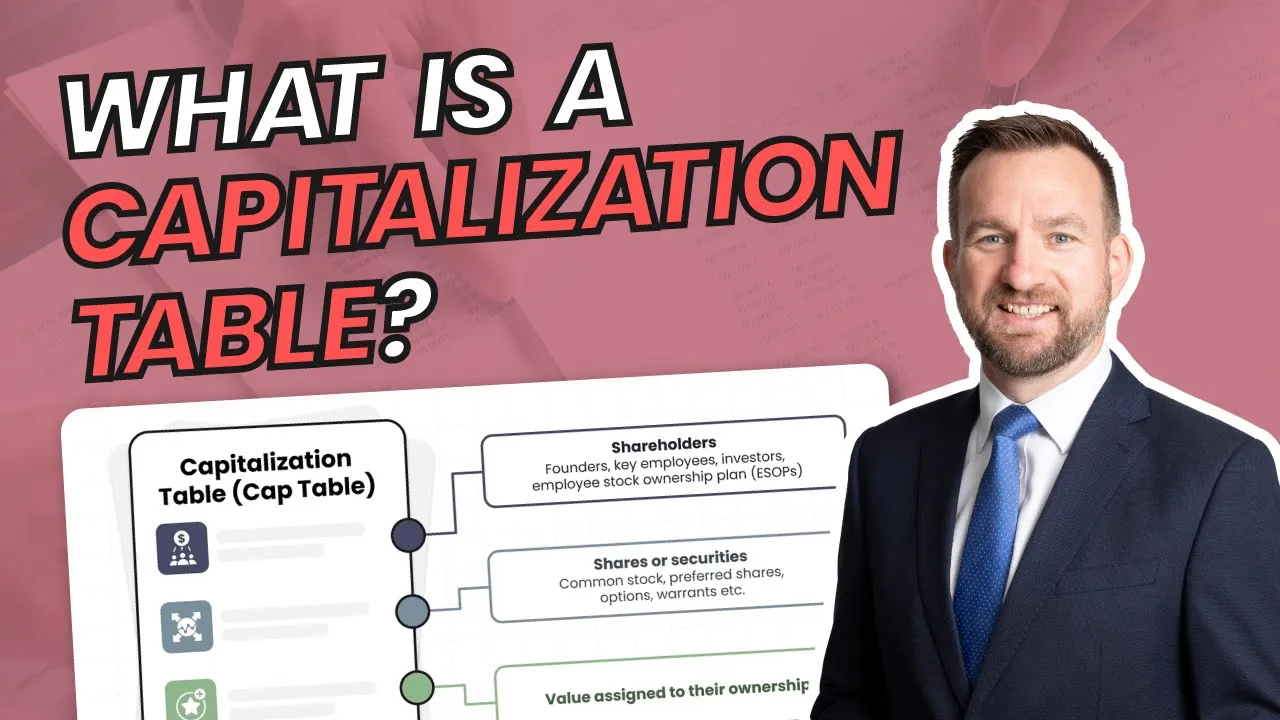
Structuring and managing a Capitalization Table (Cap Table) to model dilution through future funding rounds.
Preparing for investor due diligence, including legal, financial, and technical audits.
122 views3likes1:26:10Original Release: 2020-09-10
talking about preaching and we'll be responding to as many questions as we can uh i will pass the mic now to brother sharif rafi to introduce himself and go straight into his presentation sure go ahead uh uh nice to have you this evening depending on which part of the world you're at um it's about 10 30 here in singapore or southeast asia so it's pretty late but i guess the startup founders you know where this is the time where we're probably most uh alive right uh so uh time is of essence and uh we like to time boxes within um yeah you know the next half an hour or so so i'll just very quickly jump into a bit about my background uh so myself i've been the multiple time uh founder um i've got the steam in a corporate vc um and i've been in the tech startup ecosystem for the past um uh 15 16 years ago so i've had the opportunity to network and be friends with folks who have started companies seoul companies um have race you know from their seat round all the way through to their series a series b i've i've you know had the chance to observe uh funds who've started off life as a 10 million dollar fund and now having close you know 150 million dollar funds right um some of the startups i've built in the past you know includes um uh an edutech platform a self-paced uh adaptive edutech platform uh which we then um pivot to help power um social organizations with their peer mentoring programs we've also i've also run a social ecommerce site where we feature designs from artists from around the world and then we sold it at a discount in a flash sale model um i've also run uh a mobile development studio um a business i was involved in uh where we built all kind of enterprise-grade applications from for banks to telcos to brands big and small so it's quite a varied experience until very recently i was also with a i decided to join the darker side and be part of a corporate dc venture capital uh venture investment and innovation arm of a global bank so it was nice to be on that side the whole point of that was try to solve problems in a much more scalable way from a portfolio approach right so the main focus today is is to obviously you know try and unlock some amount of funding now there's some key assumptions here when it comes to unlocking uh funding we're assuming that you're building a venture back startup right so not every single uh venture or business that we build will be suitable to raise fund um especially from um institutional investors such as venture capitalists and and the likes um some of them might be lifestyle businesses uh with very little uh limitations to scalability and that's fine that's perfectly fine like you can go ahead and build those business you can make a very nice income stream for you but that may not be something that investors may be keen to invest in right but if you're building something with the view of having a venture back company that would like to fundraise and scale at a really fast rate then you'll likely run into your situation where you want to go out and pitch to folks right uh and so the main focus here is assuming you're trying to build a venture back company then how do you put together a piece of presentation and present yourself to would be your potential investors whether it be angels or even institutional investors again such as dc's right so um what i want to do here today is it's a little bit uh unusual from the typical presentations that i do uh instead of just walking you through um what are the typical components um off a pitch right um and the recipe is to building a pitch like i thought you know i do things differently by showing you um a pitch that i i would do a pitch myself right and and then i'll walk you through step by step uh the the various components of my own pitch deck um and then give you some insights into the thinking behind the components of the the various slides of the pitch diagram right but generally speaking um when you're gonna go out there and meet people and raise funding you will need a few things in your toolbox right one is you will need a elevator pitch now an elevator pitch is just a verbal pitch that you could communicate to someone when you see them in an event or on a short call or whatever the opportunity may be right and this could be this could range from a one minute verbal pitch or it could be even a 30 seconds or even a 10 second what we call a twitter pitch so no more than 140 characters 140 150 characters now that is one aspect of it but the dose twitter page or elevator pitch is just to help you garner interest gain interest to have one foot into the door now once you get uh you've got an interest and you've built a level of intrigue you'll likely be able to score a follow-up meeting right and this again you know in part two with the kovit situation this could be in the form of a call uh if not an in-person uh catch-up so likely it's gonna be a call like this um so the bulk of that will then be your five minutes five to ten minutes uh pitch this would be your proper picture deck uh style with the various components so what i want to do is just very quickly list out the the key components of a typical pitch deck right and remember the whole point of a pitch is to help you move forward in the conversation right um if it's a twitter elevator pitch is to help you get a meeting and then once you have that meeting is for you to have that first introductory conversation to go deeper into your your concept or your ideas um and then to score the follow-up meeting with say another partner in the in the fund and then you work your way through from you know typically an analyst associate to the partner and then finally you will get to the um ic level right or the investment committee and that usually you'll get a yes or no and then if it's a yes from enough partners then congratulations you would have you know a term sheet or you would have an offer on the table and then um everything's fine and then hopefully um but to go through that gauntlet uh those are the things uh things that you need in your in your toolkit now let's assume you've sorted your twitter page your your elevator pitch um now what are the key components of your main pitch deck right so there's usually about 10 to 12 key slides this does not mean your slides will be actually 10 to 12 slides long if you could that's fantastic i always have that problem when my slide decks are too long um way more than than 12 slides but generally the components are um you would start off with of course your your cover pitch or slide and then where hopefully you'll be able to give a teaser or encompass what is it that you're trying to achieve and then the next part is you have to go into the bit around uh what is the problem that you're solving right um and that's obviously the key part like the whole point of having a startup is if you think about it we're nothing more than just if you dilute if you dilute it down a startup is nothing more than just an experiment right around solving a problem that is meaningful and big enough being able to convey very quickly what is the problem that you're solving and who is this problem for is very very very important we call that the problem slide this may be done in a slide or two uh depending on how complex it is and then yeah are you sharing your screen no not yet not yet i'll jump into that in a bit yeah okay so yeah and then the next part is your um your target market or the opportunity now this could be your market size uh and what is the general uh opportunity that you're targeting right and then after that you can go into your solution right once you validate it that you know the problem truly exists and it's big enough and interesting enough to be solved and the market is huge enough you will go into your solution right however you plan uh to solve the problem right and once you go into your solution this could be a slight or two and then you go into what is the how do you make money right what is the business model or the potential business model or the potential revenue streams right and then best of all if you can show you know what sort of traction that you've done assuming you're a post launch company um you want to have your attractions light right the traction slide is usually like the keyless light because that can help show that you know you've already launched you're in the market you know you have some data points you have some key learnings and hopefully you're killing it right like you're you're you're doing really well and you're having this hockey state growth um at some point you might also have your competition slide right to help your investors know that you know what the competition landscape is right and how you compare against the the competition now a rookie mistake is usually you know some people will say oh we're the only one doing this there's no one else doing is the thing is if you look hard enough you'll find someone else who's doing it and it's always good to have a competition or the closest competition compared to because that helps validate the market that you eat as well so don't be afraid of competition and then at some point you will also have your team slide right this is the who you are and why you're the right person to do it um and then of course you know you might cover a bit of your financials especially if you have traction or you want to look through your unit economics and all that and then finally you have your your ass slide and this is the all-important like what do you want to raise and what you plan to give away right now this might be com you know communicated from a perspective of um i want to raise x amount of dollars this is the valuation that we have this then implies that this is the amount of uh percentage of the company that you plan to give away um there's also other ways of framing and ask and i'll go through that you know when i run my own um uh uh presentation slide uh in in in a bit right so that's the general um layout or safe guide to preparing a a pitch deck those 10 11 you know key points right and finally you might end it with a hopefully not with a thank you slide but one with your contact details and your name and how they can follow up with you right so that's the general framework so what i want to do is to give much more context as to how that slide might be i'm gonna very quickly share my screen and take you through my own page alrighty present now an entire screen all right let's do this and and feel free to you know type in the in the in the chat screen if there's one uh your questions or we can also leave the questions towards the end and can do q a later all right so what i'm going to do is i'm going to jump straight into my pitch it'll take about five six minutes or so and then i'll walk you through uh uh the to explain my thought process behind each pitch right so here we go and only starting with bismillah so hi everyone my name is sharif and i am the founder of outpost at outpost our mission is to help modernize street food vendors and integrate them into the modern society so everyone has got to eat and starting a food business used to be a great way to earn cash that's how my grandparents that's what my grandparents did when they moved to singapore some 60 years ago that's what my parents did as well when they had me some 30 over years ago and we knew our friends and family who also did the same thing to earn an extra quick buck on the site but you see today it has become increasingly difficult to do so now to open a food business you supposedly have to have a restaurant and though it's seemingly desirable but the cost structure of running a restaurant today is not so sustainable right it costs anywhere between 100 200 000 to set up a restaurant and then it might cost another 10 20 000 a month just to run it if you're lucky you might make some profit in two to three years time if not you might end up losing money true story that's me a younger version of me when i set up a full stack food delivery business while everything went fine initially but we had to close it down due to us unsustainable cost structure now on the flip side of that you've got your street food vendors um there's hundreds of thousands of them across developing cities they cost less than a thousand dollars to set up and they're much more mobile resilient responsive to demand and not at the run the risk of being uh threatened by landlords right however they run the real risk of literally being taken off the streets due to uh hygiene uh and regulatory uh pressures so but what if we can have the best of both worlds meaning the cost effectiveness and mobility of streetcars plus the high fidelity operational and hygiene standards of restaurants see setting up one restaurant can easily deploy a hundred streetcars and more importantly it could fund a hundred folks to also earn a living for themselves so there's also that social impact component there so at outpost we truly believe that is the basic right of everyone to be able to earn cash by starting a micro food business and to that end we want to help raise the economy social and operational standards of the average street food vendor while helping the local communities have access to clean yet affordable food on a daily basis so what we're trying to do essentially is level up this guy and provide them a more efficient and hygienic way of operating on the street and once we and what we've learned is that when we enable this it then allows us to work with established brands to also take their business to the streets where once upon a time street food vendors will seem unhygienic and not so desirable once we solve the hygiene and the operational standards it enables established brands to have a much more cost effective way to reach out to their customers so to enable this we've got a full stack solution uh which is a combination of software hardware and food wear now on the food west on the hardware side we're basically trying to look at how we could re-imagine the good old street card introducing to you the street smart card think of it as the tesla or street cards but at the price point of toyota every one of our streetcars has got a modular setup so depending on the food item that you sell you could hot shop your cooking equipment it's got a chest chiller to keep your meat produced fresh a water dispenser to ensure they have access to clean water as they roam around the streets and a gps tracker wi-fi to help broadcast their location it's also got a power unit so that um merchants do not have to be connected to the grid to run their business price point it starts as little as a thousand dollars and for a little bit more you could have the e-bike or even a motorbike version here's the best here's the best part it should cost our merchants zero dollars upfront that's right zero dollars up front uh to be in business thank you thanks in part due to our micro financing partners what we then do is do a backward integration to ensure that only trusted source of food which originates from a central kitchen gets supplied to our merchant so that we make sure that the entire supply chain is not um conflicted right we then do a forward integration into all your modern payment platforms delivery platforms and even and you also give a mobile point of sale uh app to our merchants to enable them to manage your business digitally this dance enables a new set of user experience for our consumers to discover and order their food products straight from the merchants we we focus to innovate deep within the streetcar level and the supply chain level and we work with all your existing payments and delivery platforms ideally we like to build a product that integrates nicely into your super app players so that we can tap on their user base um and save on the user acquisition cost now how do we make money just to be clear at outpost we're not selling hardwares uh instead what we try to do is to help our merchants be able to sell more and in a better way and we partake in that value creation so for example when we help them uh obtain trusted source of food supplies from central kitchen we make roughly about 20 to 40 of the margin when we uh sell direct to end consumers we make anywhere between 100 uh to even 10 of the margin depending if it's sold by us or so by our franchisee but here's where things can get interesting given the digital capabilities that we've built into our street smart cards there's a real possibility for us to add on other layers of revenue streams such as digital advertising topping out of your sim cards or payment for your electric bills or even handling of e-commerce packages on behalf of e-commerce companies and if things works well within the food industry there's a possibility for us to expand to other verticals as well but for a start we'll focus it within the street food ecosystem and we want to offer value to both consumers merchants as well as the government agencies to help them better manage street cards and help them be recognized to be an integral part of society in terms of competition while one may argue that you know how do we compete against the likes of cloud kitchens or food delivery platforms we think they are complementary partners within the ecosystem instead our competitors are your traditional cards or even malls and restaurants but like i said earlier we try and combine the best of both worlds so that you know we could build a new retail experience in terms of the market is huge every day 2.5 billion people consume from street food vendors around the world in indonesia itself the market that we plan to launch first is over half a million street food vendors that needs to upgrade their business and like i said brands are now looking this is a new viable way to reach out to their customers so there's tremendous hatred for growth and once we get our playbook right in indonesia there's a real possibility for us to expand to other emerging markets so now is really the right time brands are looking for more cost effective ways to reach to their customers street food business needs to upgrade their business to stay in business and at outpost you're providing the end-to-end solution in terms of team we've got a right combination of experience and youth so audrey runs a workshop that has built hundreds of these wooden carts now i'm helping him build the modern version of that ari runs a local franchise business so he knows the underground operations and like i said earlier my family and i have got generations of experience in the food business and i used to run a mobile development studio as well so some of our team members are on board in building the digital experience side of things uh we're looking to raise a half a million dollars on a safe note and we so far raise about a third of that amount so join us not only in empowering street food vendors but also in shaping the future of microretail thank you so that would be the end of the typical pitch that i've done if you've time it that's probably about about seven minutes or so right um so usually it's between five to ten minutes and then what you will have after that is a bunch of appendix right these are the things which uh may be important or may come up in a q a session uh and you want to be well prepared about it and this could include your development roadmap it may include your uh marketing or your merchant acquisition strategy in this case for us much acquisition is key um and then if there's a onboarding process for for your customers or your brands you might want to map that out as well you need economics you know more insights into your competition your mock-ups and whatnots right so i'll cover that more in a bit but what i want to do now is go straight back to the top of the pitch so if you notice i started off with giving a quick uh overview as to what is the mission of outpost and i think that is key because you want to help people understand what is this big picture that you're trying to solve but yet in a tangible and relatable way so i mentioned that at outpost our mission is to help modernize street food vendors very clear very you know straight to the point they know who our potential target um audience and what that we what's the value that we plan to offer to them right i then started off by giving a bit of a personal story personal story in a sense that you know we established that the market is huge people gotta eat and starting a food business used to be a great way to earn cash that's how my grandparents started that's how my parents started and then eventually even at some point i mentioned that i even did the same thing right so if you notice what i did here is i interweave that personal story very quickly in the early part of the of the presentation this is a way for us to help establish um a form of authority right it will be helpful for your investors to know that you have some domain knowledge like you have some personal experience in this you have experienced this personal pain point or you've observed it through your family members or friends or within your community so this is something that i helped to establish from the start keep in mind that when you do a pitch it's it's really a story right don't think of a pitch as this very structured 11 12 points that you're trying to get across think of it as you're bringing someone through a a story just like how you you watch you know a 30 minutes sitcom on tv or your games of thrones or your um i don't know what is the two hour long titanic movie or three hours long movie is to bring people through the ups and down of the of the storyline right and similarly a pitch should exactly be that so very early on i established the mission of the company uh that we've got a bit of experience in it and we've observed it for a very long time and we've got some actual hands-on experience in it right and then i introduced the problem in itself right so starting a food business is very expensive um compare that to a less legitimate and but more cost-effective way right so there's a direct contrast here and that's also how i design the slide so you're able to show the two sides of the coin um and then for us like i said it's very important to have the best of both worlds right uh that is that is my approach so in your case it depends on what is the problem that you're solving and if there's something for you to compare it to when you compare it to very quickly people can see you know the two extremes and and establish a dichotomy in their mind right so that's one of the approach and then i help make things a bit more tangible by comparing how the cost of deploying one restaurant can help you can actually deploy 100 street cards now in our case we're able to show this for yours you know it might have a different way but the point is again we're trying to draw a a comparison right so they can very quickly get a tangible sense uh as to what we're trying to do also in terms of design um you can see you're putting quite a fair bit of effort in this um so i might consider this a bit of an overkill but uh we constantly at the background of it you could see you know we compare a restaurant and a streetcar so there's also that's a bit of that subtle subliminal way of putting that point across and then next you know again we touch on a bit more on on the mission uh and then we make it in a more tangible way of how we envision the product to be i i decided to just give a bit of a sneak peek rather than showing the product at the get go this is just a visual representation of what it is now what i've noticed is that founders tend to want to show their product in its full detail i understand your product is brilliant and you want to show it in its full glory but that will take up too much time right so if you could encompass your product in an imagery whether that being an icon or an image or or just bring out you know the one or two um you know ui interface i think that to put the point across i think that's sufficient for us we we did it with this visual and then we mentioned how this could be relevant to brand so what i've done here is that i've established that with not only one thing to work with your street food vendors but we've also learned that brands can now leverage from this setup right so it immediately shows to the audience that we have another uh target uh consumer segment uh i actually skipped this slide because usually in presentation i don't cover this but in q a or in a longer discussion i would also cover the various client types that we have so that they know that we've got various paths to go to market or various parts of monetization and we have a different way of selling to each client type so it's it's key for them to understand that you know we know that various personas of the of our target audience right or our clients um but the point to note like it's not necessary for you to have a wall of text like this and cover every one of them just pick up one or two key guys and then you move on right and you have a chance to go deeper into it you know you could you should do it in fact this particular slide i could think of ten different ways of how you could one could um improve on this right try and avoid wall effects like you know try and do more pictures and more storytelling right and then the next side is um you have uh uh so i started you know going deeper into our solution uh in our case you know it's very important for us to say that we're an end-to-end full stack comprehensive solution provider um so this is a key slide to communicate that it's optional and then here's where it gets a bit more tricky we go you know into the the in that factor of each of the key components we've got the hardware bit i use this as an opportunity to also touch a bit on the hardware price point so that people know it's not too expensive uh and then we we also this is a key component right when we say it's zero dollars up front it helps reduce or decrease the situation of oh hardware very expensive we don't invest in hardware you know there's capex blah blah blah we try and show that we've managed to figure a way on how to help merchants be able to afford our solution but not be you know the cost is not prohibited for them right uh so it's a key thing that we put this out right now for your product or your solution it might have you you might not have this issue but um this is just how we walk around um problems around like you know potential hiccups or issues around cost right and then we show that we understand the whole value chain uh and that's the supply chain side of things and then how we integrate into other potential partners right if you notice i just showed only two ui mockups of how our product might look like in the appendix site we've got like and the entire mock-up you know sorted out right like people would if if let's say we've got a mentor or an advisor or a potential investor who is more into the ux side of things then we can jump in and show them you know this is how the the user experience or the user flow works so that you know we can really dig deep into the user experience side of things right and and they know that we've thought through the uh digital user experience of the product right um but we we leave this all the way within the appendix and not within the main slides itself so the main slides all you need is just some kind of a teaser enough for people to understand that you have a digital component to the product and this is an optional slide i basically just say we kind of understand who our our key partners and this is a point where emphasize this is the area where we focus in and we wouldn't want to be distracted by the rest um and it's just established that point this is an optional uh bid right another optional bit is also if you want to tap on potential partnerships i've put it in there but sometimes i leave it out or i skim pass it depending on the time that i have and then you go into your business model or your revenue model ours can be quite complex but we try to have a good overview of it if you notice i've reused some of the elements of the other slides when we showed the supply chain we then used the same thing to also describe the business model right in your case it might be a bit different you might just have a slide with some price point and your sas pricing um and and the features of your sales pricing if that works for you that's great um i also use this opportunity to very quickly talk about the bigger picture if these things if if what we're trying to do works within the food supply chain we could potentially go into other revenue streams and other verticals right so that helps again build a bigger picture and shows that you as a founder or you as a team you've thought about what is the bigger version what's this bigger picture of the business that you can build what is version 10.0 but yet you're rooted on the ground and you know you're focused on building this version 0.1 right um unit economics this is optional uh you can bring this on you know during your pitch or this can be also being your appendix slide i recommend this to be an appendix slide so in the event you meet an investor who's less about user experience or product but you want to talk more about dig deep into the financials then you know in our case we can bring it down to the cut level unit economics right others you know you may have your projections you may have your bigger picture numbers that's fine as well depending on what station the startup you're at uh we decided to have a slide on the cut level you need economics because for us if we show that on the card level we can make a profit then i think from a uh organization-wide or a platform-wide or a marketplace white white we can also make a decent income from it right um this is an optional slide um it's just trying to wrap up the the entire objective of what we're trying to do and then it's the competition uh there's various ways how you can show how you stack up against the competition but the matrix table like this where you compare you know what your features got and what others don't have it's a good starting point um some would argue that you know this sort of um comparison it's a bit uh childish right because obviously yours is going to have everything and others won't have everything but it depends on how much your startup is right like if you have other points or metrics or comparison then fine you can bring it up there as well but at minimum this is what you should do uh to show that you are aware of what first of all who the competition are and how you compare to them right if you remember during my pitch i did mention and acknowledge that within the um ecosystem there's also other players like clouds cloud kitchens and uh delivery platforms and i mentioned that we see them as complementary services rather than competing services right so that's a way of how i established that i'm aware of these other guys and we think that we could work together with them and instead you know we acknowledge that there are other folks who are competitive so i think that's a key point also to show some level of matureness and awareness of who your competitors might be and who who you might work closer with or or not right then we choose to go into the market slide after the competition at this point some of you might choose to cover market an opportunity at an earlier part of your pitch that's fine as well you feel free to move the the segments of your slides around depending on your comfort level or what you think makes more sense for us we leave the market opportunity till later so we can then further emphasize that it's a huge opportunity right if you remember during our pitch i mentioned that um you know 2.5 billion people from around the world consume from street food vendors so i started off with the big big big picture right and then i narrowed down to well we are focused in indonesia first this is where we plan to launch this is roughly what we feel that market size might work and if we do well there then we can expand elsewhere so again going from macro to to micro again this was actually one of the harder more difficult slides for us to do because obtaining the data points and numbers was really tricky um asking you know what is the number of street food vendors there are in the world that's like asking um how many uh um drug lords they are in the world right obviously those people you know who operate illegal businesses you know it's kind of hard to know the market size uh for us street food vendors while you know they they do a halal business right uh but still they are sometimes considered a illegal hawker business uh on the side of the road so there's no real proper um uh data set for that so we had to really dig deep and then figure where how do we visualize a very number heavy content right uh so this is the best that we managed to do but um the point is try to use visuals to show what is a big number and then focus on certain areas that you want to kickstart first with the thing is as a startup you know you cannot go and boil the ocean you need to focus on a certain area so so i think showing that you understand the big opportunity but where to start offers i think is key um and then you know we talk about when is the right timing right so we say now is the right timing again we summarize who we plan to offer our solution to uh so it's important to just have a bit of this messaging that now is the time right uh timing is what matters in running a startup as well uh so i think if you could put that point across it's great and then as a team so we try and establish that you know we've got experience here and a combination of youth and and experience and tech and analog digital and analog so i think you could also use that and the most important slide is the us so here we try to be very clear with two things one is how much we plan to raise on what instrument we plan to raise and how we plan to deploy the finance right so very from the get go we just say we're doing a pre-sit round very clear this is where we are at either a sit down precede we're using a safe note a convertible note that's our mode of instrument immediately if you're pitching in a demo day later stage funds will know that ah this is not for us but the early stage funds who goes with this sort of investment mandate or thesis they will know that ah this is basically something that is for us to consider right um so we've got a very clear us and also we try and summarize where we think we plan to deploy our funding strategy so we combine both of that both of this into one slide and we cover it in about like you know 30 seconds or less and then of course is that closing slide like i said don't just have a big giant thank you instead you know try and have a closing statement of your mission and then relate it to a bigger picture and leave your contact detail right um and then that's how you wrap it up with a with a good um call to action and then and again you know encompassing your your your mission uh and then you're opening up to qna right and then you have your appendix slides already to go into into things so yeah uh hopefully you know you've gotten a better sense as to not just the structure of the a a a pitch light um but a presentation deck but also um the thinking into what those components are when we talk about problem solution key market size competition and all that sort of stuff right um so yeah happy to take more specific uh questions in relation to your contacts and then we can take it from there all right thank you sharif for the very very end i hope that was helpful yeah yeah i mean it was definitely helpful for me um i have a lot of work to do now on my pitch deck can we engage you as a consultant um i'm happy as a friend i'm happy to be a sounding board anytime bro just give me a bus okay so i i do not have so many slides i i will jump straight to my portion and then we'll go to the q a or the the chat yeah so feel free to type in your questions now you know some of you may forget or you may get distracted by other things that we talk about so feel free to just populate the chat type out whatever you want to ask and later inshallah we'll get to it now my presentation is very short let me share my screen okay can you see my screen yep all is good okay okay so i only have like three four slides uh not counting this line and what i want to do is i want to jump in a little bit randomly to what i think is very important so i'll talk about the different types of investors and how you can enhance your value and in the end something a little bit technical about how you could potentially value give yourself a valuation right now this first slide is very very important but before that maybe very quickly uh introduction about myself i've been an entrepreneur since i was 18 which is 18 years ago 19 years ago so about half my life and i started as an entrepreneur and how things are today is you know totally seriously well surprised where and i would say it's worlds apart in a very positive optimistic way today is really uh not easy but a much easier time a much better time to be a founder than 15 years ago right at that time you know if you're a young business person trying to do your own business people won't take you seriously typically people may even you know laugh at you who's this kid right who is 18 20 okay trying to do something trying to do business but now it's different now it's trendy now it's cool so not only that but the environment has changed a lot and there's a lot more awareness on the value contributions of startups and there's so much precedence of success and there's investor money also potentially up for grabs as well as uh grants money and other kinds of support so i just wanted to share with you my journey um in you know talking to investors dealing with investors uh raising funds for ourselves and also our core business for atheists is dealing with investors not for ourselves but for other people's projects for other projects on our platform so i deal with investors quite a lot alhamdulillah and from there you know we get various kinds of perspectives and understanding of how investors work so for startup funding i'm no expert but i've had quite a lot of experiences in the past six years since at this setup we've actually had for example i can share with you we've had about three acquisition offers but all those three came when we were not prepared to be a quiet and in fact we were not that interested to be quiet also is just that uh the offer came and so we we looked at the offer yeah but um that's why today alhamdulillah with a lot more experience a lot of people around me who can share with me their insights and expertise um then today i'm in a much better position to understand what kind of investor we should go for and when and that's what i want to share with all of you in the next slide all right so just quick disclaimer i'm not an expert i've not raised millions uh okay maybe millions but not in the tens of millions yeah and um i think at the end of the day it's not about how much you raise but it's not about that number like you raise 10 million 20 million hundred million whatever it's about whether you're raising for your what you need for yourself from the right investors okay so don't say like oh that startup similar like me there is 10 million i need to reach 10 million as well or even at a small scale he raised 100 000 i'm trying to raise 20 000 maybe i'm doing something wrong it's not about the amount it's about whether you really need it and also to some extent or to a large extent sometimes who you're getting it from okay so here are some very different types of investors and in in the typical startup space they are quite distinct from each other i would say but especially in the islamic space is a little bit mixed up in the sense that for example number one angel investors typically in the normal startup world uh they are smaller invest small investors right engine investors in in some some cases that i know of they invest a few thousand dollars and that is something that's acceptable in that market but for the muslim world typically those who have the capacity and interest to invest as an angel investor may have a large a large amount or a larger amount to invest whether you're from a wealthy country or developing country those who are looking to invest in startups typically in the muslim world will have some capacity to invest yeah so angel investors almost always it's at the early stage unless at a later stage you're having a very strategic investor come in as an angel investor because you want that person not because you won that fund yeah so number one is typically at the early stage and and angel investors they are human beings they are individuals they're not a corporate entity with a mandate with investors with shareholders to report to and so on this is a person with extra money yeah and he's looking to invest or he's he's potentially looking to invest and so he won't invest with you or in you or he or she will invest in you as a person and that's my experience in the early days it's always people who believe in your mission or believe in you and or people who are looking for something in the market and they find that you fit the bill yeah in islamic finance let me just give a bit of insight into some of the top thought leaders in islamic finance in my history my experience from you know really from almost nothing we started with a two-man show for the first two years when i met you know big shots in islamic finance a lot of them actually have this uh strong desire to to bring islamic finance to a different kind of outcome meaning to have it to be more inclusive more impactful you know more sharia based and still if you're a fintech startup in the islamic space and you're doing something that for example like outposts by the sheriff's business to help micro entrepreneurs to help small business uh restaurant not restaurant uh f and b businesses then that's something that some of these you know significant individuals in this industry whether they are ceos or banks or whether they are top sharia scholars they typically will find it more interesting or more appealing because deep down inside they also want to see this kind of impact from islamic finance or from the huge institution they are from but they're not set up to do that so this is where you can get angel investors who are not just investors but also people who want to support what you are trying to do assuming you're trying to do something good of course right so that's the first one and that's very very important so how is this relevant to the pitch deck for example then your angle your positioning your focus will be more on the mission more on the people more on the reason uh like uh sharif also shared at the start his personal experience his family background and so on so that appeals also to angel investors yeah now uh vcs and pes again this is just my opinion right and and of course there's so many types of investors every investor every angel investor is different every vc is different but these are just some general guidelines from my observations and my experience for vcs they're looking for growth typically although right now from my understanding some vcs are also looking at sustainability more that means can you make money to sustain your business instead of always having to raise funds right which was a model that was you know getting out of hand before they covet and before the wework fiasco if you're familiar with that so vcs still look at startups that go for you know that have the potential to grow fast and maybe i can also group some of the more sophisticated angel investor groups into this category i know of one islamic injury investor group and they are very very stringent because their mindset is a very busy mindset where i mean you've probably heard of this you invest in 10 startups a half will fail three or four will do not bad and one will grow big and the whole reason why they're investing in 10 is to get that one right and that that is the mindset which is why they look for this potential and in that angel investor groups also may be the same so this one particular group that i know they look very much at disruptive technology which is very risky because that disruptive technology may you know may become obsolete maybe overtaken may something may go wrong with the product or whatever right especially in fintech but that's what they look for because they feel that's how they're going to find that one right so that's how vcs tend to think uh about it uh private equity firms i mean to be frank in the muslim world in islamic finance there are actually very few islamic vcs i believe there is a large group of angel investors who are already maybe not so large group already investing but there's a large group that could potentially be activated to invest and that's why i urge all of you to go and try because we need to push this in the market the money is there inshallah the investors will come but for vcs they're very few although conventional vcs do have an interest from my experience in the islamic space so that's up to your personal comfort level it's not wrong to take investment from non-muslims as long as you can maintain the spirit and the integrity of of the islamic finance and compliance but for pe firms it's basically a little bit different or difficult i would say for most of us unless we have very significant propositions or size for them to look at b evening private equity firms they usually look for profitability um you know the ability to potentially acquire other companies um they call it a business mode or your competitive advantage that's number three so i won't talk so much about that but number four is very interesting corporate investors islamic banks islamic financial institutions or even you know generally big companies listed companies successful companies they may be an interesting avenue because sometimes they are open to investing in a small business or a new business a startup that is in the early stages if they see something that they really want to have for themselves right that can be good or bad but i will not go into that into detail today but basically they they want to do something and they know it will be too expensive or take too long or be too difficult for them to do it and so they can outsource it to a startup by investing in the startup or by acquiring the startup event so there's something very interesting but doing a b2b corporate deal is typically something that takes a long time and requires you to have good understanding of how they work or have good relationships with people in that company or their institution and so on right but sometimes these companies and these banks do have programs so you know they have they launched a program uh for startups to you know be part of their incubation program for example with the opportunity to work together with the bank yeah or whatever institution so that's something that you should also always look out for to see whether it's suitable for your solution and the last one and i'm going to make it very clear here that i'm going to be a little bit biased because what we do at this is crowdfunding and equity crowdfunding uh whether it is or otherwise in the market just do your own searches online is already having a huge just two years ago there was data i don't have it with me now but there's you know some verified data from a report we showed that equity crowdfunding investments has surpassed vc investments not equity sorry crowdfunding or marketplace investments in general has applied has surpassed vc investment yeah and how did that happen it's not only because more money is coming from the crowd but also because vcs are investing via crowdfunding platforms and that's a real game changer why does the vc do it so instead of investing in in 10 now they can invest in 50 or 100 because the platform aggregates their investment and from your perspective you have that opportunity to reach out to more investors through platforms right of course this is not something that's always available easily for everyone but it's definitely more flexible um you know in terms of how platforms view projects and deals that want to raise funds and also typically it's it's faster right in getting an investor into your company i would say it takes at least three months if you're lucky typically it can take up to six months or longer to get an investment into your business but for equity crowdfunding can happen in a month or two depending on the platform yeah and fs in malaysia we will be doing equity crowdfunding for startups uh but it is not our main focus but inshallah we will be looking out for startups to to you know provide funds to through the crowd so these are the five types of investment investors that you can look at and they're all very different so it's good for you to do a bit more research to understand who you want to go for and how you want to do it uh at the end of the day the pitch deck that chari shared with you those basics always need to be there it's just how you're going to position it a little bit differently to suit the the interest or the nature of the investor that you're talking to yeah all right so one slide done uh and he's this is a jumbled mix of things that will help you raise funds right things that i can think of that identify top six things that really really really help in your fundraising and islamic s and islamic fintech firstly license sandbox regulatory endorsement i do not add it here sharia endorsement can also help that's number one right some products don't need this but sometimes even if there's no license for what you do or you don't need a license it's good to show how you are credible from the eyes of the authorities or other institutions that maybe you're working with number two is to get reputable proven individuals in your team if i think somebody chatted just now how do you you know find people to join your team so this at this start maybe you cannot afford to pay others right so there are various ways various mechanisms they can be for example advisors if you know anybody in the industry who's credible speak to that person get this advice and offer him to be on your advisory board there are a lot of articles online you can read about getting advisors there are pitfalls as well as benefits so you have to choose carefully number three if you have relationships that you can prove or show with credible financial institutions that will definitely help a lot right i mean any institution that is significant and you have a relationship a business relationship a contract a pilot whatever it may be this will definitely help enhance your value um and number four related to number three if it's a business uh contract or at least an mou although mou is mousse or not so credible sometimes are not so valuable but at least you have something that's better than nothing right so show how you have business tied up your pipeline your future business for example you want to collaborate for example rafi sharif rafi's outpost platform or business to provide cards maybe he has an mou with the chamber of commerce right and they have a thousand vendors for example so those are things that give you a pipeline that will help enhance your value number five is join all these competitions there's so many competitions grants don't join everything for the sake of it but selectively make sure you're actively you know joining such competitions because if you get a grant or if you win a competition or you get into the top 10 or anything like that or even just complete a program that inshallah will give you more credibility and help to drive your value with your investors and the last one of course this is not always easy but if you have a lead investor or one investor who's in and who's significant and putting in a significant amount it helps you get more investors if you have an investor who's putting in a small amount but who's very credible they can help you as well of course better if you have combination of the two so when sharif was uh sharing his speech just now he mentioned theory has 30 percent uh funded or raised right so that brings confidence to me oh he's not looking for his first dollar he already has thirty percent it is another seventy percent maybe i can come in and i'll definitely wanna know who's that first investor right if i'm the investor so these are six things for you to consider and if you have any of this then it will help you in short line your fundraising process now my last slide may be a bit complicated but essentially a tricky part on valuation of your company which you need to have right you need to be able to this to present and also back up or validate your valuation of yourself so that investors can buy into it or at least negotiate um but we don't have time to go into that today and there's a lot of material already available online but one thing that you could try to do is to have a comparison table this is a little bit more detailed and probably will not be in your pitch tank this will be for later rounds of due diligence once the investor is already interested and signed and signed some intent or something so here what we did for ourselves this is a real uh table that we came up with with our team we wanted to raise we are we we are a crowdfunding investment company in southeast asia and so we looked at publicly available data there's also paid uh data that's more difficult to get you can pay service providers to get it but this one this we found online or through friends and we kept the companies uh as anonymous and we showed you know when the rest and how much there is and what size they were when they raised and we showed some ratios and then from there we use this to derive some conclusions right you can see those three three main points there eight startups in our space right investment crowdfunding raised funds from vcs and out of this eight six got another round of funding raising about three times more money so what does this show this shows that once they got money the first time these investors want to come in again and that's what i said in the last point four round one investors participated in round two so investors are happy when they invest the first time they want to invest again and this also shows that the industry is healthy and growing from the few eight startups you know this is the outcome it's really great so this helps us a lot when especially if we get investors from other parts of the world who are not familiar with southeast asia or our region where we operate right so these are my my three uh slides that i hope uh has provided some value uh to all of you inshallah and now we can go to the q and a or maybe uh sharif do you have anything you want to say about these slides sure yeah actually i have a couple of things uh going back to the first slide right and maybe we can do this together um so we all know who are the personas of the investor but this is a bit of guideline i think for angel investors usually you know when you're trying to raise your first tens of thousands of dollars you know your first hundred to five hundred thousand dollars uh it might be good to race from an angel or a combination of angel usually angels will write like about 10 to you know 20 000 50 000 checks there are some super angels who would like cover the entire round um like 100 150 000 um and then you also have angel syndicates right where syndicates just means you have a lead angel investor and a few of them come together and join together to be part of that special purpose vehicle so they function a bit like a vc in that sense vcs generally will write um you know upwards of half a million dollars um some of the earlier stage vcs they will invest um you know half a million dollars a million to two um and then the later round vcs will write bigger check size they call it check size but in reality these days nobody really gives gives you a check sometimes they do but usually it's just a direct bank transfer but we use the term check size quite a fair bit don't be surprised if you hear terms like a buck or two bucks it's a very banking term to use a one bug meaning a million dollars or two million dollars um and so those are the various uh check sites uh they will write at different stages um uh corporate investors i agree with uh baduma i i you know they would tend to be aligned more from a strategic point of view although there are some uh corporate um investors who don't invest straight from your balance sheet right they have a unique special fund that then they have a much more freer mandate to invest for financial upsides rather than just strategic you know reasons um moving to your next slide um what was the next slide uh yes okay so going on to the tips like i actually want to very quickly share my screen as well uh so um brought up a really good point around um um you know capital fundraising yeah yep so sharing thanks thanks let me just hijack the screen real quick so um i think if you notice in my slide earlier i have this thing around a development roadmap right so in in the in our us like you know we were very clear with what we wanted to raise and what is the um what we wanted to raise and what is the instrument that we want to use right uh so you know uma mentioned that you know it's key to figure out your valuation and all that if you're a super early stage startup chances are you don't even know what your valuation is right and usually valuations are set by you know a institutional investor or a lead investor at a later stage of your venture so for a start if you're not quite sure what your valuation is or if you can't agree on evaluation you could use this instrument called a convertible node or ideally a safe see the problem with convertible nodes is usually an interest rate component but if you want to be a bit more sharia compliant a safe note a simple agreement for for equity a simple agreement for future equity basically just means the amount of money that people invest today your angel investor invest today can convert into equity at a later stage depending on the valuation that is set by a later stage investor right so so the first part is we know we're clear about our arse but then what i i have in our deck is also in relation to what uma shared earlier but in a slightly more visual way and we also um merge that with our development roadmap so within this these two slides here i couldn't combine it into one slide we merged our um product development or venture development strategy along with our capital raising strategy right so you notice here i very clearly say okay for our precedent stage some of you might skip the pre-stage you might just precede you might just go straight to see it by the way pre-seat and seat just means pre-seat you might raise a smaller amount from angel investors see it might be a larger amount right from institutional investors that's the case how we map it some of you might treat the pre-seat as a seat so this is just you know small terminologies but yeah for us we say that for a pre-seed round we plan to raise x amount of dollars on a comfortable note or a safe note and these are the various uh strategies that we plan to put in place right remember when you're earlier stage startup you don't really have much to show so you may want to share a bit more about your strategy and your thinking and also around your mission and then we mentioned that you know in our seed stage where we plan to raise um i don't write it here but i would usually say we plan to raise a buck or two bucks or a million or two million which implies and then at a certain valuation right post or pre-money valuation um then this is where our angel investors would convert to the next stage so when you show this to your investors they know that you're not only thinking about building a product or building a company that matters to your consumers but you as a ceo as a founder or a co-founder have a thinking around your capital mapping strategy right your fundraising strategy that is very very very crucial when you're trying to build a venture back company because you do not want to be in a position where you don't think ahead of what you plan to raise and then you ending up you ended up having a bad fundraising round at a terrible valuation which no one would be able to come on board in your next round so you do want to go through this process of thinking through what is your fundraising exercise so i think that's a very very important bit um that's covered in the third slide and i just want to show a slightly different way of doing it right thank you so um yeah let's let's get some questions uh answered i think i saw a few questions just now uh let me also just uh share a link to my slide someone is asking for it okay so yeah i think for the q a if anyone and you guys have also questions that you just want to ask outright i think you can unmute the mic and just ask the question as well but in the meantime let us dig through the q a so thanks for the kind words i think a number of you found the presentation useful that's great i think there's a question for atheists um is at least limited to malaysia indonesia or other markets yeah for ethics we are limited to malaysia indonesia because of the license requirements but we do um intend to have licenses in other countries especially uh sort of a global license which will allow us to operate in various countries at the same time so thanks for the question um there's also a few points here on different types of from mr farooq raza thanks for joining us i'm like great to have you here um the first point definitely will fully agree with that it's important to know which kind of investor or type of investor to approach at which stage in your uh you know business journey you're at so definitely early stage very early stage idea stage typically all the angel investors or sometimes the early stage vcs and the rest i think i briefly mentioned just now and uh but the faro also mentioned that safe node may have sharia issues so yeah do do uh take you know some notice on that whether you shall comply or not yeah any other questions if this if there's no questions other questions here valuable thank you yes thank you you're welcome uh sharif slides um so so there's also a question around the um i think uh rehan um us you know around the presentation style and themes and color palettes and patterns and all that sort of stuff yep it's true i mean if you have a uniformity in your slides it's great you know but feel free to use uh if you notice most of our slides the background is black in color so there's uniformity in that some are in in white but i'm just trying to show a bit of a contrast there and then using you know right fonts and color for certain points you're going to put across for example our like we put it clearly five hundred thousand dollars in green and that stands out right um so use colors to effect and in terms of uniformity it's not just about your presentation slide it's also your verbal pitch in itself i've noticed that you know some startups they or some founders founding team they tend to have like two three people pitch or share the stage right so to speak they would have one guy would cover on the solution another guy would cover the market and then another uh guy or girl might cover on the team the thing is when people have to go through three different voices two to three different voices in a pitch subconsciously it takes psychologically it takes a bit of time for them to switch and get in tune to your your voice and your style of intonation and all that so just have one person to pitch throughout the first and the last you can have your team members on standby for the q a session if any one of them is an expert in let's say the tech or or the market factors but generally speaking just have one person carry through the page from the start to the end right i think that's there's also another question around yeah um funded solely based on your ideas um so you know as this good old edit your saying goes um ideas are cheap it's all about execution but at the same time everyone starts off as an idea so um i think people invest like what um has uh shared there's various types of investors the angel investors typically invest in you as a person they believe in you they believe in your story in your mission they want to see you succeed they they believe in in the problem that you're you're solving um so it may be sufficient for you just to share this is why i'm passionate about solving this for you to get investments from them uh vcs and super angels who gets more sophisticated they want to see uh proof right so initially maybe you might not have you might you might not have launched your product uh and having revenue or attraction or in terms of users but you could say that you've run certain experiments you've done certain research ultimately to de-risk the investment right so validating your your hypothesis around your problem and your solution statements i think is key uh and to show that you have some ability to execute uh you might have built a prototype or mvp so you know don't just get ba as an idea try to move from an idea to a prototype you know to a mock-up to some kind of a proof that you can have traction so again brady um mention it around you know maybe agreements or or mousse or letter of intent that shows you've spoken to your user base and then they're interested in you right so it's it's the more you can build up some of this goodwill in terms of your execution um it'll be more likely that you'll be able to unlock investment across the life cycle and i think in general raising friends of ideas is going to be quite tough unless for example you are you know you had some successful precedent in the past your founder who built us something who had done something significant and all you worked in in a certain role that shows that you have some domain expertise and so then maybe as you know your idea can get funded but if if you are like me an entrepreneur with no real background and it's just an idea it's going to be very very tough yeah there's another interesting question how i think i briefly touched on this just now but yeah maybe it's a good point how do you assemble the team uh outside collaboration would networking play a role in building the team yeah so building a team at the early stage shelif how do you do that yeah so i think being part of a founder it's in the early days it's about selling your again getting people to buy into your mission right and and your vision so if you think you want to help people get people to part with their money from their wallet or your bank account into yours is difficult enough then you should start off first with trying to get people to join you in your mission right either as a co-founder or as an early team member so the best way to do that is just go out there talk to people for all you know you might find a customer or a user who really believes in in what you're building and they may want to join you and be part of your team and if you notice in the slide or in our team presentation deck one of our early brand partners ended up becoming our team member as well right because they believe in it and they want to be part of the journey so you may not have a in early days you don't think of them as investors or team members whatever all you want to have is supporters right um how do you want to be involved whether it's a co-founder or as an early employee or as a partner or as a pro bono service provider or even investor or even as a customer let them decide on your own terms but you have to be infectious infectiously passionate about what you're building um and and you know get them to believe in you i think that's very important in the early days can we ask for questions and we have a lot of questions now i realize um i i unfortunately can spend another five minutes here i don't know about sharif yeah about five ten i think we're good yeah right there it's okay yeah so inshallah we'll see how we can give some short answers to some of these important questions um one question is challenges islamic startups may face in raising sharia compliant funds i think i can take that one um so so the challenge as i briefly said earlier is that it's still very new and there are no real true vcs or very few real true vc's there are a few uh but they also have limited capacity or limited scope of what they do yeah there's one in malay in singapore that focus on the islamic economy there's one in malaysia or two in malaysia there's one or two in dubai and basically there are general vcs who also look at the islamic economy or islamic fintech so the challenge is a lack of risk capital and that's a i think that's something very tragic for islamic finance because islamic finance is all about resharing and you know creating productive value and providing and contributing to society which is what you know fintech startups can do very well so the challenge is there's a lack of awareness and lack of serious venture capital investors but the opportunity as i said earlier i feel is that although in in between probably the growth stage investors are not there but there is i i do know that there is a large pool of potential indian investors and that can help you know startups grow quite significantly already because they are also super angel investors and then the big pe firms and the big islamic finance firms they're all very big in general so if you can you know reach a certain size or a certain certain level of maturity then you can potentially attract the bigger guys or something that i took note of before our call today is i truly believe that there's also space for consolidation even at this early stage consolidation means collaborating partner partnering merging acquiring okay i mean i'm going to touch on this for a while before we go on to other questions but why am i talking about this now right sometimes it doesn't sound right that you know you just started or you're just about to start and now you want to merge of course not at the ideal stage but once you have some traction it may make sense for you to look into deeper collaborations with people who may be your competitors or compliment or on the on the flip side complementary to you because then if you have for example three startups coming together of similar size right one plus one plus one if you become one entity it's five that's the way the math works it's not one plus one plus one is three right the the saying is the sum the whole is is larger than the sum of the parts is that correct yeah so yeah there's something you can take note off as well right you don't always need to do everything yourself if you see another startup team another founder another company that's having the same vision or synergy as you you can explore doing something with them and atheist has explored that many times uh it's not you know sometimes it works out sometimes it doesn't but at the end of the day at least it's an opportunity that it should be exploited at some stage in my opinion uh so let's move on um any questions that you use yeah i think there's one uh interesting question uh fundamental question from uh norm i hope i'm pronouncing your name right how do you actually approach any investors you send them an nda first or a elevated page so generally speaking most investors they don't especially vcs they don't sign ndas because they receive pitch tags and proposals on a daily basis so the onus is on you to be able to throttle what you share what i've shared in in our presentation pitch deck um it's something that i'm comfortable with that going into the public domain right but obviously i'm not letting the entire cat out of his back uh quite a fair bit of information we held back especially when it comes to financial or certain traction numbers and such so again general rule of thumb people won't sign an nda up front maybe at the later stage when you're going through your data room and you're doing due diligence and you want to share really internal private numbers uh and insights perhaps right um so a good way to work around that is again have a uh twitter pitch elevator pitch maybe a one-pager summary of what your your business is about i have a one page the entire deck that you saw earlier have a one-page pdf of a visual infographic of our business that is sufficient for us to send over whatsapp and email um uh or a teaser deck right a teaser that we might might just have like you know four or five uh you know slides of what you saw earlier um so ultimately you want to pick interest if they have interest they want to have second third fourth meeting and then at some point maybe if it makes sense you might want to explore in nda but in most cases sophisticated investors that receive a lot of proposals and such they wouldn't want to sign an nda outright so again just go back to the main point you know ideas are cheap it's all about execution um so the onus is on you and with what you want to share hope that's helpful in managing expectations yeah just a little bit more perspective to what uh sharif just shared about you know your data being shared with others and your ideas being shared with others at the end of the day for most of us at least or maybe even all of us we are muslims and we understand that you know our risk is really there for us right so today when i'm sharing with you all these things i am potentially assisting many competitors but that's fine because your risk is your risk mine is mine and if you look at it from a purely business point of view i need more people to succeed in this space so that i can succeed in this space as well because if you're the only or one of the few in islamic fintech then investors will question why isn't it bigger why isn't the industry bigger why is it only you is there something wrong with islamic fintech such that there's only you right how come nobody else wants to do it so there needs to be success stories right and success stories are very very important and i think one thing we can learn a lot uh you know from from some of these start-up centers in different parts of the world especially in the western world and uh i guess china maybe indonesia is there's just so much um open and free sharing and assistance of each other whether your competitors are not and that's a mindset that i think we need to break through for all of us and i just want to take this opportunity to share with you uh in this modern world today you know you cannot look at competitors as competitors right they are co co operators you cooperate with your competitors right this is very very important and you know at the start even my own chairman once told me um you're inspiring your invest your your competitors and i said yeah i mean that's what i've been trying to do so uh yeah it's a it's a mindset thing but inshallah you know we're helping each other that's baraka and what we do as well and things will will move forward there's one question here that i want to uh respond to can you share some red flags and deal breakers for investors i think the question is from the investor point of view i assume no nadia najmudin so what are red flags there was care investors those kind of that i think that's what she's asking about uh shadow if you want to try well red flags um i think first sending an nda no i'm kidding um i think so i think consistency in what you're um uh expressing from the early part of your pitch and you know um and when they do do deletions it doesn't seem like what it is right uh we've all heard of some of the stories like around like even established startups right without naming games where um they say they are doing x number amount of numbers but actually they're not uh so be sure you know as much as you want to show that you know your growth is hockey stick and it's amazing and all that like make sure you're um you know telling it that's what it is and i think as fellow muslims we shouldn't have that as a problem right so trust is very very important um i think another another red flag is um not having so some of you guys might be first-time founders right and you may not have the prior experience to to show that you can execute so again don't just leave it as an idea you know do show that you can um have had conversations with potential customers or clients or users right i think those are the you know some of the key ones in the early stage of the startups maybe at the latest stage of startups maybe some other rate flights i'll let uma tap on that yeah i think maybe the point i want to add on for this over uh we call it red flags thing there possibly multiple and again it depends on the investor but one thing i want to highlight is it while you want to sell yourself it's important not to oversell or to you know mention things that maybe are just not possible because these investors especially if they're looking at your space they probably know what's happening out there or have a good feel of what's happening out there right so if you say i'm going to create the best blockchain ever it's going to be all these other blockchains you know it's a super islamic blockchain for two billion muslims and yeah you know nobody's ever gonna beat me uh i think that's gonna be a red flag right i mean compared to those big guys who have billions of dollars or at least hundreds of millions what can you do compared to them so i'm not saying you can't do much you can definitely do a lot but don't oversell in terms of what you can do and also in islam i can't remember the hadith but there's a very clear hadith on overselling uh not not on being honest and truthful uh when you you know uh engage in business or when you sell something so that's there's something for me that's very important and i think in general a red flag for investors would be uh i mean it sounds silly but when you're not prepared right a lot of really a lot of applications coming to us as a platform and they're all not prepared you know uh i'm like didn't even do you do a 30 minute google search to see what you should have in your deck right so this kind of simple things uh happen a lot you need to go do your research put in your effort put in the time figure out what's the best uh way for you to pitch and then go out and do your best and then you'll make mistakes and you'll learn so that's fine i just just keep going and just keep pushing and over time insha'allah you'll reach a point where you know you're on the right track yeah i guess one of the important reflect is uh knowing your numbers uh and your content right um basic fundamental stuff like what is your market size you know what is the market size of the industry you're in who are the uh incumbent players who are your potential competitors right saying you know there's no competition that's there's a reflect to any investors because they know that market is big enough and there will be competitors um but how does stunting around a little bit uh um what do you think are the great flags of investors right um you know we talk about what are the red flags that investors we may raise to investors but what sort of a rate flights you think we should look out for in potential investors or potential folks that you want to raise money from that's a very good question because uh you know we need investors right to grow your business but investors also need us they also need to deploy their funds especially if you talk about vcs and all that they have a cycle they need to make their money work for them yeah but for angel investors you know it really depends um what i would say would be red flag is i mean outside of you know scammers or fake investors and all that real proper credible investors who have money who have capacity and who know what they're doing and they want to invest in you you know is there a situation where you may not want their money so i would say yes for for us for at least in our experience we've had that a few times where we had investors interested but we were not keen to proceed and i think it is mainly to do with two things uh if you have firstly if you have a very clear idea of what kind of investor you want then of course you have your criteria and you don't accept any money from anybody right but if you don't know you just need money you just want to grow you just need capital then look for your investors who firstly subscribe to your vision and mission and very very importantly also they have the right expectation of the kind of risk of being involved in your business or the kind of returns or potential exists they can have because if they don't have that kind of uh right understanding from the very beginning and you know you you make it's very clear to you that this investor does not know what he's doing but he still wants to give you money then maybe it's wiser not to take it because it can lead to problems along the uh down the road if he doesn't understand what he's doing yeah so the those are some red flags maybe that i can share people who are not aligned with you people who don't don't understand what you're doing and people who don't understand uh the risk or end reward of investing in a early stage business yeah yeah yeah i think in general it's just like you have to know your customers you have to know your potential investors oh and that's also another reflect when investors speak to you like you want to raise from them but you do not know whether they're early stage or later stage semester so do your homework on your investors you should have a hit list of who you plan to talk to um and then you know work your way through that at least right and it takes a bit of research as well so um it's 12 midnight here in singapore 1201 exactly it's the 10th of september uh i i mean yeah i'll i'll i'll let uma uh do the wrap up and i think there may be another couple questions here and there that may not be covered but you have my email you would have seen that from my presentation deck so i'm happy to let my share my email as well in other medium and be happy to take more questions on the question if you if you wish all right thank you so much sharif alhamdulillah so we've reached the end of today's session uh it was supposed to be much shorter but i think you know there's a lot of questions a lot of interest and i'm also quite tired now so inshallah uh hopefully whatever we'll share is beneficial to all of you pay it forward you know encourage others help others support others support each other inshallah and together hopefully we can succeed and make a difference in this world so with that thank you so much good night good afternoon and good morning hello my question
Up Next
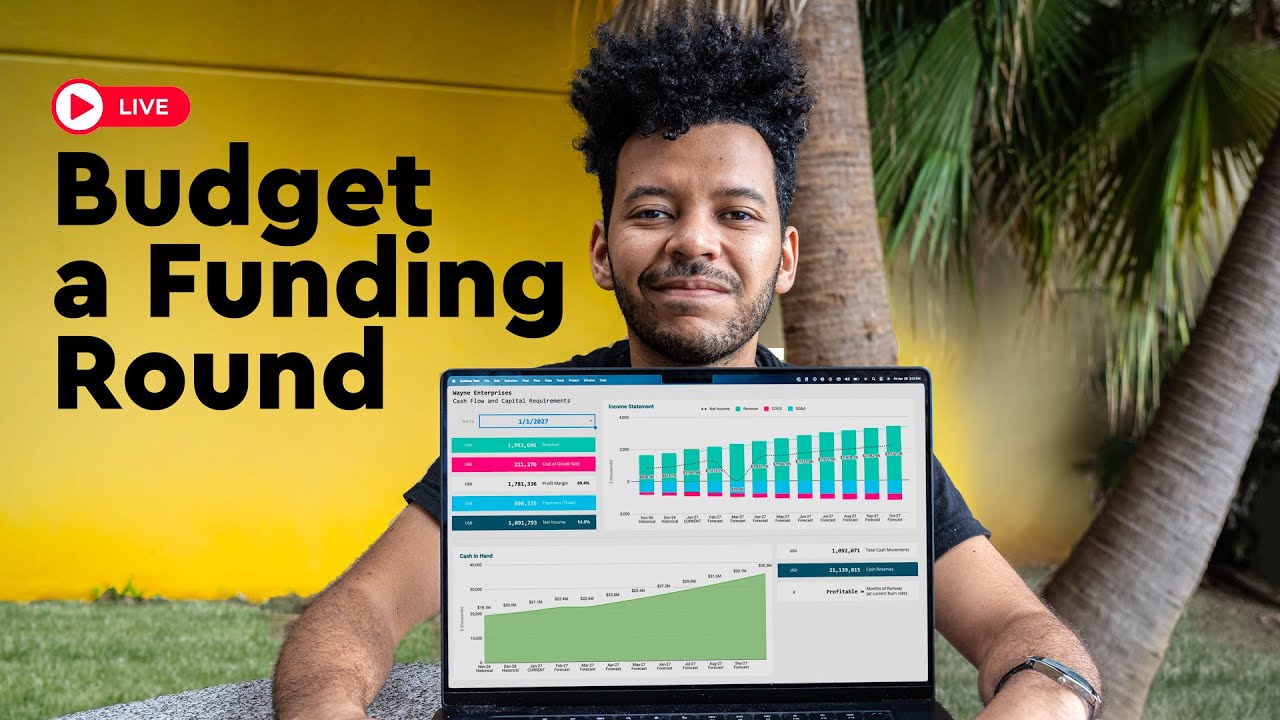
47:10
Financial Modeling for Startup Funding: A Bootcamp Guide
@StartupClubTV
520 views•2025-09-26

46:36
Retention Habits of Top DTC Ecommerce Brands Revealed
@SendItPodcast
44K views•2026-03-03

15:23
Decoy Effect: How Pricing Psychology Influences Consumer Spending
@bobinvestsUS
90K views•2026-01-05

17:30
The Planned Obsolescence of Light Bulbs and Tech
@veritasium
25.3M views•2021-03-26
Related Study Plans & Knowledge Roadmaps
Structured learning paths in Business
business
Pop-Up Retail: Strategy, Design & Execution
01Introduction to Pop-Up Retail & Strategic Goal Setting
02Budgeting, Site Selection, and Legal Essentials
03Experiential Retail Design & Visual Merchandising
+ 2 more learning modules
15h5 modules
Explore Roadmap
business
Reg CF: Startup Funding, Marketing & Launch
01Introduction to Equity Crowdfunding & Reg CF
02Platform Selection & Legal Preparation
03Crafting High-Converting Campaign Assets
+ 2 more learning modules
14h5 modules
Explore Roadmap
business
Productized Services: Scaling Solo Freelance
01Foundations of Productized Services
02Packaging and Scope Definition
03Pricing and Subscription Models
+ 2 more learning modules
15h5 modules
Explore Roadmap
business
Gov Procurement: Find, Bid & Win Contracts
01Introduction to Government Procurement & Business Setup
02Small Business Certifications & Set-Asides
03Finding and Analyzing Contract Opportunities
+ 2 more learning modules
14h5 modules
Explore Roadmap