







![10년만에 돌아온 김정운 교수의 창의성 특강 f. 문화심리학자 김정운 교수 [신과대화]](https://i.ytimg.com/vi/pG3PHxxlbNc/hqdefault.jpg)










![Globale Fragmentierung - Modell nach Scholz [Erdkunde, Oberstufe]](https://i.ytimg.com/vi/qlDDq2ztjBs/hqdefault.jpg)



Urban sociology is the branch of sociology that studies life in cities and urban areas, examining how urbanization affects human behavior, culture, social relationships, and societal structure; it emerged during the 19th-century industrial revolution when massive rural-to-urban migration transformed societies, with early theorists like Marx, Weber, and Simmel analyzing how cities created new forms of inequality, individualism, and social organization, while modern urban sociology continues to explore topics such as gentrification, technology's impact, environmental sustainability, and the persistent challenges of spatial inequality in contemporary urban environments.
Urban Sociology Explained: Key Concepts and Theories
Added:Core Sociological Perspectives: Familiarity with major sociological frameworks such as structural functionalism, conflict theory, and symbolic interactionism.
Social Stratification and Inequality: A basic understanding of how class, race, gender, and socio-economic status influence human behavior and opportunities.
The Industrial Revolution: Historical context on how the transition from agrarian economies to industrial societies catalyzed massive population shifts.
Fundamental Concepts of Community: Understanding the sociological distinction between close-knit traditional communities (Gemeinschaft) and modern, impersonal societies (Gesellschaft).
The Chicago School of Sociology: In-depth exploration of early urban ecology models, such as the Concentric Zone Model and Sector Model.
Gentrification and Urban Displacement: Examining the socioeconomic impacts of neighborhood revitalization on long-term residents and local cultures.
Global Cities and Transnationalism: Studying the rise of highly connected global hubs, like New York, London, and Tokyo, and their role in the global economy.
Urban Planning and Environmental Sociology: Investigating how sustainable city design, public transit, and green spaces address issues of environmental justice.
544 views24likes9:42Original Release: 2025-11-09
What is urban sociology?
Urban sociology is the branch of sociology that studies life in cities and urban areas. It helps us understand how people interact, live, and organize their lives in densely populated environments.
Cities are not just collections of buildings, roads, and markets. They are living social organisms full of diversity, opportunities, challenges, and inequalities.
Urban sociology looks at how urbanization affects human behavior, culture, social relationships, and the structure of society as a whole.
The story of urban sociology begins with the industrial revolution in the 19th century when massive numbers of people moved from villages to cities in search of work. The growth of factories and industries brought prosperity to some, but it also created overcrowded neighborhoods, poor living conditions, and new forms of inequality.
Sociologists like Karl Marx, Max Weber, and George Simmel were among the first to study how this new urban life was changing human relationships and values.
George Simmel, for instance, observed that city life made people more individualistic and emotionally detached.
Because they were surrounded by strangers and constant activity, city dwellers developed what he called a blasé attitude, a sense of indifference to the overwhelming amount of stimulation around them. Max Weber, on the other hand, focused on how cities became centers of rationality, bureaucracy, and capitalist enterprise.
For Marx, cities symbolized both progress and conflict, places where the working class and the ruling class clashed over control of resources and power.
Urban sociology also focuses on how cities are organized socially and spatially. The Chicago School of Sociology, founded in the early 20th century, played a major role in developing this field. Sociologists like Robert Park and Ernest Burgess studied Chicago as a living laboratory to understand how people form communities in urban environments.
They developed the concept of urban ecology which compared cities to natural ecosystems.
According to them, cities grow and develop in patterns or zones much like organisms.
For example, the central business district would be at the center, surrounded by industrial areas, workingclass neighborhoods, and then more affluent suburbs farther away.
However, as cities grew larger and more complex, these models became less accurate. Modern urban sociology now looks at how globalization, migration, technology, and politics shape cities.
Today's urban centers are multicultural hubs where people from different backgrounds live side by side. Yet social and economic inequalities remain.
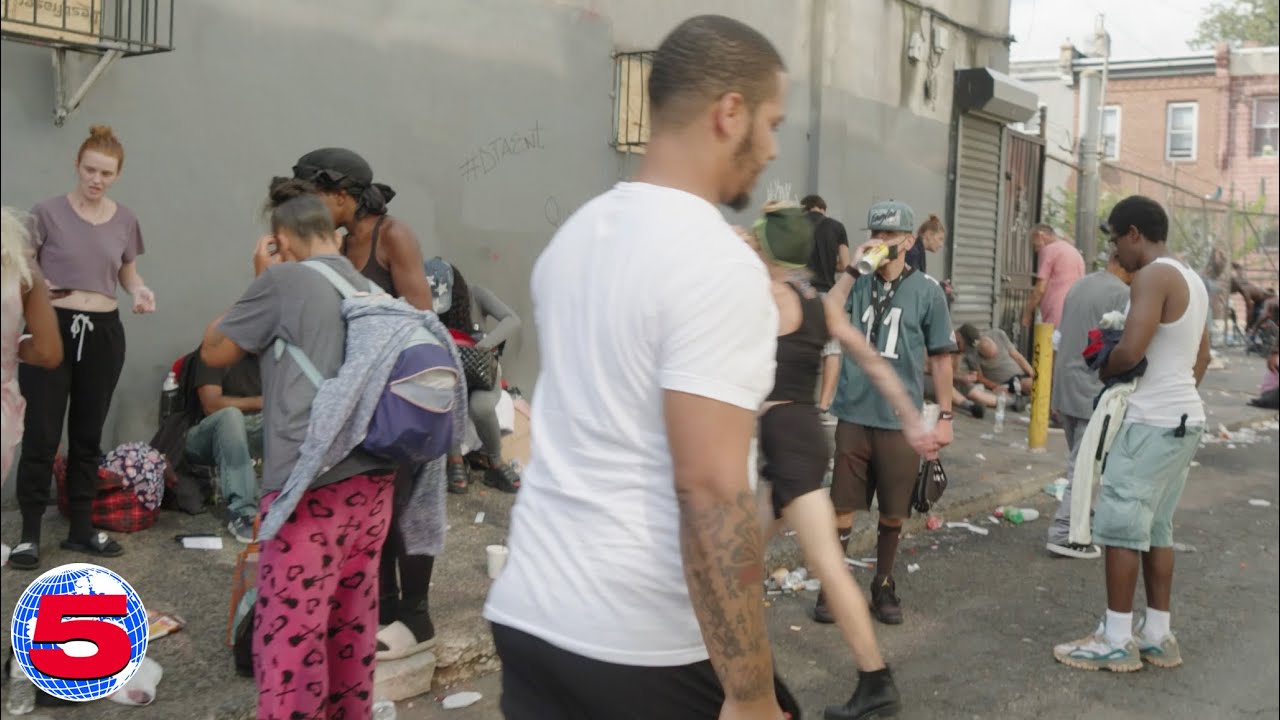
In many cities, we see both luxury apartments and slums existing only a few streets apart. This reflects the uneven distribution of wealth and opportunity that urban sociology seeks to explain.
One major topic in urban sociology is urbanization. The process by which more people move into cities.
This process brings both benefits and challenges.
On one hand, cities are centers of education, culture, and innovation.
They provide jobs, entertainment, and better access to services.
On the other hand, urbanization often leads to overcrowding, pollution, housing shortages, traffic congestion, and social isolation.
When the growth of a city outpaces its infrastructure and resources, problems like poverty, homelessness, and crime become common.
Urban sociology also studies how power and politics shape city life. City governments make decisions about where to build roads, schools, or housing. And these decisions affect different social groups in different ways. Wealthy neighborhoods often receive better facilities and services while poor or minority communities are neglected.
This unequal distribution of resources contributes to what sociologists call spatial inequality.
Urban sociologists examine how race, class, and gender influence access to urban space and opportunities.
Migration is another key issue in urban sociology.
Cities attract migrants from rural areas and from other countries.
This diversity creates a rich mix of cultures, traditions, and lifestyles.
However, it can also lead to tension, discrimination, and segregation when groups do not have equal access to opportunities.
For example, immigrants might face challenges finding decent housing or fair employment, and some neighborhoods become isolated or stigmatized due to prejudice.
Urban sociologists also study the idea of community within the city. Unlike rural areas where people often know each other personally, urban communities are more fragmented and diverse.
Some people live in tight-knit neighborhoods with strong social ties, while others live in high-rise apartments surrounded by strangers.
Sociologists explore how people create connections in such environments through local associations, cultural centers, social media, or shared interests.
The concept of gentrification has become a central topic in modern urban sociology.
It refers to the process where wealthier people move into previously low-income neighborhoods, renovating houses and raising property values.
While gentrification can improve infrastructure, it often displaces long-term residents who can no longer afford to live there. This process raises questions about who has the right to the city and how development should balance progress with fairness.
Another important idea is the relationship between cities and technology.
The rise of digital networks, transportation systems, and smart technologies has transformed urban life.
Online platforms now influence how people work, shop, communicate, and even find housing.
While technology has made life more convenient, it has also increased inequality between those who have access to it and those who do not. Urban sociologists study how these changes affect privacy, employment, and community life.
Environmental issues are also a growing concern in urban sociology.
Cities consume a large portion of the world's energy and produce much of its pollution.
Rapid urban growth without proper planning can damage ecosystems and increase the effects of climate change.
Sociologists examine how urban design, green spaces, and sustainable policies can make cities more livable and environmentally friendly.
In recent years, urban sociology has become even more relevant as cities face new challenges like pandemics, digital transformation, and migration crisis.
The way people interact in public spaces, commute or work has changed dramatically.
Cities are adapting to remote work, online education, and virtual communities, which are reshaping what it means to live in an urban world.
Ultimately, urban sociology teaches us that cities are mirrors of society. They reflect our values, inequalities, creativity, and struggles.
Understanding how cities function helps us build better ones, more inclusive, sustainable, and humane. Urban life can be stressful and fast-paced. But it is also full of opportunities for growth, learning, and innovation.
In conclusion, urban sociology helps us see that behind every skyscraper and crowded street, there are human stories.
Cities are not just physical spaces.
They are social worlds where millions of people interact and shape each other's lives every day. By studying how cities grow, change, and function, we can make them places where everyone has a fair chance to thrive. If you found this explanation helpful and would like to learn more about sociology and social theories, please like this video and subscribe to the channel. Your support motivates us to keep creating educational content that makes complex ideas simple and easy to understand.
[Music]
Up Next

11:26
The Decline of Third Places in Suburban Environments
@NotJustBikes
1.1M views•2022-11-21
54:57
Contemporary Sociological Theory: Micro, Macro, Integrative
@NaSESYNC
45.7K views•2016-02-17

8:35
Consumer Culture and Identity in Sociology | How Consumption Shapes Self-Identity
@sociologylearners1835
337 views•2025-09-24
9:41
What is Sociology? The Sociological Perspective Explained
@crashcourse
4.6M views•2017-03-13
Related Study Plans & Knowledge Roadmaps
Structured learning paths in Sociology
sociology
Celebrity Culture: From Hollywood to TikTok
01Foundations of Celebrity Sociology
02The Rise of Micro-Celebrity & Digital Platforms
03Parasocial Relationships & Algorithmic Intimacy
+ 2 more learning modules
12h5 modules
Explore Roadmap
sociology
Hostile Architecture: Space, Power & Control
01Introduction to the Sociology of Space
02Social Control and Surveillance in the City
03Hostile Architecture and Defensive Design
+ 2 more learning modules
12h5 modules
Explore Roadmap
sociology
Loneliness Epidemic: Third Places & Isolation
01Foundations of Social Capital and Community Cohesion
02The Death of Third Places and Urban Space Erosion
03The Privatization of Leisure and Atomization
+ 2 more learning modules
12h5 modules
Explore Roadmap
sociology
Sociology of Tourism: Gaze, Power & Heritage
01Foundations of the Sociology of Travel and Leisure
02John Urry and the 'Tourist Gaze'
03Staged Authenticity and Cultural Commodification
+ 2 more learning modules
14h5 modules
Explore Roadmap