
























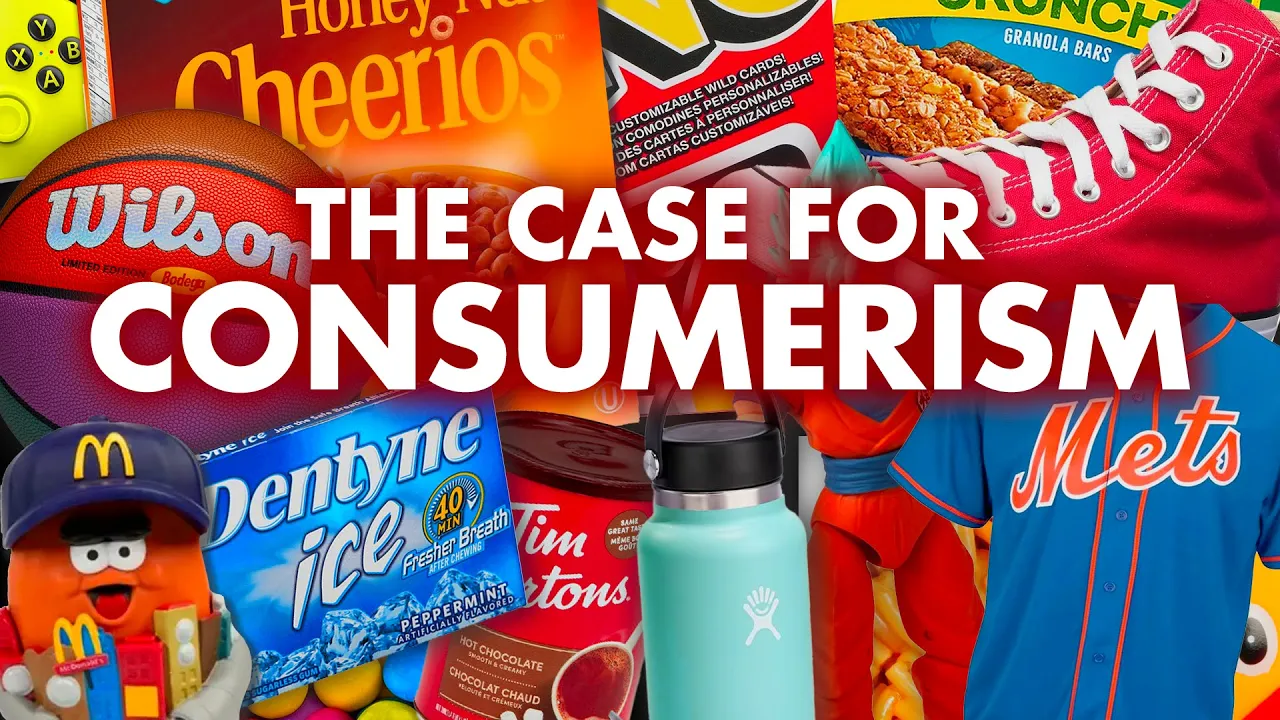


Consumer culture refers to societies where consumption patterns, products, and brands play a central role in shaping personal and social identity, meaning that what people buy, wear, eat, and display communicates who they are and how they want to be perceived by others; this phenomenon involves both positive aspects like enabling self-expression and identity experimentation, and negative consequences including social pressure, inequality, and endless cycles of consumption driven by advertising and media influences.
Consumer Culture and Identity in Sociology | How Consumption Shapes Self-Identity
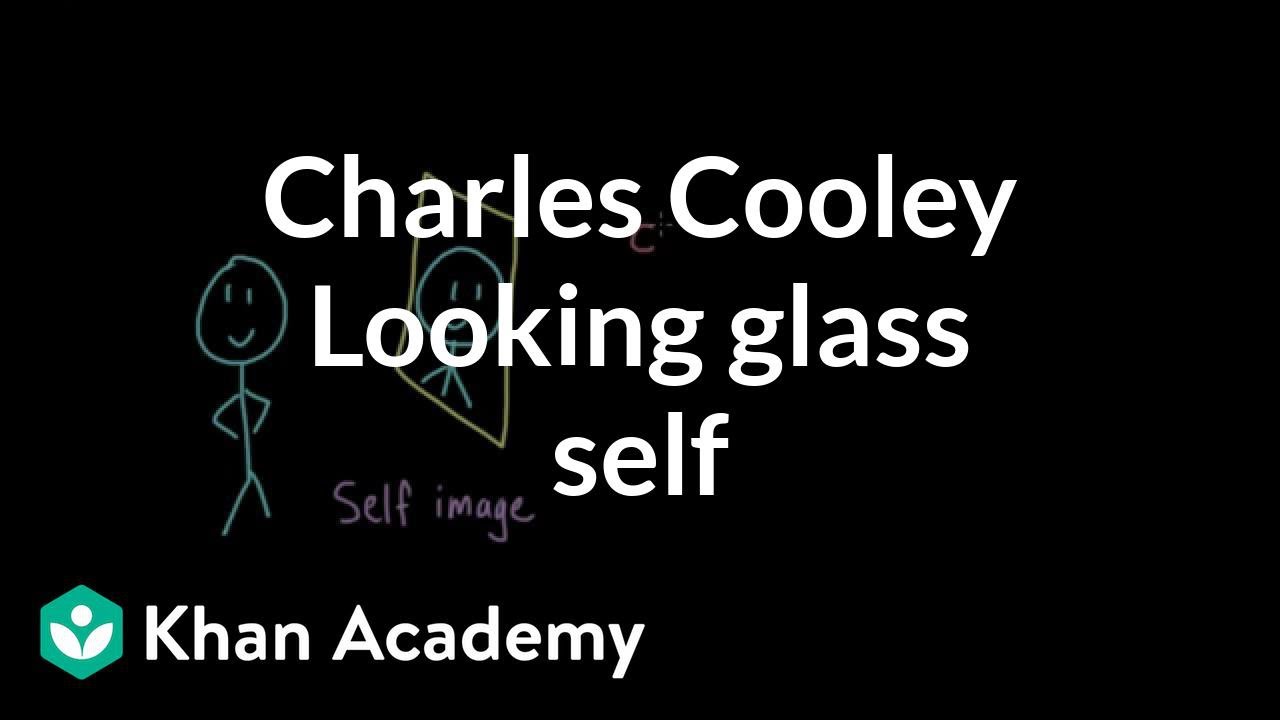
Added:Basic sociological concepts of self-identity and socialization, such as Charles Cooley's 'looking-glass self' and George Herbert Mead's theories on the development of the self.
The historical shift from industrial, production-based societies to post-industrial, consumption-oriented economies.
An understanding of social stratification and how social status and class have traditionally been established in society.
The foundational role of mass media and advertising in disseminating cultural values and societal expectations.
Thorstein Veblen's theory of 'conspicuous consumption' and how individuals use luxury items to signal social status.
Pierre Bourdieu's concept of 'distinction' and 'cultural capital,' examining how personal taste and lifestyle choices reproduce social class inequality.
Jean Baudrillard's postmodern theories on consumer culture, specifically how 'sign-value' supersedes utility value, and the concept of hyperreality.
The rise of modern digital consumption, including how social media algorithms, online brand communities, and influencer culture construct digital identities.
The sociology of anti-consumerism, exploring movements like minimalism, ethical consumerism, and 'culture jamming' as forms of social resistance.
337 views6likes8:35Original Release: 2025-09-24
consumer culture and identity. In today's world, shopping and consumption are no longer just about satisfying basic needs. We live in societies where what we buy, wear, eat, or even post online says a lot about who we are and how we want others to see us. This is the idea of consumer culture and identity. It means that consumption is not only an economic activity but also a social and cultural one. People do not simply purchase products for survival.
They consume to express themselves, to connect with others, and to shape their identities.
Consumer culture refers to a way of life in which goods, brands, and services play a central role in how individuals understand themselves and their place in society.
In earlier times, identity was often tied to things like family, religion, community, or occupation.
For example, someone might have been identified as a farmer, a blacksmith, or a member of a particular religious group. While these traditional identities still matter in modern consumer societies, what we buy and how we present ourselves through consumption has become equally powerful in shaping identity.
Think about how clothing brands work today.
Wearing a certain brand can symbolize wealth, style, or belonging to a particular social group. Someone wearing luxury fashion might be seen as rich or sophisticated, while someone in casual street wear might be viewed as youthful, relaxed, or part of urban culture. In both cases, the choice of clothing is not only about covering the body, but also about sending messages to others.
The same applies to gadgets, cars, perfumes, or even food choices.
Having the latest smartphone does not only provide technical benefits, but also signals that the person is modern, connected, and keeping up with trends.
Identity is shaped in part by how people see themselves, but also by how they want others to see them.
Consumer culture gives individuals many tools to construct these images.
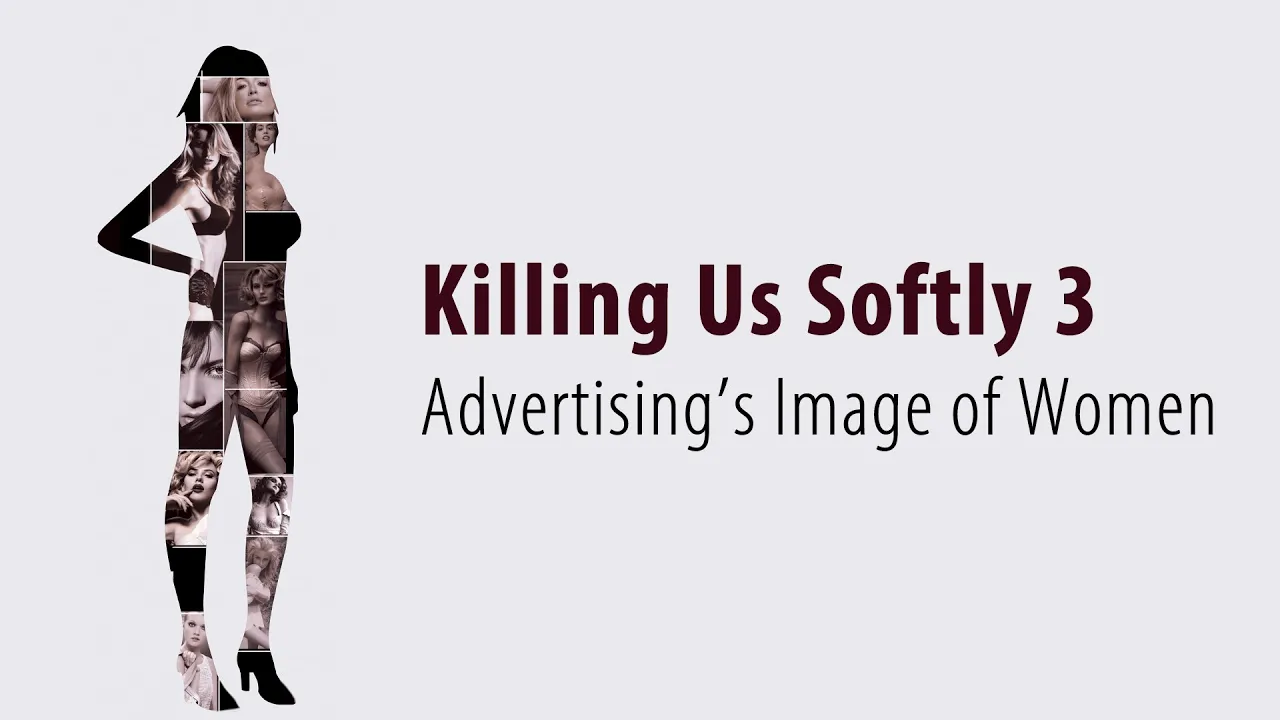
Advertisements and media play a huge role in this. They do not just sell products. They sell lifestyles, dreams, and versions of the self. For example, an advertisement for a sports drink does not only promote hydration. It often links the drink with strength, energy, and athletic identity. Similarly, luxury car ads do not only highlight speed or design. They suggest that owning the car will make someone powerful, respected, or admired.
Social media has made the link between consumer culture and identity even stronger. On platforms like Instagram, Tik Tok or Facebook, people often share images of their lives that highlight what they consume. food in fancy restaurants, vacations in exotic locations, stylish outfits or new gadgets.
These choices are carefully curated to build a certain identity. Whether it is adventurous, fashionable, intellectual or glamorous.
In this way, consumer culture has moved beyond physical products and entered the digital world where even experiences and images are consumed and displayed as identity markers.
However, this connection between consumer culture and identity has both positive and negative sides. On the positive side, consumer culture allows people to experiment with who they are.
Someone can try out different styles, join new cultural groups, or express creativity through fashion, art, or digital content.
It gives individuals freedom to reinvent themselves and not be tied down to traditional categories like class or family background. For instance, someone from a modest background might use education and consumer choices to create an identity of success and sophistication.
On the negative side, consumer culture can also create pressure, inequality, and dissatisfaction.
When identity becomes closely tied to what people can buy, those with less money may feel excluded or inferior.
A young person who cannot afford branded shoes may feel left out in school or judged by peers.
Consumer culture often promotes the idea that happiness, success, and social acceptance come from buying more and more things.
This can lead to endless competition, debt, and frustration because there will always be newer products, changing trends, and social comparisons.
Another important point is that consumer culture is not the same everywhere, but globalization has spread it across the world.
For example, people in Asia, Africa, Europe, and the Americas may all use the same global brands like Apple, Nike, or Coca-Cola. And these brands create a shared consumer identity. At the same time, local cultures influence how products are consumed.
A global fast food chain may adapt its menu to match the tastes of each region while still promoting a modern international identity.
This mix of global and local consumption shows how identity today is shaped by both worldwide influences and unique cultural traditions.
Critics argue that consumer culture reduces identity to something shallow where people are valued more for what they own than for who they truly are.
Instead of being based on character, community, or moral values, identity becomes linked to products and appearances.
This can make relationships less genuine as people might focus more on showing off their possessions than on building meaningful connections.
At the same time, consumer culture is so deeply woven into society that it is hard to separate identity from consumption.
Philosophers and sociologists remind us that we should be critical of how consumer culture shapes identity. It is important to recognize the ways in which advertising and media influence our desires and choices.
At the same time, consumer goods are not meaningless. They are powerful symbols that people use to tell their stories.
What matters is finding balance. Using consumption to express creativity and individuality without letting it fully control one's sense of worth.
In conclusion, consumer culture and identity are closely linked in modern life.
What we buy, wear, and display is no longer only about utility, but also about communication and self-expression.
Consumer culture gives us freedom to shape our identities, experiment with lifestyles, and connect with global trends.
At the same time, it creates pressure, inequality, and endless cycles of consumption.
Understanding this relationship helps us see the world more clearly and make thoughtful choices about who we are and how we want to be seen. Identity should not be reduced to material possessions.
But it is undeniable that in consumer societies, what we consume has become part of who we are.
If you enjoyed this explanation and want to learn more about sociology, culture, and how society shapes us, please like this video and subscribe to the channel for more content.
Up Next
18:25
Clueless Fashion Psychology: Identity and Social Status
@CleverAndChic
71.1K views•2021-02-26

54:57
Contemporary Sociological Theory: Micro, Macro, Integrative
@NaSESYNC
45.7K views•2016-02-17
9:42
Urban Sociology Explained: Key Concepts and Theories
@sociologylearners1835
544 views•2025-11-09
9:41
What is Sociology? The Sociological Perspective Explained
@crashcourse
4.6M views•2017-03-13
Related Study Plans & Knowledge Roadmaps
Structured learning paths in Sociology
sociology
Celebrity Culture: From Hollywood to TikTok
01Foundations of Celebrity Sociology
02The Rise of Micro-Celebrity & Digital Platforms
03Parasocial Relationships & Algorithmic Intimacy
+ 2 more learning modules
12h5 modules
Explore Roadmap
sociology
Hostile Architecture: Space, Power & Control
01Introduction to the Sociology of Space
02Social Control and Surveillance in the City
03Hostile Architecture and Defensive Design
+ 2 more learning modules
12h5 modules
Explore Roadmap
sociology
Loneliness Epidemic: Third Places & Isolation
01Foundations of Social Capital and Community Cohesion
02The Death of Third Places and Urban Space Erosion
03The Privatization of Leisure and Atomization
+ 2 more learning modules
12h5 modules
Explore Roadmap
sociology
Sociology of Tourism: Gaze, Power & Heritage
01Foundations of the Sociology of Travel and Leisure
02John Urry and the 'Tourist Gaze'
03Staged Authenticity and Cultural Commodification
+ 2 more learning modules
14h5 modules
Explore Roadmap