




















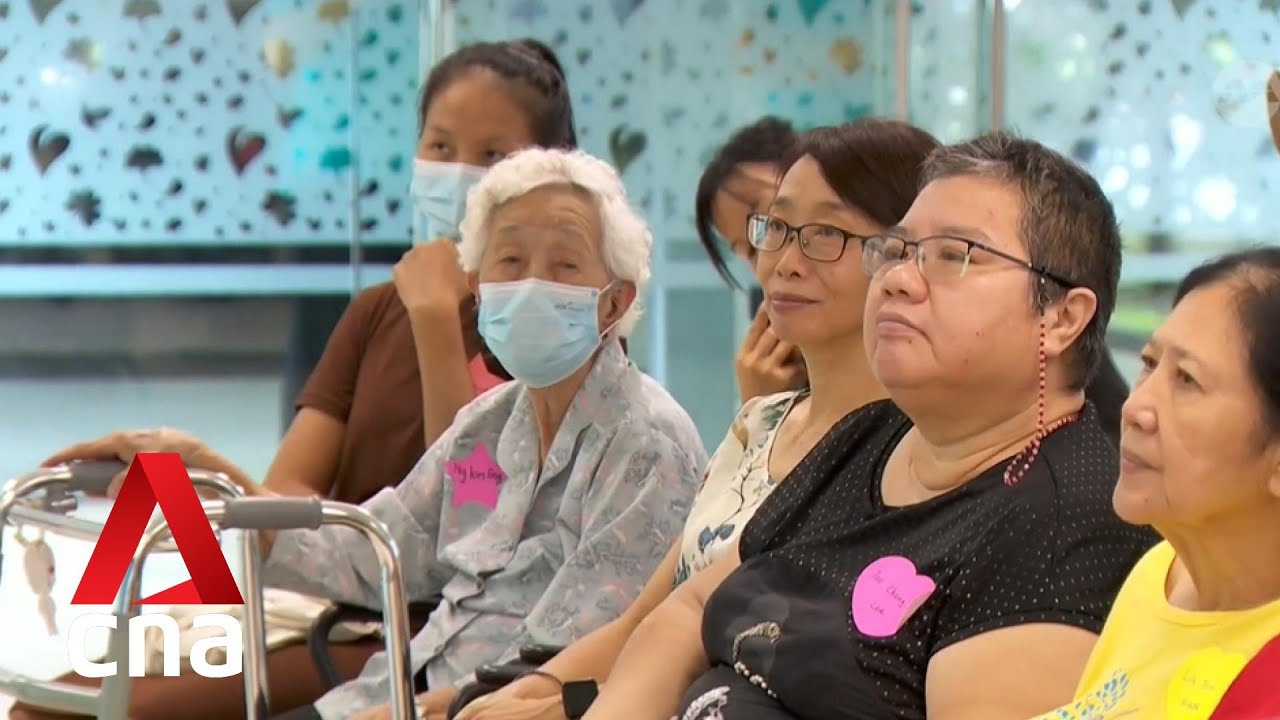






The sandwich generation refers to adults who simultaneously care for their children and aging parents, with approximately 25% of Americans falling into this category; this caregiving burden creates significant emotional, financial, and practical challenges, as family caregivers often must deplete their savings to afford care, while professional caregivers face low wages (often below poverty level) and minimal benefits despite providing essential 24-hour care for vulnerable elderly individuals.
Caring for Aging Parents and Children: The Sandwich Generation Challenge
Added:Understanding of global demographic shifts, particularly increasing life expectancy and delayed childbearing trends.
Fundamentals of personal financial planning, including the basics of retirement savings, healthcare costs, and dependent care expenses.
Basic concepts in family systems theory and lifespan development, specifically regarding changing roles and intergenerational dependencies.
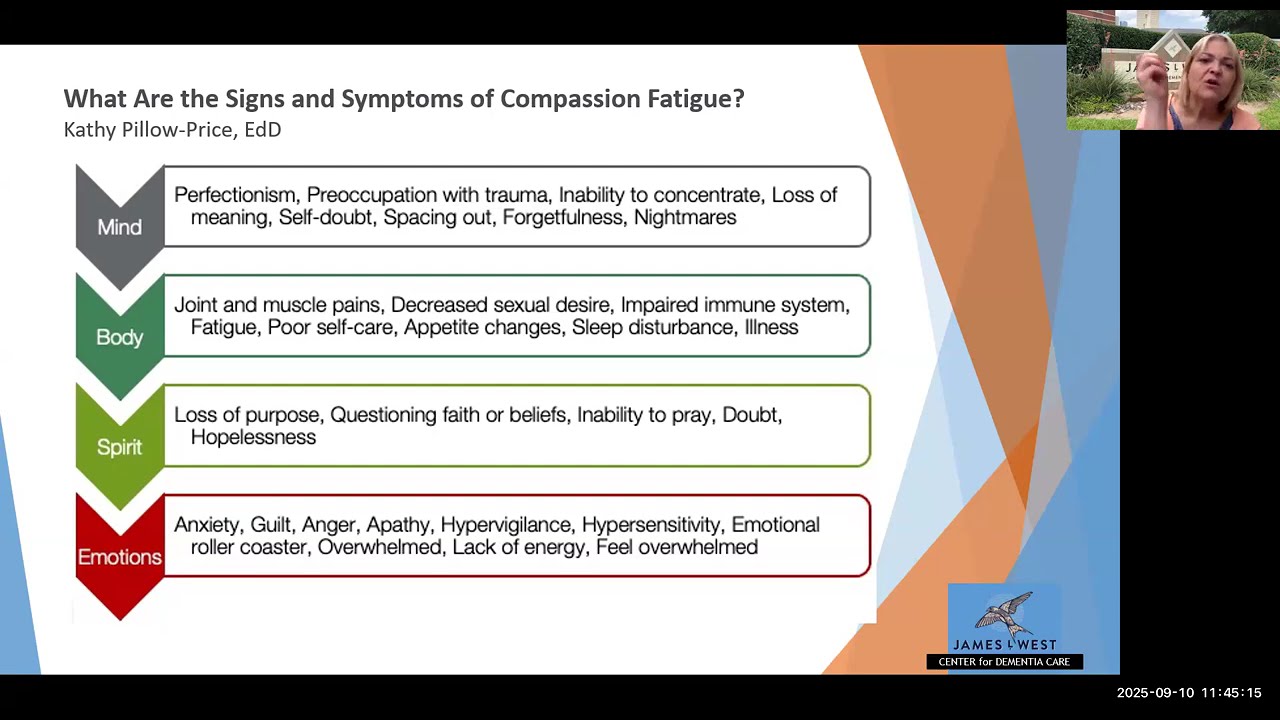
An introduction to stress and coping theory, including the physiological and psychological impacts of chronic stress and caregiver burnout.
In-depth study of elder law, estate planning, and long-term care insurance policies to mitigate financial risks.
Analysis of public policy and corporate initiatives designed to support caregivers, such as Paid Family Leave and flexible work arrangements.
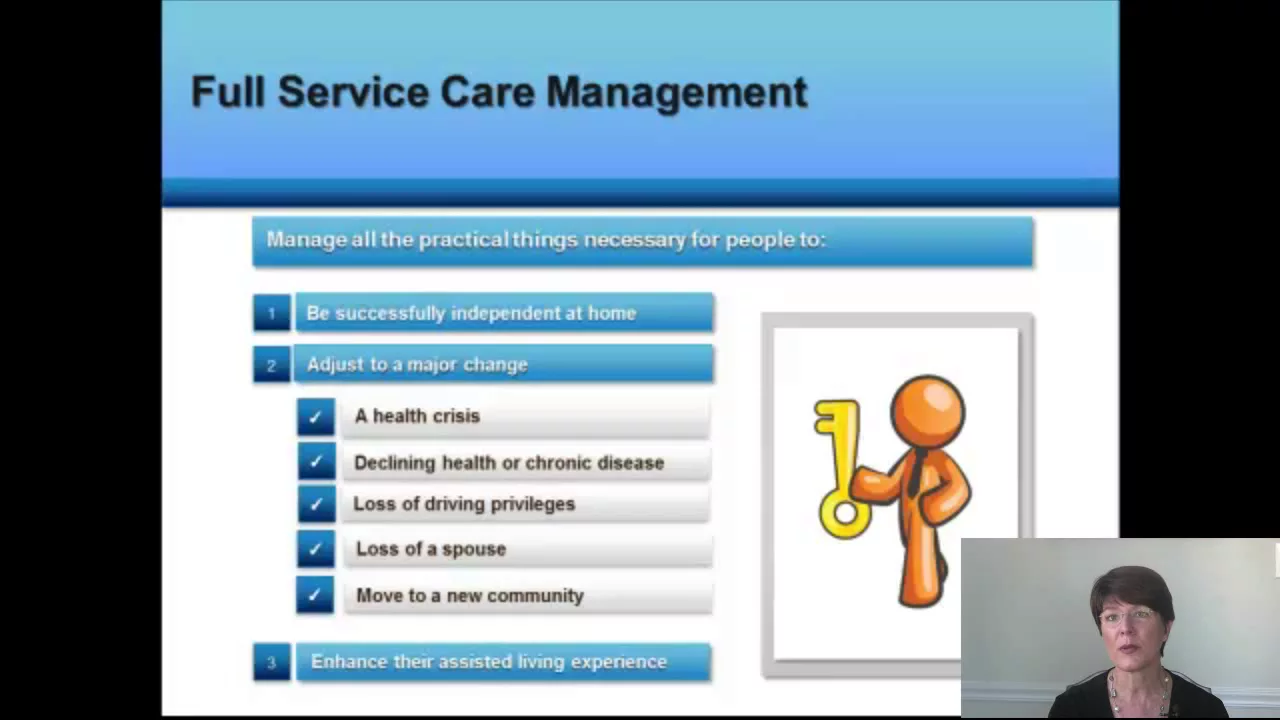
Exploration of geriatric care management and navigating complex healthcare systems, including Medicare, Medicaid, and assisted living options.
Implementation of systemic psychological support frameworks, such as cognitive behavioral strategies for caregiver resilience and respite care models.
14.5K views487likes21:04Original Release: 2024-04-26
we're launching our new series today we call it the cost of caregiving about how we care for our country's aging population so listen to this number between now and 2030 about 10,000 people in this country will turn 65 every single day many experts say the country is unprepared to care for them and that care often falls on their adult children as Americans have children later in life many end up taking care of their parent and their young kids at the same time they're referred to as the sandwich generation CBS news contributor Lisa Ling understands this very personally and she's diving into this issue for us Lisa good morning glad to have you here good morning Gail good morning everyone so you are about to meet my family who are part of that s sandwich generation and sadly we are not alone about a quarter of us adults fall into this category and in this series we're going to introduce you to some of them Mornings in our home are pretty hectic she said there was a mistake on the study guide my husband Paul and I travel a lot for work so usually just one of us gets our two girls off to school but today Paul has to rush back to take his 92-year-old mother Grace to doctor's appointments is it called outside no it's been a tough couple of months for her with multiple trips to the ER and rehab facilities that's the main hospital we are part of the nearly 80 million Americans taking care of children as well as our elderly parents at the same time step up and we have a name the sandwich generation the certain point your parents become like kids Lauren Shin is dealing with something similar until recently she had both of her parents living with her and her husband while raising two young kids when did your parents move into your home they moved in in 2017 when my first child was born they came to offer to stay with me for a year to help raise him and then their health started to deteriorate so I said you're staying I'm going to take care of you it was during the pandemic that Shin realized it wasn't just her mom's physical health that was starting to deteriorate it was her mind tell me about how her behavior changed and how the mom that you had always known really started to change in the first few months it was still okay um it was just seemed like a lot of nonsense talking from her but then there was a switch she would tell me to shut up with profanity word sometimes she would look at me as if she could kill with her eyes and I would say something and she'd be like you don't know what you're talking about 3 years after moving in Shin's mom was diagnosed with Alzheimer's disease Alzheimer's disease can lead to delusions and sometimes violent Behavior this makes care very difficult at first it was Shin's father who took it on he was spoon feeding her he was sitting next to her he was talking to her all day there was not a moment that he wasn't by her side after 2 years her mother's condition continued to decline but it wasn't until Shin gave birth to her second child that she knew something had to change what were those first few months when your daughter was born and your mother was still living here and going through the height of her disease it was hard I was trying to heal and take care of a newborn and I six-year-old so it was a lot of nights of screaming and crying into my pillow Lisa Shin's family decided that it would be better and safer for everyone if her mom could move into a Memory Care Facility they found what they were looking for an hour away in Anaheim California where the majority of the residents are korean-american like her mom do you know how she's been doing here she has actually adjusted a lot better the first month or two was hard she I heard she was screaming for my dad and then a shift happened and they said this would happen and she met some friends that she always hangs out with and sits with and eats with Shin was able to pay for her mother's care through California's Medicaid Program called medical it's for individuals with little to no income but in many states cost for memory care facilities can exceed $10,000 a month out of pocket Medicaid is a state and federal joint program it's complicated which I sometimes think is by Design Nicole jorick is with the organization carrying across Generations she says most Americans should not expect that Medicaid will cover facilities she says its weight list is over 750,000 people long states can limit how many people they're going to serve and also the federal government has limits about how much money people can have in order to receive those services so Medicaid really requires people to spend down their assets and remain in poverty in order to access um long-term care okay so far we've been lucky that Paul's mom has been able to stay in her home with her kids keeping close eyes on her my own father spent his final days in a facility that he paid for with a government pension and what he had in the bank he passed last November but had he lived his entire life savings would have lasted him a maximum of 2 years shin and her family are great to have found a safe place for her mom but as a sandwich caregiver Shin still has young kids and an aging father at home is there anything you would want to say to all of those out there who are struggling and juggling and taking care of their kids and taking care of elderly people as well in their lives it does get better the kids will get older they will become a little bit more self-sufficient um and they won't need you as much and the elderly I just want people to know they don't want to be the ones needing help either and this is my turn to give back for all their hard work while Lauren Shin made the difficult decision to move her mom into a facility for many that's not an option due to not being able to afford it their loved one doesn't qualify or there's not enough room at these facilities to take them in and we will have more on that tomorrow boy what Lauren said right there just really resonated with me where you go you don't want to be the ones needing help either but I feel for the sandwich generation because on one hand you want to do right by your parents on the other hand you now have these young children of your own it just seems like a a vice coming on both sides absolutely I mean there's such an emotional toll but also the financial toll is so overwhelming I mean over 26% of Americans are supplementing care for their parents while trying to take care of kids themselves I'm so glad we're covering this there's no shortage of love for the kids or the parents but there's a shortage of so many other things it's very difficult that's right about 7 million Americans live with Alzheimer's disease and that number is expected to rise sharply as the baby boom generation ages it's a disease that requires a very high level of care we spent time with a woman who's caring for her mother with Alzheimer's at home while she and her husband are also raising two girls and it's it's taking its toll on everyone you ready social media influencer Ty Lewis didn't amass a large and loyal following from giving makeup and fashion tips When Ty Lewis was feeling alone and in desperate need of community she decided the only way to find it was to create it so a couple of years ago Ty Lewis started posting videos of her taking care of her mother with Alzheimer's on social media and her Instagram page exploded Mommy good morning good morning how are you are you surprised by how many people are responding to your page no mommy has always been a woman that draws people to her her personality I curated the page based on what I needed and I needed support I needed Community I needed love I needed people to be seen it's okay yeah there are currently 53 million unpaid caregivers in the US and Lewis has built a community online because this is an issue that impacts so many we're brushing our teeth over the last decade the 80-year-old has become unable to care for herself and doesn't recognize anyone including her own daughter who does she think you are her sister Dolores her mother lives with her and her family in a condo near Los Angeles tell me about the kind of care that mommy requires mommy requires 24-hour care so she cannot be by herself she is unable to do anything so we have to assist her going to the bathroom getting in the bed dressing Lewis like a quarter of us adults is part of the sandwich generation raising children and caring for an elderly parent at the same time what has it been like to take care of your mom here in your home along with your girls and your husband it's been very hard we have sacrificed a lot um mentally emotionally socially and especially financially Medicare a federal health insurance program mostly for people over 65 does not cover long-term care often leaving families like ls's to fill in the financial gap for seniors who need care open your mouth ah Lewis's mom was a teacher and despite receiving a pension and social security it's still not enough to cover it how long did it take for her to use up her life savings maybe eight months yeah like you think you have the money there you think but no it's it's not what you think it is your father was a United States veteran yes he was in Army did his retirement uh has it contributed to your mom's care at all no and when he passed everything was cut off and so they sent Mommy a check for $258 that's it that's it when Gertrude's Social Security and pension Runs Out each month Lewis and her husband must come up with the rest of the money last year my mother's caregiving expenses was $90,000 she only made 66 so you're supplementing the rest of it yes how are you doing it I don't know you work five six seven jobs you Uber like I'm a liter literacy specialist at a school two days a week so you hold part-time jobs and you do what you can lewis' story is not unique around half of American adults say they are not confident they have the financial resources to pay for Care on average atome care in the US costs $61,000 a year a private room in a nursing home is almost double that what kind of Crisis are we facing when it comes to caregiving it's beyond a crisis point we it's been a rolling crisis and we're at a catastrophic Point Nicole jorick is the chief of advocacy in campaigns for carrying across Generations an organization that works to change caregiving policy and support families and workers what should the government's role be in supporting family caregivers family caregivers are supporting the government we know that that family caregivers according to ARP provide 600 billion dollars of unpaid care and that's care that's obviously money that could be going into the economy if those caregivers were going to work and so what the government needs to be doing is making sure that those systems are in place so that care is a choice for families like Lewis's it feels like the system is designed to drain them and it eliminates any hope of generational wealth as hard as it is Tai would you have it any other way no because so what baby I said I wouldn't have it any other way that's what I said that's because lisis feels her mother is worthy and deserving of care but that doesn't mean she wants others in the same situation it's that American Dream work hard all of your life go to work every day don't take time off I work all my life and then I'll have my retirement because I I get to live that's not the case so back in February luis's mother qualified for IHSS a California program that provides caregiving support but it's now the end of April and Louis says she still doesn't know how many hours a week of care her mother will receive or when it will begin and we'll have more on that program tomorrow and why we need to mobilize an entire generation of paid caregivers amazing daughter amazing mother does she have siblings quite often in these stories I see it's falls on the daughters who just sort of jump in and pick up the that's right she she does have siblings who who are helpful but you know this is the conundrum me she does qualify for this this Medicaid Program after draining her finances but there's such a long waiting list I mean as I as we reported yesterday there are hundreds of thousands of people who are waiting for state and federal care people getting older every day and not enough facilities as well I so appreciate you doing this this was my mother my mother-in-law passed away from early onset Alzheimer's and she was diagnosed in her mid-50s and people need to be aware so aware so thank you for bringing it to us so in California more than a half a million direct care workers are paid by State program to take care of our aging population and one in four direct care workers in the state receives an income that falls below the poverty line we're about to introduce you to a care worker paid by the California program who says she's barely making ends meet despite working around the clock up up up up up up up up Sabrina Bishop's job as a Livin caregiver in San Diego at our client Mike's home never really stops he is unfortunately at the end stage of dementia and so he really needs to be watched 24 hours a day how many days a week do you work with Mike seven days a week does that mean seven nights a week seven nights Bishop's night often turns into a day shift too did you have a good night's sleep the day we spent with her the morning caregiver arrived hours late in the afternoon caregiver called out leaving Bishop on the hook for Mike's care I think I hear someone hi Mike hi with just Bishop to look after him within minutes of starting our interview Mike interrupted how are you all right nice to see you I'm Lisa okay I'm Michael not to the car we're going to the mail where that we're going to check the mail Mike may look physically strong a towering 6 foot2 but the 74 year-old's mind is very much sick in order to keep us safe and to keep Mike safe um we had to lock up the microwave take the knobs off the stove and also keep the refrigerator locked the only thing Mike remembers now is the name of his late wife Bishop met Mike and chaita at church so how did you become Mike's caregiver um actually Mike's wife was looking for a caregiver unfortunately her health conditions got to the point where she only had a few more days to live and she was very concerned about who was going to take care of Mike so Bishop stepped up and became Mike's caregiver in the US care for our aging population has mostly fallen on low wage earning women of color like Bishop who makes $18.50 an hour a little over the state's minimum wage Bishop could make more money if she were working in fast food food where workers in California earn a minimum of $20 an hour why don't you do that if I did that people like Mike The Forgotten individuals unfortunately will pass away you got to say Your Grace how come we can't put more money into this program to make sure that these individuals are cared for this is where I stay at the program Bishop is referring to is in home support services or IHSS each state handles it differently but the California program helps pay workers who are caring for half a million mostly lower inome individuals in the state these individuals would otherwise require hospital or nursing facility care do you have benefits we have three paid sick leave days we just three three we just bargained for two more so we have a total of five but we haven't received the other two yet an IHSS doesn't cover all of Mike's Around the Clock care he doesn't have kids so his extended family manages his money and pays Bishop out of pocket to supplement his care Bishop still doesn't make enough money to make ends meet to survive she has to work other jobs like cleaning homes the work is not respect Doug Moore is the head of the United domestic workers of America the union Bishop is part of they support and organize California's direct care workers to fight for change what is it going to take Doug for our culture to see The Valor in this kind of work in many cases I think they see the Valor but they don't want to make the investment for The Valor we need to invest in it now and and that's what they need to do not just in California but in Congress and the president invest in care why do you think the rights of domestic workers and caregivers are so frequently overlooked because they don't value us until they really really need us the light bul doesn't shine until it's one of their family members or them themselves and unfortunately that's too late and yet California ranks better than most States and it's considered one of the top paying States compared to Texas Mississippi and Louisiana which rank last in Texas the median income for a direct care worker is just over $111 an hour or around $116,000 a year okay brush again Bishop made a promise to Mike's wife Chita to not abandon him and even as she feels the system is abandoning her and other direct care workers she intends to keep that promise I let her know that I will be here for Mike and she was like okay now I can go in peace because I know that there's a person here that cares about my husband that's going to provide for him and make sure that he is safely in his home and there he is hi again Mike all right how you doing yeah good come on buddy you okay all right let's do it yeah all right there's my buddy that oh these people are doing Heroes work Le so but it's crazy to see you know they're making less than Cafe workers that's right that's right legally in California um and Sabrina really is an angel and it's important to note that workers like her often take care of people at the end stages of life and once they pass away they have to find a new job right away they don't receive benefits or retirement so who's going to take care of them so who's going right that's my question who's going to take care of her this is an incredibly depressing it's an powerful report it's so vital that Vlad I mean this is a national emergency and there's there should be an opportunity to train and mobilize an entire Workforce with well-paying jobs and it's it's interesting to think about these are jobs that are essential they can't be exported and AI can't replace them and so I think it's time that we start prioritizing this work work force this was an incredibly powerful series uh Lisa thank you and your producer Shannon really really powerful
Up Next

30:36
Python Pandas Tutorial: Data Analysis Fundamentals in 30 Minutes
@TechWithTim
155.1K views•2025-08-06

12:54
Triumph of Orthodoxy Icon: Byzantine Art & History Explained
@BenCallan
2.1K views•2024-08-06

9:49
FastAPI vs Flask vs Django: Choosing the Right Python Web Framework
@TechWithTim
302.5K views•2024-05-26

1:42
Game of Thrones Opening Credits: A Cinematic Analysis
@gameofthrones
46.3M views•2011-04-18
Related Study Plans & Knowledge Roadmaps
Structured learning paths in General & Interdisciplinary Studies
general-studies
Elevator Engineering: History, Physics & Cities
01From Hoists to Safety Brakes: The Dawn of Vertical Lift
02Hydraulic vs. Traction: The Engineering Physics of Elevators
03Modern Speed, Safety, and Algorithms
+ 2 more learning modules
12h5 modules
Explore Roadmap
general-studies
Rubber: Material Science, History & Geopolitics
01Origins of Natural Rubber & Mesoamerican History
02The Chemistry of Natural Rubber & Vulcanization
03The Geopolitics of the Rubber Boom & Colonization
+ 2 more learning modules
12h5 modules
Explore Roadmap
general-studies
Containerization: Evolution, Logistics & Trade
01Ancient Trade & Bulk Cargo: Amphorae to Barrels
02The Industrial Revolution & Cardboard Packaging
03The Containerization Revolution: Malcom McLean
+ 2 more learning modules
12h5 modules
Explore Roadmap
general-studies
Textile Tech: Evolution, Labor & Global Impact
01Pre-Industrial Textiles: Handloom & Cottage Industry
02Mechanization: The Spinning Jenny to the Power Loom
03The Factory System & Global Labor Transformation
+ 2 more learning modules
10h5 modules
Explore Roadmap