















The Native American Graves Protection and Repatriation Act (NAGPRA), enacted in 1990, is a federal law that mandates the return of Native American human remains, funerary objects, sacred objects, and objects of cultural patrimony to federally recognized tribes, Native Hawaiian organizations, and lineal descendants. The law applies to federally recognized tribes, Native Hawaiian organizations, and any institution that has received federal funds, including museums, universities, colleges, state and federal agencies, and even local municipalities. NAGPRA recognizes that Native oral traditions and beliefs hold equal standing with Western scientific evidence. The law requires institutions to conduct inventories and summaries of their collections, publish notices in the Federal Register, and consult with tribes before repatriation. The National NAGPRA Program provides grants and oversight through a Review Committee. Key concepts include possession (physical control) versus control (legal jurisdiction), tribal lands versus aboriginal lands, and the distinction between affiliated and unaffiliated remains. The law represents an extension of the Indian Religious Freedom Act of 1978, addressing the return of ancestors and sacred items integral to Native American religious practices and ceremonies.
NAGPRA Basics Training: Native American Graves Protection Act
Added:well Ani hello welcome to nagpro 101 the basics under the law my name is Eric Hemingway I am an anishinaabe historian from northern Michigan and I am going to be your instructor for this module on the basics of nagpro I have about 20 years experience of doing nagpra as a practitioner and it also as a trainer of helping others learn about the law so I'm very happy to be here today to share my expertise my stories and to help others facilitate this very important law within the United States an Agri 101 we just need to know the basics first before we get started so nagpro the Native American Grace protection and repatriation act is a federal law it was passed in 1990 and this law focuses on the return of Native American human remains and cultural items and cultural items will get into there's very more specific details on what these cultural items are and this training will cover the basics of the law who the law applies to and the background of why the law was created which I feel is a very important part of this training to give those where I just starting out in the log and understanding of why this is created and and my estimation and my understanding nagpra is an extension of the Indian Religious Freedom Act of 1978. so native people in the United States had to have a law to openly practice their religious practices and it's something that most people don't know about but it's true and in my mind nagpra is an extension of that Religious Freedom Act because many Native people across the country saw the need to have their ancestors return as part of their ceremonies part of their religion part of their belief system what have you and also to reclaim many of the Sacred items that have been taken or alienated from their communities so I often reference the Indian Religious Freedom Act when I'm talking about nagpro so what do we hope to learn what is nagpra and very importantly who does it apply to what are some of the basics under law and again why was this created so what is nagpro when I first started doing nagpra roughly 20 years ago as a practitioner I'm no longer a practitioner I'm more of a trainer and I didn't know what the law was and so I had to immerse myself in what this law was to do my homework bring myself up to speed and it's a federal law and federal law of course supersedes state law was passed in 1990 so it's a rather recent law and Native people have a plethora of laws that govern them in this country I think we're one of the most legislative people in this country and a nagpra is one of these one of these laws for native people but it just doesn't only apply to Native people it applies to institutions and governments museums agencies federal agencies Native American tribes native Hawaiian organizations and tribes within the United States so this is also including of course Alaska and Hawaii and the continental United States but nagpra is not I stress this very heavily not in international law it only applies to within our own borders so even within Canada and Mexico items or human remains are on our bordering countries nagpur doesn't apply to them so this is just for the United States it's not to say that tribes can reach out to those other countries and ask for a repatriation or try to facilitate repatriation it's just nagpro won't apply to outside of our own borders even though items may have come from the United States to go outside of the United States Niagara only applies here in the Smithsonian the Smithsonian institution has its own repatriation logs that actually predate the federal law by one year in 1989.
um so the Smithsonian has its own repatriation law nagpur does not apply to the National American national museum of the American Indian or the Natural History Museum within the Smithsonian system they have their own separate law their own separate regulations their own separate Review Committee it's a process that oftentimes resembles nagpra but it's entirely different in a lot of regards so that's a whole other discussion a whole nother training topic nagpra does not apply to the Smithsonian and that creates a pretty Dynamic law it's multifaceted legislation it covers property civil rights human rights and it's Indian law so Niagara can go in and a lot in and out of a lot of different fields very quickly so through this training we're going to touch upon some of these different areas that nagpro can apply to term we use Indian country and Indian country as a legal term it's a term that applies to Native communities populations current events history land use jurisdiction uh so we're going to see how nagpro applies within Indian Country then out of Indian country of communities that are non-native and again Niagara is very Dynamic nagpur addresses nhos native Hawaiian organizations uh it touches on religion such as on science language and the relationship of native communities with the federal government which is often very complicated uh very um tense over history and it's a very unique piece of legislation and the fact that it does touch on all of these very quickly at times so in Agra also is one of the only laws that states that a native oral tradition or belief has equal standing with Western Scientific evidence so traditional knowledge oral histories the things that native people have been using for thousands of years is held to the same standard of Western science within the law so that's a very unique aspect of Niagara when I first started doing that I had to figure out who follows the law does it have everybody or just a museum and so the jurisdiction issue of Niagara is something that you have to resolve immediately if you're a federally recognized tribe nagpra automatically applies to you but if you're not a fairly recognized tribe and you are a non-native organization just exactly where does Niagara Fall into your scope of work so museums and museums have a different definition under Niagara than your your atypical idea of what a museum is and so quickly going through the law I found that a museum is any institution that has received federal funds at any time and in its existence so this includes private and public museums if it's no matter the size it could be your large State Museum it could be a very small local Museum but if they've received federal funds to you know have some type of employment or some type of improvements any type of federal money is through a grant or what have you if that money has a history with that institution then nagpro applies to that institution so that's one of the first institutions that I learned very quickly about and then also States most I mean every single state has received federal funds at some point so all of your states are considered museums under Niagara so this is your your Department of Transportation your natural resource department your State Museum your natural natural resources already said so there's a lot of different departments within a state government where nagpra could possibly fall under because if they're discovering human remains it could be on state land it could be a state park if they're putting a road in which is very common where States Departments of Transportation work with tribes and they have their own mou or memorandum of understanding with tribes because they're the ones who are breaking ground most often and have a very high likelihood of having an invert inadvertent discovery of human remains so Departments of transportation for for states is one of the big ones you know your local municipalities we had a case many years ago out that um I was a part of in a small way where a local city here in Michigan inherited a collection from a local collector uh these very eccentric person is this is very common in the early 20th century a lot of these guys would go out they had seemed like infinite funds and means to go and and buy but they were also pretty unethical and with their digging and collecting so they go and dig up burials they go and just buy things that they shouldn't be buying they're just amass these massive Collections and this is very common across the United States in early 20th century and these individuals come to a certain age they're elderly and they want their legacy to live on so to speak and this one individual donated literally thousands of items to a local city and they took it and they're seeing that this is a very rare collection there's a lot of things that weren't native but there was things that were Native huge collection of native material from all over the country so once this city inherited that collection nagpro applied because they have received federal funds in the past and it came to their attention very quickly that we have a law that is tied to all of these things and actually remains as well that we have to apply that we have to focus on right now so they talk to their lawyers and they started talking to local representatives of tribal Nations and I I came in and kind of just went through their collections really quickly and said yeah this is this is all very relevant to nagpro whether it's these certain shirts or pipes or eagle feathers all of this stuff is going to apply so we have to go through this process of putting together summaries and inventories which we'll talk about in other modules but it was almost like the deer in the headlight scenario where the woman who was in charge of all this said I didn't know any of this until we signed the paperwork so this is something that you know I put on people's Radars these municipalities when they inherit these collections talents and cities the same thing and universities and colleges you know if most universities colleges have received federal funds and these are some of the largest institutions I've personally worked with in the past on repatriations especially these large research institutions that have sometimes tens of thousands of human remains so colleges and universities are some of the first places I Look to in terms of where does nagpra apply and then another one is our state police this is one that has I seen a lot more traction in the last several years with Federal Register notices that a lot of State Police and local police are starting to work under the law the process if you find a human body you have to call the police first that's the first thing and they determine if it's a crime scene murder victim misin person so on and so forth and from that step you know you can go into further analysis if this is you know native or not or how old it is these are all things that um we'll look at with inventories but police are starting to work under the law quite a bit more because they um sometimes inherit these collections from these discoveries and nobody takes them it's on private property and some states have very weak private property laws where if you find human remains on the property basically the property owner owns them and a lot of property owners don't feel comfortable you know say we we don't want we don't want these and the state police just take them and then they go through the process of repatriation so State Police is somewhere you want to look or if you are a police department you might want to look at your collections and see if you have human remains and if they are native or not so that's some of the non-native organizations and institutions that Niagara applies to and Indian tribes so Indian tribes as defined by the law is any banned Nation or other organization organization or community of Indians including any Alaska native Villages as defined and established by the Alaska native claim Settlement Act um which is recognized as eligible for the special programs and services provided by the United States and Indians because of the status as Indians so there are federally recognized tribes and there are non-federally recognized tribes under the law federally recognized tribes have the the first Say in any any type of repatriations um they but state recognized tribes or non-fairly recognized tribes also have a place in nagpro many times under the law they have to work with the local federally recognized tribe if there is one in their vicinity some states don't have federally recognized tribes they only have state recognized so if there are no federally recognized tribes within that state only state recognized tribes there is a process for these state recognized tribes to go through and repatriate human remains and sacred objects they're just if there's a federally recognized tribe that has um historical ties to an area or they have the preference but if there isn't there's a mechanism so that's how it is established under the law of what the definition of a tribe is I am not here to you know establish myself what a tribe is it's a it's a very complicated scenario within the United States of what is a tribe what isn't who is it who's a tribal individual who isn't I'm just operating how the law states it and then there is a party that trumps all claims and that's the lineal descendant so a lineal descendant has absolute Authority and repatriation if they can show that they have an unbroken kinship line to a set of remains or an object so if there is a lineal descendant and they have all of their paperwork intact it shows that there's this unbroken line from that ancestor or that item to that person to the present day a lineal descending claim is actually going to override a federally recognized tribe's claim to a set of remains or an item but these are exceedingly rare it's often difficult to have that type of documentation over time whether it's 50 years or 200 years of you know showing this unbroken line of information within a family to another individual or an item but if you can prove that and have that established it's a it's the strongest claim of those of a lineal descendant so land land is a very key component with nagpra and I say this all the time everything's complicated in Indian country with tribes and tribal individuals there's no straightforward answer in a lot of cases that's just the world we live in as as native people in the United States so nag from is very tied to land and nagpro applies to all federal and tribal lands so this can be your federal Parks your you know Army Navy any anything in in the defense is federal land uh BLM the Bureau of Land Management all of this applies I mean AG provides to all federal land in all tribal land so tribal lands is very unique to each individual tribe tribal lands include all areas within the exterior boundaries of a reservation um even though the tribe may not own the land within the reservation so for example a tribe may have their boundaries established with a 50 000 acre piece of land but within that 50 000 Acres they may only own 20 000 Acres and the other remaining thirty thousand are private it's state maybe some federals sprinkled in there but if that reservation boundary is legally established then nagpra applies within the entire jurisdiction of that boundary even if it's on state or private land so that's very that's a very important uh part to note about this and this includes lands that are not this is you know not held in federal trust by the tribe um you got to look at each individual tribe to determine what type of tribal lands they have not every tribe has a defined reservation there's 400 different tribes in this country and there's they're all Sovereign they're all unique the establishment of reservation boundaries is an ongoing Affair in Indian Country there's cases going to the Supreme Court um every you know every so often about what is a reservation what are the boundaries so it's very advisable to keep checking back and check to see what your tribe's land status currently is that you're working with it could change they could go to the Supreme Court they could go to federal court and have a case resolved where they now have an established reservation boundary or may not be resolved so it's just good to keep your keep your ear to the ground for some of these legal proceedings in terms of land because it could change and not all tribes have reservations on some tribes are federally recognized and they have a few um you know areas of land that's called tribal land that it's held in trust with the federal government so the tribe is able to operate on those lands but it's not within the defined boundaries of a reservation but they may have the tribal Administration they may have some cultural areas natural resources that's held in trust but it's not quote-unquote part of a reservation so again you just gotta look at your neighbors if they're there and determine what type of tribal lands your neighbors have and then you have removed tribes which is something that a lot of people that I've seen tend to neglect so most of the removed tribes are in Oklahoma and Kansas there's a few in Wisconsin um but the primary the the vast amount of removed tribes are in Oklahoma Kansas and remove tribes are just that there was a federal policy in the 1800s called the Indian Removal Act and approximately 200 000 native people were removed from their homelands to what they call Indian Territory in most of the tribes that were removed were from east of the Mississippi so areas such as Georgia Alabama Mississippi Tennessee Pennsylvania Ohio Indiana Illinois Pennsylvania many tribes on the East Coast they were literally forced off their lands and to be relocated in Oklahoma Kansas but these removed tribes certainly have a say and they have historic and cultural ties to their indigenous lands primarily back East so if you are the Eastern organizational Museum such as in Tennessee or Kentucky and you say well I'm looking at my current map and it says no federally recognized tribes in Kentucky you got to look at Oklahoma Kansas and start Consulting with the tribes who originally were from those home areas so it's it's another layer of consultation and complication but it's something that absolutely necessary necessarily needs to get done under the law and in Oklahoma they have a different set of of parameters with land they're called allotments and there are over 40 tribes in Oklahoma it's a it's unlike any other place in Indian country in the United States so Oklahoma is its own set of circumstances as so as is Hawaii and as is Alaska so those are three areas that I really stress that need extra emphasis on detail and they're very unique in how they operate within Indian country is Oklahoma Hawaii and Alaska and speaking of why they have no reservations or allotments but have have lands held in trust for the use of native populations so it's a different scenario out there Alaska has only one reservation but has numerous Native Alaskan Villages and corporations where nagpra is applicable so again you have to study your home area if you're within these states and it's different from state to state it's different from tribe to tribe so again this is just one of the complications of of the law but it's absolutely necessary to understand where the tribes are are they on federal or trust land do they have a reservation and if so where's that reservation boundary go what what are the exact parameters of that reservation and if you're in Alaska Hawaii or Oklahoma you got you know dig a little bit deeper and how you know those communities those tribal communities have land what are the legal definitions of that land and you know where does an actor apply to it so each state has its own burial and Antiquities law for discoveries outside of federal and tribal lands and this is something really important to have easily accessible I would say when you are doing the law because you want to know what state laws are also applying um in terms of if something doesn't fall under say you have this scenario where you have a reservation the boundaries are established but the tribe doesn't own all the land within the reservation they only own a certain percentage so what happens you know when you find remains of course neck replies um because of the boundary being established but what if you have another scenario where there's a tribe they don't have the reservation boundary established but they own certain pockets of land in their Homeland in their home Homeland areas and they find remains that are on state land or private land but there's no reservation boundary and so Niagara wouldn't necessarily apply immediately to that private land probably for state land because the state would inherit that collection the nag replies but on that private land what happens so having you know a clear idea of the state burial laws is very important because a lot of times if it's on this private land and Niagara doesn't apply you can look towards your Antiquities laws or your state burial laws and start operating with those and have those remain you know have followed that process and I've seen a lot of times where in Michigan unfortunately we have we have pretty weak uh burial laws when it comes to private land and so we're trying to establish different types of relationships with with landowners and bring awareness if you do find these you know call the police and so on and so forth but then you know having this relationship established between you know these local tribes in in the community so when remains are found the local property owner knows what to do they call the police we come in and do some investigative work it's determined that it's not a crime do a little further work are they native are they not native and if they're determined to be native then the property owner can you know give them to the to the local tribe and so many I've seen many mous and moas being developed across the country on this type of process you know state or Sheriff State Police property owners the county and so on and so forth where nagpra is not really applicable but you still want to do the right thing and for when I was practicing nag for years ago that's what we did we got out there and tried to bring awareness we you know we did different you know newspaper different media you know to show that the tribe is is doing this as a government function there's a government department and also just to give people the heads up that hey if you do find human remains when you're putting in a basement or pole barn you know there's a process in place and people started to contact us over time and sometimes I would um go to lunch and I would come back from my lunch and there would be a box on my desk it always seemed to happen at lunch so people know you're gone and I come back and it would be a box and inside the box would be skulls and teeth and vertebrae and there'd be a note and in the note would say we see or we saw that you do this and your department does this of returning you know bones or human remains and you know we we found these years ago on our property or we were putting in a basement and we didn't know what to do so we just boxed them up but now we know that there's you know a resource available for these types of situations so that would happen a couple times a year you know that we would have these I call them the donations and people just wanted to do the right thing but also there was a sense of distance and probably a little bit of guilt that what that went with this but they did it anyway we're always grateful you know that they were doing this so that's something to think about in terms of land in relation to you know tribes and repatriation and so on and so forth so this is a map from the Bureau of Indian Affairs the Bia the department of interior and it just kind of gives you an idea of where tribal lands are within the United States and you can see it's very very diverse it's primarily to the West that you see these really large you know reservations tribal lands um you know with Arizona and New Mexico and of course you see Oklahoma being a huge you know tribal area Dakotas and so on and so forth but there are some tribal lands east of the Mississippi and I stress that quite a bit because a lot of times if the Eastern tribes kind of get lost in the conversation that I've talked to people and they didn't they didn't know that there was tribes east of Mississippi they thought they all got removed West and that's a pretty sobering conversation to say no we're some of us weathered the storm and we're still in you know our homeland's east of the Mississippi so Northern Minnesota has some some quite large reservations there's tribal lands in Wisconsin there's some trouble lands in Michigan you know but then you get out of you know the upper Great Lakes and you can see that the tribal lands are pretty sparse when you get into the Southeast region or they call the Eastern region and that's the byproduct of this Indian Removal so it's not by a mishap that this Eastern region is almost devoid of tribal lands there's some pockets of tribal lands um and in the East but everybody was getting pushed out some survived some you know made their stand they stayed in their homeland's easterly Mississippi but so many got removed and that's why you see this largest massive area primarily in Eastern Oklahoma that is is Indian Country it's Tribal lands so if you're just starting out in Niagara you know this would be a good map just to have handy you know where where's my state where's my institution you know where do I fall within this map of Indian country and if you know starting new at an institution say in northern Arizona well that's that's you know Navajo you know huge reservation or if you're starting out in Oklahoma like oh you got your work cut out for you there's 40 different tribes in this state but where are they originally from you know then you got to do that extra leg of homework to see where these remove tribes are originally from and vice versa if I'm looking at you know I'm starting a job in a museum or for a state like in Kentucky or Tennessee and I say well according to this map I don't have any tribal lands but you can step further with your homework those tribes are are West and I need to figure out what tribes those are and start to build some type of consultation with them some type of relationship um because those tribes absolutely apply to the process to their original homelands but this is this is a pretty sobering map for me as a native person to look at this and but it tells quite a bit and it's very helpful too as a you know non-native practitioner to see if I'm within you know the boundaries of a reservation or if I'm not if I'm close to a reservation or I'm not or if I need to start looking at these remove tracks something that's very important to know in Agra is possession and control so under possession or control are important terms for agencies and museums as well as tribes to understand it's very important for an agency or Museum to identify if they have possession or control of their nagpur collections so a large part of my consultation process when I was doing that Pro was asking do you have the items do you have the remains you may have published an inventory of Summer years ago but that doesn't mean that you have everything that you said you had 20 years ago or 15 years ago so I really emphasize a museum who's just starting out in this process to make sure that they have their um what they say they have and so possession is having the physical control of the remains or the items and control is the legal say the legal jurisdiction of those items or human remains so possession and control are two very different things and sometimes a museum will have these items but they don't have legal control because it's a loan from another institution so that's something you have to look at very closely too is do I have items not alone where things just dropped off 20 30 100 years ago and is there any type of paperwork that goes with this so you may have something but you may not have legal control of it may not be legally yours it may be stored for somebody it may be on loan or just may have showed up and I've seen this happen a few times at museums where they they have no idea where they got these items or remains from and this is it's unfortunate but it happens so if you're in this situation and you're going through and just making a physical assessment of everything so I need to know what I have I have to have physical Integrity established I need to know where things are how many what kind of shape they're in where their house are they being housed properly these are all things you have to establish immediately as a museum and this this process could take could take years if you have a very large institution you have to go through a lot of different departments things are hiding I've seen situations where you know people take items out of the collections and they put them in an exhibit or they loan them or they end up on people's desk or they end up in people's um you know cabinets it doesn't happen all the time but it does happen so having that physical Integrity I really stress that your possession is good that you know what you have and you know exactly where it is and it's stored properly and that you have you know it's in a safe environment not just with climate controls but access so you don't have people coming in and out all the time and you know looking at things or taking things that you know your network collections are are well accounted for but they're also locked away so things don't walk off and I've seen this happen in a few different scenarios where things did walk off in one case I was working on it was with a university and once I started contacting the university about a set of remains that they had word got through the university really quickly hey there's this tribal rep you know asking questions about these human remains and the person I was working with at the time was a it's just straight out of a show or a movie he was a tenured professor there and I had to call about five different people to get to this guy they kept passing me around I don't do nagpro this person does it but finally this professor um said you can't call me at my office you got to call me at my home here's my home number and call after these hours I'm like okay so I called and his wife would answer the phone and she'd yell in the basement and he'd come up the stairs I could hear all this going on and he said I I we're working on it but it's going to take some time I'm investigating it so call back in a week and so this went on for for weeks it was very very strange and intriguing but long story short one of the professors who heard about this call that the university received was the professor who actually dug up all of those remains so he made a career off of this he he published he taught classes and once he found out that the tribes are interested in having the remains repatriated he got very cagey and went to the extreme of trying to literally take all the remains off campus and put them in his own private research facility on his own property and the university intercepted him and literally they intercepted him moving the remains through some tunnels underneath the campus so the police had to get involved they had to seize all the remains they had to threaten this professor with being fired so that's the extreme um and it doesn't always happen but it just reiterates the fact of having control or you know the possession and then the control issue came in like who has the legal right to make decisions on these remains it was the University it was their collections but this individual was seeking to take them out he didn't have control he for a short time had possession because he had the physical remains with him but he didn't have control at all so we had to really stress that um that emphasis with the university and their lawyers to get these things back and that what was happened was actually illegal and that this was not a normal process but it was also an illegal process so long story short suggestion in control are very important to have within your organization and again this could take years it could take you know a great um amount of Manpower and hours to do this and there's grants available to help with this I know a lot of museums I've worked with in the past there's one person doing this so and they're doing you know 10 other things that's a lot you know the same with tribes you know there's one person doing Niagara on top of five other duties so I I you know it's it's understandable this takes time to do this but the important part is you have to start doing it if you haven't done it so a little bit more about you know possession and control we talked about the agency on museum may have control well some remains but may not have physical possession we already looked at that and it has to be decided who has control in one case that I worked on for a repatriation of human remains one The Remains were from one site you know it was from a federal property and The Remains were from a federal property and then the federal property kept half of the remains and then a museum was there helping with the Dig and they took the other half and this was 70 years ago so the collection was split the individuals were split in half and that's how it was for 70 years fast forward I contact the the federal agency I said you know you you published an inventory says you have so many remains they're from our state of Michigan we're from Michigan as the these tribes you know you know we want to start talking about repatriation consultation and quickly it got very complicated where they said well we have only half of them and we don't think we have control we think that the museum has actual control they have the other half but they have control over the entire collection so we contacted the museum and they said the exact same thing well we think the agency has control you know we have possession of x amount of remains from that site but we don't have control so this went on for about a year of who has control and it was finally established that yes the agency has control of the remains they went and got the other set of Remains The Collection was whole and then we could go forward with the repatriation because we had you know the one the one body making the decisions but it took a great deal phone calls and consultations of and patience to get this established so that's something that occurs I I saw more and more where collections were split um from the from the early to mid 20th century where people would have these these honor systems I called it where you know we'll return it later or we're studying these we're using this for this this class or this report and we'll return them later but they never do and so these collections these people kind of hang out there for decades so that's something you have to again really really figure out within your organization and federal agencies are much more likely to have collections alone to other institutions so I see this I saw this all the time some large universities and museums will have things on loan or people on loan but usually it's the federal agencies so always check to make sure and I was I sat on the nagpur Review Committee for a four-year term and so I got to see a lot of different cases and scenarios being developed or resolved or talked about on my term with the board but this is about 10 years ago 10 10 or 11 years ago and the Bureau of Indian Affairs they had at that time I I don't know what the situation is now but 10 12 years ago they had I think 17 different repositories where they had collections whether human remains or sacred objects or objects of cultural patrimony so they're all over and a lot of these um repositories were not owned by the Bia they were having these loan agreements that were established so that's really important to note if there's a loan agreement you have to have a up-to-date copy of it so terminology of course it's really important in any line of work but especially in Niagara um I had to learn a lot of different terms very quickly so people would I would know what people were talking about and vice versa so again there's a unique application on an aggro such as Museum and then dispute is something that happens quite a bit between museums Federal museums and or federal agencies and tribes so this is when there is no mutual agreement on a repatriation or any a different process under the law a tribe or lineal descendant can dispute what the museum or federal agency is doing and we'll talk about that later inventory in summary are two very key terms but they have different implications they're not the same list inventories apply only to human remains and Associated funeral objects with those remains in summaries only apply to unassociated funery objects objects of cultural patrimony and sacred Avenue so we have two different training modules just on those because they're that important we looked at control and possession and knowing these terms helps to accelerate the process and have much clearer consultation and my ignorance of this when I first started I kept thinking that inventories and summaries were the same and I kept saying this in my my conversations and I was quickly corrected saying we're only dealing with human remains so summaries don't apply so it's like okay then it's inventories so I it was a quick Learning lesson for me but a very important one because you've got to know what we're talking about and a full description of these terms can be found on the national nagpur website here and this is one of the the best sources of information I was on this website constantly when I started even after I got pretty well established and how to do the process I was always going back to the National Network website it's updated it has a lot of information so it's it's one of the best resources in terms of carrying out the law so again we looked at what the term for Museum any Institution that has received federal funds tribe there's a very legal definition of a tribe that we looked at um federal agencies is pretty face pretty straightforward and I didn't know just how many federal agencies there were until I started looking um to see there's hundreds but there's you'll see the bigger ones like Department of Defense BLM the National Park Service the Bia those are the ones that have more of a Lion's Share of magpra work and collections especially in terms of land Millennial descendants we looked at and also we can't forget the native wine organizations Hawaii often gets forgotten in a lot of these conversations regarding nagpura but that's that's not right a lot of Hawaiian um ancestors and items have found their way to the mainland and there are museums all over the continental United States and so the nhos have been working really hard to have those ancestors and items returned this is a quick rundown of some of the key terms that you'll see all the time within the nag for process some are used sparingly like civil penalty there's not a ton of simple penalties being levied against um museums and uh actually no civil penalties will be levied against federal agencies because the United States can't sue itself but once in a while a museum will get hit with the Civil penalty but nag for Grants are one of the big I think yeah tools that you could use and we'll get into grants a little bit later so let's say just a quick list of some of the key terms that you'll hear all the time when doing the work some more key terms and these first two are ones that are specifically for for tribal nations in a traditional religious leader is spelled out within the law and a traditional religious leader is unique to every single tribal Community it's Unique to every single individual they're not all the same that that's that's the first thing and a traditional religious leader is designated through the tribe and this person could change over time there can be multiple traditional religious leaders within a community and they also have different ways of operating some will be open to you know having maybe zooms or conference calls some want to meet in person and there's certain protocols cultural protocols according to each individual in each tribal community of working with traditional religious leaders but they are written into the law they have a say within the law and many times these are the the phds or the the experts so to speak within tribal communities and so they have this vast amount of knowledge when it comes to culture spirituality ceremonies protocol within those communities so they absolutely have to be worked with if a tribe has one sometimes the tribe will not have one of these leaders and they go for it anyway it's not absolutely necessary but they're certainly there for the tribes and tippos tribal historic preservation officer not every tribe has a typo it's a federal program that's just a very very Dynamic program in terms of helping to preserve culture and language um and properties and so on and so forth but not every tribe has an established chippo office some do some don't sometimes the Tipple for a tribe is also The Knack nagpur representative but sometimes it isn't sometimes it's hippo in the nag for rep are two different people that's that happens but sometimes they're one and the same you just you have to look at the tribal government structure who you're working with to determine that and that automatically assume that the tempo is a nagpro and if I talk to the typical they're going to handle all the nag bro you can't assume that you got to double check and so shippos often work with tippos and this is another good resource to have because of their knowledge of a lot of the sites within their own States they'll have information pertaining to different burial sites and cultural sites just from archeology work a lot of times typos and shippos work very closely together on their task so it's also very advisable to know who your shippo is within your own state we talked about inventory and summaries um the designated Federal Officer the DFO is within the national network program um and then we have the national network view committee and the national network program itself so the last three are specific to to National nagpro they work closely together actually the DFO is part of the national network program and the Review Committee is a separate body from the national anthem program that advises so the national national network Review Committee normally would meet twice a year at different locations throughout the country and that hasn't happened obviously with Kobe in the last couple years but hopefully things get back on track and if you're new to nagpro I Really advise to go to one of these meetings and you can see how you know natural is being you know carried out you can see the people involved and it's just a great really great way to network and meet people and some of the review committees I went to actually facilitated repatriation um because we were working with the Museum from New York and we were working on the repatriation of an unassociated Fury object it was a small Copper Kettle and copper kettles are very indicative of burials for for our people so anytime I've seen that on any type of summary or inventory you know right away a red flag of this is this is important and we work through the process we put in a repatriation claim for this little tiny Kettle they knew it it was from our homelands they knew the village it was a pretty pretty seamless repatriation and New York is not very close to Michigan so we're trying to figure out how to do this you know do we apply for a grant to go get the kettle do we have it sent through the mail which some tribes do and the lady who I was working with at the Museum in New York she said well I'm going to be in Seattle for the review committee meeting how about I just bring the kettle to you and you can carry it home it's it's you can it's really small it's literally the size of a coffee cup and I said there we go so we met in Seattle at the review committee meeting it's actually my my first meeting as a board member and she met me at break and said here it is and it's packaging this nice little box and I took it home and reburied it so there's a lot of it's a lot of ways you can use a review committee meeting to do some work so grants grants are something we utilize as much as possible when I was working under nagpro we don't have an infinite amount of resources we were pretty finite actually so we're trying to get as much help as we could to carry out the work and the grants were really really helpful in helping to facilitate repatriations for us so the national network program offers two types of Grants repatriation and documentation consultation grants uh these grants are available both to museums and tribes I've seen museums and tribes partner together on these grants federal agencies are not eligible for these grants so the repatriation grants are non-competitive and are awarded on a first-come first-served basis and the maximum for these grants is fifteen thousand dollars the documentation grants are competitive and the maximum is one hundred thousand dollars these grants correspond with the federal fiscal year and then you can just go to the the national Network website under their grants page to see more details about this but the repatriation grants are just for that it's for returning people and items and we used several of these grants when I was doing the work to literally just pay for travel to go and get people renting cars paying for lodging paying for food paying for fuel just doing the basics of getting our ancestors back and for several of our repatriations I we had to go out to Nebraska and get these six individuals that were from Michigan they were ancient they were 2 000 years old we worked with the museum they returned they would say we we're not looking at the Timeline we're looking at these as people that um through the consultation process you know you your belief your tradition your language your saying that you know 2000 years ago you were in Michigan as a missionary people these are your ancestors and we're going to return them but Nebraska is a hike it's quite a distance from northern Michigan and I didn't want to fly with um human remains I didn't want to have them checked on and I didn't want to have any type of incident happen so we made the decision to drive out to Nebraska and I say we it's me myself and I and we've applied for a repatriation grant and that helped I mean it pay for everything it paid for the entire trip so we rented a car and we planned it that going out to Nebraska I got the human remains and then coming back we had another repatriation lined up in southern Wisconsin for some sacred objects so I was able to do two repatriations in one trip so we pl we lined everything up and so the grant could actually cover these two separate repatriations because it was right along the way and so it was it was really beneficial and got to Nebraska and got to individuals they were um like I said six six skulls and I asked and you know the museum staff you know where where are the rest of the people and said this is what we got 100 years ago and she showed me The Ledger that they the museum 100 years ago purchased these six skulls and this was a common practice all across the country were looting and the desecration of burials resulted in some type of economic driver for people they were going and looting especially during the Depression era and people were buying human remains of NATO's especially skulls there was some weird Fascination some morbid fascination with Native skulls so the skulls are there the buys are probably still back in Michigan hopefully and so that's what we had and we packaged the package them up and brought them home and on the way back stopped in Wisconsin got the sacred objects and completed the trip into Northern Michigan and the protocol I was taught to do this was to be bury as soon as possible so as soon as I got back to Northern Michigan um took those six individuals and put them into the ground and so that's was made possible by this grant through the national enactment program and the documentation grants I've been a part of on the other side with museums and helping them consult where they need help and a lot of these grants that these museums apply for is just to get their documentation in order to create an up-to-date and accurate inventory and or summary so they need to know how many human remains we got where they are where our sacred objects are they sacred objects are the objects of cultural patrimony and they oftentimes hire an individual as a consultant to come in and carry out this work because they just don't have the bandwidth or the expertise to do this so these documentation grants are really useful and helpful for museums especially these smaller museums of getting their collections up to speed and their inventories and summaries up to date so it's just a little bit more and I've seen a lot of these repatriation grants utilized especially from you know very far-reaching communities in Alaska and Hawaii and that's just they gotta make and complain about driving to Nebraska when somebody has to fly from Hawaii say to to East Coast or if you're coming from Alaska and you're going into Florida or just some massive amounts of distance some of these communities have to travel in order to carry out repatriation and some tribes aren't comfortable sending things through the mail they want to be there to do the physical carrying back home especially with human remains so this is something I've seen many many times and I carried out myself I didn't feel comfortable at all sending you know ancestors through FedEx so we would make the effort to go and get those people no matter where they were so the grants really really helped with that and we already talked a little bit about how documentation grants can help a museum who doesn't have the resources get the work done so this is actually a photo of me many moons ago um doing that repatriation out in Nebraska so this is the actual final transfer signing the paperwork um my colleague in Nebraska was very cordial you know excellent to work with and had everything ready this was a quick repatriation it took about maybe a year and a half which is pretty fast under the law from first phone call to pick up so um usually they don't go that fast but all the the pieces are in place for this one to happen really quickly and largely in part because of my counterpart on the other side of at the Museum just couldn't ask for a better partner to work with them it's timely in their responses had everything ready I wanted to go through the process knew this is the right thing to do but they also had to um had the law to fall under that they had to follow the law and at times we had to remind museums that this is a law that is federal and that applies to you so you have to follow the law I mean not to bring the hammer down but once in a while we would get pushback about certain aspects of the law and we I'd always have a copy of the law and the regulations on my desk so if we got into these sticky situations I could point to certain aspects or the regulations of the law and say this is this is what I'm referring to in terms of consultation it says you have to consult with the tribe I'm a tribal representative who's contacting you you have to consult with me and consultation isn't just a phone call and we have a whole module on consultation so it's that important and in this repatriation I mean looking at this photo it's bringing back a lot of memories of driving to Nebraska and it was in April and it was during tornado season and it was it was a hairy trip it was very stressful um sirens were going off the sky was turning green I thought I was going to get swept up and tossed across the state tornadoes uh hiding um in the in the shelter at the hotel and it was a powerful time and all of this was to get the ancestors back and it was just as Deluge it was pouring rain when this photo was taken and just thinking you know that these it was just so energy is so it was so charged with everything going on and then driving back and as soon as I got maybe 50 miles out of of that City then just calmed down and and had a very smooth um Journey back home and I remember getting back to my hotel for because I couldn't make the drive-in one night and I got back to my hotel and I was really anxious like bringing those remains back into my hotel room and um but of course I did I didn't want to keep them in the car and you know lock them up and you know that safety again so I brought them up into my hotel room and there they put them on the table and was scaring myself all night and like nothing bad's gonna happen we're doing the right thing and of course nothing nothing happened at all but I didn't sleep that good that night but the next night I slept very good after we buried them and put them back so this is one of a few stories I like to share because I like to you know do my teaching through stories that's how I was taught to do this work so that's just one of this this photo really reminds me of that whole experience which was very good another big aspect of of nagpra is the Review Committee it's an Advisory Board appointed by the Secretary of interior and it follows the faca guidelines uh the committee is a commission could pose of seven individuals representing the tribe and the scientific scientific community and there's one consensus member and their responsibilities are monitoring reviewing the inventory process and repatriation activities and they request information on compliance with the law and they also make annual reports to Congress uh they also hear factual disputes on matters uh regarding nagpra between tribes nhos native Villages and between museums and federal agencies the ruins of the Review Committee are advisory they are not legally binding but I've seen where one of the cases when I was sitting on the Review Committee so I presented to the Review Committee multiple times when I was a practitioner and then I I switched roles where I was appointed to the Review Committee and got to hear a lot of different cases and actually heard um several different disputes between a tribe and a museum and one of these disputes involved a sacred object and an object to cultural patrimony and the tribe and the museum just couldn't resolve their their issue the tribe wanted the item back and they put in claims the claims were denied by the museum the museum said they had legal right to this item and that they bought the item from the individual they had a receipt everything was legit and the tribe pushed back and said it wasn't under the authority of this person who sold that item to sell the item that it belonged to the community that is is community property object to cultural patrimony so they couldn't come to terms and finally they had to go and present their dispute before the Review Committee and it was one of the most difficult meetings I've ever sat in in any type of atmosphere ever where you had this this very thick tension in the room about this this item and these it was an Alaskan tribe a community that was presenting and many of these individuals had to fly all the way to the meeting which was in Washington DC and just talk about the long journey some of these people had to make and some of these Elders were in their 80s and that they were talking about the role that this item had in their communities and part of their consultation was different types of songs and dances and the presentation and they had similar items that to the one that those being requested it was it was really powerful and it still at the end of all of this Museum claimed that the items is there based on the purchase and the Review Committee um during that dispute we ruled in favor of the the tribal Community saying that this should should go back it should be repatriated but again it's advisory I'm not legally binding but that Community used that ruling from the Review Committee and its next step which was litigation against the museum so they actually had to go and Sue the the museum to get that item backwards he eventually did so it was a very long very expensive process for that Community but that's how strong they felt about it to go that length to get this item back so disputes don't always happen it's it's a usually the last step if a museum and an agent a museum agency can't work it out between a tribe and a lot of times you know we try to have steps in between before we get to that stage of trying to resolve this bring it in mediators having consultations so on and so forth but um but that's part of the review committee's job is to over to to see oversee these disputes and again I really recommend going to these meetings just to to have this opportunity to see to meet people and Network the Review Committee may make findings of factual or fact pertain to cultural affiliation and return of items and they also help develop regulations to carry out an AG from all these regulations um are often you know brought before the Review Committee Review Committee has signed them recommendations and there was a really big shift in the natural world I believe in 2010 when new regulations were introduced 10.11 which we'll talk about when we get into inventories of how all Native American human remains have to go back so this was a huge shift in the law but the regulations had to be amended to include that all human all Native American human remains have to go back and again we'll discuss that later so this is just again another photo um this is one of the meetings I actually sat in um I I I'm drawing a blanket I think we're in New York uh they move the meetings around quite a bit um so that gives people an opportunity to to come to the meetings and that's that's my design you know one meeting will be out west one meeting will be in DC one will be on the East Coast uh sometimes a museum or Museum will host sometimes a tribal host sometimes a federal agency so it's there's never any one set way that a meeting will be played out um it's it's always different so there's they're always looking for different venues and different audiences that they can reach with these meetings oh this is at the national museum of the American Indian so there it is this is in DC so another big component of the nagpur process is a Federal Register I had no idea what the Federal Register is was until I started doing the work and then within I think a day or two I was like this is this is absolutely critical in the process and the Federal Register s you have to have a Federal Register notice published before any type of repatriation can occur so publishing is a mandatory for for remains for on Associated finer objects sacred objects objects of cultural practically no matter what it is it has to have a Federal Register notice and there's different Federal Register notices for different categories and this is the responsibility of the museum or the federal agency they have to write and publish the Federal Register notice that's that's on them but the tribes can help they can help with these notices with information and we've helped quite a bit actually when we were doing when I was doing nag from and just with names and places and contacts again sometimes we'll work on people who who never did an AG Pro um we're very new to the process so we were lending our expertise just to to facilitate the process to go faster and help them out so you can certainly help with the institution but again it's the responsibility of the museum or the federal agency and a federal race here is a summary of the repatriation it gives the basic details of what is being repatriated some basic collecting history regarding the remains or the items again what category it falls under and Which tribes have been consulted the number of items or individuals and if applicable which tribe is being Affiliated to and the contact information for the museum and the agency is also included on the Federal Register so it's a really great summary of the work of what happened and the Federal Register notice is to give notice to the entire United States that this is happening and once the notice is published it has to run for 30 days in the Federal Register and during that 30 days if anybody has any type of dispute or counter claim or question that is their time to raise those concerns is within within that 30-day window and on the 31st day if there is nothing of that nature that's being forwarded to the museum or federal agency they can at that point transfer control legally of whatever's being repatriated to the tribe individual or group of tribes so what we would do is we would wait and then on the 31st day we would request from the museum a letter transferring legal control of whatever we were repatriating to us so from that point on we had control of that set of remains or item it was done and the next step would just be to go and repatriate or or go and have the physical possession transfer so the Federal Register is in absolute necessary step it's and again it's certain federal registered notices apply to different categories and all of this information is on the national Network website so they have a whole page just on the Federal Register notice the different types of notices and there's a Federal Register uh notice coordinator within the Niagara program because it's that important that they have that's one of their dedicated staff and I remember when I first started working I think I called the coordinator her name was Jamie at the time once a week just to make sure I knew what I was doing that I you know the notice was right that it's not going to get bounced back and then get put in the you know the bottom of the queue and take another month or two to get to get work through because there's all these notices being put through the system so we try to get you know the most perfect notice um from step one and so it would go faster but we made mistakes of course and had to make Corrections and then work through the process so again absolutely necessary to go through this process and again a lot of this information on just the steps and there's templates on the federal Regis Mr the different notices on the national Niagara website so there are Federal Register notices for human remains that are different for federal registered notices for sacred objects or objects of cultural patrimony there are two different notices and this is just an example of what a notice looks like see it's pretty pretty compact but it has all of your details and I actually use oh I was using these notices quite a bit to try to figure out who who are contacts at different agencies and museums so I go through and just do a q Advanced keyword search and the Federal Register notice for a specific year under nagpra and just try to and it's a great tool to try to find who is doing the work at you know an institution because it's also very difficult to find out who's doing the work at a tribe so these notices have all of that locked in them for that specific time period which leads me to finding nag for contacts at tribes it can be difficult each tribe has its own government structure in which Niagara has carried out and the amount of resources for nagpra varies from tribe to tribe some tribes have a dedicated staff multiple staff some tribes have museums some don't some tribes have one individual who's doing five other things and neck for is just part of their duties and they just don't have the capacity or resources to do it full time so it varies from tribe to tribe so tribes are federally recognized tribes are tribal governments and they all have websites and so that's a really good place to start out is going to a tribe's website again all these websites vary um a list of the Fairly recognized tribes can be found at this website through the Bia and also from the nagpro this is just an ideal place to look for finding who's who who is a tribe and then you know looking at their website and trying to navigate who do I cut now that I know the tribe who do I contact with in the tribe so an ideal place to look first is do they have a tippo again we said not every tribe has a typo but if a tribe has a tippo I I bet 99.9 of them know who the natural person is if they do not carry out those duties themselves so see if they have a hippo or if they have any type of history or cultural historic preservation department navpo is also good resource resource for late locating tippos so that's one of the first ways I would look is you know this nafpo website to try to see you know who actually has a typo program some tribes head museums some don't so I would look if I was doing this you know does the tribe have a museum contact the museum do they have a historic or cultural preservation department is another place to find a nagpra designee and the event of tribe does not have a temple or a museum or historic preservation department um go up the food chain and contact a tribal administrator and sometimes tribes have multiple tribal administrators depending on the size of the tribes some only have one so that's something you can look at and they'll know who's doing the work within their government structure and I would also look at to see if a tribe is maybe having a contractor and this would be something you find out through the tribal administrator or the tribal chair so these are your your leaders within tribal governments and sometimes if the tribe has very limited resources or they just receive federal recognition and they're getting their you know getting going sometimes they will hire somebody as a contractor to carry out their knack for work and which is completely fine and it is it is advisable to get a letter from a tribe establishing the selected individual who has the authority to act on nag from so this is something we would do immediately when we we met with a new Museum we would send them a letter from our tribal government on our travel letterhead who authorize these individuals within our government to carry out the work it could be a couple people it could be one person but it's really important that the museums know exactly who is in that official capacity and vice versa for the tribes to receive some type of authorization that we're talking to the right people and they have the authority to carry out this work so it's always good to keep that and then keep this up to date turnover happens some you know tribes and museums you know just to keep contact if you ever heard from somebody in a few months or six months uh touch back and see and if they're not responding you know talk to the tribal administrator or the head of that department or the tribal chair and see if you know a new person has been you know hired or so on and so forth so keeping these contacts up to date is really important so remains an Aboriginal land underneath for all federal agencies and institutions organizations or government that qualify as a museum under law must repatriate all Native American human remains it has under their control so this changed about 12 years ago this is mandatory whether they're deemed culturally Affiliated or not this was a big sticking point between tribes and and museums and federal agencies because so many human remains were being labeled culturally unidentifiable and the vast majority of tribes did not agree with that terminology thousand years old 5 000 years old they are related to us so the law had to change and said all human remains that are Native American that fall under Niagara have to be returned cultural affiliation remains have a shared group identity with a present-day tribe and the tribes have to establish that evidence and this can be done through consultation it can be done through you know more scholarly academic works such as reports and so on and so forth I've seen a lot of hybrids they do interviews with elders and they also submit a report that's that's all feasible remains can be culturally Affiliated and returned through consultation um through of the inventory process so we've had this happen where a museum they have these remains originally they labeled them culturally unaffiliated but and they also need to update their inventory the inventory is an updated list of all human remains that they have so under the law you have to consult be consulted and after talking with us they said no we believe these are related to you and so we're going to change it from culturally unaffiliated to Affiliated and they're repatriated so that's that can happen that's completely fine it doesn't it doesn't have to stay in one category and again we talked about how an agency or Museum must have a Federal Register notice called and this is called the notice of inventory completion submitted before the repatriation can occur so that's a Federal Register notice for human remains Nic notice of inventory completion that's for Affiliated or unaffiliated human remains classified as not culturally Affiliated have a different mechanism for their return based on the Aboriginal land so we're going to see a related training on Aboriginal land and nagpro human remains an Aboriginal land is an important aspect of Abra and an important aspect of Aboriginal land is a relationship between tribes and the areas of origin for human remains so this is the definitions whose travel lands at the times of removal the human remains an Associated funeral objects were removed so these tribal lands are again we talk about these lands within reservation boundaries or lands held in trust um by the by the federal government for that tribe so that's number one number two is from whose Aboriginal lands and human remains and Associated objects were removed so Aboriginal lands is a much much much broader swath of land than tribal lands tribal lands are hyper specific to this day Aboriginal lands cover States so tribes moved a lot they didn't stay in one County or one town sometimes tribes cover five or six states and that is their Aboriginal land base and that has to be accounted for and especially with these older sets of ancestors so figuring out what that Aboriginal land base is takes a lot of consultation with specific tribes but some resources to help you get started and understanding these large land bases is final judgments issued by the Indian Claims Commission the ICC is a good starting place or by the the multiple treaties that the United States signed with various tribes across the country over 400 treaties were signed unfortunately all of them were broken at some point but during the treaty process tribes were seeding land to the United States sometimes tens of millions of Acres and when the tribes seated at land the United States recognized that tribe as having you know that's their Aboriginal land so treaties are very important resource or any type of act of Congress related to tribes and land but me personally I would look at the treaties first in conjunction with consultation from the tribes the regulations also allow fairly unrecognized tries to participate in the repatriation of human remains and permit museums and agencies to be very remains when no tribal Claims can come forward so there's a process in place now that one remains from tribal lands has the strongest or the most defined claim we know exactly what tribe is there they're the present day Aboriginal land's much broader this can be one tribe covering five or six states or it could be a group of tribes working together because they recognize that they have this shared territory that happens too of these joint repatriation claims especially for these really large areas tribes know their histories they know that this some of this was shared territory and they work together so many remains are going back under these Aboriginal and tribal lands what about if a museum has a collection of remains and there's no information they just don't know anything about them there's no documentation there's no records there's still a process for those remains to be reburied and those remains can be reburied by the museum actually if they go through the whole process of tribal lands Aboriginal lands doesn't apply doesn't apply we don't even know what tribe this is we know they're native based on some forensic information or other archaeological information or collection history we know they're probably native um if we can't determine where they're from we as a museum can actually rebury them at a as a at a designated designated place so that's that's there to ensure that all of the ancestors go back in some way or fashion but many times museums will work with tribes to do this they just don't do it on their own for the most part they also think it's very important to understand a little bit about the history of Indian law because Niagara is Indian law and see how it fits into this continuation of relationship between tribes in the United States tribes have numerous federal laws related to civil rights to Children land access religion they have a unique relationship based on these laws it also has a trust relationship based on historical agreements and interactions with the federal government so our relationship with the federal government is vastly different than all other people within the United States namely because we were here first but also through this whole time of war and Invasion and movement that treaties and these legal agreements were established and so this creates this trust relationship which is very unique um for tribal people so here are some specific laws that tribes have passed that to give us more equality in the United States to you can't go back and fix the past but try to address some of the historic injustices of um that has happened between us and the United States 1924 we had the Indian citizenship act native people were the last population to be granted American citizenship that's that's one that still is a little bit hard to swallow um 1934 we had the IRA the Indian reorganization Act often called the Indian New Deal this legislation was created good tribes more Economic Development and to preserve culture and promote tribal governments um there's a lot of different opinions on the IRA good for good and bad but at the end of the day this is Indian law to in some respects help restore government and to develop economics but on the other hand it was government through a western lens through how governments should be established according to the United States with the Constitution tribes had to developed constitutions and so on and so forth so there's a there's a lot of pros and cons to the IRA see the Indian Claims Commission due to the egregious undercompensation tribes received preceding their lands under hundreds of trees with the United States the United States allowed tribes to sue the nation to receive Equitable payments so this happened officially in 1946 but for the previous decades the 46 tribes were suing the United States in Mass due to um not being paid you know they made these agreements they Inked their names to it so did the United States and the United States just refused to pay um you know the tribes receding millions and millions of acres to the country and they were supposed to get compensation and so they had to Sue and this took literally I think 50 years for the ICC to conclude its last case but through that work you know a pretty pretty incredible body of information was created tribes had to show their relation to a treaty their history into their relation to land so the ICC dockets are out there they're online and it's just another another tool to have in your toolbox and determine and you know who your tribal communities are and also in relation to land uh the 1968 Indian Civil Rights Act until this law many tribes were denied freedom of assembly speech and press especially on tribal in their own on their own tribal lands and on federal lands a lot of that not a lot of people know that we have our own Civil Rights Act in 1978 to Indian Child Welfare act due to a large number of children that were alienated from their families either through social services or boarding schools this law was created to keep native communities intact equal still is very much a law it's always under the gun I I actually think it was before The Supreme Court in the last couple of months of whether it should be disbanded or not so tribes are constantly fighting for equal to be in place because it keeps native children who have to go into the system within the native system within their own tribal courts and social services and NATO families and this is largely in due to the boarding schools that were you know 400 boarding schools were in operation across the United States from the 1870s until the 1980s so over 100 years these schools operated and kids were you know being taken from their communities through a mechanism a plethora of mechanisms into these institutions of force assimilation and a lot of times Social Services was part of this so it was there for a very important reason and the Indian Religious Freedom Act of 1978 this law gives Native Americans a full right to practice their native religion use their objects and access the sacred sites and again I really feel natural is closer related to this law and then of course we have Niagara that was passed in 1990 and this law focuses on the return of Native American human remains and cultural items and protection of Native American burial sites some helpful hints always have a copy of the law and the regulations readily available at all times understand the basics and what you need to do and to be in compliance with the law have current up-to-date net for contacts for everybody um Museum tribe federal agencies even the the tribal the natural program themselves um just have those contacts had handy have paperwork from each organization authorized an individual to perform their work keep those contacts up to date and get new letters if need be consult as much as possible and face to face whenever possible you can't consult too much the most successful repatriations I was a part of I've worked on over 30 successful repatriations in seven years and the the easiest shortest time span we consulted sometimes weekly they just had questions or concerns or am I doing this right what do you think where's your tribe from again what village is this what's the spelling on that we have somebody coming into our office saying that they're from your tribe is this true no they're not they're not even from Michigan um don't talk to them please so all of this was going on constantly and it just made for a very very smooth process in the end and the archivist in me you know has to say solid organization and accessibility of records and information is is so important you know that you have your information that is precise as much as you can be but also well organized and digitized as much as possible so in case you have to share information and just make sure that your records are up to date and are legible and readable and easily accessible also understand that tribes are independent and unique they operate as what they see is best based on their resources available and there are different priorities within each tribal government tribes have natural resources they have housing they have health clinics they have Youth Services they have courts they have police they have a lot of moving Parts there are governments that provide services and programs for their people so a lot of times a tribe may be slow and responding because they have a lot going on it's not you it's it's just life um so um be mindful of that and that some tribes are at just different levels of resources and Manpower recognize that tribal oral histories and traditional knowledge are equal lines of evidence under the law tribes are not a homogeneous population with the same Customs culture and religious practices were all different even within our own tribe there's different opinions on religion on culture but you know my tribe the anishinaabe the adawa were vastly different than the Squamish out on the west coast we're vastly different than the Comanche and the Seminole and you just have to take the time to consult and know who you are talking to and working with do not rely on public perception Sports and media to make the determination of tribes talk to tribal people themselves attend as many trains NAD Prairie View committee meetings as possible and network with others in the field of repatriation what I found when I was doing the work that people were more than happy to help each other it's a real community that just wants to see the work get done and the loan their expertise and their advice and to try to help out so don't be afraid to ask for help down the road through the grants as much as you can they're there that's what the money's for utilize them contact the National anchor program and its website as much as possible and I'm still in touch with them and they say yeah we that's what we're here for as as to provide these these services the next word goes beyond the law for many tribes to include reconciliation recognition of denied beliefs and the exercise of tribal sovereignty so um it's a very very um I would say emotional very intimate and very in-depth process when going through these repatriations with tribes we're looking at things that go back thousands of years we're going back to reconstruction of beliefs reconstruction of language exercising sovereignty in the history of tribes in the United States is an often an ugly and messy story but this is one of the you know the the few times that tribes are able to reclaim and it's a really powerful moment and movement a lot for tribes when they're going through this process so um just want to be be mindful of that as we as you go through the work the retain the return of sacred objects in reveal of human remains is something a tribe is not always ready for um sometimes tribes just don't have property they don't have 10 40 30 Acres of secure land that they could put ancestors into they have to find this out so sometimes it takes extra time where are we going to rebury these people who's going to go get them and then within our own tribal communities we have to consult with our elders if this person is the right person do they feel comfortable doing this so there's these cultural and ceremonial protocols that we have to follow through on our own end before we even make a phone call A lot of times to a museum or federal agency so please be mindful of that and sometimes some tribes may not repatriate human remains or certain objects based on their cultural protocols and that's their prerogative that's their sovereignty speaking I've been to museums they said Eric we've got these remains you know we we want to return them but the tribe just won't come and get them I was like that's that's their belief sometimes the tribe believes once they come out of the ground they don't touch them and that's that's okay that's their belief and you have to honor that and some items some tribes don't feel comfortable having in their possession or working with based on what that item represented or represents still to this day it may be something that they don't feel comfortable using or bringing back nobody knows how to use it nobody knows how to communicate with it maybe it's an item that needs to be retired and nobody knows how to do the ceremony you got to be mindful all of these things the tribal people are are dealing with is for tribal people and a lot of this information and knowledge has been systematically extracted out of tribes for over 100 200 years with institutions of forces simulation and civilization policies so give tribes time so I want to say thank you um neglect in my language for taking the time with me today and feel free to reach back out to the National accurate program or myself and I want to say thanks again for having the opportunity to share this um this is a bit a big a big part of my life and my my work I no longer do the practice you know carry out in Agro but it's it's very gratifying to come in and help others with this training so with that I want to say thank you
Up Next

Repatriation of Cultural Artifacts: International Law Explained
@KashyapPartnersAssociatesLLP
178 views•2021-10-14
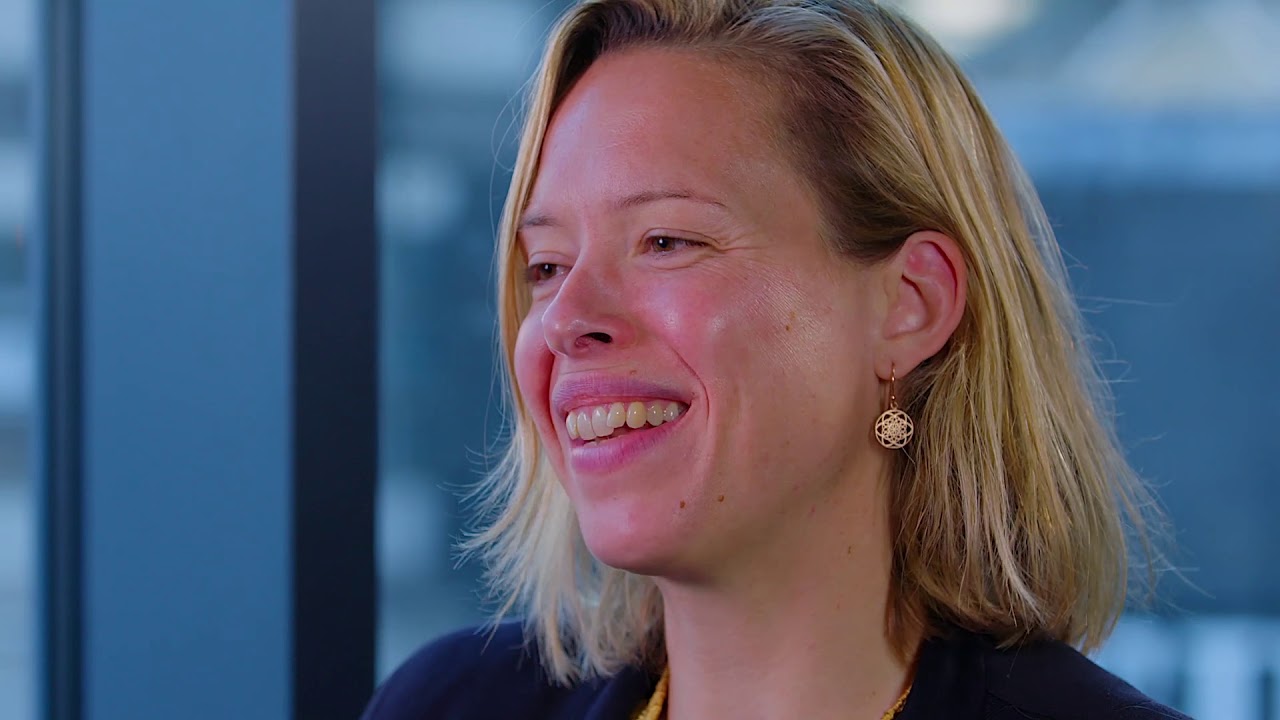
US Secondary Sanctions Impact on EU Businesses and Blocking Legislation
@Bureauvandijk
1.6K views•2019-03-20
Forensic Phonetics: Speaker Identification in Legal Cases
@nptel-nociitm9240
539 views•2025-03-19

Police Interrogation Tactics: False Confessions & Legal Reform
@LastWeekTonight
7M views•2022-04-18
Related Study Plans & Knowledge Roadmaps
Structured learning paths in Law