






![A hunt for the keys - Nancy Drew [ENDING]](https://i.ytimg.com/vi_webp/-OVL_D3R75k/maxresdefault.webp)

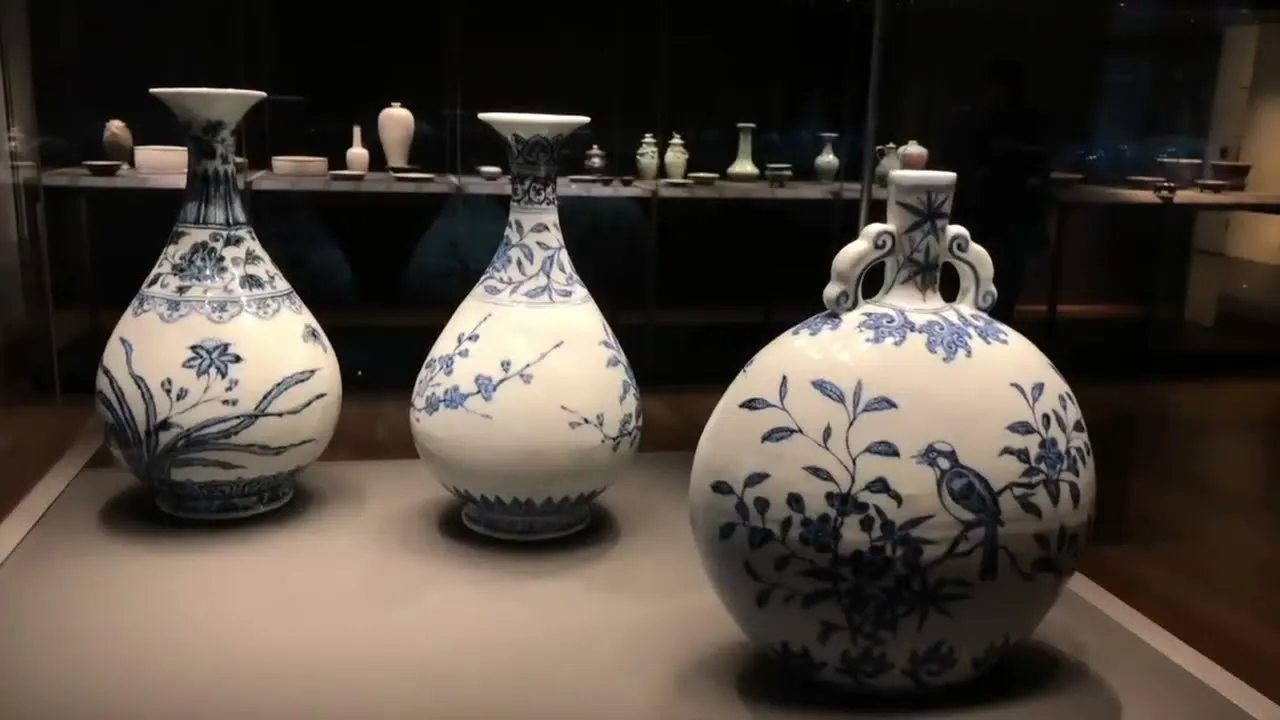























International law governing the repatriation of cultural artifacts faces significant limitations due to the non-retrospective nature of key treaties like the UNESCO Convention (1970) and UNIDROIT Convention (1998), which only apply to artifacts stolen after their effective dates, thereby excluding the vast majority of colonial-era looting; however, general principles of international law, including the principle that a party cannot take advantage of its own wrong (Chorzów Factory case) and the principle of equity (Continental Shelf case), provide potential legal pathways for repatriation claims when treaties are silent.
Repatriation of Cultural Artifacts: International Law Explained
Added:Basic principles of international law, including how treaties are drafted, ratified, and enforced.
The historical context of colonialism, imperialism, and wartime looting that led to the displacement of cultural artifacts.
The concept of provenance and its importance in establishing the chain of ownership for historical objects.
An understanding of state sovereignty versus the concept of 'common heritage of mankind' in global governance.
In-depth analysis of major international agreements, specifically the 1970 UNESCO Convention and the 1995 UNIDROIT Convention.
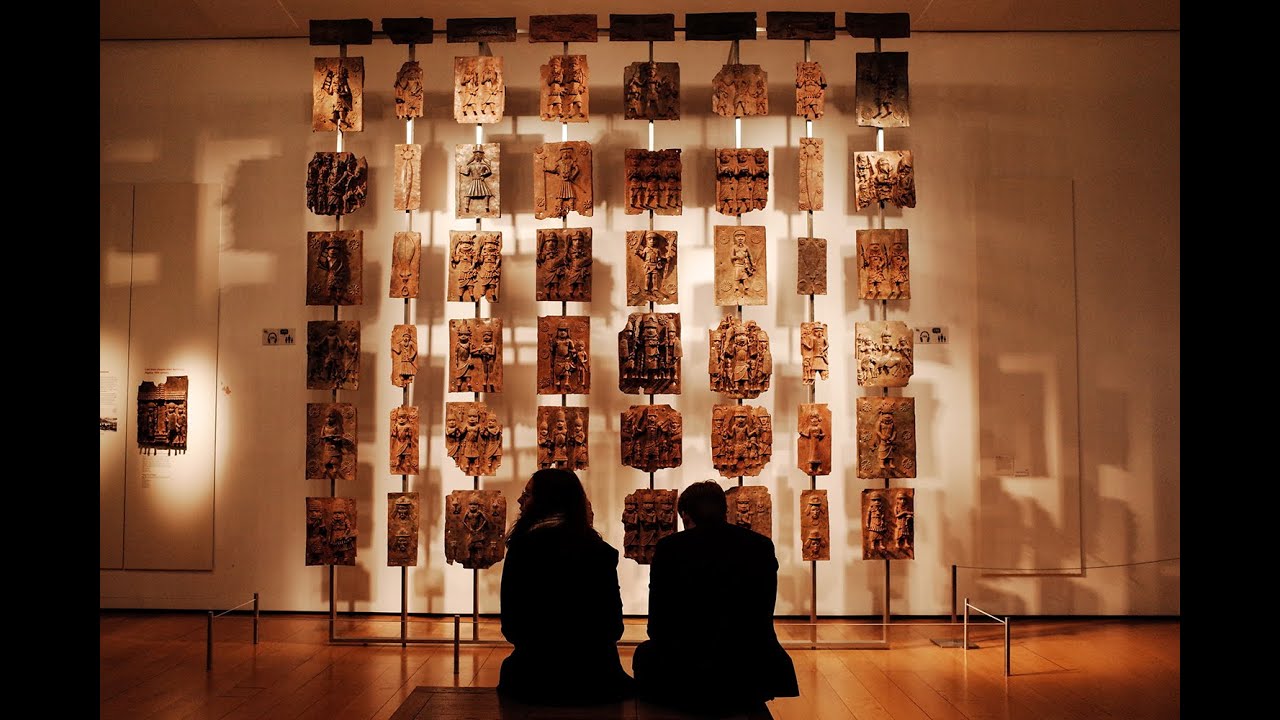
Case studies of prominent repatriation disputes, such as the Parthenon Marbles (Elgin Marbles) and the Benin Bronzes.
The role of Alternative Dispute Resolution (ADR) and bilateral negotiations in bypassing rigid legal barriers to repatriation.
Modern museum ethics and decolonization practices regarding collection management and restitution policies.
The intersection of illicit antiquities trafficking and international criminal law, including the role of law enforcement agencies like INTERPOL.
178 views12likes27:40Original Release: 2021-10-14
hi today we're going to be talking about an interesting area of law the law of repatriation now what is repatriation repatriation is essentially the return of cultural artifacts or other items of cultural significance from a country that has them in their possession to the country that originated that artifact or item or the the country that is the successor to those that created or produced them so what are cultural artifacts or cultural property now according to a unesco convention that we'll be discussing later in this video this includes property which on religious or secular grounds is designated by any state or country as being of importance for archaeology prehistory history literature art or science and this can include many different things like rare collections of animals plants or minerals property that relates to history products of archaeological excavations elements of artistic or historical monuments antiquities that are more than 100 years old objects of ethnological interest property of artistic interest and so on so how did so many of these cultural artifacts wind up in the hands of countries that have little if anything to do with their production well to do that we have to go back to the golden age of looting the colonial era now during the colonial era aside from the general practices of colonialism the domination of natives the setting up of local slave markets and the essential transformation of self-sufficient societies to vassal states that were supporting the the european empires there was also a vast transfer of cultural artifacts and other items of cultural significance and this generally occurred for three reasons first they were transferred because of the material value of that which was taken statues of gold jewelry anything that had precious metals or gemstones imbued into it materials made of rare metals or minerals and so on these were taken just for their crass material use and either sold immediately or stripped down to their component parts which were then liquidated the second use was for private collections there were a lot of people that you know liked to collect art and saw the colonial realms as areas to acquire art without having to go through the expense of actually purchasing or commissioning it it was really there for the price of a boat ticket you go and you take whatever you want and of course the third was for well as a hobby essentially these were taken for the private collections of individuals that belong to imperial states now since the dying days of world war ii the wrongs of colonialism and of the process by which artifacts and items were taken to the west were generally recognized as wrongful and these practices pettered out especially after the the atlantic charter which signaled the end of the era of colonial empires and one would think that once everyone had gotten on board and as more and more people followed on with decade after decade of progress that it would be a no-brainer that this property at least in so far much as discrete identifiable properties such as specific items or artifacts would would be returned this would be this would be common sense a basic notion of justice unfortunately what we've seen instead is a growing wave of justifications for the retention of this property by those that acquired it through the mechanisms of colonialism and while these arguments range wildly in complexity and in believability there are really only three basic arguments that essentially take the form of these several of these several different claims and let's take a look at these three arguments and why they don't quite hold up the first argument that's made is that these artifacts were uncovered or discovered through excursions and expeditions that were funded largely by the colonial powers in essence these are artifacts that would have remained hidden but for the the effort put in by the colonizers to unearth and recover them now this argument fails on two grounds first many artifacts were not hidden away or undiscovered they were either in the open for all to see such as the marbles in the parthenon or they were in the possession of individuals still alive that had been legitimately handed that property down such as the kohinoor diamond so for those artifacts that were already known during the time this argument just fails to defend them at a most basic level but even for those that were found in expeditions this this isn't a very strong argument because it's it's arguing from a post-facto position because the the colonizers essentially removed that property they also removed the ability of the natives to uncover this and at the time of the artifacts uh being uncovered and again this is referring only to those that were held uh you know underground or in inaccessible regions the the locals were didn't have the agency to go out and make such such discoveries or expeditions on their own largely because they were busy being dominated under the colonial machinery so it is impossible to say whether a they would have made these discoveries at the time had they been liberated and free to to make discoveries and b whether they would have made these discoveries eventually were the artifacts still existing in the country to discover it's it's simply impossible to with a straight face say that under no circumstances would the natives been able to discover and reclaim these artifacts that were within their territory and beyond that just looking at it from a principle of property law being unaware of where one's property is or being unaware of one's ownership of property in no system of civil or european law results in forfeiting ownership just because you don't know where your keys are doesn't mean that your neighbor can come in and take them because they want on an expedition to find it just because you have a forgotten claim in in a mind somewhere that has been left to you by a relative that you don't know about doesn't mean that someone else can come in and take that or that you don't actually have those ownership rights so if you look at it from the concept of of ownership as it's understood across nations in the modern world this this is a fallacious argument at its face the second common form of argument that's applied is that the ownership of artifacts was not held by modern nations as they exist today that they belong to cultures and societies that are not coterminous or not identical and carrying the direct lineage of those nations making the claim today for example the argument is that any artifacts that were owned in india prior to independence were not owned by india but by some form of kingdom or alliance or you know tribe that existed and there is no relationship between the country as it exists today and the those that owned it or those that produced it and therefore there's no right for the modern nation to to take back this this cultural heritage now again just like the first one this falls on two grounds uh first it falls because generally speaking you can see the if not the development of the culture into the modern day nation you can see a continuity of lineage you can see that those groups that existed then and those groups that existed now have a traceable familial relationship the grandchildren of the grandchildren of the grandchildren of those that produced it are those that constitute a large part or the large part of the nation making the claim similarly the borders of these nations and the governments of these nations are similarly lining up with those that produce the artifacts if you take an artifact that was produced in the maratha empire well all those that survived that era and had descendants have their descendants within india and all areas and regions and cultures that existed within that empire exist within india so it's really a distinction without a difference but the second ground is that this is an insidious argument that existed both now and at the time of the colonization itself the justification for taking over and dominating these regions and subjugating the indigenous populations was the fact that these european nations didn't recognize the validity of these groups as human and as having valid self-government these were brushed aside and so for the modern day version of these imperial nations to your your us your uk your france or spain to come out and make the argument that those countries that were colonized weren't countries is again it's just it's just perpetuating that argument it's it's using the same mindset of of the colonizer and to cling to or even uphold that that mental state that ideology is valid is is abhorrent in the modern era and it's something that should have been completely rubbished with the signing of the atlantic charter now the final form of argument for retaining this cultural property in the hands of the the former imperial nations is to divorce the concept of national identity from these artifacts altogether to claim that all of these artifacts are part of some grand collective human cultural heritage and all humans have the right to its ownership and this sort of high-minded language is used to justify putting all of these artifacts in museums or collections in the west but what shows the lie of this argument is that all of these these arguments all of the institutions that are being defended just so happen to exist in the west in western white dominated nations and in those nations that are in many in many cases the continuous governments of those that perpetuated colonial regimes of those that took that property but the argument is never applied in reverse you don't see that this cultural property that belongs in the west should also be disseminated should also be shared with those in the east you don't see that those that own cultural heritage in the global north give it to those in the south they give the statues from greece they give the the artifacts from the american revolution they give the queen's jewels to countries in the global south the argument always flows one way and for that reason until and unless there's a concerted effort to equally allocate out this cultural heritage the the argument that it's part of some collective humanity is is just a facade now aside from the fact that these core arguments in favor of retaining the property are fundamentally flawed there's an even more basic reason that these artifacts should be returned the principle of justice now these artifacts were not acquired in in open market they were not given as gifts they were taken through violence coercion theft subterfuge and just the mechanisms of colonial domination the mechanisms that afforded no humanity to the natives and afforded them no rights over what they held sacred and what they had created now to to continue an ownership that is based on such an unethical acquisition is to simply perpetuate the harm caused during the colonial era by justifying at least tacitly justifying the fact of those thefts of that unethical conduct and so if nothing else but to stop the harm that is being caused this property should be returned recognizing at least at a basic level the need for the return of property that is taken illicitly two treaties were adopted a unesco treaty and a unidroid treaty in order to facilitate the return of cultural artifacts that were acquired wrongfully the first treaty to address the problem of repatriation was the unesco convention on the means of prohibiting and preventing the transfer of illicit import export and transfer of ownership of cultural property this was a treaty under public international law that governed the repatriation of property and was made effective from 1970.
the second treaty designed to extend this to the area of private international law was the unidroid convention this was effective from 1998.
now both of these treaties require someone trying to take back the cultural heritage to approach the international court of justice and file a case under either the unesco convention or the unidroid convention now with these treaties on the books you would think that the problem is solved job done there's a mechanism to return property whether privately or publicly held through the unesco and unitroid treaties however there is one fatal flaw that has been incorporated in both of these agreements that renders them largely ineffectual at best and irrelevant signaling at worst and that is the fact that these treaties don't operate retrospectively what that means is the date on which these agreements were made effective which is 1970 and 1998 respectively are the first date on which a on which this treaty can apply basically if property was stolen after 1970 or 1998 depending on whether it's publicly or privately held then and then only can you use the treaty to take the property back now as you're no doubt aware colonialism's heyday stretched between the 16th century and roughly the end of world war ii in the 1940s all of which is well before the effective date of the unesco and unidroid treaty meaning none of it is falling within the ambit of these treaties and none can be demanded under the same the exception to retrospective application creates a massive gap in the application of repatriation treaties a gap that just so happens to encompass the entirety of colonial looting during the era of empire to try to solve this problem unesco created a new committee in 2005 the icp rcp now this body formed of 22 member states had the explicit mandate of negotiating the return of stolen antiquities to their homes but aside from creating a moderate fund and some rules for mediation the icprcp has accomplished very little so between the conventions that explicitly rule out colonial plunder and the icprcp which hasn't really done anything international law as it stands right now is unable to satisfy the cries for the return of pilfered cultural objects to their homes with the treaties designed to solve this problem being largely unavailable to the vast majority of victims of this sort of theft and plunder you may be thinking that there's there's no root out fortunately there may be a solution although this will require a little bit of re readjusting international law now the principles on which the international court of justice operates include three different sources of law and these are in descending order first the existence of any treaty that addresses the issue any agreement between the countries in question that will accept the the standards on which that dispute is to be decided the second is international custom the generally accepted principles by which these countries operate that have been accepted by and large as law and third and most relevant to our case here are the general principles of justice as accepted between civilized nations now what that means is when there is no treaty and when there is no customary practice that everyone generally agrees to it's going to devolve to basic principles of law and justice that these countries agree to and if we take a look at those generally accepted principles there is a strong case for the repatriation of cultural artifacts when it comes to discussing the general principles of law there are really two principles that that apply here both of which are discussed in prominent international court of justice or icj judgments the first is the principle that a party can't take advantage of its own wrong which was discussed in the chorezo factory case the second the principle of equity which was discussed in the continental shelf case so the principle in the chorzo factory case is that a party can't take advantage of its own wrong here the icj held that this principle is generally accepted in the jurispudence of international arbitration as well as municipal courts in most countries now given that the stolen property here was acquired through the grave historical wrong that is colonial looting the rights acquired to that property if any would be a violation of this principle so if one is suing for the return of the property the argument can be made under the principle of the chores out factory case the principle that someone can't take advantage of their wrong would require the property to be returned beyond this there's a principle of equity in the continental shelf case the icj discussed the application of equity now this is defined as the determination on a case-by-case basis of what is fair and reasonable in the administration of justice generally the principle of equity is the principle that things should be fair now in in municipal law equity was generally held to be something limited by its application in positive law in continental shelf the ica noted that in international law municipal law isn't a thing and the legal concept of equity is a general principle directly applicable as law now as we discussed before the call for the return of cultural property is aligned with justice we discussed the basic principle of justice that would require its return and the retention of that property constitutes a perpetuation of injustice the theft of cultural heritage at the point of a gun is a great crime one that remains unpunished till this day and so if we apply the principle of equity the least that can be done is the return of this property to its rightful owner and this principle of equity is applicable as international law so given that the general principles of law generally line up with the traditional notions of justice and equality you can think that the problem is solved if the conventions didn't take care of it the general principles of law will take care of it but there is a caveat to the application of these general principles they can only be used in the silence the they're the law of the gaps which means that these principles only operate when no legislation exists to address the matter at hand if there are any treaties or conventions these principles can't overrule them the conventions control so ironically these treaties designed to facilitate the repatriation of cultural heritage are exactly those pieces of international law that are preventing the repatriation of the vast majority of stolen cultural artifacts so what does all of this mean at the end of the day it means that those treaties that were designed to facilitate the return or repatriation of cultural heritage are largely those absolute laws that are getting in the way of repatriation largely due to a loophole that exists in both the unesco convention and the unidroid convention now it can be argued that this is simply the best agreement that could be made by several different nations essentially putting their heads together and balancing interests but it could also be seen through a slightly more cynical lens and it may be the case that this treaty's construction itself with the retrospectivity exception is designed to block the application of general principles of law which as discussed when we went through the continental shelf and chores out factory cases would largely support the return of these these artifacts but because there's a treaty that exists these general principles don't apply and that tree just so happens to exempt the vast majority of the artifacts in question so at the end of the day what needs to happen in order to facilitate the return of this property if it is it is desired is the the rejection of these treaties wholesale if not their amendment to remove the retrospectivity exception these treaties either need to be fundamentally altered and need to allow nations to press claims for the golden age of looting that has till now been held absolutely untouchable under these laws or the laws themselves need to be thrown out so that the general principles of law can be applied and nations can sue to get their property back thank you for watching if you like this video please like comment with your thoughts share it with friends and family and subscribe to see more content
Up Next

27:53
Should the UK Return Stolen Artefacts? | English Vocabulary Lesson
@thinkinginenglishpodcast
1.4K views•2022-12-13

4:27
US Secondary Sanctions Impact on EU Businesses and Blocking Legislation
@Bureauvandijk
1.6K views•2019-03-20

5:27
Forensic Phonetics: Speaker Identification in Legal Cases
@nptel-nociitm9240
539 views•2025-03-19

24:42
Police Interrogation Tactics: False Confessions & Legal Reform
@LastWeekTonight
7M views•2022-04-18
Related Study Plans & Knowledge Roadmaps
Structured learning paths in Law
law
Self-Defense Law: Imminence & Castle Doctrine
01Foundations of Self-Defense Law
02Imminent Threat & Reasonable Belief
03The Principle of Proportionality
+ 3 more learning modules
12h6 modules
Explore Roadmap
law
Defamation Law: First Amendment & Actual Malice
01Introduction to civil torts and the First Amendment
02Elements of Defamation: Libel and Slander
03Public Figures vs. Private Individuals
+ 2 more learning modules
8h5 modules
Explore Roadmap
law
Hearsay Rule: Trial Evidence & Exceptions
01Introduction to Trial Evidence & Courtroom Basics
02Demystifying Hearsay: The Core Definition
03Non-Hearsay: Exclusions Under FRE 801(d)
+ 3 more learning modules
14h6 modules
Explore Roadmap
law
Medical Malpractice: Law, Liability & Care
01Foundations of Tort Law and Civil Liability
02The Four Elements of Medical Malpractice
03Defining and Proving the Standard of Care
+ 2 more learning modules
12h5 modules
Explore Roadmap