
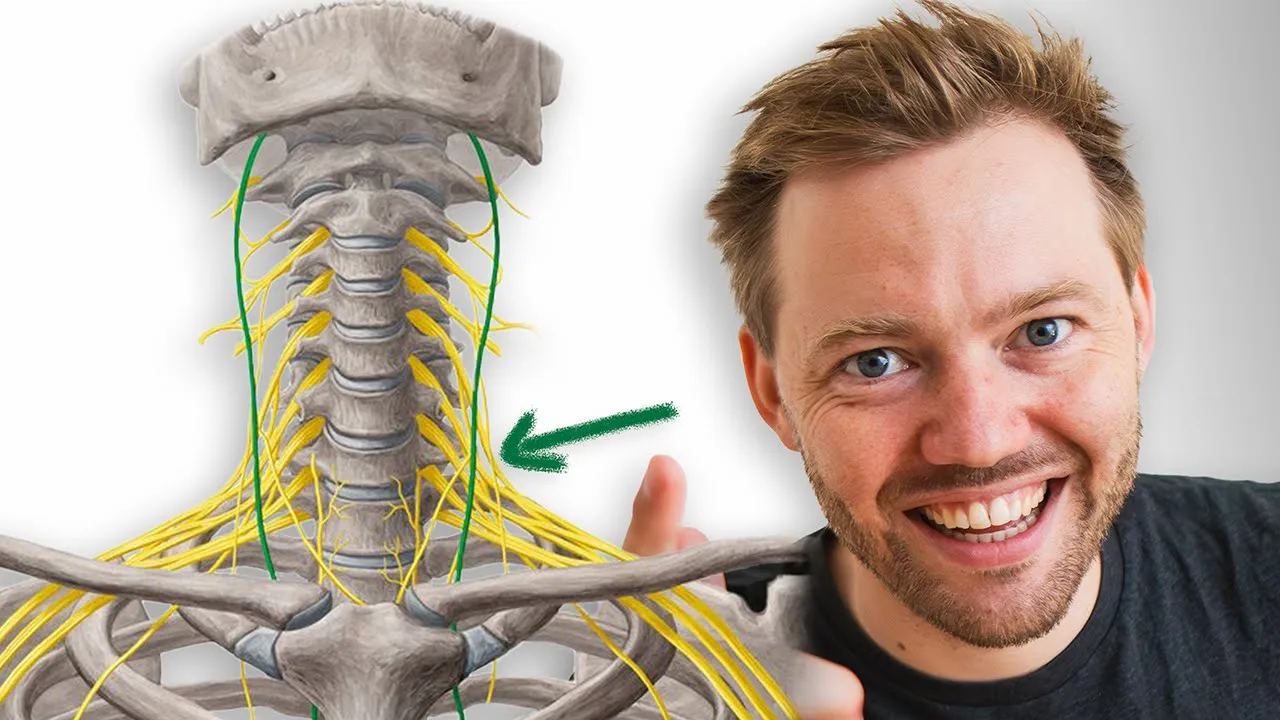


















The gut microbiome produces approximately 95% of the body's neurotransmitters including serotonin, norepinephrine, and dopamine, and communicates bidirectionally with the brain through the vagus nerve, meaning gut health significantly impacts mental health conditions such as depression, anxiety, addiction, ADHD, autism, and bipolar disorder, and improving gut health through stress management, mindfulness, meditation, exercise, proper nutrition, and sleep can enhance treatment outcomes for these conditions.
Gut Microbiome & Mental Health: The Gut-Brain Axis Explained
Added:Basic anatomy and function of the human nervous system, specifically the role of the vagus nerve in parasympathetic regulation.
An introductory understanding of the human microbiome, including the definition of commensal bacteria and dysbiosis.
Fundamentals of immunology, particularly the concept of systemic inflammation and how cytokines affect the body.
The biological basis of mental health, including the role of primary neurotransmitters like serotonin and dopamine.
The therapeutic potential of 'psychobiotics' (probiotics and prebiotics used to treat psychiatric symptoms).
The biochemical pathways of microbial metabolites, such as Short-Chain Fatty Acids (SCFAs), and their crossing of the blood-brain barrier.
Clinical applications of dietary interventions (e.g., ketogenic, Mediterranean) and Fecal Microbiota Transplants (FMT) in treating neurological disorders.
The role of the Hypothalamic-Pituitary-Adrenal (HPA) axis in modulating stress responses via gut-brain communication.
34.8K views1Klikes1:00:44Original Release: 2023-02-19
I'd like to welcome everybody to today's presentation on the gut brain axis microbiome and mental health I'm your host Dr Donnelly Snipes now we're talking about covering a lot of information today so just bear with me a lot of this we're going to kind of skim the top layer and I will give you resources to do a deeper dive later if you have an interest in it disclaimer this is for educational purposes only and not intended to replace medical advice always have clients discuss any nutritional changes or supplements with a registered dietitian or their primary care physician we know that there are a lot of over-the-counter medicines that and supplements and herbs and those sorts of things that can for example increase serotonin which is not necessarily good especially for somebody who's on ssris so we want to make sure that people are fully knowledgeable and fully informed before they make changes and in Most states only registered dietitians and medical doctors can actually prescribe nutritional changes to address or treat any disorder objectives Define the gut brain axis and the gut microbiome and their function for so many months or years depending on how long you've been with me you know I'm a fan of the HPA axis now we've got another one to talk about we'll explore the connection between mental illness addiction inflammation and the microbiome yeah they're all connected who knew will identify causes of the microbiome dysfunction and at least five strategies people can use to improve gut health so let's start at the beginning what is the gut brain axis the gut brain axis sometimes referred to as our second brain is consists of the central nervous system both the brain and spinal cord the autonomic nervous system of which the vagus nerve is apart the enteric nervous system and the hypothalamic pituitary adrenal axis there's my HPA axis these systems facilitate bi-directional communication between the central nervous system and the enteric nervous system so the just think about the inner workings of the factory linking emotional and cognitive centers of the brain with peripheral intestinal functions so let's just think for a second how does that really happen does it really happen when you get stressed how does it affect your belly for a lot of people when they're stressed those excitatory neurotransmitters kick in that cortisol kicks in everything else kicks in it's sped up it's not time to rest and digest it's time to fight or flee so the body is less concerned about digestion and it actually speeds up the motility of the gut so it can get all that stuff out of there in order to focus on fighting or fleeing so we do recognize that there is a connection microbes or the bacteria in your gut stimulate the immune system break down food and synthesize certain vitamins and amino acids one example that was given the microbes are the only way to get key enzymes needed to form vitamin B12 from the foods that you eat so that's kind of interesting the fermentation of fiber causes the production of short chain fatty acids that can be used as a nutrient source and also plays an important role in muscle function and immune functioning we keep talking about immune functioning how does that play into mental health well in other videos we've talked about how inflammation systemic inflammation and neuroinflammation are highly correlated with mood disorders as well as neurodegenerative disorders so if the immune system is not functioning well we are going to likely see also some psychiatric stuff different types of bacteria found in the gut are believed to prevent the overgrowth emphasis on overgrowth of harmful bacteria by competing for nutrients and attachment sites to the mucous membranes of the gut a major site of immune activity so if your gut ain't healthy then then your immune system is probably going to be dysregulated and I emphasized overgrowth because as we'll learn towards the end of the presentation there are a lot of things in your gut that people think of as super bad like E coli and streptococcus and staphylococcus and candida however those bacteria in small amounts are needed to help synthesize our neurotransmitters so we don't want to just wipe them all out it's also important to remember that just like you can have ferns represent ferns represents an entire group of different kinds of plants you've got elephant Ferns and cinnamon ferns and okay those are the only two I know but I know there's a bunch out there we want to remember that the same thing is true for the bacteria in your gut there's not just one type of lactobacillus or bifidobacterium or other things or even Candida a healthy gut can adequately produce neurotransmitters gut bacteria manufacture about 95 percent of the body's supply of Serotonin norepinephrine epinephrine or adrenaline dopamine and serotonin are able to regulate and control blood flow gut motility nutrient absorption the GI the gastrointestinal immune system and the microbiome likewise the microbiome affects how much of those neurotransmitters are available how much of them and and how the body responds to them so it's really kind of cool it's that bi-directional system most everything in our body doesn't go just one way there's also substantial overlap between behaviors influenced by the microbiome and those which rely on in intact serotonergic neurotransmission so what they're saying is people who have serotonin Related Disorders there's significant overlap in their symptoms between with uh microbiome dysfunction so what they're believing is this dysfunction in the microbiome is altering the way the body responds to and produces serotonin so we need to recognize that again we are not diagnosing a gut microbiome imbalance we are not going to make recommendations for changing diet however it's important that we recognize that gut dysbiosis which is the fancy term for a microbiome imbalance can contribute to the maintenance of problematic symptoms we do need to recognize that and make sure we're attending to the person in a holistic nature making referrals when necessary in children and Adolescence the developing serotonergic system may be vulnerable to changes in the gut microbiome prior to the development of a stable gut microbiota and adulthood thought this was fascinating we've talked so many times before about how prior to adulthood the Child and Adolescent brain is very malleable it's like a pot or a vase clay vase that has not yet been put in the Kiln and hardened it's really easy to you know reshape it and poke holes in it and make problems once it is in its adult form once it's been put in the Kiln and hardened for example um if we want to go on with this metaphor it is less susceptible to injury the same thing is true with the microbiome when the Child and Adolescent are growing up that microbiome is changing a lot and just like their hormones and everything else are changing a lot but the changes in that gut microbiome can much more easily impact the serotonin systems and again back to that dysfunction we recognize that serotonin dysfunction is implicated in a lot of different disorders in the elderly decreased diversity and stability of the gut microbiota microbiota may lead to serotonin related health problems as people age and we're going to talk later about how this is one of the stressors that contributes to microbiome imbalance as we age what happens our liver doesn't work quite as efficiently our kidneys don't work quite as efficiently our hormone balance changes and and we have reductions in HD HGH we have reductions in testosterone and estrogen lots of things change as we age and all of those changes don't happen in a vacuum as those things change it impacts the whole Factory it impacts the whole system so we go through this period of stability in adulthood where theoretically we have a stable microbiome but then as our body starts to change the the microbiome also changes with it gut microbiota have also also seemed to influence the development not just the expression of but the development of emotional Behavior stress and pain modulation systems and brain neurotransmitter systems so the microbiota is at work when the little child is still a fetus all the way through up until adulthood when all of those systems are forming the dopaminergic system the serotonin system you know all of those systems the gut microbiota if they're not doing their job then that system may be flawed in its development both clinical and experimental evidence suggests that gut microbiota has an important impact on the gut brain Axis or the GBA interacting not only locally with the intestinal cells but also directly with the CNS through the vagus nerve so the vagus nerve sends information up to the brain the vagus nerve is one of the biggest nerves connecting your gut and brain and it sends signals in both directions in mice it was found that feeding them a probiotic reduced the amount of cortisol in their blood so probiotics if people are deficient in probiotics and they're provided with probiotics it can help reduce the cortisol that stress hormone in their blood however when their vagus nerve was cut the probiotic had no effect now obviously we wouldn't do this to a human being but it does show that for people whose Vegas who have poor vagal tone as they call it their vagus nerve is dysfunctioning that might in and of itself be causing problems because it's not effectively identifying and carrying messages to the brain so here's my little attempt at illustrating the vagus nerve think about your your stress response system is a four-way intersection and you've got a cop in in the middle and that's your vagus nerve now the red cars are the stress hormones and the red cars are going and going and going now the traffic cup is supposed to notice when everything builds up on the other side or when the the thread is gone and make the stress cars stop and let the relaxation cars go well unfortunately if the vagus nerve is not reacting well if it doesn't have good vagal tone a lot of times it doesn't really realize it just stands there and lets the stress hormones go by and it's like often Never Never Land not aware and not triggering the change in the direction of the of the stress hormones so when we strengthen vagal tone one of the things we're doing is we're training that traffic cup to be more aware of signals to identify usually when the stressor has passed so they can stop the stress traffic and let the relaxation traffic go intestinal microorganisms interact with a neuroendocrine system to modify behaviors relevant to stress eating obesity sex social behavior cognition and addiction as well as inflammation and immunity so those intestinal microorganisms are busy little buggers and what's important to recognize from that statement I know there's just a lot of stuff there is that your microbiome is involved in everything you do it's not just digestion it's not just fight or flee it's everything different microbes are needed to sustain different functions so we've used that analogy of a factory before you have different microbes that are called in different Crews that are called in to do different things you have the fight or flight crew you have the relaxation crew you have the digestion crew you have different Crews some of them may be there at the same time you can rest and digest at the same time but you have there's an ongoing alteration or Changing of the Guard of those microbes in people's gut that seem to have a circadian rhythmicity to it so when people sleep in circadian rhythms get off guess what nobody knows when they're supposed to come to work microbial composition is associated with an altered expression and production of neurotransmitters now that's not always bad remember you know you've got the stress hormones and the relaxation hormones you don't want Gaba just flowing through the system when you need to fight or flee so Changing of the Guard and having the stress crew come in is not a bad thing when there's a stressor that you need to escape from but that traffic cop needs to recognize when it's time to let the relaxation crew come in and do their job additionally tweaking the balance of gut bacteria can alter brain chemistry probably by the vagus nerve and Lead animals to become either more bold anxious or depressed and in this this particular study or meta-analysis they looked at animal-based studies they haven't tweaked the balance of gut bacteria on humans just to see if they could screw with them that wouldn't be really um ethical but it is interesting to reflect on people who are struggling with autoimmune issues or addiction or something else and how their behavior and their mood is different when they are symptomatic versus when they are asymptomatic finally the discovery of the role of the intestinal microbiota and the development and activation of the immune system and its bi-directional communication with the brain have increased interest in the reciprocal interactions between inflammation the microbiota and depression and anxiety and I mentioned earlier we have really started to understand that when we see systemic inflammation we also generally see neuroinflammation because that blood-brain barrier becomes more permeable so we start to see neuroinflammation and that neural inflammation is highly correlated with mood and psychiatric disorders and you know they kind of wondered where is all that coming from well a lot of that may be coming from dysfunction in the microbiome that is leading to dysfunction in the immune system that is leading to increased permeability of the gut so some of those toxins are kind of leaking out if you've watched my other video on the on gut health I talk a lot about leaky gut and some of the symptoms of that we're not really going to touch on that a lot today microbiota changes can be caused by illness you know you get sick different Crews called in um stress dietary changes probiotics and antibiotics you can have too much of a good thing and I've said this before we still have Goldilocks even when it comes to these bugabugas in our belly if you eat for example too much yogurt and I found this out the hard way one time too much lactobacillus can actually overwhelm the system and cause GI upset and dysbiosis so it's all about moderation um antibiotics you have gram-positive antibiotics which kill a certain type of bacteria or certain group of bacteria you have gram negative did I say positive gram-positive and gram-negative each of those killed different categories of bacteria and then you have what they call broad spectrum antibiotics that just kind of goes in and willy-nilly wipes it out well as I'm saying that I hope you are kind of registering that that's not good if you're killing off the workforce you know who's there to sustain the immune system to help with the production of neurotransmitters to help with the regulation of everything so while antibiotics are sometimes very needed they can also be problematic and they've found that children who took a lot of antibiotics when they were growing up are a lot more susceptible not only to psychiatric but also to cardiovascular and other related diseases later in life now I say that but you'll also find if you delve into the research that certain people have an overabundance of particular types of bacteria and they've found that targeted antibiotics can help improve symptoms in them particularly in people with autism spectrum disorder not that that's necessarily the first line treatment but it is interesting to note that we don't again don't want to throw the baby out with the bath water it's important to recognize that antibiotics may have their place probiotics may have their place the modification of the gut microflora affects the HPA axis axis axes response to Stress and Anxiety so recognizing that if the gut microflora is inadequate if the stress team is worn down and and those bacteria have gotten unpopulated or overpopulated then that may impact the way the body responds to stress and I told you we were going to talk a little bit about the bacteria and the neurotransmitters because I think it's fascinating just if no other reason lactobacillus and phytobacterium those are families of bacteria you typically find in in yogurts and things they synthesize gamma aminobutyric acid or Gaba from monosodium glutamate now I know a lot of us have thought oh monosodium glutamate bad for some people it's not a good thing for some people it causes Wicked headaches um in small amounts it can be used to synthesize Gaba so I thought that was interesting E coli how many times have we seen stories about how awful E coli is well yeah if it's overpopulated E coli bacillus and saccharomyces produce norepinephrine candida streptococcus IA and enterococcus produce serotonin and bacillus and serratia produce dopamine so we need these bacteria we need these things in the right amounts in order to allow our body to do its job the brain can also alter the microbiome and subsequent Behavior via the autonomic nervous system so just like the vagus nerve takes information from the gut to the brain and says oh yeah we got you know the staff called out we got a problem here the brain can say oh my gosh there's a threat you need to call in the stress response team exposure to chronic stress decreased the relative abundance of bacteriocide species and increased the colostridium species in the cecum and caused activation of the immune system or inflammation now the immune system you got to remember not all bad inflammation not all bad what is inflammation when it is in check inflammation is the body's way of sending the um maintenance crew to go fix something that's broken you have swelling that's the blood taking all the nutrients and everything else to the area in order to heal the affected part so in its place inflammation is not bad when inflammation is left unchecked or becomes systemic then we start having a problem and we recognize that when the HPA axis is activated for too long cortisol which is a steroid loses its anti-inflammatory abilities so then we start seeing unchecked if you will systemic inflammation even mild stress can change the microbial balance in the gut making the person more vulnerable to infections and disease which triggers the fight-or-flight microbes to jump into or just stay in action think about people who are experiencing chronic stress maybe that's you how is that affecting your gut microbiome how is that affecting how you respond to stress a lot of times when people have low grade stress when something happens they respond a lot stronger to that additional stressor than if they weren't stressed in the first place you know that's a result of the gut microbiome it was already primed and ready so it was like oh we're already exhausted we need to call in the emergency crew to help out with this physical stress pain illness um injury mental stress and environmental stress can all change the microbial balance and environmental stress can be noise it can be heat it can be excess cold that is contributing to your discomfort when you're uncomfortable that HPA axis May kick off neuroinflammation is associated with depression anxiety schizophrenia psychotic disorders addiction and obsessive-compulsive disorder to name just a few neuroinflammation is something that we talk about a lot the microbes in the microbiome May alter inflammatory signaling in the brain through the secretion of those short chain fatty acids controlling the availability of tryptophan and altering vagal Activation so when we've got neuroinflammation that vagus nerve how it responds is going to change re-establishing microbial Flora of the gut appears to be critical for keeping neural inflammation from quote putting the whole system aflame I thought that was a very telling statement that was from the researcher's words not mine uh we don't give enough credit to physiological processes in contributing to people's responses both cognitive and Behavioral two stressors in their environment so let's talk about the microbiome and mental health how does how do problems in the microbiome impact Mental Health well they found an association between microbiome dysbiosis and addiction with regard to not only alcohol addiction but also substance use and food addiction wow so these addictive behaviors that are often characterized by depression anxiety and craving among other things all have an underlying component and that is imbalance in the gut microbiome dysbiosis or disruption of the gut microbiome was correlated with craving depression and anxiety there was another study that I looked at that specifically was in reference to alcohol use and it said alcohol use causes changes to the intestinal permeability and remember when we start having a leaky gut that means those toxins are getting out the immune system is going to respond we're going to start having systemic inflammation no good so alcohol causes changes to intestinal permeability as well as the gut microbiota composition causing a shortage of vital nutrients like thiamin and altering neurotransmitter production and response in the same study they found that probiotics demonstrated beneficial effects on both mood and craving in people who were in uh recovery from alcohol alcohol abuse now it's also important to recognize and I was talking about this a little bit before class today in a lot of the studies they've found that people taking probiotics they're supplementing their microbiota and and again you want to check with your doctor before you start doing that but they've also found that when they stop taking those probiotics the um imbalance microbiome still exists so you may be able to call in PRN workers if you will if you want to think about it that way call in the on-call staff but when they're not actively being recruited the problem that led to the Staffing shortage that led to the underlying deficiency still exists so that microbiome hasn't healed we need to get down to the underlying pathology what is causing the microbiome disruption and and again it can be addiction if somebody is is using substances or eating an excess of inflammatory foods or you know that can be one thing that can cause the disruption so yeah they may take probiotics but until they change their behaviors to something that's more gut sustainable then that gut is still going to be um struggling to maintain balance additionally and I'm not going to go into all the ways that the gut contributes to these things again I'm going to give you a link in the show notes to the bibliography for this and if you want to do a deep dive into the relationship between the microbiome and any of these things you can what's more important is what do we do about it and we're getting to that so mental microbiome is associated with ADHD Alzheimer's disease anxiety autism bipolar disorder and where you see the little two that's not bipolar two although it does apply to bipolar II it's just there was another article out there that I thought was really um informative about the topic with regard to bipolar disorder in the microbiome so I wanted to make sure it was linked in your PowerPoint that way you could read both of those articles it's also associated with depression Parkinson's disease and schizophrenia okay now some of these things we have long thought were genetic exclusively genetically caused or there was no treatment for them except for you know psychopharmacology and management of symptoms but one of the things the research seems to be showing is there are other ways to manage symptoms and for some people it may be enough to explore dietary changes and lifestyle changes and maybe even probiotics in in their treatment regimen and that's important for a lot of people who are like you know what I really don't like the way I feel on this medication okay well that is something they've got to take up with their prescribing physician however as clinicians you know we see them a lot more than their prescriber we also need to be alert to medication non-compliance we need to be alert to what the person is saying and saying okay if you're not going to do this even though you know maybe you you advise against it if you're not going to take this medication then what are you going to do instead what alternatives might be there and where can you get information about how to effectively Implement them so if you're going to tell your doctor that you're not going to take this medication anymore and you want to start a holistic approach to treatment who is going to guide you in that it's we really don't want people going in and going well I read this article on the internet so I'm just gonna or I watch this video on the internet so I'm just gonna try throwing the kitchen sink of probiotics at it no no no no no a functional medicine physician is generally a good place to start or a holistic medicine doctor registered dietitian that uses a holistic approach you really want to encourage people to make sure that they're getting professional guidance but I mean look at the list look at the list how many people have continued to suffer with symptoms that were poorly controlled because we overlooked the gut microbiome it's heartbreaking causes of microbiome or gut brain access dysfunction can include vagus nerve dysfunction so without getting too far down in the weeds it's important to remember that people who've experienced trauma or chronic stress or complex PTSD borderline personality as a result of you know childhood trauma we keep hearing this word trauma when that happens a lot of times the person never ends up feeling safe again and until they feel safe they cannot turn off that hyper vigilance they cannot actually relax they cannot actually get quality sleep and regulate their circadian rhythms so over time the vagus nerve becomes dysfunctional it's spends so much time going well there's there's stress so the stress hormones just keep flowing think about those cars those red cars keep going and the blue cars keep backing up and they just they don't get a chance they don't get a chance to go and that contributes to an imbalance in the responsiveness and production of neurotransmitters because then the system is focused more on fight or flight and stress than it is on relaxation over time you know when the when the traffic cop keeps seeing stress keeps seeing threats and they're not stopping that traffic over time they become less able to stop the traffic the traffic gets away from them and it's just like okay stop guys stop and the traffic just keeps going they're like nah we're good thanks so we need to make sure that the vagus Nerf your traffic cop not only is the wear of the changes and the ability to relax but is also strong enough and capable of shutting down the stress traffic and letting the relaxation traffic start start moving prenatal stress so even when you were just a little peanut in in your mama's belly prenatal stress can contribute to gut microbiome problems and it's important to think about that because there are a lot of people who experience a lot of stress when they're pregnant or use substances when they're pregnant so there's a lot of stuff that can happen and some of it is addressable some of it is unavoidable but it's important to recognize that if that fetus was exposed to high levels of stress then it will alter the fetus's microbiome to be more in line with the host parents microbiome which is one of stress and dysfunction and generally they find that fetuses exposed to prenatal stress have a decreased level of bifidobacterium now the phytobacterium is a family it's not just one type of bacteria so that that's kind of interesting and we know we need bifidobacterium to help make Gaba so if the children are born with less ability to self-soothe less ability to trigger the release of Gaba then there's going to be a problem now postnatal stress and I don't know if you want to put this under pre or postnatal but infants delivered vaginally had a higher amounts of bacteria in their gut compared to infants delivered by cesarean section now there are a lot of people who are developed delivered by C-section don't have any problems but it is is interesting to note that those who were delivered by C-section do tend to have a more sterile microbiome than the others beginning with the first week of Life colonization of the microbiome is highly Dynamic so they're born with sort of this base level of of workers in the factory and beginning with the first week of Life they start hiring you know if you want to think about it that way this represents a critical period for newborn health and Immunity think about starting a new business you've got your main c-suite Executives and you're getting ready to start hiring people to open the factory if you don't hire good people to start out with your factory is going to shut down before it even gets started you're going to go bankrupt microbiota under development during this period has been correlated with numerous mental and physical health disorders so microbiome bankruptcy if you will the phytobacterium and lactobacillus are important parts of the infant microbiome and are key in producing Gaba remember Gaba is your natural Valium if you will breast milk has been shown to increase IGA and the phytobacterium now IGA is associated with the immune system the phytobacterium is associated with helping regulate um Gaba and it's also found to decrease il-6 levels that's an inflammatory cytokine and subsequently inflammation so breast milk has a lot of benefits to it not every parent wants to or can nurse their babies however breast milk is important when at all possible even if you got a pump to get it to them nutrient deficiency can also cause dysfunction in the microbiome if you're not feeding the workers they're going to wither away we need to make sure they have the nutrients they need to sustain themselves we also need to make sure that they have the nutrients they need to break down to make the neurotransmitters that remember are also responsible for regulating the microbiome nutrient excess you know Goldilocks excess of inflammatory foods like excessive omega-6s and sugar can contribute to inflammation which will also trigger that stress response and alter the composition of the microbiome inflammation and pain most of us are not on our best game when we are in in pain when we've got a lot of inflammation so that's going to trigger that HPA axis that stress response because we get stressed when we hurt which is going to alter the microbiome when that microbiome is consistently altered going back to the factory if the relaxation team never gets called in then they're going to probably start looking for other jobs and when it's time to call them in they may not be there anymore sedentariness is also associated with the change in the microbiome people who exercise regularly have a different microbiome composition than people who are sedentary a lack of quality sleep is also associated with changes in the microbiome with the motility of the gut with a lot of things and and this is one of the things that we as as mental health clinicians as social workers can address we can help people learn the basics of sleep hygiene we can refer to a sleep specialist if they have or we think they may have apnea or some other sleep disorder that needs to be addressed but lack of sufficient quality sleep and lack of Maintenance of their of those circadian rhythms is going to cause alterations in the gut microbiome substance use or addiction we've already talked about that that can alter the microbiome a lot of addictive substances are associated with increasing inflammation activating the HPA axis increasing stress now there are some like opioids and depressants that slow the body down either way when that happens when we see those changes it does it doesn't just happen you take that drug and that drug does everything that drug triggers physiological reactions that cause your symptoms and as I mentioned unfortunately aging aging changes our microbiome partly they suspect because people change their diet as they age and every time you change your diet it's going to change your microbiome so if you go from eating a keto diet to eating the Mediterranean diet it's going to change your microbiome you're feeding those microbes differently and you're feeding oftentimes feeding different microbes mental stress both actual and perceived now for most of us we recognize clinicians we recognize that stress is stress whether something's actually a threat or you're worried about something it's still stress and that stress is going to activate the HPA axis and call in the stress team and that relaxation team is going to get left out in the woods trauma as I mentioned earlier trauma often leads to symptoms like hypervigilance people who are hyper Vigilant are scanning and for for threats they don't feel safe so they are regularly on they have difficulty relaxing and guess what when they're hyper Vigilant they're not noticing everything they're noticing threats and as they proceed like that the world starts feeling even more unsafe because they are so much more aware of the threats which increases their stress and again eventually may lead to dysfunction in the vagus nerve loss of vagal tone and relational stress interestingly they found that social stress can cause changes in the microbiome and I did not do a deep dive to see the correlation between oxytocin and the microbiome I wish I had but that's probably for another video but they did find that when mice were exposed to social stress when they were taken away from their Clan or whatever you call a group of mice um their gut microbiome changed and when they were reintroduced it changed again but if they were taken away for four hours the first time they had that change that developed you know over time they were put back with their group things went copacetic again and then when they were taken away again guess what happened their microbiome changed a lot faster it says oh I've been here this is no good so I think that's interesting when we're exposed to stressors the first time it may take a minute for our microbiome to change but then each successive exposure that response is more well rehearsed more ingrained whatever you want to say and it leads to a faster alteration of the microbiome at least according to that study so what can we do to improve gut health well Stress Management and obviously as clinicians this is one of those areas that we're we can be really helpful with Stress Management will help the person start to strengthen that vagal tone to recognize when there's threats in the environment and when there's not it will help them also have time when they are not stressed so go back to that four-way intersection again they will have times when the red cars aren't moving and the blue cars actually are so you're going to have a better flow of traffic you're going to have a better um functioning of the thoroughfare within the Factory or the city or whatever mindfulness has been found to help improve gut health as well as meditation but mindfulness-based meditation and I actually cited this in a couple of slides yet to come but there was a study interestingly enough that found that mindfulness helped people identify stress earlier and intervene earlier to prevent complete upset of the microbiome so that was good my mindfulness is a preventative measure mindfulness can also help people identify what is triggering their stress and address it but they also found bi-directional that people's microbiome impacts how effective mindfulness-based cognitive behavioral therapy can be wow you know think about that that that's really fascinating that if our microbiome is in fight or flea and producing all those stress hormones you know think about we're not thinking clearly we're not as able to be in our wise mind to implement these things but if we are able to get into our wise mind uh that also results in a change in the microbiome so they work both ways radical acceptance is another tool we can use to help people once they're mindful they're aware of what go what's going on non-judgmentally it is what it is I'm going to radically accept it I don't have to like it but I'm going to accept it is what it is I'm going to examine the facts in context I feel anxious okay what are the facts in this context at this time that indicate that there is actually a threat you know it could be I'm being reminded of threats from the past and I can deal with those thoughts and those memories and those schema but in the current context at the current time facts in context is there actually a threat and if not then that vagus nerve that traffic cop can say okay red car stop Blue Cars come on there's not actually a problem it's great hardiness remember hardiness is comprised of commitment control and Challenge and it was proposed in 78 by kabasa yeah wow 1978 what was that like 40 years ago 50 or anyway can't do math in my head commitment people recognizing the things in their life to which they're committed all the things that make their life rich and meaningful identifying what they can control in the situations and then viewing problems instead of as barriers that prevent them from having their rich and meaningful life as obstacles that they need to get over under around or through in some way so hardiness is very empowering and it also encourages people in that commitment section to recognize the totality just like the little yin and yang symbol there's never it's all bad or all good there's always a little bit of the opposite ingrained in it so if they're looking at their rich and meaningful life and the things that are important recognizing that okay this thing over here right now it sucks but there are also these other things over here that are going well they're not invalidating the fact that this thing over here sucks however they're buffering it by remembering that their life is not just that one thing purposeful action is using their energy after they've been mindful they've radically accepted what's going on they've determined what they can and can't control purposeful action is using their energy to most effectively move towards their rich and meaningful life we only have so much energy we only have so much time in the day so purposeful action says how can I use my energy to make the most of my day and part of purposeful action is time management recognizing that yeah I could spend 16 hours at the office is that an effective use of my energy to nurture all of the things or as many of the things as possible in my rich and meaningful life what is the consequence going to be and then as I put down here meditation they've actually found that deep meditation Alters the microbiome well that makes sense when people meditate they are actively calming their nervous system their deep breathing they are triggering the relaxation response so yeah it is going to change the microbiome and potentially improve it now some people get really antsy about the word meditation if prayer works better for them than prayer or deep breathing or open awareness where you're just aware of the moment you're taking it all in you're trying not to think too much but they have found that meditation is helpful at strengthening the vagus nerve as well as the improving the composition of the gut microbiome as far as nutrition fermented foods are really good for people to eat like sauerkraut kimchi probiotic rich foods like yogurt Prebiotic Foods now these are foods that are high in fiber fiber remember I said there's two different colonies in your microbiome the aerobic colony and the anaerobic Colony The Colony that needs oxygen The Colony that doesn't get any Oxygen and the Prebiotic foods are fibers that are digested and they go down into the intestines where they can be changed into those short short chain short chain fatty acids but they are also used to nourish the bacteria down there you know we we need to make sure that we keep them healthy too don't forget about them you can eat foods that are high in polyphenols or antioxidants foods that are known to help reduce inflammation in the body they found a really nice correlation between people who eat a meditate Mediterranean diet that is rich in really colorful foods and fruits and vegetables with a reduction in or improved balance in the gut microbiome and time restricted eating remember I said your microbiome has a circadian component to it and the crew that is active during the day when you're eating and you're working and you're doing all that stuff is different than the night crew if you are not eating at the same time then the Circadian clock gets a little bit thrown off because eating is one of those things that helps set your circadian rhythm same thing with sleep so we'll get to that in a minute persistent jet law jet lag and obesogenic diet that was a weird word and clock Gene deficiency can dampen the oscillatory nature of gut bacterial composition which can subsequently be rescued by time restricted feeding they're not saying long-term fasting they're saying eat at the same time every day instead of you know willy-nilly all over the place it can actually help balance that microbiome because then the bacteria that are needed to digest food know when they're supposed to come to work sleep and circadian rhythm is management is also vital to maintain the oscillatory nature but also to allow the body to rest and digest and repair and all that stuff as I mentioned exercise has been shown to improve gut health by altering the composition of the microbiome now I'm not talking about super intense exercise I'm talking about moving you know get up walking around going using the stairs instead of the elevator anything that starts getting some oxygen going and getting your blood flowing actually is beneficial to the microbiome and finally improving vagal tone gut bacteria impact mood and anxiety partly by affecting the activity of the vagus nerve but if the vagus nerve isn't responsive then the gut bacteria may be like screaming this is what we need to do and the traffic cop is just you know playing on his phone or whatever he's doing as Behavioral Health clinicians we cannot prescribe dietary changes want to make sure we're clear on that I am not recommending that all I'm doing is educating about the fact that the gut microbiome can significantly impact the trajectory of a person's recovery process therefore referrals may be necessary we must be alert to the importance of good nutrition sleep Stress Management and gut health in the recovery process as well as the impact of adverse childhood experiences trauma chronic physical and mental stress on the existing microbiome of the person served in the recovery process and make referrals when necessary if you're working with somebody who had you know two three four or more Aces adverse childhood experiences in their life or significant trauma um and they're abusing alcohol for example then their microbiome is probably a mess and it will be important for them to examine ways that they might be willing to help improve that microbiome because remember in addiction for example they found that healing the microbiome significantly improved Cravings anxiety and depression and I did mention that one study that I found that indicated that the gut microbiome may actually impact the effectiveness of cognitive behavioral therapy so it's a two-way street cognitive behavioral therapy can help reduce stress and strengthen vagal tone and all that stuff but if the microbiome isn't healthy if the microbiome is not there to communicate with the vagus nerve to communicate with the brain then it ain't going to do much good or if it's imbalanced so we need to recognize that and this whole field of um gut brain axis and microbiome is in its infancy so I encourage you to regularly just I know not everybody likes doing it but regularly if you can go to PubMed and look at the articles that have come out in the past year even that have to do with the microbiome and whatever population you treat are there any questions let's see I'm gonna scroll back a little bit Lori that's a fascinating question and they have found that people with who have undergone gastric bypass often have or not often but can have a deficiency in thiamin they also especially if they're not a hundred percent treatment compliant may not have an adequate absorption of nutrients which could lead to changes in the microbiome and depending on how much is bypassed I mean basically you're taking out whole sections of the factory that are responsible for doing things um so that would be a really interesting you know class to do a deep dive on I don't know all of the answers to that but I do know that there is significant psychiatric comorbidity in people who've had in a lot of people who've had um gastric bypass I'm glad this was helpful for you Eric keep coming back and hopefully uh you'll continue to find other information that you may not have found somewhere else how long would it take to notice changes in mental health issues after changes to change steps change steps to change the microbiome I don't know most of the research was looking at between six and eight weeks of treatment but again it's important to talk with your doctor about which species I guess if you will of microbes might be out of whack um for you based on your symptoms foreign everybody have a fabulous day and thank you for joining me in this live presentation and I'll see you next week
Up Next
10:25
Endocrine System: Glands, Hormones, and the HPA Axis
@crashcourse
7.2M views•2015-06-22

50:12
Bacterial Communication: Quorum Sensing and Biofilm Formation Explained
@JHUAAP
12.6K views•2011-06-28

5:35
Enteric Nervous System Explained: The Gut's Brain | Neurobiology Lecture
@alumniu6029
438 views•2018-09-12

7:08
Bacteriophages: Earth's Deadliest Killers and Future Antibiotics
@kurzgesagt
34.6M views•2018-05-13
Related Study Plans & Knowledge Roadmaps
Structured learning paths in Biology
biology
RNAi: Biogenesis, RISC & Gene Silencing
01Molecular Biology Foundations: DNA to Protein
02Introduction to RNA Interference (RNAi)
03Molecular Biogenesis of miRNA and siRNA
+ 2 more learning modules
10h5 modules
Explore Roadmap
biology
Mycorrhizae: Signaling, Biophysics & Ecology
01Foundations of Mycorrhizal Symbiosis
02Molecular Signaling and Root Colonization
03Biophysics and Bioenergetics of Nutrient Exchange
+ 1 more learning modules
11h4 modules
Explore Roadmap
biology
Circadian Clocks: TTFL, SCN & Periphery
01Foundations of Molecular Biology & Gene Expression
02Introduction to Chronobiology and Actograms
03The Core TTFL: Molecular Architecture of the Clock
+ 3 more learning modules
14h6 modules
Explore Roadmap
biology
Population Genetics: Math, Drift & Selection
01Genetic & Probability Foundations
02The Hardy-Weinberg Principle and Baseline Models
03Mathematical Modeling of Natural Selection
+ 3 more learning modules
18h6 modules
Explore Roadmap