








![Animal & Plant Toxin [L-13] Rajasthan & Haryana Food Safety Officer | Animal & Plant Toxin | FSO2022](https://i.ytimg.com/vi_webp/we2uSclfvQw/maxresdefault.webp)








This academic conference explores how biodiversity serves as a critical resource for discovering novel therapeutics, with presentations demonstrating how mass spectrometry and chemical ecology approaches can identify bioactive compounds from Amazonian plants and Antarctic king penguin stomachs, while also examining how arthropod venoms provide alternatives to conventional antibiotics in the face of growing antimicrobial resistance.
Saúde e Biodiversidade na Amazônia: Jornada Acadêmica PPGSBio
Added:Basic principles of bioprospecting and the ecological significance of Amazonian biodiversity.
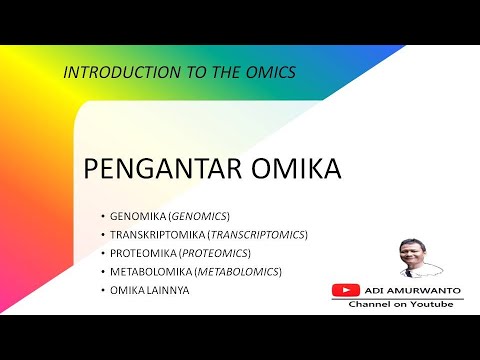
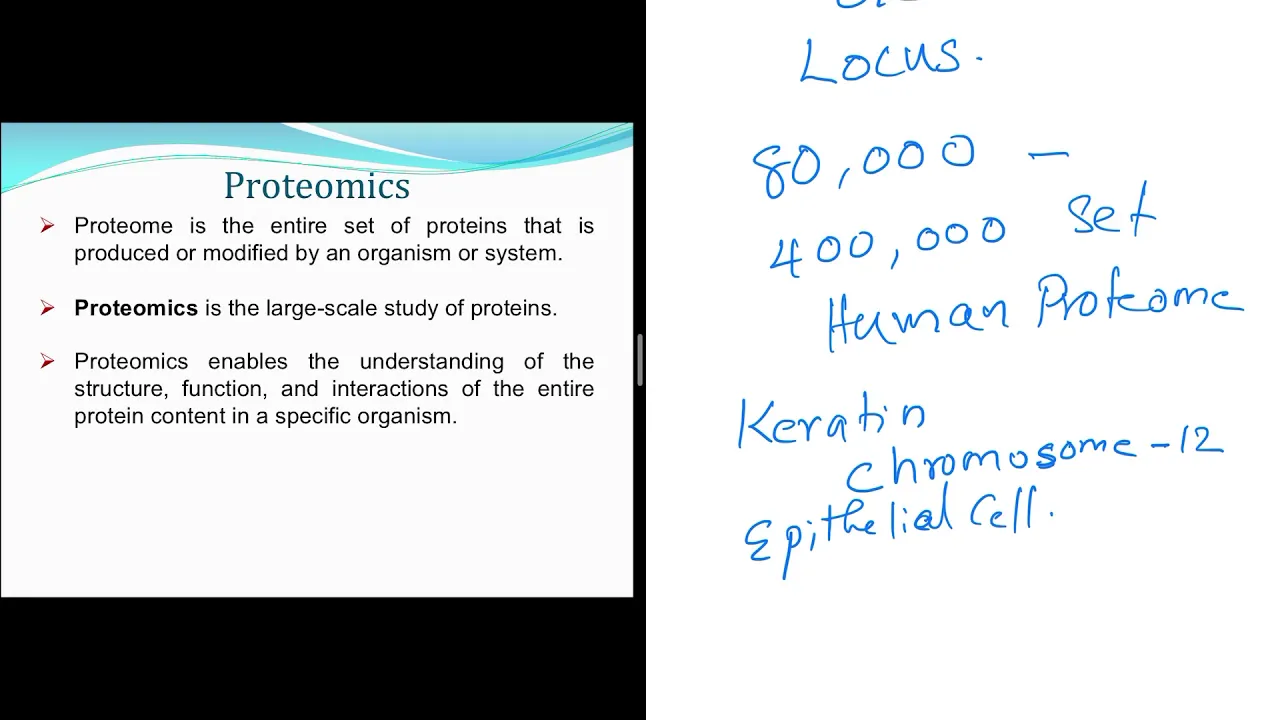
Fundamentals of molecular biology, specifically an introduction to 'omics' technologies (genomics, proteomics, and metabolomics).
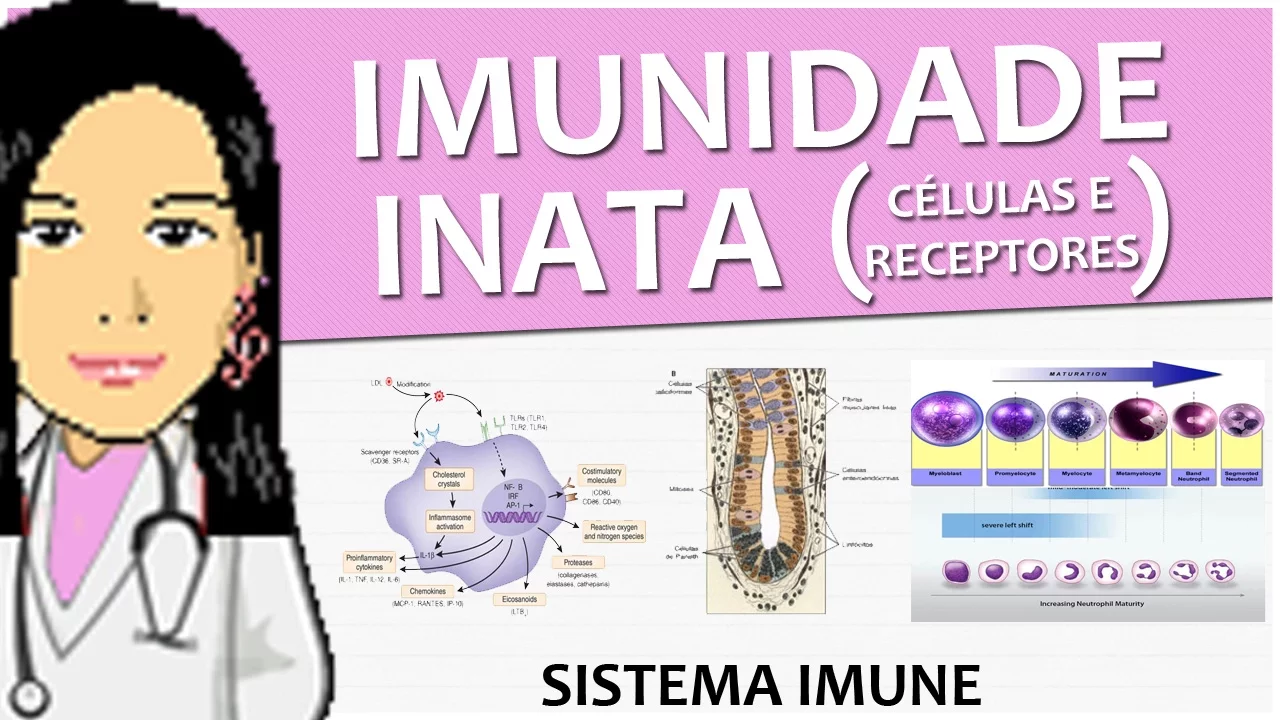
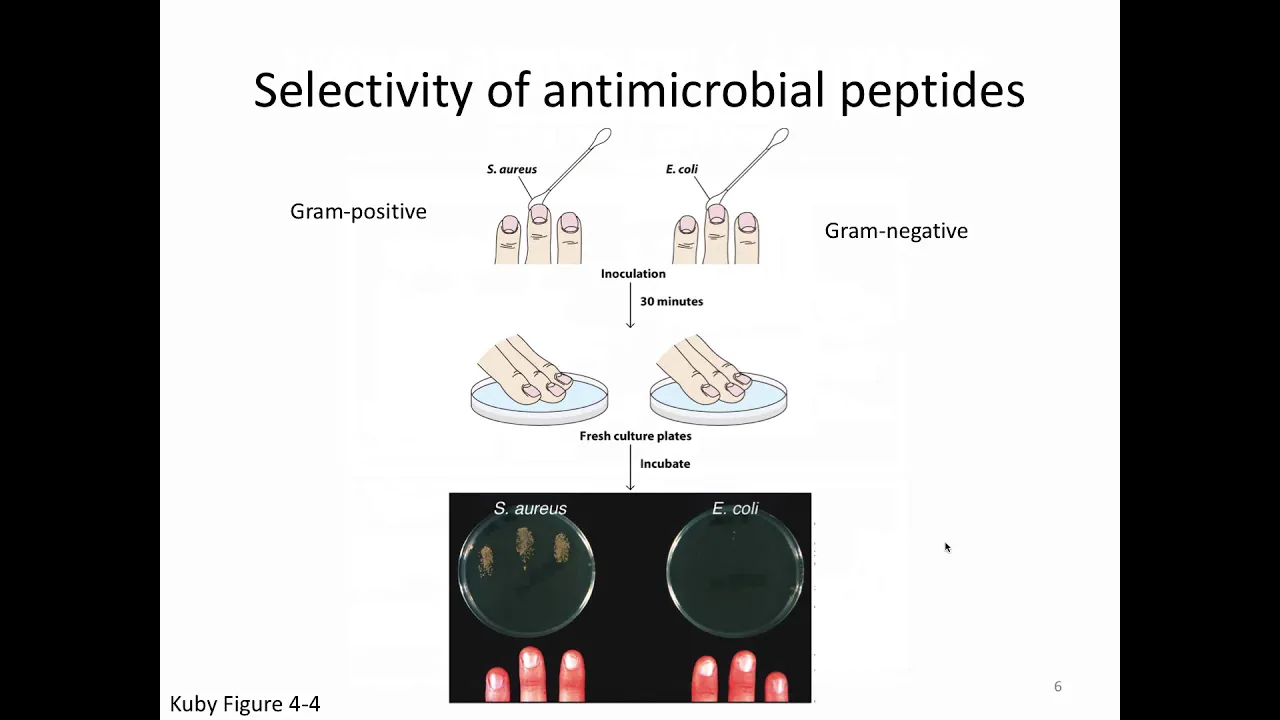
Introduction to immunology and the biological role of antimicrobial peptides (AMPs) as innate defense mechanisms.
Basic concepts in toxinology and pharmacology, particularly how animal venoms and toxins interact with physiological systems.
The drug discovery and development pipeline: translating natural compounds from bioprospecting to clinical trials.
Advanced bioinformatics and computational biology techniques for mining omics data to identify novel bioactive peptides.
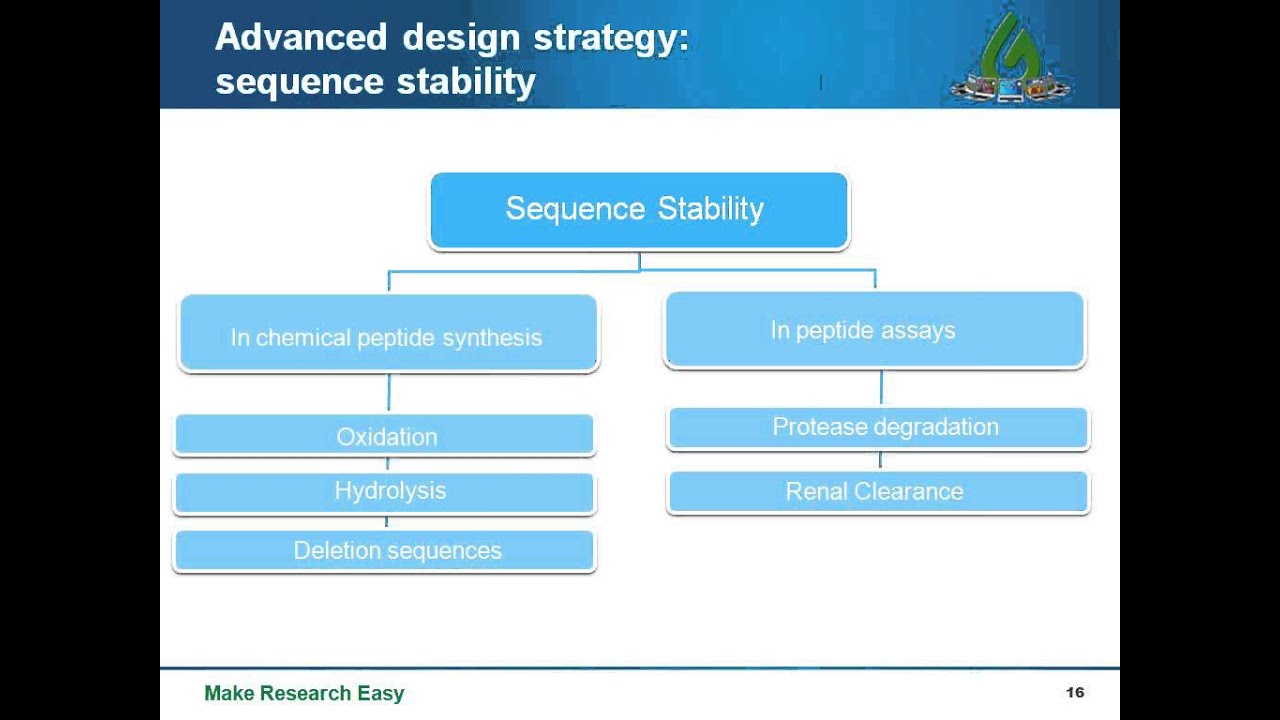
Peptide engineering and chemical modifications to optimize the therapeutic properties, stability, and safety of natural peptides.
Bioethics, intellectual property, and international regulatory frameworks (such as the Nagoya Protocol) governing the exploitation of genetic resources in biodiverse regions.
147 views30likes2:22:08Original Release: 2023-04-27
foreign [Music] regionalization biodiversity and sustainability in the northern opposite this event will be an opportunity to discuss fundamental issues about the region that is one of the most important natural heritages of our country and the world this event is sponsored organized by the graduate program in health and biodiversity and the Health Science Center medicine and mercy courses Amazon is a region of extreme importance for biodiversity and sustainability harboring a huge variety of species and ecosystems that are as Essentials for the health of the planet however the region faces significant challenges such as deforestation illegal exploitation of natural resources and pressure from Economic Development which put the Integrity of ecosystems and the survival of many species at risk the second journey of graduate program in health and diversity has as its main objective to bring together researchers students and professionals interested in the study of biodiversity regionalization and sustainability in the northern Amazon the event seeks to promote discussion and the sharing of ideas about the challenges faced in the region in addition to presenting the results of studies and research carried out by the participants we hope that this event will be a space for reflection and dialogue which will allow all participants the opportunity to engage in a constructive debate on how we can work together to protect the Lord in Amazon and its communities to guarantee a fairer and more sustainable future for all we thank you everyone for attending and wish you a productive and enriching event ladies and gentlemen we invite the director of research of the dean of research and graduation Professor Dr Leila [Applause] we invite the director of the Health Science Center Professor Julius Caesar flowers [Applause] we'd like to invite the coordinator of the graduate program in health and biodiversity Professor Dr Gabrielle name is Lima [Applause] and as a representative of the organized organizing Committee of the event Professor Dr gabrielli de Souza Horsham [Applause] questions so opening the event and welcome everyone we Vice Professor Gabriella Russia [Music] um [Music] we write the coordinator of the graduate program in health and biodiversity Professor Dr Gabriel please senior autistic ated [Music] foreign [Music] foreign [Music] foreign [Music] [Applause] [Music] seen this Journey Through the YouTube streaming thank you everybody got responsibilities [Music] foreign [Applause] [Music] foreign [Applause] thank you at this time we ask our guests who have table to place in the first route of these are stories about family opening conference thank you okay all right so now in this morning we'll have three letters by three international researchers who will be presented through a brief reading of the latte's resume as they present their speeches ladies and gentlemen at this time we have the opening conference with the team the impact of omics techniques on chemical ecology which will be delivered by Professor Dr lovebeth origin now back to office is a pharmacist master in premise pharmaceutical Sciences doctor in chemistry from OSP and holy member of the Brazilian Academy of Sciences he's currently professor at USB coordinator of the research center on natural and synthetic products and of the organic macromoleculars Mass spectrometry center he's a member of the Brazilian Society of pharmaceutical Sciences the Society of mass spectrometry the Brazilian Society of chemistries svq and the Brazilian Society of pharmacology pharmacology he is also a member of the American Chemical Society Society for medical plant and natural product research and fellow of the Royal Society chemistry it has published more than 48 in ATP reviewed journals and has received 10 Awards especially the brms middle the signal local impact Innovation award from sap Cube and the Jeremiah laws award from the Royal Society of chemistry works in the areas of chemistry of natural products and mass spectrometry with emphasis in chemical ecology to open these events we invite Professor Dr Lopez's office to be presenting his lecture Professor go back can you hear me yes thank you kind of words it's a great pleasure for me to be with you and divide this section with some important qualities that probably we can improve more this discussion and I will try to start my presentation then will disappear for me if something wrong just call me okay okay thank you again to invite me and let's see if you do in the correct way all right so the floor is yours no problem hey did you get my emoji yes yes okay yeah now it's okay it's working the idea was to to try to show you a little bit how we can search with the new biological activity compounds through Mass Spec but based in chemical ecology we have different strategies to look for new molecules but today I will try to combine a little bit if you have a an eye for the biological interactions try to understand them and later on decide for any kind of biological uh activities let's see how was this way first I want to show you where I am I work at the University of Sao Paulo in pharmaceutical science School of hiberian Prieto it's around 300 kilometers from Sao Paulo and these faculty starts more than 70 years ago but it's nothing for my colleagues from Europe of course but for the Brazilian way it's almost 100 years what is for us it's a long journey uh in 1966 our group the nppns start to work we keep the same idea until today it's several results from nature abroad it's Mass Effect marine organisms work in the same place and all the fundings the money coming through a community box where we can keeping all the activities working when I arrived in hiberian in 19 I started my group here and my dream at that moment was how I can understand some biot cannabiot effects on secondary metabolites of plants I I ask a permission to use the original figure that we published in the Kim kanova Journal that's the reason is in Portuguese and it's not translated but that was after almost 10 years the first review that we publish about all this combinations but at that time uh we are we were just starting with lcms analysis at least in Brazil and today our group expand we work with plants but we work with frogs we work with some bees we work with some uh fossil material we do research on on metabolism in humans for example we do a lot of chemical Communications between monkeys we spread all the idea to do an ounce of plans for other organisms and the intention in this case was to see how robust can be Mass back and that's the reason uh almost six years ago I was invited to write the first compilation of the gas phase chemistry from small molecules in in electron spray machines and all this is his history started with a gas phase I started as I told you in a natural product group but in 2000 I decide to improve a little bit more this analysis and I was in Cambridge in UK work with James stalton this guy is retired now but he's he opened a company based in the lodgement that he uh get in the in the lab the main idea was to modify microorganisms that produce Uno Force to see if they can start to produce new molecules or new analogs to to furnish to the market possible new antibiotics or things like that and I was invited to work as organic chemistry because I teach organic chemistry in the The Faculty to work in a gas phase project in his group and the first molecule that they gave me was morning seed then we did a lot of work in gas phase this was in the in beginning of 2000 at that time the papers of Baltimore molecules were just few and I started my career learning about gas phase with this man where I'm so thankful for him then you are more uh open to try to answer questions that we propose in the review that I showed you when I arrived in Brazil I think the biggest challenge that we get in the beginning of the career to see how we can apply Mass Effect to find found some biological molecules but in this case was toxin was caram boxing in Brazil or in other life in other countries star fruit that we call in Portuguese Carambola can be poisonous for people who has kidneys problems and then we had a tragic uh episode here in the the hostel in 2001 where 15 guys were waiting to to do rental clearance in the hospital and one of the the guys who arrived his wife was sick but the guy was farmer from Carambola she his wife didn't like Carambola there no problem and he was trying to be happiness with the other guys and an offer Cannonball for the people and it was tragic we had like 50 persons in in very uh drastic uh answer of the the contact with star fruit and 15 of them diet and then the guys asked me to help in the isolation of this this model the problem is the molecule it's very very diluted in the fruits or you have an idea it was necessary around 20 kilos of dry fruit and remember more than seven percent of star fruit is water it was necessary 20 kilos of dry life rice fruits to get around two milligrams of the toxin and the all the assays at that time were done with classical biases guide by uh biological activity what is not very nice that's the reason I prefer to use a picture here instead of to use a video but they they usually Supply distract in the head of the animal to see if they have some in this part here to see if they start to have uh any confusion mental confusions and go to that and for us we propose at that time basin in a first observation of American groups that could be a small molecule and then you build a strategy based on mass pack to enrich fractions with some molecular rays that can be candidate of this toxins and we had success we founded molecule this new molecule number one if you look for this you can realize that this is a kind depend of the point of view depend the way that you look for the molecule some people call is a finial and in derivative or a thyrosine derivative to be honest is much more the second possible it doesn't matter and what we realize we have local information that the people who have problems but drink star fruit juice kidneys problem but don't eat the fruit drink the juice uh usually don't have effects and then we decide to check and we found in the juice the closed form of this molecule number one and then we synthesize the molecule number two and we give the animals a no biological was observed why because if you look this carboxylic acid here and that one here this is structures look like about any acid that is one no molecule very no molecule that block Gaba receptors and then we start to do this work continue in this way we publish this paper uh I think 10 years ago or something like that it was a long journey and later on because the message pack is improved we start to ask if the molecule can be really produced by the fruit or for end of 50 microorganisms and we had success that's the Emoji where the microorganisms lives you can see where you have more microorganisms you have more toxins also now we know this we didn't publish a red but we know that it's a there's a reason also why so diluted in the fruit and this was uh subject of discussions in Natures in journals like that or science sorry but when the the important point for me sorry that's in Portuguese because the letter it's in this paper you will also claim how to treat these people and it's amazing when you receive some letters from from locals here in Brazil that call my mother was saving because I was with your paper to the hospital showing to the magical people how to do it and we now also did an alternative syntactic way to produce the Toxin and now we have a patent and we are producing molecules to use in research to induce epilepsy in animal that we can use this strategy to found for new molecules to treat the treatment it's the opposite way but it was my first experience how strong can be Mass back to help us to answer these questions but then remember my life starts with plants and I was many times in in how I can aggregate value to the Brazilian biodiverse this is one of main questions in our group and we have a problem in Brazil usually uh if you go for any economic metrics uh in Brazil the the one responsible for our biodiversity Paya and the problem is you have only one equation that you use to call Value to the biodiverse and in this case that's that question that are not for Montego English and in this way it's important to have a large number of research for your species remember Brazil is one of the biggest counting biodiversity in the world when you use the number of organisms that you are identified in Brazil compared with the applied investigations is almost nothing and in this way it's very complicated to evaluate the Brazilian biodiversity which means that you need to do reserved fast in the other race like you have in your in your state we used to see pictures like that they prefer to put fire in the force instead of two to to check if you have other values and then the only way now at this moment is to improve research because we have just few data relative literature compared with the number of species and if you have some metrics to show to the politics they start to understand how they can Preserve otherwise you cannot just talk about science because they don't care about science they care about numbers and it's something that will keep in mind in this way we we try from the second time the life how to valorate the Brazilian biodiversity and that's what this one was project that we do with Professor Julie to present in the Hue plus 20 meeting some years or decade ago it's not so close now but what was the idea usually when you do a ficochemistry investigation you look for an organism is what's correct doesn't matter at least if you are looking for new biological entities but another question can be cannot found something value in nature that's already described but can be produced by the locals because if you wanna protect an area I need to protect the people also because you cannot just put fans involved involving a forest to preserve it's not like that at least in my point of view you need to preserve also the humans that live there you need to look for alternate energy and that one we decide with this guy to do a screening in a forest in Atlantic rainforest in some Polish state it's a reserve area and this Reserve has a lot of pressure for the community involved at least to collect palm trees that we call palmito they're hunting and also men of these guys try to to stall area from the reserve to building nice place nearby the beach and then what we do we decide to use Mao dianas just because it's fast to see if we can find plants I I don't care at this moment about Molly uh what molecule is it was just if you can have plans where these tracts don't have too many molecules which means I want to see if some of these leaves and only leaves of course because then talk about to preserve if I decide to look for roots or wood it's it's the opposite way the impact and then see if I have some restrict like this track that you have at least one major compound we can use molecular high resolution to check in any kind of Bank and then you can do a second step to do stroke hallucination first invest back if it's something real interesting we can call this a key compound do the isolation check if you can do a protocol that easily produce this molecule in high amounts what is high amounts it's like 100 kilos something like that and if this theory is correct because the first one when we draw this way to show in the here plus 20 we can call the government to support the people transfer the protocols and then the people who live nearby the forest can use the leaves to produce something it was before the goals of uh honor that we are discussing at these days but the idea was the same is to preserve in an area and give opportunity for job money for local poor local reasons and for my surprise when we did this for the first time the big project we select the major plants doesn't we cannot do this with some plants that occur one year 100 men around other three we need to be very dense combination we found this speech that in that area in Atlantic Forest they have one extract this is the crude extract see has one major compound and I can it's not necessary to talk too much about this compound this is one of the precursors of William Christine and now it's possible for these local people to produce this molecule directly is just take the leaves drop uh hit a little bit with methanol work then leave it after distraction eating to to release more the ethanol keep quiet very quiet and lowering the temperature very kindly and then you get directed the crystals and now its own way to go to the market it's not a mnemonic it's not new biological activity it's a way to to introduce value for these people and then we solve this and a hue plus 20 and also in Panama they cover our idea and we I help the guys to to start a protocol like that and they are doing something similar there and then you can attend one of the goals and that's in my point of view the most important one in this case because that one keep the other ones working because now they take care with the forest because they need the forest it's the opposite way but another way to to use Mass Spec is recently we helped to develop the gnps that for Peter dorenstein in San Diego University of California to gcms and then the Brazilian government prove that minister of Health asks us to find possible molecules very cheap very easy if it's possible non-toxic to control uh ax Egypt then what we did we can combine Mass Effect strategies to build molecular networks and cross biological extracts or in this case essential oils in large amounts and based on softwares you can compare what's going on and have some possible candidates what save a lot of time this way again I'm not looking for a new molecule I'm just looking for a useful molecule it's not the same and then we built this Nets the majority of their the essential oil in this case where commercial essential oils that we can buy for the minister of Health in Brazil in towns and then apply all this combination we saw for every time when one extract one essential oil is active the molecules start to grow the the circle and the color going more to uh to change to red or blue depend what we have which means the the lc50 and then hard to see in this combination that some molecules appear all the time when you have biological teeth but of course the concentrations will change because it's one molecule or two or three in a mixture and then based in this we select three candidates we bought the the molecule because it's it's cheaper and we start a pharmacotech and called protocol to introduce this in the water and in in the in December last December we gave we gave to the minister of health health in Brazil the first big uh how to call these I forgot uh we we gave him like uh 30 000 of uh new material to doing fields and sorry for we are very happy because it's working in field which means that now it's an alternative now the government needs to to call for some companies to produce in large amount for him because we eat in the universe and universe it's not allowed and it's not correct in my point of view to produce to sale University just develop things another case from Amazon now it's about neglected disease we have some some work here in our biodiverse doing search for neglect disease and again we need to think when you go in this way if I want to go to the market I looking for molecules that can have low cost of synthesis or if you don't have low cost of synthesis if you can get in large amount S I showed you before and we did a research in my PhD long time ago in the last century I don't like to say that this is the true with professor masayawashi and professor masu and we found that gravity and also where I can see and then we decide to ask for finappy in a project with a startup Lincoln of water to found not a way we try for seeing this but it's not really cheap but to find possible plants who produce this in large amount and the company was responsible for the clinical trials and the new formulations and again applying my spec we found this preparation the first plant was a Ministry case it's a tree now it says air basil plants that this is the crude Strat see we can get the crystal directly to the crude struct and this is very easy to farm then now we have some plantations of this one where we can get this in large amount and we are doing the clinical trials what's the problem for us in Brazil because now we need a lot of money that we don't have but from the research perspective I decide to draw here in the lab on a way to produce images to understand if the formulation was really good for the heart because we need to spread in all the heart and in animal we realize that we have a small problem that we need to fix this is the image if works that we build in the lab by these images supported by ocms and computational like like in Star Wars the way that we draw but you you vetorize every single dot he is one LCM SMS and as as you can see we can go with this formulation to the heart but on all the not all the heart then we need to you have the biological effect if the disease is here but if it's another part of the heart we need to change a little bit but this is a way that we did in the past but now I want to talk to you about to understand more than chemical ecology that was my original propose and I go fast because I have already talked 20 minutes then see this plant Professor Otto who passed away uh six years ago 10 years ago sorry he was an amazing nature for the camps he did a lot of high pots and theories and one of his theories is theories of borders if you want to see the maximal of production of Cypher box compound for a plant it's better to don't look in the in the typical environment where the plants grow but it is possible behind two biomes in this case this is the typical biome where Anika doesn't grow in Brazil still have some sister female concierge not so high but when you go with these plants in the border of the the Atlantic rainforest and this Brazilian Savannah amplify all these molecules and when you take the seedling from this area and introduce here and a Seedling for here an introduce here which means that the profile is an answer for the biologic effects what I propose in the first review in the beginning of this part then we decide to understand all these compounds in one of these minor compounds then I will return to that one later it is a flavonoid but second time just a fast information this molecule the same molecule occur for all individuals from Anika in all areas in all plants of the genus and now so for the genus who live in Savannah nearby has also the same molecule it's not the same class it's the same molecule but then keep the attention here that's the animal with a kind of one of the cancers that we work in the lab and after the treatment with one of these minor molecules which appears in the same animals the problem is we used to work with this molecule because they are very talks for the liver like the taxol was in the beginning but it's one way we decide first to think about the ecology how should cytotox model skin coming from implants to later decide about their safe I think in this molecule we apply I don't go through the chemistry now because it's I don't have too much time just we do a lot of kind of uh strategies to to do Mass Spec we combine different platforms but these I can answer in later to see Professor sebi who was the the major biologist who work with these plants we were in the field many times and all the times at Battle leaking off with a need need all these plants in the Brazilian Savannah high altitudes they need a chemical barrier otherwise they cannot survive because because the environmental and because they have a specific strong area of UV light in Brazil remember the molecule all see several colors which means every single genus that we analyze all the plants has the molecule that's that one and thinking history we did a lot of camps this is just some genus that we thought it doesn't matter we decide to do Maori image and as you can see all the sea flavonoids are in the top of the leaf exactly where the professors see me proposal I don't go in all the Deep the other ones has a hand Dominic distribution but the end of the histories that paper was published in 2014 as the first evidence of natural cam cover year to protect from UV light and then based on this no argument we decide to check the bees who collect specifically these molecules go fast we did chemistry of all these match things like that we realized that they collect some specific molecules from the plants transformed by the enzymes and this was the origin of this new company every step that I showed you in the lab when you have things like that one of my students start a new startup we had seven startups in the lab just one was done by me myself that one broke the other six these guys are doing very well and also you use all these things to teach local people to produce in this case is the B project from the Cosmetic Company they teach how people's in small farms in small areas that will cause sentimentals in Brazil to produce this and then they have an alternative this is the net of the each for the kids and for the adults to produce it's one social work that our group and the companies who grow from our group do to transfer money for small communities uh I think I don't have more time I prefer to stop with this message the other one was combinations for marine data and frog data about how we get success in some other points I want to just jump directly save time this is several other examples doesn't matter because it's just examples of the same history but I want to just jump in these final words we can do science we can do science for looking for different molecules but science can change people's life and in Brazil this is really important it was amazing how the university in Brazil was fighted for in the last five years no respect with the signs doesn't matter their life needs to keep working don't look for the past that just look for the future think that we can modify the people from the life who live near by us we need to thrive I love this uh image that I saw once painted in one apartment in New York love is the answer we don't need to fight more we need to try to find Solutions based on science I want to ask all my students that help my career my wife and my true best product Kawaii thank you for your attention thank you professor on behalf of our University we thank you first of all because you are here with us in the northern Brazil and also because of her beautiful brilliant presentation thank you so much teammates now I need to turn off my camera and keep Philip okay all right okay so we are going gonna be back in probably hour and a half our presentation okay stay with us personal best so to present the conference uh themed nature through molecular diversity diversity arising from co-evaluation with pathogens provides amps as alternatives to Conventional and TBI activities and a valuable contributors to the RNs race against pathogens we invite Professor Dr Philip bullet Dr Philip um obtain his PhD in 1984 from University of Lily France France he had a progressive position of team manager at the laboratory of the Nobel Prize 2011 in medicine he was a chief scientific officer of a Swiss biotech company specialized in Venice he has published over 165 scientific contribution in international peer-reviewed journals including 21 book chapters and reveals on bioactive peptides he was co-founder of natural peptide to drugs compress he is also the co-founder of two biotech companies he is co-author of 13 patents in the fields of innovative antibiotics by antibiotics he is deputy director of a French research Network on the multifunction of antimicrobial peptides since 2008 and he is director of the bio Park a platform that's dedicated to life sciences and hosting public and private research so Dr Philip Louis thank you for being with us the floor is yours thank you it's after the three presentations okay and a discussion time thank you thank you for this nice introduction so can you see my my screen my presentation not yet could you could it's not on this cream yet okay yeah now it's coming it takes yeah it's coming it's okay yeah no it's okay thank you okay so thanks a lot for this nice introduction and I would like to thank you organizer for giving me the opportunity to to exchange with you so my presentation is will be rather different from the previous one because my interest is more in peptide on proteins but the the aim or the objective of my spirit is always to look in the biodiversity to see if it's possible to find alternatives to Conventional chemical molecules and to find bioactive compounds so my main focus on the reactive molecules is regarding the development of antibiotic resistance which is a really big problem so my presentation will be divided in front levels I will first of all I will introduce the problem of public health problem of antimicrobial resistance then I will go through an example of bioinspiration to find new new natural antibiotics and this will be Illustrated through one project we are developing since many euros but we are now really inside the project to deliver a lead as an antibiotic and I will give you also some some take-home messages including conclusion and perspective and finally acknowledgment so sorry uh oops I need to change my pointer okay can you see my pointer now hello can you hear me that pointer yes okay so okay it's a problem of antibiotic resistance is mainly uh because of the acquisition the fast acquisition of resistance so the first antibiotic was discovered in 1928 by Sir Alexander Fleming this is penicillin all of you heard about it it's coming from a phone from a from a fungus and it's a beta-lactamine compound at that time in 1941 it was considered to be the solution to treat all types of infections but now we know this is as this was wrong um many many different antibiotics were developed and now we are really facing a huge need in new antibiotics because all the different families has developed a bacteria has developed resistant against almost all the different chemicals that are available as antibiotics and the main reason is because of the use of the antibiot and the antibiotic in general he has an overpass press caption of antibiotics by the clinicians patients are not always following the prescription so they stop the treatment before the end then you are also an overuse of antibiotic as growth factor in the production of animals on also there is a poor infection control in hospitals and you heard about the nosocomial infections that increase and are still at high level in the hospitals and also you discover that through the the covid that you need to clean a lot your hands on to avoid to spray in your facing people and this is a way also to promote antibiotic resistance and of course one key issue is there is a lack of Rapid laboratory tests all those phenomena bring the the problem of the antibiotic resistance so how is the spray oh that's not the biotic resistance spread there are several ways but the first ways is the hospital um also the behavior at home and also the spread is through the animals and the meat you are consuming and then the release of the West coming from the domestic use in the water in the sea in the rivers and then also the release of the west from the animals in the soul meaning that you have a lot of resistant bacteria going through the through I mean the water or this kind of things so now there is a really urgent need to reduce and control use of antibiotic and to find solution to get new antibiotic and new strategies so in 1921 so it's very recent the world also organization debris show published a report classifying the different bacteria that are presently to be treated and as you have three major level critical priority high priority on medium priority so this is because it's almost all the bacterias that human or animals on argument are facing so it means there is a really a version need of antibiotics to treat those resistant bacteria on those bacteria that are resistant to any antibiotic are really ever or really a huge consequences on human health and if you see now in the in the in in the literature there is an emerging East candidate uh candida Oris which is really facing um increase the mortality in in States and we spread all around so this is also an a report on coming from 2013 and a recent report I mean updated recently 19. and you can really see that the number the expecting number of illnesses on this exclusively in in States was considered to be 2 million in 2018 and now it's more than 200 and 600 million 2600 million of people uh suffering from illness on the number of deaths increased twice in less than 10 euros uh this is all around the world as you can see here and now it's considered that the antibiotic antimicrobial resistant deaths could catch in the world up to 10 million of people in 2050 more than the number of people that will be will death from concern so there is an urgent need and what kind of of molecules are now in the pipeline of new drugs for to treat infection antibiotics for example and this table is a very recent table that we that was published in in last year and as you can see the number of of molecules that are available is really limited is 252 molecules they can be part of direct acting small molecules so like small chemicals you have also antimicrobial peptides I will more discuss on that because this is my interest there are many reasons for that the main reason is that those peptides are acting in a different mode of action than the classical chemical antibiotics you can have a combination of molecules small molecules that already bring resistance to bacteria but they can be combined some things that will prevent the acquisition of resistance and meaning that backyard will be sensitive again and there are some rare purpose agents so for example there are some compounds that will use for animals that can be used or re-adapted for human the way of formulation also is may also be contributed to deliver the compounds to the to the bacteria without generating a resistance and also there are new approaches such combination of antiviral agent biologics decolonization agent meaning preventing the formation of biofilms immunomodulator such as the treatment with vaccination microbial interaction meaning that you can use some bacteria for uh to to to to to fight other bacteria and there is also possibility to use face therapies but this is quite difficult because in general it's difficult to get one single phase type on phase phase is a mixture of phases to get the approval it's extremely complicated you can also post until the post on potential activity of some already available antibiotics so coming back to the the wall what kind of institution are involved the development of new antibiotics so on this part of this of the slide you can see there are some foundations uh there are 145 institutions already involved in this kind of uh resources on on new compounds uh there are 252 we saw already compounds on the market on the on the pipeline of of development for foundation it's a limited Private Industry it's the most important number of of institution involved in this development because of the money but also there is a key issue in the laboratory in the academic Laboratories because this is in general where you find the its then the private company are more interested in developing the lead or to the predict clinical stages or to the clinical stages so let me let me give you an example about academic lab because we are involved in this and also on the antimicrobial peptide here and the academic lab are more involved in these three stages of the development of therapeutic so now my my presentation will be directly linked to a boy and bio and spirit project and it's far away from what the diversity you have in Brazil it's it's coming from the sea but it's coming from the soup Antarctic so uh at the end of of of this uh South America so you have the super Antarctic here and you have a small island here uh which is called the crossy island uh and there is a specific bird living on this island and this is a king penguin under those two pictures you can see that the king penguin is his father is uh giving the food to the to the to the Chic you can see here on this yellow part at the part of the food coming from the stomach of the of the king penguin fuzzy stomach and it was observed by the people working on the across the islands that's they preserve food in an aspect that is really a pleasant for the chick to eat and not transform food so the the the this this observation was published in nature in 2020 and as you can see here the strategy developed by by the the model on father of the Kingpin Wing was to keep some food in the stomach but according to the duration of the etching and uh aching the female will have no more food in the stomach so she has to go somewhere to keep to find food but the male is keeping food in his stomach and then if the female is coming back at a time quite early she can transfer the food to the chicken but if he was also or if it's a little bit too late the milk can feed the chicken and the female then can come back can use after she she came back she can give again food to the to the chicken or if the female is not coming back then the male has to give a conserved food to the chicken if not if this is not happening the egg will not and the chicken feeding on the will not be available and then the Sheikh will die still there are civil obligation for the parents the swimming swimming to collect food now with the increasing temperature of the climate the female has to go very far to very far from the the way the the the site of of aching on usually it's 500 kilometers away from the laying area and so the incubator the female is incubating only one egg um the male and female is to feed the crystal cheek because there is only one per year and it's a fasting fascinating strategy is as a male retained undigested food and the observation is the microbiote found in the stomach content was stress or died so we looked at that time in Strasbourg what was present in the stomach in the food preserved in the stomach can we find some antibiotic controlling the microbiota this is what we don't uh into on published in 2003 by by Cecil to though and for that we use a combined strategy of of maldi of sorry of hplc and mass spectrometry as you heard about uh just in the previous talk mass spectrometry is a key strategy to identify uncharacterized molecules so what we did is we screen 60 milliliters of frozen food samples do hplc and isolated some fraction tested those fraction against reference bacteria and found that several fractions where positive active against the selected bacteria only in the food coming from males preserving food or at the medium I mean in some some some some males that are a food all preserved but not totally preserved so this is what you can see here and then we dealed we did Mass spectrometry on uh try try to try to identify and characterize those compound active on the different strains we selected and we found two different compounds too peptides differing by only one single amino acid and we found that this second one here with an Arginine was much better what was more efficient against the bacteria than the first one then what we did is We compare the sequencies to what is already known was already known in the databases and found that those peptides are typical beta de Francine that are present in in Birds but also in different mammals so what next what we did is we ordered synthetic molecules because we were not able to produce naturally as as discussed before it's important to produce molecules so we did that chemically untested on different bacteria gram-positive bacteria gram-negative bacteria is trained on fungi in a liquid they say we develop in-house and which appears to be Sufi is is reproducible and sensitive and we we found sorry some interesting activities against pathogens that are of interest for Birds but also for human like staphylococcus which is one of the most frequent nosocomial infection in hospital and equally Equalization here it's a reference Trends and infection with Asia calculi is very important in human and in animals and we found also a very interesting activity against a problem for birds on human then what we this is the summary of of the results and you can see here that against the aspergillus strain the activity is not too inhibit the sport germination but inhibit the reproduction of the spores of Aspergers it means control the reproduction and also an interesting uh feature of those compounds they are still maintaining activities in high salt concentration the soil concentrations that you can find in the stomach of the of the king penguin Next Step was to understand the scaffold of those molecules to be able to see what are the amino acids involved in the importance for the BYU activity this is something that we call structural activity or relationships and this was made by NMR analysis as you can see here this molecules are composed of a beta sheet structure and with small elix so this is typical from the data defenses from from human and from birds so having in hands that we were trying to raise money because if you want to to have to develop it in leads and then to go in a preconical trial you need to uh have money to optimize the compounds so whereas moner very recently in 2021 through the program or is the Institute the medical models transport it's a Institute for drug of Strasbourg and we also raised money last year at the end of last year last year with the French agency Ina which is financing research in academic fields and you have the main strategy is reported here we are mixing molecular bioactivity screening bioinformatics or mix different or mix and different techniques of biophysics to go inside the mega of the molecules because the key issue if you want to develop a compound as a drug you need to understand how it works and if you understand or it works if you have different molecules then you can select which one will be the best to go right to the lead optimization so the first I will only discuss this first project here because this is ongoing on the Ina here is only starting starting last year at the end of last year and this project is managed by Dr fabris bertil from Strasbourg so it is divided into work packaging packages ID to identification of new defense scenes and then screening or bacterial responses to thus finishing the name of those different scenes so here you see what we found using bioinformatics tools and genomes working on the genomes of the king penguin and over the birds at the beginning we found a penguin difference in but now with the refinement of the technique of of sequencing genomic sequencing on poetry mix sequencing the interval sequencing we have enhance 25 identified sequences with different up University composition Arrangement but always the same scaffold with a six sustains engaged in the same motif and so this is essential for us interestingly we find one last defensing combine combining two tandem copies of the same Motif or 16 so we have now enhanced those kind of compounds and determine silico and then we add fourth to see where those component are produced and if those compounds are active and for that we need to have a bioguided screening of the molecular diversity of Independence being penguin defenses within the tissues so we collected several tissues and among those tissues you this is what we mainly are focusing on the land and of course because it's coming from the the gut tissue or the stomach we are working on the different part of the gut tissue also the kidney on the the tongue as you can see here with you we found a lot we found the different sequences we observe by in silica in the different tissue following Mass spectrometry analysis so we are now those 25 penguin defense in identity five according to sequence sequence similarity with what was predicting in silico is something different from when you can recover from the different tissue so now we are screening extract from tissues using bioguided strategies so this is what we are running now so the different tissue then so it was extraction to preparify the compound protein peptide quantification do the official um potomics meaning that all proteins in total are digested by enzymes and then the digest in injected in the hplc coupled to a mass spectrometer in this strategy what we did also we cup we didn't we we did not couple the hplc to mass spec but we call it kick the fraction by hand and in order to to have fraction isolated on to test in the bio essay okay this is what what is here in the physiological condition without salt and in the presence of salt and we selected three major bacteria for the interest in human and animal pathologies so this is what we observe so as you can see the the profiles are totally different so we have a lot of peptides in the different extract now we are running the the bio essay on each isolated fraction so we have the we have the antiopeptide not the Digest and we the results are from this morning we have more than 15 isolated compounds with properties from the different tissues so I cannot give you more information because we are still running the experiments in parallel what we did is we screen um we screen the the activities on the different on on on on selected pathogens according to the wvho so priority one priority two in a specific Hospital condition all those strains are isolated [Music] so meaning they are well referred in specific National Center for that we know the Genome of those strains that are resistant to all the different antibiotics so as you can see here we are always working in extremely stringent conditions the strong conditions that are fixed for the hospital this is crucial if you want to develop something for human treatment so we selected Asia shakoli because this is one of our issue we also selected pseudomonas I already know that because this is an infection frequently found in cystic fibosis patients and we are also working on um another on the the fungus Asperger's swimmingertips okay next step is you we have to understand what's the peptide on protein the different thing is is doing on the target bacteria this is again using water map Pro Atomic extraction digestion in ingestion in Mass spectrometry so you can see that much mass spectrometry is essential so this is still running so I cannot give you more information but this is the case you to see the modification of the physiology of the bacteria in response to the peptide this is 1.2 elucidate to understand the multiplication um now is my conclusion on next steps so now the next step will be to go through the second project to be able to have an optimized lead and to have a document or a proof of concept that one lead we have will be right to enter in the preclinical phases so for that we are working on specific uh Target it's it's cystic fibrosis and we we are now running as we will run soon experiments on an xtiverse 3D human Airway epithelium because this is where we want to go and it will for us it's better to use Human Solutions than going to mice or other in all the models but as you will see for different other 2D slides such as picapped studies you have to go to Modern animal models so this is what we are now developing uh with in relation with uh patient Association and we are also this is all what I can say and now a perspective we are also uh the working on the formulation because as we are we would like to go to the lung we have to develop spray and we are also looking to develop a solution to treat the ocular infections because it's it's a in both lung anocular infection is the presence of isolate concentration so for that we need to do to do to develop some some some solution with in peptide being in solution to apply to the to the high and we are also thinking about developing this approach to preserve food because at the origin the king penguin develops strategy to keep food safe for the chicken my final slide is to show you that this type of molecules natural antibiotic produce by the stomach of the king penguin is in fact a key partner of the what we call innate immunity on ionate immunity is always present from in all living organism uh from the ignato stone meaning developed by something like 440 million years ago so looking the king penguin means you can look also in invertebrates invertebrates in birds mammals on human whatever you will always find natural antimicrobial peptides so look in the biodiversity look in the the Privacy around you more are missing it's better to look where it is a septic environment or in a stress environment as discussed previously this is where you will find bioactive molecules so my final slide is two songs first the impressive strategy developed by the king penguin because this is a model to sang the financial support agencies and also my colleague involved since many years and many other students included and to thank you for your attention thank you okay can you hear me all right thank you Professor Phillips stay with us we're gonna have a round table later on okay so we are having only one more lecture so now we are moving to the professor team Luke [Music] I'm right um series one two thought something here so now we are going to Listen to Professor Dr team with his letter entitled tyranny toxic arsenals into the live saving drugs lessons from the Venoms of the small articles biology with special specialist specialization in Biochemistry bioinformatics and genetics at Technical University of Germany throughout his studies he was a student of Professor Miguel Menses and investigated the skin toxins of Europe European amphibians in 2018 he transferred to the farmhofa institute for molecular bio biology and applied ecology in Houston in 2021 one he completed his PhD on the evaluation and biochemistry of spider venom toxins under the supervision of Professor Andreas bill cicas for his PhD work Blue Deck has been awarded multiple Awards and prizes since 2021 he is a junior research group leader at the full perform Institute for molecular biology and applied ecology in an instant this young lab focuses on via Discovery from small arthropods to develop novel and infected effectives and bio pesticides despite his young academic age Dr ludek has published more than 33-0 he reviewed articles on Vena has delivered talks about this topic all over the world and is regularly appearing as a Venom expert in German television he was a representative for Germany in the coast auction called European Venom Network and is the current president of the German archeology archaeological Society many typical words right Dr Tim plays the floor is yours you're more than welcome to the beginning I cannot I'm not listening to you now your presentation is okay it's on the screen but your mic maybe is muted no we're trying to figure that out okay just a second okay here it's okay I think is okay here with the sound right please just select the source of your mic uh between mic and camera there is a button a button where you can select the microphones the source of the microphone you have the standard uh and the real tag problem you can change this one it's the second button from your from the mic and the camera there is a button okay in the blue button so you have to click it and select your microphone microphone okay oh oh almost there yeah there we go yes perfect okay perfect yeah okay for whatever reason um my my headphones were kicked out from the microphone but here we are yeah cool and you can also see my slide with the laser pointer right yeah there's lights on the screen yeah perfect yes so thanks thank you very much I apologize for the difficulties and also for bringing so many complicated German names to the conference I know that always confuses everyone um especially my last name one tiny correct before we start I'm not a professor I'm only a junior research group reader so I am almost a professor maybe next year or the year after I will promote it but I'm not completely there yet um it's my great privilege to be here and to speak among so many very distinguished speakers today um my work is very closely aligned to what we have seen in the first two talks but since we are really a junior research group of course we are not that much Advanced um we are still struggling and trying to establish a line of research very much um I nevertheless hope that it is interesting for everyone here um you already gave a very nice introduction to me but um I still wanted to just outline my my CD a bit so that's me I'm doing what I like to do most I was mimicking venomous creatures here it's a small monitor lizard from Southeast Asia um but before I could do this as a profession I had to switch through several stages of my career I started as a lab technician in the chemical industry then I went on to the Technical University of Braunschweig Germany where my bachelor master and biochemistry and bioinformatics I then switched to the throne of my email where I'm now today as a junior research group leader for my PhD but since 21 I am establishing my lab here and I'll try to convince you now that the research that we do here is revolving around what I think is one of the most fascinating aspects of biology of of life so to say um which is Venom that we are looking at Venom are toxic cocktails that are used by different animals to overpower prey to defend against predators and for intra-specific competition and many people usually think about the different venomous organisms that are very very prominent mostly snakes but in reality as you can see here in this phylogeny that shows all the different venomous lineages Venom is actually very widespread in the animal tree of life you have very weird um venomous organisms that you would not consider venomous at first for instance those of you that are more into biodiversity know that of course spiders are venomous and you might even know that centipedes have venom systems but did you know that we actually have venomous flies probably not but these guys here are um rubber flies and rubber flies have a very sophisticated injection system in their head that they use to overpower wasps and hornets to feed on them we have also several backflip of animals we have parasitoid wasps that have venom systems in the oceans we have a wide diversity of venomous organisms such as these um immersion a worms that is living in in German coarse Waters and these worms have a proboscis that they can reject in the at the top of their proposals they have this small stylists and small darts or arrows filled with Venom that they use to shoot towards the prey to overpower Island and we even have venomous Crustaceans these remedies living in MC notice in Mexico so underwater caves and these Crustaceans actually have also Venom systems if they are um over the openings if they're probably used to overpower prey not enough with all the extent venomous organisms we even have plenty venomous organs that are already extinct so probably this guy here is in office hours also um if was venomous at least when you look onto the the teeth and the skull architecture you will find evidence for a Venom system that has been present there they'll probably even dinosaurs were venomous when we think about Venom we usually think about these pretty damaging effects in this case caused by snake venoms and that are very dangerous to people and that's why we usually think that Venoms are something bad something dangerous because they can actually cause quite a significant amount of harm to people ranging from neurotoxicity to tissue damage you probably have all seen that or no people that may even have been bitten by some snakes in your family or your Social Circle um however these very nasty effects are caused by Venom toxins that have been refined by Evolution to interfere with all the um very powerful and important biochemical Cascades that are running in the physiology of different animals may be in small rodents which is for snakes to prey but even in in of humans we have the same chemical architecture that keeps us alive and the Venom toxins present in nature interfere with these chemical processes and therefore cause tremendous harm the idea is that um since these chemical processes are also sometimes involved in the um development of diseases that we can use the same molecules that causes harm we can sort of say repurpose them to employ them as medicines and this has actually a quite long-lasting research history the most prominent case actually stems from Brazil um and this is coming from this tiny snake here which is both robs jararaka one of my favorite snakes um it's a landsat and these buffer snakes are very hemotoxic and one component in their venom causes a massive um decrease of blood pressure and the component responsible for that is tap rooted and this tablet peptide has actually been developed into a very small drug called captopril which emerge as the Blockbuster drug used to treat high blood pressure congenital heart disease and gave rise to a multitude of very successful drugs that are now prescribed probably to every third European and American person in the world so this snake gave rise to one of the most important drug classes known the ACE inhibitors and this really shows that Venom components also they can cause tremendous harm have the potential to really also save lives all along and this is what my lab actually is trying to do so we try to unveil vendor systems across the animal kingdom and to identify the components that are present in the Venoms and to use them as novel drugs but also for other applications for instance this is novel in enzymes for the industrial gut good production but also um as potential pesticides and while doing that we usually focus on our central European species and of course we also work on exotic snakes for instance but most of the species we work with are from Germany or at least Central Europe so we work on amphibians different insects and my favorites are spiders the most fun part when you work with venomous organisms is that you can get in touch with these very I find find some very beautiful animals and here I am making a Komodo dragon which is the largest lizard on earth it is also venomous and this really is the coolest part of random research getting access to these animals and interact with them however the organisms that we work mostly with here in Germany are arthropods specifically arachnids so spiders and second and why are we doing that it has actually four major reasons the first one is the potency so spider venom peptides um rank among the most potent toxins known they are usually much more potent than equivalents on snakes and scorpions so to say they are very potent especially on the nervous system which makes them very interesting drug candidates to treat um neurological diseases another major argument for arthropods specifically spiders is their selectivity they interfere mostly with iron Channels with up to sub Channel family level specificity which is very rarely the case in the natural Kingdom they are also peptides and peptides usually are not tremendously stable but arthropod Venoms are heavily 15 cross-linked and this grants them a very high degree of stability so many spider venom peptides actually retain the activity after oral ingestion which means you can deliver them as a pill so to say which is very important if you want to develop something into a drug um and for me as a zoologist and biochemist the most important argument for arthropod Venoms is that they are largely untapped so we actually don't know much about them to name a few numbers here um we estimate that there are 10 million biomolecules to be found in spider venom so far we know only about 2 000 of those so 99.9 of the spider venom components are so far undiscovered which means they have so much to learn so much to find and this Fascination really is what makes spider Venoms but also the other arthropod Venom is so interesting the question now is when these toxins are so interesting for Applied research why don't we know more about them what is the reason for that and the reason actually is due to the size you have seen the large Komodo dragon two slides earlier and from such an animal you can you can get large amounts of Venom however when you look onto these small central European arachnids like this or Scorpius scorpion from the Alps you already see that these tiny creatures only have very limited amounts of Venom right and this is a problem because the traditional workflow to study Venom starts from an organism you would collect the Venom from it then the Venom is put onto chronographic systems it fractionated each fraction is then analyzed for function or with mass spectrometry and NMR for structural properties and at the end we even know what each toxin can do how we can apply it and how it's constructed so to say the problem is when you have only menuscular Venom yields you need thousands of those animals to even run a single experiment and very often Venom collection fails completely which means until very recently we simply don't didn't have the means to actually study our native venomous organisms in the first place this all very recently changed with the um emergence of Onyx Technologies because these novel Technologies gave rise to the novel field known as venomics in the nomics we combine proteomics with highly sensitive Mass spectrometry platforms and we merge it with transcriptomics and sometimes even genomics so we start still from Venom samples and do the mass spec but in in addition we also extract RNA from Venom glands and sequence the transcript and this combination of of omax Technologies allows us to disentangle the Venom composition of almost any venomous organism even fontaneous starting amounts when we have these Venom compositions disentangled in silico we can use also bioinformatic tools to predict most interesting candidates we most of the time induces based on Hammer searches So based on hidden Markov models but we are currently also starting to develop um artificial intelligence tools to predict the most promising Canada's reductive element and this whole pipeline that we have established here um as the only research group in Germany has really the power to disentangle Venom compositions and to find the best interesting candidates from a given Venom the problem is when we want to also functionally study the components we need to access them in the lab right and since we cannot isolate them chemically we also need to expand our platform with biotechnology so once we have identified the candidate we express it um either in E coli or via cell reproduction Technologies so we use synthetic biology to make the identified components in our lab and then we can study their function and see whether we can develop them into novel drugs or not in the past we worked with a white variety of animals so I started earlier with amphibians but recently as I said we branched out into the realm of arthropods we particularly worked with several spiders but also with ants and pseudoscopians and I will give you very shortly um some examples of what we did in the last year or so um the first project I want to outline a bit stems from my PhD student zabina who just submitted her the thesis so I'm really proud to say that I now have my first PhD student graduating from my lab and zabina is looking in the Venom compositions of Ruby ants small very harmless ions that living the living here in Germany in our backyard so to say but no one ever looked into the Venoms um she implied the venomics workflow just I just outlined a bit so she mimics the Venom performed the triptych digest and did the proteome on that on the Venom she also um defected the Venom glands extracted CRNA and sequenced the transcriptome merged everything together and the proteo transcriptome that was um created thereby wasn't used to disentangle the Venom both on the level of expression but also of toxin diversity and here we see the very sophisticated bioinformatic processing pipeline she used I'm not going into detail here but I like to show nevertheless because the reassures how many tools are involved in such a very simple experiment the Venom compositions of the end that zabini studied are very interesting because they are very enzyme-riched so the Ruby and Venoms are mostly composed by the Venom Serene proteases that we want to study for industry gut production now and they also contain metalloproteasus and cap super family proteins the most interesting toxins in these Venoms however are the EGF like toxins these are very interesting because they have only been described from Australian ants before the EGF like toxins from Australian ants are extremely painful but most importantly this pain stimulus they cause is very long lasting in fact these EGF toxins from Australian ants are the peptides of the longest known um ability to cause this pain so when these ends Sting the pain is detectable in mice for up to seven days which is a tremendously long time for a peptide when we looked into the diversity of the EGF toxins in our German ants we found that um we have a huge diversity of those so from the Australian ants a total of five peptides has been discovered with that are phylogenetically rather distinct however our German ants have an equally large radiation of these peptides in their Venoms and all these peptides are completely unstudied so far and this really shows that even in our tiny probably also quite boring European species we have a huge diversity of interesting biomolecules that needs to be studied and this is what we are doing right now we are interested in these EGF toxins from our European ants and I actually have a master student who just finished her lab her work in my lab and she used bio technology tools to express several of these um EGF peptides three in total were cloned into plasmids um and then transferred into E coli and expressed and actually quite successfully we are now able to express these EGF toxins and functional studies are about to start very soon unfortunately I didn't manage to find any bioactivity data as of today I wanted to present it here but maybe I can come back to you and to present you the data at a later time point we also looked into the ant Venoms um because we are interested in a specific type of toxins that is actually very similar to antimicrobial peptides so it's a linear type of toxin that is very often found in ant venomous and indeed also the Venoms of our um backyard ends here in Germany contains a variety of those phylogenetically they belong into two different clades and again they have never been tested before so we synthesized all of them in my group and tested them against several pathogenic bacteria including ecoli which staphylococcus epidemidis pseudomonas um listeria monocytogenes um and we could show that actually many of those peptides have a quite reasonable effect against several of these of these um of these back photos say after 24 and 48 hours more interestingly these anti-microbial patterns like toxins have almost no effect on cytotoxicity which is a very very common side effect of amps but not so in our end Venom peptides which means that also these effects on bacteria are not overwhelmingly powerful at this stage given that the effect on cytotoxicity is so low we think that these peptides are an interesting starting point to dig deeper into the realm of and venom-based antimicrobial peptides in the future another group of linear peptides that we have been working with quite extensively in the past stems from wolf spiders of the genocosa here a few examples these um lucoda spiders have a huge radiation of amp-like linear peptides in the Venom and again most of them have not been studied the few that have been studied are very multifunctional so some are antimicrobial others are neurotoxic against insects others are even antiviral um one of those amp-like peptide families is the so-called a family identified in the Venom of leucosa shanzia and since this family has never been studied before I decided that my master student Ludwig who just started his PhD now in my lab had to devote his thesis on those so we synthesized all of these peptides from this family in my group and we performed several in silica analysis but most importantly we did a holistic functional profiling against cell viability antiviral activity and insecticidal activity and antimicrobial activity on those peptides to understand the role in the Venom systems and to learn whether we can use them as anti-infectives or insecticides the data is very simple we tested the cytotoxicity and we could show that all the a-fermi peptides are essentially not cytotoxic we also tested the anxiety activity via injection injection in waxmovie we could also show that these a-family peptides have no effect against insects and we also tested the effect against influenza showing that a family peptides have no effect against influenza that makes makes that a bit sad because we are quite hopeful for the bioactivity but then we went back to the sequence and checked um for similarity and what we could found is that the Affinity peptides have a higher similarity to antimicrobial peptides present in the skin of frogs and these antimicro peptides and frog skin are of course very active against bacteria so we tested the peptides only causation Z against the different um different bacteria and indeed many of those had a quite decent effect and reduced the growth so do we have now here potential Blockbuster drug antibiotics unfortunately not all of the tested a-family peptides are way too weakly active to really be interesting for any translational work but I nevertheless want to show this data here because it's not important what we found here it is important what we did because until very recently a functional study of even a single of those peptides would have would have taken months to be realized the developments in genomics especially in the synthesis um pipeline so to say provides us now the means to test whole toxin families whole amp like toxin families in just a matter of a few months the realm of a single simple small massive project which shows that the Venom biodiscovery really is about to be accelerating very fast and I'm really interested to pursue further studies with different families in different with different students to understand their value for translation translational research better before I conclude my talk I want to show you one last small example of what we did recently and this example revolves around probably my favorite example here which are toxins from pseudoscorpions Duty scorpions are a group of arachnids related to scorpions but they are different pseudoscopians are venomous they have the Venom systems in their pinches here and they use the Venom to overpower a very small insects so this is a fruit fly and you can deduce from that that these guys are really tiny most serious scorpions have body lengths of two or three millimeters and it would be a very difficult task to study the Venom but I have a good friend jonath Hema who is about to start a postdocument group and he invented the technology to actually collect the Venom from these small pseudoscorpions and he disentangles the Venom compositions of several of those and he found that a major component of the pseudoscopian Venom are these peptides known as hackathons hackathons are again linear small peptides that look like antimicrobial peptides but no one ever has the ability to study those and you want to have contacted me and asked me whether we could collaborate here and of course I agreed and synthesized several of these checkersins in my lab and again tested the activity to understand what they are doing and how we could use them potentially for Humanity it is essentially the same workflow I just presented with the a-family peptides so we we tested the cytotoxicity and found that in low concentrations um the Hecker since are very weakly cytotoxic photos say and evening concentrations exceeding 50 micro molar they gain cell toxicity we also tested the effect in pfids and interestingly we found that these hacker sense have a various very potent effect against aphids that are comparable to spinos Art a commercially available insecticide which tells us that these peptides may be even interesting for the development of Novel insecticides but we also tested the hackathons against different bacterial strains and and we could show that especially one isoform of hackerson one has a decent activity against several of the already mentioned bacteria such as E coli um but most importantly it has a very very potent growth reductive effect of this strain of staphylococcus Argos which is coincidentally a methicillin-resistant one so a multi-drug resistant strain and that strain is heavily um affected by our hackers in here to say which means paired with the low cytotoxicity of hackers in one that I just showed earlier that we have here in our component that may actually be interesting to be pursued upon in future research and maybe for development into a novel antibiotics or at least into novel tools to to fight the spread of these peptides and therefore we are now investigating different isoforms of these we are also creating an artificial forms of hackathon one with engineered residues but we are also going now into Material Science we are playing around with um Checkers in loaded nanoparticles and with liquids to formulate those those peptides and to really create novel tools to fight the spread of multi-drug resistant pathogens we are almost done that with before I conclude my talk I want to provide you with three take-home messages um the first one is that we have many unanswered questions in in this field of research we now have venomics we now have biotechnology tools and this allows us to study all Venoms however given the huge diversity of species that have animals we are really just starting to scratch the tip of the iceberg and there are so many species that needs to be studied in the future um I also let's take home message number two I believe that venoms especially from arthropods have the ability to make our world a better place I think that arthropod Venoms can really create the medicine and also the Agronomy of tomorrow and really can change the way we are living and make our world a better place and the last thing I want to mention is not really a take-home message it's more kind of a question when we look and this huge diversity both on the level of organisms but also on the level of molecules found in Venoms I really want to raise the question how could we ever dare to ever want to study something else I I don't I really don't know for me there's nothing else with that thank you very much and I'm happy to take questions in the round table thank you Dr Tim for your presentation and uh to mediate the discussion based on what we have heard so far from the renowned researchers we invite Professor Luis Fernando Garcia and Alice who is a Colombia biologist who settled where he is a member of the University development poll the multidisciplinary group in Neco ecology for agriculture nths at the eastern regional University Center his area of study is entomology within it he is interested in our technology for this reason in 2014 he traveled to the European Congress of our technology in Italy where he met the Australian doctors and Sean blenberries glamorous is in arthropod self specialist well for those who are here in this Auditorium and want to ask any question please direct them to the organizing team and we are going to address them to Professor Luis Fernando Professor Luis can you hear me yes yes I can hear you can you hear me yes perfect okay send you some some questions on the chat here on this platform okay yeah yeah you can see the questions now thank you perfect so in Florence so firstly thanks for for your invitation uh well thank you for your great thoughts so I'm not sure if we can maybe at beginning try to solve the questions that are were made by some and yes and afterwards we can make an open a small open discussion the table do you agree yeah yeah okay okay perfect well uh we have several questions here but maybe we go one by one direction to uh I think to all the the speakers and some of them are maybe one only one of you could could uh reply to them uh well seriously we have a question here from Maria mores and she wants to know uh how can we create holy policies for health encourage the health issues could you please uh repeat the question Professor Luis I think your sounds complicated it's your internet yeah okay now can you hear me now yes okay the health issues which were shown in your presentations thank you I don't know who wants to reply first Maybe Philip or Norberto who were more focused on the field uh health issues topic the question was not clear for me because it's the sound is very bad uh can you but can you hear me well or maybe I will use a headphone let me let me check if I I will do this I don't know for the other speakers but for me it was not clear at all yeah it was not possible probably you have two microphones together with you like a your computer and the mobile try again because we had two sound coming from you from me yeah do you have like a mobile no no no no no I just have one microphone I just have my computer it's strange but can you but I think it's much better now okay maybe was the the computer so uh the question is if um how could you create colleagues policies to encourage and to improve the fighter and the health issues that were presented here maybe what kind of emotions did you make or so maybe I can answer regarding the antibiot on T microbial resistance I think it's difficult to to enter in the policy in general because in fact if you want to develop a new antibiotics it cost a lot um the the policy is to reduce the use of antibiotics so for a private company if the production has to be reduced then if the cost to develop one is is extremely high then if the conflict is is it reasonable for a company to produce an antibiotic that will not be used or the policy is requesting to decrease the use so when I was on a round table two weeks ago one of the discussion was we have to fight against the antibiotic resistance we have to find a solution anyway because we cannot avoid the the antimicular infection with bacteria fungi and yeast so you have to find a solution and you have to push the policy to okay the cost is high for a compound but is less than the cost of the consequences on human being and if you if you can Orient this policy to the private companies that mentioning that okay you have other Alternatives because the company is not only working on antibiotics they have a series of compounds on other pathologies on these candles but the resistance of bacteria is increasing it's going faster so they should be convinced that the cost is not the cost of a compound but is the cost of on the society because it's human being it's also the daily cost because when you are arrested because you are you are illness it goes a lot to the society and all those two frequences has to be taken into account and this is not what was done before but the kovid situation is something like a a very useful clinical trial even if it's if it's something wrong but it's worldwide it's a test worldwide that we were totally totally blocked by a virus everywhere in the world so this situation in a very bad situation of covet must be something interesting for the policy makers to think about okay we have one world trial we don't have we we do not have to do twice that so the cost is something which is not really the cost of the molecule is not something important but we may we have to convince the pharmaceutical companies for that but this is a huge work this is my feeling I agree with Philip and also in Brazil is even worse because you need policies athletes to have access to the clinical trials this is another thing that we need to fight too much in our country and I really believe that you need to make like during the qualified time to make on sources of people to help because this will be a problem as he said very well from the humanity Humanity very soon because the reasons are growing fast and you don't have any real support for at least in Brazil for the government to take care about this they prefer to wait the big problem in front of his face instead of to start to prevent S I think I can if I can add something also it's the same for the the largest countries like China India it's the same problem exactly the same and with the traveling of people the world is extremely small and this is this is a huge need okay I don't know if Philip wants to say something hey sorry team wants to say add something or do we move to the next question maybe I would just add to that um when I speak to people from companies that come over they always mention the huge price tag as a major barrier for their side I think what policy makers could and should do is to think about how we from governmental side can at least reduce this price tag a bit um they will not give money into it because governmental money is very is I mean it's given in basic research programs but I think there should be ways to to support companies that could actually help in in this important task that is developing new new drugs so to say I mean by reducing taxes whatever like we need economical tools to support and to to to to motivate the companies to dip their toes into this research and to get involved because from their own money they will not do it only at a large stage and they need to be political arguments to support the countries everywhere to to to actually do this and I I feel this is not our at least in Germany our politicians are not considering that they think that the company is extremely wealthy and they can pay everything from their their end without any support but that's really not the case they will not do that yeah great perfect so uh so I don't know if you want to add something else or do we move to the next maybe the next question okay yeah great uh there is a basic one um here which uh well if the ones from you who wants to reply it says it is a blessed question what are the physical and chemical principles in Mass spectrometry I think you did this this is made so we have a medical audience so somehow you want to take the challenge and I mean a single shot Maybe yeah it's not so simple it's not so basic depend the way or the chemical properties of your molecule for example if they are thermostable and can be volatile you can use a lateralization hyphenated GC machines which means that you have your molecule going to the gas phase you shot an Electro take it off and then you have a cartoon which means normally you have molecular ions that's a molecule with a charge with the same mass as the analyte in a lettering spray it's not so simple like that but I'm trying to do in a simple way you have a molecule in a liquid coming through for example LC you go to the source you spread this it's not it's it's a night kind it's not chemical you don't have temperature now and then when you have the drops you apply a charge that usually is enough to do the dissociation between age and our age the watering Association and then when the drop to start to reduce the size by an opposite gas you have one minute or one moment when the revolution between the charts is more than the attention The Superficial tension of the drop and then you release the ions from the gas saves in this way you have acid-base reactions or you have coordination reactions which means that the ions that you you see its protonate molecule for example in positive mode which means that plus one or sodiate molecules which means that the number that you have in your spectrum is Plus 23.
and this is just your CDI you have no fragments no structuralization then you need to isolate the ion go to a second chamber exactly for Collision gas neutral responsible transfer kinetic energy increase the internal energy of the ion and then fragment and then you have the second msms second analysis and then you have the first fragment profile for you to work that's the major you have Maori when it's solid then you put your analyte inside of a liquid that's not really liquid it's not really solid it's like the glass and then you have these more uh thickest and then you inside the laser shot laser explode and then go to the gas phase in that one the majority of the reactions is not the unique but the majority is acid-base reactions but you can have also uh excitation that take one a lot or think like that but this is very fast when I deal what's the mass effect there are many things for this quick lecture well uh we have another open question maybe all of you can this is focus on epilepsy and babies if you want you can give a particular example I guess uh something you you think and it says how something that can cause epilepsy help to develop a compound that can be used against epilepsy so the idea is that that uh well I know you get the question maybe you could reply each one of you or maybe use a particular example in that you know this is an epilepsy but maybe we could move to other fields I don't know who wants to reply maybe Philip at the beginning and after no for me it's far away from my my field of expertise I think it's better for a baby team can can grow on a novel now best token can go in this for me it's far away okay okay I can I can try to elaborate on that um so what one always needs to consider a molecule that causes a disease or disease state of course it is a damaging component but this means that we can take this molecule take it in the lab and study it on cells for instance to understand how a disease works if we have molecules that causes a disease attack so to say I can put it on my neurons and can use it as a tool to study what happens in the neuron during epilepsy and this knowledge I can then use to fight the disease this is how a disease trigger can you can be used um to to fight the disease but a molecule that interacts with them with a receptor that causes a disease and I know it does it I can study also the molecule I can identify the sites that are reliable to cause this disease and then I can play around I can if I have a peptide I can exchange amino acid I can modify the properties until the stage I create a molecule that works in the different directions so to say and then I can create an artificial molecule that may even have the potential to block the disease very very simply speaking so it's not that easy it takes 20 years to do that but this is the idea behind it the molecule that is damaging when I understand it properly I can use it to understand the disease and maybe to modify it into a component to battle it thanks team I don't know number two if you want to to add something or no in our case was out oh we found one toxic then we learned where the toxin block it then you use this toxin as genes are already explained that you know when it works and then you can now use the molecule as a way to induce the disease and try to found molecules that can put the toxin out and can help in this way to treat the toxins one two to help to induce in the animals for you to do biological save with other molecules is that but yes he has already explained very well this is the same for for antibiotics if you have a bacteria that is resistant you need to know the mechanism of resistance on the mechanism of actions of the compound you want to develop and you have to play with those two uh two steps the recognition um this is the key issue as you mentioned both of you perfect many things so so we can move to the next question that this is directed to Philip and it says that considering the complexity of new antibiotics and they're increasingly a strong action potential can this rise to Greater doubts I think it's like greater problems uh as super resistant bacteria which will be unable to be treated in the future they are already one one one bacteria that you cannot cure it is E coli uh coli which is the last the last antibiotic which is extremely toxic for for the kidney is not working anymore on some isolates so we have now at least no solution for this pathology linked to each issue because the colistin is not working anymore and this one is highly toxic for human beings so this is the reason why it was until two or three years ago the only antibiotic remaining active on this specific strain of ecoline but I mean if you want to cure someone the danger is you will kill the kidney because this office High toxicity so we really need to find something and with this new type of antibiotics like peptides their mechanism of action is really very different from the ones before because it is not acting directly on the membrane of the of the bacteria but it is crossing the membrane and interact inside the cells inside the bacteria meaning for the bacteria to develop rapidly resistance is probably less easy than with the classical chemicals okay we have another one for antibiotics here and it says that if the antibiotics found in the Penguin's stomach could be used to press their foot by for example in the meat industry would have submitted industry applications I mean that was the first purpose of the this molecule in the stomach so we try effectively to to to promote this but it's difficult to fight to combine both to get money we cannot get money working on the antibiotic and we cannot get money to develop something for food preservation but we already tested food preservation using Seafood because of the salt environment and we have some indication that this is something interesting but we need to improve that and we need to develop that but this is one issue we would like to develop in a certain way first we need to have a therapy to have an antibiotic for human and animal health but food preservation is of course in mind because it's the origin of this molecule okay there is another one that is directed to Philip and we maybe you could respond I'm trying to figure out the question because with this first but it does it's about the role for example of the interaction between animals and environment will develop it uh this anti-microbial compounds but maybe you could also talk about Venoms and amazing I can talk about Venom it's it's it's linked to to Brazil more modeling to Brazil uh and finally I don't know if maybe we are I think we're getting out of time yeah time is running for everyone everywhere but I think it would be interesting maybe for closing this this lecture to if you if any all of you could maybe give up message about the importance maybe for makeup people from knowing the biodiversity in mega diverse regions such as Brazil and oraima and the development of this uh well compounds that could improve human health no if you want look at looks like a closer message so if I if if I can start is this is I will say to you what I am saying to all my students just look around you nature developed during its its evolution absolutely key features to preserve is Livingstone if you look around you you will find solutions for the global Health if I can say that just look around you never forget to look around you specific specifically if you are in a septic environment or if you move plants as you you saw in the border of forests that are not they are not using that or throwers they will develop some stress then they will react to that to adapt and to survive and if you at the right moment if You observe that then you will find interesting molecules but preservation of biodiversity is the key for bioinspiration and that will be the solution I mean human is just copying what nature did and adapted because it has tools technical tools for that but the the nature of you don't have any any Mass Spec in a plant but he developed its strategy to be still alive so that's my message look around you maybe or Norberto doesn't matter can be huge okay my dream is to stall the physical words it's exactly what I say to students because as the plans that I showed you and the frogs and things like that is just look for the ecological interactions how the animals and the plants interact with the Environmental if you think in this perspective you found the answers in the nature we can you have the way that the industry do like prepares tracks and this one way it's not wrong it's their way I think in science you need to open more of the questions and look in what's going around that's that's the perfect word philippus very well and it's what I really believe they care with the ecological interactions that you find the answer for an USA or things like that but look first what's going on then decide to their say thank you for invite us things and let's go or Philips sorry team yeah I I think my my uh conclusion goes very much in the same direction I mean we humans we are biological beings right and the problems we are trying to tackle that are threatening our our health are also biological problems and we are very young species it hasn't found many answers to these problems yet but there are so many other lineages that are so much older that went through millions of years of evolution found solutions for those problems so many of the things we are talking here today have been solved in nature already in multiple times independently and it's our job to look onto these organisms to see how nature solve specific problems and try to learn from that how we can mimic that for Humanity I think this is essentially what we all are doing here that we have presented here today um and you guys that are sitting in one of the most biodiverse regions you have this unbelievable huge Treasure Trove of biomolecules right in your backyards right you have so many species and each of these species has so many biomolecules that could have value for all kinds of things not necessarily only Health um but it's important that someone is going there is looking into these chemical diversity spaces and Defiance these molecules and studies them and it is even more important because we are living now in the anthropocene we are losing species and since all these molecules are very uniquely found and sometimes even one species this means that when we lose this species we are also losing the Biore source with it this is the most important thing because we are losing species Now everywhere at an unprecedented speed and when we are not very fast here when we we when we miss this chance to study the chemical diversity across the tree of life so to say we may lose all these important biomolecules to treat diseases and to do all kinds of things and I think this is the most important thing like biodiversity loss means loss of Biore sources and we need to be faster than the loss of these things yes well hey many thanks for all of you so I think we are on time now right so everything went fine before we finish this session Professor claria wants to say something okay first I'd like to thank you and for the nice presentations yeah and what I how I say to hear that we have a laboratory in our bedrock a backyard and we we need to to also that we we don't need to go so far to investigate our biotiversity but sometimes we have problems yeah that is to put people to tour together and it was just what a team blue Decker mentioning yeah and I would like to ask you yeah because we have a lot of experience experience and we have a new false graduation program yeah that is in health and biodiversity but we have this problem um uh and it's interdisciplinary and this is important yeah because we have people from different cubes yeah and uh I I like that you give us some advice yeah and to find the best Solutions yeah I think that's it no I'm not sure if I can start but I will start anyway I think what I heard from my experience since 40 years in in different labs in different companies the best Chief in this case it will be a topic of research is to bring around you the most the the best competencies no one has all competencies so collaboration between teams with different competencies in terms of Technologies or from from from the from the biological matrices had to the to the analysis this is the key issue you can never work alone you can never work alone on the same area but you can never work alone you need to have a worldwide collaboration with expertise and competencies in different fields if you want to develop a drug you need to find the drug it means you need to find the right biodiversity model you need to find the people aware of screening you need to to work with Hospital you need to need to have a Veterinary and use on a platform of Technologies all that you have to bring them together it's a huge work for all of us we need U.S for that but this is the key issue you cannot do a loan in your in without forget it it's too complicated especially in in difficult area where you are living it's not easy to bring chemicals it's not easy to bring things like that you have to organize to combine your Force for that if without that you will not you will not be able to compete with other people a competition is the best thing alone is nothing but a competition is something will bring you ahead without competition without competition I mean time usually but in these terms if you want to cure people if you want to cure your animals if you want to save ecology yeah you need to go fast because the time is running too fast so you cannot you can only do that if you are combining all your forces this is my opinion um I also would like to thank all Dr Norberto peperoni Dr Luis Garcia Dr Philip Dr tin ladak thank you for all uh this was a nice journey I think uh for the future we're gonna just improve and increase the collaboration as Dr claria was trying to establish here and I think this moment for our research is just the beginning just the first step uh as she said our backyard has many many source of compounds of uh probably different plants that we don't even know that our boss like I'm Google friend was uh it's a drug use worldwide and the source is the Amazon and probably we do have many others uh as ibuprofen and uh and I'd like to thank you all uh we are finished this journey and really really happy because we all agree that was a nice day with uh interdisciplinary conference with people from different fields bringing all your experience and really we are really thankful for all you doctors for this moment thank you so much thank you to all thank you for inviting us [Applause] we're gonna keep in touch for the future okay we're with the doors open for you to visit us also here thank you so much thank you bye foreign
Up Next

47:27
Theranos Hype Machine: A Snarky Retrospective
@mack.attack
44.2K views•2024-04-15

105:00
The Internet's Own Boy: Aaron Swartz Documentary (2014) | Digital Rights & Activism
@moviemaniacs
2.4M views•2014-07-01

9:49
FastAPI vs Flask vs Django: Choosing the Right Python Web Framework
@TechWithTim
302.5K views•2024-05-26

1:42
Game of Thrones Opening Credits: A Cinematic Analysis
@gameofthrones
46.3M views•2011-04-18
Related Study Plans & Knowledge Roadmaps
Structured learning paths in General & Interdisciplinary Studies
general-studies
Elevator Engineering: History, Physics & Cities
01From Hoists to Safety Brakes: The Dawn of Vertical Lift
02Hydraulic vs. Traction: The Engineering Physics of Elevators
03Modern Speed, Safety, and Algorithms
+ 2 more learning modules
12h5 modules
Explore Roadmap
general-studies
Rubber: Material Science, History & Geopolitics
01Origins of Natural Rubber & Mesoamerican History
02The Chemistry of Natural Rubber & Vulcanization
03The Geopolitics of the Rubber Boom & Colonization
+ 2 more learning modules
12h5 modules
Explore Roadmap
general-studies
Containerization: Evolution, Logistics & Trade
01Ancient Trade & Bulk Cargo: Amphorae to Barrels
02The Industrial Revolution & Cardboard Packaging
03The Containerization Revolution: Malcom McLean
+ 2 more learning modules
12h5 modules
Explore Roadmap
general-studies
Textile Tech: Evolution, Labor & Global Impact
01Pre-Industrial Textiles: Handloom & Cottage Industry
02Mechanization: The Spinning Jenny to the Power Loom
03The Factory System & Global Labor Transformation
+ 2 more learning modules
10h5 modules
Explore Roadmap