







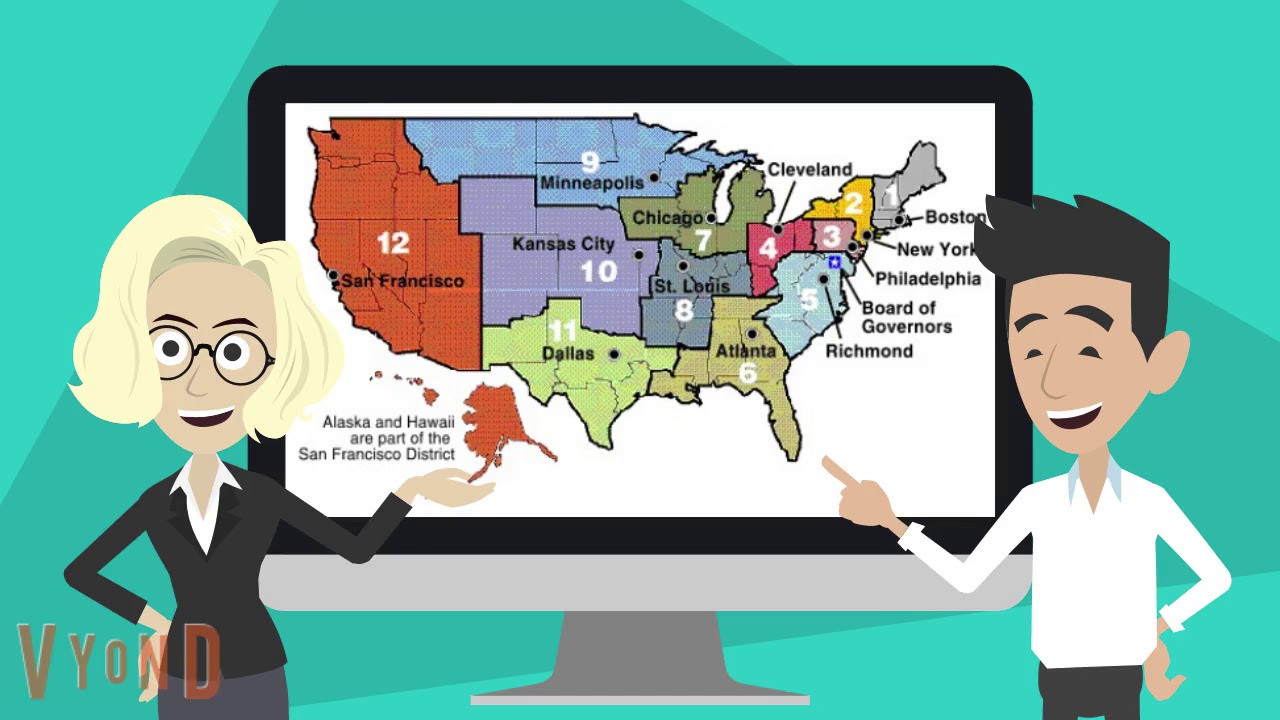
















Central banks affect interest rates by controlling money supply through three main tools: changing required reserve ratios (lowering them increases bank lending capacity and money supply), adjusting the discount rate (lowering it encourages banks to borrow more), and conducting open market operations (buying government securities increases money supply). The equilibrium interest rate is determined at the intersection of the downward-sloping money demand curve and the vertical money supply curve, where the opportunity cost of holding money (interest rate) balances against transactional, precautionary, and speculative demands for cash.
Money Demand and Supply: How Interest Rates Are Determined in Macroeconomics
Added:Understanding the basic functions of money (medium of exchange, store of value, unit of account) and the definition of liquidity.
Familiarity with the fundamental principles of supply, demand, and market equilibrium in microeconomics.
Basic knowledge of the role and structure of a central bank (such as the Federal Reserve) and its general purpose in an economy.
The concept of opportunity cost, specifically regarding the decision to hold cash versus interest-bearing assets.
The monetary policy transmission mechanism: how changes in interest rates impact aggregate demand, investment, and consumption.
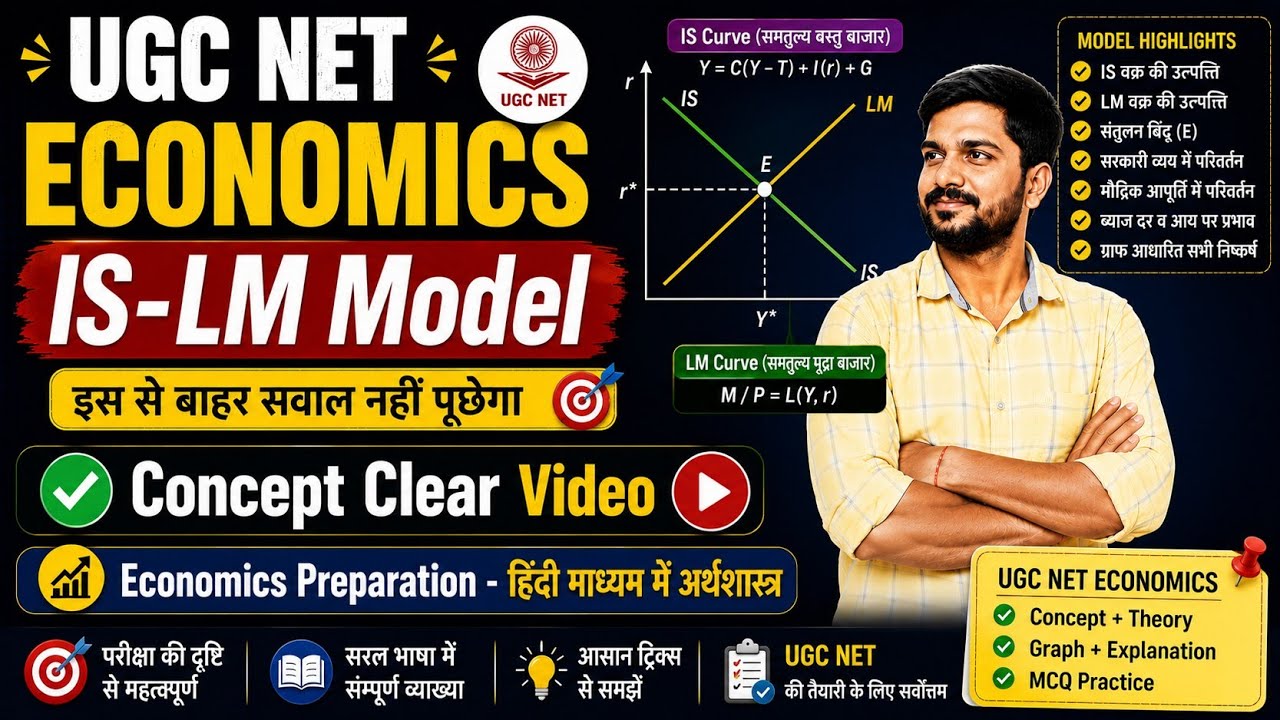
The IS-LM Model, which integrates the goods market (IS) and the money market (LM) to show general macroeconomic equilibrium.
The distinction between nominal and real interest rates, including the Fisher Effect and the impact of inflation expectations.
Limits of monetary policy, such as the liquidity trap, and unconventional tools like Quantitative Easing (QE).
10.5K views67likes38:54Original Release: 2012-06-07
Now the question is that what changes interest rate? Okay. Um we are actually going to discuss in this recording monetary policy because monetary policy it can affect money supply and with its effect on money supply it can affect interest rates. Okay.
So so what has been said is that monetary policy it affects money supply and which will affect interest rate? Who can affect monetary policy? Central bank can affect monetary policy. Okay.
By and it can affect monetary policy in several ways. It can change the required reserve ratio. Now u imagine a situation um in which you go in your bank and there's a panic all around. There has been a rumor that uh bank do not have enough deposits and it may not be able to even repay your deposits. So what will you do on the first instance? You will go to your bank in order to withdraw the entire cash. Now it in case if everyone will start doing this banks will run out of money. In order to save banks from such a situation, central bank they they they impose certain amount of reserve ratio which banks have to keep with central bank. Okay? So that banks run do not happen. You get the point. So say for example if you deposit $100 then then central bank may may ask you I don't know what is reserve ratio right now.
central bank may ask you to um to to keep say 10% of of your deposits with uh with it. Okay. So, and the moment those reserves have gone to central bank, they're fixed. Okay. They're not liquid. They become illquid totally.
So in case in case what happens is there is a 10% reserve require required reserve ratio. So for example with central bank has imposes on on commercial banks. It means that commercial banks have to keep 10% of their deposits in the form of reserves with central bank.
Now reserve ratio falls from say 10% to 5%. Now what will happen?
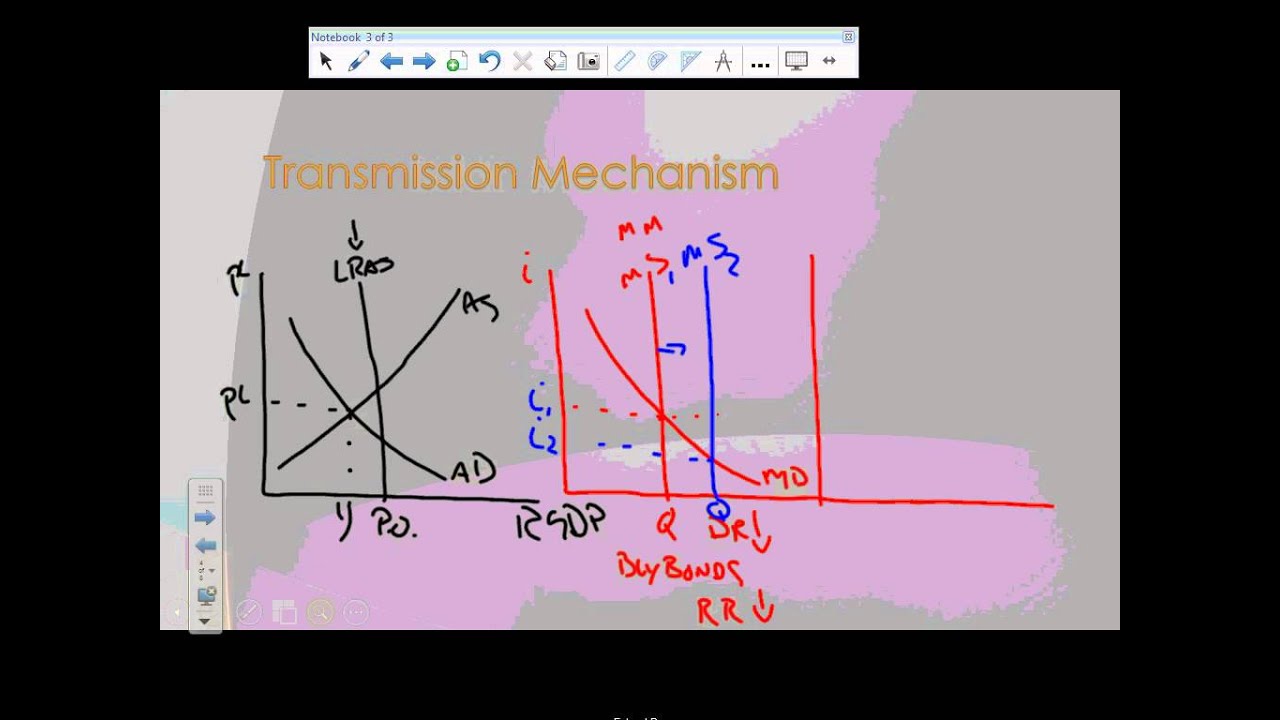
This would mean that the amount of reserves with banks, not with central bank, with banks have increased. They do not have to keep $10 with the central bank. They have to keep just $5. So they have extra $5 with them to loan out. And with this increased amount, they can loan out more. And in case if they can loan out more, what does this mean? That is it can affect the money supply in the economy. when when I am a bank and I'm I'm loaning you certain amount of money it means that money supply in the economy has increased that is you will have more cash with you so money supply will increase in that case so this is the way monetary policy of central bank it can affect money supply and because of increase in money supply it can affect the interest rate so what has happened here is that initially money supply is given like this then there is a fall in required reserve curve ratio. Because of that money supply has increased from MAR to Mstar and this Mstar curve it intersects the empty curve at R star. So with an increase in money supply there is a fall in the interest rates. Other way money supply could have been changed is using discount rate.
Okay. The rate at which banks can borrow from central bank. Okay.
Now supposedly in case if the rate was 10% earlier this discount rate the rate at which uh commercial banks can borrow from central bank was 10%. Now now central bank has reduced that rate to 5%. Okay at a lower interest rate what do you think will happen more commercial banks can borrow more amount of money from central bank. So commercial banks will have more money with them. When they have more money with them, they can loan out more money. When they can loan more money, that would mean money supply in the economy can increase. Other way is using government securities. Okay, this is like your open market purchase. Government sec open market purchase or sell open market operations.
Government securities. What does government security tell you? It is it is just a piece of paper. Okay? It tells you um you give me $100 today and I'll give you $120 tomorrow or one year after. Fine. That's a very good interest rate. It doesn't has to be 20%. I'm telling you.
Um for the purposes of example, it is just 20%. In case if it is 20% and I think everyone will start investing only in government securities. Um supposedly in case if government says fine you give me uh 100 rupees today and I'm giving you this piece of paper which will guarantee it is my guarantee government's guarantee that I can uh you'll be getting $120 one year after.
Okay. So when it is doing so what is happening? Central bank is giving you you are a public you you are actually public and I'm central bank when I am giving you a piece of paper and you are giving me $100. I'm just guaranteeing you that I'll be giving you $120 one year after.
because of that guarantee you have given me $100 back. So what has happened? I have given you a piece of paper and you have given me money back. So from public money has been reduced. So money supply has fallen. When there is an open market uh sale of securities when I do open market purchase what will happen that I'll be buying securities from you.
Okay. when I buy securities from you. So what will happen that I'll be giving money in return when central I'm central bank you are public I'll buy that paper from you but I'll give money in return so money supply in economy would increase okay so this is the way interest rates are going to change with a change in the money supply and this is what we have learned in this regarding that how do central banks they carry out that monetary policy with with the changes in monetary policy with The tools of monetary policy that is your required reserve ratio, discount rate or government securities purchase or sale they are able to affect money supply and with the with that effect on money supply they can change the interest rates.
Okay. Equilibrium interest rate how equilibrium interest rate is determined.
Now we we already know that there exists downward sloping demand curve for money for the reasons which we have already spelled out earlier and we have a perfectly inelastic supply curve for money that is your this this money supply curve and their intersection at this point it determines the equilibrium interest rate and equilibrium supply and demand for money that is the equilibrium quantity of money u the quantity of money at which the demand for money is equal to supply for money. This is an equilibrium at equilibrium interest rate amount of money we want to have that is the amount of money which we are demanding is equal to the amount of money which is available in the economy.
Note that the money supply is fixed in this economy. The amount of money which is available is fixed in this economy.
We we haven't discussed about that how money supply itself could be changed itself. It could be changed but that is not the agenda of this recording. So money supply is fixed and this is the amount of money we want to have. Their intersection will determine the equilibrium interest rate and the quantity of money which we're going to demand and supply. Uh a quantity of money which we're going to demand at a given level of supply. Now the point is that what will happen at higher level of interest rate. At higher level of interest rate say like this at higher level of interest rate I1 what will happen at this interest rate?
At higher interest rate than IR, the amount of money people want to hold is less than the amount available. You could see that the amount of money people want to hold is given by just this. This is the amount of money which people want to hold. This one MD1.
Now this this determines and there is a difference of this much amount of money and the amount available is MAR. I'm again repeating this at I1 at a higher interest rate than IR the amount of money which people want to hold is this MD1 which is more than the amount of money which is available in the society. What will happen?
How can you bring equilibrium in this economy? The amount which people want to hold is lesser than the amount which people want uh which is available in the economy.
It means that at this in this is a higher interest rate. Whose number should be higher?
There should be higher number of lenders at at this higher interest rate or higher number of borrowers. There should be higher numbers of higher number of lenders in this at at this interest rate. So, and they will have to look out for borrowers. The number of borrowers is less. The number of people who want to hold money is less. And the number of people who wish to loan out is uh is is more at this interest rate. So what will happen is that those lenders they will look out for borrowers and they will they will tell them that please have loans from us and borrowers will say but we do not want that much uh um uh we we we do not want to give such a high interest rate and at such a high interest rate our demand for money is low. So equilibrium would be maintained at a point when when the lenders they will be decreasing the amount of interest rate. So they will decrease the amount of interest rate and there'll come a point at which point I mean there'll come an interest rate at which the demand for money is equal to supply for money. the people who want to the amount of money which borrowers want to have is equal to the amount of money which which lenders want to loan. Uh this is the story at the high interest rate. What happens at the low interest rate? Just the opposite.
Say for example this H for example this say I2 at this interest rate at this interest rate the amount of money which people want is MD2 at a lower interest rate the number of borrowers are are more the people who want to keep money the people want to have money is more than the is more than the amount which lenders could actually loan out.
Okay. So people so so price of loans have to rise uh in order for an equilibrium to be maintained. Price of loans have to rise at lower interest rate. People want to borrow money than people who want to loan out.
So at lower interest rate when people want to want to want to borrow money but uh but but lenders tell them we can't lend you that much amount of money at such a such a low interest rate. Okay.
So borrowers will tell fine you can increase the rate of interest. So price of loans would increase and uh there will be an equilibrium which will be maintained in the market. Okay. So what we have seen is that this is very simplistic to tell that the intersection of money supply curve and the demand curve of money will determine the demand will determine the equilibrium interest rate and the equilibrium amount of money uh which is going to be demanded is which is equal to the the amount of money which is available in the society.
But we have also looked at the positions which are at disequilibrium and how from those disequilibrium position economy will will converge towards an equilibrium position.
We have talked about demand curve for money. We have we have talked about what are the factors which affect demand for money. Now let us consider supply for money. Now supply for money is fixed in an economy. Okay. It u it doesn't mean that supply of money cannot be increased but at a given point of time it is fixed. Central bank can affect supply for money but that is what we going to do in the next recording. But understand this that in case if there are two persons, I'm I'm person one and you're person two. I'm going to loan you $10. H what will happen? Because of this transaction, I will have less $10 with me and you will have more $10 with you on an on an aggregate basis. In economy, nothing has changed. There's only transfer of money from one hand to the other. It does not affect the total amount of money in economy. It remains fixed. Okay? So whatever be the interest rate, your money supply is fixed. It is perfectly inelastic and it is determined by monetary policy. What do you mean by being determined by monetary policy? You mean by this is that monetary policy can affect money supply. Okay. How it can affect money supply? We'll be uh talking about that in our later recording. It can affect money supply by changing the reserve requirements. It can affect money supply by purchasing government securities. And there are other tools also which can affect money supply and because money supply is affected in its because of change in money supply the intersection of demand for money and money supply uh and and supply for money will change and hence equilibrium interest rate would also change. So by this recording what is your takehome?
Your takehome is that when money changes hands in economy it does not affect the total amount of money in this economy. I have $10. I have given you this $10. I have less $10 now you have more $10 now. In on an aggregate basis there's no change in the money supply in the economy. It remains fixed. It is independent of interest rate.
Now what are the factors on which demand for money depends on? Okay that is uh well in case if you look at it what we have done in our earlier recording is that we have analyzed that demand curve for money is a downward sloping demand curve. Now any change in the interest rate your nominal interest rate and quantity demanded for money will be a movement along the demand curve. Huh? So any other factor will be shifting the demand curve. So what are the factors which might shift this demand curve for money? One could be your size of an economy. In case if it increases or income of people would increase then demand for money will rise. Why? Because when when there is a growth in economy, economy grows or in other words income of people grow in economy, they can buy more goods and services and they will buy more goods and services. they will try to satisfy more of their demands and for that they need cash. They need money so that they can transact uh in order to satisfy their demand for buying new goods and services. So when income increases people will have more amount of uh uh more amount of wants and in order to satisfy those wants and needs they will be buying new goods and services. in order to buy those goods and services they need more cash and hence demand for money will rise. So what will happen is that in case if income is increasing so at the same interest rate. So how should I how should I show that at the same level of interest rate. This is the interest rate uh at this interest rate. Let me just put it. Yeah. At interest rate I1 quantity demanded is say M1.
now or QM1 whatever now at same interest rate there is no change in the interest rate but but income of people have increased uh so what will happen is there is no change in the interest rate but demand curve will shift outwards I will just put it like this This hasn't come properly. Okay. Yeah, this is better.
So, you have demand curve of an economy. Oh, sorry. Demand curve for money has shifted outwards.
So, it is QM2. So, at same interest rate now people are demanding more money because they have more income with them. Now supposedly in case if all prices are going to rise then what will happen?
Then in that case demand for money will also rise. Why? Because for for same amount of goods and services you have to pay more. You have to pay more cash. In order to pay more cash you need to have more cash in your pocket. You need to have more cash with you. You have to keep more money with you. So here again at the same interest rate I'll just draw that curve.
That is not what I wanted. Okay.
So at the same interest rate Yeah, at the same interest rate people are going to demand more money. Why? Because prices have increased. Earlier they they were demanding they were demanding QM1 now they are demanding QM2. Huh? So these are the two factors which affect demand for money. Downward sloping demand curve for money. How do you get this demand curve?
Okay. On the horizontal axis you have demand for money. The quantity demanded for money and on the vertical axis you have interest rate. This is basically the price of money.
This is price of money. Now demand for money is inversely related to interest rate. This you have already seen in your earlier recording in which what you have found out that at the lower rate of interest if you are a borrower you can you can borrow more and hence you can demand more money. At a higher interest rate, if you are a borrower, you would not be able to borrow more. Hence, your demand for money would be lower. At higher interest rates, at lower interest rate, if you are a lender, you would not be able to loan out more amount of money because you think that you're not getting a desired rate of interest. at higher interest rate you will be willing to give out more cash or loan because you think that you're getting desired interest rate. So the relationship between the quantity demanded and interest rates is inverse okay is indirect is negative. So you have a negative relationship at uh between the interest rates and the demand for money. So money as an asset doesn't earn interest. As such money doesn't earn interest. The money in your pocket does not earn interest. You have to invest it somewhere in order for it to earn any interest. At lower interest rate, people will demand more money. Say for example, at lower interest rate, in case if you if you if you think about this, let me just pick up a proper line. At lower interest rate, this is a lower interest rate.
And this is going to be the demand for money. Uh so this would be demand for money. Say how should I write this?
QDM1 which is at I1 I'm sorry I1 at I1 which is a lower interest rate. This is the amount of money which is demanded at higher interest rate. In case if you look at it at higher interest rate, demand for money is less. This is demand for money and this is your rate of interest. What is happening? At lower interest rate, people are demanding more money. Uh when interest rate is I1, you're demanding QDM1. At higher interest rate people will demand less money. At I2 people are demanding just QDM2. What is happening at I1? Story remains the same. At I1 H suppose you are a borrower. If you are a borrower, you can borrow more at at lower interest rate.
Hence, demand for money is higher.
If you are a lender, you will lend less. Demand for money is sorry demand for money is higher. Demand for loans is low. Uh sorry, supply for loans is lower. But demand for money is see demand for money is the money which you're not lending out. Demand for money is the money which you're not loaning out. So as a lender you would not want to lend out more money at at a lower interest rate.
You'll be keeping lot of money with yourself. So demand for money is higher at the lower interest rate. Okay. What is happening at the higher interest rate? At the higher interest rate, let me use some other ink.
At I2 what is happening? So when when interest rate is lower demand for money is higher and this is what you have seen uh at higher interest rate if you are a borrower you will borrow less. Borrow less means borrow less cash. Demand for money is less. If you are a lender, you will lend more. Lend more means the amount of cash that you have, you will loan out more.
Huh? So, you're not keeping a lot of cash with yourself. It means that demand for money is less. Clear? So what you have seen is at a higher interest rate like this at a higher interest rate say I2 quantity demanded for money is low at lower interest rate say I1 quantity demanded for money is higher and because of this reason you have a negatively slope demand curve for money.
So at higher interest rate the opportunity cost of holding money is high. So people would want to hold bonds instead of money at higher interest rate. Okay. They would want to convert their money in terms of bonds and there is a higher opportunity cost related to bonds uh sorry to to money. In case if you are holding lot of money at lower interest rate that would mean that you are giving up the interest rate which you could have earned. In case if you would have invested this amount of money into bonds. Similarly, at lower interest rate, the opportunity cost of holding money is less. You would not earn lot of interest in case if you invest your money which you could have kept with yourself in bonds at a lower interest rate. Okay. So this is the relationship between the interest rate and demand for money which is captured by a downward sloping demand curve for money. The question is that why do people hold money? People hold money because of several reasons. One is that you want to buy goods and services.
Okay, you go out in the morning and you need to have some amount of cash in your pocket so that you can you can spend that cash over the over the course of a day and you can have goods and services which are required every day. So you require that cash in order to make in order in order to make transactions. Now so that is called transactions demand for money. Well, there is some amount of cash which you also need uh during during emergency. Okay.
Um, somebody has become ill ill in your family. You need to have reserve for that. So there is some emergency of whatever kind and you need an immediate cash at that time. So you need to have reserve for that and that is called precautionary demand for money. Okay. Well um this is more or less clubbed under transactions demand for money only. That is the reason I have written it in a lower size.
Then all the other factors because of which you demand money other than transactions demand for money or or precautionary demand for money comes in the speculative demand for money. Well, this is the this is the kind of the money which you hel for speculation. For example, you can have your wealth in the form of money. Uh this M is basically money. Or you can have your wealth in the form of bonds.
H because you're not holding money in the form of bonds and you're keeping that money with yourself. Okay. So you're not earning interest which you could have earned on bonds. And in case if you invest in bonds, it means that you're not holding money with yourself and you're investing money in the bonds and hence you're earning interest in them. Now you have to think money as any other good.
So in this case what is the price of the good? The price of the good is interest rate. Okay that determines whether you should keep money or whether you should not keep money. In case of interest rate is high should you be keeping money with yourself or should you be investing somewhere else? If interest rate is high should you should you keep should you demand high amount of money or you should demand less amount of money? That depends. Okay. So interest rate is the opportunity cost of holding money is the cost of borrowing money. So what happens in case if interest rate is low? In case if the interest rate is low, what is interest rate? Interest rate is the opportunity cost of holding money. So in case if interest rate is low, then opportunity cost of holding money is low. In that case, you won't loan out your money. You will keep that money with yourself. You will keep money with yourself. Okay. So what has been said is that in case of the in case of bonds are not paying you higher interest. uh means they are not as lucrative for you to invest. You would rather say then why should I invest anyhow? In case if I'm not getting the desired interest rate, I should be keeping that money with myself. In that case, your demand for money is higher. You'll be keeping a lot of money with yourself. Okay?
And um in case you are borrowing money at in in in case you are borrowing money then at a lower interest rate you can borrow more. Uh it depends what side of the picture you are. So in case if you are borrowing money at at lower interest rate you can borrow more. H you will have a higher demand for money at a lower interest rate if you are a borrower.
If you are a borrower at at a higher interest rate, you would not want to borrow more. Your demand for money being a borrower at higher interest rate would be lower. In case if you are a lender, in case if you are a lender, then interest rate is low. You would you do not want to loan out that money because you think that you're not getting the desired interest rate. So you would rather keep that money with yourself. In case if at the higher interest rate you would want to loan out money. Huh? It means that you will be giving out more and more amount of money because you think that you are getting a desired rate of interest. Fine. So as a borrower interest rate is the percentage amount which you will pay above the principle you are borrow you are borrowing. And as a lender u interest rate is the percentage of the amount which you will receive over and above the principle you save or lend. So you'll have to see at what side of the story you are. But from both the sides of the story the conclusion remains same. At higher interest rate if you are a borrower you would not want more money. H you will demand less money. at higher interest rate. If you are a lender, you would want to give out more money. It means that you are demanding less money. You're keeping less money with yourself at a lower interest rate. If if you are a borrower, you can borrow more amount of money. It means that you can demand more money. If you are a lender at a lower interest rate, you would not want to give out more money. You would not want to loan out more money. You would want to keep that money with yourself.
Huh? It means that you're demanding more money. So at a lower interest rate, demand for money is higher and at a higher interest rate, demand for money is lower. In the next recording, we'll try to look at the downward sloping demand curve of money. Now, we're going to talk about demand and supply of money and how their intersection determines interest rate.
Well, you have to understand this that price of money is interest rate.
Basically, what we are trying to say is is that interest rate is the opportunity cost of holding money. This is basically an opportunity cost of holding money. What do you mean by this?
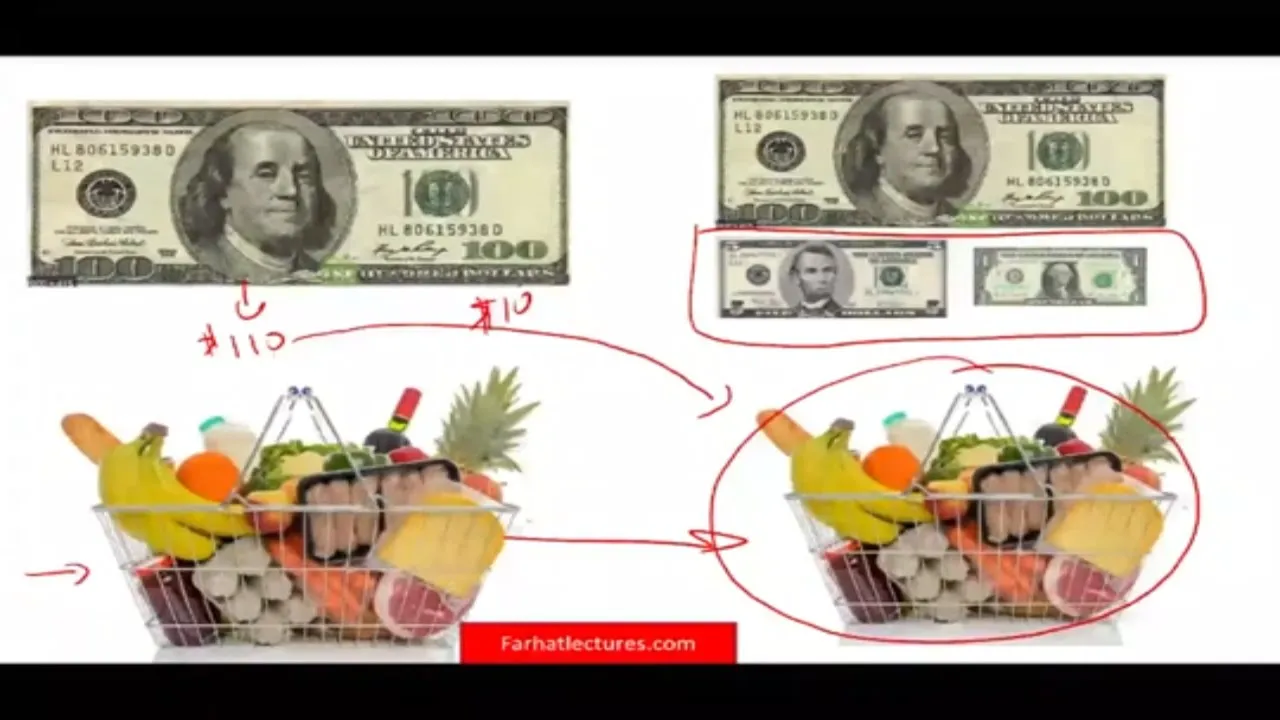
Say you have $100. You can keep this $100 under your bed, in your pocket, wherever. Or you can also keep this $100 in a bank account and earn interest. You can also invest in bonds these $100 and earn interest. So this is an opportunity cost of holding money.
I forgot to write M. Now what do you basically mean by money? What do you mean by money? Money is money is basically the funds which you can spend. Liquid funds. This is what we mean by money. Liquid cash.
Liquid funds. The funds in your bank which you can spend easily. the funds in your pocket which you use for daily transactions and you can you can spend easily that constitutes money. You have a choice of holding it in any way you like. You can you can keep that money with yourself or you can even lend out to someone to earn interest rate. Right? Because once as a lender when you when you lend out that money which you have you earn an interest rate. So you have a choice. You have a choice of keeping it with you keeping money and lending out.
Lending or investing. Don't worry about these things right now.
And uh you're getting interest on the funds which are fully liquid. You can put that in bank. You can invest. You can lend out and you will earn interest rate. Uh you will earn interest rate on that money. Fine.
So the money which you haven't kept with yourself and you have invested you've loan you've kept in bank somewhere now. So what is it that you have learned in this recording is that first of all interest rate is the opportunity cost of holding money. What is money? Money is the money is the funds which you have to spend which you can spend easily. Liquid money by by money we mean liquid money which is easily convertible into cash and you can you can use them use that money to buy goods and services. And you have a choice in keeping money with yourself or lending it out investing it and earn interest rate. And of course you're going to earn interest on the funds which are fully liquid.
In the next recording, what we're going to do is that we're going to talk about that why do people actually hold money.
Uh so so and there are different reasons of holding that money. Okay.
Up Next

89:51
John Taylor and Taylor Rules in Monetary Policy: A Panel Discussion
@HooverInstitution
902 views•2025-05-19
5:07
Impact of Yuan in Indo-Russian Trade Amid Sanctions
@WION
261.9K views•2022-07-01
10:33
Behavioral Economics Explained: Rationality, Nudges, and Risk
@crashcourse
1.1M views•2016-03-12

113:18
The Age of Easy Money: Fed & Inflation | Full Documentary
@frontline
21.2M views•2023-03-15
Related Study Plans & Knowledge Roadmaps
Structured learning paths in Economics
economics
Sovereign Debt: Defaults, IMF & Restructuring
01Introduction to Sovereign Debt & Government Bonds
02Debt Sustainability & Credit Ratings
03Anatomy and History of Debt Crises
+ 2 more learning modules
12h5 modules
Explore Roadmap
economics
Market Design: Matching Theory & Gale-Shapley
01Introduction to Market Design and Price-Free Markets
02Two-Sided Matching & The Gale-Shapley Algorithm
03School Choice Systems and Mechanism Design
+ 2 more learning modules
10h5 modules
Explore Roadmap
economics
Impossible Trinity: Forex, Capital & Policy
01Introduction to Monetary Policy and Central Banking
02Exchange Rates and International Capital Flows
03The Mundell-Fleming Model
+ 2 more learning modules
8h5 modules
Explore Roadmap
economics
Healthcare Economics: Market Failures & Systems
01Introduction to Healthcare Markets and Market Failure
02Asymmetric Information and Adverse Selection
03Moral Hazard and Insurance Design
+ 2 more learning modules
12h5 modules
Explore Roadmap