


























This video analysis by economics educator Tejvan Pettinger examines the UK's economic performance from 2010-2024, revealing that government policies—including austerity measures based on discredited debt-growth theories, the decision to pursue a hard Brexit rather than remaining in the Single Market, and ill-timed tax cuts during high inflation—contributed significantly to economic challenges such as stagnant real wages, housing crises, and reduced public services, demonstrating how policy choices can either exacerbate or mitigate external economic shocks.
UK Economic Policy Review 2010-2024: Austerity, Brexit, and Growth
Added:Understanding the principles of Fiscal Policy, specifically the economic debate between austerity (spending cuts to reduce deficit) and Keynesian stimulus.
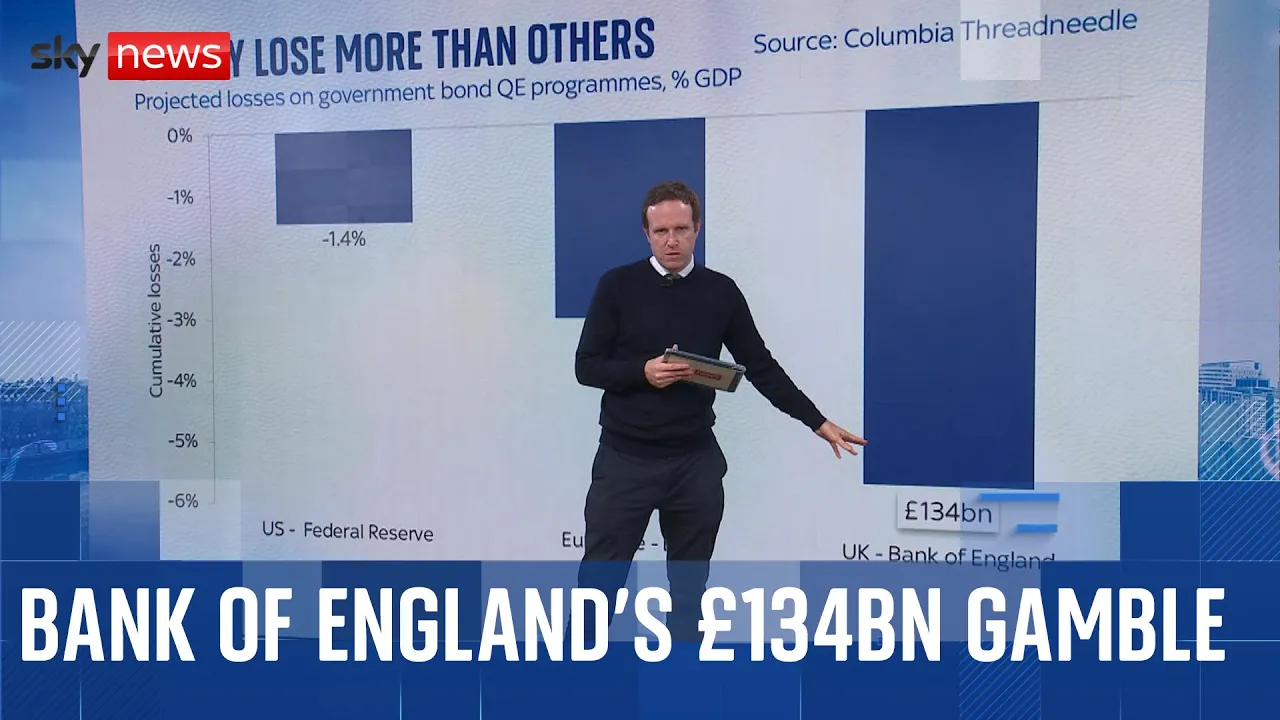
Basic knowledge of Monetary Policy, including the role of central banks (like the Bank of England), interest rate manipulation, and Quantitative Easing (QE).
Familiarity with international trade foundations, specifically the concepts of economic integration, single markets, customs unions, and trade barriers.
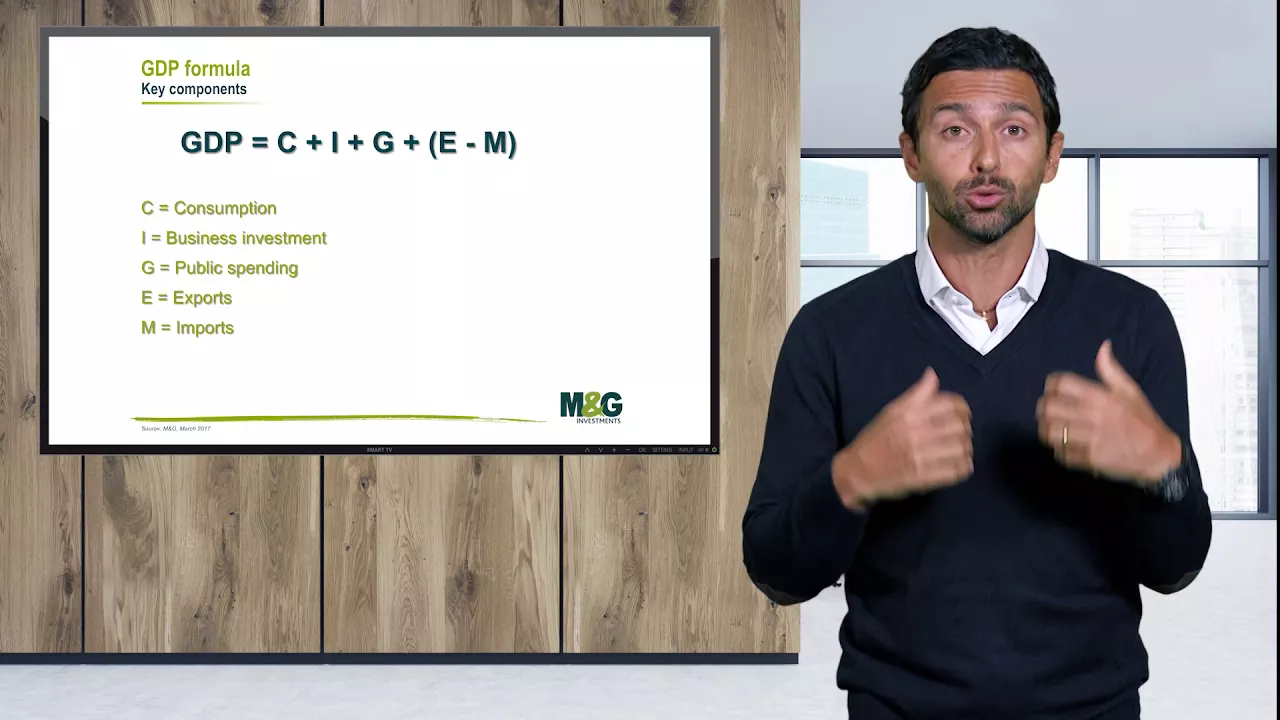
Key macroeconomic indicators and how they are measured, such as Gross Domestic Product (GDP), inflation rates, productivity metrics, and the national debt-to-GDP ratio.
An analysis of the UK's 'productivity puzzle' and structural issues contributing to sluggish long-term wage and productivity growth since 2008.
A comparative study of post-crisis economic recoveries (e.g., comparing the UK's austerity-led path with the US's more expansionary approach post-2010).
Detailed evaluation of post-Brexit trade agreements and their measurable impacts on UK trade volumes, foreign direct investment (FDI), and regulatory alignment.
The study of modern fiscal rules, debt sustainability, and how governments balance public services with fiscal responsibility in the wake of major economic shocks like COVID-19.
42K views1.2Klikes16:23Original Release: 2024-05-29
in May 2010 the conservative Coalition entered government against a backdrop of a great financial crisis which had sent the pound tumbling a deep recession and record government deficits Cameron and Osborne blamed the crisis on high debt and wasted no time in imposing austerity on the economy yet 14 years after the start of austerity government debt has increased from 65 to 98% of GDP and the economy has seen the worst growth of real wages since the Great Depression low economic growth has caused a crisis in public services with record NHS waiting lists but is this economic Malay due to bad luck and external shocks or is it due to a series of bad policy decisions back in May 2010 the outgoing Chief secretive to the treasury Liam burn left a note saying I'm afraid there's no money it was supposed to be a bit of dark humor a private joke but it was seized on by George Osborne who claimed the necessity of cutting government spending Osborne also cited the work of rof and Reinhardt who claimed that high debt led to lower economic growth this was a very influential paper which was behind a lot of the austerity of the 2010s but the first problem with austerity is that that link between debt and growth was a mirage the rug of paper was later discredited and in the aftermath of the Great session private investment was very weak government austerity on top of this pushed the economy into a prolonged stagnation leading to low growth low tax revenues low wage growth now at this point the government could claim that compared to many European countries the UK economy did okay growth rates aren't too bad but it is worth bearing in mind a couple of things firstly the Euro debt crisis of 2012 did push many European economies into a severe austerity and living standards in places like Italy and Greece fell quite a lot but secondly real GDP statistics can be somewhat misleading a big factor behind the UK's growth in recent decade has been rising population a high levels of net migration have pushed the population up causing higher real GDP but if we look beyond the population we can see that real GDP per capita is much weaker barely growing at all still lower than preco now in 2010s the UK actually avoided the Euro straight jacket which imposed a lot of constraints on countries like Italy and Greece the UK had for freedom to pursue its own economic policy in fact the government were helped by the bank of England literally creating money and buying bonds inflation was low interest rates were below and it was very easy to borrow now some might claim there's no alternative to austerity without spending cuts bond yields would have soared markets would have lost confidence but this is juus in the 2010s inflation was low interest rates were low in so I'm quite happy to buy government bonds but what austerity did is to stop problems in the long term ironically proving quite costly to society and the government one of the hardest hit sectors of austerity was Justice and prisons it's led to overcrowding prisons been forced to release early and a backlog of court cases another Target austerity was local councils housing investment for example was Cur significantly which has led to a growing shortage of new builds and ironically housing wealth was one of the few things to really do well in the past decade or so low interest rates and a shortage of Supply caused prices and rents to sore leading to those without housing wealth facing much higher housing costs but rather than trying to address the underlying issue like a shortage of Supply in key areas a government's policy response was helped to buy enabling young people to borrow more to get on the property ladder but this merely pushed up prices even more and it was kind of like a shortterm sticking plus to fix Cuts in the housing sector are one example of what you might call self-defeating austerity with a housing crisis imposing severe costs on society such as housing benefit cost for government 25 billion a year Rising homelessness rates one of the worst in the oecd now it is important to stress the housing crisis has many causes low interest rates shortage of Supply the difficulty in building houses goes back to the 1980s when we started to sell off uh social housing too but even so the 2010s were something of a missed opportunity with even modest government targets frequently missed Now by 2016 the worst of the austerity was over but the next big impact on the economy was a brexit referendum and the later decision to go through a hard brexit of leaving the single market and Customs union now whilst there were many external shocks outside the government's control brexit was entirely driven by government policy the process created a lot of uncertainty leading to a fall in business investment growth leaving the UK with the lowest rates of investment in the G7 and much far behind other peers and this has been a big problem for the economy in terms of low productivity growth one of the driving forces of the economy now the new trading Arrangements have seen Rising costs trade barriers and new regulations unsurprisingly exports of goods to Europe has fallen since 2016 and even this year firms importing perishable food are seeing Rising costs now various estimates for the cost economic cost of brexit rang from around 4% of GDP to 5% of GDP NR estimate the cumulative cost of brexit to the average person will be £2,300 by 2035 brexit didn't cause a sharp fall in GDP there was no brexit recession or anything like that it was more of a slow puncture to the economy growth rate been around 0. 2% per year less than otherwise which is not particularly noticeable but after 15 20 years that accumulates to quite a large per capita cost a large loss of tax revenue also brexit and a whole process did uh take up a lot of government energy there's little room for other policies which may be more beneficial to dealing with a productivity problem now there were alternatives to a hard brexit in the referendum many suggested you could leave the EU but retain the benefits of a single Market the Customs Union was barely mentioned but government policies were definitely a key factor in pushing the economy to a harder brexit which has imposed uh costs to trade and has led to a decline in the UK's trade and density one of the driving forces behind brexit was the high levels of net migration from Eastern Europe in the runup to the referendum now ironically post brexit net migration from non-eu countries has soared reaching a record of over 700,000 a year this was driven by work visas student visas and also a high percentage of family members coming over too and despite these high levels of migration a significant constraint to economic growth in recent years has been a shortage of workers there's have been a decline in labor market participation a rise in long-term sickness now it's true that many of the reasons of this are quite complex and Beyond policy such as uh you know RIS and long Co Etc nevertheless it is a concern and little has been done about it and the high waiting lists and difficulty seeing a doctor definitely don't help now if brexit was entirely a self-inflicted choice Co was entirely Beyond any government's control it caused the government to adopt much greater levels of State intervention with a thow scheme that supported workers during lockdown the government spent between 300 and 4 00 billion pound on state support during covid causing national debt to rise so you got to be careful that Rising debt isn't necessarily a failure of a government it was desirable that we kept the economy going during this difficult time now whilst policies like eat out to help out were highly dubious given later lockdowns the government intervention was important for avoiding the worst of the crisis now hot on the heroes of the covid pandemic the the Ukraine war caus another painful economic shock across Europe after been low for two decades inflation soar to nearly 11% causing a real cost of living crisis for the average householder leading to a fall in real incomes and real financial distress the inflation was focused primarily on food and energy which often hit low-income households much harder than the average household now the impact would have been much greater without the government's relatively generous energy price cap guarantee this cost the government an estimated 37 billion pound now the government are correct to point out that this uh inflation was a global phenomenon it was a cost push shock from rising oil and gas prices but it is telling that the UK were particularly sensitive to this inflation shock with prices rising much more in the UK than other European and Global economies now despite this quite generous energy price guarantee it was largely lost on the electorate because it came in ad midst the chaos of the trust quatang mini budget back in the September 2022 they correctly diagnosed the UK's weak economic growth in the past 12 years but in response they introduced a budget totaling up to 90 billion of unfunded tax cuts Focus primarily on companies and high earners in the words of Yes Minister it was a very brave decision but markets were spooked by the size of the tax giveaways at a time of high inflation and Rising debt the pound fell bond yield soord International commentators referred to the UK's Bond idiot premium index due to the Reckless nature of a budget now despite the market Panic a few days after the budget qu quaten doubled down saying they would just cut taxes even more it was a ton deaf response and markets didn't like it homeowners acted in horror as mortgage rate soared Pension funds were at the risk of meltdown and needed bailing out by the bank of England and another problem was in the middle of a cost of living crisis it was high earners and companies who received the largest tax giveaways in Co The Motto had been we all in it together but in this budget the reality was very different ironically a budget praised by some free market think tanks was ultimately undone by the workings of the market the market knew it just was not sustainable now the removal of trust and the reversal of a budget saw some stability return although mortgage rates remained elevated because inflation was proving much more stubborn than the bank of England hoped or forecast now the government went from one of the biggest tax giveaways in history to one of the largest tax rises in history and this has been a feature of the past 14 years a frequent flip-flopping of policy tax rates going up going down going back up overall the UK tax share Rose to its highest level in the postwar period yet despite this uh rise in the tax burden Public Services have fallen behind because the tax rise is mainly due to very low economic growth tax revenues are not Rising like they used to do now the very recent tax crits of the last budget are premised on unspecified spending cuts in the coming year the government have left a you could say poison chalice for whoever wins the next election and that they'll have to M find all these spending cuts to balance the budget the IMF referred to a 30 billion black hole in government finances and in fact it may be worse if you consider the Aging population and the decline in petrol tax and tobacco tax which is due to come now what about successful economic policies in this uh period Well George osbor surprised many in 2015 with a significant uplift to the national minimum wage The New National living wage has done much to increase pay for the lowest paid workers such as bar staff and cleaners these lowp paid workers have seen relatively impressive real real wage growth compared to many for people in the economy the biggest losers have actually been public sector workers like nurses teachers and doctors have really lost from the government's austerity often an easy target to cut spending it's to hold back on wages you could also argue that the recent shift from National Insurance to income tax could help to increase labor market participation improve the uh welfare of workers and put more of a burden on uh weth pensioners although very the Govern did kind of uh do a u-turn on this promising not to tax pensioners introducing a kind of a quadruple lock and in fact over the past 14 years pensions have been one of the few areas that have been protected by government spending the triple Locker seen pensions rise much faster than other benefits in the economy uh households out of work especially those with more than two children have seen a relative decline in their uh living standards we've started to see the first rise in child poverty for many years and this is a consequence of very strict benefit limits which have often focused on working age families and especially those with more than two children the past decade has also seen a big divide in terms of housing wealth those who bought a decade or so ago seen a big rise in housing wealth because of higher house prices but those who don't own have found it much more harder to get on the property ladder a big rise in the amount of deposit you need and then higher interest rates making it really hard to buy now the loss of social housing began many years ago back in the early 1980s when they were sold off and not really replaced and this is a big problem for the UK housing market but very little effort has been made to try to address this aspect of the economy something that affects living standards so much so overall it's been a very difficult 14 years there have been four major economic shocks the great financial crisis the global slowdown in productivity growth Co and then the oil price shock related to the Ukraine war yet at the same time the government have also made many policy blunders austerity when the economy was very weak tax cuts when there was Rising debt and high inflation the unforced option of pursuing a hard brexit now outside these areas the major problems of the economy like low productivity declining participation have seen little more than sticking plaster policies with often to focus on other side issues elsewhere in the economy so giving it a grade I would give it fairly low could do better uh that's generous grade I think but anyway if you enjoyed this recap of conservative policy why not have a look at how Mrs fer did back in the 1980s this looks at all the pros and cons of the fer period
Up Next

17:04
Mac Barnett: Why a Good Book Is a Secret Door
@TED
336.3K views•2014-09-17

12:54
Triumph of Orthodoxy Icon: Byzantine Art & History Explained
@BenCallan
2.1K views•2024-08-06

9:49
FastAPI vs Flask vs Django: Choosing the Right Python Web Framework
@TechWithTim
302.5K views•2024-05-26

1:42
Game of Thrones Opening Credits: A Cinematic Analysis
@gameofthrones
46.3M views•2011-04-18
Related Study Plans & Knowledge Roadmaps
Structured learning paths in General & Interdisciplinary Studies
general-studies
Elevator Engineering: History, Physics & Cities
01From Hoists to Safety Brakes: The Dawn of Vertical Lift
02Hydraulic vs. Traction: The Engineering Physics of Elevators
03Modern Speed, Safety, and Algorithms
+ 2 more learning modules
12h5 modules
Explore Roadmap
general-studies
Rubber: Material Science, History & Geopolitics
01Origins of Natural Rubber & Mesoamerican History
02The Chemistry of Natural Rubber & Vulcanization
03The Geopolitics of the Rubber Boom & Colonization
+ 2 more learning modules
12h5 modules
Explore Roadmap
general-studies
Containerization: Evolution, Logistics & Trade
01Ancient Trade & Bulk Cargo: Amphorae to Barrels
02The Industrial Revolution & Cardboard Packaging
03The Containerization Revolution: Malcom McLean
+ 2 more learning modules
12h5 modules
Explore Roadmap
general-studies
Textile Tech: Evolution, Labor & Global Impact
01Pre-Industrial Textiles: Handloom & Cottage Industry
02Mechanization: The Spinning Jenny to the Power Loom
03The Factory System & Global Labor Transformation
+ 2 more learning modules
10h5 modules
Explore Roadmap