




















Muscle fatigue occurs not because of lactic acid buildup or energy depletion, but because repeated contractions deplete the concentration of ions (potassium, sodium, and calcium) near the muscle cell membrane, preventing the generation of action potentials necessary for muscle contraction; however, these ions replenish during rest, and regular exercise strengthens muscles by increasing ATP stores and improving waste clearance, thereby delaying fatigue onset.
Muscle Fatigue: How Your Muscles Respond to Brain Signals
Added:Understanding of the sliding filament theory, including the roles of actin, myosin, and calcium ions in muscle contraction.
Basic knowledge of cellular respiration, specifically how cells generate Adenosine Triphosphate (ATP) via aerobic and anaerobic pathways.
Familiarity with the neuromuscular junction and how action potentials travel from the nervous system to muscle fibers.
The concept of electrochemical gradients and the roles of sodium (Na+) and potassium (K+) ions in generating action potentials.
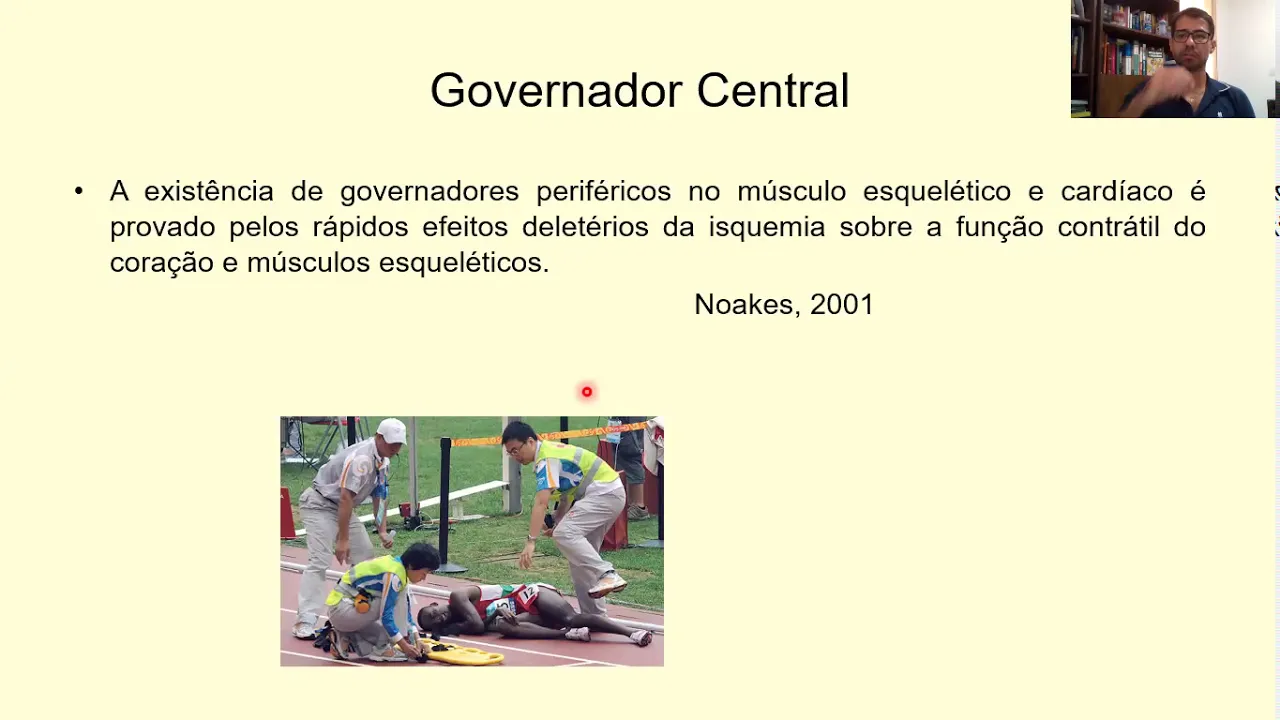
Exploration of the 'Central Governor' theory, which distinguishes between peripheral (muscular) fatigue and central (nervous system) fatigue.
Advanced study of cellular adaptations to training, such as mitochondrial biogenesis, increased capillary density, and muscle hypertrophy.
Application of fatigue principles to sports science, including lactate threshold training, VO2 max optimization, and nutritional strategies like creatine supplementation.
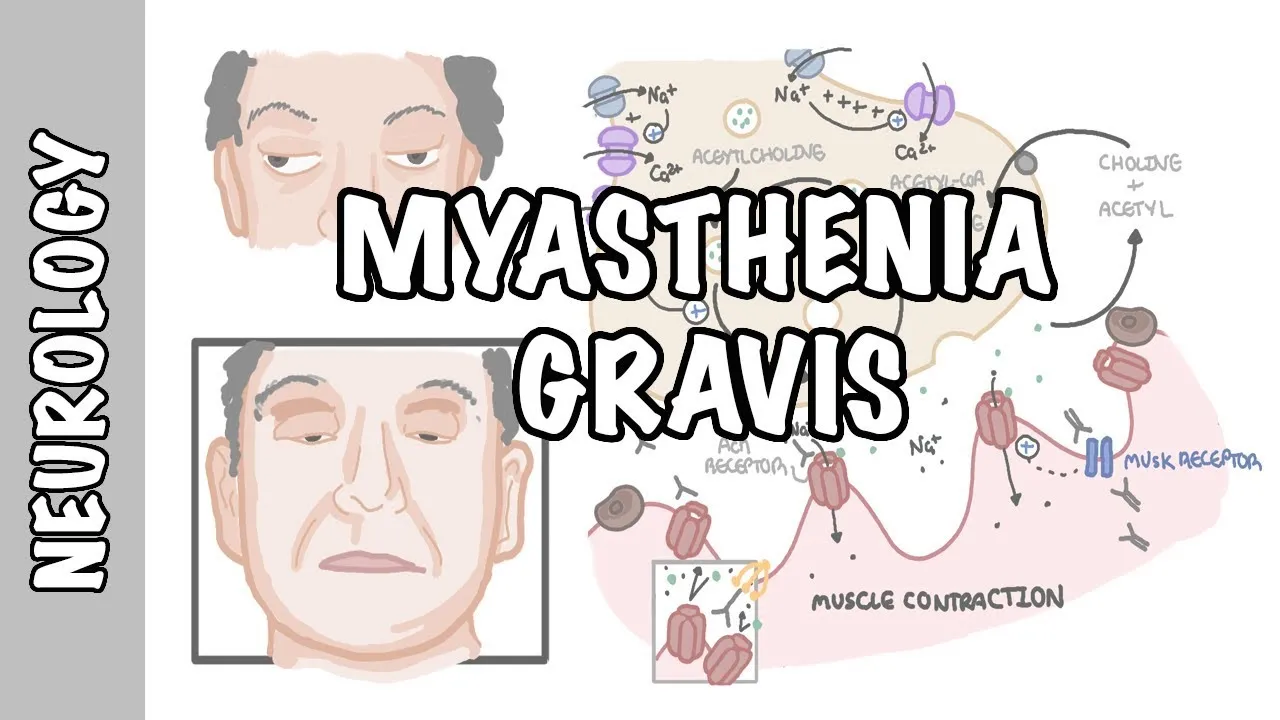
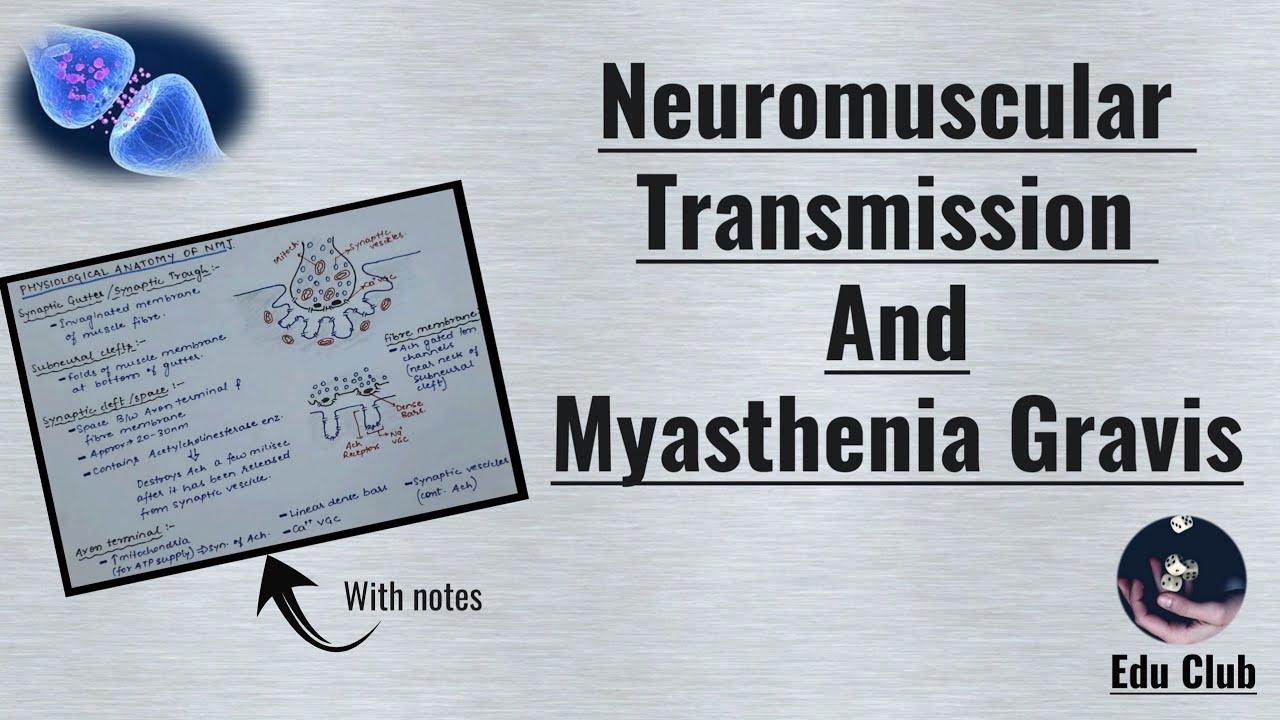
Investigation of clinical neuromuscular disorders such as Myasthenia Gravis, ALS, or chronic fatigue syndrome where muscle-brain signaling is impaired.
5.7M views172.3Klikes4:25Original Release: 2019-04-18
You're lifting weights.
The first time feels easy, but each lift takes more and more effort until you can’t continue.
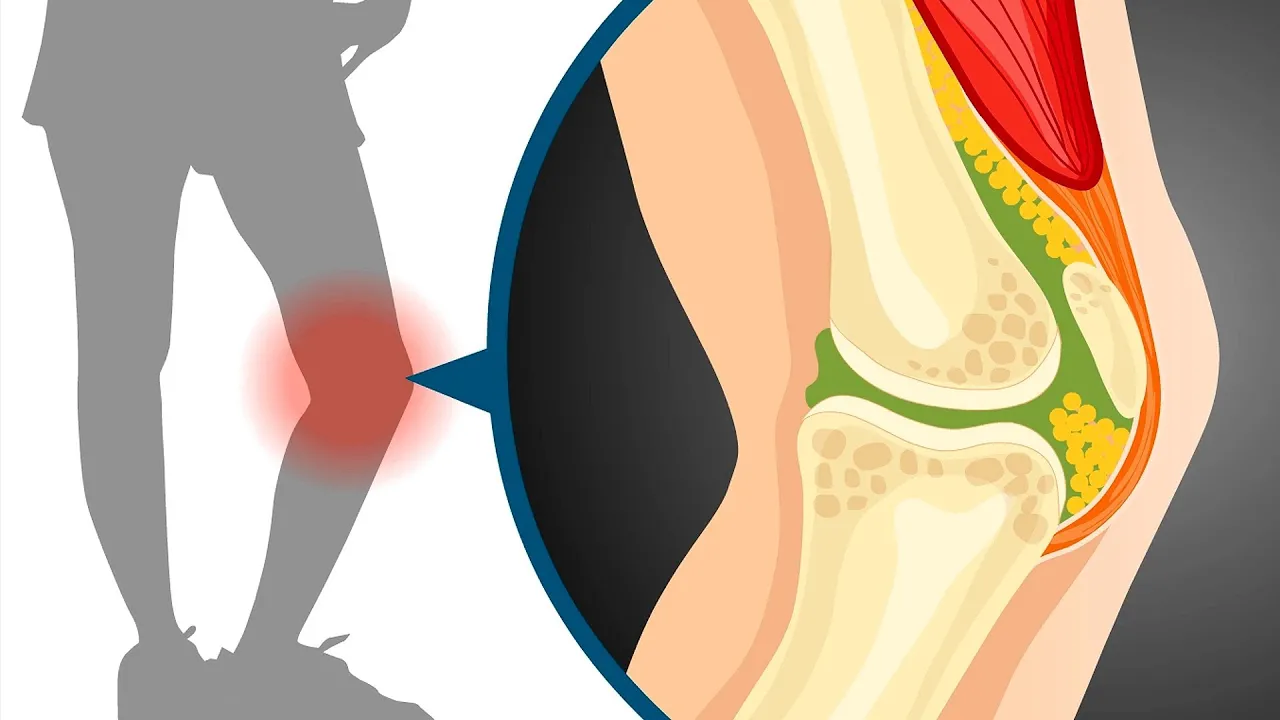
Inside your arms, the muscles responsible for the lifting have become unable to contract.
Why do our muscles get fatigued?
We often blame lactic acid or running out of energy, but these factors alone don’t account for muscle fatigue.
There’s another major contributor: the muscle’s ability to respond to signals from the brain.
To understand the roots of muscle fatigue, it helps to know how a muscle contracts in response to a signal from a nerve.
These signals travel from the brain to the muscles in a fraction of a second via long, thin cells called motor neurons.
The motor neuron and the muscle cell are separated by a tiny gap, and the exchange of particles across this gap enables the contraction.
On one side of the gap, the motor neuron contains a neurotransmitter called acetylcholine.
On the other side, charged particles, or ions, line the muscle cell’s membrane: potassium on the inside, and sodium on the outside.
In response to a signal from the brain, the motor neuron releases acetylcholine, which triggers pores on the muscle cell membrane to open.
Sodium flows in, and potassium flows out.
The flux of these charged particles is a crucial step for muscle contraction: the change in charge creates an electrical signal called an action potential that spreads through the muscle cell, stimulating the release of calcium that’s stored inside it.
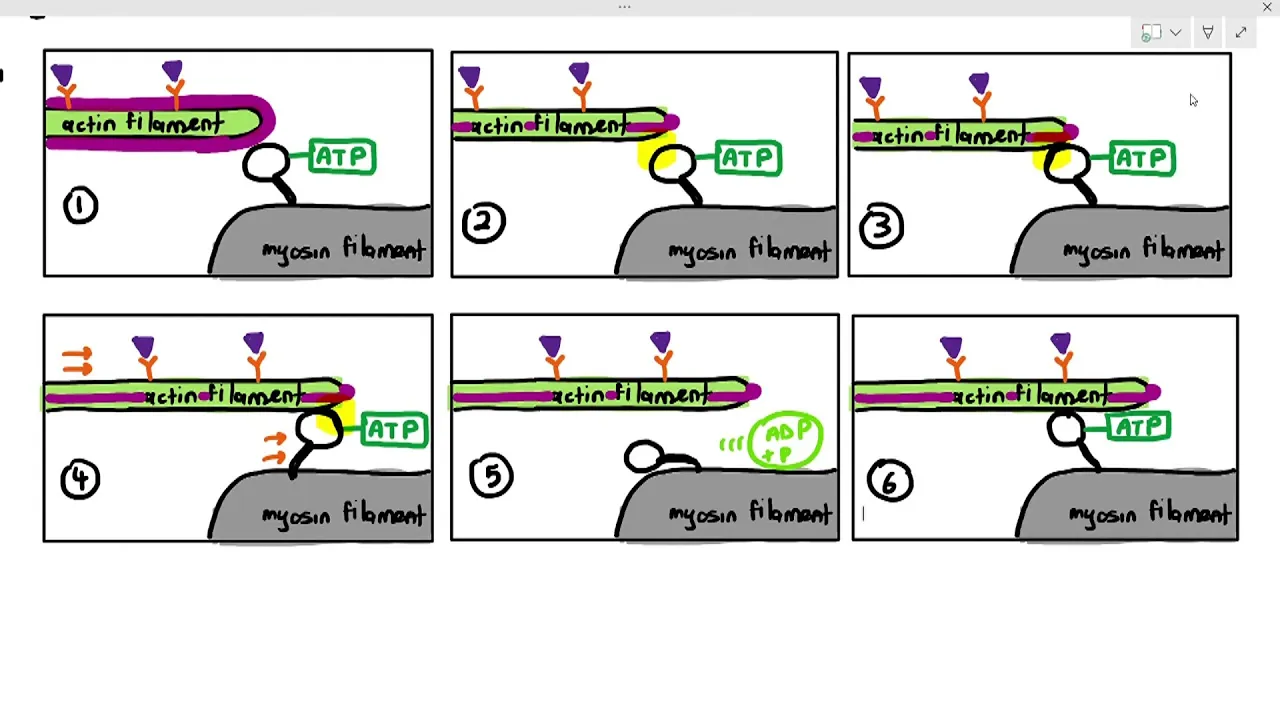
This flood of calcium causes the muscle to contract by enabling proteins buried in the muscle fibers to lock together and ratchet towards each other, pulling the muscle tight.
The energy used to power the contraction comes from a molecule called ATP.
ATP also helps pump the ions back across the membrane afterward, resetting the balance of sodium and potassium on either side.
This whole process repeats every time a muscle contracts.
With each contraction, energy in the form of ATP gets used up, waste products like lactic acid are generated, and some ions drift away from the muscle’s cell membrane, leaving a smaller and smaller group behind.
Though muscle cells use up ATP as they contract repeatedly, they are always making more, so most of the time even heavily fatigued muscles still have not depleted this energy source.
And though many waste products are acidic, fatigued muscles still maintain pH within normal limits, indicating that the tissue is effectively clearing these wastes.
But eventually, over the course of repeated contractions there may not be sufficient concentrations of potassium, sodium or calcium ions immediately available near the muscle cell membrane to reset the system properly.
So even if the brain sends a signal, the muscle cell can’t generate the action potential necessary to contract.
Even when ions like sodium, potassium or calcium are depleted in or around the muscle cell, these ions are plentiful elsewhere in the body.
With a little time, they will flow back to the areas where they’re needed, sometimes with the help of active sodium and potassium pumps.
So if you pause and rest, muscle fatigue will subside as these ions replenish throughout the muscle.
The more regularly you exercise, the longer it takes for muscle fatigue to set in each time.
That’s because the stronger you are, the fewer times this cycle of nerve signal from the brain to contraction in the muscle has to be repeated to lift a certain amount of weight.
Fewer cycles means slower ion depletion, so as your physical fitness improves, you can exercise for longer at the same intensity.
Many muscles grow with exercise, and larger muscles also have bigger stores of ATP and a higher capacity to clear waste, pushing fatigue even farther into the future.
Up Next

1:42
Magnetic Bead-Based Nucleic Acid Extraction Explained
@CDC
21.8K views•2022-03-09
50:12
Bacterial Communication: Quorum Sensing and Biofilm Formation Explained
@JHUAAP
12.6K views•2011-06-28

18:11
How Bacteria Talk: Quorum Sensing Communication | Bonnie Bassler TED
@TEDEd
707.9K views•2013-02-09
7:08
Bacteriophages: Earth's Deadliest Killers and Future Antibiotics
@kurzgesagt
34.6M views•2018-05-13
Related Study Plans & Knowledge Roadmaps
Structured learning paths in Biology
biology
RNAi: Biogenesis, RISC & Gene Silencing
01Molecular Biology Foundations: DNA to Protein
02Introduction to RNA Interference (RNAi)
03Molecular Biogenesis of miRNA and siRNA
+ 2 more learning modules
10h5 modules
Explore Roadmap
biology
Mycorrhizae: Signaling, Biophysics & Ecology
01Foundations of Mycorrhizal Symbiosis
02Molecular Signaling and Root Colonization
03Biophysics and Bioenergetics of Nutrient Exchange
+ 1 more learning modules
11h4 modules
Explore Roadmap
biology
Circadian Clocks: TTFL, SCN & Periphery
01Foundations of Molecular Biology & Gene Expression
02Introduction to Chronobiology and Actograms
03The Core TTFL: Molecular Architecture of the Clock
+ 3 more learning modules
14h6 modules
Explore Roadmap
biology
Population Genetics: Math, Drift & Selection
01Genetic & Probability Foundations
02The Hardy-Weinberg Principle and Baseline Models
03Mathematical Modeling of Natural Selection
+ 3 more learning modules
18h6 modules
Explore Roadmap