


![If I Wanted to Become a Cloud Architect in 2026, This Is What I'd Do [FULL BLUEPRINT]](https://i.ytimg.com/vi/hyiGrOyARes/maxresdefault.jpg)

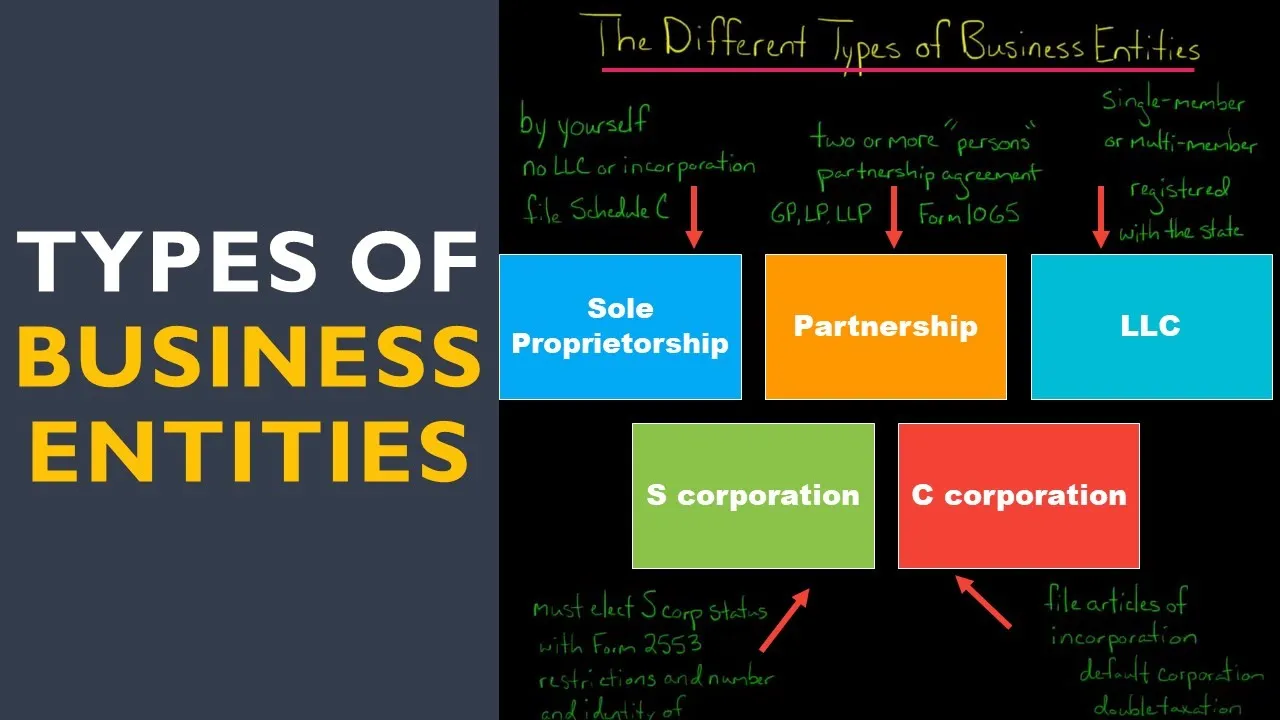
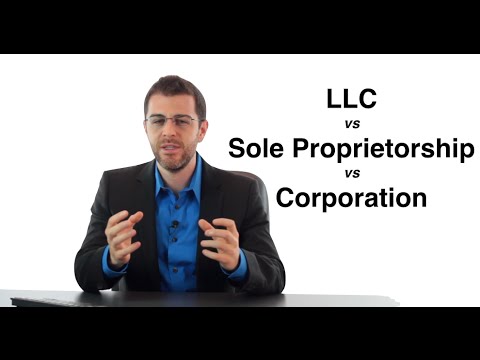




















To successfully transition from an employee to a solo technology consultant, follow these 10 essential steps: (1) Design focused services by specializing in 1-2 key areas rather than offering every skill you possess; (2) Discover your target clients through research to understand their demographics and psychographics; (3) Price your services appropriately based on client preferences and business sustainability; (4) Build client awareness through content marketing and digital presence; (5) Incorporate your business (typically as an LLC) to protect personal assets; (6) Acquire clients by learning to overcome rejection and engage in meaningful conversations; (7) Negotiate contracts using Master Services Agreements and Statements of Work; (8) Manage engagements by tracking time, scheduling regular check-ins, and handling change requests formally; (9) Maintain accurate financial records and set aside money for taxes; (10) Finish projects strongly by providing comprehensive documentation and requesting references to build your reputation.
A 10-Step Guide to Becoming a Solo Technology Consultant
Added:you need to agree with your client here's how we're going to work together here's how I'm going to get paid here's how we're going to know that I'm done here's how I'm going to report status all that good stuff get that in place before you get started I've seen a lot of people try to work on their own and they don't do this and they get themselves in a lot of trouble so I just want to encourage you if you're considering doing this don't be overwhelmed by it but do it [Music] have you been working in tech for a while and you're kind of getting tired of being susceptible to the corporate policies the employee handbook and all the political silliness well now may be the time to consider working for yourself and that can be very daunting if you've ever considered it but one of the easiest ways to go on your own if you feel like now might the time to consider it is to become a solo Tech consultant I did this myself about 7 years ago now I wouldn't recommend doing this if you're brand new to your career but if you've got some particular skills that you've gotten pretty good at you see a value and a desire for them in the market and you'd like to try your hand at seeing if you can build some Authority in the industry and a name for yourself or at least have an ongo going list of potential clients that come to you for your expertise I want to give you some really practical steps today to go from I don't even have an idea how to get started to finishing your first project and actually getting a referral so that you can go to your next client and go look at the great work I did for this one now most of these steps are going to be when I talk about the particulars uh very comfortable to people who live in the United States but if you're living in Spain in India in let's say the UK you might have to do a little bit of adjustment to the particulars of how you accomplish these but they're going to be the same no matter where you live and no matter what you do if you're a programmer if you're a product manager if you're in devops if you're doing Engineering Management or process Improvement agile coaching really anything related to the software industry or Tech you can follow these same 10 steps and they'll help you get started and one thing I should mention is I actually have a coaching package called solo Dev if you're at the point your career where you're considering doing this and let's say you watch this episode today and you're like this is exactly what I need to do and you'd like a little help I walk people directly through this and support them through coaching so there's a link in the description you can check it out if that's you but let's get right into it here's 10 steps to become a solo Tech consultant the first thing you need to do is design your services or service design is the term for this and this is really to look at what do you offer today out of all the type of work that you do on the job that you could package up into a menu so to speak to offer to potential clients or customers I think one of the biggest mistakes I ran into when I first started thinking about going solo is I thought okay I got to just an employee offered to the open market every possible programming language agile coaching approach I've used you know that I can do devops I can do continuous delivery I can help people with lean product management and just open that up wide to the entire industry and work for myself and that doesn't work very well it really Waters you down instead you want to pick one or maybe two really strong Focus areas that you would like to offer in the market now I can make a whole episode on this there's certain things you want to take into account like can you package this up into something that you feel pretty confident you can complete even if the client people let's say make mistakes for instance if you just try to go solo as a consultant and you're just a developer an individual contributor that's not quite the same as being a consultant you're really just a member of their team and I'm going to talk in a lot more detail about that in a future episode but regardless the first thing you need to do before you even think about any of this is look at the work that you do today and try to think you know what could I offer to the market for instance for me when I go out and offer myself for consulting services to clients I have a flat bill rate you know dollars per hour that I charge for software architecture Consulting there's a certain rate I charge for that if they want devops consulting or Cloud architecture Consulting there's a little bit higher rate for that if they want lean product management consulting there's a higher rate for that but I also offer basically packaged services that I can't really get into detail they're more they're more specific to customers that want to work with me but these are like kind of done for you packages of things that I offer today that I can go out and sell in kind of a fixed method now I I'll give you an example uh if you were in devops for example you could sell a package that's like a conf configuration management audit you go into a company and you audit you know where are all their configuration settings across their software products their platforms you know how are they using it in Source control and produce some sort of report or some sort of you know plan for them that shows them hey if you want to actually achieve devops one of the things holding you back today is you need to get a handle on your configuration management now you might actually do the work then to remedy it or you might bring in another other consulting firm or just you know produce the plan for them now that's just an example though uh I don't want you to think of that example I just gave and think you know everything that I might want to do in my career related to Tech I have to package up into an audit that's just one example of a service but regardless come up with a menu of services that you can offer so that when you're talking to people and they wonder what do you do how can you actually help me it's not just this open-end well I'm a developer and I know you know 40 program languages and I'll do whatever you want you got to specialize and have it priced and ready specifically for the customer that you want to sell to the second thing you need to do when you're going to become a solo consultant is you need to discover who your client really is this is going out on the internet going to trade shows reading you know articles doing whatever you can to do a little bit of research to try to figure out who are the people that are most likely to buy these Services I just designed you know if you just designed a service let's say to help companies convert their code from you know vanilla JavaScript to react or something like that you need to not just talk about that you know wide open to the entire internet you likely it's better if you can try to figure out you know where do people go to actually find out how to modernize JavaScript applications you know are there existing influencers that are talking about it already that I can start to contribute to their conversation have become part of their Community are there books that are already written about it maybe there's a focus group or an area on Facebook where people discuss that book and you can join and be part of that community and eventually raise some awareness but basically you want to figure out you know if you're going to go out and sell your own Services as a tech consultant who specifically is going to buy and then what are the attributes of them I talked about this in an early EP earlier episode of the show where I talked about selling your ideas that you want to understand your clients you know demographics like how old are they on average you know in a bunch of details that that are very basic but you also want to find out their psychographics things like you know are are they very risk averse they avoid risk are they Risk Takers there's a whole variety of things related to this and again I can make a whole episode on this and I probably will down the road but if you're going to be successful in becoming a solo Tech consultant I think one of the things you don't want to do is just necessarily use some of these freelance websites where you just post yourself for higher you want to be more professional and exclusive than that you want to actually reach the best customers only [Music] yourself the third thing you need to do if you want to become a solo Tech consultant is you got to price your services appropriately find out how does that customer prefer to buy would they like to pay for the whole project up front would they like to pay month toon do they want to pay per hour now the client's going to have the way that they would like to pay for your services but you're going to also have the ways that you would like to get paid for example uh some of my clients who hire me as a career coach they would probably prefer to just pay for sessions one at a time when they feel like it the problem with that is then if they don't like one session they're not going to come back for the next one and they're not going to get results and so I actually basically require that clients you know if you were to come to me for help for example that work with me as a coach you have to invest in a minimum of six coaching sessions because I know if you don't spend at least that much time working on your career with me you're not going to get anything actually tangible you're going to have buyer remorse and I'm not going to have actually produced any value in your career so that's just an example career coaching is probably not what you're doing but you do want to think about how do I take the combination of how the client would like to pay for working with me and the best way that I can help them be successful and make potentially the best money and come up with a good compromise and I want to encourage you you don't have to get this right out the gates I've changed my pricing four different times since I started career coaching uh you'll see often products change their pricing models they might even change from an annual you know purchase of a of a subscription to a SAS product let's say into monthly or something like that so I think a lot of times when we think about going on our own as a tech consultant we think automatically I got to just charge people per hour but again if you're if you're selling a package of like I'm going to do a done for you security audit or I'm going to do a done for you you know audit of your let's say react component Library you can give that you know you can give a fixed price for that and actually charge for the whole thing up front the pricing is a complex topic again could make a whole episode on it but that's one of the biggest things that you got to kind of figure out before you get started the fourth thing to do if you want to be a tech consultant and have ongoing work where you can work for yourself is you need to build awarness to your clients that you even exist and you offer what you do obviously having a website is good if you meet people you or if you just find them online you can send them to your website you can tell them what you do and that's super important I've got a website but if you're trying to reach people without having to go to a conference and fly halfway across the world or do in-person activities all the time to find potential clients you might leverage digital marketing a little bit more and the best way I like to leverage digital marketing and I would encourage encourage you to possibly consider depending on what you do is content marketing which is exactly what I'm doing I did a whole show on this earlier this year but content marketing is basically where you put out YouTube videos or podcasts or blog post maybe have you know a sub stack and you help your potential client people reading you know or watching or listening to your content with a part of the full solution that you would help them with show them hey I understand this problem space I'm going to give you some real value for free and hopefully a lot of it through you know multiple things now do you have to create over 140 videos like I have no I've been doing this for seven years but you know one of the best ways that you can not have to spend time I know a lot of people worry if I'm going to become a solo consultant I got to spend a ton of time finding clients is content marketing when you create content if it's good content you put it out there really helps your potential client it's like a person you hired that works for you they're out there constantly telling people about your services and by they I'm I'm embodying you know a piece of content as as a person so to speak so think about how you're going to raise awareness now I'm not saying that's the only way you have to raise awareness you can meet people in person it can be great for higher ticket uh you know Tech Consulting packages that you offer but if you're going to start for working for yourself one of the first things you got to do once you figure out what am I going to offer who's going to buy it how much is it going to cost is how are people going to even know about it the fifth thing you need to do is incorporate at least in the United States I would recommend start probably with an LLC or a limited liability Corporation it's a couple hundred here in Texas if you file yourself I'm in Austin uh there is like Legal Zoom and there's lots of websites where they'll do it all for you and you pay a little bit more sometimes a lot more but ultimately you do want to have a business entity of some sort so that if you got sued for some reason if you had charges pressed against you because of some big mistake that you made they can't actually reach into your personal finances or you know affect like your house or you know any of your personal property it allows you to keep the business and your assets completely separate and you know obviously if you incorp you're going to have to come up with a name that's a whole Topic in and of itself but also you want to create then a business bank account if some sort minimally you need a checking account that is associated with your LLC so that you know if you buy let's say a laptop to do work with or you purchase business insurance or you host your website on you know Squarespace or Amazon or something you know you want to do all your financials through your business account so it makes it easy to do taxes at the end of the year you also need to find a registered agent this is someone that uh you pay so that if you don't have a physical address um you usually get a PO Box like I do I have a PO Box that's my business's address but also the the registered agent sort of is a third party that a lot of your business correspondence goes through just just search for register a registered agent and incorporation but essentially there's some business related stuff you got to do to just kind of check your boxes make sure you're a legitimate business and that you're filed with the state and that you're protect Ed you know and you're probably going to want to get some form of insurance as well uh when I work with clients typically I have a insurance that a software architect or software developer would have I think it cost me around $4,000 a year close to five uh and that would give me general liability insurance as well as what's called errors and omissions insurance which ensures you that like hey if you make an error omit something which hey we do this as programmers all the time and it's like a big problem and the client you know wants to press charges heaven forbid I've never had this happen to me but let's say they do you know you can get insurance up to you know a couple million dollars worth of damages to that company should they try to seek them that then would protect your business's assets remember they can't go after your personal assets if you got an A company or an LLC this is a huge topic but I'm just trying to plant some seeds with you know what you probably want to do which is incorporate kind of make sure sure you do all those things before you get started as a solo Tech consultant so now you got everything in place you're reaching clients you've got services to sell you've got a company you know what it's priced now you need to actually acquire the clients seal the deal find them talk to them tell them what you offer get enough interest that you can close a sale you know this is just learning how do I talk to a potential customer or client about what I do and overcome their objections so if if they're you know concerned that I don't have enough experience give them references you can even talk about work that you've done in corporate you know jobs you've had before you went on your own obviously if you if you've been a consultant that can give you extra clout because you've already kind of done it for an agency but you know just just learning to have conversations with people where you just talk about what you do and offer to help them with their problems and offer what you have and hear how they respond to it you know I would encourage you to just feel comfortable that the first few conversations you have you may not immediately close the client that's okay that's part of the process of learning now if you're the type of person who's just terrified of rejection I think a lot of people would just say well I'm not going to do this because if I get rejected like you know I I'm the type of person who hates rejection I can't deal with rejection that is a limiting belief I just want to let you know it's not a Truth uh I help people with career coaching through limiting beliefs like that there's actually uh a person who I think they wrote a book possibly or they have a podcast about this where they decided to ask for permission for something that they were pretty sure they would get rejected by every day for a 100 days so it was like they just got rejected day after day after day for 100 days and what they found is so often they actually didn't even get rejected and beyond that they just started to build that muscle of not taking rejection personally you know I think many of us have had a rejection earlier in our life from you know a parent or a love interest or you know a job that we've carried around maybe some baggage about and that could prevent us from starting to work for ourselves and that would be a shame if you're a professional It's Time free to really grow and that holds you back so there are ways to deal with that [Music] so you've talked to a client they love what you offer they've agreed let's do business how do you actually get into a business agreement with them and actually start the project well you need to negotiate using some sort of contract uh there are a few minimal documents that you need if you're going to be a solo Tech consultant one of these is called an MSA or a master Services agreement now I'll be honest not all Consultants use these I sure do I think they're really valuable the master Services agreement is basically a document you write and again you can go out online and you can find starter msas and kind of tweak them to your liking but they're basically documents that have a bunch of legal Clauses in them that you give to your client that says hey when we do business together here's some rules I'd like us to agree on to make sure we protect our relationship these are things like you know if things don't work out for some reason we agree not to smear each other on social media the these are things like if you're going to pay me here's how often I'm going to invoice you and here's how long you have to actually deliver payment things like if there's a dispute you know you can say here's the state I'd like the dispute to be handled you know if it goes to court you can also indemnify yourself from things if you don't want to actually uh have any liability for things again the co when you work for a company you often agree to these things and if you actually agree to do work for the client they might provide you with a document that says hey to do business with us here's the way we want you to agree you know to what you're going to do it's really important that you have the same thing msas usually cover two to five years worth of work so the idea is you give this to your client that's about to do business with you hey okay well to get started one of the first things I need you to do is sign my MS say I'll send over an email with it so you send them the master Services agreement the idea is it's got all the ident the Clauses and all the information about how it's going to work for you two to work together and it's got a spot for you to sign your name at the bottom and then they have to sign you know a representative at the company and and it becomes a legally binding document now sometimes this has to go through their legal department it can even take a couple weeks up to again depending on what you're doing months to have this happen now if the client's really motivated do it fast I've had msas approved in 3 days so it depends but it's really important that you get that signed because the idea is once you do let's say it's for 5 years you can do multiple projects multiple efforts you know sell multiple things to that same client for the next let's say five years and they don't have to put all that through legal over and over again so it kind of makes it easier for you to sell new projects how does that work well cuz then there's the second document which is a statement of work or sa you may have heard this uh the statement of work is basically a document that says here's a project or an effort we're going to do together again it could be some sort of audit it could be a gap analysis it could be a proof of concept you're going to code for them it could be some product management coaching you're going to do for their product managers depends on what you're offering but your statement of work is going to say here's how much you're going to pay me and and what the terms are now again you've already established in the master Services agreement how often you're going to invoice them and how you're going to expect payment but the statement of work might have like for this project the specific terms they can and they can override the MSA again I don't want to get into too many details this can sound a little crazy it's not as complicated as it sounds but I always encourage people in your statement of work leave estimates out of it leave leave the scope as open as possible um you don't want to get into a you know fighting match as the project moves forward around things and have details in the statement of work get you in trouble but ultimately you need to agree with your client here's how we're going to work together here's how I'm going to get paid here's how we're going to know that I'm done here's how I'm going to report status all that good stuff get that in place before you get started I've seen a lot of people try to work on their own and they don't do this and they get themselves in a lot of trouble so I just want to encourage you if you're considering doing this don't be overwhelmed by it but do it the eighth thing that you'll need to do if you want to work for yourself as a solo consultant is you're going to have to manage the engagement now there's the work that you're going to be doing coding you know coaching advising you know whatever it is that you're doing around technology there's the the bread and butter work that they hired you to do but there's also just managing the relationship and expectations and you know they again they call it when you're doing work with a client as a consultant it's the engagement or project but these are things like keeping track of your time if you're working per hour these are things like deciding like okay maybe you decided in the statement at work we're going to have a once a week meeting on you know Thursdays for an hour and a half where we're going to discuss the status of the project and let you let the client describe any open issues or give updates I mean I'm just giving examples but you're gonna have to make sure you get those things done and you track them you know depending on what you're doing you could have some kpis or key performance indicators that are some set of data or numbers that the client is looking at that you're periodically updating that lets them know like let's say hey we're converting a legacy codebase from you know some other language like Java to you know node or something like that and they want to know how far along are we percentage wise you know you you might have that be a key thing that people are tracking and you're also ultimately going to probably have situations where what you agreed to do in the statement of work changes you start working on the project and you discover oh there's this other part of a system at the company that I didn't consider or there's this other department that that I need to get their Buy in to move forward well you can't just do that work you need to make sure you get paid for it because it's new scope and in Consulting we call these change requests they're basically many statements of work that say you know this document amends or adds to the original statement of work and says we're going to do this extra work you get and you get that in front of your client you have them review it again they put it through legal they sign it and you make sure you get paid for the extra work you're doing that was scope that was not included so you know managing the engagement having good client communication all that stuff it's something you'll get better at the more you do it don't feel daunted about this but you're probably if you're an individual contributor you're already doing some of this every day on your project you're just not doing it in a formal way that a consultant would [Music] be now the ninth thing that you need to do if you want to be a solo Tech consultant is you need to keep pretty good Financial records you need to keep track of how much is the client paying you you need to have some idea and it's just a guess everybody guesses when they start this how much money do I think I'm going to make this year from Consulting you know I the first year I went on my own I guessed that I would make you know 100,000 a year I thought I would make a lot less than I did when I worked for the agency I ended up making a lot more and I had more taxes I had to pay at the end of the year that's okay I made more money than I expected that's not something to complain about I had to pay a little bit of a penalty for underpayment of taxes was the penalty more than the extra money I made not even close though so you know I want to encourage you as long as you try to keep Good Financial records and you're just trying to be honest and you're trying to understand you know what does the IRS need from me again maybe you hire an accountant to help with this I didn't I had I did it all on my own at first you're going to be okay I think this hangs up a lot of people too they get really freaked out but you need to have invoices of some sort I just use literally a a document in Google Docs that I update the date and I put the number of hours again if I'm doing hourly Consulting if I'm doing per project it's or you know fixed bit it's a little diff different but it's got the address of your company and the contact information for your client and the the days that you did it now there's a million SAS products you can use out there like get chatter and you can log your time using those I prefer not to pay for that uh when you're starting out as a tech consultant you want to have your overhead or your business expenses be as low as possible so I do a lot of stuff through Google Docs and spreadsheets it works fine I have no problem with it my clients have never had problems with it you just have to you know every time you invoice your client make a copy of the invoice for the next you know week or month or however often you're invoicing change the time in there and then give them the next one but you know you got to get in that rhythm of making sure you're contacting your client so you actually get paid and then on top of that you want to like I said use QuickBooks or a spreadsheet or something so that each time you get paid you start to decide okay let's say I just got paid $4,000 or you know $3,000 or $8,000 whatever Peri amount you got paid whatever period it was based on the guess of how much money you think you're going to make again this is more specific to the United States I talked about this at the beginning of the episode it's then going to tell you oh here's about how much money you should you should not do anything with and reserve for taxes now you can pay it immediately then but what I typically do is I just track over all the money I'm making for the first quarter there's quarterly estimated tax payments I'll talk about this in another episode but you know if you want to work for yourself in the United States you have to pay the IRS an estimate of how much tax you you're going to need to pay that year for each quarter it's not really that difficult again you estimate it doesn't have to be perfect but it's really just the main thing is don't spend all the money you get paid you as a solo consultant you you know you have to pay your own taxes now you don't have an employer holding back tax for you but then when the end of the year comes and you need to file your taxes you'll have really great records you'll know how much you made you'll know how much quarterly payments that you paid and the IRS then will figure out how much you owe I just use uh Turbo Tax I know some people might be like oh my God you run your own own business and use Turbo Tax I'm a solo career coach and consultant it's fine it works great for me I've used it for seven years so again I want to encourage you you don't have to go out and get some sophisticated financial management software to work on your own but you do need need to do the due diligence to think a little bit about how much money you think you're going to make track what you are making hold back some money for taxes and make sure you pay it at the end of the year and the 10th and final thing that you need to do if you're going to become a solo Tech consultant is to finish really strong so you get a reference it's really important if you're going to finish working with a client and build a great reputation in the industry that you finish strong and what I mean by that is if you do an audit for a client you know on their Source control usage or something like that have some have a document that you've produced for them have a presentation that you give them you know have whatever information they paid for be something they got a copy of they you've helped them make sure they can locate it you know give them everything that they need documentation wise so that when you're done with that project they're not like feeling like you just left them with a bunch of work that you did and they don't know how to interpret it and they can't take any action on obviously if you're doing any type of coding just giving that client code as the deliverable not the most professional way to handle it you're probably going to want to have a document of some sort an architecture diagram some Wiki topics something that gives them you know some really good overview information that they can go back to and go hey Jamie doesn't work for us anymore what did he build how do I use that again you know if you're doing Cloud architecture you going to have to document even if you're using terraform or something you're probably going to have to document sort of the approach in the major as you know art facts and assets you used so now what the good thing is is if you finish strong you can ask for a reference you know you'll see sometimes people who have a website and it'll be like as scen in or we worked with and it'll have all these company names or TV you know channels they've been featured on or podcasts they've been a guest on you want to as a solo Tech consultant have actual names of companies that you have helped they could be startups they could be big companies it doesn't matter who they are but you know building a list of references people that find you that they that that you're trying to tell them hey I really want to help you you can talk about I here's how I help this other person that's going to make it easier now again when you're starting out fresh you're not going to have those and so you're probably going to have to work on a little bit smaller projects at first and you may not be able to charge quite as high of a bill rate you might it depends on what you're doing if you're doing AI right now depending on what what it is you can probably charge a lot potentially but these are just 10 things that I hope helped you today to just give you a little bit of a road map if you're kind of feeling overwhelmed and like how do I actually take actual action on this to get started working for yourself and if you'd like some help from other people or you just want to discuss some of the things you're running into related to starting working for yourself you may or may not know I actually have a patreon and a YouTube membership you can join there's a link in the description and you you can basically join my Discord server that'll give you access to a bunch of the clients I've worked with you can talk to me now it's not one-on-one coaching obviously I talked about solo Dev at the beginning of this episode if you want you know one-on-one help with your particular you know company that you're starting I offer a package to help with that but if you just want to be part of a community that loves the channel that's trying to stay healthy but also Thrive consider checking that out so what are are you facing oh are you considering working for yourself and have you taken a first step have you taken the first maybe five steps but you're stuck on one why haven't you moved forward leave me some comments until next time thanks [Music]
Up Next

Data Storage Exponentials: The New Oil Opportunity | Holon Investments & Raoul Pal
@RealVisionPresents
23.6K views•2022-03-28
Retention Habits of Top DTC Ecommerce Brands Revealed
@SendItPodcast
44K views•2026-03-03

Decoy Effect: How Pricing Psychology Influences Consumer Spending
@bobinvestsUS
90K views•2026-01-05

The Planned Obsolescence of Light Bulbs and Tech
@veritasium
25.3M views•2021-03-26
Related Study Plans & Knowledge Roadmaps
Structured learning paths in Business