



![인류의 고향이 아프리카인 이유 [인간의 진화 2편]](https://i.ytimg.com/vi/sagqbrFKxIA/maxresdefault.jpg)




![[PAF2017] La bipédie - Dirty Biology, Scilabus et Strange Stuff and Funky Things](https://i.ytimg.com/vi/LSl3FzKF7Es/maxresdefault.jpg)
![¿Cómo surgió el DARWINISMO SOCIAL? Santiago ARMESILLA [Fundamentos de la Política - 4]](https://i.ytimg.com/vi/dKLjwaitfXc/maxresdefault.jpg)
![BANS - 183 UNIT-1 PART-1 INTRODUCTION TO ANTHROPOLOGY & TOURISM, AANCHAL TYAGI [IGNOU]](https://i.ytimg.com/vi/148Nzo_WtFY/maxresdefault.jpg)
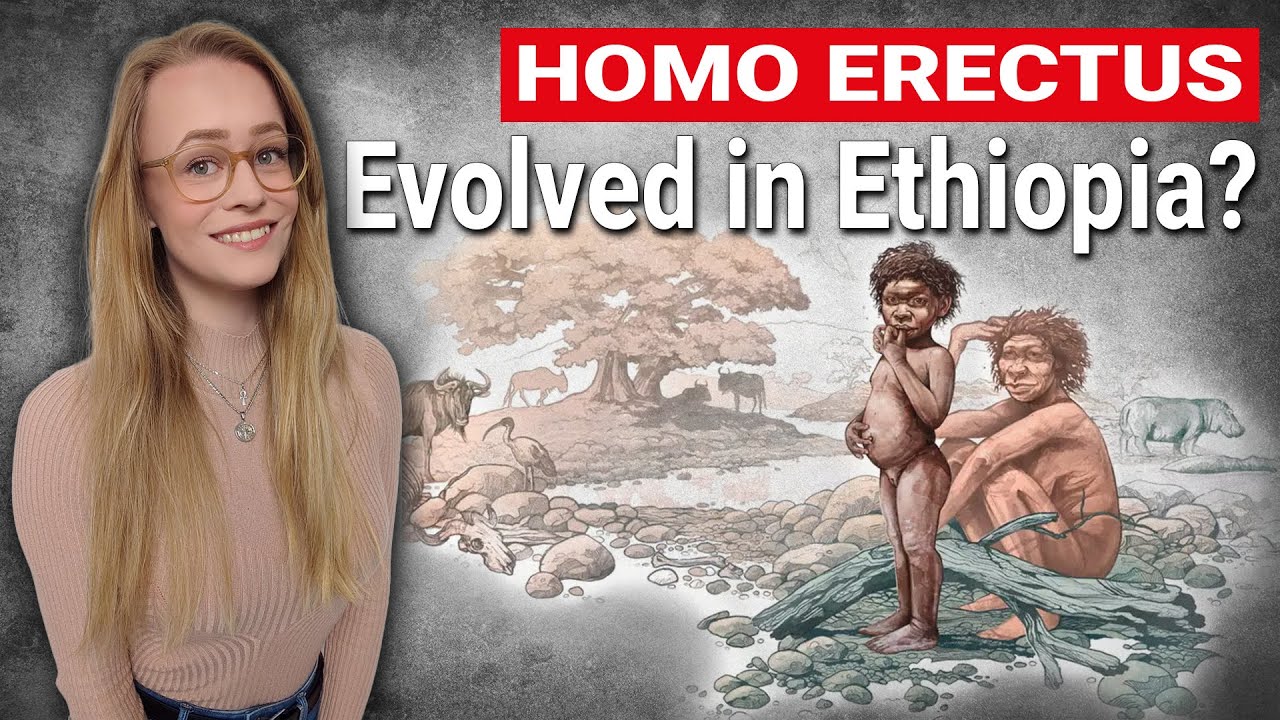



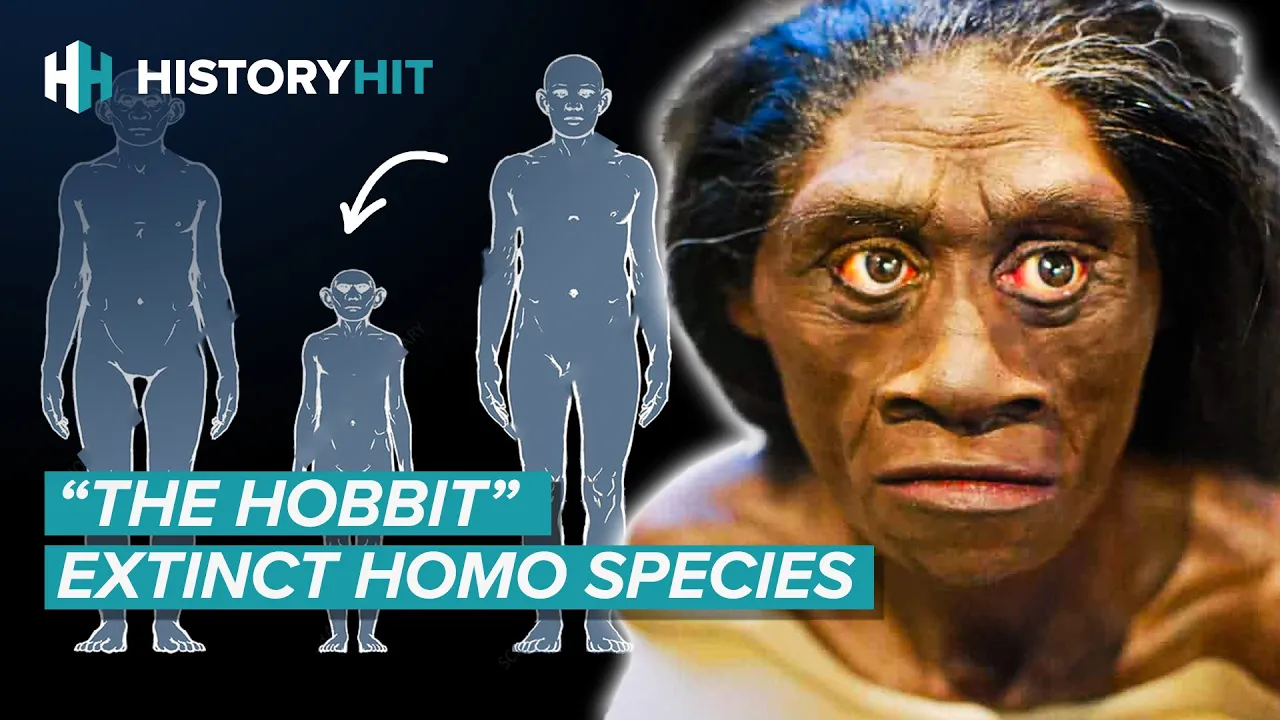


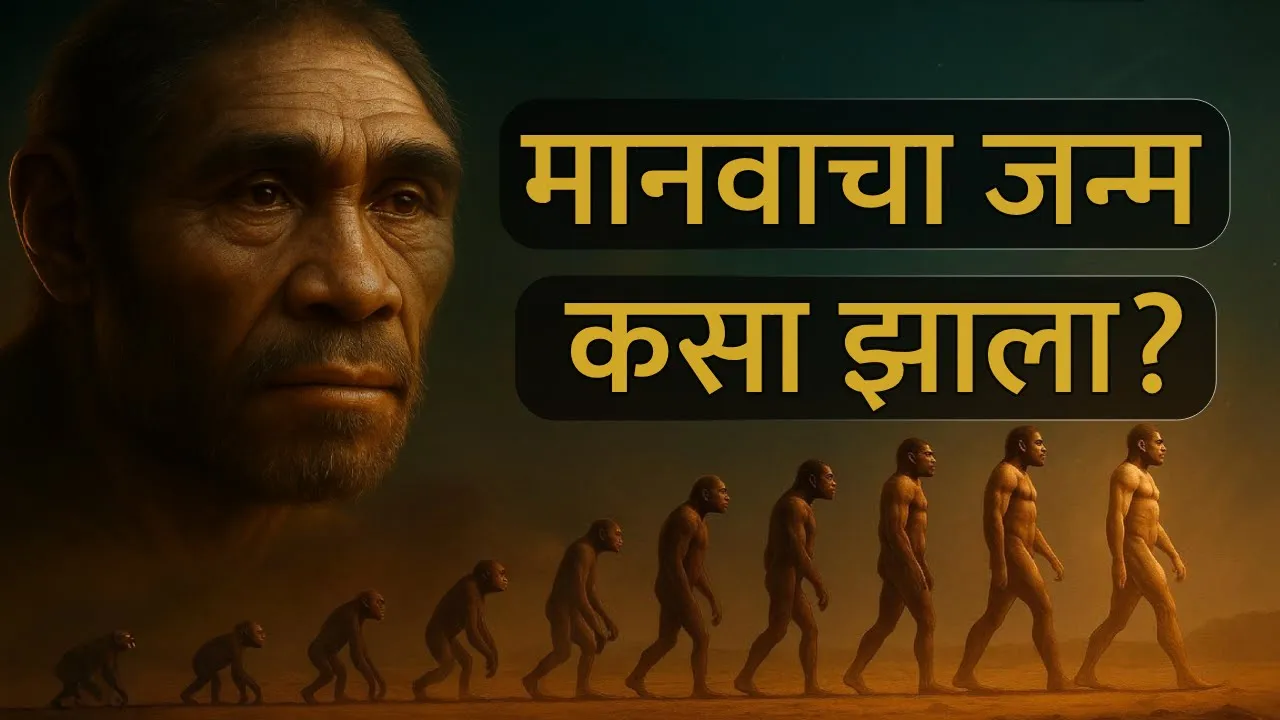







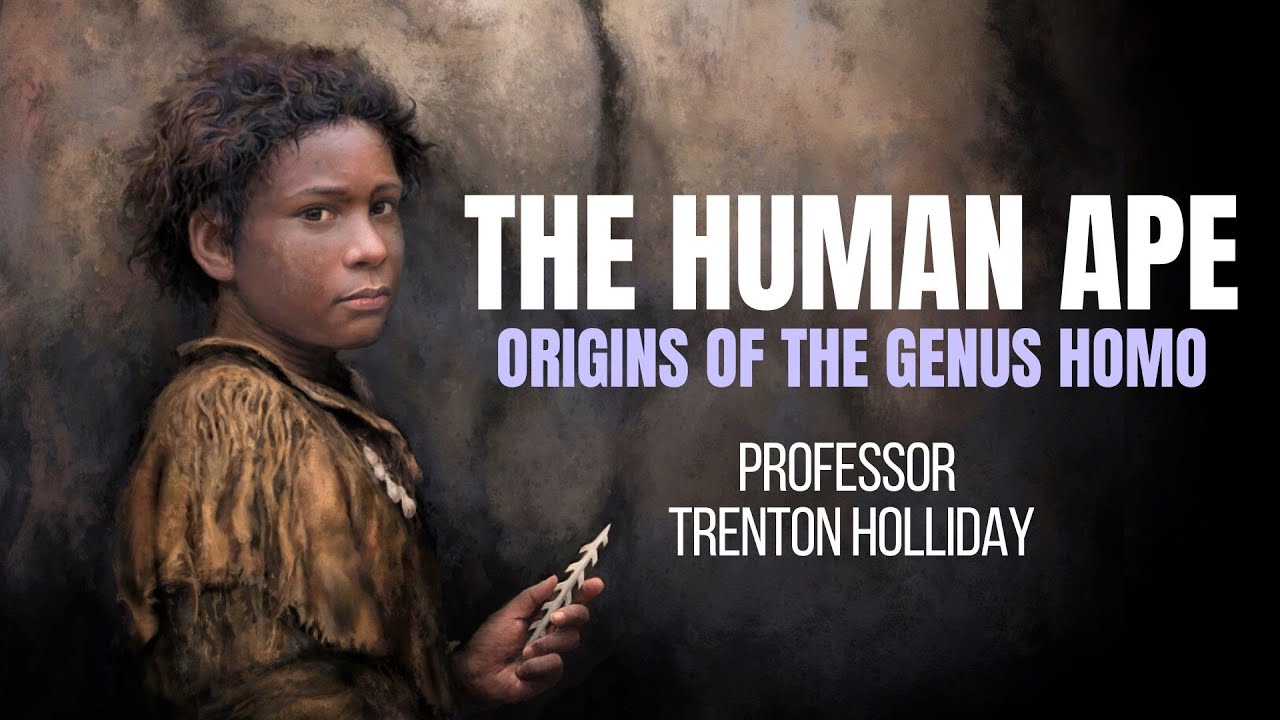
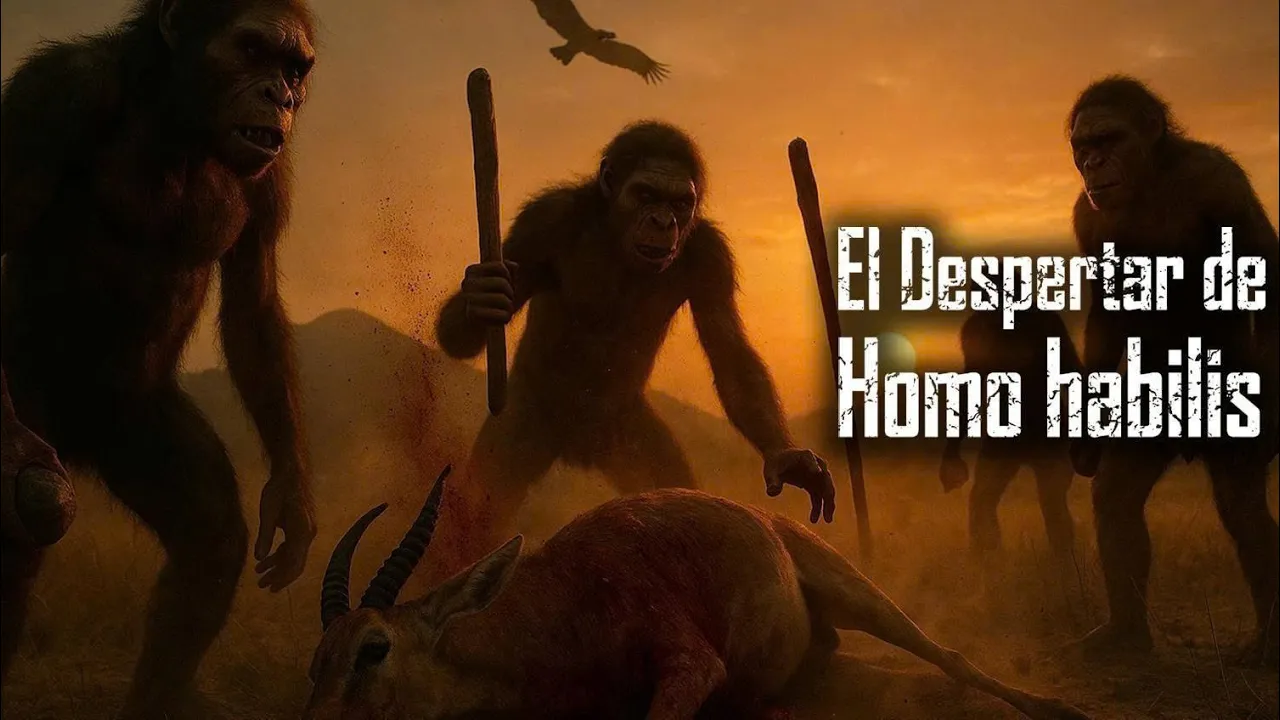
Homo habilis, discovered in 1959-1960 in Olduvai Gorge, Tanzania, was the first human species to create stone tools and exploit carcasses, marking a decisive step in human evolution; with brain sizes ranging from 500-800 cubic cm (over 40% larger than australopithecines), they pioneered tool-making and scavenging strategies that enabled survival in dangerous environments full of predators, ultimately giving rise to all subsequent human species including Homo erectus.
Homo Habilis: The Handy Human Ancestor and First Toolmaker
Added:The basic lineage of hominin evolution, particularly the distinction between early hominins like Australopithecus and the emergence of the genus Homo.
The environmental changes in East Africa during the late Pliocene and early Pleistocene epochs, specifically the shift from dense forests to open savannahs.
The foundational principles of evolutionary biology, such as natural selection, adaptation, and the anatomical changes associated with bipedalism.
An introductory understanding of paleoanthropology and how scientists use fossilized remains and archaeological layers to reconstruct ancient lives.
The progression of early stone tool industries, moving from the simple Oldowan pebble tools of Homo habilis to the more advanced Acheulean handaxes of Homo erectus.
The anatomical and behavioral developments of Homo erectus, including increased brain capacity, obligate bipedalism, and the controlled use of fire.
The dietary and social shift from opportunistic scavenging to active cooperative hunting and its impact on social structures.
Cognitive evolution theories, specifically how the motor and planning demands of toolmaking may have co-evolved with early forms of human language and abstract thought.
2.9M views18.4Klikes50:00Original Release: 2022-01-29
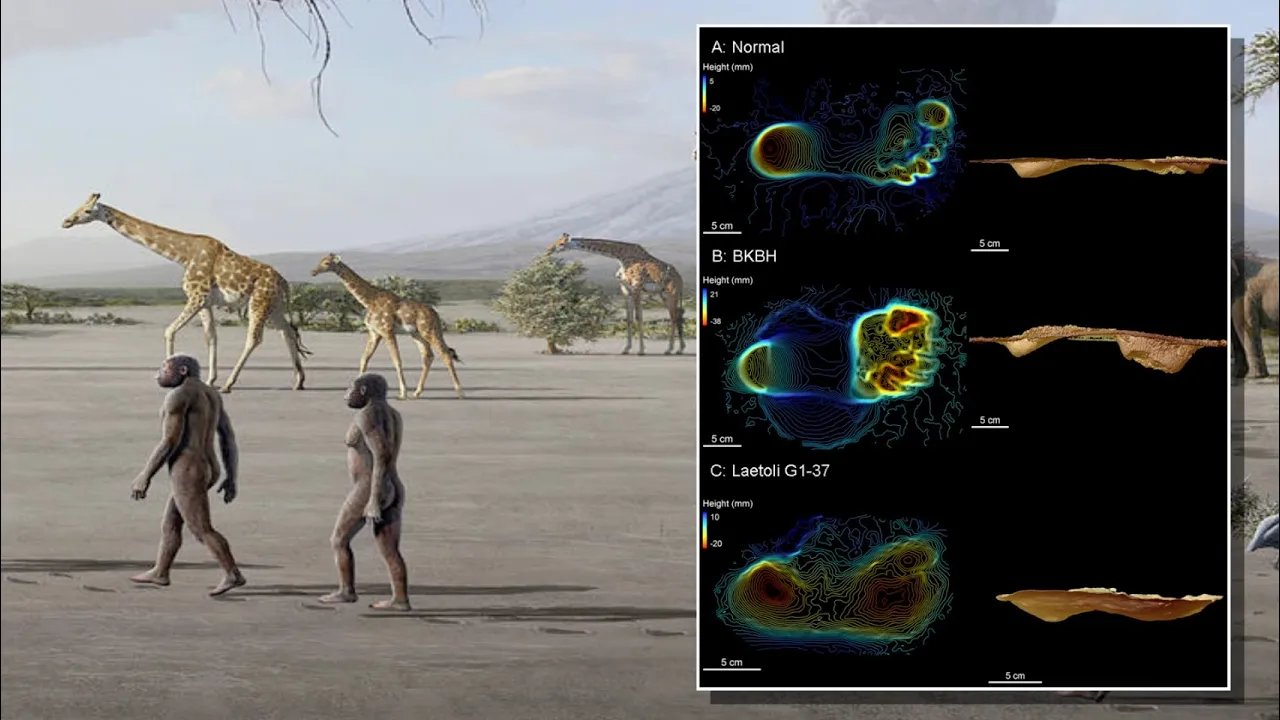
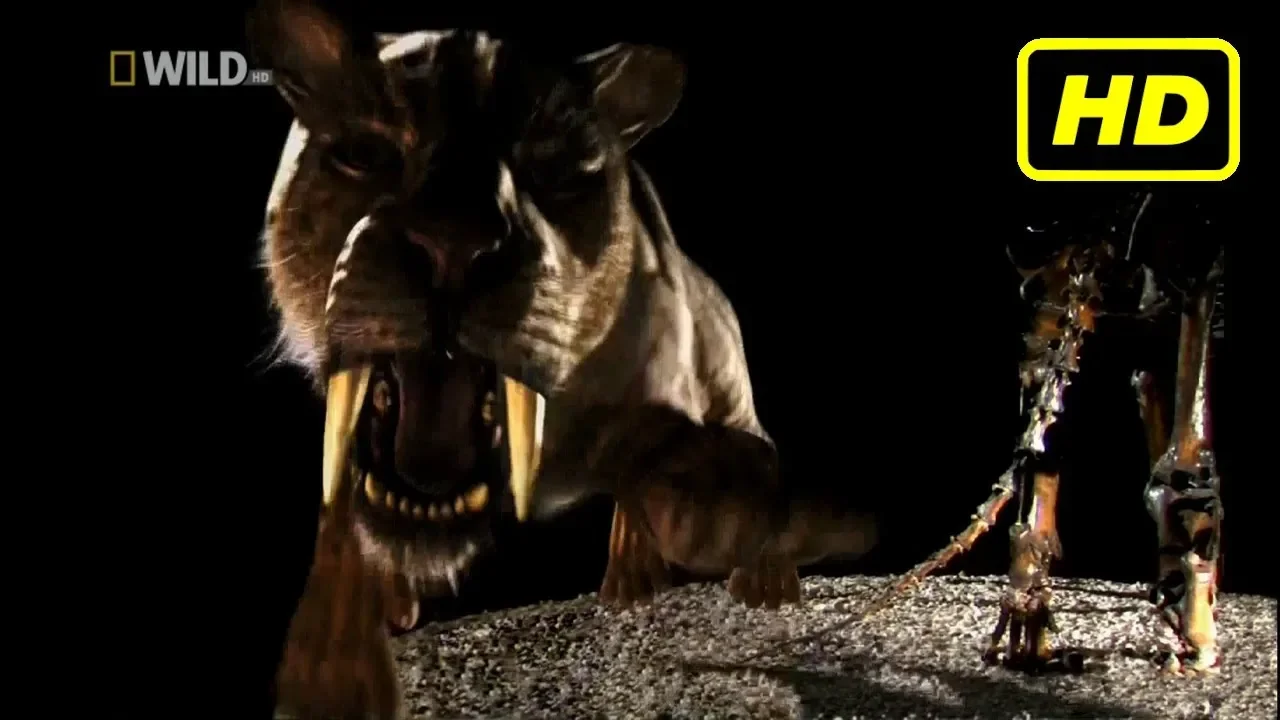
a quiet night of quiet Stars not hundreds not thousands but millions of years ago an ancient Moon showers the land with light below it strange creatures half ape half man make an ambitious play they approach a recently deceased carcass to butcher it with their stone tools the Lions Swatch their every move and the hyenas are on their way how this encounter will play out is lost to the sands of time but evident in the existence of you and I homo habis was a very important human species they pioneered the creation of stone tools and the exploitation of carcasses their brain was significantly larger and more complex than any other prior hominid in a danger world full of predators they survived to give way to all other human species they were the first humans and deserve to be remembered as taken a decisive step in the evolution of you and [Music] I the first remains of this species were discovered in 1959 however the remains only consisted of a single Moler and it was not known what species they may have belonged to the first recognized remains were discovered a year later in oldi Gorge Tanzania they consist of a partial juvenile skull foot and hand bones that date to 1.75 million years ago oldi Gorge has long been a fruitful place to find oldawan industry tools for years these tools were ascribed to paranthropus Boise since it was known to have lived in the area now it seems there was a new more human culprit who had been making these tools the remains of O7 were assigned to the genus homo and given the species name habilis meaning handy able or skillful in Latin the name handyman became a common nickname though its classification of being included in the genus homo was and to some still is controversial originally its use of tools was used as a justification for its inclusion shortly after this it was hotly debated if hais should be reclassified into Australopithecus africanas this is because at the time it was thought that humans evolved in Asia and that this species was a derived ostep theine rather than a human ancestor the brain size was also smaller than what Wilfred lross Clark proposed when considering the genus homo with more discoveries homo habis began to become more widely accepted in 1983 it was proposed Australopithecus was a direct ancestor of paranthropus and habilis the idea was that through cladogenesis ostapius evolved into habilis then to erectus and then into modern humans this is a generalized model that is still relatively true except for more intermediate species and evolutionary dead ends this model was accepted and many late Pine and early pene hom in remains more archaic than erectus were classified as Havis this practice caused the range in variation for the species to be quite large this led to the creation of two terms to describe Havis habis senso stricto and habis sensat or in English habis in the strict sense and habis in the broad sense paleoanthropologists use this classification to understand the large variation we see through our rather fragmentary f decades later it is still widely accepted that the genus homo evolved from ostr liines in Africa what remains unknown is when this split occurred and what was the first species of homo homo habis and Homo rudol ensus are generally recognized as being at the base of the genus homo habis seems to be more primitive than Rudolph ensus this strengthens the idea that it is the link between osines and the genus homo the oldest homo specimen LD 350-1 dates all the way back to 2.8 million years ago this is half a million years before the oldest known habis specimen however it is not that the habis species may be a few hundred thousand years older than our oldest specimen the partial mandible has been described as combining primitive traits seen in early ostapius with derived morphology observed in later homo the specimen May belong to the ancestor of Haas perhaps the true link between us and the osines it could also be considered the same species as Havis though we do not currently have enough evidence to know the mandible was found in East Africa this tells us that ostr leius at fenus or gari may have been its direct ancestor it is also possible it evolved in the south from either ostapius Africanus or SBA another enigmatic question regarding hablis and human evolution is whether habis is actually ancestral to erectus or if it represents an offshoot on the human line currently it is widely accepted to be an ancestor of all later species including rudol fenus erectus and her own species erectus in particular coexisted with the species for at least a half a million years this has caused some to question whether erectus truly did come from habilis it is possible that a group of habis became reproductively isolated and this group developed into erectus through anac cladogenesis anac cladogenesis is a form of speciation where an ancestral population retains its morphology while a population splits off and forms a new morphology this process creates one new species and maintain aains the former this is different than cladogenesis cladogenesis creates two new species the speciation that occurred in hais brings us to an important note about human evolution basil and derived groups of hominins can live concurrently or in simpler less nuanced terms more primitive and more advanced groups can live together in the same place at the same time we see evidence for this in habis the oldest known hais specimen Al 6661 dates to 2.3 million years ago though it is anatomically more derived than the younger O7 specimen not more derived than all habis specimens but it is still notable that it is more advanced than O7 this is not very surprising Africa is a large place and groups of Havis would have been geographically isolated for hundreds of thousands of years we see this today in the genetic differences between modern groups of chimpan lower Pine Africa would have been a place of many ape species Ostro liines paranthropus habilis various evolutionary dead ends and also the ancestors of modern African Apes it would have been fascinating to see all the Apes interact with each other you could imagine violent encounters over territory or even harmonious assimilation homo habis is known to have had a fairly large range we know that it lived across Southern and East Africa but it may have expanded its range much further based on 2.1 milliony old tools from Chen Chen China habis or an ancestral species may have dispersed across Asia further Evidence can be found in its descendants erectus the earliest erectus can be found in both Africa and East Asia they may have been in China as early as 2.1 million years ago their appearance here is surprising and could be explained by an early dispersal of derived habis no remains of them have been found outside of Africa so we do not currently know understanding the place of Haas in the picture of human evolution is very hard to do we have very limited remains of the species that are also very fragmentary future discoveries will certainly change how we view this hominin homo habis would have appeared quite primitive to us it had a protruding jaw small brain awkward gate and it was likely covered in hair it was still much more humanlike than its predecessors one very important aspect about its Evolution was a larger brain ostr liines have a brain size between 300 and 500 cubic cm they average slightly over 400 cubic cm the brain size of hablas range between 500 and 800 cubic cm O7 has a brain volume between 730 and 830 cubic cm this is over 40% larger than the average ostp theine this is very significant however overall brain size isn't everything how a brain is organized is just as or even more important than total volume from casts of the brain we can see an increased bulk of frontal and parietal loes this is a derived feature of hom the sucal and gyal pattern of the lateral part of the frontal lobe differs from osines and resembles homo there may also be evidence that habis was was right-handed handedness is associated with major reorganization of the brain and lateralization of brain function between hemispheres the pattern of striations on the teeth of o65 slanting right may have been accidentally self-inflicted when the individual was pulling a piece of meat with its teeth in the left hand while trying to cut it with a stone tool using the right hand this evidence is not concrete but still very relevant overall the shape and size of their brain is enough for many to designate the species as belonging to the genus homo along with a larger brain we see smaller jaws and teeth as the trend in human evolution goes brains get bigger and Jaws get smaller habis followed this trend though they were still quite primitive the too throws of habis were v-shaped as opposed to the u-shaped jaws of later homo their mouth was also very prognathic meaning it jutted outwards though we do see the precursors for future facial developmental patterns especially that the face was flat from the nose up these Trends would continue to the very human face of erectus and eventually to our own virtually flat faces besides their heads their postcranial remains are interesting though they are very fragmentary and in turn have provided endless debate we do know that habis was smaller than more derived species like erectus specimen o62 was estimated to have been between 100 and 120 cm tall it would have weighed 20 to 37 kg these estimations are quite wide because again our remains are very fragmentary habis may have been much taller than estimated if we assume longer more human like legs o62 would have been about 148 cm tall or 4' 10 in this is a very important point about this species there are generally two schools of thought regarding its stature they may have had short legs with long ap-like arms and an ap-like posture or longer more human-like legs it stature and leg length would tell us how well adapted this species was to walking long distances or climbing trees unfortunately we only have two species with postcranial evidence regarding this question some anthropologists have argued that because the humorist to femur ratio of o62 is within the range of variation for modern humans and knnm R 375 is close to the modern human average it is unsafe to assume apik proportions the femur has been traditionally compared to ostapius afarensis specimens but this comparison may be inaccurate the femur of erectus or ergaster may be more accurate for comparison since we do not have a good measure for the length of the limb bones it is much better to look at the cross-section of the bones the thickness of limb bones in o62 is more similar to chimpanzees than erectus or gaster or even modern humans this may indicate different loadbearing capabilities more suitable for arity in homohabilis in addition the strong fibula of o35 is more like that of non-human apes and consistent with Arbor reality and vertical climbing the remains of O8 which is a foot is better suited for terrestrial movement than the foot of ostr athus at forensis however it does still retain many aplike features consistent with climbing interestingly the foot has a projected toe bone and compacted midfoot joint structures which restrict rotation between the Foot and Ankle as well as at the front of the foot foot stability enhances the efficiency of force transfer between the leg and the foot and vice versa and may have helped generate energy while running but not walking this could possibly indicate that homo Havis was capable of some degree of endurance running endurance running was only thought to have evolved later in erectus or gaster we may be seeing a transition to this method of locomotion further evidence of its lifestyle can come from its hands the hands of O7 suggest Precision gripping dexterity as well as adaptations for climbing overall The postcranial Remains provide an odd combination of terrestrial and arboreal adaptations this perhaps should be expected considering its place in human evolution they would have been good climbers but possibly even efficient runners a good combination of traits for avoiding Predators with future discoveries we may be able to answer these questions with certainty for now we are left hypothesizing and debating it is important to note that this species exhibited considerable sexual dimorphism sexual dimorphism is a condition that Sexes of the same species exhibit different characteristics the degree of sexual dimorphism can give us an understanding of male and female roles in their communities generally in humans and other Apes size is the main difference between sexes in modern humans on average adult men are 9% taller and 16% heavier than adult women however when we look back in human evolution we see a much larger size discrepancy osine males were often twice the size of the females since Hab existed at such an early time in human evolution it is hypothesized males would have been significantly larger than females identifying males from females from very fragmentary finds is very difficult in this species we have been able to identify males and females but so far estimates regarding the difference in size between the Sexes remains enigmatic however it is safe to assume males would have been larger because it is the case in earlier osines and later Homo erectus let's take a break from the video to talk about today's sponsor nordvpn which currently offers 70% off a 2-year plan plus an additional month for free just for the price of a cup of coffee nordvpn secures your online data and provides an array of benefits that are essential in the modern day firstly Nord protects your data most people do not realize how vulnerable their online accounts are hackers can read your emails steal passwords and even get your login info Nord also hides your location I can't tell you how many times I was playing Black Ops 2 and then some trash talk led to the city I live in being read out in the chat not only can this be scary but also dangerous besides protection nordvpn can also let you access content that might not be available where you live from sites such as Netflix and many others you can access movies TV series and documentaries from all around the world also if you read academic research often you can get access to papers a lot of times when I'm researching for these videos I visit sites that only let me read one article a day but with nordvpn I can read as much as I want I use Nord to set my location to Italy this not only protects me but I'm also learning Italian so all the ads I get on YouTube are a little extra language practice Nord has thousands of servers in 60 different countries and is available on every major platform go to nordvpn.com /n nor2 to get a 2-year plan plus one additional month with a huge discount it's risk-free with nord's 30-day money back guarantee again the link can be found in the description now let's get back to the video early hominins including hablis and even erectus are thought to have had much more hair than modern humans so much so that it might have resemble the first seen another non-human ape species such as chimpanzees we do not know the extent of this fur as there is no physical evidence a light covering with skin peeking through is probable a dense covering as seen in chimpanzees is possible it has thought hairlessness in humans appeared in erectus and orter species our best guess is that Havis was a step between ostr liines and erectus it is unfortunate that we do not know what their fur would have looked like but it also gives us room to consider other possibilities who knows maybe hais sported interesting and elaborate patterns colorful males and Bland females considering other ape species and modern humans this is unlikely but certainly possible habis was a meat eater though it rarely actually hunted its game it is theorized that it derived meat from Scavenging it may have acted as a confrontational scavenger a type of scavenger that scares other Predators away from their kills smaller Predators such as jackals or cheetah may have been targeted though hais were not large animals even a relatively small group would have been very intimidating for smaller animals it is likely they also carried weapons and tools to make them appear more intimidating and to actually butcher the carcass we do have plenty of hand axes that they produced these tools could have been used in close combat or even as projectiles regular rocks may have also been quite effective projectiles a group of 10 havets throwing a handful of baseball-sized rocks could even be fatal to a medium-sized Predator even larger Predators like lions could be deterred this way some anthropologists have hypothesized that throwing may have actually been a very important aspect of our offense and defense during this time habis was not the best thrower however it could still create considerable Force while throwing besides projectiles large sticks or bones could have been used a large stick or bone could do considerable damage and also Aid in intimidation habis may have even manufactured primitive Spears evidence for wooden Spears would not appear until much much later even chimpanzees are aware of the idea of sharpening a stick to impale game animals chimps make their Spears by simply biting the end of a stick to create a sharp end habis could have done the same but habis was much more cognitively advanced than a chimp they could have sharpened their Spears with their stone tools or simply scraped the wood on an abrasive rock until sharp their use of Spears is purely speculative but worth considering confrontational Scavenging is risky but surprisingly still practiced by some humans to this day the Messi people of East Africa are known to intimidate a whole pride of lions with as little as three people this takes enormous confidence to pull off and it is unlikely Havas would have been able to overcome their instincts this boldly instead apik intimidation techniques such as screaming throwing and arm waving would have been likely used it is also possible that habis did not even need to Ward any Predators off after observing that lions in Kenya's old Peta Conservancy leave a large amount of their kill intact paleoanthropologist Banna poiner hypothesized in a 2015 paper that saber-tooth cats living alongside hais may have killed and consume their prey in a similar way leaving plenty of leftover food for hungry homets from a zebra that Lions had eaten poer found that 95% of the bones were abandoned with some meat on them hardly any of the bones had been licked clean 50% of the bones had significant amounts of meat left it was estimated an entire zebra carcass could yield almost 15 kg of meat some of the meat that was left by the Lions was in hard to reach places between bones habis could have used tools to access this meat it is hypothesized that one already eaten zebra could provide over 60,000 calories this would have met the daily requirements of about 27 early hominins this is only if no other scavengers got to the carcass first various scavengers are able to process a carcass quite fast hablas would have been able to scare away most scavengers like Jackal and birds though hyenas would have been a significant threat to their safety however as observed at Kenya's old Vegeta Conservancy scavengers such as hyenas are not everywhere here lions eat the carcass and only smaller carnivores come to eat the rest this situation would favor the exploitation of carcasses by habilis throughout other hominine species such as neander tals and our own because of competition hyenas tend to inhabit different areas than us habis may have intentionally avoided the range of hyenas in their area another aspect of Scavenging carcasses is the bone marrow bone marrow is extremely nourishing as opposed to Wild gay meat it is fatty and packed with essential nutrients other animals like hyenas and wild dogs can crack bones and access the marrow but some bones are just too hard to crack luckily for our ancestors using a large Rock to smash bones is more powerful than any carnivore Muller even in the worst case scenarios when all the meat was stripped from a carcass and most of the bones were not to dust by scavengers a carcass would have still have provided habilis with calories a part of the carcass that hardly any scavenger can access is the brain in Kera Kenya early humans transported not only limb bones but also the isolated remains of the heads of larger prey animals they then broke them open and consumed their brains there is also evidence of direct predation of juvenile gazel these young animals were probably simply caught by hand or killed with a weapon prior to capture for the entirety of the existence of hablas they obtained meat through these fairly simple ways it wouldn't be until erectus that humans began to hunt larger game animals but it is fascinating how they were able to access so much meat in such creative and unexploited ways this is perhaps one of the keys to their success as a species they weren't the fastest or the strongest but they were able to use that big brain to exploit their environment in a way that other animals [Music] couldn't this change in diet is also hypothesized to have led to an increase in brain size acquiring meat may have put Evol tionary pressure on developing enhanced cognitive skills to facilitate strategic Scavenging of fresh carcasses meat may have allowed the large and calorie expensive ape gut to decrease in size allowing this energy to be diverted to brain growth based on Dental microware texture analysis homohabilis likely did not regularly consume tough Foods microware texture complexity on average is somewhere between that of tough food eaters and leafy feeders this points to an increasingly generalized and omnivorous diet this could also indicate a higher consumption of meat as well as further processing of food with tools fruit was also likely a very important dietary component indicated by dental erosion consistent with repetitive exposure to acidity besides just fruit a lot of other less tough plants would have been consumed homohabilis lived in a prehistoric hell weighing only about 30 lbs they are susceptible to all sorts of predators in a time of darkness when brains were small and tools were primitive our ancestors often became prey despite having very fragmentary remains of this species we do have a surprising amount of evidence that they were prayed upon we have two separate remains found in close proximity that show evidence of crocodile attacks the foot of O8 was bitten by a crocodile what species of Croc we do not know for sure it was likely a Nile crocodile but it may have been the Monstrous crocodilus anthropophagus this animal was nearly a meter longer than the largest modern crocodile ever recorded Not only would anthropophagus appear like a dinosaur to us it must have seemed like a Goliath to the small habilis of the area both n crocodiles and anthropophagus proud o Gorge for haas's entire existence the remains of O8 and o35 are both from the left leg of two separate homo Havis individuals they were found only 200 M away from each other leading to speculation that they were of the same individual it was then found that they are around 10,000 years of hard in age in addition to crocodile bite marks o35 also had the bite marks of a leopard on it this poor soul fell victim to two Predators likely on the same day he was perhaps caught by a leopard and then a crocodile pulled him into the water or the Croc may have attacked him leaving him wounded for a leopard to finish the job our evidence of predation does not stop there we also have a parietal skull bone and Jawbone with bite marks of a leopard on it these remains can give you a picture of just how dangerous old way Gorge would have been around 2 million years ago we hardly have any remains of this species but three of them have direct evidence of predation leopards and crocodiles were not the only animals they had to worry about the ancestors of modern Lions have lived in Tanzania and all over Africa since the early Pine just as they still kill people to this day they likely prayed on our ancestors but perhaps an even more deadly predator was dinophilus this animal was between a leopard and a lion in size it had very robust four Limbs and saber teeth it has been suggested that it was a specialized homant Hunter these claims seem to be unsubstantiated but that does not mean it didn't eat the occasional habis big cats in general are very good at killing hominins they are stealthy powerful and able to kill us quickly the ancestors of wild dogs and hyena species may have also ganged up to kill our ancestors the extinct chasma pores also known as the hunting hyena may have been a particular problem for hablas other seemingly peaceful animals would have been very dangerous to our ancestors hippopotami may have been just as deadly as crocodiles at oldo and other Wetland environments they are known in the modern day to be the deadliest animals in Africa with ridiculously powerful jaws full of teeth and tusks one bite could prove fatal for any hominin contrary to what you might think they are not slow either Usain bolt cannot even outrun a hippopotamus at full speed our ancestors also encountered hippopotamus gorgops at as much as 4500 kg it was twice the weight as the average modern hippo they certainly would have appeared as Behemoth large probo cidian could have also been quite dangerous to our ancestors dinum and paleo oxidon REI were both much larger than modern elephants bull elephants are known to even kill rhinos when upset if these beasts had a short temper like their relatives then all hablas could do his watch as they went on a rampage perhaps the most terrifying animal that these early humans could have come across was dinopithecus dinopithecus were very similar to Modern baboons except for their massive size some mature males weighed up to 77 kg and were 1.5 M tall that would be over twice the weight of even the biggest tablis one could only imagine The Uncanny hell of running into one of these beasts their ferocious temper and massive fangs would have not only made them scary but also very deadly imagine a troop of dinopithecus wandering into your family's camp in the middle of the night looking up and seeing the ungodly silhouette of a dog-faced ape with teeth as long as not knives now we cannot say for certain that Havas interacted with these animals often but modern much smaller baboons are known to be very aggressive and even attack humans if dinopithecus acted anything like their very close relatives then our ancestors may have had to be very careful around these Horrors let's all take a moment to appreciate the Dreadful times our ancestors had to endure besides Predators it is important to remember that hablis was not the only other bipedal hominin in its range throughout time the species coexisted with homo rudolfensis homo ergaster later more derived Homo erectus and even paranthropus Boise it is unknown how all these species interacted being so anatomically similar these species likely exhibited Niche partitioning the process by which natural selection drives competing species into different patterns of resource use or entirely different niches though from Dental remains it seems these species had similar diets all four of these species may have found each other in conflict over territory and resources bopus Boise was a species of ostp theine that coexisted with Haas for the entirety of its existence it was technologically much more primitive than hais and it is not believed to have manufactured tools despite this remains are associated with old thean tools leaky and colleagues when describing Helo hablis suggested that one possibility was that panthus Boise was killed by hablas perhaps as food however when describing panthus Boise 5 years later Lewis leaky said there is no reason whatsoever in this case to believe that the skull represents the victim of a cannibalistic Feast by some hypothetically more advanced type of man Boise's association with old thean tools may either be a coincidence or they may have found and used tools produced by habilis whatever the case it is fascinating to imagine how these species would have interacted though so similar and so human their interactions were in all likelihood not friendly we must remember that humans intellectually Grew From This World the countless encounters good in bad shape every human to this day we we are the descendants of an incomprehensibly long line of people who have been through it [Music] all homo habis is associated with the early stone age oldan tool industry they created very simple tools primarily to butcher animals and Crush bones they also use some of their tools to work wood and process plants their tools are very simple but they were still very Advanced for the time Nappers car carefully selected lithic cores and knew that some rocks would break in specific ways they preferred rocks that could break with a conoidal fracture conoidal fractures occur when a hard but brittle material is struck at a specific angle this creates sharp and hard edges which are useful for tools though they were selective in their material they often use what was at their disposal rather than searching far and wide for example steroids are common at Old ofo which feature an abundance of large and soft quartz and Quartzsite pieces whereas KUB for lacks steroids and provides predominantly hard Basalt lava rocks with such simple technology they created several different tools including Choppers polyhedrons and discords most early oldawan tools did not require planning or foresight as opposed to later oldan tools complexity would not drastically increase until the appear of erectus the older one stone tool industry dates back to 2.6 million years ago and is perhaps associated with the evolution of our genus this date is important as mentioned earlier the oldest Havis remains date back to 2.3 million years ago however it is hypothesized that the species may be a few hundred thousand years older than our oldest Remains the creation of these tools may be directly correlated ated with hablis diverging from its ostroth theine predecessors ostrin also made tools as far back as 3.3 million years ago this is known as the lumu tool industry nonetheless the sharp edges of oldan tools were a major Innovation from ostroth theine technology these tools would have allowed them to more efficiently processed food this would have been very helpful During the period of climate change they endured during the this time there is currently no solid evidence to suggest this species used fire we do not have any hearse or burnt animal remains at their SES there is some evidence of controlled use of fire going back to the dusk of their existence but this was likely from erectus they certainly encountered fire on many occasions as wildfires are common they may have scavenged animals killed by these fires and had a primitive understanding of what was going on you can only imagine how otherworldly and magical fire must have seemed to these people another technology they may have used are constructed dwellings or in other words shelter shelter itself is not a very complex concept many animals create shelters and some are even very complex but homin and shelters differ in a number of ways than typical animal shelters in 1962 a circle made with volcanic rocks was discovered in Old avoy Gorge at specific intervals rocks were piled up to 20 cm High anthropologists have suggested the rock piles were used to support poles stuck into the ground they may have possibly supported a Windbreak or a rough Hut some modern day nomatic tribes build similar low lion rock walls to build temporary shelters upon bending upright branches as poles and using grasses or animal hide as a screen the site dates to 1.75 million years ago and is attributed to early homo it is the oldest claimed evidence of architecture whether the structure belonged to erectus or hais we may never know this species probably did not wear clothes of any sort they lived in a warm habitat and their hair was likely enough to keep them warm at night it is possible simple items were worn such as an untreated piece of leather but this is very speculatory the first clothing technology would likely appear in erectus as they moved into colder climates homo hais may have been far from having a language but still may have communicated in a way that was much more complex than modern non-human Apes they had a distinguishable brokas area that is correlated with language in modern humans still they likely did not even have a Proto language but may have been capable of rudimentary speech the social structure of ancient humans is an incredibly hard topic to study but nonetheless essential to our understanding of our ancestors typically erectus or gaster is considered to have been the first human to have lived in a monogamous Society all other hominin preceding this species are thought to have been polygamous this is is mainly based on the degree of sexual dimorphism and the size disparity between the Sexes basically smaller females and larger males generally indicates a polygamous Society while males and females of similar size indicate a monogamous Society this assertion is based on the general Trends seen in modern primates and humans however there are two issues with this hypothesis the correlation between sexual dimorphism and societal layout is not direct and there are exceptions the other issue is that we struggle to identify the true degree of sexual dimorphism in ancient remains in some cases sex is arbitrarily determined in large part based on perceived size and apparent robustness in the absence of more reliable elements in sex identification such as the pelvis in hablis the enlarged cheek teeth would suggest Mark size related dimorphism and thus intense male-to-male conflict over mates and a pol polygamous Society however the small canines indicate the opposite the problem is that they possessed the Mosaic of traits not seen in modern apes or humans this prevents us from accurately comparing them to any modern animal besides their skeletons their tools can actually tell us a lot about their society the spatial distribution of tools and processed remains at sites in oldway Gorge indicate that the area was used as communicable uring and eating grounds this is a contrast from the nuclear family system of modern hunter gatherers where the group is subdivided into smaller units each with their own butchering and eating grounds this indicates a lack of complexity in their society more and Par with that of non-human Apes the behavior of habis groups is sometimes modeled after that of Savannah chimps and baboons these communities survive on the open Savannah by having several males for defense these Mals typically engage in throwing Sticks and Stones against enemies and predators in 1993 paleoanthropologists and psychologists estimated that habis group size ranged from 70 to 85 members this is on the upper end of chimp and baboon group size habous groups most likely needed fairly High numbers in order to ward off Predators Savannah chimps may be the best modern example of how our ancestors evolved given enough time perhaps they would follow the other Trends our ancestors went through homo habis would go extinct 1.65 million years ago it is not very hard to understand why Homer erectus was the next homant in line for dominance there are two schools of thought regarding their Extinction the habilis species more or less as a whole through anagenesis may have gradually Advanced into the more derived erectus odoy bed 1 has hais at the bottom then hominins with a mixture of hablas and erectus traits and then finally erectus at the top other remains from various sites corroborate this hypothesis however in other sites we see that hablis and erectus coexisted for hundreds of thousands of years this would suggest anac cladogenesis as mentioned mened earlier anac cladogenesis is a process by which a sister taxa diverges from an ancestral lineage while the ancestral lineage retains its morphology the split between erectus and hais was likely a result of geographical isolation or Niche partitioning though likely a combination of both geographical isolation occurs when populations are physically separated in the case of Haas and erectus erectus became further adapted to living in the open while hais retained its tree climbing ability though they are found in the same area their initial split could have been caused by this reason erectus may have actually evolved in Eurasia before migrating back into Africa but African remains are very close in age and no definite conclusions can currently be made whatever the case they coexisted for about a half a million years their ultimate Extinction was likely due to increasing dominance of erectus their technology was becoming better and they were overall better hominins they had bigger and more complex brains a body adapted for open Plains and many other more derived traits a changing climate may have also put a stress on both species leading to increased competition just as Homo sapiens would go on to replace every other hominin erectus would replace the archaic forms of its world overall Haas is a much more important species than many May realize it pioneered the creation of tools and the exploitation of carcasses its brain was also significantly larger and more complex than any other prior homonid though our postcranial remains are limited we know the body of hais was also following the trends that would make us human they were the first humans and deserve to be remembered as taking a decisive step in the evolution of you and I [Music] thanks for watching the sixth installment in the ancient Human series this video has honestly been a pleasure to make I feel like I have really hit my stride while making this video I've gotten much better at using sources effectively and working on longer projects I'm writing this before I actually have to edit the video so I might have a different opinion after anyways I hope you enjoyed watching and there's plenty more content on the way but how many ancient humans are really left well there are a good five that are not a subdivision of erectus but a lot of them don't have that much information to really talk about I do want to cover NTI next but I might wait a bit to make that video some future topics I am thinking about are Stone Age weapons which is already completely written the oration culture the Clovis culture cargo Cults and maybe even Easter Island let me know what you think about these topics and give me some new ideas down below I guess I should use this time to talk about some other things regarding the channel well as mentioned in the last ancient human epilog I am going to be creating some stock footage of neander tals for a future project I of course have to make a very high quality costume for this project I'm currently tanning two deer hides my uncle killed this year to serve as part of the costume neander TOS did hunt a lot of deer so it's pretty accurate I also still need to mount some neander tall spearheads for the video I might make a second channel to show me making these props let me know what you think about that well besides that I am happy to kind of announce that I am working with a professor from a prominent University on a future project I've been trying to do this for a while and I think I got it figured out but you guys will not see this project for a very long time so be patient so overall I just wanted to say that there's a lot of stuff in the works quality takes time and the final product of this project will truly be something special check out these Stone points I just got from a friend two of them are knives and the other two are projectile points he also sent with him the flutes that were attached to the points so I'm going to use these for a project I'm making on the Clovis people I think it's actually going be a really long video probably similar to the length of this one about 40 minutes so let me know about your thoughts on that thanks for watching make sure to like And subscribe it really helps out the channel check out my Instagram and comment some video ideas down below I make videos about history of humans ancient animals and the occasional full length documentary if that sounds interesting check out the over a 100 videos I have made well I'll see you on the next episode of or02 see you [Music] a [Music]
Up Next
33:56
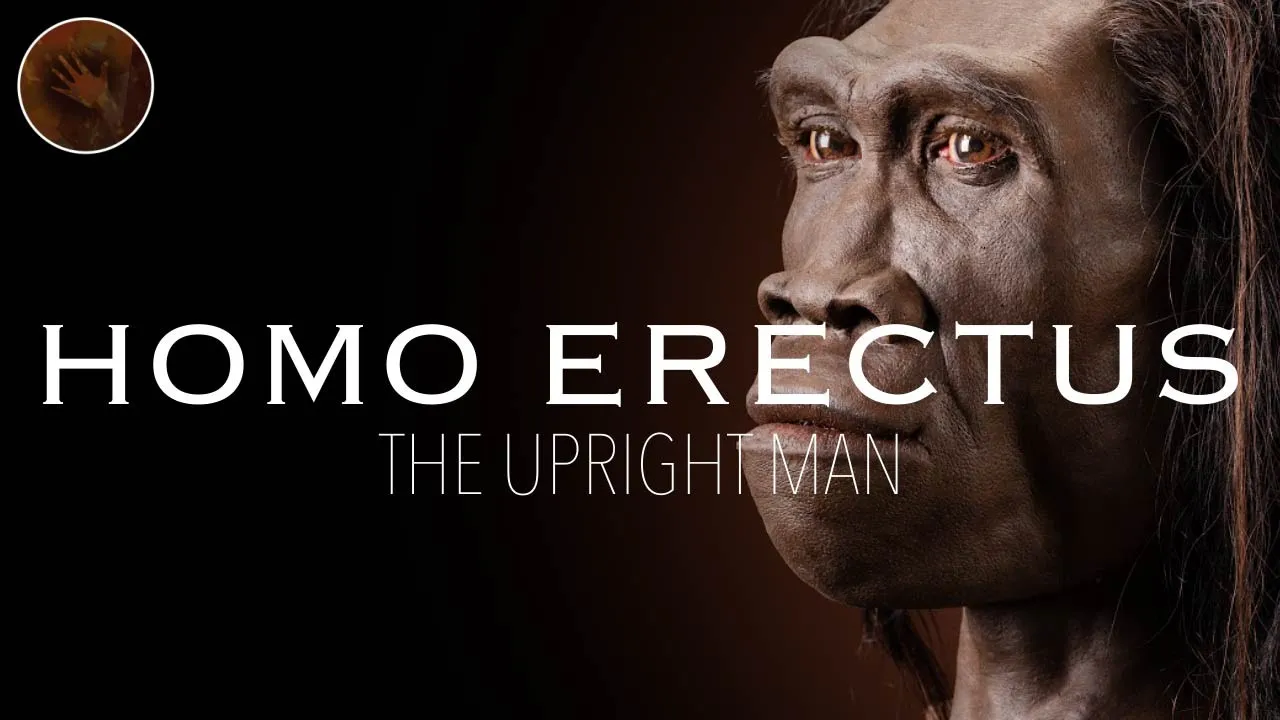
Homo erectus: The Upright Man | Early Humans Documentary
@earlyhumans0
372.2K views•2023-02-24
38:41
Astrobiology Through an Anthropological Lens: Field Insights
@georgiatechastrobiology
128 views•2021-04-14

4:45
Proxemics Explained: The Study of Personal Space
@Vox
536K views•2016-07-05
10:38
Psychology of Internet Trolling and Pranks Explained
@AzzyLand
10.7M views•2017-12-20
Related Study Plans & Knowledge Roadmaps
Structured learning paths in Anthropology
anthropology
Space Anthropology: Analogs, Culture & Habitats
01Foundations of Space Anthropology & Cosmic Imaginaries
02Extreme Isolation & Micro-Societies in Orbit
03Space Analog Habitats & Earth-Based Simulations
+ 2 more learning modules
15h5 modules
Explore Roadmap
anthropology
Legal Anthropology: Customary Law & Pluralism
01Foundations of Legal Anthropology and Social Justice
02Legal Pluralism: Coexisting Legal Systems
03Customary Law and Indigenous Dispute Resolution
+ 2 more learning modules
15h5 modules
Explore Roadmap
anthropology
Global Tourism: Gaze, Authenticity & Heritage
01Introduction to the Sociology of Tourism
02The 'Tourist Gaze' (John Urry)
03Staged Authenticity in Tourism
+ 3 more learning modules
14h6 modules
Explore Roadmap
anthropology
Modern Kinship (ART, Adoption & Chosen Family)
01Foundations of Kinship and Family
02Assisted Reproductive Technologies (ART) & Relatedness
03Transnational Adoption and Global Kinship
+ 2 more learning modules
12h5 modules
Explore Roadmap