











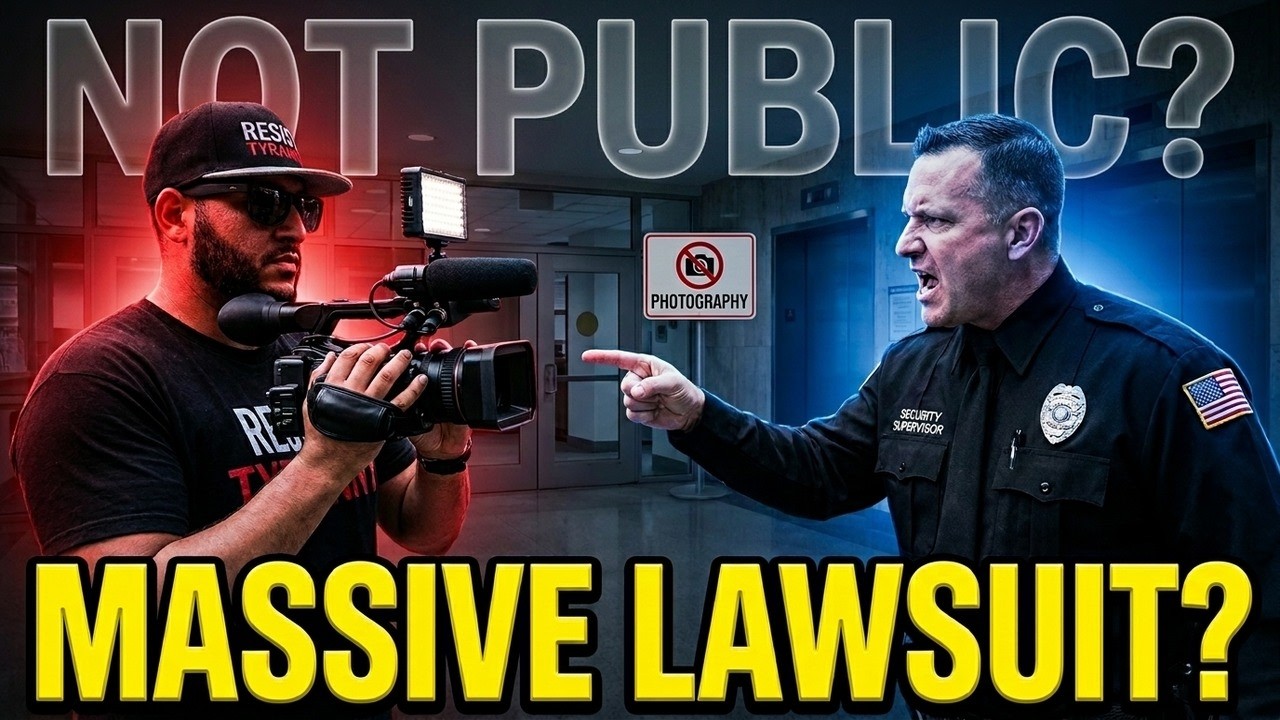






Police officers must have objective reasonable suspicion based on specific, articulable facts to legally detain or stop an individual, rather than subjective beliefs or personal concerns; in this case, the officer's personal safety concerns about video recording were not a valid legal basis for physical contact, and the officer admitted to not personally witnessing any criminal conduct, highlighting the critical importance of factual, objective grounds for police detention to protect constitutional rights.
Deposition Analysis: Romulus PD Officer Enforcement Basis Under Scrutiny
Added:The legal standard of 'reasonable articulable suspicion' required for an investigatory detention (Terry stop) under the Fourth Amendment.
The constitutional protections under the First Amendment regarding the right of citizens to film and record police officers performing their duties in public spaces.
The fundamental purpose and structure of a deposition within the discovery phase of civil litigation.
The legal distinction between a consensual police-citizen encounter, an investigative detention, and a full custodial arrest.
The doctrine of Qualified Immunity and how an officer's deposition testimony can influence a judge's ruling on a motion for summary judgment.
The mechanics of filing a civil rights lawsuit under 42 U.S.C. Section 1983 for unlawful detention and First Amendment retaliation.
The concept of 'Monell claims' and how a police department's failure to train its officers can lead to municipal liability.
Advanced deposition cross-examination techniques used by civil rights attorneys to impeach witness credibility and expose lack of legal justification.
1.4M views22.7Klikes1:27:06Original Release: 2021-09-12
what crime did mexico commit well it's a vague question um i can go into the details on how i came about speaking with them and what i saw when i walked when i pulled up i feel like i'm asking you to simply name a crime that my client committed i had reasonable suspicion to speak with him sir it's not as simple as what crime was committed it wasn't graduated i had reasonable suspicion to speak with him at the time so you're not going to answer this question aren't you it's not as simple as what crime was committed sir i didn't write the citation i said i had a reasonable suspicion to go up and speak with him i can tell you what i saw and what i did we're going to get into all that okay before we get into that i'd like you to tell me if my client committed a crime well on face value no i didn't he did not commit crime right he was issued a ticket for a crime right correct punishable by jail time you know that yeah he could have gone to jail he could have lost his liberty for 90 days you know that yes and you know that he was written that ticket don't you i was told after the fact yes you didn't know at the time that he was written a ticket i was at the time that i was pulling it was the start of my shift i was advised after i came into my role at three o'clock what citation he was written at the time on scene was there any conversation about anybody there knowing who my client was i believe once we id him yes we realized who he was and and who was he how did you know who he was i was told that he had sued the department before who told you that chief saddles did he tell you whether or not my client won or lost that lawsuit i don't recall but he mentioned to you on scene that my client had sued the police department before well i don't know if it was those exact words but the conversation did come off okay and during that conversation he conveyed to you the information that my client had sued the department before right if it wasn't the word sued it was i i understood what had happened yes okay can you think of any reason at all that that would be pertinent information uh we just we as officers we do speak about past run-ins we've had with people yes i mean it's just something we do so we're aware of the person that we're dealing with it's just the same thing if we're dealing with somebody aggressive we speak about an aggressive matter we had in the past just so we know how somebody may react okay now videoing people that's not aggressive is it no sir it's not a crime is it nope not from it depends on the circumstances sorry it just depends on the circumstances tell me a circumstance in which somebody can stand be standing in public videoing in a themed crime i guess it would depend on if somehow we can prove that there's some form of harassment or invading somebody's spay or someone's privacy in some form okay so give me an example of how it would be a crime for invading somebody's privacy i believe in a it's a gray area i couldn't i don't know specifics but i know if you're recording from a public area and you're recording inside of somebody's home with a window open i know it can get kind of kind of hairy you sure no not exactly but i know that we've we get those kinds of calls and it's kind of a gray area that we did usually let the prosecutor determine whether or not it's a crime you don't know if it's a crime right now to be honest with you sir no okay you had a report didn't you i did you answered interrogatories didn't you yes sir okay was my client trying to gain access to a secured area i'm not sure [Music] okay you're not just answering that question with a simple no so i'm going to ask you why are you not sure because i don't know what his mindset was as he was approaching the police department sir okay so you think maybe he was trying to gain access to a secure area i'm not going to make any assumptions i'm not sure what his intentions were when he's walking to the police department all right so you're not sure if he was trying to gain access to a secured area that is why i said yesterday all right can you think of any basis to say that he was trying to gain access to a secured area he was approaching the area of a secure area and approaching a secured area means that uh he's trying to gain access to a secured area it's not what i said i'm asking you no again i can't speak for what was going through his mind all i can tell you is what he was doing right i cannot speak for what he was intending to do when he walked up to the secured area based on the totality of the circumstances was he attempting to gain access to a secured area stopped him before he crossed he we stopped him as he was approaching our driveway so again i'm not sure did you hear my questions repeat it please based on the totality of the circumstances was my client attempting to gain access to a secured area we stopped him prior to he until he was he we stopped him prior to him making the secured area so did you hear my question i don't know how else you want me to answer that well i'm asking you i'm not asking you what he did or didn't do okay i'm asking you based on the to tell you the circumstances was he attempting to gain access to a secured area yeah based on the totality of the circumstances i do not know okay based on the totality of the circumstances was he trying to access information in a secured area i'm not sure sir okay i'm going to hand you what's been marked as exhibit number five and i'm turning to page number 11 which shows your answer to number 21 and 22. and i'd like you to take a look at that and i'm going to hand you my highlighter i want you to highlight any part of your answer to 21-22 that you know to be true so if you're unsure if it's true or not or if you think it's not true don't do anything but if you know it's true highlight it okay for 21-22 thank you did you highlight anything no okay since i want to be fair i'm going to hand you my red marker and i want you to highlight anything that you believe is true i'm sorry underline did i say underline or highlight you should highlight but i can okay with that red marker underline anything that you believe is true in the answer to 21 and 22.
i'm just not sure so the only thing you underlined was the response number 22 the last sentence that says you do not believe that my client's camera was searched all right do you want a report in this case yes sir i'm going to keep the one that's marked as an exhibit i'm going to hand you your report which is oh you have it excellent okay i want to go through it and i'm going to indicate for the record what portions of it i'm highlighting our report's supposed to be true and accurate yes and they're supposed to be complete yes why is that just in case the incident goes to court it means things need to be factual obviously these are permanent documents and uh as a member of the general public we want to know that if there's a police report written by an officer who has a badge and took an oath that we can rely on those statements to be true correct that's important isn't it yes for people to believe that police officers are going to be truthful in their reports yes okay now i want you to look at the contact with officer norris i'm sorry officer norris conte i'm sorry that's offender okay contact with offender norris it's of slash yeah abbreviations i know that's fine that just took me a second i didn't have enough coffee yet this morning i was too busy racing over here so that could be late for the depositions um now you see over here that you wrote in your report chief settles then attempted to check the waistband of norris for weapons yes i'm going to highlight that portion okay i'm highlighting chief settles then attempted to check the waistband of norse for weapons and i want to ask you in order for an officer to put their hands on a person do they have to have a legal basis to do something reasonable suspicion based on the terry stop law yesterday okay okay terry pat down now if i understand terry correctly there has to be reasonable suspicion that crowd on the foot of a crime what crime was there reasonable suspicion to believe my client had committed based on what i saw yes so as you can read in my report um i was traveling eastbound on vivint what crime was the question not a factual basis i cannot be that it's not that simple of a question and answer sir but what everything our job is based on what we have in front of us and then we make a decision based on those facts okay i can't just specifically tell you what crime it's not i don't have to prove that there was a crime i have to have reasonable suspicion not say that there was a crime i have to have reasonable suspicion to be able to have it to be able to conduct the quick terry pat down so it's not as simple as saying what crime was committed you obviously know the law how long have you been a police officer a little over three years okay you obviously know the law so this and this actually happened uh apparently a year and a half ago i was apparently new yesterday okay um it's just not as simple as you said the law correctly but what i'm asking you is what i'll give you a chance to say the facts i promise okay but first i want to ask you i believed at that time there was a parking violation now legally parked vehicle i thought your client was coming from okay what basis did you have to believe that that was my client's vehicle because there was one sole vehicle parked on the corner of vivenzanolo he was the sole person in that area that i observed he walked as i pulled in eastbound on bitman's he was the sole person walking eastbound as i was driving eastbound coming from that sold vehicle there was no other persons in that area that i saw sir no parking is a crime in romulus it is a it is an mcl code correct so that's that's an arrestable offense it's a reasonable we are just like a traffic violation so we're allowed to id people they'll have to id them based on infractions yes based on a car being parked illegally based on any type of civil infraction now if a car is parked illegally don't you just issue a ticket to the car no it's not that simple okay if we are able to target if we are not my name is never on it just my car if we're able to we don't just we don't just write parking tickets doesn't do that we do we do but we don't have to if we have the opportunity to id the person that we believe is driving that vehicle then we will why write a personal ticket if we don't believe that they were driving i understand so you believed at this point in time that the reasonable suspicion of the crime was for the crime of parking his car illegally the reasonable suspicion to approach him and attempt to id him was to was based on that illegally parked vehicle yes okay and now you said it was on the corner of olive and bibbids right yes sir were there any other cars parked on the street there not in that area no sir there were on the would be the south side of olive it's on the south side of vivint's on outlook street so on the same street just across the street but it was across an intersection how many other cars were parked in the stream not sure so there was construction going on at that time any reason to believe that that car was my clients and not one of the other cars parked not at that time so there was i see no other persons on the road at that time i had no other reason to believe that it was anybody besides your clients were there any houses there there's plenty of houses but not where he was parked he was parked in front of the police station well the vehicle was probably in front of the police station the vehicle wasn't near any houses it was on the opposite side of the street so it was parked on the side of the street where our police department is located and there's no no houses between olive and probably 50 arts okay those olive and bittens yes sir facebook b-i-b-b-i-n-s unfortunately i meant to work yesterday but i was even advising there was a firefighter in the area but is there some ordinance in ranios that you have to only be parked if it's in a parking spot like this on the street they still have to be on the right side to be honest with you i think it's michigan law that states that your wheels have to be your passenger wheels have to be the curb or some form of working even if you're in a park in a real parking spot you're not parked on the street you're actually in a parking spot well that's that is on the street though right this is a parking spot also it's not a private area it's a i don't say that it's a parking all right i'm not sure if it's marked as a parking spot okay so just um i understand this when you first approached him it was in person like on foot no no i'm trying to figure out yes the basis for settles to put his hands on my client to check his waistband i cannot speak for jesus i'm asking you what you observed the crime that you observed that gave settles the right to do that as far as you know was this illegally parked car is that right objective foundation or was there another crime you're asking me of what based on what chief sutton did what chief cell's actions were what my observations were yes i can only speak for myself yeah i i only crime that you had reasonable suspicion was that there was an illegally parked vehicle yesterday in front of the police department i believe it's an article too yeah it is you attempted to check him for weapons right you know i see this is unfortunate um i don't know if it was a typo here but i don't recall actually reaching for his waistband okay but what it says here is that chief settles then attempted to check the waistband of norris for weapons online later and i'm highlighting this part officer reyna attempted to check him for weapons is that true let's read it correctly yeah oh i'm sorry one okay yeah because i don't remember when chief settles officer reyna okay it appears there's a typo yeah there's definitely a title yeah okay so it says over here chief settles officer reyna attempted to check for weapons and i'm highlighting chief resettles also and unfortunately so i'll be honest with you i don't recall patting him down that's why i'm not sure if i attempted to make if i made an error here or what i don't recall actually reaching for his waistband okay is there any basis whatsoever to believe that that illegally parked car was my client that's an answer you can answer it again yes sir he was the sole person walking from the sole vehicle from the area that i came from okay is it possible that somebody parked the car and then went into the police station sir anything's possible okay is it more likely that that that it was my client's car it's not like it's not more likely either way sir so anybody who would have been walking there there would be reasonable suspicion to believe that they were trading if they were that car was parked illegally right if there was a group of people probably not being there was a sole individual yes the probability of that person being the driver of that vehicle is higher than it being a group or another individual yes and uh what is the statute that my client the only reason with the reasonable suspicion to believe my client was violating with that car to be special it's a form of parking violation sir i'm not exactly sure the mcl code or the civil infraction that it would entail if you like you're not going to do anything at all at what point in time did my client commit the crime of loitering or uh disorderly conduct sir i so again it's not a simple answer for me sir okay why don't you just tell me at what point in time it is that my client committed that crime like if you know i i don't know sir okay but you know he committed that crime i do not did he commit that crime at some point i'm not sure why are you not sure what could i do to help you there's nothing you can do sir because there was the incident continued after i went in for my roll call okay so i cannot speak to those officers and speak for those officers but from what you observed my client had not committed the crime of disorderly or lawyer until when i walked away at the point that i walked away and again the incident continued i did not see any acts of disorderly but again i cannot speak for those officers that stayed on scene you grabbed my client's arms i believe that was singular arm [Music] if you look at the paragraph that begins norris continued to refuse to give officers identification okay well it says officer energy settles so there was two of us that grabbed the horse's arm so it would have been one atmosphere so you okay and i'm going to highlight officer arena chief settles then grab norris's arms yes okay and so you each grabbed one arm i believe so yes and the basis of of grabbing his arm was what again i would have been at that point the reasonable suspicion that conducted that resulted in the terry batdown based on the illegal park vehicle your client not giving us his identification when we were at that time gonna present him a civil infraction because we believed it was his vehicle because he would not answer as our answer our questions on whether or not it was or was not his vehicle so it was as simple as just id him at that point so we could write him a civil infraction so just so i'm clear about this the entire basis for there being any contact with you and settles and my client was this illegally parked car no okay what else was there oh they mean he brought he came to my attention just based on him video recording my personal vehicle but that i'm not saying that was the reason why i wouldn't spoke with him but i'm also not saying because i'm on video saying i didn't appreciate him recording my personal videos so i don't want you to assume that was the only reason it was illegally parked there were two but the only reason why i had i was legally able to sit and talk to him and have read no suspicion reasonable suspicion to be able to conduct terry pat down my chief was because of the illegally parked vehicle okay gotcha so the only legal basis was the illegally parked car but in reality the reason that you guys approached him and made contact with him no was the illegally parked car and the video i mean there were two reasons why we went and approached him and spoke with him yeah what are the two reasons i just told you the video the videoing and the yes uh illegally because if i may continue please uh just based on the time that this occurred unfortunately there was a lot of officers being killed so it was a time of kind of extreme awareness as officers so we see a person that's not acting unfair i don't want to use the word normal but just acting recording a police department at that time wasn't normal to myself so it did raise some concern and my my chief obviously being concerned for myself too getting my personal vehicle on a personal recording to me is alarming to myself and to my family if somebody is able to figure out where i live now that is also constitutionally protected you are correct absolutely so just so we're abundantly clear about this and i just wanted you to make aware of what the my reasons for even being concerned about the video i understand your reasons um but just so we're very clear about this the reason that you made contact and made physical contact with my client was twofold the illegally parked car and the video recording right the reason why i was able to that's not true not the legal reason no the physical personal physical contact reason why i was able to touch your client was solely because of the illegally parked car right and i'm not asking about the legal reasons but that's that's my answer to your question nope that's not that is that is the answer to your question i'm allowed to speak with anybody i want out there and if they tell me that they don't want to talk to me and they don't want to id themselves that's perfectly fine it happens to me every day but the legal reason why i was able to pursue what i was doing was because of the illegally parked car [Music] and uh when is it that you first learned that my client had sued the department so i already answered your question sir i know i forgot so don't you tell me again on scene i was made aware of some form of an incident that he had with the police department again i can't remember if the word sued was set but i was made aware that there was an incident as soon as i heard his name i grew up in the city so i was aware of him prior to even becoming a police officer okay i'm sorry i was made aware of your client prior to becoming a police officer make sure i understand this if i walk past an illegally parked car and i'm the only person there you now have reasonable suspicion to detain me i have the right to speak with you and ask if that's your vehicle a terrorist stuff it's not as simple as what you're asking me there's i'm asking you a very simple question if i walk past an illegally parked car and i'm the only person in the vicinity walking around do you have reasonable suspicion to conduct a terry stop yes or no objective form again it would depend on the circumstances sir it's not a simple it's not a simple ad it's not a simple answer question tell me a circumstance in which it is no problem when somebody's parked illegally on the corner of olive and vivins and they are the sole person walking with a video camera towards the police department and there is no other person no other vehicle in the area and they approach me from that exact area of the vehicle sir how far away was he from this vehicle at the time that i pulled up to go on duty feet within probably 10 to 15 feet it was almost directly in front of it when i approached i'm not mistaken in his deposition he even said that he was prior to make approaching myself and the chief he was in front of our police department recording the police department which was the area where that vehicle was parked i just want to be clear about this sure what gave you reasonable suspicion that this was his vehicle was that it was parked and that he was the only person you could see walking around right because it was the sole vehicle and he was the only single person in that area coming from the direction of that vehicle yes so is that people is that where people typically park when they have business inside the police absolutely not where do people park when they have business in the police department where our door is which is further north of that about another 25 to 30 feet north okay there's a row of parking spots there right yes and it was wide open there was no there he had plenty of other areas that were obviously marked and again if i'm not mistaken it's not marked there were plenty of other spots where he could have parked that was that worked directly in front of the police department he went in directly into our police station after the incident so he knows where those parking spots are right but i'm just trying to figure out what you know at the time and at the time you obviously claimed to have reasonable suspicion that he was parked illegally yes sir so when you approached him was that the first thing you guys asked him about the vehicle no my cheek spoke for the first time and what did he start asking him about uh just who he was if i'm not mistaken okay yeah this was a year and a half ago i'm not going to remember specifics on burgers let's take a break he had times 11 36 for now [Music] [Applause] say what you want to say will you repeat your question for me please no oh okay all right whatever you want to say you can say all right anything no not to say is that right well we got an issue with you out here standing up taking video okay and then again chief suttle says we got an issue with you taking video right correct okay even though that's constitutionally protected conduct right correct let's keep watching police officers and vehicles really yes sir okay so what's your name you don't need to know sir i'm a police officer in the city and i just got my personal car as i pull in here and my license my license okay then settles asks him for his name right uh i've missed it if you did okay i believe you if you did though okay and then you said to my client you just got my personal vehicle and my license right correct okay why don't you just tell them you're illegally parked show me your id i'm allowed to speak with anybody right but really you didn't think of that at the time did you it doesn't matter sir i'm allowed to speak with him if i'd like to am i is that illegal okay let's keep watching we're at 127.
don't be touching me man and then he was touched by either you or settles right he says don't touch me right after being told by settles that he was being recorded that he was recording police twice and by you once now he's being touched by police officers right it doesn't show that in the video but he is saying that okay and it touched you and just so we're clear the reason he was touched is not because of the video it was because of the illegally parked car right i cannot speak for why chief settles touched your client i can speak why i had reasonable suspicion to conduct a terry pat down when i felt that it was necessary so okay but as far as you know the basis for him being touched right now i cannot speak for chief saddles foundation mr norris is saying don't touch me there's no evidence that he was actually touched so unless she specifically remembers it remember that he was touched i don't i would object to the foundation specifically touching him though was there a legal basis for you to touch him other than the illegally parked car or for myself for him to be touched by any police or myself i can only speak for myself was there a legal basis for him to be touched by any police officer other than the illegally parked car no sir excellent let's keep watching i said don't touch me i have no weapons i have no weapons please stop please stop kiss me excuse me just relax i want to talk to you for a minute that's fine i don't want to talk to you well you're going to have to talk to me [Applause] [Music] do you understand what police officers can do man we're asking you yeah you can break the laws want you to hold tight so we can see what you're doing is that you who said that correct okay we're paused it at 2 44. what were you referring to see what you're doing just curious on what he was doing up at the police department right and you had previously referred to him video recording you right you are correct okay is that what you were referring to when you said we want to see what you're doing i don't remember what my mindset was at that time sorry um you didn't say anything about an illegally parked car yet right in about 15 more seconds i probably right but up until now the only thing we've heard we've had your hand is on him now isn't it correct okay so your hand is on him right now and the only thing we've heard from you and from the chief is reference to his video right correct okay and now you're saying we want to see what you're doing right yes okay but again this is all about an illegally parked car right objective foundation let's keep watching gang sign gang sign right there it's a thin blue line for police officers that lost their lives police officers losing their eyes on the is that your vehicle over there dances all right is that your vehicle over there yeah that is you said yeah that is what he said is that his vehicle over there and i said yes that is right you didn't know if it was his vehicle did you i had already explained to you why i believed it was his sir like four times right right you didn't say i believe that's his vehicle you said yeah that is yes because sometimes when police officers want to detain somebody but there's no basis to do it like for example if he just called the thin blue line of gang sign you got to look around for a reason to do it right no you got to try to come up with something that gives you a lawful basis to stop him right not myself no no you weren't just trying to look for something desperately to be able to detain this man to id him because he was videoing you don't interrupt officer don't interrupt not why i began don't interrupt let me finish the question you weren't just looking around for a reason to detain him and id him because he was videoing you videoed your personal car and called the thin blue line a gang sign i'm sure okay let's keep watching yeah you know you parked on this wrong side of the rope so i need to see your driver's license registration okay and now we're at 308 into the video and now subtle says you're parked on the wrong side of the road now i need to see your identification right correct okay so now again and i understand that you're now telling us that this is really all about an illegally parked car but to somebody who watches this and is using common sense doesn't it appear that this whole situation is really about him videoing i can't speak before anybody else okay isn't that what was happening here the reason you approached him and made first contact with him and put your hands on him was because he was videoing the reason why i approached him were for two separate reasons or one was to just speak with him on why he was video recording and then when i realized there was an illegally parked vehicle that was the reason why we conducted terri pat down because we had reasonable suspicion because of the illegally parked vehicle when did you notice the illegally parking as soon as i approached the police department traveling eastbound on bivens from goddard so you pulled into the police into the police station you saw him yes and you saw the parked car yes and then you pulled in and then how far how long after that did you walk out and make contact with him a minute if if not lost all right so um so the reason for the contact that you had with him at least in part was the fact that he was videoing right strictly to speak with him as part of the reason yes again we are allowed to speak with anybody we like for whatever reason sir but if they don't want to speak with us they don't have to what about the reason that he was touched i had already explained to you about the vehicles here no no but what i'm asking you is at least in part part of the reason that you made it because you don't interrupt the vehicle you asked me a question don't interrupt me you asked me a question you need to stop interrupting me okay okay okay part of the reason that you made physical contact with my client was because he was videoing right no your testimony is even though settles refers to the video twice you refer to the video and then you say we need to know what you're doing and then you make physical contact with them and then and only then do you say a word about that illegally parked car your testimony is still that when you put your hands on my client it was not even driven in part by the fact that he was videoing right correct excellent and that's what you're going to tell the jury yes you're not going to come to court and change that no may i say something you know sure say whatever no wait for a question what did you understand no i'm okay you can say it i'm okay because i don't want you to accuse me of stopping you your lawyer stopping you no i'm okay okay i want you to say whatever you were going to say i'm sure what were you just going to say i forgot oh you wrote in your report exhibit five there were concerns of safety due to what norris was recording right personal safety yes sir right i'm highlighting that line as well even though we established that that action was constitutionally protected you then say officer safety is one of the biggest concerns in rpd i'm highlighting that as well and i'm just wondering if if this whole investigation centered around an illegally parked car why is it that your report refers in great detail to the constitutionally protected conduct of his videoing and i think one line talks about this illegally parked car i speak of both matters okay and is that because the physical contact you made with him was driven at least in part by his videoing aston answered and why is it so all over your report why is your report just full of his recording if they had nothing to do with it nothing to do with the actual criminal charges with the reason for the terry style if if if you're telling us the truth today under oath that his constitutionally protected conduct was not a driving force at all to your physical contact with him why is your report so full i'm going to object to the form of the question you've asked about six different questions okay in there i think you can answer that i wrote my statement or my report to the facts sir i wrote to what happened why is your report so full of constitutionally protected conduct it doesn't say it's a crime in a report sir what was he charged with [Music] citation number r602902 for loitering and disorderly conduct and released unseen did you watch him commit that crime i've already answered mostly okay did he commit that crime i'm not sure sir okay did you at any time talk to the prosecutor no i don't know i asked you did he commit this crime you said you don't know i do not while you were present did you watch him commit that crime no sure okay did you ever talk to the prosecutor about this case oh sir the prosecutor called one of the other officers the detective right yes she's a higher ranker no higher ranking never talk to you i don't even know who a prosecutor is are you afraid that suttles is going to retaliate against you if you testify against him not the slightest bit sir were you afraid on scene as an officer who had been on the force for only a year and a half that if you didn't go along with his investigation that uh it would somehow be used against you in your professional career i'm sure when you answered your interrogatories did you uh discuss them with your attorney no you just answered them on your own i did you wrote out your own answers correct are they the answers that i have in front of me uh i would assume i don't know well i mean there was a couple of interrogatories i asked you to highlight if you knew anything was true or if you believed anything was true and you only highlighted one and you only underlined one line do you remember that have a break please no i don't want to answer that question first we ask the question please okay the question is i asked you if the your response was interrogatory 21 and 22 were true and then i asked you a follow-up if you believe anything there is true and there was only one line in both of those interrogatories that you believe is true and that is i do not believe plaintiff's camera was searched i don't believe i wrote those answers okay are these answers true i already answered that are they really not i on the ones the one that i highlighted i wrote that highlighted i said i believed it was true okay well you didn't highlight anything i underlined with a highlighter you underline one sentence of those two responses correct that's the only line in those two answers you believe to be true you can take a break if you want thank you i'm gonna just ask you this question i want you to be just answer it however you want okay what illegal activity did you suspect my client of committing parking in the vehicle immediately thank you i don't know anything further all done the time is the 11 59 complete what did you do if anything to prepare for today just uh read my report that i completely followed this incident yeah watch any videos you watch videos anything else i don't know so just videos and read your report yes you discuss anything with any of the defendants do not share any communications that you had with council presence those are privileged so you met with your attorney yes okay and um how long was that meeting approximately an hour okay and separate and apart from that you reviewed your report in the video or you did that during the during that meeting um so you know we're here to talk about today right yes what crime did my client commit um and how did he commit disorderly conduct his actions were they disturbed the peaceful nature of the neighborhood on that day in question and how is it that they disturbed the peaceful i'm sorry the peace of the neighborhood there are several people outside construction workers to name a few and his actions when he was addressed by the romney's police department they were disorderly he interfered with detective harkins entering the police station among other things okay there's three things that you just said i want to ask you about you said his actions what actions specifically uh committed a crime the specific actions that he did could you i don't understand of course but you said his actions right remember you said that less than a minute ago what actions when he was when we were addressing him he was very invasive we had to identify who he was he didn't want to do that when i came out and addressed him at that point i felt that he needed to be briefly detained he did not make it easy for me to place handcuffs on him okay he was evasive he didn't identify himself you briefly detained him and he didn't make it easy for you to place handcuffs on him anything else no okay let's talk about those one at a time he was invasive is it illegal to be evasive when the police are asking you questions no okay is it illegal to not identify yourself when asked for identification no okay is it illegal well i guess those are his actions the last one is uh he didn't make it easy for you to place handcuffs on him now do you know whether or not it's legal to resist an unlawful arrest if i try to arrest you right now would you resist or would you let me put you in handcuffs no i would resist okay but he wasn't under arrest okay well okay so let me ask you this what if i was just trying to detain you by placing you in handcuffs would you resist or would you say oh since you're not arresting me i won't resist well i gave him a lawful order as a police officer there we go okay let's talk about that lawful order and the lawful order was what to place his hands down his back and it was lawful because you had a reasonable suspicion that he committed a crime is that right yes okay what crime was that he disorderly okay and i asked you before what was disorderly about him and you said his actions do you remember that yeah i remember and then i asked you what actions and you said he was evasive and i did not and he didn't identify himself you remember that yes and i asked you if either of those things were illegal and you said no do you remember that yes what basis was there for you to put him in handcuffs if he did not do anything illegal at that point when i decided it was time for him to go into handcuffs he was disordering me okay how was he disorderly what actions did he actually place his hands behind his back soccer but handcuffs he didn't do that that is what was disorderly based on my experience in training if i see a situation that's escalating there's nothing wrong with briefly detaining someone to protect everyone at that scene okay so situation water all right so you said situation escalating rather than use those terms i want to point to specific actions that he did can we do that those are the terms that i just gave you i know that so now i'm going to ask you questions about his specific actions okay okay you decided to detain him after he was evasive and refused to identify himself right yes what crime at that point did you suspect him of committing that it allowed you to briefly detain him well i'm gonna object to the and foundation okay your objection is noted i'd like an answer please could you ask the question yes when he resisted clearly that was disorderly in your opinion right when he resisted it was disorderly in my opinion okay now prior to that in order for somebody to resist you have to previous to that make the decision to detain it is that right i'm not understanding the way you're you know let's talk chronologically here oh okay when you decided to detain what came first your decision to detain him or his resistance did you ask the question what came first your decision to detain him or his resistance my decision to detain great i want to know everything that went into that decision what actions did he do that in your opinion gave you the legal right to detain him what do you mean okay in order for you a police officer to put somebody in handcuffs or even not put them in handcuffs but to detain them what do you need lawfully if i feel there's a safety issue there that's enough in it so if you subjectively believe that there's a safety issue you get to detain somebody i can place them in the ankles yes and that's the father okay if you feel that the way i'm dressed right now with this light blue shirt uh raises a safety issue subjectively you get to detain me for that that's what you presented i never said that i'm asking you that if you feel let's say not you let's see a police officer not you but a different officer a different officer looks at my shirt and says holy cow that's not safe i'm going to detain that man would that be a lawful detention or unlawful if it's based only on the shirt that i'm wearing is your shirt on fire my shirt's not on fire it looks exactly the way it looks right now well if i'm if i'm not mistaken you're out to me to make a decision for another officer i can only speak from here oh so you can't answer that question i just told you where i stand with that so you can't answer the question is that right correct okay all right so since you don't want to answer that question i'll ask you a different one well that's not what he said sure he said you said he can't have since you don't want to answer that question he said i can't answer there's a difference well right why is it you can't answer that question i can't speak for that officer our interpretations may be different let's see if let's see if we can agree on anything is it lawful for a police officer to um for completely unprovoked to just wake up one day and take out his gun and shoot somebody in the face or would that be illegal well you said completely unprovoked so no wait a second you're answering for another officer how can you do that you're not a police officer you just ask me a question i asked you if another if a police officer wakes up one morning and decides to shoot somebody in the face unprovoked is that legal or illegal well that's murder so i know that that would be illegal right yeah murder is illegal okay but you're answering for another officer how can you do that based on those extreme circumstances yes i can i can speak foreign okay let's let's see if we can uh speak for another officer in a different case okay is an officer allowed to go and detain somebody for wearing a blue shirt yes or no are you unable to answer because you can't speak for that officer if you put me in that situation i didn't say yeah no i'm asking you to i'm asking i don't want to use you or why can't you answer the question you can't answer that no okay so my just i want to make the record very very clear about this officer's training you don't know if a police officer is allowed to detain somebody simply for wearing a blue shirt nothing else that's what i'm asking you can you answer that question or not i just told you i'm talking about murder you talking about detention based on the colorful shirt right those are two different things okay so without explaining to me the difference between murder and a different colored shirt just answer my question okay my question is this is a police officer allowed to detain somebody for wearing a blue shirt based on the question you're asking me as vague as it is no excellent okay what if the officer says i feel subjectively i personally believe that blue shirts present a safety problem there's a safety concern with people wearing blue shirts now is he allowed to detain somebody for wearing a blue shirt objective form foundation argumentative okay your objection is noted the question makes no sense so you can't answer it no i can't i don't understand what's wrong with the question were you going with that you're talking about a blue shirt just on that basis that's it nothing else but the officer subjectively feels it's unsafe i don't know why i'm feeling safe i can't speak for him it's interpretation okay well i can't speak for him either i'm just is there any objective component to this or is it strictly subjective whatever's in the officer's mind do you know the difference between objective and subjective yes what's the difference one is you know kind of with prejudice one is without with prejudice and without yeah one is basically you know i'll put it like this you're confusing me in your questions i'll be more than willing to answer them but i don't understand where you're going with things okay what's the difference between objective and subjective i'm confused at this point do you know what subjective means i'm confused at this point so do you know what the word subjective means i no he didn't answer he said he's very confused yes so that he doesn't he doesn't know at this point oh midnight i'm confused and i like to get through this and help this whole situation as easy as possible okay i i understand that you just made a record of this that you just worked in midnight shift are you unable to answer questions because you're too tired no obviously that okay because if you are we'll reschedule this not inside it okay so answer this question for me do you know what the word subjective means confused at this point i just i've said it several times do you know what the word objective means i'm confused at this point i've said it several times do you know what the word handcuffs means yes i do excellent you're not confused about that word no i'm not great do you know what the word objective means you don't know what the word objective means do you know what the word subjective means so you don't know what the word subjective means i've answered this question several times move on mr ratner okay so just so we're very clear about this we're clear you've asked it ten times he's not gonna answer it again don't answer it you don't get to tell him not to sure i do he's my client yeah absolutely i do if you were gonna ask him and ask the question over and over and over again i'm going to exercise my right to say he's already answered i'm trying to get an answer he's already given you his answer okay if an officer believes that something is a safety concern but there's no reasonable basis to believe that is he allowed to detain somebody you just said there is no reasonable basis for that right so could you rephrase your question which part of the question did you know there's entire question okay sure uh you said you know let's just go back to my client here you said that you felt that he posed a safety concern remember you said that i do what part of his actions which action did he do that made you feel he posed a safety concern when he did not put his hands behind his back as he was instructed to do and he offered resistance at that point that's where i felt there was a safety concern okay so just so we're clear about it you didn't feel that safety concern until after you decided to detain them correct correct okay so why were you detaining him we were conducting an investigation during the course of that investigation his actions pose a safety concern to me okay um at the time that you decided to detain him had you felt that he committed a crime we were conducting the investigation so can you answer the question or no we were conducting the investigation it wasn't complete okay so that's another question you're not gonna answer right i just gave you my answer it wasn't complete okay so did you or did you not feel that he committed a crime it wasn't complete sir i don't know what that means okay what that means is when we're conducting an investigation we're ruling out things if he was innocent fine if he wasn't fine but we were being thorough with the feet so while you're conducting an investigation you get to detain somebody that's it if there's a safety concern yes i will wait a second the safety concern didn't happen until after you decided to detain them right and throw it together and what they follow together no no i asked you before chronologically what happened first his his resistance which posed a safety concern or your decision to detain him do you remember that question you've had several you've confused me several times oh you were confused when you answered that too now i'm sure you did ask about i'm sure you did i don't mean this in a rude way but are you on any legal or illegal drugs right now that are affecting your ability to answer questions not at all okay because you're very confused about a lot of my questions right yeah that's because your questions are very confusing they're very confusing like what is the word objective i mean very confusing question audrey i know okay so let's let's try to figure this out chronologically i asked you what happened first your decision to detain my client or his resistance do you remember that question okay here's the thing yes or no do you remember that question i'm not going to answer that question why not because i want to let you know where i'm coming from you guys i don't want to hear where you're coming from i want you to answer my questions for you you've asked me stuff from questions yeah i'm not going to give a separate answer now than what i told you earlier you've confused me i don't want to go back on what i said okay so really everything is on records excellent so earlier when i asked you i asked you what happened first your decision to detain or his resistance and your answer was your decision to detain do you remember that or not you sound like you have the answer do you remember that or not he just wants to know if you recall that testimony could you ask the question again sure i asked you before maybe five minutes ago what came first your decision to detain my client or his resistance the decision to determine excellent and i asked you what safety concern what did he do that raised you that raised the safety concerns do you remember that question yes and your answer was his resistance right yeah okay so just so we're very clear about this your decision to detain him came before he posed a safety concern right yes excellent why did you have the legal right to detain my client you know i have the legal right to detain your client yes well there's an investigation going on i came in midway through it so just so we're very i'm sorry did i did i cut you off you did okay please finish okay there was an investigation going on i came in midway through it i addressed the safety concerns okay ascension happened before i got there okay so which decision happened the detention oh so you didn't detain him somebody else did yes who detained them several officers that are here did you ever ask what crime had been committed no okay now do you know how long have you been a police officer 12 years 12 years what'd you do before that a student where at wayne county community college what were you studying criminal justice oh so criminal justice student you majored yeah okay so you majored in criminal justice and now you've been a police officer for 12 years all 12 years at romulus no where were you before detroit how long were you in detroit five years okay and then you've been at romulus for seven years excellent so 12 years as a police officer i imagine you probably had a lot of training in the last 12 years oh yes did anybody at any point in time tell you when you are and are not allowed to detain somebody yeah and what's the general principle and when you're allowed to detain somebody and you have a reasonable suspicion excellent so if you're conducting an investigation because that's the term that you kept using conducting an investigation is that enough or do you need reasonable suspicion somebody any reasonable suspicion okay so what reasonable suspicion was there to believe that my client committed a crime when you made the decision to detain him well i'm gonna object to the form and to the foundation he's already testified he was not the first officers on the scene and that mr norris had already been detained so that decision has already been made okay and if his answer is i had none but another officer did that's fine okay i came in midway through the investigation he had already been detained okay okay and why is it that you decided to put him in handcuffs because i was standing right there when i saw the safety issue and the safety issue was he resisted your attempt to put him in handcuffs no he was just the commands he didn't follow me oh okay which commands replace his hands okay isn't that for purposes of handcuffing him yes it is and uh the basis to put him in handcuffs well let's just make sure i understand this when you were putting somebody in handcuffs that is a detention right or is it not i don't know okay do you know do you know that detention is you don't necessarily need to place in my handcuffs to detain that no i know that i'm asking you a question i'm not answering your questions do you know that detention is the noun for detain yeah okay so when you put them in handcuffs that was a detention right no it wasn't no was to make sure that the scene stayed safe okay that's why i placed them in the handcuffs okay and did you have any reasonable suspicion you yourself i'm not asking about other officers did you have any reasonable suspicion that he had committed a crime no i didn't witness it no okay you uh earlier you said something about interfering remember that i don't remember that you never said the word interfere i don't remember saying that because i asked you to describe what he did wrong and you said his actions interfere and he was trying to enter a police station you don't remember saying that i don't remember saying that okay do you remember saying anything i think you're dreaming that uh mr radner well it's a good thing we have a transcript then you don't remember saying that he was trying to enter a police station or something no no you didn't say that no because that wasn't true i didn't say that right and the reason you didn't say that is because it wouldn't be true right checked into foundation i didn't ask if you wasn't there but i asked you was the reason you didn't say that is that it wouldn't be true make me saying telling you that i didn't say it kind of so handles that i didn't say it let me ask you this what's he interfering interfering with what with anything i never said he would so i can't answer that question okay what was he interfering or not i never said he was i don't think he does request now i'm taking that back was he interfering though i never said he would i didn't ask you if you said he was did i never said he was so i can't answer the question are you wearing a yellow shirt no you never said you were wearing a yellow shirt though right i think you know the colors mentioned a blue shirt but you can still but you can still answer the question right whether you said it or not you can still answer the question yes we can't talk over each other you might have knowledge of what i'm wearing yes my point is whether you said it or not you can still answer a simple question of what color shirt you're wearing right correct okay great was my client interfering or not interfering with what interfering with what with anything it was his word i know he's denying he never said the word interfere but the transcript will say something else so i'm just trying to make sure give him a time what do you want to know he said it i have no idea that's why i'm asking him and now he's denying he never said it that's your answer okay great so now the question is did my client at any point in time unlawfully interfere with the police investigation objective foundation let me let me rephrase that question at any point in time did my client interfere with the police investigation objective foundation i didn't ask you if you said it did i i'm generally i never said it did okay great so can you answer my question if he did or not i don't know because i never said he did okay great did he ever interfere with the police yes or no he said i don't know no he didn't yeah he did he said he never said the first three words out of his mouth were i don't know okay let's just do you know if he interfered with the police investigation no he i don't know you don't know if he interfered with the police investigation i know he was a part of one i don't know if he interfered with okay great uh what about entering a police station was there anything that he was doing as far as trying to enter a police station i don't have any knowledge of that no knowledge of that at all okay he wasn't trying to access an area that he was not a to ask that's right objective foundation he already said he doesn't know you're just trying to rework your words to get him to say something different you know you'll see where i'm going yeah i know where you're going okay was he trying to access a place that he was not allowed to access objective foundations if you know no no okay was he attempting to gain access or access information to a secured area was he attempting to gain access to a secured area i don't know was he attempting to access information in a secured area i don't know do you know what interrogatories are well i'm a little confused on it could you explain to me what it is written questions and answers okay do you remember getting these yes i do excellent they're stickers i'm going to mark as exhibit one defendant hath irons answers to plaintiff's first set of interrogatories and requested produce and attached to it is a single page police report i have over here interrogatories i'm going to flip it to page 10.
it shows interrogatory 21 but feel free to look through that document if you want have you ever seen these questions before do you have a specific question you want to look at number 21. no i just asked him if he's ever seen this guy before this doesn't seem like what i can do i'm sorry the question was did you ever see that document before no because did you ever answer those questions i did but these aren't these are my answers oh all right can you look at the answer to question 21 and uh just read it to yourself okay i'm going to ask you to highlight the parts of that answer that you know are true so when it says defending down there is that me that's your answer yeah so i'm asking you the bold part there i'm asking you to highlight any part of that answer that you know is true if you don't know or if you think it's false don't highlight it okay so you've highlighted no part of this correct you did a report as well didn't you yes the report is the last page of exhibit one i see you have a copy of it in front of you as well do you not okay uh when's the last time you looked through this report just prior to this uh depletionist project today or yesterday or the day before is any part of this report not true no it's not true okay so what came over the radio was an unknown subject taking photos of police property right yes is that illegal oh do you even wrote the ticket for mr norris and in order to write a ticket what do you have to have what do you say well you have to believe that he committed a crime right yes okay and the crime that you believed he committed was what did you cite him for a state code or a uh local ornaments do you have a copy of the citation sure and i'm gonna mark that as exhibit two i'll hand you a copy of the citation what specifically did you believe he did that constituted loitering in the sort of economy his actions during what action did he do that made you believe he committed loitering and disorderly conduct well he's very like i said very invasive okay um he was standing in the way of detective harkins entering the police station oh okay is that illegal is that illegal to stand in the way of someone any police station was he on a public sidewalk i don't know where he was i didn't see him so isn't that important this ticket was i would wish you the ticket at the direction of the director oh okay fine so that's that's all i needed to hear so what i'm asking you is if you personally believed he committed a crime or if you observed and committed a crime or if you wrote the ticket because somebody else supposedly observed and committed crime and told you to can you question my question yeah what i'm asking you is did you write this ticket because you personally observed a crime or because somebody else told you he committed a crime issue the citation okay did subtle tell you whether or not he believed my client actually committed a crime he didn't say that did you ask him no did you ask him what my client did wrong that constituted a criminal action punishable by jail time no what happened after you wrote the ticket what do you mean what happened did you let him go did i let him go did anybody let him go yes he he was never arrested how long was he in handcuffs for i don't know how long he would say was the other place in the back of a police car i believe he was that's not an arrest in your opinion no it's not why not he was let go he didn't he never went into the station as a prisoner oh so the definition of arrest is being taken to the station as a prisoner he was cited did you hear my question could you answer it again what's the definition of arrest what's the what's the definition of an arrest yeah and someone is brought into police custody okay and when he's in handcuffs in the back of a police car he's not in police custody okay well you said he wasn't under arrest and then you defined arrest as being in police custody what is the definition of arrest i just gave you that answer right you said being in police custody i just gave you that answer what was the answer i forgot okay what was the answer you just gave me an answer okay if i recall your answer correctly it was being in police custody just was like you know the answer okay was my client in police custody yes so once he was cited then he was released from the police custody was he temporarily arrested no he wasn't temporarily arrested okay but he was temporarily in police custody right he was detained right but he was temporarily in police custody right yes okay and according to your definition of arrest being in police custody is being under arrest right that's not what you said okay what did you say i must have centers just gave you the answer right you said that being in police custody is being under arrest you don't remember saying that i just gave you do you remember saying that or not no i don't know okay so what's the definition of arrest asked and answered you don't need to answer it again you're playing these games he told you he keeps changing his mind no he doesn't sure he doesn't hold on come on he's changed his mind what happened to that promise since you were you know nearly a half an hour late that you were going to move these along and we keep having the same questions over and over and over and over i was maybe 15 minutes late oh come on and i got a great excuse for that i left my house like yeah we're not impressed all right section 36 170 loitering and disorderly conduct that's what you wrote my client thinking for right no person shall loiter in a public building or on a public street sidewalk or parking lot or any premises or other public area or places open to the public in such a manner as to by words or conduct harass assault molest or intimidate any person any other person was my client with words or conduct harassing assaulting molesting or intimidating any other person yes or no object to the foundation as he's already explained to you he was directed to issue the citation by director settles and he was not present for the entire encounter because the answer can be i don't know well you said yes or no okay yes no or i don't know could you ask a question sure did my client at any time at any time by words or conduct harass assault molest or intimidate any other person same objection no did my client at any time interfere with any person's use of said public building street sidewalks parking lot public places or places open to the general public after having been requested to cease such interference by a peace officer same objection yes nowhere i don't know i don't know okay did my client create a reasonable belief that a breach of the peace is imminent or a reasonable concern for the safety of persons or well you have it in front of you don't you you're reading along with me read through three and tell me if yes no or i don't know to whether my client did that to subsection three so section three yeah a all the way through four yeah okay based on what i'm saying here a applies and four letters okay what part of a there's four subparts of a part of a we're going to say a reasonable concern for the safety of persons at that point that person was me i felt he needed to be placed in the handcuffs that's why i placed them in their incomes i didn't know how this uh situation how it could escalate and then we go down to number four wait you're looking at that one i'm sorry which one was it a there's one through four i just explained that which one but a has four subparts do you see that you hear me out i'll explain number four that's the one that i said number four the person is one of a group which is blocking the free passage of pedestrians or vehicular travel on a street sidewalk or parking lot yes that's what he was doing yes there's a group of people like what do you mean or just a group of people in terms of law enforcement there's a group of people in terms of law yes read subsection fourth place the person is one of a group would you stop see the word group yes was there a group there no okay so how could he have been violating subsection four okay he wasn't part of a group great okay what part of a did he violate i'll just explain that number four hey number four is that what you asked me to explain i what part of i'm trying to get understand make sure i answer i thought you said that he violated subsection four didn't you and right under a towards the bottom of a right reasonable concern for the safety of persons at that point i just told you that person was me that's why he was placing the handcuffs then i went down to number four wait it's that reasonable concern for the person where is it he's reading from sub-section a where it states a reasonable concern for the safety of a reasonable concern for the safety of persons or property are the following so doesn't it have to be somewhere from one through four well hey you're asking him first of all you're i'm gonna objective foundation you're asking him for a legal conclusion and if you read the complete section starting section a it says among the circumstances which may be considered it doesn't say these are all the reasons or the only reasons it says among the circumstances okay and so just so we're clear about this you didn't only get this belief that he committed a crime from settles you actually witnessed my client commit a crime right well he committed this violation by resisting you didn't he what do you mean what do you mean yeah what we're doing is we're looking through this statute here this ordinance okay and you just described a crime that my client committed to you didn't you yeah i said great okay so you witnessed him commit a crime yes so why are you blaming the chief for writing the ticket well then blaine wasn't like okay so let me ask you this again you personally observed my client commit a crime right if we're going by this right here yeah then yes okay and that crime happens to be the crime that's cited in your ticket right no okay this in the ticket is 3617. right i'll take them yes correct you are correct in that question [Applause] uh at any point in time did you uh talk to the chief about this uh incident at any time after the not arrest but detention and custody and take it being issued can you discuss this what is your city email address a half born roblesgov.com okay do you ever send any emails from that email address i do you ever receive any emails i do did you ever send or receive any emails that have my client's name in it yes okay uh any that did not include your attorney no okay so every single email ever sent or received from your city email address included your attorney you know with regard to mr norris yes regarding this matter yes okay so you never emailed the chief about this incident prior to being sued no okay did you ever discuss this incident with the chief prior to being sued he already said he doesn't recall he's like my phone call discussion you watched the video of the arrest didn't you i'm sorry entertainment i watched the video this incident okay there's more than one video did you watch them all i saw two i don't know all body cameras or my clients video i saw two body cameras or my clients video i saw two do you recall which ones you saw yes i saw your clients video great that's an answer to the question thank you very much okay um did you see a crime committed on the video yeah i see crime committee yes not based on what i saw if you would have seen that video and the chief would have told you to write the ticket would you have written the ticket after seeing that video yeah uh i would ask them what what crime was committed because the video didn't seem all-inclusive so i would have to ask a few more questions so based on what you saw in the video just so we're very clear about this you did not see my client commit a crime have you ever asked the chief what crime client committed no aren't you curious no you're getting sued for it you never ask them about it no if i understand your testimony correctly your entire basis for issuing the ticket was that the chief told you to is that right my entire basis entire basis i wrote this ticket because he told me so i didn't say my entire basis exactly okay what other basis was there to write the ticket the ticket was wrong on what he told me i haven't looked at the entire basis on which i wrote the ticket okay why else did you write the ticket i just told you why he told me okay that's what i thought um in hindsight goodbye client committed crime objective foundation he wasn't there yeah but now you saw the video he said it wasn't all inclusive it did not seem to be all inclusive you're asking him to speculate on an event when he wasn't there sure you are i think he knows the answer that's my interpretation of it the settle still your chief yes are you afraid to testify right now that he told you to do something illegal because you're afraid he might retaliate against him nope okay so if you feel that it was an unlawful order to unlawfully cite my client you would say so right yes was it an unlawful order to unlawfully cite my client objective to foundation into form assumes facts not indebted let me break that down was it an unlawful order to cite my client objective foundation yes no it wasn't there i don't understand the question was it was it a lawful order for settles to tell you to issue my client a citation yes no i can't answer it was in order i understand that okay was it a lawful order objective foundation he's already testified he wasn't there he hadn't seen the video at the time doesn't have a basis to have an opinion then the answer can be i don't know was it a lawful order it was lawful it was lawful so that means that there was reasonable suspicion actually at that point probable cause because he was being charged with a crime right that requires probable cause you know yes okay so your testimony is there was probable cause to charge him with a crime right yes and what crime was that loitering right and what specifically did he do that violated that ordinance because before and audrey before you object before he didn't know he just did it because the chief told him to now he testified affirmatively it was a lawful order because my client had committed a crime so now i get to ask him about this i will attack to foundation that's fair enough what specific action did my client do that constituted a crime and asked an answer go ahead one more time i was given directives by chief settlers to the issues okay when i and you said that you know for a fact because you answered yes you know that that was a lawful order right yes okay so what i'm asking you is what did my client do that constituted a crime and i don't want to hear about what the chief said i want to hear about what my client did well i just told you what i did so that's the answer that i have to give you i don't want to hear what you did either i want to hear what my client did so you're asking me what i did you're asking me not to take it there no i'm not okay i asked you a very simple question what action did my client do that constituted a crime okay if you don't know what his actions were just say you don't well i don't great is there anything that that's going to change your answer when we get to trial or is that going to be our answer trump it's going to be my uh your name please jason arm you know we're here to talk about i do what is that uh the lawsuit you're flying against the city around the place all right if i get a judgment against you who's gonna pay it protect the foundation if you know i don't know how to assume the city you don't you know you never asked anybody [Music] have you ever been sued before no has any other officers been sued before objective foundation if you know uh i would assume so over the years i don't know of any personal at no point in time did you ever ask anybody who pays this lawsuit if if i win who's paying for your attorney listen okay do you have to sign a contract of some sort allowing this forego to represent you with the city i don't believe so i don't know if i don't think so you know if there's an insurance company involved no idea at all never asked anybody all right did my client commit a crime i checked the foundation after looking at the video no [Music] okay was my client attempting to gain access to a secured area not to my knowledge but i arrive very late i guess okay i'm gonna hand you one mark does exhibit three these are interrogatory responses and your [Music] report is attached to the end of it i'm going to hand you the report i mean i'm again handing you uh i want you to look at the answer to question number 21 interrogatory 21 and i want you to take my highlighter and you see the bold part on the bottom there which is the answer i want you to highlight any part of that answer that you know is true so if you're unsure or if you think it's not true don't do anything but if you know there's something there that's true highlight it i didn't see your client do any of that i didn't see him trying to gain access okay so you highlighted nothing correct is that right correct okay when's the last time you read your report that you wrote yesterday is any part of it not true may i look over it again sure oh you have a couple here you can look at it exhibit number three it's the last page your role in this was pretty minimal it wasn't enough all right after reviewing the video that you reviewed uh you didn't see anything that gave you any sort of reasonable belief that my client had committed a crime is that right correct i don't have anything further thank you after having had a chance to watch the video that you've watched any reason to believe my client committed a crime after watching that video i would say no well he was my client was charged with a crime you know that right i do know that could the prosecutor reach out to you to discuss the case i spoke with the president did you tell the prosecutor that you saw the video and that you believed that there was no basis to charge that client with a crime no okay prior to the prosecutor talking to you have you seen the video no i don't pull you back okay based on what you saw in the video your your testimony is you don't believe there was anything that my client did that was criminal is that right based on the video yes not me in person i mean he was blocking where i couldn't get to the keypad okay so that's is that a crime if he's interfering with me getting into the gate interfering okay how is he blocking standing in the way standing in the way of the keypad sending in the weight of me getting to the keypad where was he standing um in the driveway where i needed to get to the keypad how close to the keypad was he um i don't know 50 feet a few free away from okay so what i wanna know from you is this crime of interference when's the first time you ever said to another person that you believed my client committed the crime of interference is that today first time i said it to a person yeah yeah i guess it yeah today you know what the elements of interference are off hand no i mean i could say what happened i mean i couldn't get through he was blocking the entrance you know what elements are right yeah our crimes are made up of elements i don't know you've probably been to jury trials before in criminal cases judges say that in every case crimes are made up of elements yes okay so what elements make up the crime of interference she just said she didn't know where would i look to know the answer that so you're not sure what the elements are you're not sure where to look to know what the elements are then you're not sure if it's a state crime or a local ordinance but you're sure that it's a crime right i don't know if it's a crime or not i mean he interfered with me getting into the back gate so besides for this crime of interference from what you saw in the video was there any reason to believe that my client committed disorderly conduct or loitering no i don't know okay all right i don't have anything further
Up Next

1:11
Deadly Force Laws: Legal Justification for Self-Defense
@TheYankeeMarshal
1.4K views•2026-01-27

4:27
US Secondary Sanctions Impact on EU Businesses and Blocking Legislation
@Bureauvandijk
1.6K views•2019-03-20
5:27
Forensic Phonetics: Speaker Identification in Legal Cases
@nptel-nociitm9240
539 views•2025-03-19

24:42
Police Interrogation Tactics: False Confessions & Legal Reform
@LastWeekTonight
7M views•2022-04-18
Related Study Plans & Knowledge Roadmaps
Structured learning paths in Law
law
Self-Defense Law: Imminence & Castle Doctrine
01Foundations of Self-Defense Law
02Imminent Threat & Reasonable Belief
03The Principle of Proportionality
+ 3 more learning modules
12h6 modules
Explore Roadmap
law
Defamation Law: First Amendment & Actual Malice
01Introduction to civil torts and the First Amendment
02Elements of Defamation: Libel and Slander
03Public Figures vs. Private Individuals
+ 2 more learning modules
8h5 modules
Explore Roadmap
law
Hearsay Rule: Trial Evidence & Exceptions
01Introduction to Trial Evidence & Courtroom Basics
02Demystifying Hearsay: The Core Definition
03Non-Hearsay: Exclusions Under FRE 801(d)
+ 3 more learning modules
14h6 modules
Explore Roadmap
law
Medical Malpractice: Law, Liability & Care
01Foundations of Tort Law and Civil Liability
02The Four Elements of Medical Malpractice
03Defining and Proving the Standard of Care
+ 2 more learning modules
12h5 modules
Explore Roadmap