













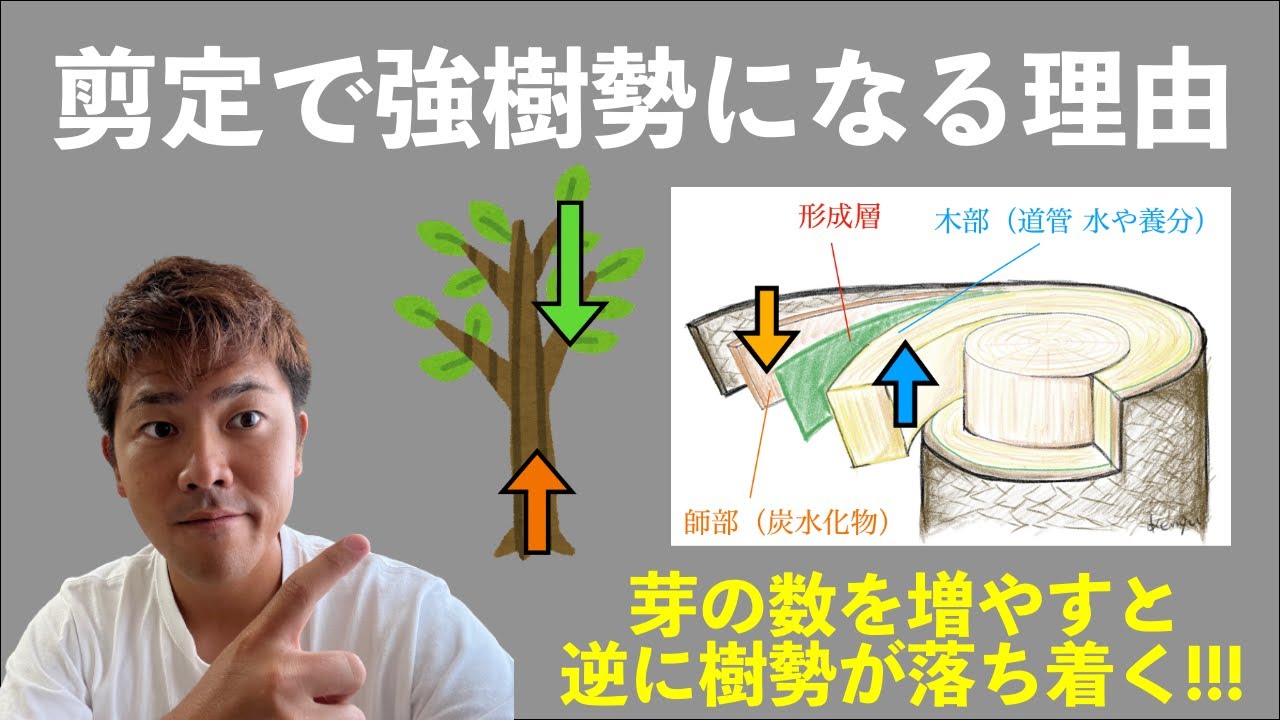
![[15/20] 生物 〜植物の環境応答①〜 植物ホルモンがたくさん出てくる](https://i.ytimg.com/vi/pbu-cGWkCPA/hqdefault.jpg)

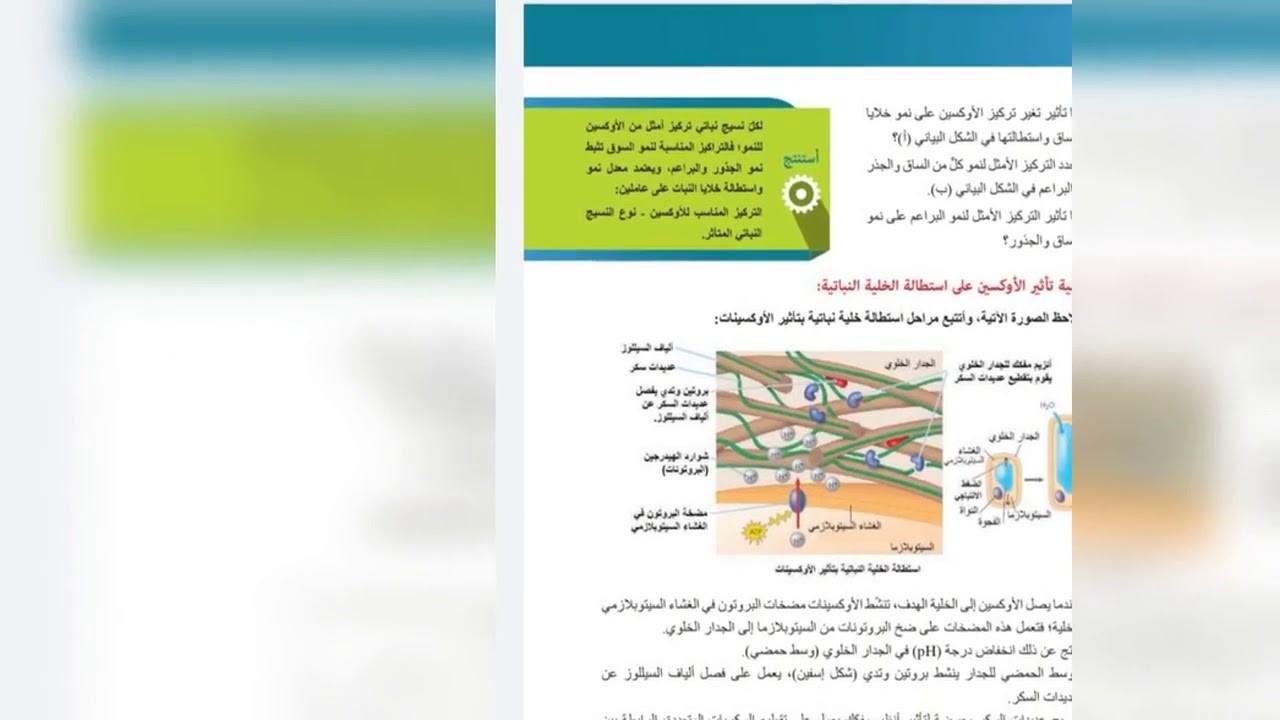






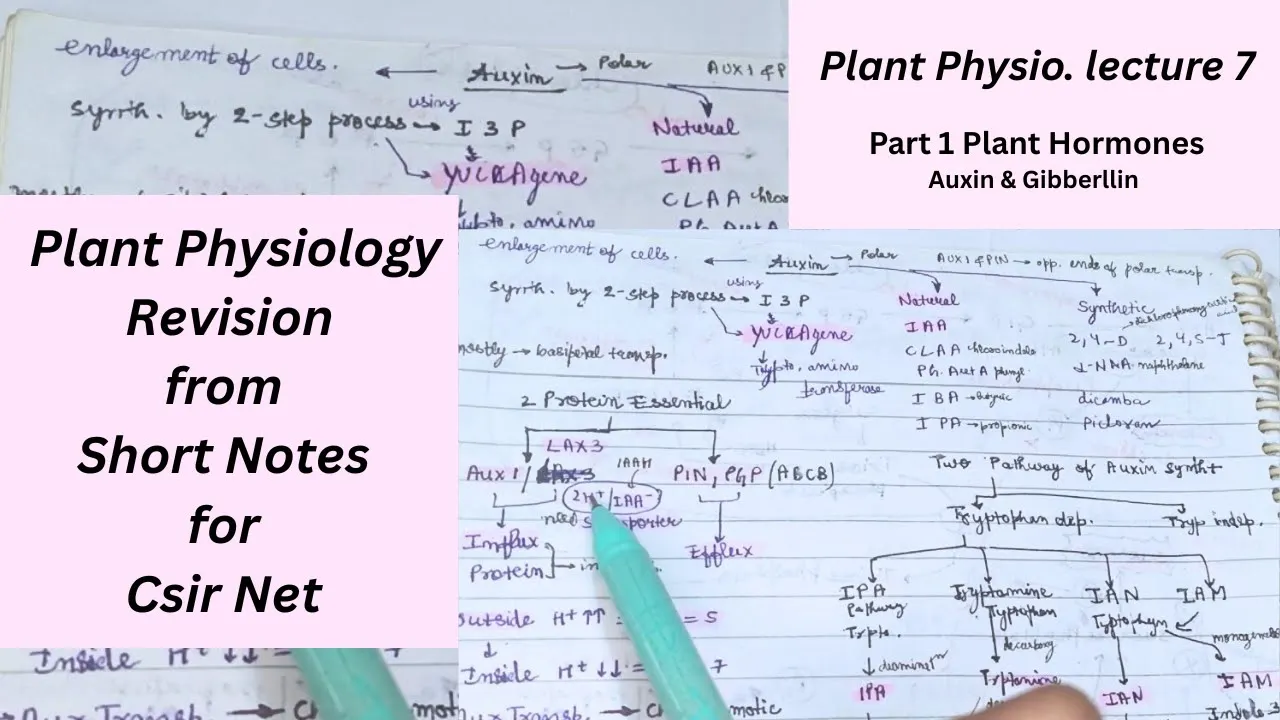
Auxin transport in plants occurs through two forms: the uncharged IAA form enters cells directly without carriers, while the charged IAA- form requires influx carriers (PIN proteins) for entry and efflux carriers for exit. Polar transport is exclusively dependent on the direction of PIN proteins, which are located at the basal position of cells, enabling unidirectional movement from shoot to root. The chemiosmotic model explains that H+ ATPase pumps create an acidic cell wall space, facilitating auxin deprotonation and transport.
Auxin Transport in Plants: CSIR NET Plant Hormones
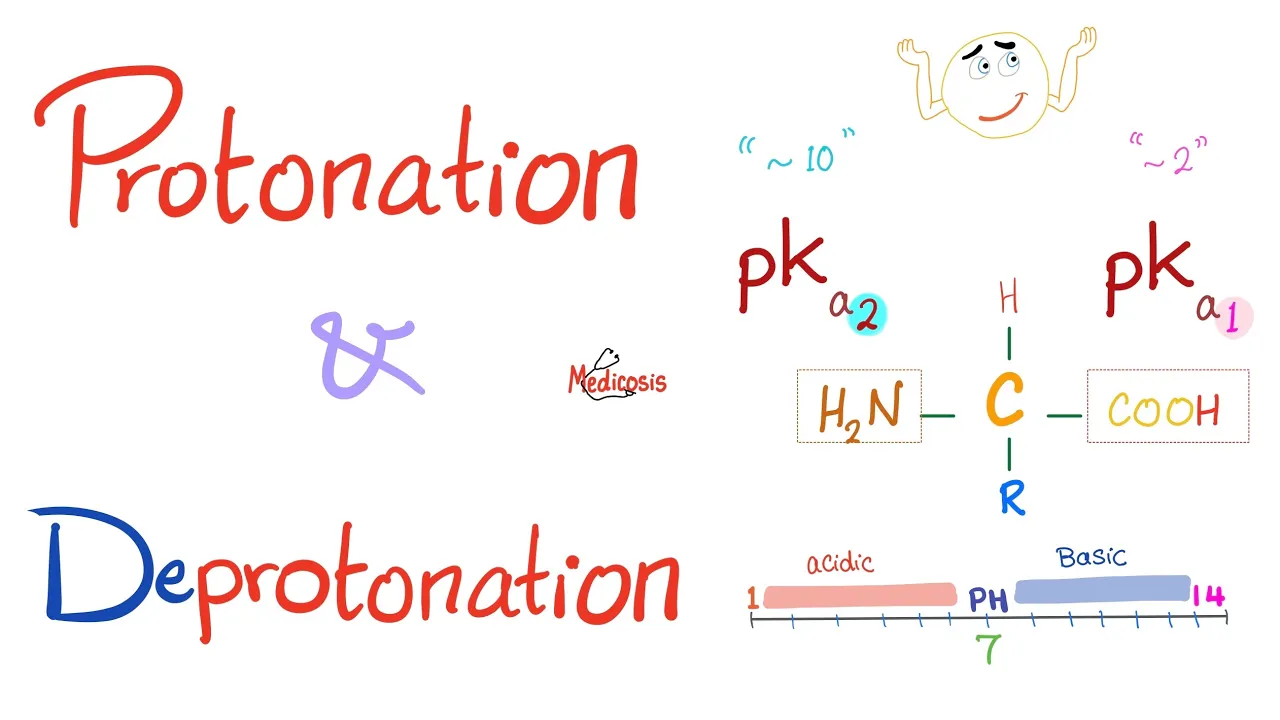
Added:Basic chemical principles of weak acids, pH, and ionization (necessary to understand the protonated and deprotonated states of Auxin/IAA).
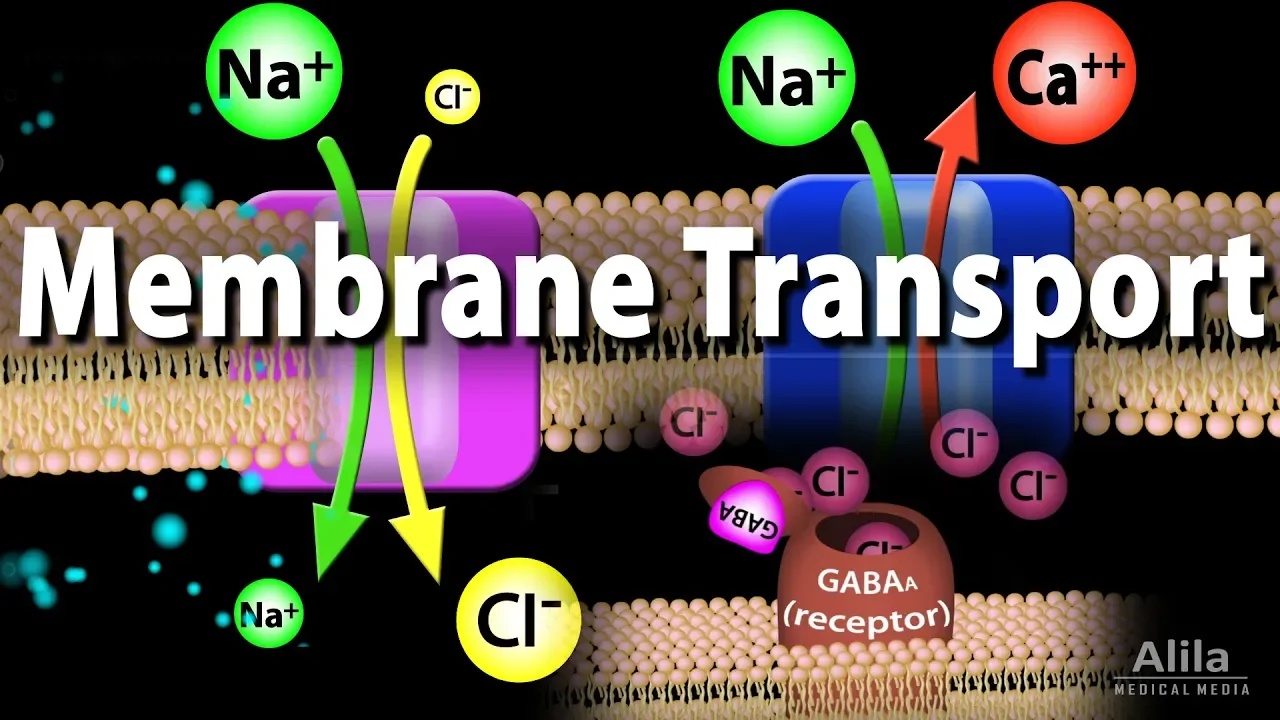
Cell membrane transport mechanisms, specifically active transport, passive diffusion, and the role of H+-ATPase proton pumps.
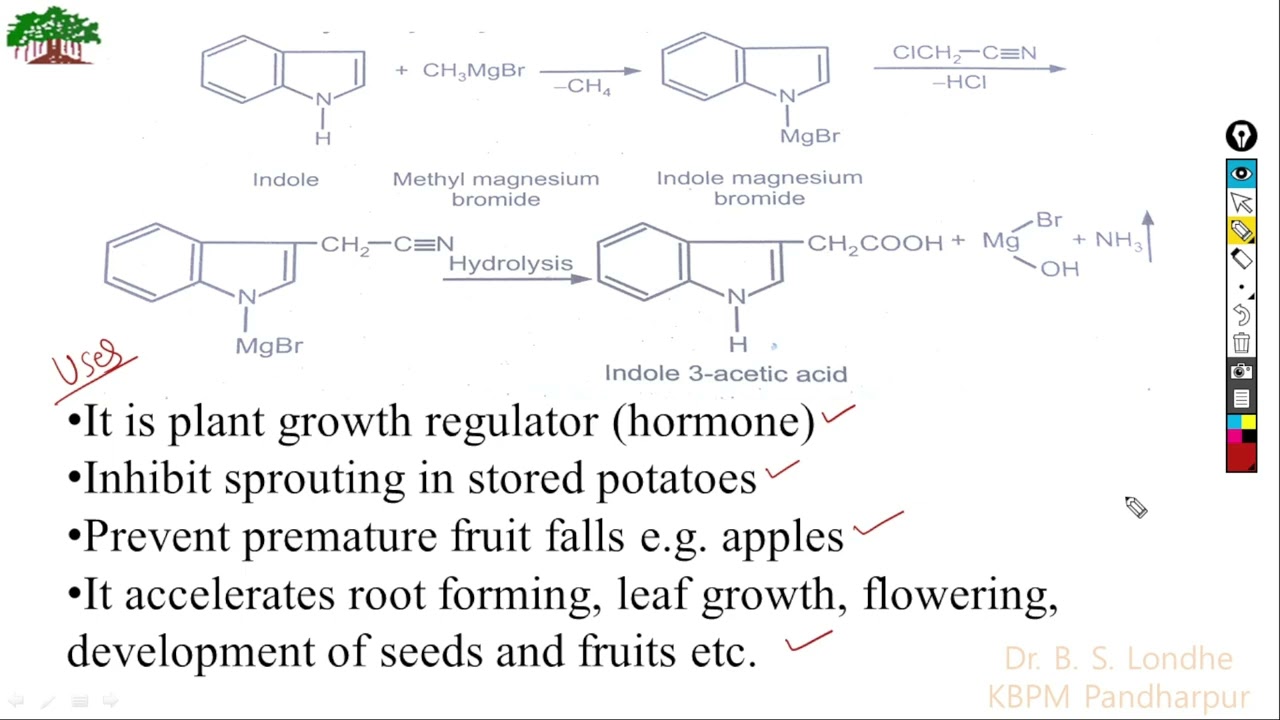
General introduction to phytohormones, particularly the chemical structure of Indole-3-acetic acid (IAA) and its primary synthesis sites.
Fundamental plant anatomy, including the structure of the shoot apical meristem, root apical meristem, and vascular tissues (xylem and phloem).
Auxin signaling transduction pathways, including the TIR1/AFB co-receptors, Aux/IAA repressor proteins, and Auxin Response Factors (ARFs).
The molecular mechanisms of phototropism and gravitropism (the Cholodny-Went hypothesis) driven by lateral auxin redistribution.
Advanced developmental biology topics, such as phyllotaxy, vascular tissue differentiation, and lateral root development regulated by PIN protein dynamics.
Hormonal cross-talk, specifically how auxin interacts with cytokinins, ethylene, and gibberellins to regulate plant growth and development.
Agricultural and research applications of synthetic auxins and auxin transport inhibitors (e.g., NPA, TIBA) in weed control and tissue culture.
960 views35likes1:07:55Original Release: 2022-12-02
okay good evening everyone good evening good evening good evening everyone of you good evening okay let's wait for a minute let others also join by that I will tell how to study we will study in a very very simple way okay good evening good evening I'm good I'm good I'm good sneha thank you okay so friends every one of you listen to me very carefully how to study right now I'm going to tell you just follow that very correctly without having any kind of you know confusions just listen to me correctly okay since it's a first class and we have finished only two hormones and we have to finish the gibberellin hormone right so what we are going to study we are studying 40 to 45 minutes listen every one of you very correctly how I will study and what exactly to study okay so in this particular class everyone follow my words correctly first listen to me carefully we have to finish the harmonoxin we have to finish the hormone gibberellin okay so we don't spend much time on this so since it's a only two hormones in the tomorrow class we have to revise all the hormones so it will take much time so since only two hormones we don't keep much time at all we will keep a minimum 20 minutes and maximum 25 minutes for the each hormone okay don't study beyond that level okay how to study okay I really don't know what kind of book you are following okay so what you have to do first keep the PPT with you I hope everyone is having rppt whomever enrolled keep the PPT with you after keeping the PPT with you you can keep one book either you can keep the Pathfinder or you can keep the arihant book or whatever the study material that you are having suppose example if you don't have the Pathfinder if you don't have the what we can say that you know arihant even you can go for the Lincoln's book also okay so now see how I will study see I have taken the book of arihant okay now in this the harmonoxin as well as the hormone gibralin was written in four pages which contain a crystal clear information more than enough beyond that there will be a no way that the question will appear because as I already told you from every hormone we are going to get the question very direct and very very straightforward question so now listen how I am saying so first while studying the hormones first every one of you whatever the book it may be see remember I will tell the few contents first to read the definition of the hormones then read the properties of the hormones then start with the harmonoxin everyone remember the moment you start with the hormone of oxen whichever the book that you are having please read about the discovery of the auxin first thing every student has to remember only read in this order don't read anything extra don't think don't read anything unnecessary after that read the types after discovery read the types of auction after types of oxen just study the biosynthetic pathway study the biosynthetic pathway and friends when you are studying the biosynthetic pathway I want every student has to study only one pathway that is the IPA pathway you people no need to study IA and pathway IAM pathway and Tam pathway no need to study at all so study the discovery study the types of oxygen study the biosynthetic pathway then the most most important friends let's study the Inhibitors of the pathway okay which is extremely important then final the fifth one only study the functions okay then the sixth one friends study the signaling okay now remember my words apart from this you people don't study even single point also extra okay I'm giving you 100 assurance that the question never ever go beyond that level once you study the question I will ask a few questions once I will give the time exactly 20 minutes from now onwards 20 to 22 minutes will be the maximum even I will be start studying with you I will start studying about the hormones as well as especially I will start studying about the one harmonoxin so you know right in the textbook or anything which contain extra amount of information so what you people do don't study anything information which is present extra what you do is whichever the information present in the slide that information only you read in the book whatever the book you have if you have a Pathfinder that is very good if you don't have the Pathfinder whatever the book that you are having please start reading that only follow this order Discovery types of oxygen biosynthetic pathway Inhibitors of pathway functions and signaling and I forgot to tell one more Point friends Kami osmotic model in the morning class I did not explain it to all of you Kami osmotic model I have explained but I did not shown you the diagram okay chemi osmotic model everyone has to read only in this order now now friends the time is 7 5 PM okay now I will give the time up to 7 30 PM okay by 7 30 PM we all have to finish the hormone auxin okay and what you people has to do if you get any kind of a doubt in that particular line or any particular statement you did not understand immediately ask me I will solve it instantly okay so after studying that we will solve the questions okay so now time is seven five please start studying 7 30 up to 7 30 PM just 20 to 25 minutes only one single hormone I want you to study in this particular order okay let's start studying okay so I am having my book so I will be start studying by marking so when I Mark friends I can remember the concepts very long time okay see because you know I strongly believe whatever The receptors present on the fingers they always carry the impulse till the central nervous system by then we can remember the concepts very very easily okay okay everyone start right now so once again 7 30 p.m we will talk if anyone having doubt mean well please type your doubt immediately I will solve it I'm good Saima please continue yeah okay start and Friends uh 7 30 in five minutes I will summarize in exactly five minutes I will summarize what I have studied okay and I will ask you the question if you answer that particular question correctly I believe that you read the concept very clearly okay now the time starts now okay we will once again talk at the 7 30 PM okay please start any doubt any statement if you feel confused or ask me very immediately so this is the one which will check our patients let's see how many people will study consistently and how many people will leave let's see every line you study every point you study keep the PPT with you and only read the information present in the PPT trust my words if the question goes beyond that you come and ask me sir the question gone beyond the level whatever we discussed it never go just read it study consistently foreign [Music] I will ask total five to six questions from the hormone so if you answer five to six question your preparation is really good foreign foreign study with interest don't worry about others foreign independent pathway friends so only study the tryptophan dependent pathway there are two pathways are there tryptophan dependent as well as the tryptophan independent so especially what is the tryptophan dependent pathway that is the one which is the IP apartheid only focus on this pathway no need to study the trip of an independent Pathways at all okay be sincere don't worry about others just study on your own like how you are studying at home foreign doubt please ask me immediately any statement if you feel difficult if you did not understand and even if did not understand the chemi osmotic model ask me foreign study see I strongly believe the people who are studying consistently the people who just come and pass away you know they want to be serious okay however you are studying at your home feel the same environment and then study sincerely foreign archana Shivani are you very clear with this gami asthmatic model Abdul if anyone feels difficult in the chemiasmotic model ask me I will explain foreign understand every line foreign foreign [Music] thank you okay sure Krishna please look into this oxen influx and efflux okay please everyone everyone else please continue it without confusion you people continue it whomever having doubt only look into this Krishna please look into this oxen actually exhibited in the plant body two types one we call it as IAA H firm and oxen exhibited in the iaea minus form when I use a word oxen exhibited in the iaah farm I can call it it as uncharged form okay when I say oxen is exhibiting in the IAA minus form friends what is the statement I can tell you I can tell you that oxen is exhibiting in the charged form Krishna remember if iaah uncharged form if the uncharged firm wants to enter into the plant cell it will enter into the plant cell very directly there is in no need of any kind of a carriers but friends if the IAA minus which is the charged one if it wants to enter into the plant body compulsory it require two type of carriers if the IAA minus one to enter inside from one cell to the another cell it require influx carrier please look into this uh Krishna this is the influx carrier so this is the IAA minus IA minus is coming via influx carrier now this IIM minus if it wants to go from one cell to the another cell so you look into this they will travel via if flux carrier okay if flux carriers we can also call it as what proteins you know we also call it it as the pin proteins we also called as pin proteins and in the morning class I have told to all of you polar transport can anyone tell me why this polar transfer what on what factor the polar transport is depending on listen my statements everyone the polar transport is exclusively depending on the direction of the pin protein nothing but the direction of the effluxa carriers what I mean to say friends see suppose example this is one flux carrier okay so oxygen will be moving like this only suppose example friends if flux carriers are located in this direction now friends then oxygen also move in this Direction only don't get confused so what my statement here is 99.99 of the plant cells the efflux carriers or pin proteins they are present at the basal position basal positions means at the end of the cell since they are present at the end of the cell oxygen is also traveling via end of the cell only like this only exact unidirectional transport this transport only we can call polar transport okay you got it Krishna okay everyone please continue please continue eight more minutes are there not more than that we have to study let me know Krishna if you did not understand very very good question you know archana archana listen IAH you look into this your question is that why IH become deprotonated in the cell wall space you know no in the cell wall space what kind of pH it will be there mostly a kind of a neutral pH correct now so in this neutral pH which is the predominant form IA in this particular neutral pH lose this proton upon losing the proton it will become IAA minus which is the predominant form keep it in your mind archana in the cell wall space cannot become a predominant form only IA minus that is the charged one only can become the predominant one uncharged one cannot be the predominant one so that is the reason only charged one can sustain IAH immediately dissociated in the cell wall space got it iaah is a non-charged IAA minus is the charged right yeah okay please continue please continue okay seven minutes more good doubt good doubt foreign foreign yes absolutely Saima you look into the picture very carefully you can look into this on the cell wall membrane what kind of pumps are present h plus 80 plus pumps are present correct now what this h plus 80 plus pumps are doing by using the ATP they are constantly pumping the protons once they are constantly pumping the protons what will happen the cell wall become obviously the cell wall space become obviously acidic absolutely true because of the high amount of h plus 80 Pace pumps and we remember no all this h plus 80 plus pumps are going to activated by the presence of IAA only that is true four minutes more wonderful wonderful study with the patients study with interest yes of course correct only now in this cytosol what kind of a pH cytosol is a neutral pH writer so what happened IAH lose the proton then it is converted into the charged form IA minus so the deprotonation is occurring in the cytosol absolutely true foreign thank you you understand Osama obviously it will be deprotonated lose the proton two minutes more [Applause] [Applause] foreign okay friends now stop now stop stop stop okay enough of studying okay I hope everyone studied it in a order okay now let me check whether what information you have studied okay what we people will think that whatever the information that we have studied the question will always appear from that particular part only okay question will come from that part only in a little trickiest way okay okay uh archana I will tell that uh just uh hold on just wait a minute okay now every student start answering question I am going to ask very simple questions very simple five questions whether you studied it or not I want to know so if you come if you answer these questions I believe that you can answer the pyqs also very easily for the part B every student answer my first question among this is six which are which are natural auxins my first question is among these six which are acetic acid number five is two comma four comma five trichlorophenox cystic acid number six is dicamba slowly slowly slowly every student what about others others others others can anyone tell me okay every student has given the answer IAA and IBA okay so friends you know whatever you said is absolutely true there is no doubt about it but I want you to understand friends remember IAA every student follow my words IAA is the type of option which is present everyone everyone follow me first IAA is the one which is present naturally in all the plants every single plant IAA is present friends if uh someone said three okay so IBA IBA is a natural logs in it is abundantly present in the corn as well as it is present in the mustard okay but friends I want every student has to remember four chloro indole three acetic acid this is also a natural oxygen friends which is present in the pea plant okay which is present in the pea plant please don't get confused with that and don't forget okay once again in the morning class also I told to all of you the most predominant form of the auxin is obviously IAA we are calling it as a most predominant form it is present in all the plants but iba's IBA is also natural but it is not present in all the part all the plants it is present abundantly in the corn and mustard what about this four chloro indole three acetic acid it is naturally produced in the plant body friends please remember my words it is only present in the pea plant so in a given question the first three are the natural auxins next three are the synthetic auxins okay now every student has to answer my question in this there are three synthetic oxidants are there two comma four dichlorophenox cystic acid two comma four comma five trichlorophenoxine acetic acid and dicamba friends die camera nothing but it is a dichlorobenzoic acid what is that dichlorobenzoic acid only we can call dicamba these three can act like a synthetic sensor my friends every student remember you know all the synthetic auxins can act as herbicides what my friends all the synthetic auxins can act as a herbicide none of the natural oxygen never ever act as the herbicides please don't get a confusion with this particular Point okay now my second question to all of you I will ask a very simple questions only okay now my second question to all of you I am giving a different type of inhibitor NPA naphthal thalamic acid Tiba try idle benzoic acid which we have studied in the morning class n o a naphthoxy acetic acid I am adding some more there is a another inhibitor called as a quercetin okay friends sometimes you know they don't use the word quercetin instead of using the word quercetin they use the word flavonol okay so you people don't think that flavonol is not inhibitor it is also inhibitor okay then another one we can call it Jensen okay I have given five Inhibitors here now my question is you all people commonly know that all these Inhibitors function is what blocking the oxygen transport yes or no friends either they can block the oxygen influx also or they can block the oxygen efflux also I am not asking what they are blocking whether they are blocking the influx or whether they are blocking the efflux doesn't matter to me my question is among these five which are present in the plant body and block the oxygen transport which means my question is very clear which are natural auxin transport inhibitors which are natural auxin transport Inhibitors that is my question which are natural auxin transport Inhibitors even though you don't know the answer give the guess give the guess someone said d and e Ravi what do you mean by that and Ravi what is my question you are saying that your answer is that naturally occurring uh oxygen transport Inhibitors are quercetin and jenstain is it that is your question ah that is your answer okay mahesha said one three four okay anyone else we have studied this in the morning but the only thing is I did not tell the name they are not a difficult question one two three four T Bond NPA what are those [Applause] okay quercetin and density in wonderful wonderful wonderful last two are natural fantastic Coricidin and jensitin these two are said to be the natural oxygen transporter natural oxygen transport Inhibitors because they are actually present in the plant body only whereas friends NPA T Bar and N O A what is the function of n in the morning class also we have studied right T Bar NPA as well as NY these three are what these three are these synthetic inhibitors foreign are the I mean to say major what we can call the natural oxygen transport Inhibitors wonderful wonderful so slowly analyze the question don't be confused okay now friends my third question okay now I'm Dr I am giving the three processes now tell me oxen will follow the processes or not phototropism gravitropism and thigmotropism [Music] otropism I hope every student know very well what is stigmotropism formation of a tendrils like structure coiling like structures now my question is among these three steps how many steps are followed by the auxin hormone among the phototropism gravitropism and thigmotropism how many processes can be followed by the harmonoxin all okay anyone else one and two only first two foreign okay someone said all three anyone okay friends actually the three answer will be the three okay every student listen my statements very correctly okay it is not a difficult question but it's a logical question this is what we can call tendril karatna this is the tendril okay a wire or a coiled like structure my friends follow me you know right what is the specialty of a tendril tendril always associated with a particular support with the help of a support it's keep on keep on keep on keep on farming the coil-like structure now every student remember whenever this a tendril associated with a particular surface remember my words correctly whenever the tendril associated with a particular surface then only that tendril starts releasing a little amount of the harmonoxin but the point is very clear friends hormone concentration is not at all higher very low concentration of oxygen is going to be released but overall statement I can tell you that hormone oxen involved in the thigmotropism why because whenever the tendril are structures are associated with the solid support during that particular time from that particular tendrils only from the tendrils there is a little concentration of oxygen is going to be released if you listen the morning class I have told you friends 90 percent of The Oxen is released in the apical Mary stems show typical meristem I told you 10 percent or the low concentration of oxygen present in all parts of the plant body so actually the tendrils also consist of a very low concentration of the auxin not more concentration of the auxins okay so correct answer will be three phototropism gravitropism as well as the thigmotropism but if they ask you the question which of the only two major phenomenons whatever you said is absolutely right gravy and photo but if they ask which of the three processes so obviously how to include the thigmo if they have given the thigma in the question please choose the thigma also based on the option you choose it okay now my next question what are stat onlys what are statolets what are status what are status you know this actually we are going to study in the uh which concept where we will be studying we will be studying in the transport of plants okay anyone what are status just now friends I have told you very clearly that friends uh oxen will show the gravitropism gravitropism is what showing the response towards the gravity so someone has to someone has to respond to that oxen who will respond actually the gravity sensors will be respond so I don't know whether you remember my words or not in the Cell Biology Chapter I have told to all of you many times friends certain amyloplast which are present in the roots certain amyloplast which are present in the root they are acting as the gravity sensors don't get confused with that particular Point very good so all the students remember the specialized amyloplast follow follow my words follow my words the specialized amyloplast which are acting as the Gravity Sensor we will be calling them as the status yes it will act there yes it will act there yes okay so remember the gravity sensors sorry the amyloplasts which are present in the root cap which are acting as a Gravity Sensor them only we will be calling it as the status very very very very very simple Point okay now everyone tell me what is the name of the auxin receptor every student answer my question name of the oxygen receptor through which oxygen will show their action name of the oxygen receptor through which oxygen starts showing their action faster friends okay in the tomorrow class I'll finish nearly four hormones everyone what is the name of the oxygen receptor every student has to answer through which accents oxen start acting morning class also I have explained it to all of you three to four times what is that it is called as a tear one receptor everyone forgot friends morning only we studied right Tier 1 receptor no no no no it's not ABC receptor CeraVe it is called as the Tier 1 receptor every student answer my question what is the name very good Tier 1 and abp1 receptors very good okay but every student remember this is also valid question remember remember remember remember remember what is the difference between the Tier 1 and abp1 receptors all the students listen my words without confusion when the auxin uses the abp1 receptor is whenever they want to synthesize or activate the h plus at base pumps friends please don't confuse okay whenever The Oxen want to activate or synthesize the h plus 80 paste pumps then only my friends oxen is going to do this very simple point it is now whenever auxin is going to show the signaling obviously oxygen will utilize the Tier 1 receptor so I can tell to all of you Tier 1 is the major receptor for the auxin which is asked in the 2020 November also now every student answer what is the name of the don't confuse in my words don't confuse with my question and answer what is the name of inhibitor Gene what is the name of inhibitor Gene that is blocking the ARF of oxygen what is ARF we discussed morning class oxen response Factor now my question is what is the name of the inhibitor Gene sometimes the instead of using the word inhibitor gene they will also use the word early Gene what's the name of the inhibitory gene or the early Gene that is blocking the airf I want everyone has to answer this what is the name of the inhibitor region we can also called as early Gene wonderful Molly very good so what do we call them as oxen IAA right this is what exactly friends we will be calling it as the inhibitory gene or our friends religion wonderful wonderful wonderful wonderful okay so friends I am thousand percent sure Beyond this level we never get any kind of a question okay now last and final very simple question what is the everyone answer my question what is the name of the what is the name other name for the iflux carrier what is the other name for the iflux carrier other name for the iflux carrier everyone this is important friends this is very very important one very good so everyone said that the other name of the efflux carrier is called as spin protein now my question to all of you friends listen my question correctly in a given four marker question they have asked this particular statement how many number of times the pin protein transpan the plasma membrane this is my question my question is how many times the pin protein transparent the plasma membrane Sima you remember Sumaya Deepika you remember how many times the pin protein transpan the membrane can anyone tell me how many times you know right we can call we will use the word gpcr is the one which transplant the plasma membrane seven times and we can say that glycoporins are the one which can transplant the membrane only one time wonderful current fantastic very very good pin proteins fantastic very good Shivani pin proteins are said to be 10 transparent membrane protein Sumaya it is 10.
okay so it will transplant the plasma membrane 10 times with the help of a hydrophobic amino acid wonderful friends wonderful wonderful okay okay now you can ask me you know now you know if you don't if we are getting the question beyond the level whatever you studied trust me the question never come from that level question always come from the level whatever we have studied okay now everyone answer my question I am writing two types one is called basic petal another one is called as Acro petal okay basic petal transport Acro petrol transport everyone answer my question among these two type of a transports oxen will follow what kind of sorry sorry among these two among these two which is called as Polar transport which will follow the polar transport does the basic petrol transport will follow the polar transport or the acro petal will follow the polar transport everyone everyone [Music] does the basic petal will follow the polar transport or the acro petal will follow the polar transport that's my question we have studied in the morning class right wonderful wonderful wonderful which is the Bassy petal there is no doubt about it which is what is basic petal friends from shoe to to the root this kind of a transport only we will be generally calling it as what friends this one okay but I am requesting every student remember one simple Point what is the simple Point very good Sumaya said both okay very good remember my words whatever most of the student said Is Right basic petal mostly Polar transport that is from Shoot to root but what my point I want you to remember in case of a xylem parenchyma in case of a xylem parent chaima okay the hormone oxen will follow the acro petal transport only in case of here only only in the xylem parenchyma the harmonoxin will follow the acrobatal 99.99 always hormone oxen travel from shoe to to root only via basic petal transport only there is a no doubt about it right so don't get confused with that okay now last and final question what is the name of the proteosomal complex what is the name of the proteosomal complex that will degrade that will degrade auxin IA Gene what is the name of the proteosomal complex this is also asker for marker question one of the statement what is the name of the proteosomal complex that can degrade the oxygen IAA Gene what is the name of the proteosomal complexer which is degrading the auxin IAA very very good what do we call them answer 26 proteosomal complex by what friends by the process of ubiquitinylation of course once the oxygen and IAA associated with the ubiquitin molecule only friends then only the process of degradation will occur otherwise friends the process of degradation never ever occur okay okay now I hope every student remember all the points without confusing okay now answer my last and final question I have told to all of you oxen promotes oxen promotes epical dominance okay which is inhibiting the growth of lateral Birds what is the hormone that is acting antagonistic to the harmonoxin what is acting yes what is the hormone that is acting antagonistic to the oxygen in terms of the apical dominance with the respect to the apical dominance very good what what is that particular hormone friends obviously that hormone is the what is that wonderful wonderful wonderful okay okay wonderful okay so friends I am giving you a last and final question from The Oxen last and final question I want you to think and answer okay so column one column two okay tomorrow I can't discuss this many number of questions because tomorrow I will discuss the previous year questions first but I will we will study the all remaining four hormones by tomorrow itself okay so option A slowly analyze the question friends option a root differentiation option b option b vegetative Bud differentiation option b is a vegetative Bud differentiation option C flower Bud differentiation option C flower Bud differentiation take your time take your time option D fruit development option C fruit development okay now friends I will give the opposite ones okay remember the option one kainins kinense followed by auxins use the brain with a common sense you can answer this question kinins followed by the auxins okay then the 0.2 oxins followed by kinins first option is kinase followed by the auxin second option is auxins followed by the kinins and friends the third and most important option is Oxygen Plus option 4 is oxen Plus carbohydrates oxen plus carbohydrates okay this is the given question okay I think my picture is uh you know oh one second okay I will reduce my picture size by that you can see the question correctly okay yes yes yes yes look into the question look into the question yeah so this will be the question now I am giving the options here I want every student has to answer this question okay take your time take one minute of time no problem a b c d okay option a option a four three one two okay option b take your time no problem option b four one two three option C three two one four okay make sure that this question only came in the exam remember that this question appeared in the exam you have to solve it correctly I am writing the option D here one four three two option D is one four three two this is the last and final question you have to answer correctly I will be reading the question once again my friends follow me uh in the column one option a root differentiation option b vegetative body differentiation option C flower budding options is flower Bud differentiation option D fruit development option D is the fruit development and in other column kinin followed by oxen oxen followed by kinin auxin plus gibberellin auxin plus carbohydrate okay if you know one also you can answer the question trust me if you know one also you can answer the question but it is not applicable all the time but I am talking about this question I think option D you can't see option D A will be one B will be 4 and c will be 3 and D will be 2. I don't know everyone has to give the right answer okay I never ever agree if you give the wrong answer use your brain slowly don't be hurry please foreign Mahesh also said see I am requesting all of you don't make it too complicated make it simple always make it simple don't think too much when you think too much you will end up with wrong answer always make it simple understand what exactly the question been asked option C okay other girls girls Shivani what will be the answer archana okay jagruti what will be the answer okay friends it is very easy to answer right the moment you see the root differentiation the moment you see the root differentiation you don't need to think root differentiation means what oxen okay see in the tomorrow class we are going to study the gibberellic acid writer gibberelli Castle is also involved in the process of elongation actually so which means it is also involved in the root differentiation if you come to know this you can easily come to a conclusion easily okay and anyway option two if you look into this oxins followed by the kinans they will be required for vegetative body development and friends don't get confused kindness function is what a kind is followed by the auxin they will be required for the flower budding don't get confused your friends and fruit development you know right friends if there is a development of the fruit what do we require friends for the development of the fruit we always require the sugars so then Sugar Plus hormone correct correct correct correct correct okay friends I hope everyone answered it correctly okay is it clear everyone so far okay so friends so that's all for today tomorrow also tomorrow Target is little bigger because tomorrow we will be conducting seven to eight thirty p.m My ultimate goal is seven to eight pm every student has to study this particular what we can say that four hormones we have to complete gibberellic acid we have to complete ethylene we have to complete the cytokinin and we have to complete the uh what is that other hormone abacusic acid so what we do is for every hormone we will keep 15 minutes every hormone we will keep 15 minutes in 15-15-15 minutes we will dis uh read all four hormones then what we will discuss is then we will discuss about the 30 minutes questions first I will solve pyqs if you are answering 70 of pyqs correctly your preparation is going extraordinary okay if you are not answering uh less than 70 percent if you're answering less than 70 you have to change the way of preparation please remember that without fail okay okay uh mauli I will explain in five minutes just to follow correctly osmotic theory is actually explaining about the polar oxygen transport what did I tell you about the polar oxygen transport are The Oxen is moving in a unidirectional from Shoot to the root look into this this is the cell number one this is the cell number two this is the cell number three auxin can exhibit it in how many forms in the plant body oxygen exhibited in the iaah form uncharged form oxygen exhibited in the IAM minus form everyone remember whenever a oxen which is in the uncharged form what form uncharged form uncharged form can enter easily friends all the students look into the diagram can easily enter it into the cytosol see here is there any requirement of any kind of Transporter is required Noah directly enter but if this IAM minus wants to enter it is a charged form you know very well does the plasma membrane yellow the charger compounds no none of the ion never cross the plasma membrane yes or no so what is happening the charged form of IIM minus what is happening to this minus friends it is entering via carrier it is entering via what carrier what is that particular carrier friends that particular carrier only we call it as the influx carrier so all the students all the students Follow Me Now Simon look into the point has directly entered IIM minus entered via influx carrier now you know what this i a h will do i a h lose the proton because in the cytosol what is the pH pH is seven so in the seven pH what happened it lose the proton ieh converted once again into what IAH is converted once again into ieim minus then the IAM minus can it go on its own because it can't cross the plasma membrane so it obviously require what friends it obviously require the if flux carriers the deflux carriers only we can call it pin proteins so where the flux carriers are present exactly here exactly on the basal position so I A minus also come like this suppose example if if flux carriers are located like this oxygen also move like that so what my statement to all of you is how oxygen has to be transported it is depending on the efflux carriers 99 of the cases how the efflux carriers are present at the basal position that is the reason from the shoot auxin will always travels in a single Direction This is called as Polar transport I hope everyone understand uh I hope I strongly believe from my side every student is really good with the harmonics in still if anyone find any kind of a doubt feel free to ask me anytime tomorrow Target is finishing the four hormones 15 15 15 minutes we will discuss we will study every hormone because in the tomorrow two classes I'll finish all the hormones then 30 minutes we will do the question discussion of especially previous okay that is the plan okay see friends reading one day is not the matter you have to read 45 to 50 days consistently then you will get enough of confidence to crack that particular question okay I'll help you in every part okay thank you friends that's all for now I hope the discussion is useful I will see you tomorrow sharp 5 45 AM thank you all work very hard friends thank you so much thank you all I appreciate all your patience thank you
Up Next
4:34
How Trees Talk Through Underground Fungal Networks | Science Explained
@TEDEd
832.6K views•2019-07-01
50:12
Bacterial Communication: Quorum Sensing and Biofilm Formation Explained
@JHUAAP
12.6K views•2011-06-28
66:10
Photosynthesis Dark Reactions: C3, C4 & CAM Pathways | CSIR NET Plant Physiology (Part 3)
@chandubiologyclasses8327
5.5K views•2022-03-14
7:08
Bacteriophages: Earth's Deadliest Killers and Future Antibiotics
@kurzgesagt
34.6M views•2018-05-13
Related Study Plans & Knowledge Roadmaps
Structured learning paths in Biology
biology
RNAi: Biogenesis, RISC & Gene Silencing
01Molecular Biology Foundations: DNA to Protein
02Introduction to RNA Interference (RNAi)
03Molecular Biogenesis of miRNA and siRNA
+ 2 more learning modules
10h5 modules
Explore Roadmap
biology
Mycorrhizae: Signaling, Biophysics & Ecology
01Foundations of Mycorrhizal Symbiosis
02Molecular Signaling and Root Colonization
03Biophysics and Bioenergetics of Nutrient Exchange
+ 1 more learning modules
11h4 modules
Explore Roadmap
biology
Circadian Clocks: TTFL, SCN & Periphery
01Foundations of Molecular Biology & Gene Expression
02Introduction to Chronobiology and Actograms
03The Core TTFL: Molecular Architecture of the Clock
+ 3 more learning modules
14h6 modules
Explore Roadmap
biology
Population Genetics: Math, Drift & Selection
01Genetic & Probability Foundations
02The Hardy-Weinberg Principle and Baseline Models
03Mathematical Modeling of Natural Selection
+ 3 more learning modules
18h6 modules
Explore Roadmap