![[Python] Изучение OpenCV | ImageAI для распознавание объектов в реальном времени](https://i.ytimg.com/vi/f7IZBmjbpqU/maxresdefault.jpg)







![[Aprendizado de Máquina - Aula 3 Tópico 2] Avaliação: Falso positivo e negativo e Matriz de Confusão](https://i.ytimg.com/vi/u7o7CSeXaNs/maxresdefault.jpg)




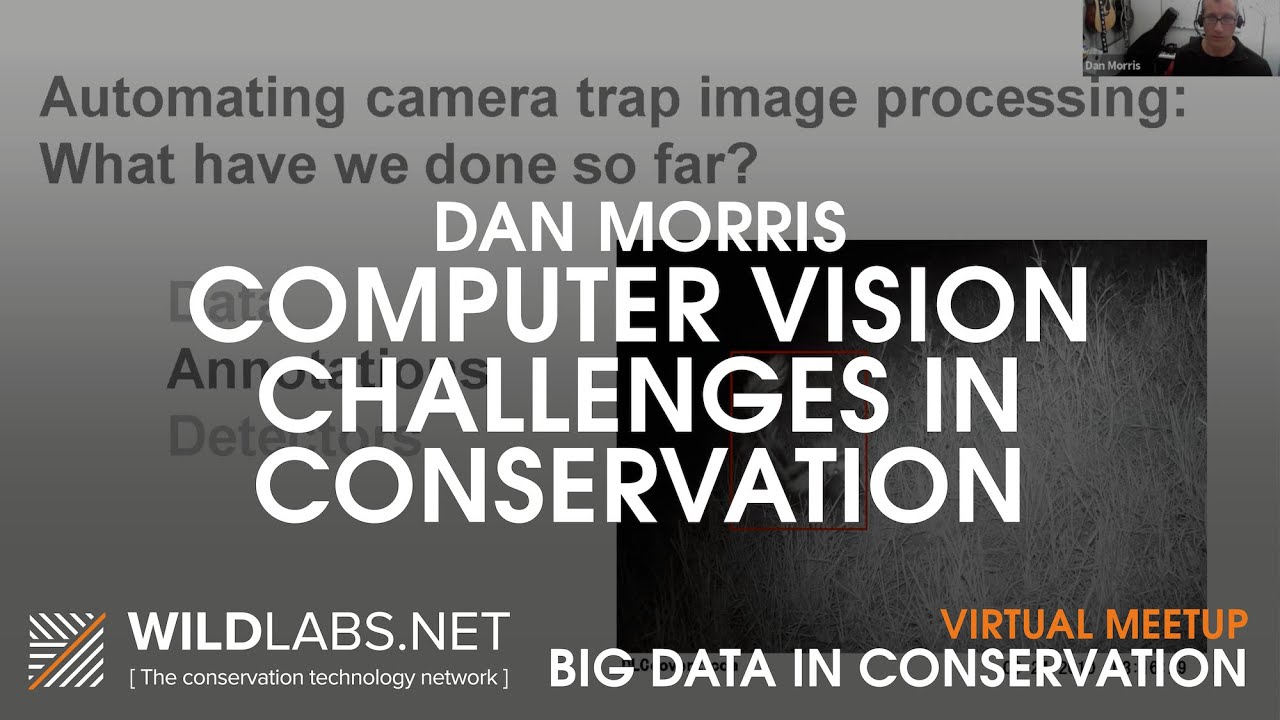


AI-powered camera systems can scan wind farms 360 degrees to detect and identify birds, then automatically shut down turbines when threatened birds approach, reducing bird fatalities by up to 90% compared to traditional monitoring methods; this technology uses neural networks trained on thousands of bird images to distinguish between species and trigger protective responses, helping balance renewable energy production with wildlife conservation.
AI in Conservation: Protecting Birds from Wind Turbines
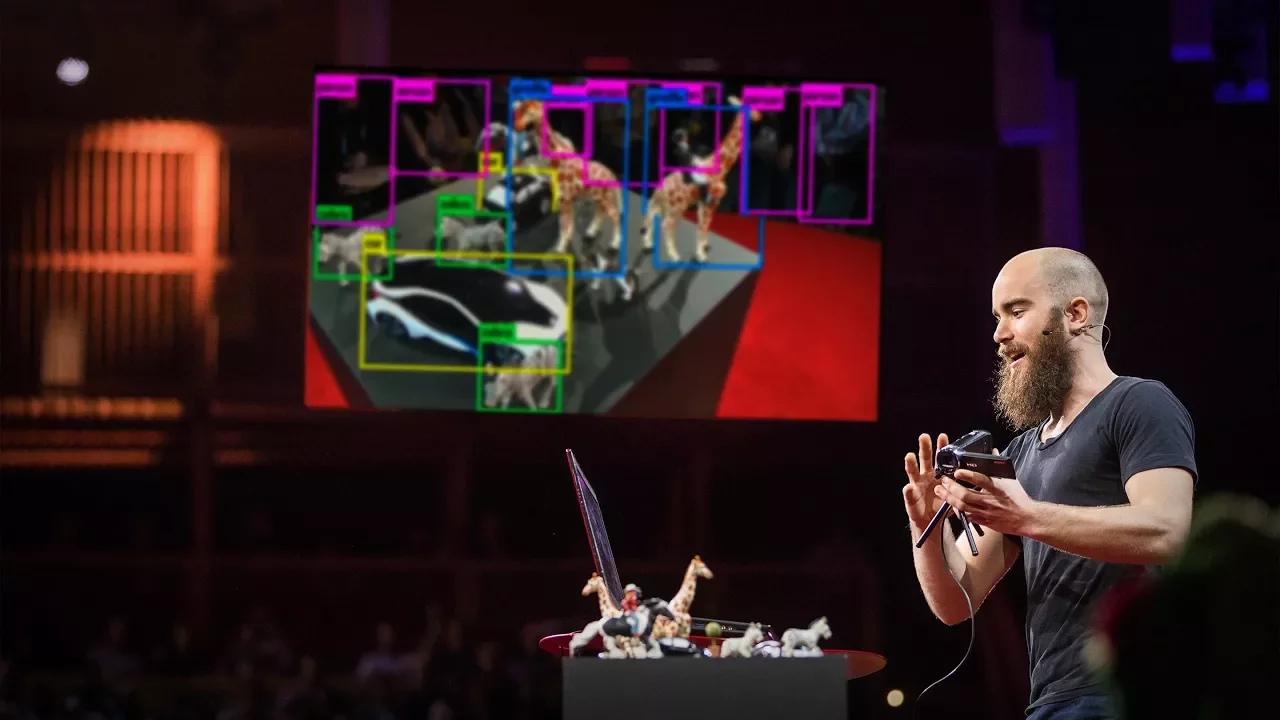
Added:Basic principles of computer vision and real-time object detection using neural networks.
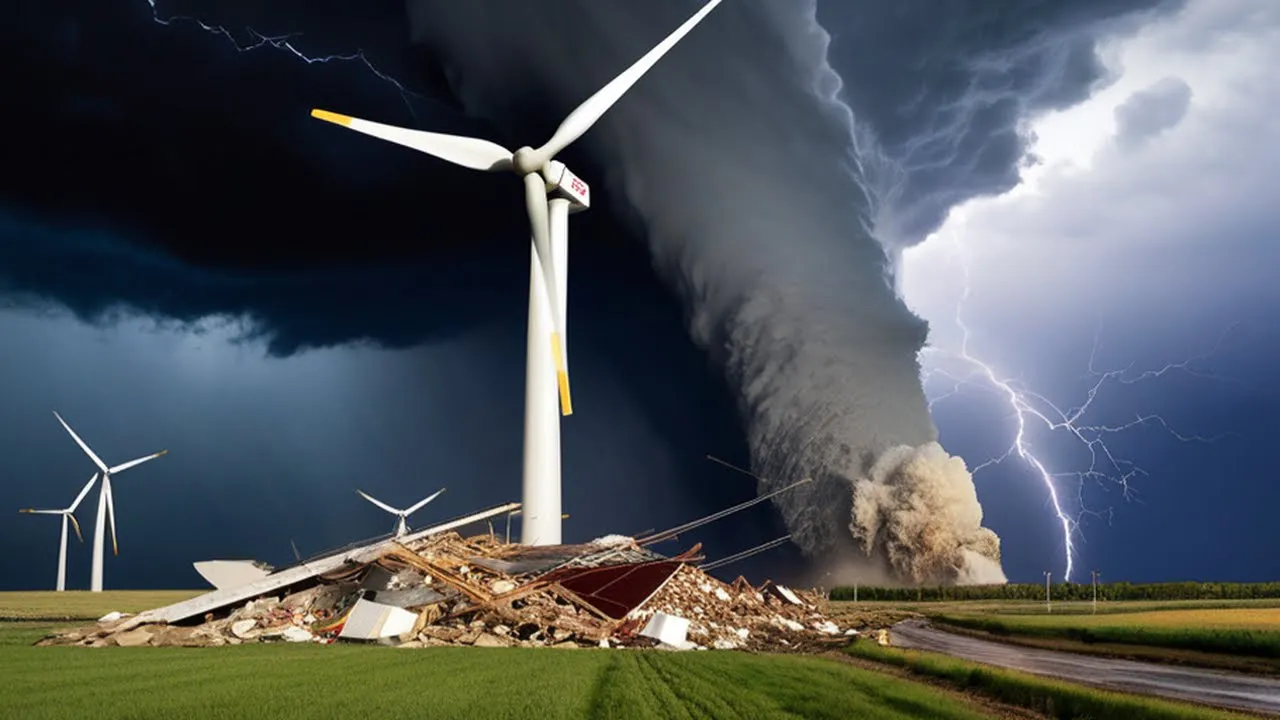
The ecological impact of wind energy infrastructure on avian populations, particularly raptors.
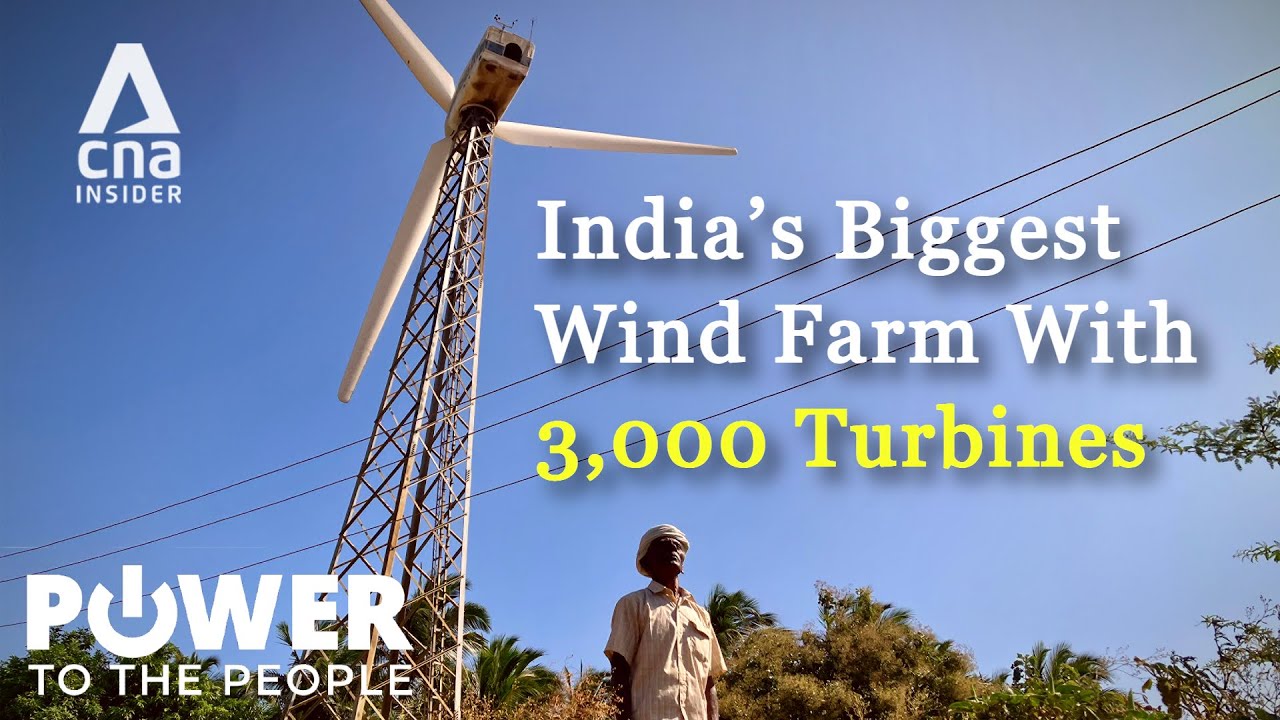
Fundamentals of wind turbine operations, including rotation speeds, aerodynamic hazards, and the concept of 'curtailment'.
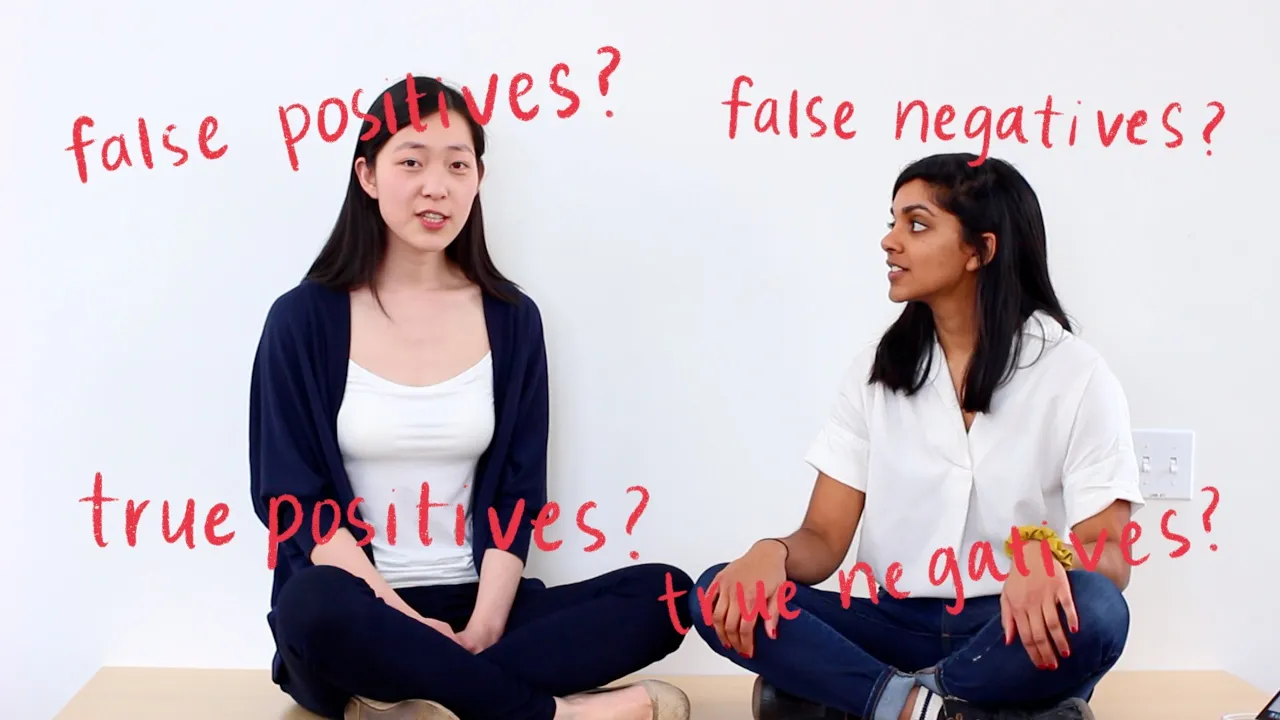
The basics of machine learning classification and false-positive vs. false-negative trade-offs.
Advanced multisensor fusion techniques combining computer vision with radar and acoustic monitoring for wildlife protection.
Grid integration and economic optimization strategies to minimize energy loss during automated turbine shutdowns.
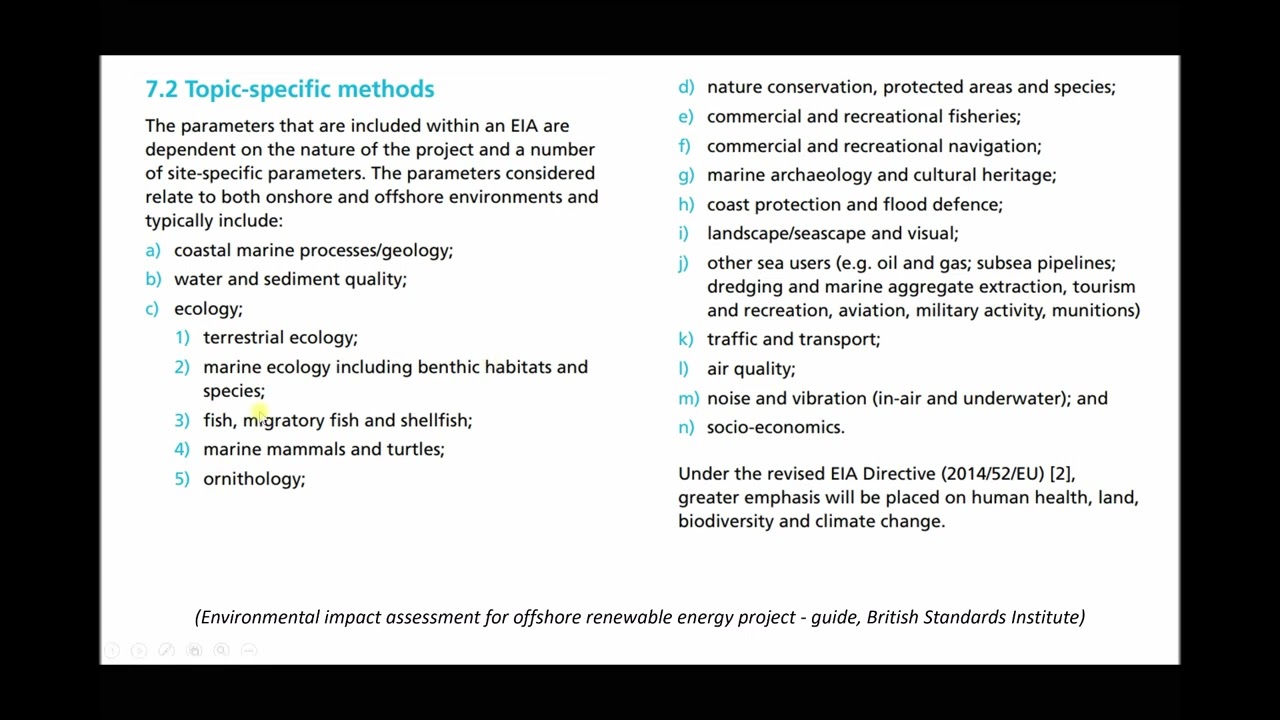
Policy and regulatory frameworks governing environmental impact assessments (EIAs) for renewable energy projects.
Applying computer vision models to other conservation challenges, such as marine mammal detection near tidal turbines or anti-poaching surveillance.
148 views13likes39:49Original Release: 2026-02-23
Hey everybody and welcome back to the Real Birding Podcast. The show where we crack open the world of birding and talk about our own birding adventures. I'm Will Keller coming to you from Charlotte, North Carolina.
>> And I'm Caleb Putnham currently in West Olive, Michigan.
>> Well, Caleb, I am so pumped because I'm going to get to learn a little bit more about what you do because we are going to talk to uh your boss of sorts at Adenaflight, Susan Downey. We are so excited because you and I have both worked tangentially in the energy industry. I have for a few years and you have for longer and it's kind of this constant balancing act that we think about working in this industry of how do we continue to produce electricity for the humans that rely on it uh while limiting environmental impacts like carbon emissions and you know especially with things like wind turbines limiting bird strikes you know this is the thing that I hear a lot as somebody who works in the industry and as a burer people say well how do you feel about bird mortality caused by wind turbines and we are going to talk to the co-founder of adenoflight which a company that is taking on an initiative to, you know, lessen the impact on on birds that wind turbines have. So, I'm really pumped.
>> I'm I haven't been this excited to do an episode in a long time and this is such a fun topic because people don't know about it. There's this incredible work going on and most burers have not even heard about it and this is the industry leader, too. There are competitors, but like this is right at the cream of the crop. Yeah.
>> So, we're really we're really going to get it right from the horse's mouth today.
>> Amazing. All right. All that after the break. Let's do it.
>> All right. Susan Downey, thank you so much for joining us today.
>> Thanks. The horse is here.
>> Huh?
>> I was going to question that choice of words, Caleb.
>> Yeah. I should have probably thought that one through a little better. Okay, >> maybe.
>> Let's see. Check check my paycheck amount on the next one coming in here.
>> Ouch.
No. Hi. Thanks. This is really fun. I'm really excited to be here. I love to talk and talk about birds and Identify.
So, let's do it.
>> Yeah. Amazing. Well, for listeners who haven't heard of Identify, can you explain in simple terms what it is and how it works?
>> Yes, it is the coolest thing in the world. I currently have the coolest job in the world. Um, it is a robot vision system that uh we put into wind farms and what it does is it will scan 360° um look for anything that moves. If uh it sees something that moves, it'll target it. It'll determine if it's a bird. It'll determine what kind of bird it is. And if it is a um in the United States a bald eagle or a golden eagle eagle, we'll track it and as it comes near a turbine, we will send a command to shut down the turbine. Um and so then the bird can just keep going doing its uh bird thing. It doesn't have to worry about the turbines because we're going to shut it down as it goes by. And then once the bird is all clear, we will send another command to do the all clear and start the turbines back up. It's it's so interesting and it's such an elegant solution. Um it's almost it's one of those things that sounds too simple. Uh what's the right way to say this? It's like well why don't they just put a camera out there and until very recently within the last few years it probably was impossible because the camera technology wasn't good enough. Uh the uh not the facial recognition but the the ability to recognize the bird wasn't good enough. Um but is this am I right in thinking that we have just been kind of on the precipice of this for years?
>> Yes. Yes. Um, so the the overall company Boulder Imaging um has always been doing high-speed imaging, high-speed um inspection, looking for things that are different, looking for something very specific. And so it was fairly easy to just transition it to I know it wasn't fairly easy. It we were able to transition it to birds and looking for different kinds of birds, what's out there. Um, and then the the cameras had to get better, the optics had to get um smaller. Everything everything has kind of come together and it's still morphing into this perfect um system and hopefully we'll get it smaller and cheaper and they can go everywhere.
>> And Susan, it was always really interesting to me that to find out that you all were working with uh dollar bills, right? Do I have this correct?
like cash, currency, and then looking for like quality control and blemishes, something like that.
>> Yep. All of the dollar bills, uh, US dollars, um, in your pocket and everybody's has gone through a Boulder imaging system on one end or the other that we inspect all the paper that the money is printed on after the security features are put in. And then we also inspect the money after it comes back to the Federal Reserve. And at 40 notes per second, we can tell you um recycle, reuse, uh counterfeit, um the serial number, the denomination, everything about it, and then it goes back out. So, just super high-speed looking at very minute little things and being able to tell differences.
>> And how did you go from that to birds?
Like, how did that transition happen? Is that just the entrepreneurial spirit and creativity of you and Carlos?
um to some extent we had uh just a um a business neighbor who was looking for a solution. Uh Duke Energy in Wyoming, they needed a solution. They were getting in trouble with the government for killing too many birds and they just came to us and said, "Hey, what can you do? Um is there anything?" and Carlos uh Horera, the the real brains behind all this, he's like, "Yeah, I can do that."
Um that was his go-to statement for everything. He could invent anything.
And so um they spent four years prototyping, figuring it out, testing, and now here we are 12 years later um in six continents.
>> So it's funny you say that. I currently work for Duke Energy and I overheard a phone call the other day with, >> you know, years ago we reached out to this company, Boulder Imaging, to alleviate some of these issues and I'm like, I wonder if they're talking about uh some sort of um bald eagle or osprey nesting on a pole somewhere in Florida or something like that. So, uh yeah, that that's uh that does ring some bells.
>> Yep, that's us.
>> Funny.
>> That's amazing. That's amazing. So yeah, it was it was just the next step of Carlos inventing what needs to be invented.
>> It's really apparent to me as having worked as a contractor for you guys now for what almost two years or something like that. The potential to take this technology in new and unpredictable areas that we would never have thought about. And Will and I thought of one before uh we started recording here. I thought we'd at least ask you about it.
Um the ivory build woodpecker rediscovery. Right. The problem has always been is that nobody can get a good image of it and the observers are out all day long making noise and scaring the bird away assuming it exists. But I was just thinking, couldn't you put up a couple 10 camera systems throughout whatever complex in Arkansas or Louisiana and then it's it's the cameras are running all day long and picking up every single bird. Like if it's there, you're going to get it eventually, right?
>> Absolutely. Absolutely. That would be so fun.
>> Oh my gosh.
>> That uh Yeah. uh the more the more we I mean personally I'm a scientist and the more we can use it for science and discovery that's amazing. I mean we're we're doing it for industry and we're doing it for energy but uh if we can throw in a little bit of science into this too that'd be amazing.
>> Well, we just have to figure out who can fund that that project for the bill.
>> Oh, you don't think we could crowdsource that? Oh, I'm sure we can crowdsource it. I would I would throw in a I would I would definitely chip in. Can you imagine?
>> That would be amazing. And if you rediscovered the bird and actually got the because everybody keeps saying like, "Why? How come all the photos look so bad and you never get the the money shot where where it's like, "Oh, wow. The bird really is alive." We would get it.
I I really believe that. So >> Oh, no. And and we do, right? We did that here in Colorado. What was it?
Spring. We had a woodstok come through.
Um Yeah.
>> It was like the first woodstok in 90 years, something like that. Um, in Boulder County there's been no record of a woodstok, but our system outside of our building caught it fly over. So, there is a a record of a woodstok flying through Boulder County now. Um, well, it's not official because it's an automated system. Um, but we're going to figure out how to how to get EIRD to to do something like that. So, yeah, that that that's the pond it was at at the Alex and Mike's pond. That's where it landed for a while, but it flew right over our building the day before. is up here interestingly. So the day before it it was it was down here. The day of was up here and then the day after or couple days later, no actually it might have been what weeks.
>> Um it was refound far to the east. So very interesting stuff. And I I have to say Susan when I received the images from from Aaron that day, she goes, "What is it?" I when as soon as I saw it, I'm like, "That is a woodstok. That has got to be one of the rarest >> birds in Colorado right now." and and I go to the EIRD map and I'm like, "Oh my gosh, there was one."
>> Yeah. There's there's no Boulder County records. So, but we we saw it fly right over our building.
>> So, yeah, we could find an ivory build woodpecker.
>> Absolutely we could.
>> Yeah.
>> Well, let's see if we can fund it someday. That would be that would be just the coolest cats meow that I've ever heard of. So, Susan, one of the things that's really jumped out at me and this really makes me think about it.
It's a really nice segue is Identify is able because the camera is sitting there watching 20 or not 24/7 but from dawn to dusk all 360 and any speck in the sky it picks it up whereas you know will and I stand in cornfields for consultant firms all day every day and we can only look one direction we miss specks we get tired and and you know so the system must be so good at detecting birds and minimizing fatalities like what is the how good Is it like like what metrics do we know?
>> Um we know uh from our first study um which was done on our systems um we reduced eagle fatalities by 85%. We are now well beyond that. We are at the 90 plus percent of reducing uh bird fatalities not just eagles anymore because that first study was just just bald and golden eagles and now it's worldwide. um you you put observers in wind farms and the bird goes behind them and you miss them. Um and so it doesn't really reduce fatalities. I I mean it will and it can, but um like you said, you're tired, you get distracted. Um and and Identify doesn't do that. And so we definitely are 90 plus saving the birds. It's amazing.
It's absolutely incredible.
I I've always wondered um you know you hate to bring up regulatory framework in a uh in a fun uh inter you know podcast episode but you know there has to be a reason for why this protection is happening and I imagine in North America it's the Balden golden eagle protection act and the migratory bird treaty act but I don't get the sense that like every single wild bird that falls under the migratory bird treaty act every time one's tripping the filter the wind turbines are going down so are there certain birds that are more susceptible to this that are being targeted Um, it's a bad look to kill an eagle in the United States, but it's not necessarily a turkey vulture, which is very much a migratory bird. So, you don't want to be a turkey vulture. And if you are, you want to have a friend who's an eagle. Um, and you want to you want to hang out with them. Uh, it is it is up to, how do you there's no real voluntary altruism to put our systems in wind farms. It's it's usually a reaction to a wind farm getting in trouble. Um and so it depends on what birds the regulatory people think are the most important or put a dollar value on. Um in Europe they've started doing that. They put dollar uh euro values on bird fatalities. Um so uh Spain just about everything is protected now. um the regular, the eagles, the vultures, the storks, but now also ravens, red bill chuffs, um rollers, eur your your European rollers.
Um wow, >> all of them are protected now.
>> And we know these birds, we can see these birds, we can identify these birds, and so if we see them, we'll be able to at least try to save them. the smaller birds. Um, they have to come a lot closer to our cameras before we can see them. Um, so an eagle we can see two kilometers out. Um, that's not a problem. But these little birds, like even a kestrel, it's a lot sooner. And so as soon as we see it, we have to send the command to shut down the turbine.
Um, and it depends on how quickly the turbine shuts down. So if it shuts down in 30 seconds, um, that gives us some leeway. But if it takes 2 minutes to shut down, the second we see any of these little birds, we're going to have to shut it down. And that's going to be a that's going to be hard on energy production.
>> Yeah. And I wanted to to point out that from a from a biology perspective, it's really important to save these predatory birds because as you go further up the food chain, the fewer individuals an ecosystem can support, which means every single additional fatality that you have that isn't quote unquote natural has a, you know, more and more deletious effect on the ecosystem as a whole. So, I I just think this is such an incredible service because when you see those those studies that show that 250,000 to 750,000 birds are killed by wind turbines every year, my question is always how many of them are hawks, eagles, falcons versus song birds because um you know just from biologist dispassionate perspective, those song bird fatalities aren't quite as important as the predator fatalities.
>> Right. Right. And I do think those numbers are the predators. Um, my guess it's higher if it's not. Um, but uh, yeah, I think that's the number I've heard for the for the for the big birds, for the vultures and the eagles and hawks. So, but hopefully in the US we're going to get hawks on our list pretty soon. There's a few wind farms that have nesting sites of um, it's either Swainson or Fuj, I can't remember. Uh, and so maybe we'll get to start saving those. That'd be so amazing.
>> That would be amazing. Yeah. Um I also was going to add Will um another I I totally agree with everything you were saying there but if you look at Egyptian vulture rupel's griffin some of these Eurasian things um as a burer you can go out and find them they're not that hard to find but the world populations of many of these are really low like in the in the low thousands so it gives you the impression of being kind of common but they're actually extremely uh low in the population levels so any added mortality um can cause all kinds of problems and Susan I think you can attest with Tasmania where there's a few stations >> uh or excuse me, South Africa, the Black Harrier is under a thousand pairs and right >> you know I don't know how much if this is prop proprietary but it's been it's been challenging to get all the plumages of some of these rare ones and it's really really important to do so right and we've uh had a bit of stress o over this topic and a bit of success too thankfully like >> yes yes well our biggest I think was the um Egyptian vulture in in Usbekiststan that uh the first birds to show up in the area were the adults. So very black, very white, very easy to detect. And then a month later and so we so it was the first time we'd ever seen Egyptian vultures. We collected all the data. We trained a neural net. We started protecting them. Um, and then a month later the youngans started showing up and they're all black and now this looks it's a completely different bird and we're like and so we had to go through the whole process again of collecting all the data of the young birds and then retraining our neural net so it can tell the difference. It can it knows that a black one and a black and white one that it's the same same species and we need to protect them.
>> Right. Right. So that was that was amazing and we were able to do that in in months. Um it was that was one of our biggest coolest successes is that we just don't want any fatalities of these guys. And um and so we had Yeah. Look at that's that's just a black bird.
>> Yeah. Yeah.
>> So that was amazing. And that was actually the time where I where I was was first hired to come on as a contractor with you all and and has turned out this is the favorite job I've ever had. I know I've said this to Will in the past. It's my favorite job I've ever I've ever had.
Um not only the family-like atmosphere and how awesome you guys are as a as a team and such, but also just like the work we're doing has such huge impact.
You know, you you you always want to feel like you put all this effort and time in and all this blood, sweat, and tears. You want to make sure that you're going to get a payback. And I have never felt in all my years in conservation like I'm getting as big of a kickback as I do here. And I, you know, it's very meaningful.
>> Really cool. Yeah, it's really cool.
It's really amazing to see some of these rare birds and know that uh we can tell it apart. We can tell we'll if it comes through again, we'll be able to we'll be able to save it.
>> So So Susan, your your title is is chief burer. Um, how does a tech company come about having such a title? I would love to know more about this.
>> I get to make it up.
What What What do you want to do? I want to be chief burder. Um, I guess that's one of the advantages of being a founder. Um, >> but um, uh, it's a good question because it it um, it's kind of what I do. I look at birds all day every day. I mean, or I used to. Now there's a lot more administration part of it. But um I bird all day. I look at birds from all around the world all day. And I you do this enough you can look at a blurry image and say, "Oh yeah, that's a raven. Oh, that's an eagle." I mean, you might not be able to tell what kind of eagle if we're in in Europe or something like that, but it's an eagle. We need to protect it. Um, and so until we brought Caleb along, uh, I was what I thought was the chief burder, but turns out I don't know that much.
>> I know a lot. I know a lot, but but yeah, there is there's a lot more details that need to get known. So, I'm just going to keep the title, though.
Okay, Caleb.
>> Yeah, you're the boss, right? You earned it as much as I would like it. Susan, did the birding uh start anywhere before the precipice of Identify or uh is it totally a symptom of your of your profession?
>> Um they're pretty separate. Uh because I really started as raptors and eagles. So it was very small, very small world of birding. And um on the other side, I had two girlfriends, Leanne and Sue, another Sue. Uh they are birders and they every year would go on these birding vacations and I'm just like, "Oh, that sounds horrible. You're gonna you're gonna go somewhere and just look at birds." And they invited me every year and finally I don't know how they did it. Um um Arizona in July and I said yes. What what was I thinking? But it was it was unreal. The uh the vermilion fly catcher was my real spark bird there that It was in a creek on a on a stick. It was black and red and it just kept doing its little fly catchery thing. It would go away and come back and it just was mesmerizing. So, >> great spark bird.
>> Yeah, that was it. That's what started the whole thing for me. Um for for Carlos, he really stayed focused in the uh raptor world until just like two years ago and now he's a full-fledged burer. So, got him got him sucked in nicely. I've witnessed the evolution firsthand since hanging out with you guys.
>> Yes.
>> And will I also led Susan and her two friends uh around Michigan uh last summer to get Kirtland's Warbller and stuff. So they had that's one of the first times that I've invited people to to come do it and uh they took me up on the offer. So it was great.
>> We did. We did. I That's one of my pictures I wanted to show. Is there a >> Oh, yeah.
>> Is there a way for me to share?
>> Where are you guys in this photo?
>> It's Hartwick Pines. Uh, in fact, Susan, we were looking for at this point we needed Magnolia, Warbler, >> Magnolia, >> Canada Warbler, and we had gotten Black Bernie and Oh, Black Toad of Blue we needed as well, if memory serves, >> we we were kind of on a warbler finding mission. That was the the focus of the trip was to get as many species of warblers as possible. And we did really well. The only problem was it wasn't spring migration. It was it was more like June. And so, you had to find them on territory. You couldn't just get them at mig migration hotspots, you know, or stopover. So, it was a little bit harder, but it was fun. It was a really awesome adventure.
>> It was amazing. It was really amazing.
>> Yeah.
>> Yeah.
>> And Yeah. If if Caleb invites you up to take you birding, y'all should just take him up on it. Most definitely.
>> Thank you.
>> That's great. Well, I'm jealous of your uh uh continual falling into the world of birding. Um it's a it's a pretty magical experience, and it just gets bigger and bigger, doesn't it? It does.
It does. Last year, uh, my year list, my world list was, uh, 190 birds. Um, yeah, I had a I had an amazing year last year.
>> Incredible.
>> So, yeah.
>> Yeah. Few few people world travel like Susan and Carlos, which is all a lot of this is for work, but, you know, it's like Australia, Africa, just on repeat.
I'm very very jealous. For reference, I'm a pretty welltraveled burer and my total life list is about 1,200. So, >> Oh, wow.
>> So, you've done pretty well for yourself in 2025. That's amazing.
>> I'm really proud of that. It was really cool.
>> And Will, they also called us from Nairobi, I want to say, and the most recent one and and somehow Susan was able to find Wi-Fi and sending us photos of super obscure African rainforest birds. It was incredible. It was awesome. That's where I got my thousand was uh in Tanzania. So in the in the Serengeti.
>> That was that was amazing.
>> Yay.
>> That's amazing. Very. We're going to do Africa. Caleb and I are talking about doing Africa in the next few years here.
So we could definitely use some uh consultation on that.
>> Okay. I have the people for you. I know who can I know who can lead you.
>> Great. So Susan, I want to ask a few more questions. Um some fun questions.
Uh we've covered a lot of the technical stuff. What are some of the coolest behaviors that you guys have observed, you know, with this incredible library of of uh crappy images, as we love to call it?
>> Um yeah, the the absolute coolest is um in Usbekistsan, the golden eagles will catch tortoises. They'll come down, they'll catch tortoises, and then they will fly them up in the air and drop them and then chase them back down. And um here I have a track. I figured out how to present.
>> That puts the Lamborghire to shame. The lam guy is just dropping bones to break them on the rocks. This thing's actually dropping live animals. That's super sadistic.
>> Oh jeez.
>> It's it's golden eagles are a little scary. So this is our dashboard um our tool that we look at tracks of birds as we are being tracked. So you can see kind of here is where the track started and then it flew around and it went here. And here is our station that took the images. If I zoom out, you can see there's turbines. Um, but so this track is this golden eagle here. And you can see in its claws, it's got a tortoise.
Let me make it a little bigger here.
It's got a little tortoise. You can see it's a little tortoise shell. There it is dangling. And then it starts like I don't know shakes it up a little bit. It still has it in its claws. And then here it's gone. It dropped it right here. And then this bird >> dives after it to make sure that no one else gets it. And what you can see here, we also track it. Here's the bird flying and then down to the ground >> to go eat its little snack.
>> Unbelievable.
>> Isn't that incredible?
So >> macab.
>> Yeah. Isn't it though? And then I have another one here that bird fights. Um, we see quite a lot of these. Um, and then the red kite playing with a bottle >> that it was This is in Spain. It's got a little bottle and it would drop it and chase it and it just was ridiculous. Um, >> what a bird, too. So gorgeous.
>> Yeah. Ain't that incredible? So that was we see we see just amazing things.
So I this is getting my gears turning.
Have you ever talked to any um other more like researchoriented ornithologists that are interested in having this capability? I'm sure this kind of technology isn't cheap and the processing I'm sure is not cheap. Uh but I'm thinking about some big labs that are studying bird behavior. I mean I'm just looking at that red kite playing with that bottle. It seems like the opportunities are endless.
>> It they are. And we've um you know so we we own our data and the wind farms or the customers own the data. Um and so there was one in Sweden that they did a uh they had a PhD student do a paper and it got accepted at a at a conference and they got to present it. So, we've been on um through many studies, we've we've collaborated with a few universities um and environmental groups to to do just that, to to look at bird behavior. Um uh how how do black stors react to turbines? How do black kites react to turbines? It's it's it's a really wanted question. It's a the answer is would be really good to know. And so we have a lot of data and we have a lot of data.
We could find out anything.
>> So I've also been wondering how much of the identification process falls on uh people like Caleb and other staff that you have and how much is conducted by the neural network. Um and I know we say neural network is this artificial intelligence?
>> Yes. Yes, it is. It is artificial intelligence AI, but it's like AI plus.
Um, that it's not, yes, you could point your cell phone up and get a picture of a golden eagle and it'll say golden eagle, but can it do it one and a half kilometers away? Can it do it while it's speeding down? Um, so it's it's it takes a lot of data. AI is what you put into it, and what we put into it is immensely clean data. We have it's at least three cycles that we have a group of uh currently it's five people um looking through a portion of all of our data from all of our sites and they put labels on every single image to say golden eagle's eagle black kite whatever they put them all in buckets essentially bird buckets and then um then we have a check that we look through those buckets to make sure there were no mistakes um which which happens um and then we check it a third time before our software team needs it to create a new neural network um and we make sure that we just give them clean data and so that's our team Caleb and um Caleb and I and then five six others I guess actually um we collect the data we make sure it's perfect um and so then the neural net goes to the system and it has it does its own thing um it has to determine a bird in less than a second it gets one image and it has to choose what it is. Um, so our job is a lot slower. We can look at it later and make sure that our systems are doing what they need to do. Make sure we're calling eagles eagles essentially. And we've just we're really getting zoomed up on this biodiversity thing where we want to know everything we see. We've captured images of over 400 different species of birds around the world.
>> It's ridiculous.
>> And there's a lot more to go. Like I know there's a bunch more species in there. It's just a matter of of actually nailing them down because because you know well the thing is burers don't look at bad blob photos >> but identify classifiers do by definition. So it's this weird like middle earth thing that you live in where nobody else lives with you and there's no book about how to do this. We have to kind of write the book of how to tell all these species apart. And for somebody with a brain like mine, this is like a perfect job. But it's I don't think there's too many people, including like burers who are really advanced at this and could do a good job of it, who would who would sit at the computer long enough and just trudge through all these images. So, it's like this weird uh perfect kind of situation for me. And I I I just love this job. I really appreciate the opportunity. And um you know, the team is so great. I also I was thinking when you were talking Susan, you have like what do you say five or six classifiers right now?
>> Yep.
>> These a lot of these folks aren't even burers uh at least. But it's interesting to see how they get really really good at identifying terrible images.
>> And but then it usually does result in them getting more interested in field birding too, right Susan?
>> Yes. Yes. We've done a few birding trips. when you came out to Colorado, we were able to all get together and go birding and uh and they do uh there was uh one of the women, I think it was Kora, she said um that she was just doing something. She said, "Oh, there's a there's a red tail hawk." And someone said, "How do you know that?" She's like, "It's literally my job."
So, yes, it is.
>> Well, it's funny. Not even you don't even have to be an advanced burer to know that once you get a little bit of knowledge, you can see a speck off in the distance and go that's a red tailed hawk. You know, you're not seeing any field marks. You're not even seeing any color, but flight style, you know, general size and shape, things like this. Um, basically what you're doing is you're training a machine to think like a burer, right?
>> Yes, that's exactly what we're doing.
How do we do that? how um we have a we get together every week and we kind of go through any really hard images that we can't do and our and our software team is joins that meeting because they really want to learn how we learn the birds. So if they understand how the human mind can learn the birds, they can translate that to um to to machine learning and and AI. Well, it's also super interesting because I would argue like I get asked as the identification lead for the classification team, how do you know what that is? And I I immediately go, well, I I know that I know what it is, but I can't exactly explain like I say it right, Susan, in the calls all the time. It's hard to put this into words, but it's there's a shape of, you know, there's a gestalt, there's a a certain color pattern that you've seen you and it's just repetitions. And then so I went and asked the u the AI people how does the uh AI the neural nets actually do the identification and from any mostly what I've heard is that they don't know you just put in like thousands and thousands of known identity images and tracks. Um and then it just sort of is a black box that we don't know what's going on inside the box. We just know that it's working. Is do I have this right?
>> Amazing. Pretty much. pretty much we're getting we're getting better at knowing so we know what kind of data to put in.
Um and and that that helps a lot. Uh but yeah, that it is looking at you know everything. Um how many fingers, the coverts, the pelagiums, the all those all those techno talk that you like to use.
>> Yeah. Yeah. You guys will make a human out of me eventually.
>> We're trying. We're trying. I think we got you on one. Didn't you like pokey birds? We need a We need a pokey bird section. So, >> pokey, stripey, fluffy. There's There's a whole list of them.
>> I like that we're we're training machines to think like burers and we're training Caleb to think like a human.
>> Yes, I know. It's like a win-win, isn't it? It's a win-win.
>> I think the latter one is the harder one.
>> Maybe. Maybe.
>> Well, we'll work on you.
>> Yeah, there's hope. So hope >> I'm super curious what you know if you had to guess what is the 10 15 20 year future of Identify and this technology um you know especially given you know we're looking at potentially the US starting to move away from licensing of wind farms and thing things like this.
What is your um what's your gut say about this? I know and I know you sound incredibly optimistic as do I about the the technology itself. it. Um it's it's we're just taking a break in the United States. Uh we'll we'll come back around.
We were on a very good strong path. Um and we will come back around on in the United States. The rest of the world is still moving forward in in understanding biodiversity, protecting the world around us, wanting to balance uh balance it all. And what it's going to take, it's it's going to take unfortunately to begin with, it's going to take consequences on wind farms uh that do choose to build a wind farm near a nesting site or something like that.
There's going to have to be consequences um rather than just, oh, maybe you guys should stop that. Um so that's number one. And then our systems are going to be um they're going to they're going to get better and faster and we're going to be able to you know maybe stop for every bird and and that would help not having to pick. But also the wind turbine manufacturers need to step up and create >> turbines that can stop that um these of course were never built to stop. Um, right.
>> And so there is wear and tear on it, but the wear and tear on a turbine is significantly less than the extinction of a bunch of species. So balancing it. Yeah. The the turbine manufacturers probably are a big one that they have to come and they have to invent a way to to blend in to take our technology and be able to use it.
>> That's so interesting. I I imagine before uh Identify came around there just was not a strong business case to be made for designing a machine that can uh you know stop or slow down on a lark.
I'm also curious do do you what what is the most effective way to reduce mortality to completely stop the turbine or to slow it down to a certain amount?
Yeah.
>> Um slow it down to a certain amount. I think we consider under two RPMs stopped um that you need to slow it down to that. uh often it it could distract the bird and then the bird's paying attention again. A bird, the eagles can see the turbines. They they know they play in the wakes. They they see that and they're doing their thing and then they see a squirrel. Um they see a competitor. Um and they are one track mind. They're birds. Um and so they then don't think about the turbine anymore.
They're worried about what they're going to eat, who they're going to fight, and then that's when they get killed. So, it's not on it's not on them. Um, and I did completely forget where I was going with that.
>> No. Yeah, that's >> I know the feeling. I I I know.
>> No, that totally answered my question.
Yeah. Um, what an exciting what an exciting venture. Yeah, I'm jealous of you guys.
>> It's really cool. It's really cool. We get to see birds every day and really cool birds and new birds. and we've started um so I think we have Instagram identifyes on Instagram and we're putting up now uh new species um that we keep finding um so we've started it with like an Indian Condor we just put a system in Chile so it's our first South America system um that was our sixth continent yay um but we get to Yeah, there we go. Look at those. So these are from Chile.
It's it's amazing. um the things that we the things that we get to do and we get to see. So yeah, that's our Instagram.
>> Awesome. Yeah, I I checked out the uh the account yesterday or the day before and I ended up scrolling all the way down to the bottom because I was like, "Oh, that's cool. That's cool. That's cool, too."
>> It's really fun. It's really fun.
>> Caleb, anything to add before we sign off?
>> I honestly I kind of think we've touched on basically everything I've put in here. So >> one is the one of the questions you had is how does identify decide which birds are at risk and we don't get to decide cuz if if I were queen it all be protected. Um so it has to do with local regulation and what the wind farm considers a a risk. Um, so for example, there's a few farms in France that they are not protecting the white-tailed eagle, but they say it's because they're not there.
And that's true. Um, to some extent a vagrant could come through, but um, you know, so they make choices like that that rather than potentially stop for a bird that we called a white-tailed eagle um, that isn't, they would just rather us not really decide to shut down for them. So, we don't get to choose that.
Um, and that's that's all on the regulation side.
>> Yeah. Interesting. Well, thank you, Susan, for coming on the show. I feel very lucky to be able to talk to a founder of such an interesting company.
Um, you know, doing work that is, uh, you know, overlaps obviously with my uh, personal love of birds and my professional interest in the energy sector. uh and you know, having worked in wind, Caleb and I are both like just thinking, "Oh, thank goodness somebody is taking this on because uh yeah, it's making the world a better place." So, thank you so much.
>> Thank you. Thanks for having me. This is really fun. I love I love talking about what we do out there saving the birds.
>> Absolutely. As always, thanks everybody for tuning in to this episode of the Real Birding Podcast. To support the show, please like, share, and subscribe.
And otherwise, bird on. Have a good one, y'all.
Up Next
14:28
Graph Neural Networks Explained: From Graphs to GNNs
@alexfoo_dw
261.4K views•2021-08-23

57:48
Secure Multiparty Computation (MPC): Foundations & Challenges
@SimonsInstitute
7.3K views•2015-05-28

13:03
Bypassing Tor Censorship: Bridges and Pluggable Transport Guide
@Coding_ForEveryone
397 views•2024-06-11
18:41
Neural Networks Explained: Math, Layers, and Learning Fundamentals
@3blue1brown
21.9M views•2017-10-05
Related Study Plans & Knowledge Roadmaps
Structured learning paths in Artificial Intelligence
artificial-intelligence
Aligning LLMs: DPO, TRL & Custom Datasets
01Foundations of Python & Machine Learning
02Transformers and Large Language Models (LLMs)
03Aligning LLMs: SFT and RLHF
+ 3 more learning modules
24h6 modules
Explore Roadmap
artificial-intelligence
Federated Learning: PyTorch, Flower & Privacy
01Python & Machine Learning Foundations
02Deep Learning Basics with PyTorch
03Introduction to Federated Learning
+ 2 more learning modules
35h5 modules
Explore Roadmap
artificial-intelligence
Securing LLMs: Guardrails AI & NeMo Gateway
01Introduction to LLMs, Python, and APIs
02Understanding LLM Vulnerabilities & Threats
03Defending LLMs with Guardrails AI
+ 2 more learning modules
15h5 modules
Explore Roadmap
artificial-intelligence
Building Recommenders: Two-Tower & Vector DBs
01Foundations of Python & Machine Learning Basics
02Introduction to Recommender Systems
03Deep Learning & Representation Learning
+ 3 more learning modules
75h6 modules
Explore Roadmap