

![American SOCIETY in TRANSITION [APUSH Review Unit 8 Topic 14] Period 8: 1945-1980](https://i.ytimg.com/vi_webp/vr64d8A3hh4/maxresdefault.webp)











![Students for Fair Admissions v. Harvard [SCOTUSbrief]](https://i.ytimg.com/vi_webp/UdInaaMV5zE/maxresdefault.webp)

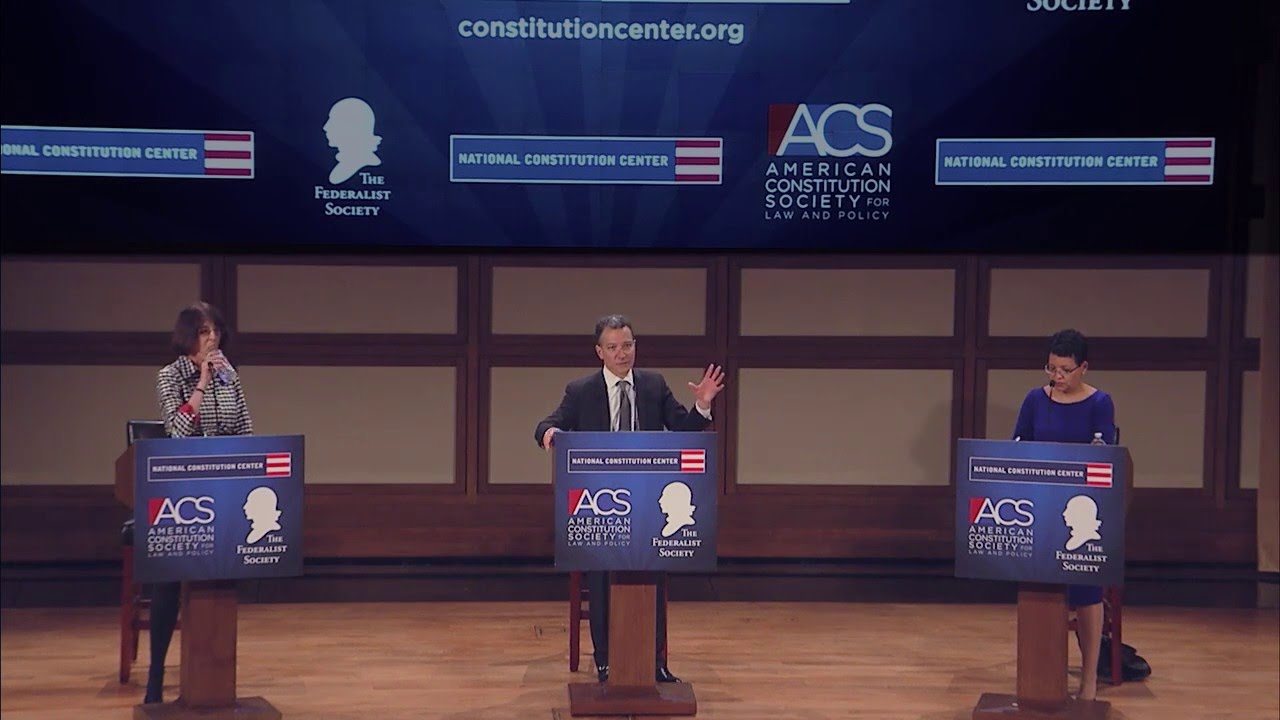
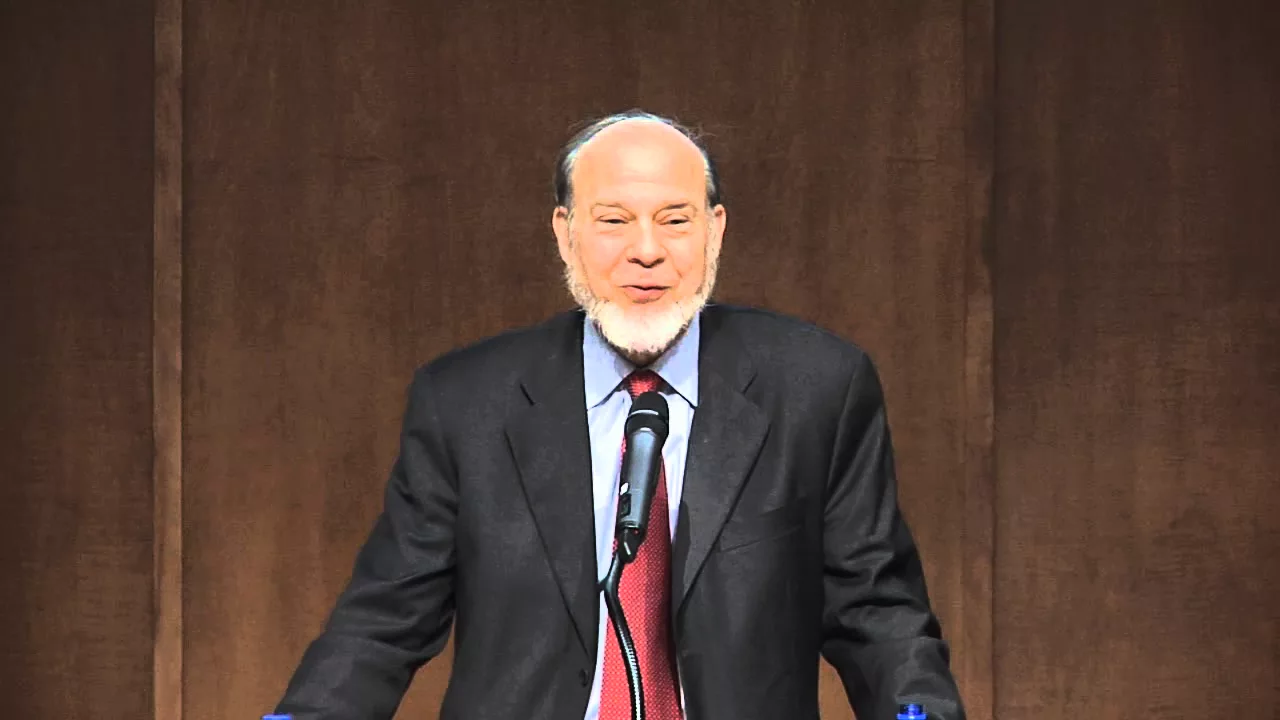




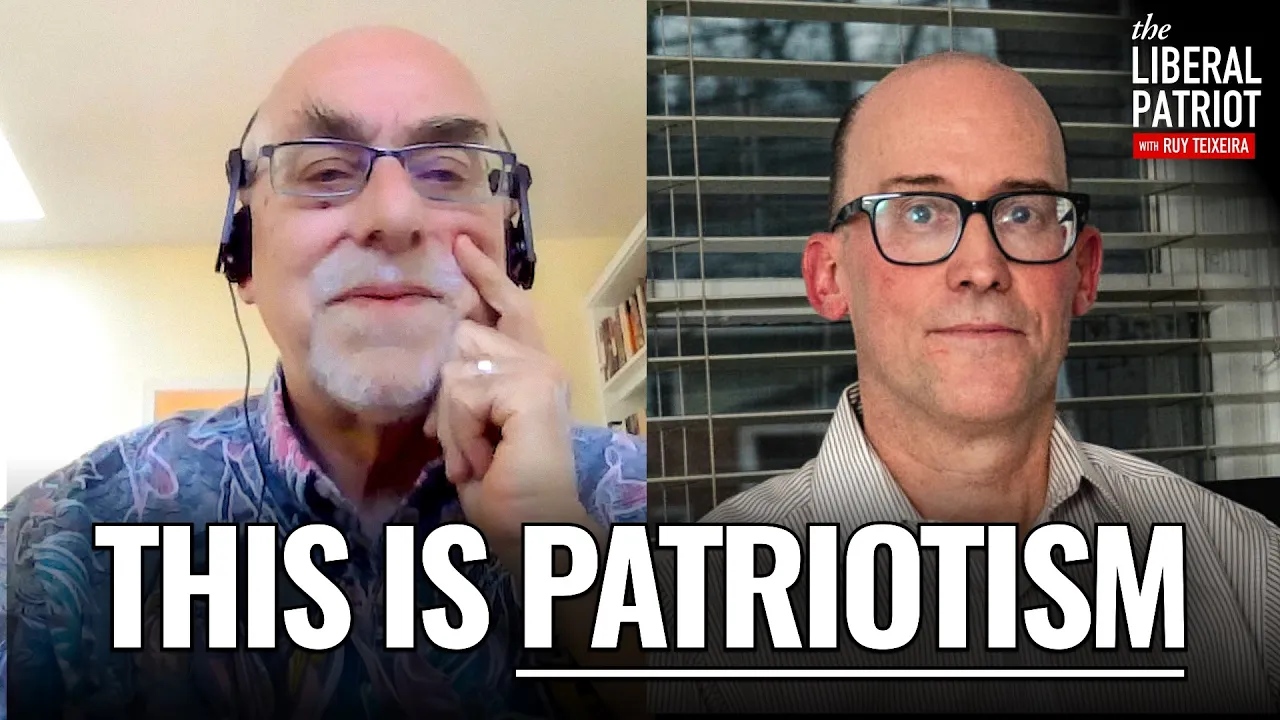



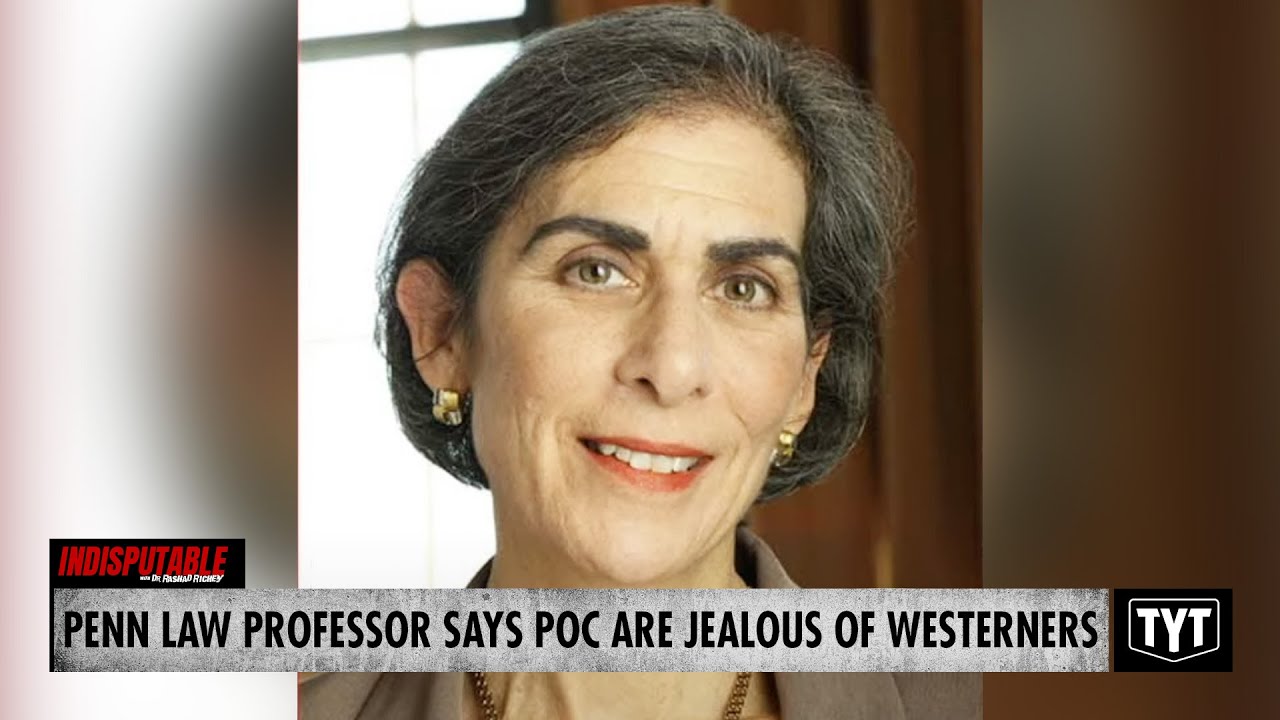
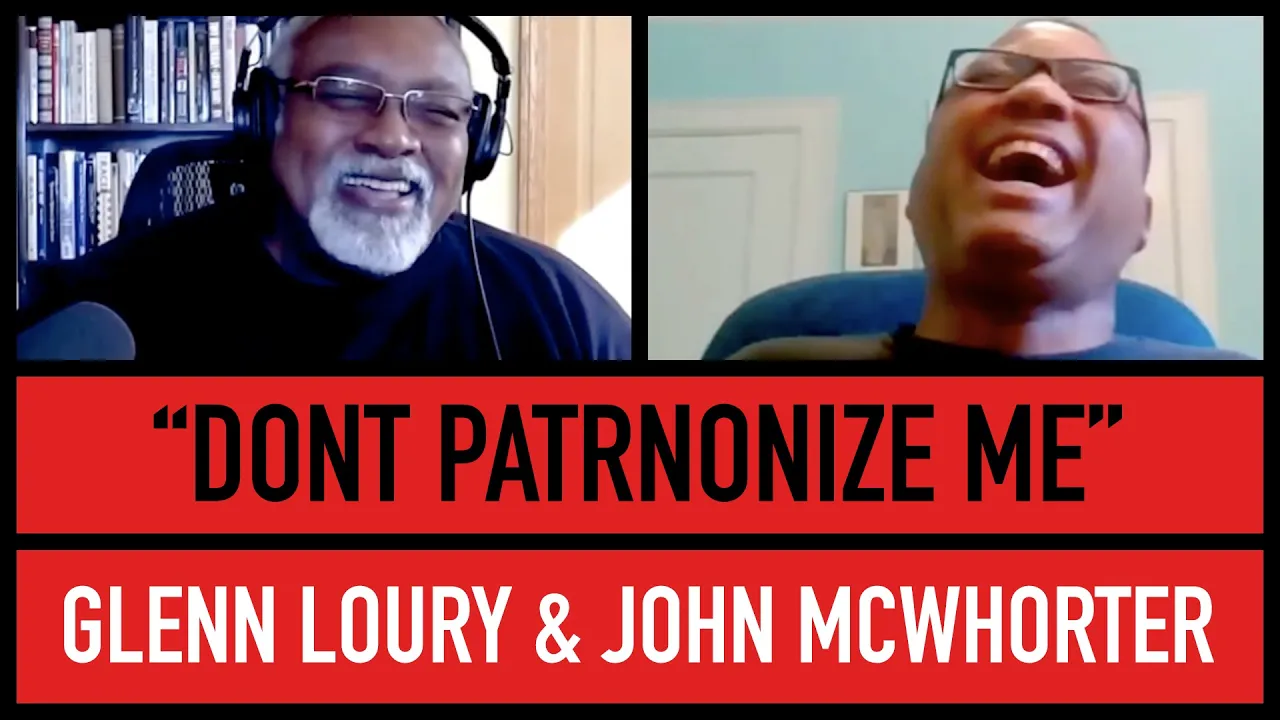
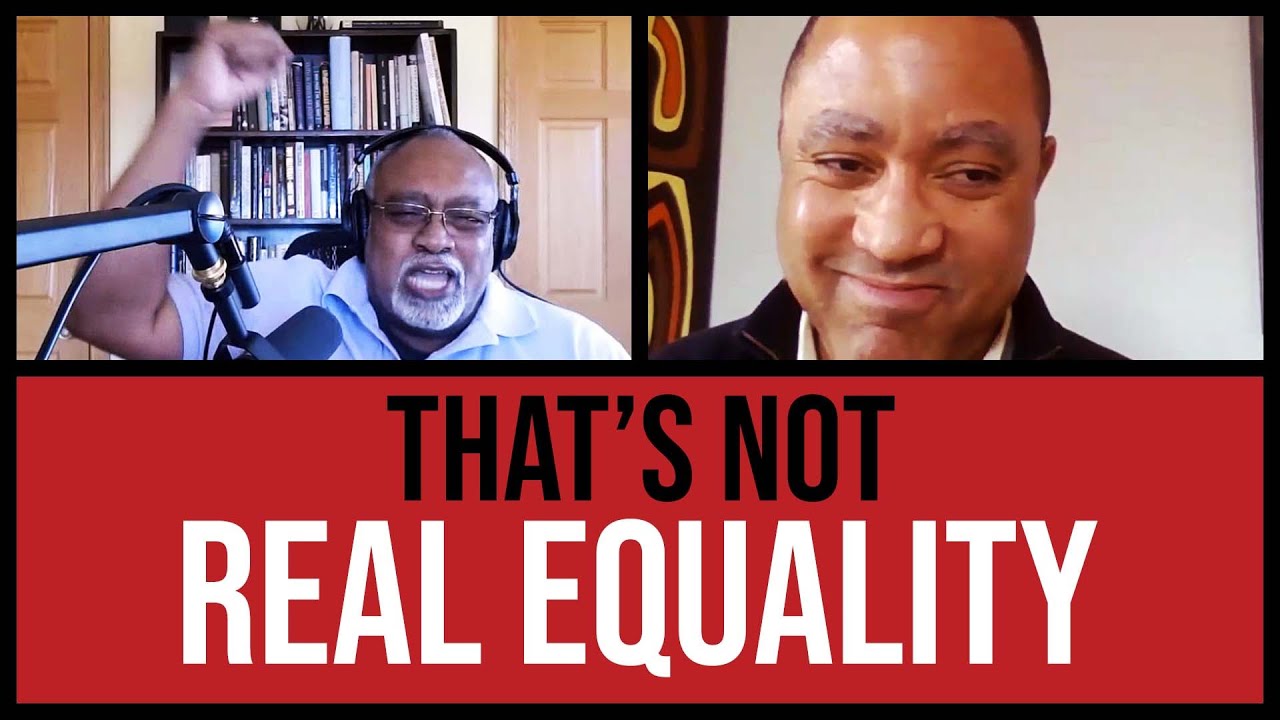
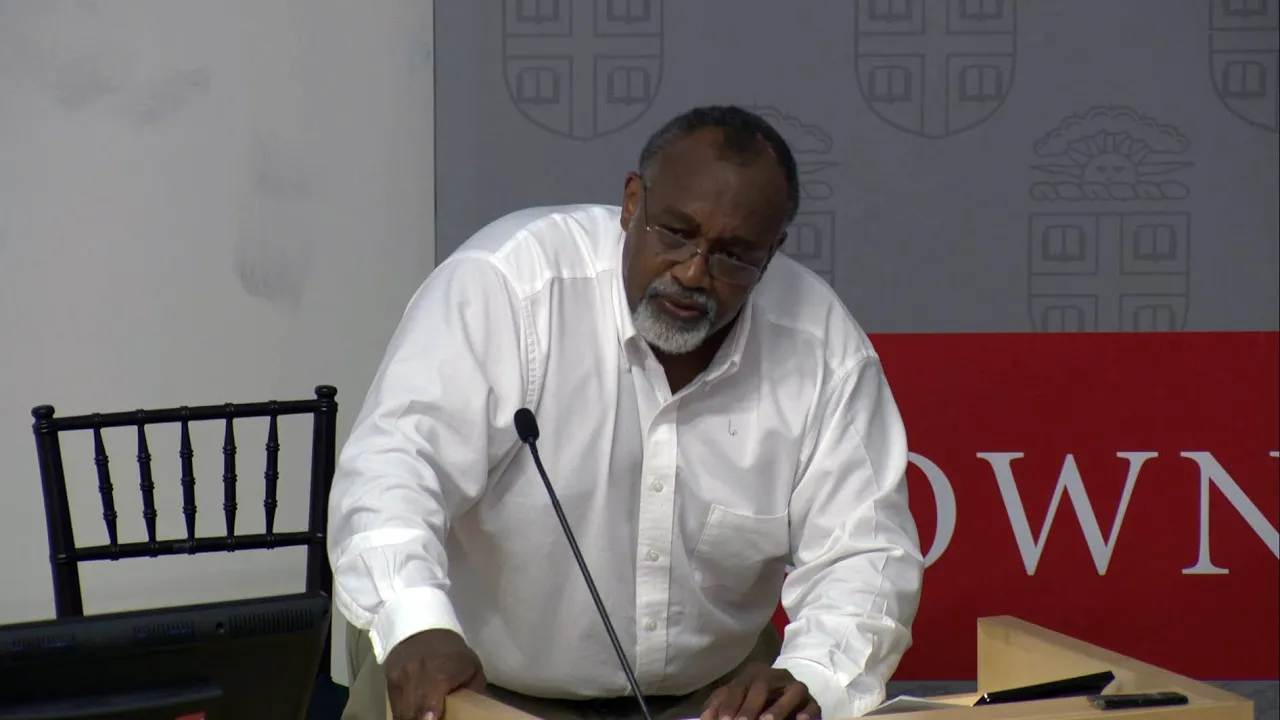
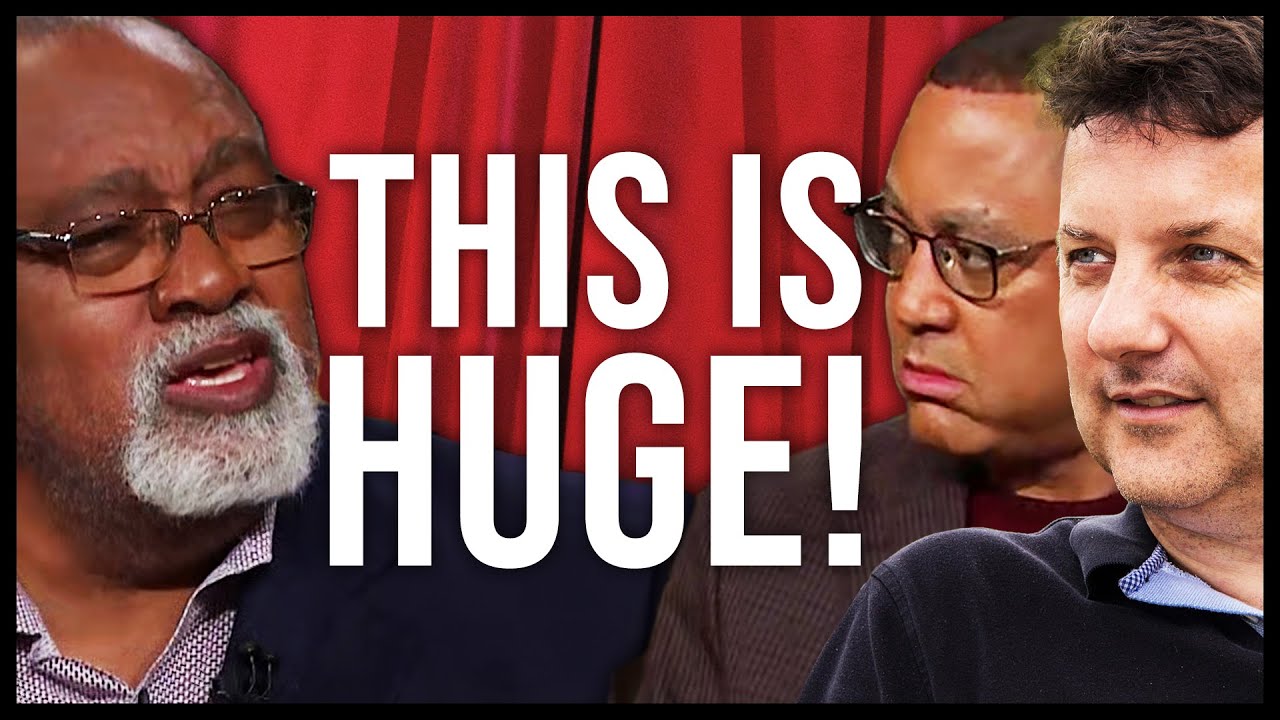
This video features a debate between two African-American professors at Ivy League institutions, Glenn Loury (Brown University) and John McWhorter (Columbia University), discussing the controversial case of Amy Wax, a University of Pennsylvania Law School professor who sparked outrage by noting that few Black students performed well in her Civil Procedure class. The conversation explores broader questions about affirmative action in elite higher education, including whether racial or socioeconomic preferences better serve diversity goals, the validity of Richard Sander's 'mismatch theory' which argues that affirmative action may actually harm minority student outcomes by placing them in academically mismatched environments, and the tension between maintaining academic standards and promoting diversity. Both professors acknowledge that while they initially supported racial affirmative action, they now believe it should transition to socioeconomic-based preferences, though they disagree on whether discussing performance disparities constitutes acceptable academic discourse.
Affirmative Action in Higher Education: Glenn Loury & John McWhorter Debate
Added:hey there John big one this is Glenn Lowry the Glenn show of blogging head TV I'm talking with John McWhorter let me introduce him before he runs screaming from the room he's John McWhorter professor at Columbia University I'm Glenn Lowry professor Brown University we are the black guy the blog hits that TV and we are here in John is nervous John what's there to be nervous about because our subject is affirmative action and Aimee wax and all that kind of stuff and I don't think that yours and my views of what she said are gonna be exactly what one would expect black college professors used to be and so yes we have to tread lightly here because I think that it would be very easy to be misunderstood as Aimee and yes I do know her as experienced and so yes let's proceed okay let me start by just briefly describing if there's anybody out there who doesn't already know the background story and then I'll allow you to say you know what you think and I'll chime in and we'll go from there so Aimee wax is a professor at the University of Pennsylvania Law School back in September here at the Glen shell blog at T V in the context of wide-ranging discussion that she and I were having we hit upon the subject of affirmative action and she allowed us how she rarely if ever saw black students in the top half and even more rarely in the top quarter of the class at the University of Pennsylvania law school and refer to her personal experience in her own classroom where she teaches the first year required course on Civil Procedure not seeing at all many blacks in the upper half of the class this produced a firestorm of protest and reaction when the video months later was discovered circulated amongst alumni and students and other faculty at the University of Pennsylvania Law School and induced a firestorm of protest as I say in which people demanded that she be in some way or another reprimanded or punished for having made such a slanderous and you know hurtful statements about the academic performance of African Americans at the university Pennsylvania law school subsequently a now be briefed her Dean Dean Ruger indeed did respond to some of this criticism and removed her from the teaching of this required course students shouldn't be forced to take a course from her in view of the attitudes and opinions that she had expressed this is controversial I had n me wax back on the Glen Show to give an account of herself just last week pressed her in a number of ways and I won't recapitulate that conversation anyone who's interested can take a look but this is a subject that John McWhorter and I have been talking about here at the Glenn show and in our own writings and so on public speaking for many years we are both african-american professors at Ivy League institutions and we have our views and so I thought it would be a useful expenditure of time for us to review this case and talk about the larger issues okay so that's my introduction John if you want to add anything to that or correct anything and then go on to say how you are seeing this case of wax and the more general issue of affirmative action in elite higher education known over the years of somebody who was quote-unquote against affirmative action and I'm not I understand that you can't just use grades and test scores in a blind man or in any kind of morally sophisticated Society but I believe that affirmative action in 2018 should be based on socio-economic and not race I quite explicitly believe that I completely understand what the rationale was for basing it on race and race really meaning black into an extent Latino people starting in the late 1960s that made perfect sense back then it was inaccurate but useful to think about being black as essentially being poor because that was much closer to what the situation was and I certainly think that for about a generation racial preferences of the good old-fashioned kind made sense but I do believe that sometime in the 1990s we needed to start extending this paradigm to socio economics and yes that would mean that affluent and many middle-class black and Latino people would not get preferences and we've talked about that before and I want to specify one more thing and I'm not gonna spend this whole thing specifying in hedging I wrote a book called losing the race almost 20 years ago now where I argued against racial preferences as they had played out in university of the California schools and I wrote specifically in Glen you did not always like what I wrote about students at UC Berkeley and what racial preferences really were like in terms of how they played out for me as a professor seeing rather strikingly different performance overall not completely but there was a clearly a generality between white students and the others I'll be done in a second and I want to make it clear that the way racial preferences were being done before the late 90s in a school like Berkeley was one where there really was a two-tier system and a great many professors admitted to me that they had perceived it in private but certainly we're not going to go on the record it was clear anybody who listening to me now goes back to losing the race and says well these are his views must know that yes they were but I was writing about a situation which I think many people today especially under about 40 would be surprised at I teach at Columbia University now I would not have any of those things to say about students at Columbia if there are racial preferences here and I genuinely don't know if there are they do not create any kind of difference that I have perceived I think that at the top Ivy's as has often been said whatever preferences there are do not create anything like the kind of difference I was writing about at Berkeley and many people were about 20 years ago so that must be clear yes I did write losing the race I wrote about a stark difference that I think was harmful to black students there but that was nothing like the sort of thing that I think many people are familiar with today so Berkeley 25 years ago that's quite different from anything that I'm teaching in now but I do think that preferences today should be based on socio economics rather than race the way and I think you agree with that that you're yeah that's not how I would have described my position although I don't disagree with the disquiet about affirmative action I I think and I want to get on the I want to do this and the Somerset border and I and I do want to talk about my views about friends but just to respond to you directly I also want to talk about Amy White's just to respond to you directly I think that there are some circumstances in which you won't be able to get quote an adequate number close quote of African Americans if you base affirmative action strictly on socioeconomic status because you know there are a lot of higher test scoring lower social economic status whites and if you run the numbers I mean this is somewhat dated analysis but Bill Bowen and Derek Bok in their book the shape of the river that's 1998 okay so it's twenty years old did run the numbers and they're looking at you know something like two-and-a-half or three percent of the class coming in being black if you're abandoning explicitly racial affirmative action at the most selective colleges and universities and that's probably not an acceptable number from a both a political and from the university's perception of what their pedagogical z-- might be so so I wouldn't throw all affirmative action by race out the window and the way I would put it is you have to calibrate by trading off the representation goals that you're seeking against the consequences of admitting students with radically different standards of preparation evidently you're Berkeley of the late 1990s or the early aughts was a place where the calibration was off the charts to aggressive affirmative actions so that the disparity in preparation between the students was so noticeable that you were disturbed by it evidently what's happening at the University of Pennsylvania law school at least according to Professor wax is similarly miscalibrated to the extent that the disparity and performance after admission is so great but evidently your experience today at Columbia University and I would say my experience today amongst my undergraduate students at Brown University is that whatever the degree of affirmative action that's being employed if any it doesn't leave the african-american students in a situation where there is a gross and obvious disparity in the extent of the no adult young people preparation so so but I don't want a week of cake because I have some deep issues with affirmative action and I want us to get to that but I wanted us also to talk about the aiming wax issue and I'll stop because I want to hear from you John you did in fact use your experience with students in your own teaching experience in that 2000 book of yours losing the race Aimee wax did something similar back in September of 2017 here on the Glen Show when she spoke about her experience masseuse and the question arises her experience with students and the observation she makes about the performance of african-american suits the question arises as to whether one violates some kind of ethical restraint you know when one goes a foul crosses a line somewhere if one stands up having been in the classroom with students it is then prepared to say well you know my black students on the whole just haven't been that good I'm sorry to have to tell you that but they just haven't been that good and I worry that their their performances below some bloke are in a way that is obvious to people and injurious to perhaps the students themselves what do you say about that did you see the conversation I had with Amy in which she made these as I would have imagined you did what what is your impression with what is your reaction to what she had to say and how do you relate it to what you had to say back in you know back at the turn of the 21st century yeah that's a good question when I talked about the performance disparity what I meant in this quite understandably got lost you know in the kind of crossfire that there was I think many people today maybe about under 40 would be surprised at how if you go back that far the main issue in terms of you know the soul Patrol and whether or not you were a good black thinker was affirmative action today that's been replaced by issues of police brutality but back then affirmative action was nothing that you talked about and I mentioned what I mentioned not in order to get a job at a conservative think tank hurt a lot of people genuinely thought that I wrote it in order to make money on the speaking circuit and things like that I wrote it because I was making an argument that the reason that a school like Berkeley had to create that two-tier class was because the students and their parents had not yet gotten to the point of being prepared to really hit the highest notes in grades and test scores and that that was not because of some moral failing and certainly not some cognitive failing but because Jim Crow was relatively recent and the parents of the students then yet acquired the skills the cultural capital as it's often put that are required to be obsessive enough about schoolwork in order to get into a school like Berkeley and I wrote about a kind of a disconnect from the school thing as you might call it which was a natural and understandable response to segregation to the fact that when schools were desegregated in the 50s and 60s black students were often quite mistreated by white teachers and white students so naturally you would dis identify and I said that if we're gonna get beyond those things although they're not black people's fall to just lower requirements for black people ends up preserving black students and families in the same sorts of patterns because there's no incentive to learn to do what's a stereotypically a Chinese or a Korean immigrant you know immigrant family do for their kids that was about my point now this is the ami issue it seems to me that and I'm not trying to do some sort of psycho biography of Aimee wax but when Amy talks about these things I think a lot of people might wonder why are you pointing it out and so okay you know and I think we're gonna talk about whether or not her claims are accurate but let's say just for now let's say that what she's talking about is an accurate generality that sure there'll be exceptions but that she's not crazy the question is why are you saying this now the last thing I want to say is that she's saying this in order to curry favor with you know white conservative think-tanks etc etc that was lobbed at me enough and I do know Amy and you know there's nothing nefarious about her so why do you think she doesn't if she doesn't say why then people are gonna wonder what are you going for so I'm hoping for example that she might be saying this safe maybe she's thinking of my argument that these students will only learn if their families absolutely have to do what the other ones do but the problem is this it seems to me and maybe I could be wrong but at the level of upends law school we're not talking about the sort of thing that I saw among undergraduates at Berkeley we're talking about people where there's as much as a 99 percent bar passage rate and so the question becomes what's the problem with let's say most black students not being in the top half of the class why and if Amy doesn't specify why she's pointing it out and if she just keeps repeating that what she's saying is factually true and that her detractors have not given her any countervailing data then it almost looks like she's saying and I can be quite sure she's not saying this but it ends up looking like she's saying that the black students just aren't smart enough and we need to arrange things so that we stop pretending that they aren't and so that's what a lot of people will see her as saying if she doesn't couch this message in a way that sounds constructive and you would assume that it has this message there would be something constructive about it what do you think of here let me let me answer for her I mean is a meta conversation here about we ask why so a person makes a statement it might be accurate it might be inaccurate but our inquiry goes not to the accuracy of the statement but to the motivations for having made it and we could have a long conversation about whether or not that's a legitimate way to engage in argument you know it's ad hominem in a certain way but I want to put that to the side for a moment and just answer you directly on Amy waxes behalf because we've talked she and I about this why I think she'd say something like the following she first say the comments that I made about the students at Penn law school were given as an example in the context of a broader discussion of affirmative action so I was not specifically motivated by anything about Penn law I just happened to make reference to that in support of a broader point the broader point was affirmative action pressures on institutions to get diversity often ignore the fact that the qualifications of the protected classes are black and Latino let's say are not the same that they're not as many qualified people and as a consequence when an institution doesn't get its numbers up to the diversity and inclusion committees desired you know goal the institution gets accused of not being inclusive of being racist of being discriminatory of not wanting to include black people in its midst she gave the example in our conversation of hospital a medical you know academic medical complex needing a chief of radiology and the committee the diversity police the diversity patrol reprimanding the the hiring group for not having any black candidates and its list of people that they were going to go after and she was saying well but if you search the nation and you look for a qualified radiologist who's african-american and capable being chief of medicine at a upin Medical School or something like that there aren't any or they're very very few and they're already at Harvard or Cornell so in that context she said so Glen we just have to face certain facts like for example at Penn law etc etc in my experience there very few blacks at topic so her motivation was to allow alternative explanations for the paucity of African Americans in very selective venues alternatives to the presumption that the institution is not open or inclusive a primary alternative being that there aren't enough qualified african-americans to go around so not everybody is going to be able to have their quota now on the question of whether she thinks that they're not up to it well at some level obviously she does think they're not up to it in the sense that they're not performing whether she thinks that's intrinsic to their genetic or other inheritance you know whether she's going there she said nothing to indicate that that's what she thinks I don't frankly know what she thinks about that I don't want to speak for her in that regard but it feels to me like if someone says you know we don't have many black students in the law school who are doing well and then someone says well you must think blacks are genetically inferior it's that latter speaker who needs to give an account for himself or herself why do you impute that belief to someone who simply pointed out what is or is not a fact so so I'd say that but but I do want to credit and I think even she would credit like I'm talking for a long time John I know I'll let you go on but difficult I do want to credit the idea that some kinds of conversations compel us to invoke this ad hominem kind of query why is that person saying that so let me give an example and this is an example I used in discussion with Amy wacks last week we have a big city we have a precinct police precinct commander and he's being interviewed on the news about crime in the city and the police precinct commander says on the news for everybody in the city to hear I regret this but I'm here to tell you as a matter of fact most of the crime in the city is committed by blacks you don't like racial profiling well I'm here to tell you most of the violent criminals in this city our black most of the homicides in this committee are perpetrated by blacks a lot of the robberies way disproportionate to their number in the population are perpetrated by blacks when we police on the streets and late at night in dangerous neighborhoods you know who we're afraid of they're blacks now that police commander might be sailing the fast a series of things are gonna happen what is she or he are going to be fired for a new job okay another is black lives matter is going to be in the streets in the bucketload complaining about racism in the police department another is policing is going to be made less effective in that city but that police commander having said that and if it were a gratuitous remark if he said it for no reason other than to be able to say it we would have to think much less well of him then if that remark were somehow relevant to some broader context of a public discussion that you know someone said for example well you know there's a whole lot more white violent crime than there is black violent crime and then he answered well no that's not true actually there are more black violent criminals not that that's especially relevant or whatever that would be different from him just going out on a limb and you know gratuitous ly and almost flippantly pushing that into people's faces so you I think you could say that one wants to be careful there's a reason why we don't say everything we think in public about a lot of issues and it's called civility we want to maintain everyone's confidence that the conversation is not somehow a threat to their very existence are their to their dignity or their self-respect something like that but I think Amy would answer the reason I'm saying it is because everyone is accusing these institutions of being racist and that's not correct let's get it right the institutions are not necessarily racist the problem is there are not enough qualified people of color to fill all of these positions okay and you know most of what you're saying I mean these things are are true and it's unfortunate that they're true you can we can call it generically the black radiologists example there are times on a committee services and there just aren't very many black candidates for what could be any number of reasons it could be legacy of segregation it could be just the luck of the draw that year it could be that for one reason or another culturally black people may be less interested in a than in B or than C sometimes there isn't such a black person and I don't know in my general you know career and just looking at how things happen certainly very good thinking people often end up going for it say the black candidate because they think of it as the right thing to do when maybe they shouldn't have I mean even in my own world I'm not gonna specify who but I have seen that happen in linguistics where there was a top-rated position in a very top-rated Department where a black person got the job this was long enough ago that I know saying this and I'm not gonna give it away a black person got the job who transparently was not as good as the other three people and I heard from two of the other three people they kind of presented it and that person had a hard time getting tenure that person's career has been quite mediocre or to atone for what I just said about that person me Cornell hired me as a fresh-faced 27 year old out of Stanford I was hopelessly under-qualified I'm an autodidact and so I taught myself only what I needed to know I wasn't really a good linguist yeah some people say I'm not now and I was fiery basically because they had money for a black candidate and because I'm well-spoken and they thought that was the right thing to do to bring me along and I made a bit of a fool of myself especially with the grad students to this day I'm sure people now who I taught at Cornell back in 1994-95 who see me sounding off about affirmative action and say well that's a little ironic given you know his seminar mocking grammar so I've been through it myself openly admit it so yes all of that is real but I think Amy chose an unfortunate example and then using her class or classes as a demonstration because once again if where she is the fact that affirmative action and didn't matter in terms of the future performance of these students out in the world say in passing the bar exam if it really had no particular impact then I think she would have been advised to consider that for example I'm sitting here referring to something that happened 25 or 30 years ago and even now I'm cringing because some people who know me might know who I'm talking about she's talking about people who are sitting in her chairs right now and so I don't want to say god damn it she brought it upon herself because I know that she was just trying to make a point and I imagine she wasn't thinking about what the consequences would have been I mean certainly when you're doing a video blog you don't feel like you're writing and you know we're all new to this social media business there are many things I've said to you here that I would never put in print and I'm you're not sure who's exactly listening so she got kind of surprised but the question still is why in the case of her classes does it matter and I I disagree with you slightly in that given the nature of it we're talking about people sitting in chairs working their butts off in law school who she's standing in front of if she doesn't explain why she's bringing it up very clearly and in this case the fact that there's the black radiologists example isn't gonna go through for many people because it doesn't seem as crucial if she doesn't explain this as big hollowness it's just it's as if there's an arched eyebrow that she didn't intend that's gonna leave a lot of people thinking if she doesn't say why this matters then is she basically communicating why it matters without saying it because we know that there are people like that and that is what's alarming okay John by the way that confession of yours about your making a fool of yourself at Cornell University because you had get hired as an affirmative action hire you weren't quite ready for primetime you are now but you weren't then let us be clear about that that's quite a that's quite a tale man and so long but yes I know what that's like how it makes the beneficiary feel but still these things definitely happen and they're done by very normal well-meaning people have no idea of the larger implications so well I mean let me point out that there was somebody else who might have wanted to take that job oh that you got and that person has got a beef right they and after the fact when they see you falling on your face I mean they've got even more of a beef they're saying oh yeah I know who wouldn't have gotten that job and so did a lot of people and he was much better than me some people would say he still is and it's absurd that he did not get that job it was wrong it was so long ago now that you know we can talk about it but that's how these things go all right John we're back slight interruption but in any case what was the last thing you said do you remember I think I was saying that I was a transparent affirmative action hire at Cornell okay and so basically we were just saying that yes there is the black radiologist and it's not that there's just some of that that does extend its fingers throughout society it's a general philosophy about hiring a black and I think brown people but I was just saying that well still maybe Amy didn't choose the most felicitous example in choosing her present-tense classes as an example simply because it's not clear that it matters and so to hire a less qualified black person because you think that it makes you look good yeah there's a there's a problem with that especially because people tend to refuse to admit that that's what happened okay well classes what's the problem here's an example of where it might matter judges are looking for clerks they tend according to Amy wax and I have heard no one contradict this to be very concerned about hiring of Supreme Court justice a federal appeals court judge about hiring law clerks who are at the top of their law school classes they want young people who are crackerjack legal analysts people who are able quick studies who are able to absorb large amounts of written material associated with the cases that come before these courts and relate them to the law and helped to draft briefs I should say opinions that the judges will ultimately sign off on that will become law and they want the brightest students they want to hire from the top of the class they're concerned about grades now if it turns out that african-americans are being admitted to the law school with lower academic qualifications lowered GPA and college 'lord performance on the test scores that doesn't have to mean that they're stupid but it might mean that they're not prepared for whatever the reasons might be and there could be many historical and social and cultural reasons why and if the culture of affirmative action forbids one to discuss the differences in the performance of students after they've been admitted given that they have been admitted with a different standard then that forces a kind of dishonesty onto the entire conversation I mean you have to avoid saying things that people know to be true there just aren't so many crackerjack legal analytic minds amongst the african-americans matriculating at these law schools now I'm not a law professor I don't know that that's the case but I can read the statistics just like anybody else the analyses of the test score the statistical correlations of entry qualifications with the subsequent grades and so forth you say why does it matter the old saw does anybody know Johnnie Cochran's LSAT score Johnnie Cochran now deceased he was the the attorney who got OJ Simpson off back in 1995 or whenever it was and he was a pretty good attorney you'd have to give him that and whether or not he scored high or scored low on some paper and pencil tests would seem to be largely irrelevant and a person might say that this is more broadly true this focus on test scores and even on grades is excessive and you know kind of fetishizing and that what we should really be looking at is the long arc of the careers that people have who were admitted under affirmative action and so forth both an embark in that book that I've mentioned shape of the river make a point the data that they have allows them to follow students who've been admitted to elite universities and colleges for 15 years after they've graduated and they make a point of stressing that these careers look pretty good in terms of people with succeeding making partner getting advanced degrees of making civic contributions to their communities and so forth and so on it may be true that Michelle Obama benefited at Princeton from affirmative action when she was admitted but she hasn't done too badly and life some people would say cetera et cetera so why does it matter and I think it doesn't matter John actually I really do I think a couple of things and I want to hear your opinions about this I think it matters for the institution's because by the way grades and test scores are the way that we decide which blacks to admit just like we decide which whites in which Asians to admit based on grades and test scores I mean I find it an odd argument that grades and test scores don't matter for inter racial differences why would we emphasize grades and yet they're the only thing that matters for intra racial differences let an african-american who doesn't perform so well and who comes from a poor socio-economic background show up at an Ivy League school and say that upper middle class black that you just admitted with the two hundred point lower combined SAT score compared to the average white well my SAT score is 200 points lower than his but I deserved that see that argument is not going to fly that arguments not going anywhere you want to quote the best close quote of the minority applicants to be the ones that you miss so do grades and test scores matter and don't they that's one kind of point but another kind of point is don't we learn something about the pre-application educational development of these populations from the fact that there are such large disparities in the quality of the applications that they're submitting that affirmative action is of necessary intervention to secure a sufficient number of blacks isn't there a problem before the admissions process actually takes place which is being buried or avoided to the extent that we say test scores don't matter let's just get an adequate number of african-americans and now conclude with this so one point is intro racial discrimination depends on the tests how come it doesn't matter when you're talking about interracial differences the other point is the tests are informative they're not these are not random things these are things that are telling us what developmental accomplishments have been made by the people who are taking a test but the final thing that I want to say is my god with 40 years on with affirmative action 50 years with 50 years along with the firm of impaction our african-americans really content to make our stand here our stand being we want equality and inclusion in American society and we insist that you treat us in a deferential way in order to achieve it we insist that you not judges the way you judge non-white immigrants from South East Asia the way you judge a lower class white applicants from Appalachia don't treat us that way we're black our ancestors have been enslaved we suffered Jim Crow racism is a real phenomenon white privilege continues to exist look the other way at our relative lack of preparation and an accomplishment when we when we compete this is competition not everybody is going to get in a brown admits one out of 14 applicants if I'm not mistaken so it's already highly selective do we really want to take a stand in the 21st century on a political ground and not on the ground of objective accomplishment I'm not saying this in order to let any white person off the hook I'm not saying this on behalf of Amy Fisher or somebody who got rejected at a school because of a friend at I'm saying there's something out for black people really you're content to make your case on the basis of affirmative and don't take our favorite of action well you're a racist because you want to take our for intervention which rather than making your case on the basis of I have met stirred the curriculum I am in command of the material I am very good at what I do you can't keep me out because I'm very good at what I do we don't want to be very good at what we do now people gonna get mad at me but you need to look at those scores those scores the gap in those scores is humongous it's telling us something about the under development of our people in the end of my sermon and I wanna as always I understand what you're saying but we also have to try to get into the eds of the people who have just listened to you and thought that you were somehow crazy or you were somehow missing something and I will never forget something that a very bright girl said to me at UC Berkeley and it was awhile ago now but I don't think it was completely irrelevant I think that there is a part of many especially black observers of this sort of thing and I think a lot of white fellow travelers feel the same way too deep down which is that beyond a certain point black people making really tippy tippy top grades and scores is irrelevant because there are other things that are more important to being a thinking or a where a black person I think there's a subtle if you have identity I'll never forget it's it's it's rare it's kind of like you find a dinosaur fossil by accident because a little part of a knuckle happens to be protruding above ground but you're not usually gonna see it this girl she was a black eye undergraduate I should say black woman not girl she was about 20 years old and she had been working in the office helping to recruit black undergraduates to Berkeley her job was to you know help walk black students around who her perspectives and to help green black soon to Berkeley wonderful so once preferences had been banned and during the spring there's this huge protests that if you ban the preferences then you're going back to segregation etc it said I wrote about this and losing the race I was talking to this girl about what was going on and this was before I had written the book before anybody knew that I had any you know views of my own as a black person so we're just talking about it and she said something really important I said so how's it going with recruit and she said oh well we're we're really worried and I said well is it that there just don't seem to be any black students who qualify under the new rules and she said oh no no it's not that she said this straight out I'll never forget it she said and she wasn't a dramatic type she just said it she said but what we're worried about is black students who perform at that high level aren't gonna be concerned with there being a black community at Berkeley she said it straight out and what she meant was that if you have black students who really are you know performing like Chinese or Korean American students then they're not gonna be really black they might not like black people they might not really be concerned with having mostly black friends they're gonna date white people they're not really black her assumption was and I don't think she had thought it through but her assumption was that anybody who was that much of a grind was not gonna be what she thought of as an authentic black person and she didn't say it with a frown either I thought I found that very articulate in its way because I think that a lot of that cuts through why so many black people and white fellow travelers are comfortable saying we fought to be equals now you better treat us as unequal or we're gonna call you a racist the idea is that beyond a certain point you're not a real black person if you're doing that well now of course nobody would say that overtly and I think most people accused of it will resist that's that's natural I don't think that means that that isn't part of the philosophy and these are hard things together and it brings me to a me so for example let's say that part of the problem is what these clerks are saying off the record the problem is and why these things are difficult is that if all of that is only hearsay that doesn't mean it isn't true but it means that one you better have heard it a lot it better be real hearsay and - you've got to stress that I would think if you're gonna talk about this performance problem because once again people are gonna ask why are you saying this what's the point what are you trying to help that would be something very valuable to bring up or and something we haven't talked about I don't know if this is a problem at the level of you pen but elide it in a lot of discussion has been the work of say Richard sander back in the US when he was the work of who I'm sorry Richard sander oh yeah okay yeah except yeah buddy where he studied what I believe was tens of thousands of law students over a broad swath of schools not just a few selective ones over a long period of time and he made what was really an impregnable argument that students who were admitted to schools beyond their qualifications suffered because overall they had strikingly low rates of passage of the bar or at least had to try two and three times whereas if they had gone to schools where the teaching were more at the pace that they were used to because of their modest preparation then they would have been better prepared to pass the bar and he was making the argument that affirmative action in law schools lowers the number of black lawyers now this is what's important about Sanders study of course the usual suspects wanted to dismiss him and the fact is they didn't succeed and this was a time when I was paying close attention to things like this I think a lot of people read something by Emily Bazelon who I admire very much but I think she missed the boat on the sander study there was a law review I honestly forget which law review that actually solicited six responses to sander where people attempted to tear him to pieces if you read the Stanford it Stanford University School Stanford level the wonderful thing about law reviews is how clearly they tend to be written so that somebody who isn't a legal theorist can actually read the work I read every word and I admit I had a little bit of a bias but I could not see how sander had been destroyed by this analysis it was people waving their hands waving away what they found to be inconvenient data and even more recently on Peter are two beocca no nobody says are to die oh no Peter are to die oh no and somebody else's name I forget did a study of scientists making a similar conclusion about I think it was four years ago that with this over placement this mismatch as it's called the reason you want to talk about it is not just because well damn it there's a mismatch and it's not fair but there's a mismatch and it means that there are fewer black scientists and they weren't even expecting to find that and so these are things that are real and let me excuse me I just want to add a couple of footnotes Sanders study published in the 2002 for Stanford Law Review was based upon the law school admissions council data from I think the years 1991 it's the early 90s they have the universe of applicants everyone who applied to a law school who had to take the law school admissions test is included in this sample and he was able to differentiate between elite law schools and less selective law schools and he was able to analyze not only by our passage rates but to relate that to the great performance of students when they came into the law school finding that african-americans were clustered at the bottom of their classes in the elite law schools in those years and that the fact that they were so clustered was negative had a negative effect on their bar passage rates and he ended up with the conclusion that if you didn't have affirmative action the number of blacks going to law school would probably not follow that much they just go to different schools schools that were less selective where they'd be better matched and according to his analysis their passage rates would be higher now the critics I think there were some statistical arguments against his conclusion that you'd actually have more black lawyers if you didn't have affirmative action but nobody was able to disprove the claims that he was making about a the huge disparity and the qualifications of kids coming into law school by race and be the consequential differences and the rates at which they were performing the levels at which they were performing a post admission and the numbers are really shocking it's something like I don't know three quarters of African American students in the bottom fifth the lower to deciles of the great distribution after the first year in the elite schools in the early 1990s the other footnote I want to add is on Peter our city of the Econo is how I would have said it but Archie I think I don't how to say it but Peter at Duke what they did they're looking at Duke University data and they're looking at kids who have come into the University and majored in the sciences and engineering and there are dropouts people who switch their major before they finish getting their degrees out of the sciences and engineering and into the social sciences sociology or the humanities and he and he was saying there's no racial difference coming in in the rate at which black and white kids want to get degrees in the sciences and engineering but the dropout rate for the black students is much higher from the sciences switching over to non technical fields and he says that disparity is entirely explained by the differences in their entry level test scores so did if you compared black and white students with the same qualifications coming in they had very similar rates of switching out of the sciences but because the qualification of differences were so great due to affirmative action the result was that black students who might have gotten degrees in physics or chemistry or Electrical Engineering at another university where they were better matched end up not getting those degrees in the sciences at all this was what Justice Antonin Scalia infamously was referring to when he made reference in the context of this University of Texas case the Amy Fisher case that how do we know that blacks wouldn't be there wouldn't be more scientists and engineers if they didn't go to such fancy schools everyone got mad at him Justice Scalia for seeming to suggest that blacks weren't fit to be scientists engine in engineers but in fact he was saying something quite different so thank you for allowing me that extent I just got I thought we ought to get the record because I I'm afraid that the response to our bringing that up is going to be of a certain caliber that I hope it won't i watch sander give a quiet presentation of his ideas at to role law school near here in New York City back in 2005 they it's set up so that it was him and then they had to respondents to him one of them was a black law professor I imagine she was in her in her 50s you know seasoned person who sat there and actually compared him to William chocolate the person who talked about black people have any lower IQs just looked at it peaceful you know call him that as if this was the most morally impregnable charge in the world and sander frankly is not a firebrand and then there was this young representative from the n-double-a-cp who got up and gave one of the most repulsive orations I've ever heard her sneering tone I sneer was absolutely repulsive to me she sat there and said there you go Richard sander making references to your biracial son when you actually want to exclude all of these students of color from of color from law school just just repulsive and that was what he was up against and poor sander sat there I don't know how he did it a smile on his face pretending that all of this was a civil debate he didn't deserve that and the saddest thing is that that is the kind of response that many people will have to the two studies that you just so perfectly described and I don't think that it's empirical I mean frankly that is Galileo's inquisitors that is religiously anti empirical to refuse to faiths data like that in any way and that means I assume Amy knows about this sort of response to things like this and so part of the reason she's in such hot water it's because she is dealing to an extent of Galileo senator you know back in the day and I have been around for a while John I remember the late 70s in the early 80s I remember when Nathan glazier published his book affirmative discrimination this was the sociologist at Harvard a very sweet man a decent man and a progressive politically oriented person this is Nathan glazier the sociologist oh no I I do not know I don't know what he's living or not I certainly hope they do living that's not what I meant I just met the distance the late seventies the early eighties that's all I care and there was a furious firestorm against this gentle and decent person who simply was raising some questions about affirmative action and I remember when Harvey Mansfield published his essay called the underhandedness of affirmative action this would have been about 1982 I know that he won but you can find it it was in the National Review it's a it's a classic period piece this essay where he he calls to our attention something I think is true and has been borne out by the last 35 years of experience which is affirmative action is a deeply subversive policy and here's what he means it undermines a whole lot of stuff because you're going to end up in this position of having this conversation about how come you're putting so much emphasis on brain power how come you you know it's like a cult of smartness you you think that everybody who gets their position as a partner in a law firm is smarter than everybody else stuff like that you end up with okay maybe the subject is too mathematical you know women and blacks are not necessarily as strong in math maybe we should tone down the degree of mathematics in the subject in order to accommodate the students who are here you end up with stuff like okay this one got a 4.0 this one kind of 3.2 what difference does it make really you end up with stuff like the acting white thing that you were referring to earlier which is that authenticity and a commitment to the cause means that you have to eschew a certain kind of elitism which is ridiculous since affirmative action is almost by definition and elitist policy I mean I want to emphasize this and I was referring to it a bit earlier amongst the African Americans who were benefiting from preferential admissions in very selective venues there the creme de la creme of the African American population seeking to be included within the creme de la creme of the broader societal of social order if there weren't hierarchy there'd be no need for affirmative action affirmative action is parasitic on pre-existing inequality these places like I say Brown admits one in fourteen applicants that is hyper selectivity the whole game is based upon us being included in the hyper selective chosen elite okay so it is not a democratic policy it's an elitist policy you just want to spread the elitism round around in a racially egalitarian way and any serious philosopher could pick that one apart it seems to me without much effort could expose the internal contradictions and the dishonesty that's a implicit part of this debate so all right I just wanted to reiterate my point which is my god we're in the 21st century we're a half century past the civil rights movement really is a way of life permanently and ongoing forever we african-americans are going to depend for our inclusion within the most selective venues in the society upon a special dispensation based upon the suffering of our ancestors really is that what is that what you call equality that's not equality and everybody knows it and I'll just conclude people are blessing when they come out with this these histrionics oh you just said that I was stupid you just said that you just bought the charles murray argument about how we are intellectually if you're they're bluffing because that's not the claim the claim is you didn't learn how to do calculus well enough to get into Caltech that's the claim and that's actually unfortunately too often true okay so if you make if you pillory Amy wax and her ilk you're gonna end up with a lot of data on the table that you don't want to see data that actually follow objectively the performance of people and assess them according to neutral criteria and fine african-americans too often wanting if we don't address the fundamental underlying developmental problem more people with a command over calculus that lets them get into the engineering school at Northwestern University or Cornell if we don't address that problem we're not gonna get equality we're gonna get being patted on the head you know something right I just wanna let's insert this because it's interesting you mentioned charles murray you know what a month ago i was on the train and semi disturbed i think black gentleman was doing a rant in between asking for money and you know he mentioned charles murray that's not deeply these things permeates out that's amazing he said if i'm gonna get bleep and he said in charles murray can suck my dick Oh John so that is how oh yeah but John but also um you talk about this um orthodoxy cuz is that I loved a line that we used to get from about 2002 until no 2000 until 2008 on affirmative action it's the discussion of that was waning I used to love this this would come from whites whites would say when they thought that they were arguing for us they would say well why did test scores and grades matter so much when George W Bush is president and everybody you know people snap their fingers and think of this is a great point and I started anticipating that point when I would do talks on this and I would saying I don't want to hear anything about george w bush because why in the world would we want to compare ourselves to him and why would you if you're speaking for black people want to compare the rest of george w bush don't you see the insult and as as recalcitrant as people could be on this issue i used to notice that would through but why did i have to tell them you know it's just the way we're often encouraged to think about this sort of thing means that you say things that it couldn't possibly genuinely mean and it brings me that did this though this is not a transition but it was something i think we need to discuss a me being barred from teaching her first to your classes and you know something you and I are gonna disagree on this I thought car about this one I agree I agree with that decision and I agree with that decision very reluctantly because given what has come out what's out there and the way we cannot help that it will be discussed we can't help it we live in a world I really do feel that a lot of black students would take classes from a me and feel uncomfortable they would feel like she assumed that they weren't gonna do well and I know she didn't intend that she didn't intend that at all but it's out there it's on blog that's we have to get used to the fact that that's like writing something it's viewable you can see it on your phone and I can see how black students would feel a little uncomfortable now this is what's important here would be Claude Steele psychologist and I think Stanford stereotype threat the idea that if you walk in with that stereotype threat hanging over you in the performance now I've always thought that that was a very weak thesis in that he set students up under conditions of stereotype threat in an experiment and notices that their performance goes down but there's never been an answer to the question as to whether real life sets you up with that stereotype threat when you're demoting school here would be a case where suddenly it was the real now you know what I wish that the students wouldn't feel that way quite frankly maybe because I'm strange if I walked into a classroom if I were a law student and yes if I were only 22 or 23 and I knew that the professor had said something like that my innate maybe sense of it my parents didn't teach me this it's just me because I'm stubborn my sense would be I'm gonna show her that that's not true there's no way I'm gonna knuckle under to that but you know I don't think that that's the zeitgeist I don't think that many black students would feel that way under today's orthodoxy I think most of them would have in nineteen fifty I'm thinking of black people a very long time ago where you know they would have assumed that professors thought that way and the idea was we're gonna show them that that's not true Thurgood Marshall would have understood that we live in different times and I think it's a regrettable aspect of these times but these students innocently are going to teach to one another that that's the way you're supposed to feel in her classroom and as such it might lower their performance and it is not a Smackdown to say that the grading blind because before the grades happen is busting in class and so I actually think I don't think Amy should be not because of penalization but I think that frankly if Amy were to be allowed to continue to teach those classes there would be endless you know protests I don't think we agree but let me credit what you said which is that her being out there in the way that she is poisons the well in terms of her pedagogical ations with students of color in her classes even if it doesn't adversely affect how she evaluates them blind grading and all of that so I take that point and by the way that's related to a point that one of her colleagues said to me in private correspondence and I won't name this person but the content of it was if she had gotten poor teaching evaluations from students the Dean won't might have chosen to remove her from to reassign her teaching well massive protests from people of color that they can't countenance her in the classroom is a little bit like poor teaching evaluations no let's face it so the administrative decision to remove her could be justified purely on the basis of that whereas I want to say in the reason that I disagreed with the deans decision and disagree with you and in this to this extent support amy wax is that it feels like she's being punished for having her opinions it feels equivalent to me too if she had come out and said I voted for Donald Trump and think he's a great president and then a lot of students had said I can't study with somebody like that and that would deeply disturb me or if she were a geologist or you know earth scientists the climate scientist and she said I disagree with the Paris peace of God climate Accords I disagree thinking that that's a bad policy I think we should mind coal anyhow because and then there's some argument about why this person hypothetically would think that and then someone would just say well you can't teach introduction geology because now you are perceived by our students as being somebody who doesn't care about the planet and to me there's that that's a slippery slope it disturbs me that people be taken classes for having penny opinions that students don't like so it seems to me that there's there there's more than one side to the to the concern about specific is somebody who said something about performance and preparation and therefore location intelligence that's kind of the third rail you know she's one teaching excuse me for interrupting you know she's won twice she's won a Teaching Award yeah her students for her excellence as a teacher in the classroom yeah it's just to think of how this would be now a black student could very easily if they happen not to do well for whatever reason claim that part of the reason was that amy wax made them inherently uncomfortable and let's face it they would be warmly supported in that by many other black students and if only by a silence most of Amy's faculty there would be endless situations like that I think that quite frankly Amy might find it a relief not to be teaching those classes and to only teach seminars after when it would just create a kind of a mess that would keep all of this going even longer I mean really we have to imagine our children going going into that class you know I'm tempted to say I would teach Dalia and Vanessa not Tanaka but you know the truth is who knows what their individual constitutions would be like this person has said this about black students and you just try your best I don't know frankly I can see how maybe it would just be better if she were relieved from teaching first-year classes now she lost her job then frankly I'd be screaming in the streets but that's not what this is even if it is a penalty which obviously all right I don't think we agree but it's a close call and and I think this is considerable merit in what you're saying why don't we leave it at that job we've been talking for a while yeah we did it didn't we is there something else that you'd like to say by way of conclusion no I got it all in yeah we're on the record John McWhorter Glenn Lowry the black guys are blogging heads on TV we do not shrink from the difficult questions I think you could give us that much if nothing else but we try thanks very much John thank you okay see you soon papa
Up Next

Cuts and Transitions in Film Editing: A Comprehensive Guide
@RJFilmSchool
4.4M views•2016-03-03

Triumph of Orthodoxy Icon: Byzantine Art & History Explained
@BenCallan
2.1K views•2024-08-06

FastAPI vs Flask vs Django: Choosing the Right Python Web Framework
@TechWithTim
302.5K views•2024-05-26

Game of Thrones Opening Credits: A Cinematic Analysis
@gameofthrones
46.3M views•2011-04-18
Related Study Plans & Knowledge Roadmaps
Structured learning paths in General & Interdisciplinary Studies