









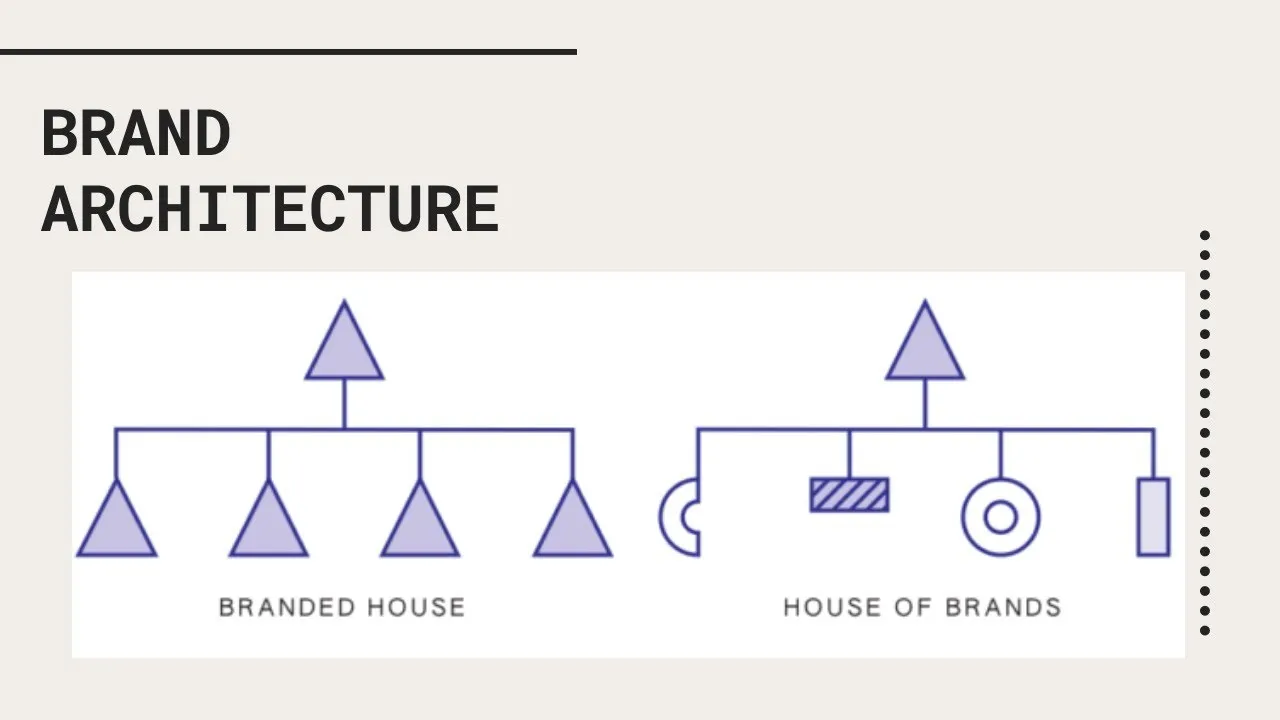
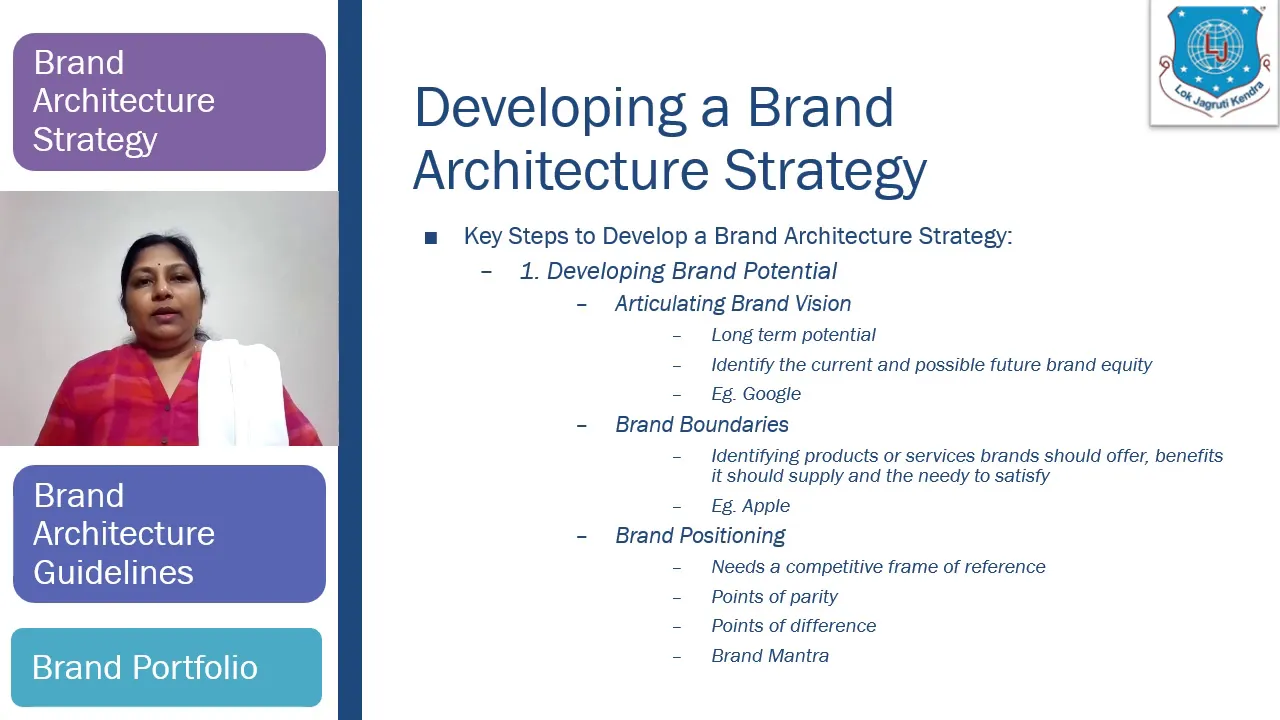





Brand equity is the added value that a brand brings to products and services, enabling marketers to command premium prices through consumer loyalty and differentiated positioning. A brand encompasses names, terms, signs, symbols, or designs intended to identify goods or services and differentiate them from competitors. Brand promise represents the marketer's vision of what the brand must deliver to consumers. Three key models for measuring brand equity include the Young & Rubicam model (Knowledge, Relevance, Esteem, Differentiation), the Brand Asset Valuator (Presence, Relevance, Performance, Advantage, Bonding), and Keller's Brand Resonance Pyramid (Salience, Performance/Imagery, Judgment/Feeling, Resonance). Building and managing brand equity requires consistent delivery of brand promises to sustain competitive advantage and customer equity.
Brand Equity Explained: Brand Promise and Key Models
Added:Hello, we are going to see today brand equity. We would see brand today and brand equity, brand promise and few models on brand. Now brand is something we always talk about. Uh you have this brand and that brand. Now what do you mean by brand and how does it matter to a consumer and how does it matter to a marketer? Let's see from the marketer's point of view as well as from the consumer point of view. Well, what is brand? You know we buy any number of products in our life be it a luxurious product, luxury product or some basic product. Uh at times we seek for a particular brand and then we go and buy that particular brand. Now why? Uh this question uh begs an answer from the marketer's point of view. If you as a consumer seek a product, a brand, a specific brand and you buy that brand, I must say the marketer of that particular brand would be very happy because he has created brand loyalty from as a consumer. You are a loyal consumer for his brand. Now let's look at what is brand. Now see here what is written. Brand is a name, term, sign, symbol or design or combination of them intended to identify goods or services of one seller or group of sellers to differentiate them from those of competitors. Now you uh you are in need of a bulb.
you have plenty of options in front of you. But if you buy Philillips then that Philillip brand is successfully embedded in your mind and this is something good for the manufacturer and the promoter of Philip brand product. Now see what is written here. A name, a term, a sign or a symbol or a design or a combination of them intended to identify the goods and services of one seller. In this example, we have a bulb manufacturer. He has given a brand and you as a consumer you sought that particular brand. Now how does it matter to a marketer? Well, that's a good question. Now a marketer can command premium for a brand if consumer is seeking that particular brand. I'm giving you one more example. So you want to fly from one place to the other place. Let's say you want to fly from Mumbai to Singapore. Now when you're flying to Mumbai to Singapore, you've got different options. Now you can fly in an ordinary airline let's say X airline you would pay certain amount.
For example, let's say you pay 20,000 rupees.
Now if you want to fly in Singapore airline for example, Singapore airline is a brand name and it has some amount of some amount of luxury attached to this some amount of image attached to this and some amount of differential services attached to it.
Therefore, you are willing to pay extra premium. Now, as a marketer, if I can command a premium from my brand, then I am successful. So, it's very important to create a brand that commands premium. Now to ask for a premium it's very important from the marketer point of view to ensure my brand remains in the mind of consumers. Now come back to this particular example that I illustrated.
You want to fly from Mumbai to Singapore. You have X brand which is which is unknown and that is commanding 20,000 rupees. At the same time Singapore Airlines much higher priced but still nevertheless you are paying that extra premium because of that particular brand. So if you see here brand is a name, term, sign or symbol or even design or combination of them. Now I have given this beautiful picture here. This is drawn by famous artist Mohammad UI. Now himself is a brand. He is one of the world leading artists. And look at this this wonderful painting wherein you could see his signature that signifies his brand. Now look at the examples here. Everything has a brand.
Now Sajin Tendulkar is he a brand? Yes, he is a brand. Now if somebody else comes and advertise in place of Sajjin Tendulkar, I'm sure the marketer is not going to pay the premium to some extra I mean some ordinary person. Now same thing goes to Amitab Bachan. Amitab Bachan right he comes for a lot of brands and he promotes his brand why because he has got a lot of followers now same thing goes for you know I mean many other products even places for example there are states they uh they sell their state as a brand Goa is one example Rajasthan could be another example Kerala could be another example.
So these all brand then comes to different products. You have got Tatas Lux as a brand for a soap and you have bank and stores. If you look at it there are big bazard, shoppers shop and lifestyle. Now if you look at equity we we are moving from brand to equity.
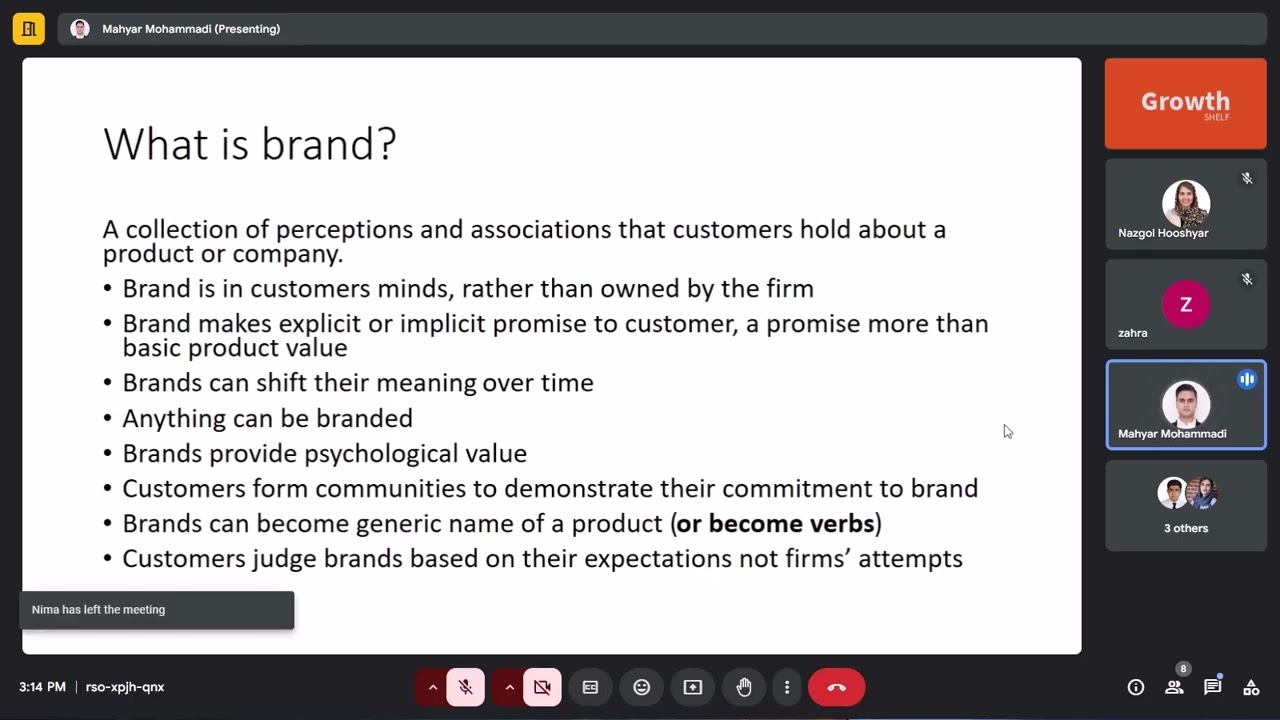
Now brand I said it could be a term, it could be a sign, it could be a combination of many things together to distinguish from one seller to the other seller. Now what do you mean by brand equity? See brand equity is the added value endored on products and services.
It may be reflected in the way consumers think, feel, act with respect to the brand as well as in the prices, market share, profitability the brand commands. So brand equity the moment you know you talk about brand equity like let's say for example water you have mineral water available in different brands but you don't mind paying let's say few hundred more for a bottle of one liter uh because that particular brand commands premium it has added some amount of value on its product. Like for example, you have got aquafina as a mineral water and Evon as another mineral water and this Evian is supposed to be a I mean a brand to reckon with and that commands premium. Now brand equity in this particular example it has added value. This if the name the brand added value on its product and therefore the consumer feels and think that this particular product has some amount of value I mean added to this and it's worth paying that extra money. Now what do you mean by brand promise? We have seen brand brand equity and brand promise. See brand promise is the marketer's vision of what the brand must be and do for the consumers. Now this is what you know a marketer very proudly says this is a promise I made and I'm delivering. Now look at an international iconic brand like Harley-Davidson. The Harley-Davidson bike is something wherein the consumers are willing to pay several times than the close competitor. You have a brand which is iconic. We call it a cult brand wherein the consumers don't mind several times of the relative uh competitor and they are very proud about it. the the the the pride with which they own the product and that I would say right the the the pride given to the consumer is the promise of the brand Harley-Davidson now when you talk about brand promise you know you should you should meet that particular promise that's very important now when you expect your brand is going to deliver some amount of promise in terms of the prestige in terms of the image in terms of the the functionality of that particular product. I think that is something very important when it comes to brand promise. Now I'm taking you to uh three model three models of brand equity. Now let's uh look at one particular model which has been designed by a very a very popular ad agency known as young and rubicom. So therefore you could see Y and R this this particular model wherein the brand equity has been measured there are four I mean what do what do I say there are four criteria now let's go one by one and see brand equity of this Y andr model what it talks about see look at here you have differentiation you have relevance you have esteem and knowledge. Now we'll go one by one and see what it is. Now see look at this knowledge to begin with. Let's talk about knowledge. Now it the knowledge measures how the consumer is aware and familiar with that particular brand. See uh we are talking about a brand we are talking about the overall brand equity of this particular brand and it's very important to first of all know the knowledge level of the brand. Uh I I draw an example here in India when Starbucks came it took they waited quite long time to enter into India. Now why?
because they thought this particular market was not matured enough to enter for quite some time and after that Starbucks entered in Indian coffee market. Now if you go today and you measure the brand equity now let's say brand equity for Starbucks. So now when we measure this let's first identify the knowledge how many consumers are aware of Starbucks and familiar with this particular brand that is the first step.
Now we are moving on. When we are moving on to the next step, you see here estim what what is mentioned here? It measures the perception of quality and loyalty or how well the brand is regarded regarded and respected. Now see this is very important. Now see the perception of the consumers and I mean their loyalty towards that particular brand and how well the brand is regarded and respected. So that means the first level yes I know the brand right and what is my perception with regards to Starbucks. If I say yes, I think the Starbucks quality is very good and I think I would you know I mean continuously I mean patronize this particular brand of course the esteem in this particular case will go up. So we have seen two things one is knowledge the other one is esteem. Now let's look at relevance. See the relevance measures the appropriateness and breadth of brand appeal in this particular case. Am I the right consumer and does it appeal to me?
That's again an important thing because brand there are several brands across the globe across the market. They may be I mean they're spread out but does it right matter to me? That's very important. So here this relevance measures the appropriateness and bread of brand appeal. Now comes to the next the the the top of the pyramid differentiation. We call it energy differentiation. It measures the degree to which a brand is seen as different from others and its perceived momentum and leadership in the sense does it have a leadership position? Now you take Starbucks right do you think Starbucks is much better than cafe day? Now we may not directly compare these two brand now because in Indian context if you look at it Starbucks may not have an immediate competitor but just for the sake of it you know I mean just to compare with you know the next competitor now I'm sure in Indian market this particular brand Starbucks would be seen definitely different and it would be seen it would be perceived as a leader in this particular category. Now, so this is how when you measure different brands across you come to know where does it stand. So this is about why and our brand equity model.
Now let's move on to the next model.
This is known as brands. See I mean what is return the brands is a world's largest brand equity database containing data I mean on brands gathered from interviews of 150,000 people now there is a pyramid you could see and if you look at the pyramid there are five levels one the percent and the second one irrelevance performance advantage and bonding you know it is you know I mean it it makes it's a very very logical step from one to the other number one does it present when you do a survey of this particular I mean brand now you need to measure the presence of that particular brand in the mind of the consumer that's very important you know when you when I measure a particular brand I need to know the presence of this particular brand in the minds of consumers and does it is it relevant does it make any sense to me as a consumer because if it doesn't relevant to me that brand has no value at all so when I say a brand does matter to me that means there is a relevance and then comes performance Well, I know the brand is available. I think that it is relevant and of course I know I consumed or I use this particular brand and how is the performance? Is it good? Is it bad? It is great or it is superb. Now the performance again you know when you're measuring that gives an idea where does it stand in the minds of the consumers as compared to the competitors or certain functionality.
Now if you look at this brands know level one after the other it is present and it is relevant the performance is good bad very good and the advantage what sort of an advantage this particular brand can have for me as I compare to the other competitors now if it is advantages certainly the loyalty is more and we move on to the next one there's a bonding Now have you not heard there are many instances where consumers will wait if their brand is not available. Have you not seen many instances where consumers say I've been using this brand for several years consistency cons consistently because it delivers promise. This is where you remember I said brand promise. So if a person is patronizing a product or a service year after year consistently that means that particular brand has delivered. So that brand promise and delivery brings bonding. I hope you are getting an idea now how this model is building the brand equity. Now let's move on to the next item. Now this is built by one of the leading uh brands authority known as Keller. Now this the name of this particular model is known as brand resonance model pyramid. Now see here you have four levels starting from silence and then moving over to performance and imagery, judgment and feeling and response.
Now if you look at it you know I mean it's given you know I mean pretty uh clearly here the four steps contain six building blocks that must be in place to reach the top of the pyramid and to develop successful brand. Now see when you talk about a salience that means it talks about the feature of that particular brand and then comes your performance and imagery. What do you think about performance of that particular I mean brand? See I talk about u a two-wheeler for example if I talk about Honda bike now the moment you know I talk about Honda bike you know I mean I think of the functionality and the performance how does it work to me I mean as a consumer I could imagine okay Honda is a bike which has all functional one particular brand and one particular variant I'm talking about functionally I mean it is good the performance is good the the mileage is good and the imagery when I talk about imagery you know I mean it gives me a sort of an imagery a bike which has got excellent right design and then my judgment is it good how do I judge this particular brand I mean visav the competitor and the feeling I feel good about it I I feel happy about it uh that you know I I invested in this particular brand and then this resonance you know this resonates in my mind throughout. So now if you look at this particular uh model wherein the features to begin with I look at the future and when if you when you survey me I would say look I mean this particular brand if I talk about or if you ask me I could say these are the functionalities of this particular brand in this particular case Honda and then the performance I would say that you know the performance right I mean I feel one on I mean on a 10 scale I give eight marks or nine marks that means the performance is good and imagery I I shall imagine you know a bike has got these you know I mean this is how the bike comes to me and judgment and feeling the moment you go to the third the the it goes above the performance my judgment and feeling now that's very important for a consumer now why I'm saying the judgment and feeling is important because this is where the the brand distinguishes itself. I'm going to give you an example. The latest uh news uh Etihard Airline has come out with uh an exclusive uh I mean luxury what do I say uh I mean flying I mean space they're introducing from December onwards I would say you know I mean It it is much better much much better than the business class. Uh they're offering for two consumers. You can book as a package. It comes with a a bedroom. I mean this is going to be introduced in a 380 I mean Boeing. Uh it comes with a bedroom and you two of you can avail from Abu Dhabi to Los Angeles and uh you have a valet service a butler butler sorry a butler who is going to who's going to be there with you from Abu Dhabi to Los Angeles and you are expected to pay $32,000 a lot of money and you know there's a great demand for this particular ular class moving you know to fly from Abu Dhabi to la Los Angeles paying 32,000 now why because this particular airline Etihard and they you know I mean they have a brand equity where I think the the functionality anyway I think you know some of the best aircraft best people and on time and look at the performance imagery and judgment and feeling now if somebody can commit $32,000 that I mean six months hence to fly from one country to the other that speaks about the brand. So this is very important you know I mean when you when you are building a brand equity that brand equity is something that gives you that extra premium which I was talking about.
Now there are five things quickly you know I want to run uh building a brand equity and measuring brand equity and managing brand equity devising a brand strategy and customer equity. See I was just running through in my you know I mean in this particular session you know I mean the need of brand equity what is brand equity and then measuring brand equity some of the models which we have gone through and managing brand equity.
I think this is again a very essential part of a marketer. If you have a brand which is already successful in the market, you have to manage that particular brand equity because unless you manage consistently, I mean your brand value will go down. So you always suppose you have a leadership position in a particular brand, you have to manage it successfully and then you have to come with you know I mean lot of strategies to devise a brand strategy. For example, you know, you are new in the market and you want to de I mean devise you need to devise a brand strategy to build that particular brand. What is customer equity? See customer equity why after all why you come out with the brand why you build a brand and why you you sustain that particular brand equity because you need a bottom line. See you have a brand that is being sold in the market and if you have a better brand that gives you premium. Now when your brand gives you premium you get revenue and your bottom line in the sense your profit is better isn't it? So there is always a link between your top line, bottom line and the overall performance. So is it a challenge to maintain brand equity? Is it a challenge to I mean build brand equity? It is a challenge to devise a brand strategy. Yes, you have to ensure first you build a good brand and you have to ensure that you manage that brand equity consistently and towards the end you have to ensure you consistently maintain this brand to give you in the sense when I say to give you in the sense to a marketer a better return. So, so far we have seen what is brand, what is brand equity, what is brand promise and different brand equity model. I'm sure this particular session would have given you a little idea about brand brand equity and brand promise.
when I come next time I'll come with a new chapter and we would see in detail.
Till then thank you.
Up Next
Understanding Brand Equity: Measuring Brand Value in Marketing
@ProfessorWolters
29.2K views•2019-10-23
Retention Habits of Top DTC Ecommerce Brands Revealed
@SendItPodcast
44K views•2026-03-03

Decoy Effect: How Pricing Psychology Influences Consumer Spending
@bobinvestsUS
90K views•2026-01-05

The Planned Obsolescence of Light Bulbs and Tech
@veritasium
25.3M views•2021-03-26
Related Study Plans & Knowledge Roadmaps
Structured learning paths in Business