










![L'EXPERTE DE L'INSULINE : Pourquoi vous ne perdez pas de poids [Dr Lucas]](https://i.ytimg.com/vi_webp/Q6QCqfbA_mI/maxresdefault.webp)


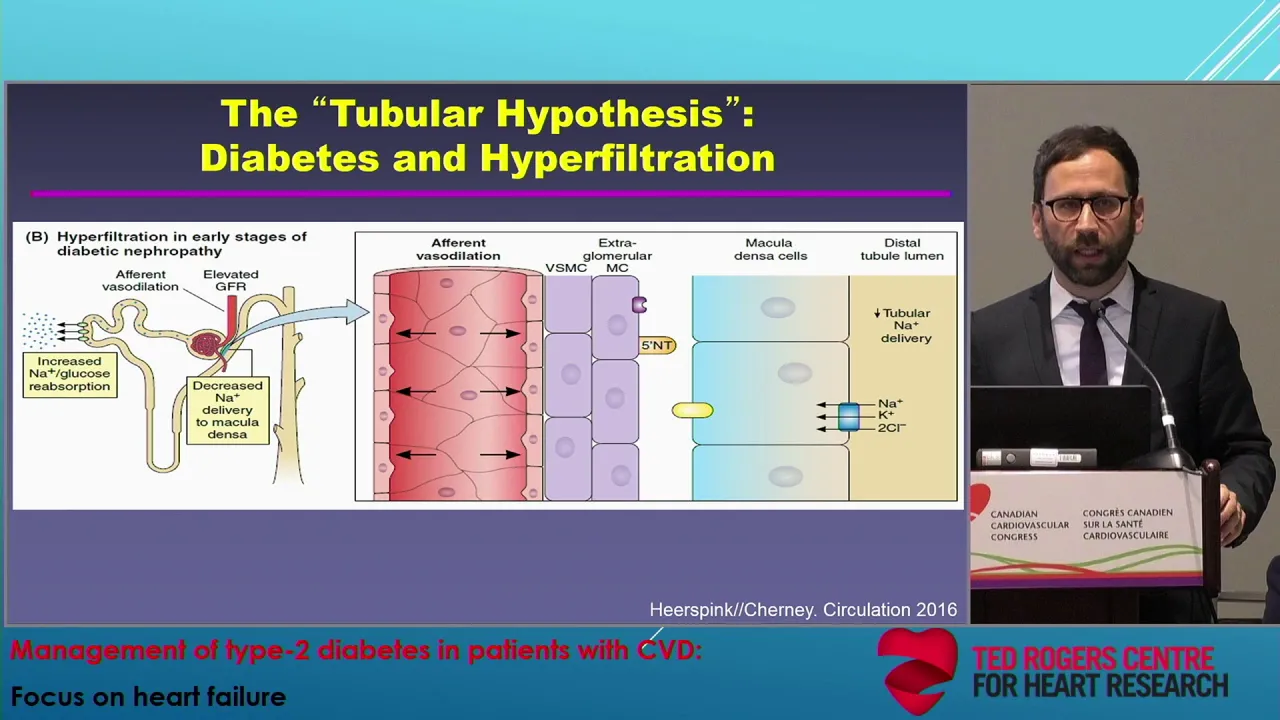




Insulin acts in the human brain to coordinate metabolism after eating, suppressing liver glucose production and stimulating peripheral glucose uptake; when the brain becomes insulin resistant, it loses control over peripheral metabolism, leading to visceral fat accumulation around the belly, which increases risks for type 2 diabetes, cardiovascular diseases, and cancer; however, this condition can be treated—SGLT2 inhibitors and exercise have both been shown to restore brain insulin sensitivity and improve metabolic outcomes in overweight and obese individuals.
Brain Insulin Resistance and Its Impact on Whole-Body Metabolism
Added:The standard physiological role of insulin in peripheral glucose uptake and metabolic homeostasis.
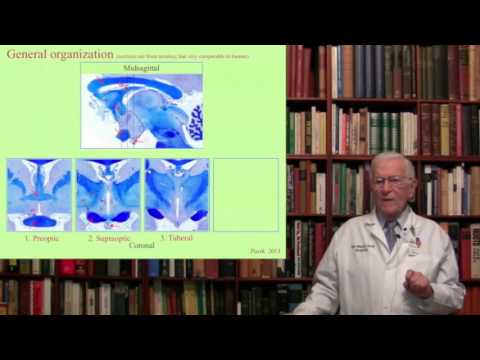
The structure and function of the hypothalamus in regulating systemic energy balance, satiety, and autonomic nervous system output.
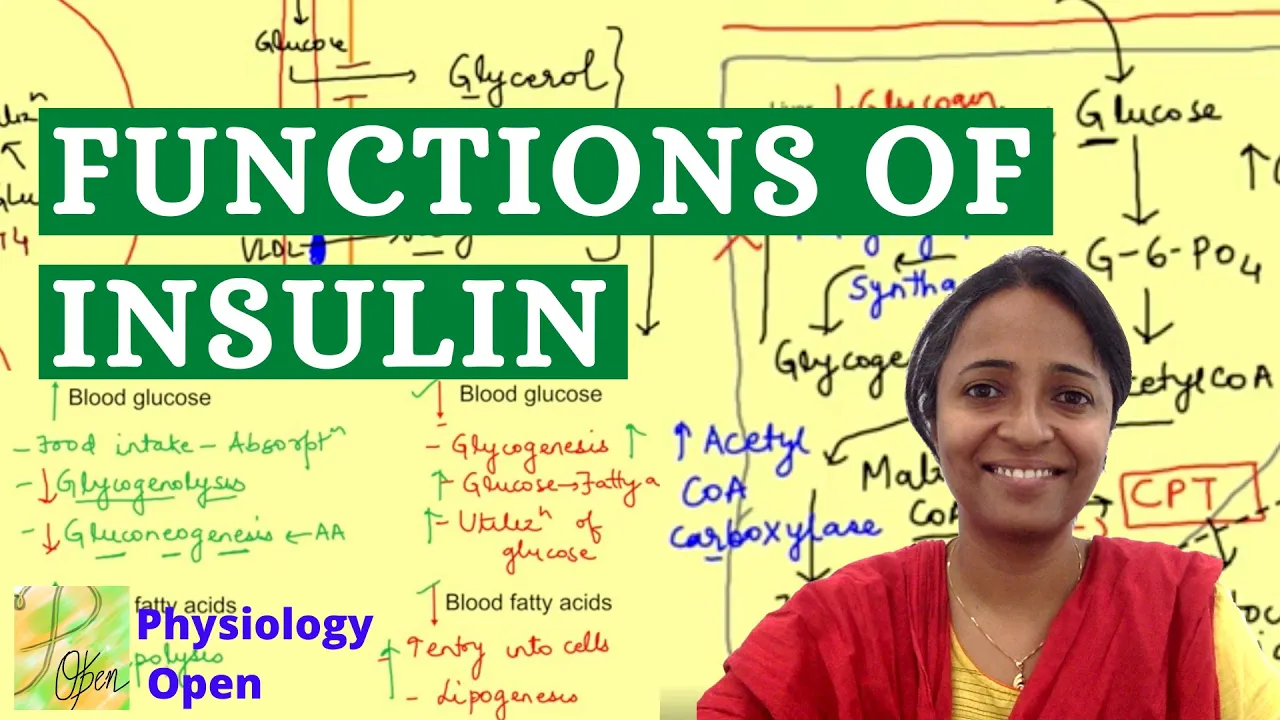
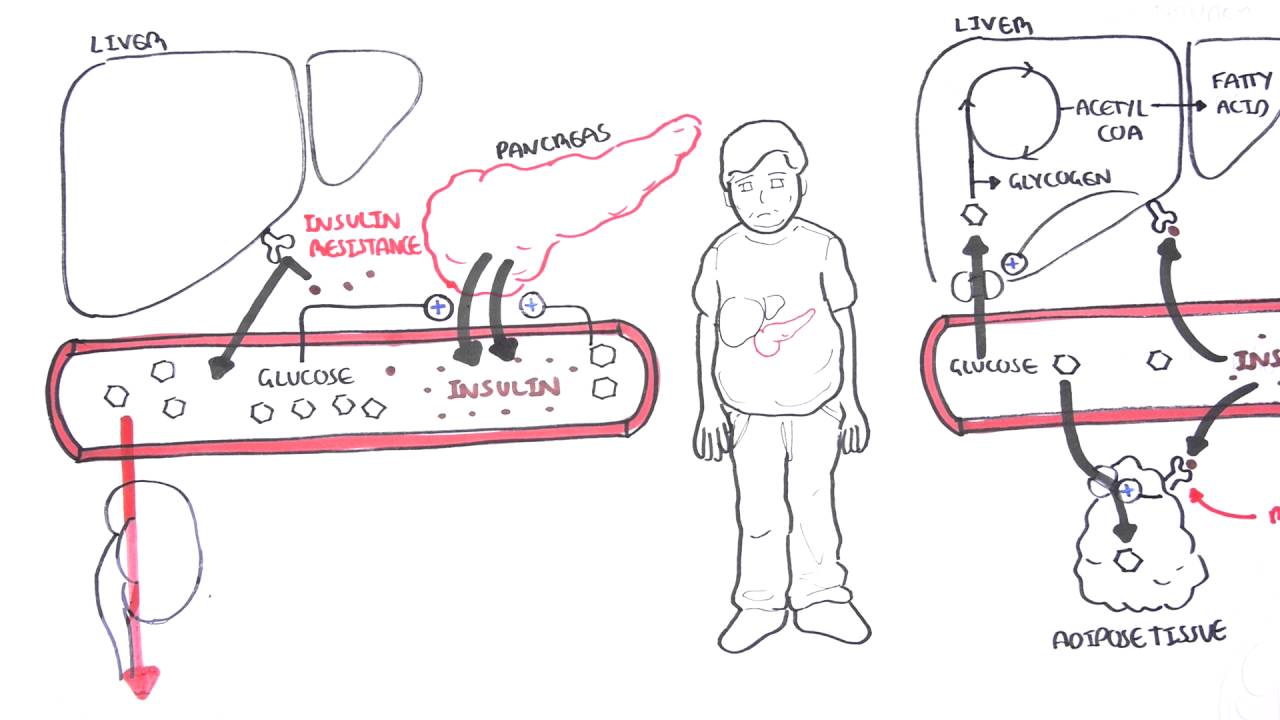
The pathophysiology of classic (peripheral) insulin resistance and its association with Type 2 Diabetes.
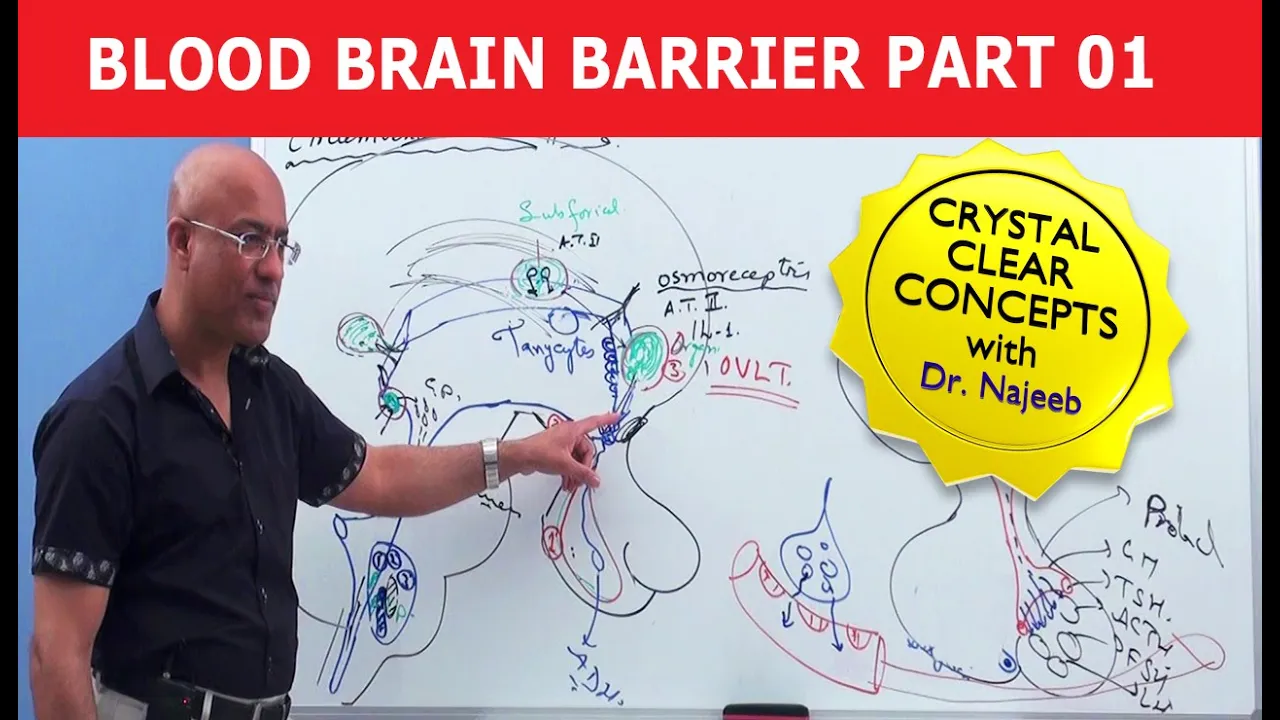
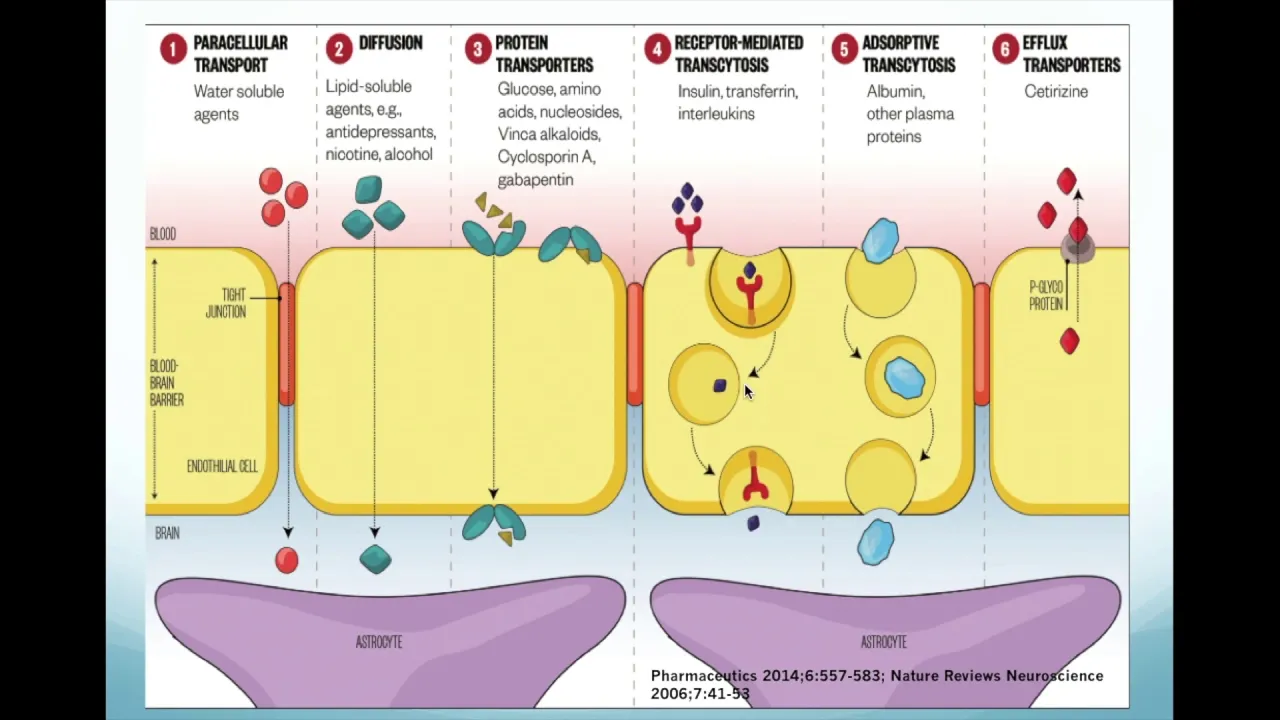
The transport mechanism of insulin across the blood-brain barrier and its role as a central neuromodulator.
The pathophysiological link between central insulin resistance and neurodegenerative disorders like Alzheimer's disease (often referred to as 'Type 3 Diabetes').
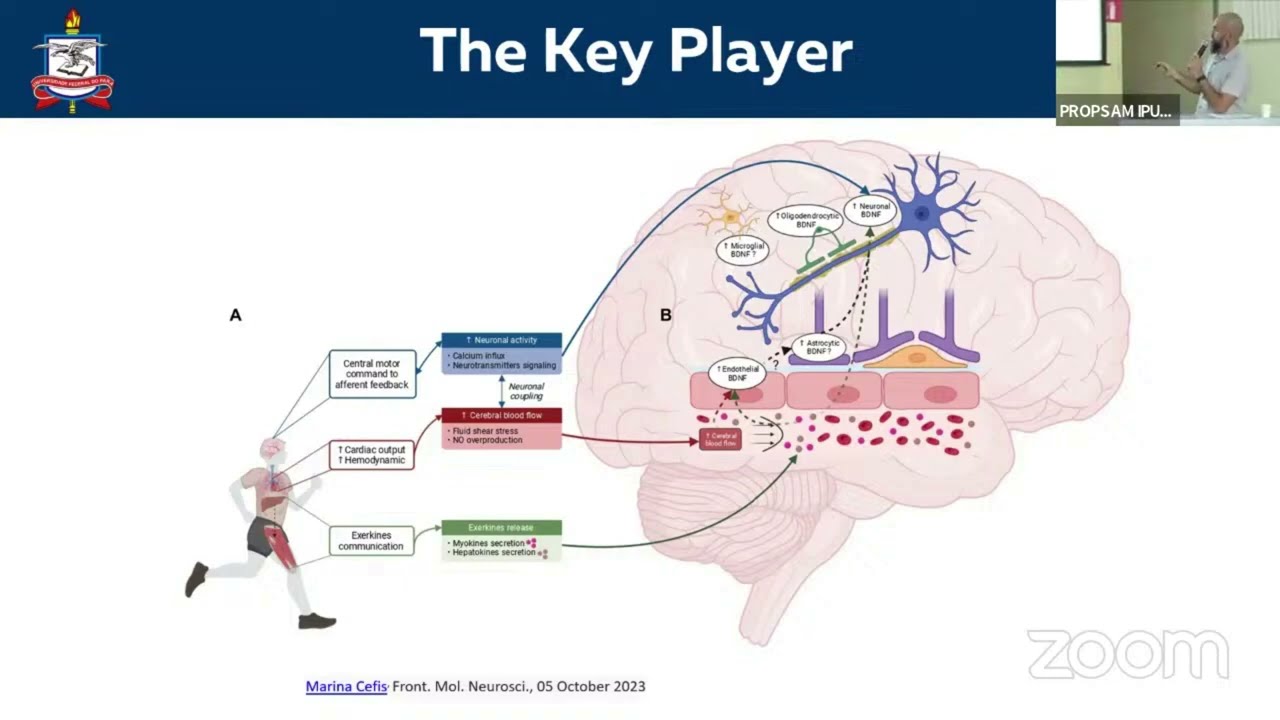
The neurobiology of exercise: how physical activity restores hypothalamic insulin sensitivity and modifies adipose tissue distribution.
The pharmacological mechanisms of SGLT2 inhibitors and their direct or indirect pathways affecting brain metabolism and neuroprotection.
Investigating intranasal insulin delivery as a targeted therapeutic intervention for cognitive decline and systemic metabolic dysfunction.
704 views19likes4:26Original Release: 2022-11-12
so there were these data from animal models and these animals who did not have an insulin action in their brain they developed type 2 diabetes like phenotype and we wondered is this true in humans can it be that insulin acts in the human brain and this is important for metabolism in the entire body and this is how I became interested in studying how insulin acts in the human brain and what we've learned so far is that indeed insulin acts in the human brain this happens in many persons but there's a substantial number of persons who are insulin resistant in their brain in them the brain no longer responds to insulin we've learned that proper insulin action in the brain is important to coordinate your metabolism after food intake it suppresses glucose production from the liver it stimulates glucose uptake in the periphery and over a long time these processes contribute to the regulation of body fat distribution so this determines where in the body fat and energy is stored if insulin action in the brain is good your body stores energy in the subcutaneous compartment while in case of brain insulin resistance these processes are Disturbed the brain can no longer control peripheral metabolism and this leads on the long run to an accumulation of fat in the visceral fat compartment in your belly and this is where you don't want to have fat because fat in in the visceral compartment is a risk factor for not only type 2 diabetes but it's a risk factor for cardiovascular diseases and even some types of cancer so insulinary resistance of the brain leads to a phenotype that's very unfavorable you don't want to have this and what we've done over the last couple of years was to try to find out if brain insulin resistance is something that can be treated or if this is something that is fixed forever so our first treatment approach was an sgrt2 inhibitor impacting flowsin and we studied persons with pre-diabetes who were overweight obese and treated them them with the s32 inhibitor over a short time over eight weeks and these eight weeks of s32 inhibition was sufficient to totally restore insulin responsiveness of their hypothalamus so this was the first study to show that brain insulin resistance is something that you can treat in humans and what is really interesting from from our data is that this Improvement in hypothalamic insulin action in response to s32 inhibition was closely linked to improvements of peripheral metabolism to reduction of liver fat content and that's speculation but I believe that improved hypothalamic insulin action could contribute to the clinical benefits that we know of this substance class that are present after long time and really hard clinical endpoints the second treatment approach that we've tested was exercise here we included sedentary overweight obese persons and we had them exercise quite heavily over eight weeks and this eight weeks exercise they didn't lose weight but it was sufficient to normalize their brain response of the putamen to a level that we normally see in lean persons and again this improved insulin action of the brain upon exercise was closely linked to metabolic benefits again underlying that the brain can contribute to a metabolic regulation in the body and this is something that can be restored so our next steps will be to better understand how this treatment works to see what approaches work best and what the mechanisms are and I hope that treatment approaches that will improve insulin sensitivity of the brain will not only be beneficial for metabolism for diabetes and overweight obesity but will also have beneficial effects on diseases of the brain that are much more frequent in our patients with type 2 diabetes for example depression and dementia and I hope we'll learn much more about this in the upcoming years [Music] foreign [Music] [Music]
Up Next
119:04
Why the Calorie Is a Bad Idea: Gary Taubes on Obesity Science
@lowcarbdownunder
101.7K views•2022-06-12

48:47
Graphic Medicine: Comics for Collaborative Healthcare Communication
@nationalpatientadvocate
189 views•2023-12-04

10:28
Neuroanatomy: Central and Peripheral Nervous System Divisions Explained
@AKLECTURES
136.2K views•2014-09-20
3:05
Stages of Labor and Vaginal Birth | Childbirth Animation
@nucleusmedicalmedia
52.1M views•2017-08-18
Related Study Plans & Knowledge Roadmaps
Structured learning paths in Medicine
medicine
Abnormal LFTs: Diagnostic Workup & Pathology
01Liver Anatomy and Basic Physiology
02Introduction to Liver Function Tests (LFTs)
03Hepatocellular vs. Cholestatic Patterns
+ 3 more learning modules
12h6 modules
Explore Roadmap
medicine
Analyzing Blood Smears: RBC, WBC & Platelets
01Introduction to Blood Components & Smear Preparation
02Normal Morphology of Blood Cells
03Erythrocyte Pathologies & Morphological Variants
+ 2 more learning modules
12h5 modules
Explore Roadmap
medicine
Mechanical Ventilation: Waveforms & Alarms
01Anatomy and Physiology of Breathing
02Introduction to Mechanical Ventilation & Core Modes
03Ventilator Settings and Waveform Interpretation
+ 2 more learning modules
12h5 modules
Explore Roadmap
medicine
Neuro Exam: Localization & Stroke Syndromes
01Foundations of Neuroanatomy and Vascular Supply
02The Neurological Examination: Step-by-Step
03Principles of Neurological Localization
+ 3 more learning modules
18h6 modules
Explore Roadmap