


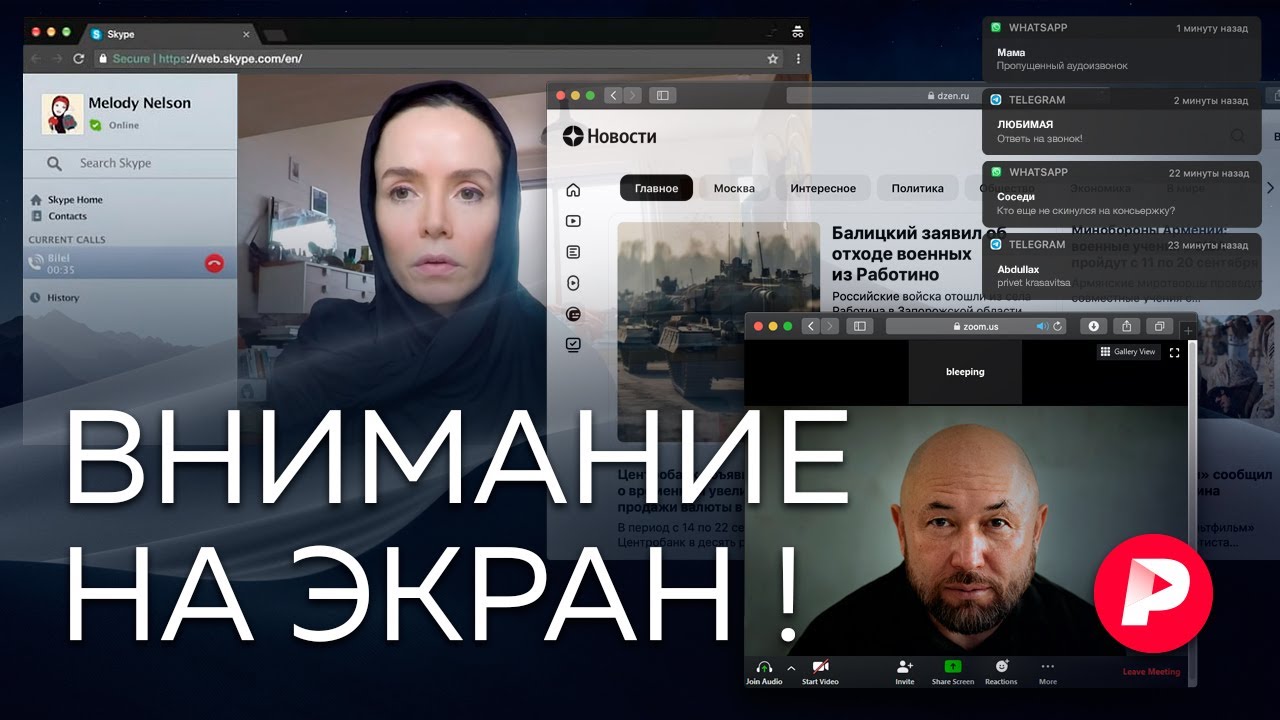


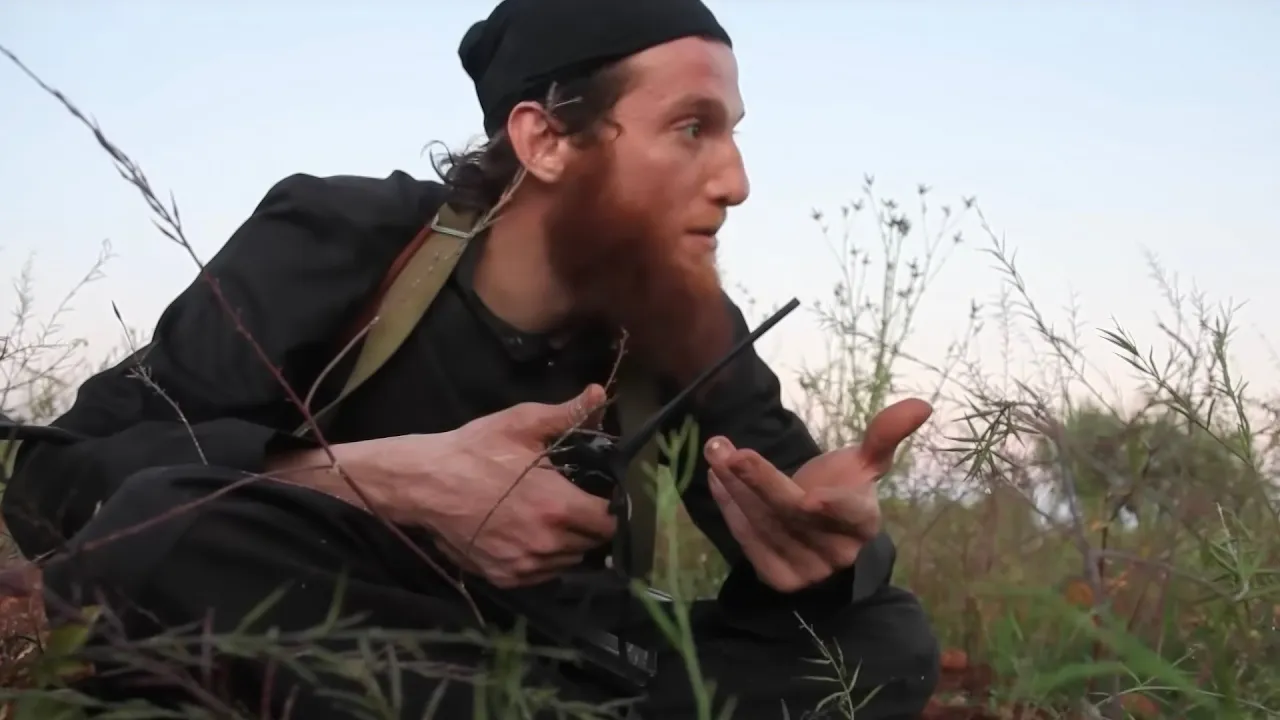


Screenlife filmmaking is a modern cinematic technique that tells stories primarily through digital devices like computer screens and smartphones, using screen capture technology to treat the computer screen as both a camera lens and a canvas. This approach, exemplified in films like 'Profile' (based on Anna Erelle's memoir 'In the Skin of a Jihadist'), allows filmmakers to explore how people live and interact in the digital space by revealing personal details through subtle cues like mouse movements, online searches, and message choices. The technique reflects contemporary life and helps audiences understand how to navigate our new digital universe, though it requires filmmakers to make every pixel count to effectively convey character psychology and narrative tension.
In the Skin of a Jihadist: Book vs. Screenlife Film Adaptation
Added:Hello and welcome, this is Curious Robin.
So let's delve into the story of: In The Skin Of a Jihadist.
The year is 2014 and for a while you could read news about hundreds of people leaving their countries in europe to join the radical militant group known as ISIS.
Most of these Europeans were young women who wanted to be part of the conflict taking place in Syria and other Middle East countries.
An anonymous french reporter, now only known as Anna Erelle has been writing about jihadis in the Islamic State for over a year.
She then creates a fake Facebook account with the name Melody, a 20-year-old french girl that had just converted to Islam.
After sharing many articles and videos that supported ISIS propaganda in this social media website melody is contacted by a peculiar person: a jihadist named Abu Bilel.
After this first contact, Anna would spend a month collecting information through her Melody character by interacting more and more with Bilel, who seemed to be really interested in getting her to Syria so she could become his wife.
The experience became a rabbit hole for Anna as she went deeper and deeper as an undercover journalist, This allowed her to show the rest of the world how ISIS lured young people into leaving their lives behind to join their ranks.
This investigation led to the creation of the non-fiction novel In The Skin Of a Jihadist, which publication forced its author to change her name and address since the militant group discovered her true identity and made very serious and very real threats to her life.
Regarding her life after the publication of the story, Anna said this: Was is this all worth it? For me, yes.
Why? Because that's my job, to know what people don't know and to understand.
This all started with a guy showing off guns in his car. Exactly and now this man is dead and now some, a lot of fighters of ISIS wants me dead too and yeah, like you said, it just started about one video.
In 2021, a film adaptation titled Profile was released internationally.
Directed by Timur Bekmamentov and written by himself, Britt Poulton and Olga Kharina.
Bekmamentov is a Russian-Kazakh director known for helping some pretty big blockbusters: But in the last years he has turned his focus to another kind of film-making, he produced the horror film: Unfriended and then, in 2018, he also produced the box office success: Searching.
He then took the director's chair again with Profile. What do all of these films have in common?
They all belong to a sub-genre known as: computer screen film, desktop film, or as Timur likes to call them: Screenlife.
This new way of film-making has its roots in the found-footage genre, a type of fake documentary narrative tool.
Computer screen films are more focused in telling a story mostly through different devices, such as: computer monitors, cell phones or any other gadget that has a camera.
The way the book by Anna Erelle is written shows many of the interactions the protagonist and Bilel had through Facebook and Skype, so this style of storytelling, well... it's as if it was made for stories like this.
All the narrative in Profile is told through the main character's computer screen, named Amy Whittaker in this version and played by Valene Kane.
You can learn through her interactions that she's behind on her rent, she doesn't have any savings, and she's a motivated journalist looking for a big story.
When she starts talking to Bilel, who's wonderfully played by Shazad Latif, you can observe it starts affecting her personal life and her mental health.
The film creates some excellent contrasts using only this interface: an article about women being turned into sex slaves looms in the background during one of Melody and Bilel's conversation.
All of this happening while the main character tries to maintain a balance between her two personas and we, as an audience, start to notice the cracks.
My personal opinion of the film is that although tense and interesting, it has many flaws.
it is entertaining, but by the end it doesn't manage to wrap everything up in a compelling way, this doesn't refrain it from showing the true potential of this film-making technique.
The way it is told is so intriguing you can't help but keep looking, for this is something you don't see very often.
In a master class about this subgenre, filmmaker and critic Kevin B. Lee said about desktop films as a form of filmmaking that it "uses a screen capture technology to treat the computer screen as both a camera lens and a canvas.
It seeks both to depict and question the ways we explore the world through the computer screen."
In Profile, we don't get voice overs to understand a character's frame of mind.
She'd clutch my arm or my hand, forgetting she was my employer.
Or editing to increase the tension in a scene.
What's the most you ever lost in a coin toss?
Instead, we get a peek into the very personal space of a character: their computer.
I've... seen things you people wouldn't believe.
Small details like the way the mouse moves or hovers over certain images, the information Amy looks online and how she chooses to take or ignore messages and calls tell the audience a bunch of information about the protagonist's mood and mental state.
If someone went through your computer and phone what would they learn about you? How would it help them understand you?
About making Profile Bekmambetov said: I'm trying to explore how different our lives are in the digital space.
You are dealing just with your imagination and with the screens of your devices messages and images popping up.
We make Screenlife movies with one goal: to tell stories helping us to understand how to live in this new universe helping to humanize this new space."
In this film you witness the narrative unfold as it more or less did in real life some years ago, when a very brave journalist risked her life to help the world understand why would people abandon their lives and go to what she describes as this: "It's hell and when you enter hell you can never get out."
In The Skin Of a Jihadist is an incredible real story and to consider that someone went through all of this experience it genuinely boggles the mind.
Profile is a nice tribute to this, but I feel that it barely scratches the surface when using this film-making format.
Cinema, as any other media, is a product influenced by its time in a mutual feedback, where media inspires real life and real life inspires media too.
truly, completely, love you.
You can study society through the art and entertainment they produce each decade: different interests, different points of view, different ways of seeing the world, different limitations, different flaws, different strengths all of them unique.
This relatively new way of film-making is a direct reflection of how we live our lives today and will do so for a long time.
Some of the results may not be good, others may stay in the middle and a few will get it just right.
But how can narrative keep evolving? We have a great understanding of what has happened before, how can we understand better what comes next?
Whatever happens, filmmakers should use it as a tool to explore new territories and make EVERY. PIXEL. COUNT.
For in the end, isn't cinema, technology and art just a reflection of ourselves?
I'm the Curious Robin, until we meet again.
Up Next

UI and Data Design for Film: A Professional Course
@learnsquared
17.2K views•2017-07-04
Walking in the City: Urban Rituals and the Flâneur in Contemporary India
@PSBTIndia
1.9K views•2016-08-02

FastAPI vs Flask vs Django: Choosing the Right Python Web Framework
@TechWithTim
302.5K views•2024-05-26

Game of Thrones Opening Credits: A Cinematic Analysis
@gameofthrones
46.3M views•2011-04-18
Related Study Plans & Knowledge Roadmaps
Structured learning paths in General & Interdisciplinary Studies