

![MENACTRIMS 2025 Integrative Neuroimaging in Multiple Sclerosis Diagnosis [EN]](https://i.ytimg.com/vi_webp/Fgr9RN1Mu2I/maxresdefault.webp)













![TO BYŁ NAJTRUDNIEJSZY CHALLENGE W MOIM ŻYCIU [PODSUMOWANIE IZOLATKI]](https://i.ytimg.com/vi/L1C3vmDYd6w/maxresdefault.jpg)








Social rejection activates the same brain regions as physical pain (dorsal anterior cingulate cortex), and the brain's default mode network continuously processes social cognition even during rest; since social and analytical thinking systems compete for neural resources, modern education's emphasis on analytical training may weaken social intelligence, which can be strengthened through deliberate practice like active mentalizing, embodied mirroring, naming social pain, and allowing unstructured idle time.
The Neuroscience of Social Rejection and Intelligence
Added:Introduction to Neuroimaging: Understanding how functional Magnetic Resonance Imaging (fMRI) measures brain activity via blood-oxygen-level-dependent (BOLD) signals.
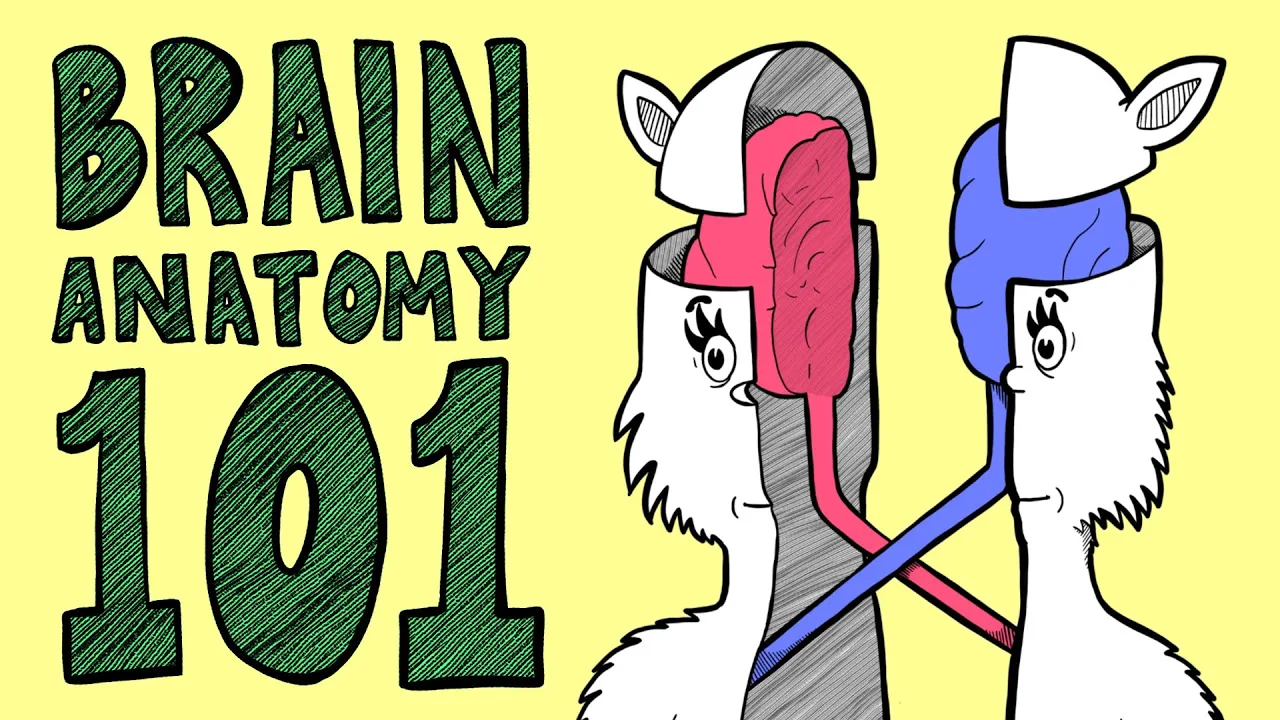
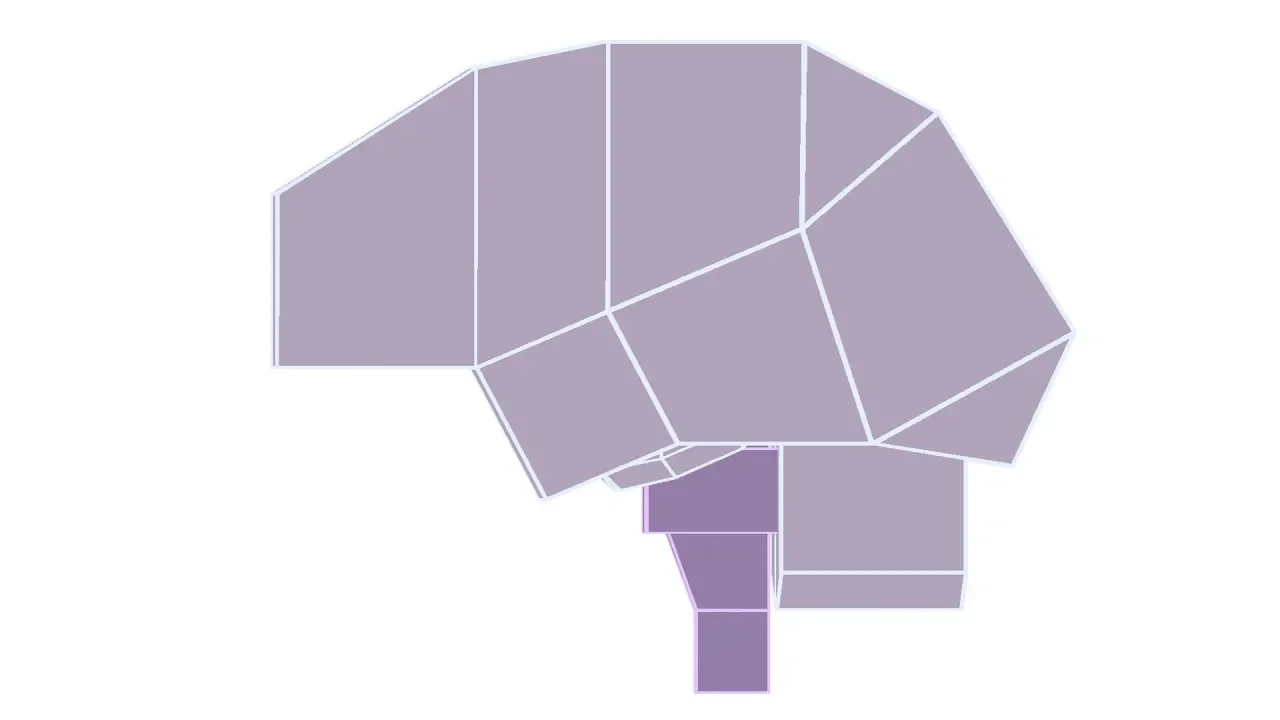
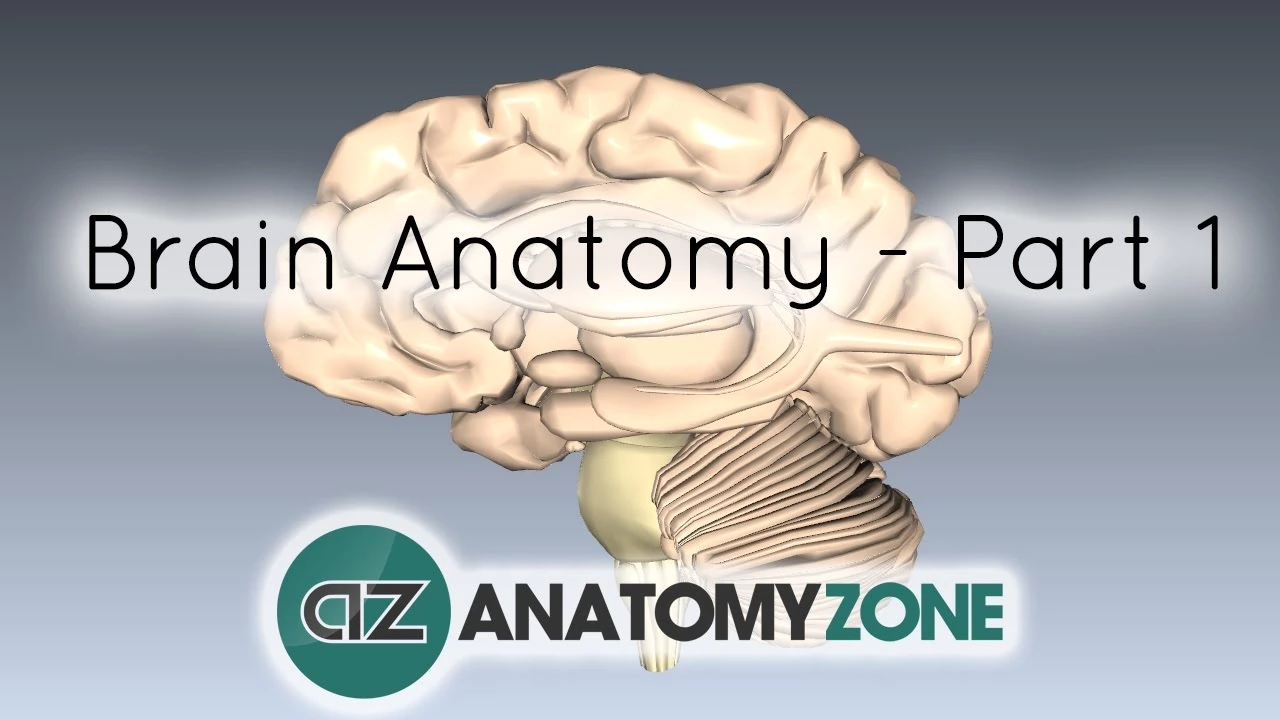
Basic Brain Anatomy: Familiarity with key regions involved in emotion and pain processing, particularly the anterior cingulate cortex (ACC) and the insula.
The Evolutionary Basis of Sociality: The concept of the 'social brain hypothesis' and why group belonging is historically critical to human survival.
Fundamentals of Neuroplasticity: The biological mechanisms by which the brain reorganizes itself and forms new neural connections through training and experience.
Cognitive Interventions for Social Pain: Studying how psychological frameworks like Cognitive Behavioral Therapy (CBT) and mindfulness can down-regulate the neural pathways associated with rejection.
Cognitive Impact of Chronic Isolation: Exploring the downstream effects of long-term social rejection and loneliness on executive functioning, working memory, and fluid intelligence.
The Neurochemistry of Social Bonding: Investigating the roles of neuromodulators like oxytocin, dopamine, and endogenous opioids in mitigating social pain and fostering resilience.
Advanced Hyperscanning Techniques: Looking into modern neuroimaging methods that record the brain activity of multiple interacting individuals simultaneously to study real-world social dynamics.
8.1K views9likes12:54Original Release: 2026-03-16
In 2003, neuroscientist Naomi Eisenberg at UCLA slid participants into an MRI machine and had them play a simple virtual ball tossing video game. Halfway through the game, the other players stopped throwing the ball to the participants. The patients were excluded. And when Eisenberg looked at the brain scans, she found something that changed neuroscience forever. The dorsal anterior cortex, the exact same region that fires when you break your arm, lit up like a flare. Social rejection didn't just feel like pain, it was actual pain. The same neurosircuitry, the same neurochemical cascade. And yet, we live in a society that tells people to just get over it when they feel heartache.
We built an entire civilization around one type of intelligence. We test it. We rank it. We use it to sort children into categories before they can tie their own shoes, IQ, cognitive ability, analytical reasoning. But here's what the brain imaging data actually tells us. When neuroscientist Matthew Lieberman at UCLA studied what the brain does in its resting state, when you're not solving problems, not reading, and not calculating, he discovered something extraordinary. The brain doesn't just go idle, it defaults to social cognition.
The moment your analytical brain goes quiet, a completely different network activates, the default mode network, and it immediately starts thinking about other people, their thoughts, their feelings, their intentions.
Lieberman calls it the brain's preferred state of being. It returns to it literally the second it has a chance.
Even in 2year-old infants, think about that. A newborn brain before language, before math, before any form of learning is already wired to decode the social world. And here's the part that should disturb you. The social cognition system and the analytical cognition system are not just different. They're competitive.
When one is activated, the other is suppressed. They use entirely separate neuro real estate. Social thinking activates the brain's medial regions.
Non-social thinking activates the lateral surfaces. Which means every hour we spend training children exclusively in analytical intelligence is an hour their social brain sits dormant. And no, this isn't soft skills. This is neural architecture. Let me walk you through three MRI discoveries that should fundamentally change how we think about human intelligence.
Number one, social pain is physical pain. This is the one I discussed in the opening. Naomi Eisenberg's 2003 study at UCLA published in science is one of the most cited papers in social neuroscience.
Participants were excluded from a virtual ball tossing game called cyber ball while lying in that fMRI machine.
The result, the dorsal anterior cortex activated, the same region responsible for the distress component of physical pain. But it goes deeper than that. The genetic trait associated with high sensitivity to physical pain, the GG variant of the OPRM1 gene is also associated with high sensitivity to social pain. Same gene, same receptor, same neurochemical pathway. In fact, follow-up studies showed that Tylenol acetime actually reduces the sting of social rejection. The same over-the-counter painkiller that dulls a headache dulls the pain from being left out. So when a child comes home from school devastated because they were excluded at lunch and we say, "Oh, it's not a big deal," we're not just being dismissive, we're being neurologically illiterate. And that brings us to the second discovery, the one that tells us why this pain system exists. In 2012, Robin Dunar, the anthropologist behind Dunar's number, teamed up with neuroiming researchers at the University of Liverpool in Oxford.
They used MRI stereiology to measure the volume of preffrontal cortex subfields in 40 healthy adults. Then they mapped those measurements against each person's realworld social network size. The results orbital preffrontal cortex volume directly predicted the number of meaningful social relationships a person could maintain. And critically, this relationship was mediated by mentalizing competence. Your ability to think about what other people are thinking. In other words, the social brain isn't just emotional. It's computational. It's running a continuous simulation of other minds. And the more neural hardware you dedicate to that simulation, the larger and more complex a social world you can navigate. This is the social brain hypothesis applied within our species.
It's not just that primates evolve large brains because of social complexity.
It's that individual humans with more developed social cognition neural architecture are literally better equipped to build and maintain relationships. That takes us to discovery three. In 2009, Jaki and Kevin Oer at Columbia University published a groundbreaking MRI study on empathetic accuracy. The ability to correctly identify what another person is feeling in real time. They found that accurate empathy doesn't rely on a single brain region. It depends on two separate neural systems firing in coordination.
The first system, the mirror neuron system, the preoter cortex, interior parietal lobe, which creates shared sensor motory representations.
When you see someone in pain, your motor cortes that experience. You don't just understand their pain conceptually. Your brain simulates it. And the second part, the mentalizing network, the superior temporal sulcus and medial preffrontal cortex, which performs explicit mental state attribution.
This is where you go beyond marrying to interpreting.
She's not just in pain, she's embarrassed about it. She doesn't want me to acknowledge it directly.
Empathetic accuracy, the kind that actually predicts relationship success, leadership effectiveness, and social influence, requires both systems operating simultaneously.
The mirror part and the mentalizing part. And here's the implication that should stop you cold. Most people are only training one. Highly analytical people tend to overrely on mentalizing.
They theorize about other people's feelings without ever feeling them.
Highly emotional people overrely on mirroring. They feel everything, but they can't interpret strategically.
Social intelligence is the integration of both. Now, if the brain is this precisely engineered for social connection, why are we so bad at it? The answer isn't the neuroscience, it's our culture. So, let's reframe it. We built institutions that systematically suppress the social brain. Schools test memorization, not mentalization.
Workplaces reward individual output, not collaborative intelligence. Social media gives us the illusion of connection while activating none of the neural circuitry that actual connection requires. No mirror neurons firing, no mentalizing network engaged, no oxytocin release from genuine mutual vulnerability.
Lieberman's research shows that when the analytical brain is active, the social brain is suppressed. And our entire educational system from kindergarten through graduate school is a 20-year training program in analytical dominance. We didn't just fail to teach social intelligence. We actively trained it out of people. And now we're surprised that loneliness is an epidemic. That leaders can't build trust. That parents can't connect with their teenagers. That people with brilliant IQs seem to sabotage every meaningful relationship they enter.
That's not a character flaw. It's an undertrained neural system. But the neuroscience that reveals the problem also reveals the solution. Because the social brain is plastic and it can be trained at any age. So how do we do it?
The actionable framework for neural training protocols based on the MRI literature. Here are four examples that can directly strengthen your social brain. Number one, active mentalizing practice. When you're in a conversation, consciously ask yourself, what is this person thinking that they're not saying?
This activates the medial preffrontal cortex and the temporal parietal junction, the core mentalizing network.
Dunar's research shows this is the exact capacity that mediates social network size. Train it like a muscle. Five minutes to deliberate perspective taking per conversation and you can build your own social network. Number two, embodied mirroring. When someone tells you about an experience, don't just listen with your analytical brain. Feel it in your body. This activates the mirror neuron system. Zaki's research shows that empathetic accuracy requires the mirror and mentalizing systems to fire simultaneously.
Most people shut down one to use the other. Practice keeping both open.
Number three, naming social pain.
Eisenberg's research shows that social pain activates the same circuits as physical pain. But here's the intervention. Labeling the emotion actually reduces that DACC activation.
When you or someone you care about experiences social rejection, name it.
This is social pain. My brain is processing this the same way it processes a physical injury. It's real and it will pass. Naming is neural regulation.
And number four, default mode activation.
Stop filling every idle moment with your phone. Lieberman's research shows the default mode network, your social brain, activates the moment your task oriented brain goes quiet every time you scroll instead of sitting with your thoughts.
You're interrupting your brain's neurosocial processing cycle. Give your brain five minutes of unstructured idle time per day. Let the default mode network do what it was evolved to do. In conclusion, your brain was engineered across millions of years of evolution to be a social instrument. The default mode network proves it. The brain circuitry proves it. The preffrontal architecture proves it. Social intelligence isn't charm. It isn't charisma. It isn't some innate gift that some people have and others don't. It's a neural system and it can be measured. It can be imaged.
And it can be trained. The question isn't whether your brain is wired for this connection. The MRI data settle that. The question is you're going to train it or let it atrophy.
If this reframes how you think about intelligence, please subscribe. I'm Dr. Jonathan Paul Streker, author of Emergence: How Modern Convenience is Dumbing Down and What Parents and Schools Can Do About It. Stay strong.
Up Next
83:09
Social Neuroscience: Cooperation, Ostracism, and Testosterone
@socialneuro
727 views•2020-04-25
21:55
Deciphering Neural Circuits Controlling Anorexia in Mice | Richard Palmiter
@AllenInstitute
2.3K views•2011-10-10

4:10
Vagus Nerve (CN X): Anatomy, Nuclei & Functions Explained
@Alilamedicalmedia
305.2K views•2022-10-31
13:03
How Exercise Benefits Your Brain: Science Explained
@TED
11.4M views•2018-03-21
Related Study Plans & Knowledge Roadmaps
Structured learning paths in Neuroscience
neuroscience
Appetite Regulation: Brain Circuits & Hormones
01Foundations of Endocrinology and Brain Anatomy
02Introduction to Energy Homeostasis
03Peripheral Signals: Leptin, Ghrelin, and Insulin
+ 2 more learning modules
14h5 modules
Explore Roadmap
neuroscience
Neuroeconomics: Value, Risk & Brain Mechanisms
01Foundations of Neuroscience and Brain Anatomy
02Introduction to Neuroeconomics and Subjective Value
03Dopaminergic Prediction Errors & Reinforcement Learning
+ 3 more learning modules
18h6 modules
Explore Roadmap
neuroscience
Spatial Navigation: Cells, Grids & Brain Maps
01Foundations of Brain Anatomy and Memory
02Place Cells and Head-Direction Cells
03Grid Cells: The Brain's Coordinate System
+ 2 more learning modules
12h5 modules
Explore Roadmap
neuroscience
BCIs: Neural Decoding & Prosthetic Control
01Neuroscience Foundations: How the Brain Signals Intent
02Signal Acquisition: Recording the Brain's Activity
03Neural Decoding: Translating Brain Waves into Data
+ 2 more learning modules
25h5 modules
Explore Roadmap