


















![Developing a growth mindset amongst teachers [Advancing Learning Webinar]](https://i.ytimg.com/vi_webp/k0PWdtt6vYg/maxresdefault.webp)
Colorado's District 51 has developed a five-step framework for building a growth mindset culture in schools: (1) Teaching about the brain to help students understand neuroplasticity and how learning physically changes the brain; (2) Teaching about the difference between growth and fixed mindsets, recognizing that mindset exists on a continuum; (3) Teaching productive self-talk to help students identify and reframe negative internal dialogue; (4) Providing growth-focused feedback and praise that emphasizes effort, strategies, and persistence rather than innate ability; and (5) Setting challenging goals that require productive struggle to develop resilience and a love of learning. This framework, based on Carol Dweck's research, emphasizes that growth mindset is a learnable skill that can be developed through explicit instruction and consistent practice.
Teaching Growth Mindset: District 51's 5 Strategies for Student Success
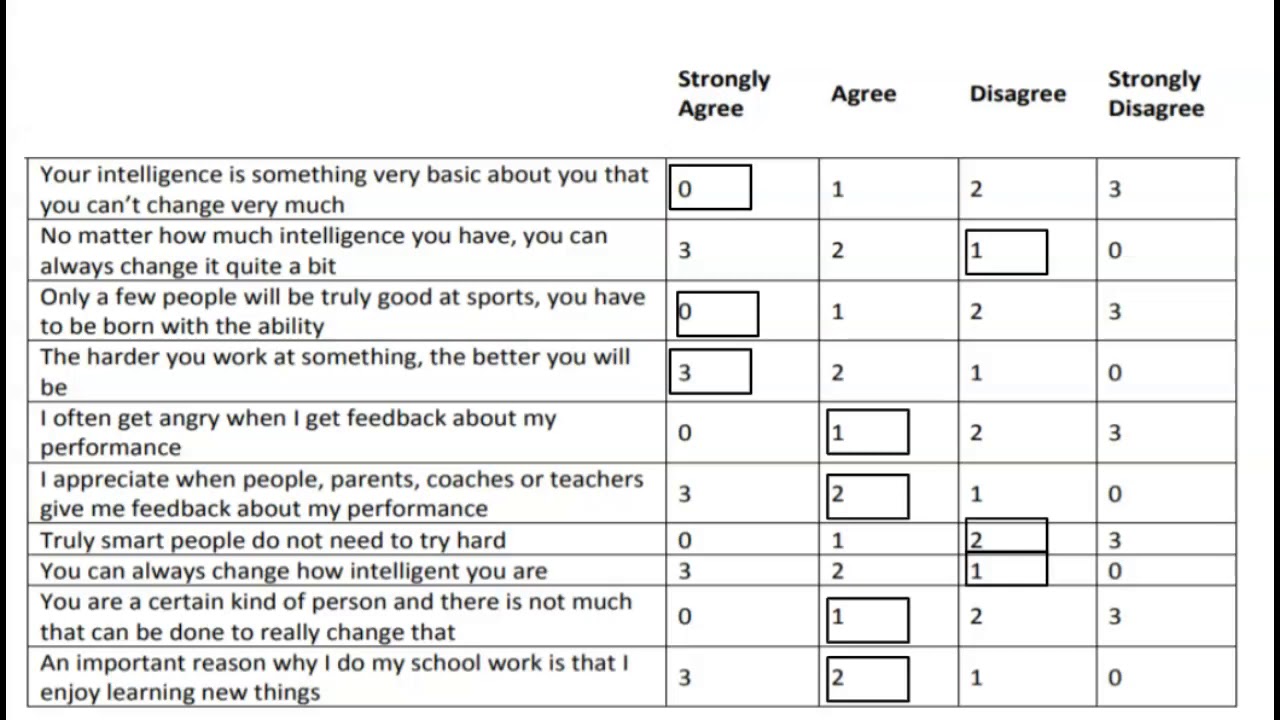
Added:hi everyone welcome to ia poles may teacher talk webinar we're so grateful you all could join us today my name is Natalie Abel I'm a program manager with I Nicole and I'm going to help facilitate tonight's webinar so tonight we're going to be exploring how to teach with a growth mindset and how to build a growth mindset culture and we're so excited to have some folks from Colorado's district 51 with us as panelists to share their insights and expertise and tell us a little bit about how they instill a culture of growth mindset in five steps in their district so before we get started I have just a few quick housekeeping items to run through quickly with you in the lower left-hand corner of your screen you should see a chat box I encourage you to please introduce yourself we'd love to know who you are where you're tuning in from if you're a teacher or a leader in a school or district that's personalized or competency-based we'd love to learn a little bit more about you and we encourage you to share your own insights and expertise throughout the webinar as well so that the learning really goes both ways here oh great someone from Istanbul that's so exciting great to have you and I will be helping to monitor the chat box as well so if you have questions please ask them we'll do our best to save some time to address those questions and make sure that you you get out of this webinar what you came to learn tonight or today we also encourage you to share what you're learning on Twitter too if you are a fan of the Twitterverse we'd love to connect with you there and you can connect with our presenters today too and we can share what we're learning with our networks beyond who is present today so one more quick item tonight's webinar will be recorded and archived so we will send you an email after the webinar that will include a link and you'll be able to access the school webinar recording as well as download the slides so you'll be able to refer back to this entire conversation and share the slides with your own peers and colleagues and teachers so that you all can learn beyond tonight on so with that before we get started I'd love to just get a quick pulse of who's with us this evening so on the left-hand side of your screen right under your name you should see a little polling option that says yes or no and I'd love to know are you a teacher who is in a personalized or competency-based program so you can just click yes or no and we can get a sense of who's in the room I see Karen's from Pittsburgh yep that is my hometown as well Karen okay so it looks like we're we have a more teachers and a few people who are not teachers so a good mix of folks in here today but please do continue to introduce yourselves ask us a lot of questions and share your own insights and today we are so excited to have Rebecca Middle's who's the executive director of performance-based systems in Colorados district 51 and with her is a panel of teachers so we have Kerry works who's a fourth grade teacher at new Emerson steam school and we have Tina slay who's a middle school teacher at East middle school and Felicia Castillo who's an instructional coach and enrichment teacher at Rimrock Elementary so I will let them tell you a little bit more about yourself about themselves and I will now turn it over to Rebecca to get us started today so Rebecca turning it over to you thanks thank you and thank all of you for joining us to given us an opportunity to share our learning as a district we know we will grow from that and your questions and feedback will add to our learning so we appreciate that opportunity I know you just introduced us but we also put some pictures there so you could kind of get a visual reference of some voices so we might just say our names again with maybe a fun fact before how many years you've been the different hi you my name is Felicia Casto I am an instructional coach and an enrichment teacher which I'll define just because it can be different in different locations I'm part of the specials rotation so the kids go to PE music library computers and they also come to me for some explicit teachings that we've designed and I'm carry words and I teach fourth grade at neurosensory speed school and I've been in a school district for 20 years and at new Emerson for 17 years and this is our first year as a steam school and we started off as a stem school for six years and I'm Tina Slade I've been in the district now for fifteen years and I've worked with gifted students all 15 years for the last five though I've worked with students in a full-time gifted program as well as students that come to me for a different and talented elective I'm Rebecca middles executive director performance based learning systems here in the district and I'm relatively new I'm finishing up my second year here in Colorado we thought our pictures would help but also if you can just make reference that way of the names when we introduce some slides or some examples we may just say this is curious and peanut so you might know how to reference that piece we also feel that we want to get in just enough of our examples but maybe leave some time for questions and answers at the end so if there's something that you see that you might have want to know more about what will be sometime at the end so please keep that in mind and we hope to address those towards the end so to give you a framework for a big picture about where this work comes into play for us these are our implementation phases that we've outlined that is our guidelines transformation to performance based learning systems each one of those fade is unpacks into what you would expect to see in a district level and what you would see at a classroom level and these two phases right here are actually just great strong practices for any district but you really want to make sure you have that solid foundation in place before you would move into building a performance-based learning system where are five steps for building a growth mindset culture come into play is really in the laying the foundation and going deeper into each step into supporting effective practices so that's our big picture of how we build our foundation and lay the groundwork but what that means for us as a district is these are three focus areas that we've had the last couple years and we've been really focusing on building our culture and climate at our district and school sites and our alternative programs as well the transparency of our journey in that work where we share out where we've been successful where we're challenged and making that transparency known and so that people are part of that conversation have on-ramps into the journey and spending time to do a truly shared vision versus a vision created by a few shared out there really having opportunity to be a lot of people to the table to build a shared vision of what we would like learning to look like for our graduates that's our focus as a district and how that transfers to learning at site levels and for our teachers and I'm sure you have your own focus areas so you can relate to this with but we've really been looking at our social-emotional learning which we reference here is SEL our Design for Learning which could be workshop or backward by design our learning environment whether accessible and has access and learner centered processes which also goes into this one which is our code of collaboration and standard operating procedures do we have pieces in place for the learners own their learning community and their behavior and have a say in that and what our operating procedures that help guide them to hone that on learning or the voice and choice option embedded and building our relationships at all levels these aren't you probably aren't too unfamiliar to you you may even have your own that you would add to that I think the reason why we want to clarify this piece here is that we really believe starting with growth mindset and that we can change our behaviors and grow learning is at peace for not just our learners but us all so all of us in this system really focusing on that and that we can make that change an outcome that this has led to has filled our teaching and learning framework and revisiting and doing a stronger implementation of our learning communities as well as building professional learning design hubs for our adults that reflect these pieces that we're trying to do for our learners so that's our big district view and how that plugs into this work if you find it for this webinar I think the implicit expectations that you're probably familiar with growth minds but just in case you weren't this is really primarily coming from Carol Dweck's work and that belief that when students believe they can get far they understand that effort makes them sounder and it's not just about effort but giving praise to the strategies that were tried or giving feedback to trying a new strategy not just keep trying it but looking at the strategies you're using and that learning is a process and there may be failure along the way and eventually and once Carol Dweck's I said I think I pulled this from one of her statements if you want them to know nothing learners to know when to ask for help and when these resources that are available so again the mindset work really supporting our student agency and advocacy view about helping learners own their own work so essentially what we took from her work and is also reference online that online website that is a support website for the book is these four steps that she recommends to learn to hear your fixed mindset voice recognize that you have a choice that you talk back to it with a growth mindset voice and that you then take those actions growth mindset actions and well that's an important piece of her work we added more to that and you can see that in corporate and embedded into our five steps that we'll go over this webinar is based off of these five steps so our first practice is teaching about the brain at all levels teaching them up a different mindset which leads into then teaching productive self-talk providing growth feedback and praise as a system to support that work and then developing challenging goals so we're going to go through each of these steps and you're going to hear from the teachers in the room today about examples where they've brought in the poster that was used to advertises webinar we've use in our design hub and that's just a graphical representation of that work those five steps in a different format which in our design times we also have what we call our learning continuum and you probably can't read that very well and that's something we can certainly get out to you later as a resource but we wanted to give you a visual example of how we put those each one of those steps so for example the top ones of the brain mind fist and then self-talk how each one of those has indicators at the emerging level exploring level applying and then refining so that us as adults in the system can know where we are what we can celebrate that we're doing and what a next step could be to move our thinking and our learning for our kids in our classroom so this is a continuum it really assesses our learning and the knows how to differentiate within those pathways that we provide the first step is teaching about the brain and I've cited Judy Willis here as educational leadership article that she wrote but it it really talks about when you have learners become aware of how their brain works you're helping them not only on that piece but help them believe that they can create a more intelligent creative and powerful brain and we truly believe that when kids are empowered with the knowledge of how their brain works they're going to be empowered to make choices that can grow that intelligence you can hear some more examples this is Carrie and or when we think about the brain first we want children to understand that they have the power to make choices because they know how their brain works and what is happening in the brain what is the way as we have done this in 4th grade is not only by teaching children the parts in the function of the brain but by metaphorically relating their brain to be in like a house with an upstairs and a downstairs this comes from the books the whole brain child and you can see the poster that's in the middle it's it's referencing the upstairs and the downstairs brain so I'm going to share with you how the same way that I would with my fourth-grade learners today we're going to look at the upstairs part of our brain and the downstairs part the upstairs brain is the thinking part which is the problem-solving part the planning part in the in Pacific part the downstairs part of the brain is the part that keeps us safe and make sure that our needs are met when our upstairs brain is working well then you have the ability to keep your emotions in check and think before you ask our brains work best when the upstairs and the downstairs brain works together imagine that there are stairs connecting that upstairs and the downstairs and that means that they are vertically aligned meaning that the upstairs brain can help monitor the downstairs brain and vice versa we want that stairway to be built so that all parts of our brain are working together as a whole but sometimes the downstairs brain senses some trouble become stressed out and flips its lid when we flip our lid the downstairs brain is working on its own and we need to help learners get back to where they need to be you can see on the far right there's a hand model that top that we can share with kids about what it looks like when their brain is flipped some ways they need to get back to that vertical alignment is engage don't enrage use it or lose it move it or lose it okay so another activity that I have used in my classroom sink and as well utilizing that book that fantastic elastic brain and this is valishia and so I've used this activity with third and fourth graders you can see the picture there in the middle that's kind of what they look like at the end of the activity and this activity comes from the book mindsets in the classroom and you can see that resource at the end of our slides slides as well so the kids get to act like neurons so I usually choose five to seven kids however many that you think you know needs to be involved in front of the class and take turn so everybody gets to be involved and I have them to the topic and usually for the first example I have them choose multiplication facts because that's something in third grade that's a pretty new skill for them but also something that they have some mastery expected by the end of the year as well the kids also love to choose activities when they first begin playing a sport or a music or something that they are interested in as well so first of all we talk about what prior knowledge they have with those multiplication facts and so the connection of course at that point in time in their brain is very thin if it even exists so then I begin to hand out a thin piece of thread and just a couple of students kind of begin to make that connection and then I start talking with the kids and they share about multiplication facts and what they know and how they have learned them and I would connect their the yarn with more students there and or give them the piece of yarn the next kind of size up in the connection and the kids might step a little bit closer together and then I would ask the question of how do you get better at your multiplication facts over time and you know the connections been are becoming thicker and more kids are grabbing ahold of that yarn and you can see they're holding hands there and they like to make that synapses where the neurons are connecting and they say buzz just so that keeps them engaged so and his students begin to talk about the strategies that they've developed about the multiplication facts and the efficiency of those strategies I would hand out like a small piece of rope to demonstrate an even thicker connection of the neurons then the students end up in a tight cluster as you can see in the picture there as neurons do in your brain tightly connected and it's easier to recall those facts and they also kind of think the activity is over but then I asked them so what do you think happens over summer break or when you're not practicing your multiplication facts every day and without even guiding them they just begin to take a step back and dropping those connections they just know and as an enrichment teacher it's been great to hear from the classroom teachers perspective that these activities that we've been doing are peering over to the classrooms and the kids are asking these questions and the teachers that are asking as well so we've got this carryover being followed up upon in their classroom so this is Tina and I'm going to share some things that we do at the middle school level I work with 6:00 or advantage but in sixth grade we really start with the basics of growth mindset and so we start by just teaching how the brain functions and I have the students build brains out of clay with clay so they build a replica there lots of Claymont or models of the brain in the room that they can use and they build it label it so they know all the different parts of how they function and then we can start talking about that interaction between the upstairs and the downstairs and we also build the neurons so that they know the different parts and how those connect we use recycled materials and the students each build their own neuron and then we connect them down the hallway in our school and so that's just a great way to make sure they understand the basics and how the brain functions another thing just sort of an anticipatory set that I use with the students is this analogy of being thinking that you're full and you know everything sort of that intellectual arrogance so the students and I put a little synopsis up here so you could use it I learned this at an energy C conference from dr. Tricia Easter ring and so she uses the blue dyed water in one sponge that's full of already full and the other one is dry and open to new learning and so when you put them in a blue dye the sponge that isn't already full soaks up more learning and so you can see that in the clear cups that should keep the liquid in so it's just a great metaphor for students to try to think about going into new situations with an open mind and rather than thinking they've already learned it all which as you know sometimes a do to students sometimes things that they do already know it all so it's just a great analogy that I use to start conversations so that's the summary of some examples in our first step in the growing that growth mindset culture this next one our second one is teach about the different mindsets and I think that this is probably the one that Carol Dweck's work is most associated with and most known for and it talks about just being aware of the different mindsets that you might be channeling or listening to now that we're either growth or fixed it's a continuum but what voice are you hearing and being able to acknowledge that and I'm sure if you haven't there's this world called Pinterest I'm sure you've got any look at growth mindset it's a little overwhelming with all of the wonderful resources but these are immediately pulled from that but I would only say that one thing to think about when using these examples is you're really looking at it either being fixed or growth and helping people understand that that is a continuum in the versus language and kind of only show one of the other although that can be helpful to learn it at first I think the next page needs to be really talking about what does that look like to be more of a continuum I read more towards the fix leaned more towards the growth wearing buying yourself on this challenge and having that conversation so although there's a lots of great resources just a caution that we've used or we've taken into account when we're using that this is Tina I just added this in because for the middle school level I think the Star Wars analogy is great we have these posters too now our classrooms in the building so I found it on Pinterest and it uses the mind set works basic model of the two different mindsets and we talked about at least a mixed mindset as well and then are starting to incorporate the continuum the other thing that I add to the middle schoolers is I purchase small little stuff do two dolls and then when I see a student that's really showing some growth in there either self-talk of what they're saying out loud their growth mindset I'll give them a Yoda doll you know just to praise that mindset in the change that they're making this is Kari and here's one activity that I like to do at the beginning of the year to teach growth mindset and keep in mind this comes after talking about growth mindset and fixed mindset and sharing examples of this so you can see on the left there's a group of students there and before they get to this stage we talked about that we're going to do an activity that they have to employ the habits of mind and a growth mindset in order to accomplish this task so they get together and they talked about a time where they came across a task or something that was hard for them and they talked about the strategies that they used to accomplish or overcome their hardness or self taught that they did in order to get over this hard part and as they were and they reflect on that and show what they did I remind them that during this activity they may have to do this thing I'm self-talk of the same strategies the first thing they do when introducing this activity is that give them six cups and you can see on the slide on that or the picture on the right that they have six red cups I give them the cups and tell them that they need to build a pyramid during this activity and they look at me like this mascara you're crazy this is going to be easy to do and then I tell them the more challenging part to this activity which is they are not able to use their hands to build a pyramid they have to use the it gives them a rubber band and there's four pieces of yarn attached to it and they have to use that tool in order to grow the pyramid and take the turn with them and then it becomes a little more challenging when they start thinking about how they're going to accomplish that task so they learn their teams they start working and I just flop around from group to group and begin to ask them questions to help them talk to through their thinking what's working what's not working why do you think that is it working what changes could you need is there another group that you could go talk to and the teamwork that they have to do really helps them accomplish this task as you can see the picture on the right they have accomplished it and it's not something they can do quickly it and the process that they do over time after we finish and then each team is accomplished building the pyramid taking the pyramid down and we talk about what worked well within the classroom and what we would change for next time based on successes or failures and what they can learn from one and one another and we really talked about if they are still here going forward how we could have cut them overcome that and then the final step for them is to go to their mindset reflection journals and you can see there's a picture of the students there in the middle and they just need to reflect on using the process and they can use a graphic form there's certain stems or they can just share down their thinking and their thoughts that's a really powerful tool the tool that we use in the classroom as well so this is like close at second step for examples that we have on the slide reform is into the third set by Wednesday but we really advocate spending some time teaching about the brain and the difference between growth and fix and the continuum with your learner's before you move into this next step although I do think this is probably one of the biggest steps in the five steps that often gets overlooked and we call it self taught but it's not teaching productive self-talk and I'm sure you have had learners where you may have seen that this is not evident and this is what we're talking about when people will say often trauma-informed instruction when they talk about mental health and strategies they can use to help support their learners as well as anxiety and increasing anxiety that we're seeing this is really a piece that we're using whether it's you're addressing generational poverty or issues of equity but we do feel it this is a piece that all learners should be exposed to at least to know that skillset and we pulled a quote here from Psychology Today and their life that it talks about when you have that availability to gain perspective to set back and with no negative thoughts that area is actually able to make change within yourself and has foster success because you're able to see it from a little bit of a distance if you go into that articles and further which we have that resource divided later it actually talks about the use of lending in third person and when you might use first person to change behavior and I think those are important pieces and a lot of that work is really blowing up right now about how to address those needs of our learners and we think about it successful people that we often use in those posters out there for growth mindset about success for people and all the failures that they've experiences and typically when you dig into that they have a very strong ability to do that self talk to talk themselves through failure and believe that they can stay on that path and that's the skill we want for all kids so this is this is our third step that we'll go into and it's also we the one that we know it to be the most challenging for folks I think great teachers have always done this and maybe not even been aware of it but really having that conversation about what does that look like new and old teachers alike and what can we do as a strategy as a system to build that support with our learners so changing that way is we have a negative self-talk and kids can identify it how do we change that to a positive most different strategies for different levels I think it's an important strategy for adults as well but when we think about the different levels of learners you're going to hear and read different takes on that when we share this is another common commonly shared example without their insurance interest somewhere - but if you'll notice you've got the student on the last year who maybe draw the picture of herself and introduces herself and both mindset tagline this is very common when I was an educator in Alaska or we would have learners draw themselves and how they see themselves and then productive self topper or productive mindset phrases that you would use what's interesting about the one to the right is this is actually the same learner the toppers for the haircut ironically the longer hair is associated with the growth mindset and the shorter hair fixed mindset whether that was on purpose I'm not sure but he talked about his own language that he has after he made a mistake when he can channel his growth mindset language ideas and it's fixed mindset self talks language ideas and this class had also done that same practice for writing reading and math so you see it as an example to embed what people may already be doing in a classroom and having kids identify what we mean when we say self taught and I know some pushy fellows done something so where does that - I think Tony yeah I think it's been great for the kids to actually see those and see me with the fixed mindset and then watch me model how I would change that into a growth mindset and so the kids have got to do a similar our activity is up what's up here as well and one little second grader came up with people on swimming from Finding Nemo and so I use it as a teaching moment to kind of pull in and engagement and there Side world with video games and media that they use and so they were able to pull in some other phrases that they would actually say to themselves not what I tell them that they should say and a lot of kids I mentioned video games what are the video games that kids are involved in and when they fail a level or something it says you failed or keep trying or so they've taken those words and they've rewritten them for what would be more encouraging for for a kid to see when they are struggling to get through something in a secondary example or some secondary examples that we've seen work as well is when learners and classrooms have generated and you'll see this on the left perhaps a list of things they know that they said to themselves or they may think others might say to themselves that safer way to start it and it doesn't have to be I'm not good at math right it could be reading writing art sports well whatever self-talk papers themselves say and generate another list about ways they could contradict that was more of a growth mindset phrase to really nailing that kind of explicit idea this is one thing you could say this is something you could start saying instead and having that list to refer to as a class and I've seen kids point to that list when working with another student and talking about what might you be saying or how could you change that and use that list as a class another example so this is something I wanted to share from the middle school level the first thing and usually I use it as a culminating event is this really great video from Nova ScienceNOW called how smart can we get and it really just sums up everything learning about the brain the mindset self-talk and goals but one particular piece that I wanted to pull out is the part about writing about worries and how it eases anxiety and just using journaling too uses anxiety so see on Baylock who is the associate professor at the university of chicago came up with this idea after really suffering through a crushing failure and so she wanted to do her research to find out what happened in her brain during that failure and so what she really found was that when you activate that emotional center it interrupts the working memory and so her and her researchers went on to do some different trials to see us they felt like journaling could ease that stress and shut down the emotional center so that the working memory could do what it was supposed to do and so her team proved that if students would journal for 10 minutes it eased the stress and the anxiety and students improve their test score by over 12% and so we use that in the classroom we talk about when they're stressed or they're anxious not only self-talk but also journaling or drawing and beetling but just getting those stresses either out through self talk through journaling but that's had a huge impact on our middle schoolers I want to pause this and I just want let you know we are enjoying all your comments and questions and thank you for Beth and we're looking forward to the question time at the end so just know that we are reading them as we are presenting so appreciate that time you're taking to do that another resource that's helpful for the self talk piece for those I think that might feel like this a little bit more than uncomfortable area we this is another resource that's been very helpful and has some key areas about how you know you might go about getting to know your learner's better but I think particularly a chart that's on I think it's maybe page 69 in this book that talks about things that you might be observing so as a teacher in your classroom taking time to step back and observe your learner's are you seeing a learner that's not starting their work as he or she is thinking for a long period of time and just really slow to start and the stance that they're saying they might need to work on this optimism here but what I think is most useful about this chart is on the right side it has some self-talk that a learner could maybe start using my life is there's choices they might tweak get around change award but in a conferencing one-to-one situation this can be very helpful for a teacher that's not this isn't a go-to strength area for them but they have a resource that they can develop so if you're seeing some of these activities with their learners here's an example self-talk that you might bring into a window on conference or even a personal goal so another useful tool out there but essentially those first three steps they're really building that belief that if you have two minds that you believe you can grow that mindset and that you know how to do the self-talk do you really have the ingredients needed to change behavior and to make a habit change this next piece the fourth step is really that as a system do we also then circle around wrap around that learning to make sure that we are also role modeling that in what we choose to give feedback and praise do I think if teachers were pretty good about giving constructive feedback there's some examples there but I think also there could be unintentional consciousnesses about praise and I think Harold Watts there's a lot of time talking about that but let me choose to praise for example learners that might get done quickly or it looked easy for them the message that we might be giving an attention to the rest of the kids is you must be smart because this was easy and it was quick so just another noticeable thing for us to keep thinking about as teachers in the system but also as educators at all levels in this with an adult to adult conversations are we changing the way we give feedback and praise and here's some more examples of those resources coming up another activity that brings in the self taught and the feedback piece it's a simple teacher adding learners share some things that they might stage in themselves if you want and you could come back and visit visit this activity to have them bring some things they might say to a friend says gross and then if they have fixed how they might change it's just a simple teacher visual this is falesha again and as Rebecca said this feedback and praise also goes with self topics I seem to find myself working on both of them in my classroom and I'm sure that you've seen the poster around change your words change your mindset so what I have done in the last couple of years is taken this growth mindset feedback tool that you can see on the on the right and it's from my set it has some example statements to say to kids when they are struggling with strong effort or when they put little effort into something and they automatically get the right answer so what I've done is as you can see on the Left I've taken some sticky notes and just changed some of the words tweak them to make them my own something it sounds like I would say and for example like when I'm giving a number talk I find myself to seem like oh great instead of you know giving saying something a little more productive or of producing so I would just put that sticky note on my korean book or on my computer screen or wherever i'm going to be needing to see that as just that visual reminder and my fourth-grade group of challenged kiddos it's been interesting with them that they've seen me work through this process I tend to say tell them exactly what I'm working on you know kids follow you and they watch that happening so they've been here in this last month working on giving each other feedback on projects or math tasks that they're working on and so they've actually asked for some helps to give their peers feedback as well so they've taken that to the next level which I had did not even anticipate that happening but I think it's been great to have them working on giving growth producing feedback to each other and it also continues to hold me accountable to make sure I am giving them growth producing feedback as well so this is Tina and I wanted to share probably my favorite activity for providing feedback so I have students for an elective which means I only have them 45 minutes a day and it's not a core class so it's hard sometimes to give them feedback they're not always working on a challenging writing assignment they're doing different things with me so my favorite thing is game play and it's not just a free-for-all game play but it's games that are very purposeful and we dip them their levels and they're also meant to be played individually so the students as they play these games it gives me that authentic opportunity to walk around and listen to what they're saying when they're wanting to give up or they're putting the game away and I can let's pull that back out let's see what you've tried what strategies have you tried what resources have you used maybe maybe you do need to put it away for a minute and try it again and then to watch them evolve because over time what they'll start saying is wow this is really easy why was level one so hard and now level 12 is so easy and we technically can go back and say it's not easy but you you have built that connection but it's become easy for you and so then another thing we do is a district which I love we have our Scholastica tournament based off this game play and we do it twice a year we bring all the students in it's a different set of games so they're all new and the students haven't played them so they come in they get set with all the other students and they play games they've never played before but they have to use the same strategies not give up they have to use their resources they can talk to other people and really what they find is that they have to have a growth mindset and in order to be successful and so that's works really well for our district and the kids love to do that the other thing I just want to share I do use the brain ology online program and I know someone put in a question about that the brain ology online is a great program it has an online component to it and it has journaling and reflections that the kids put in but they also do activities in person in class where we can talk and have discussions but what I love about it are the weekly assessments so I'm able to give those students individual and specific so you built that to help support healthy self talk and so the example I have up here is a student who didn't run for Senate and what he was reflecting on was something where he had used a fixed mindset and what he's wrote on there I know it's hard to read but he wrote that he was intimidated by the other people running for the position and so he didn't apply but what he also wrote is that next time he's going to give it a try because now he sees that he should have tried it and so I'm able to give him that feedback on those assessments and so that's something I really I find useful in the brain ology program that last step of our five steps is sending challenging goals and I think that you know we've all at some point in our career have Tottenville funny and we probably all tried different strategies and and where we try to push this to be just a little different and maybe you do this already is really scare away from the goals that we know kids will eventually get with time but more about having them choose a kind of at varying goal that maybe they don't think they can actually achieve so that they will channel then those strategies and self taught that they've been working on and experience that productive struggle so having them choose a goal and maybe not having a timeline attached to it and whether it's school or not school as your choice for your set up but really putting that practice into action so we this last slide talked about behaviors as a way to do it they could certainly be academics as well it could certainly be activities outside of school but another example we have here about from a school-wide approach to it so at East middle school our seventh grade team came up with this idea and so I put the link to the YouTube video by Josh Kaufman and basically Josh talks about his his own personal research that he did about what it takes to learn something new and so of course we ended up with the 10,000 hours in the Malcolm Gladwell book outliers and then from that he kept doing research but really that that $10,000 was to be the top of your game the top of your profession that takes 10,000 hours and what he found is that really it's 20 hours to learn something new and so our 7th grade team has all of our seventh graders pick something challenging and new for them and then their goal is to learn that in 20 hours so they learn everything from juggling to knitting throwing a knuckleball baking and so once they've learned that they spent the 20 hours then they come back and they share that with their peers they take them out and that fact when I went in the other day they're out all watching one of the students should throw a knuckleball so they get to share it with their peers and what's kind of interesting about it are the students particularly our students in the challenge program that are all identified gifted but that they struggle with that need to master and perfect something and so it's often very hard for the to only spend 20 hours and to be okay with sharing something that they haven't mastered but they do find that hard work and effort and putting in that time they do learn something new and so I think it's a cool project that they can bring back and share and learn a lot about their mindset the next one actually supports work Patino is just sharing in that this is a great activity to do to get ready to choose a goal it's called the strategy box I think it's been used before when talking about growth mindset but it's having quadrants and then three of those quadrants do list things that you are good at or have recently achieved and in the last one you might listening that you are currently working on but what's important to note is that the three that you have a sheet you're going to list important strategies and steps or beliefs that help to be successful and that could do that you watched others that you had folks coach that you read more research or got feedback from others but which of these three things that you recently achieved which of those strategies could transfer to something you're currently working on well we like about this activity it's very empowering about paying students have already used and been successful and then feeling empowered by that charge even translate it to something new so that's an activity that you might do with bars to get them ready so that goal-setting when we mentioned earlier that we would have a resources listed here we can certainly get you any others that we may have mentioned and didn't put on here but we know how valuable it is to have takeaways and resources certainly at this time of year any time of years really hope that this is capturing lots of the things that we reference and then up going and just a reference to I've seen some questions about the online learning and stuff I would definitely recommend checking out that you cubed website it's from Joe bowler who wrote that mathematical mindsets and it really takes Carol Dweck's research and puts that into a map frame for you but that you cubed website has activities for your classroom it even has an online learning component that they can take my taking fifth graders and put all of that work into a Google classroom for the fifth graders to come in and work on a couple times a week and most of work on it outside of the classroom because they like it so it has videos and they have discussions about it in that just a fabulous website that's filled with resources everything by analogy which is reference also as an online component mindset works has things online as well as translated in Spanish so a lot of these this is this is the websites it's of course to book so hopefully you'll be able to pull things that you need that could support your five steps for the kids that you serve but I'm sure it's time for us to have conversation so thank you great well thank you guys so very much what a wonderful conversation with the insights and examples and strategies you provided I'm truthfully so inspired by the creativity and the evidence that growth mindset is is really embedded into the culture across your entire district events it's really exciting and I think I speak for a lot of folks in the room when I say I'm really excited about the strategies you shared with us today so now let's open it up for questions so folks please feel free to type your questions in the chat box we're going to use the remaining time here today to to do our best to address these so I will pose the questions to Rebecca and her team here and they will do their best to answer them so Michelle is asking if you guys might have recommendations for children's literature that teaches about growth mindset so do you have any recommendations there we do have a list that we generated as a district to buy more resources for k-12 we can certainly send that out afterwards to the attendees but I think we also have some quick ones that you could take another site I think my favorite one that I like with my primary kiddos is the book stuck and he what to do with an idea and what to do with the problem so those there are three titles that are great resources there's a ton online if you just google that growth mindset books for children so this is right yeah must agree delish ring the dot gasps I'm sure we could think of more but I think if you want an extensive list we could certainly somewhere afterwards that we've been betting and it has some high school references as well and I saw another question about the data behind that and interestingly enough I kind of created my own data just to see if what I was teaching was working over the last couple of years and it was very surprising I just took some questions like an example would be I can change my own Talent I can change my own intelligence and the kids would agree with that statement or disagree with that statement and then over the year that's a lot of what we worked on in the classroom and you know the first year I had about 60% of kids that felt like they could change their talents and a lot of kids could felt like they could change their intelligence but they couldn't change their talent so we did a lot more learning around that as well so by the time we came to after two years of that that number was up in the high 80s of percentage of kids it felt like they could change their abilities in their talent and something this is Tina so after middle school level we use the brain ology with our sixth graders and one cool component is that they do a pre assessment of their mindset and then they take that same thing at the end of it and I've always had anywhere from you know 80 to 90 percent growth in their mindset moving and it's within a continuum that they all make movements towards that growth mindset by the end of the elective great thank you so much that's so interesting about the perception of growing your talent versus you know in assessing a kid based on that and changing your strategies to figure out how you can build mindset around talent - that's really interesting so we had a question from Christy and she asked if the examples that you showed and are in their resources that you should so I'm guessing that those examples probably are not in all of their resources but we will share this entire slide deck with you all and we'll provide a link and a follow-up email to you all so you'll be able to go back through the slide deck and also view the entire recording so you can listen to how they explained it again so that you can implement it in your own classrooms as well so Rebecca team any comments on that one and I think you're right I think we're we explicitly reference where they came from we try to put that in this slide or at least in the recording it's good worded reference they may have come from resources out there that we modified or tweaked some are original but the whole idea is to share and we would encourage people to reach out to us if they need further examples or explanations and we would love to grow a network of folks doing this work that we can learn and share with and from excellent so we had a question and this is one that you know we hear often from folks trying to do this work so so what are the pitfalls that a teacher should be aware of when trying to implement growth mindset are there any particular challenges you faced in implementing this into your classrooms and pedagogy well I think that you know some of the challenges are probably that preset position that people might have about certain populations and and people thinking that school worked well for them and maybe this is more challenging and I think you're gonna have those conversations of any transformation that you might be encountering one of the pitfalls I think which is why we really wanted to be explicit that it's five steps is that sometimes people will only do that second step which is teaching the difference between growth and fixed and think that they've got it covered or keep trying keep working you can do it just don't give up without really investigating the strategies that that learner used where they were feeling in those challenges and where their affiliate success is and having them dig into what they were feeling as they were going through that I think that can be in this step is often just talking about the difference in growth and fixed or the continue is not enough and sometimes people might think of it's been that time and they do incredible visuals of it which I love but as they don't get reference or have them tied back into destruction across the day they can sometimes just sit on that wall and so I think that's that's a pit bull you want to try to avoid other piece I think is more about the parents piece and I think we can talk about that as a group I can share airspace on that one as a instructional coach that I wear I've been working at one question I do teach this explicitly separate from the classroom teacher but now that it's been happening for two years now it's embedded in all of the classrooms so I've been working with the students and with their staff aligned as we've all been learning more and strategies for how to - how to you know have a growth mindset and recognizing our mindset whether if it's growth are fixed and having some strategies to work towards that it's amazing that the kids are not the ones you have you struggle with it appears it's the parents but it's great I've done a lot of math nights growth mindset parent nights where I have just involved them utilizing websites there's surveys that parents can come in and take online that's two to three questions that get then give them some resources just just how to change their words at home for how kids are responding to different things so one thing I just wanted to add as far as the parents and how to get the word out we bring the parents in for a parent meeting and I have the kids teach them to games and so they can also in an authentic way they automatically have that self-talk so as the parents are struggling through the levels the kids are saying oh it's a paste equip that that it gets easier just keep doing it and so that's one way we've tried to just involve the parents and what we're doing and they see it they see it authentically right there and I would like to piggyback on that too when you get your learner's invested and they're on board with you they're so excited to share with their parents and so I really think that dealing with the negativity that parents may bring in and we have a program at our school that we call early-bird greeting and that's where every child has an adult to read with and many of our parents drives their children to school and so we take the opportunity for their child to teach every parent about a growth mindset activity that they've done or self-talk they're doing and then we encourage parents to employ that at home as well so they know that we that we you've been in our school to help get parents on board our principal the first year we implemented this a couple years ago our principal would have monthly meetings and she would invite parents in and there were standing room only in that during those sessions because they wanted to learn about growth mindset with their kids for coming home and talking about and then also we sent home weekly or monthly newsletters and we would put information about growth growth mindset in those newsletters and I really think that helped to change the mindset and the culture of our school and most parents do love this and so I think what I think what we want to reference is we're talking about when you do have some people others from parents or teachers or community it's a very empowering language it's a great to hear elementary kids teaching their parents about neuroplasticity and talking about how they can grow neural pathways and you know you might want to think about it having challenged your growth mindset voice on this and I've heard lots of stories across the community where parents to share with us how their kids have helped coach the through very interesting situations and I think that that's important to add to that as well there's some great resources on the Stanford website for parents it's called a parent workshop class where they have videos and questions to guide parents that I know a lot of parents enjoy saying you know going to a Stanford site for them that's been helpful I love that the mindset works have parent booklets and guidelines in two languages which is really helpful I've seen parents PTA groups take this an illness is something that they do for the school for new families coming in and teaching about that so there's lots of different ways that it can be very empowering for different stakeholder groups great thank you and we had an interesting question coming from Stephanie she asked do all educators buy into growth mindset or have you witnessed any pushback from seasoned teachers or other educators while making this shift well I think whenever something like that happens especially the transformation I think you have to reflect on your messaging as well how was it introduced is there an expectation is it coming packaged with something else that may feel like it's a top-down thing and really trying to understand what it is that people are pushing back on first looking at ourselves and that messaging piece of it and then thinking about where people are coming into it is it anxiety or is it a fear of loss of control about the way they normally do things and I think once you can determine whether it's about changing the way they normally do things that has a more productive conversation with teachers if it's about anxiety because they don't feel like they understand and that's a mess on us to provide more training and education to inform people to bring them along on that journey so I mean I think that that's probably the case for many things that you do in charge transformation I do think though that as far as topic skill I wouldn't say this is the easy quick one but in some ways we compare all the other things you might be doing for personalized learning this is typically pretty well received and I think people can see the results in their language and how they address challenges and parents can see that in their own children right away it almost fills momentum and it's a great way to get started and it's an important way to get started that's great thank you and we had a quick question from Susan as well I know the focus here was primarily on elementary in middle school but she asked if you are aware of any specific resources for the high school level around growth mindset well I am my passive high school so that's my personal experience about where I came up with the stuff I think you know you're looking at teaching to bring much different women you're really going into a much more scientific approach and I think that you can basically change all of those steps to really meet high school folks there's a lot of great resources about that piece that they can take from Psychology Today as well as mindset works so I do feel like there's a lot of examples for it to be in the high school sometimes we drop off some of those things but in high schools that still do advisory or in clubs there's a way to bring it in and then it filters into the other classes I think it's extremely important with what we know about executive functions and the teenage brain that we don't take for granted that they don't need to constantly be working on that and rewiring as well great thanks I think we might have time for one more question we have about one minute left and Susan's asking again if you think growth mindset teaching can help with classroom management I do we do because I think when kids are aware of their behavior and they're aware of what led up to that behavior they're more apt and more suited to make change which is why we talked about the change of behavior which is really often associated with just their personal behavior well know each other self-awareness self-management social awareness and social management they all come to play in the classroom and sometimes just having those kinds of teacher created rules don't always invite them in but when you also don't investigate why you have those rules or what they let they produce for a productive learning environment that doesn't include them in that piece having kids be aware of what causes their behavior aware of how they can change it a belief and that they can do that does filter into school culture would you guys agree yeah and I think I would just add to that that self-talk of the reflections or the feedback it's a great way to see individual with the kids are thinking and what they're going through and sometimes it's a good insight into some of what's going on behind the behavior and so having those personal conversations with the student and giving them feedback to a growth mindset really health I mean coming from an elementary level we've got feedback from our middle school that's been the kids that have come into them from our school that they definitely already have a good grasp on what's happening they know how to talk themselves through a struggling situation they're the kids that are encouraging other kids not to up and pulling out those strategies that we've taught them in elementary into middle school great thank you well I believe we are one minute over time so I'm going to wrap up with a sincere thank you to our presenters today I'm inspired and I really hope that our attendees today learn some strategies and examples that they can implement in their own classrooms from the comments and the chat box people are certainly excited about this and are very appreciative as well so please join me in thanking our presenters in the chat box and I know you all are getting ready for year-end and graduation so thank you all for spending an hour with us today and learning together it's very great work and district 51 in Colorado is doing tremendous work and personalized competency-based education so if you haven't checked them out definitely connect with them and learn together they're doing some really great things and as a reminder we'll send you an email update with links to this webinar archive and the slides so you can have access to this great presentation and share it with your school as well so with that I will close today thank you all very much and we hope to see you on future webinars thank you thank you family think it's an opportunity we have a lot to learn from everybody else too so we look forward to the conversations continue thank you thank you thanks you
Up Next
High School Geometry Interactive Notebook Setup Guide
@BusyMissBeebe
77.5K views•2017-09-03

Triumph of Orthodoxy Icon: Byzantine Art & History Explained
@BenCallan
2.1K views•2024-08-06

FastAPI vs Flask vs Django: Choosing the Right Python Web Framework
@TechWithTim
302.5K views•2024-05-26

Game of Thrones Opening Credits: A Cinematic Analysis
@gameofthrones
46.3M views•2011-04-18
Related Study Plans & Knowledge Roadmaps
Structured learning paths in General & Interdisciplinary Studies