











![مراجعة مصادر الالتزام كاملة للفرقة الثانية [ الدكتور خالد أحمد ]](https://i.ytimg.com/vi/r7iNkVh6Gfs/maxresdefault.jpg)
![What was the most sexist rule at your school? [FULL STORY]](https://i.ytimg.com/vi/BcZMwf5e_II/maxresdefault.jpg)















While individuals have a legal right to use reasonable ordinary physical force to recover stolen property, deadly force is generally prohibited for property defense regardless of the property's value; the key legal distinction lies in whether the threat is imminent and whether the force used is proportionate to the perceived danger, making it crucial to avoid escalating situations and to exercise caution when responding to verbal threats.
Legal Use of Force to Protect Property: Attorney Analysis
Added:Understanding the legal distinction between non-deadly force and deadly force.
Basic principles of self-defense law, including the concepts of proportionality and imminent threat.
Fundamental concepts of property law and torts, specifically trespass and conversion.
The difference between criminal liability (prosecuted by the state) and civil liability (sued by an individual).
Analyzing the Castle Doctrine and Stand Your Ground laws and how they apply to habitation vs. general property.
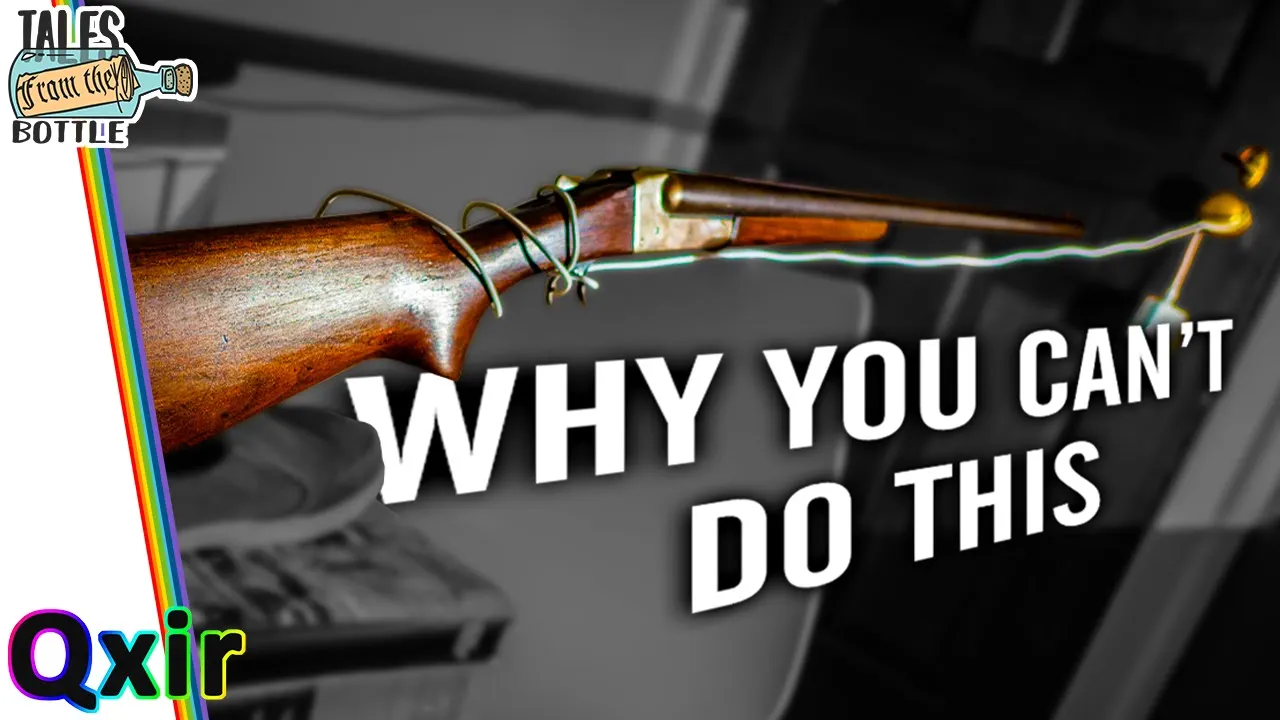
A study of landmark legal cases regarding defense of property, such as Katko v. Briney (the spring gun case).
Comparing jurisdictional variations in use of force laws across different states or countries.
Exploring the legal standards for citizen's arrests and the detention of suspected shoplifters (merchant's privilege).
308.4K views8.1Klikes15:27Original Release: 2020-08-02
sometimes for the legal analysis you got to call in the pros and ask them for some help welcome to today's bonus active self-protection lesson i'm still your host john korea today i have a bonus lesson for you i have invited a board-certified attorney one of the best in america to give us some more legal analysis of one of our videos here on the channel now we normally post this kind of stuff on the active cell protection extra channel but it's so important i wanted to bring it here to you as well hope you enjoy the analysis and it helps you in your understanding of legal use of force so go read the news story linked in the description you'll see at the bottom of the screen there this martial arts instructor is showing this guy her instagram page with the discussion of all of her classes and he snags her phone stupid idea because she's a martial arts instructor so she grabs him up in a headlock gets her phone back from the guy he gets out of the headlock and one of her students comes to help as well now you see the guy fishing in his pocket he says he has a gun according to the news story and she said that she knew it was a bluff she said he didn't she didn't think that he did have a gun and she told him he'd be a fool to pull it because of all the security camera neighbors and all that so dude goes to get his bike they're gonna go and and chase him a little bit here and be like hey man you know get the heck out of here or whatever then another student comes out and now a neighbor with a baseball bat is going to show up and drive that guy off as far as i understand police are still looking for this guy we actually have a second angle here from another uh you know from another surveillance camera she gets a hold of this dude and now she's got him with the right arm switches over to the left and gets the phone out and drops it then he's able to break contact there and now it's two on one and i think it's pretty interesting that he's learned pretty quick here that now i don't want to engage here i don't want to get in a fight because that chick has showed that she's got what it takes so he is again going to go around here while the outrage builds and grab his bike and now the neighbors are going to come out and the other students as well and he is going to run off and nobody else was harmed she got her phone back and that is where this one ends today's video is brought to us by firearms legal protection firearms legal protection is a legal defense program for lawful gun owners with the 24 7 emergency hotline and plans designed specifically for self-defenders they are offering a discount on their plan to ask fans so hit the link in the description for that so mark you watched this one and he said okay wait a minute now obviously again go watch the video i think that it speaks in some ways for itself but there's always limits here and man any time that i talk about the use of force to defend property and particularly deadly force to defend property i get people from texas that say buttma texas we're not going to talk about texas law here you got to understand texas penal code 942 and 943 a little beyond the scope today but talk to me about using force in defense of property well i think the first lesson from this video is uh if you plan to steal a cell phone from somebody don't choose a martial arts instructor i mean talk about victim selection fell they're standing right outside of martial arts school right bad choice choice of victims but anyways look she she was great right i think um you know you when you narrated the video and you talked about she got the phone back and then there's still the support bad idea get the phone back move on end of incident because the guy could have had a gun right that he had a gun it turned out he didn't have a gun she thought he didn't have a gun but she could have been wrong right and she could have sort of provoked this guy to pulling out a gun and she i mean do you really want to bet your life on that take the phone i mean there's a i think there's a good argument to say maybe let the guy take the phone and move on call call your phone provider have them block the thing get a new phone on insurance and move on with your life but she she opted to avail herself of her legal right to use reasonable ordinary physical force to recover property what's interesting about this in my opinion is sometimes the law is not very clear between whether you are simply using force to protect property or whether you are using force to protect yourself because you know imagine i i often use the example of uh somebody stealing a tv from your house okay well if somebody's stealing a tv from your house no you don't get to shoot them uh because you want to protect your tv this is using deadly physical force to protect property and maybe other than texas although i gotta say i'm a tad bit skeptical of how much deadly force you could use to protect property there but but in fairness i haven't reviewed that statute but generally speaking no you don't get to use deadly physical force but if you did there might be an argument that well while this guy was stealing the tv he turned and started approaching me and i thought he was gonna hit me over the head with that television set well now uh you're at risk of a serious physical injury or maybe death depending on how big a screen to be a big tv could be a big tv so there are arguments this is one of the reasons that i tell people it's best to just not say anything right because after you do exercise uh some force to maybe start collect your property the police are going to come and ask you what happened and if you open your mouth and say well i shot the guy because he was stealing my tv that's a different statement then i shot the guy because he was going to hit me over the head with the tv that he just stole those are two different things and once you make that statement you've locked yourself into a legal theory so i think especially at the time you're making the statement it's never a good time to make a statement right after this happens so i guess what i'm getting at here it's just like the prohibition on using physical force against somebody who's just using words right if i say you know john you're a dirty rotten sob blah blah blah well you don't get to punch me in the face but if i say john you're a dirty rotten sob blah blah blah and i'm walking towards you as i'm saying it and i've got my fist yes well now we got a little bit more and so those those important factual distinctions may not be something that the average person is thinking to say to the police especially at the time that the police are there and the trauma of the event and all this other stuff not to mention the police officer you may put that in and the police officer may omit that either intentionally bad cop or negligently bad cop but with good intentions just negligent cops so why risk any of that i use examples like this to tell people you got a fifth amendment right to remain silent it was very hard fought it's not going to be used against you if you do remain silent right if you get to trial uh the prosecutor doesn't get to stand in front of the jury and say look ladies and gentlemen if the defendant really was a not guilty why didn't he just tell the cop at the scene what happened none of that's coming in in fact you're going to get the opposite of that at your trial very likely the judge is going to instruct the jury in some form that look that the defendant didn't testify at this trial is not something you can consider you can't use it against the defendant they got a right to remain silent so always good to keep your mouth shut but again when it comes to and we've talked about this in other videos for me i'm not going to get into a fight over property your property's probably insured right if you've got a homeowner if you own a home and you probably have a homeowner's policy because you have a mortgage on your home but your property is probably insured your car is insured i'm not going to get into a big fight i'm not risking what's most precious to me which is my life and my health and my health and the lives and health of people around me who might be there at the scene i'm not going to get into that big fight and i get that some people are like you know john that represents my time you know that's my property i paid time for that blah blah i i might argue that maybe uh the concept of trading time for money might be a flawed concept that you might want to think about that maybe trading your expertise instead rather than your time is a better way to look at things and you can always make more money right i can't make more me uh i well maybe i could if i eat too much but that's a separate topic but the point there is is that you know if i said hey you know what um you're either gonna give me 300 bucks today or you and i are getting in a fist fight um and i've already got the 300 bucks if you want this 300 bucks you and i are going to get in a fist fight i might go i'm not really excited about getting a fistfight for 300 bucks today now it's wrong and absolutely you know i'm gonna i'm gonna go and outsource that violence officer yep that's my 300 bucks i want my 300 bucks back and that's okay maybe you'd decide in that moment though you know is it okay with somebody somebody grabs your cell phone to grab it back and go hey man that's mine get off my stuff that seems pretty low in terms of a transaction cost but to then approach this guy who's saying he's got a gun i'm not going there i'm going to be done now i also say um i think that as the value of the property increases the value of the time that you've put to accumulate that property increases so if somebody is going to steal the equivalent of your life savings or something i i actually i think maybe the law could be modified here it might be reasonable to say and again this is not the law in most places maybe it is in texas i don't know but certainly not in arizona the law in most places is you don't get no matter what the property is worth you don't get to use deadly physical force i i guess i could go along with a community that says look if the property is over this amount maybe a hundred thousand dollars or something substantial hey maybe the answer here is people shouldn't be stealing other people's property there are consequences for that so it goes back to the days of the horse thief you know in these old west kind of laws which texas is unique but i would make the counter argument that the law about a horse thief was more about somebody being stuck out in the wilderness without a horse than it was the horse itself so uh that that's that's kind of a a standing thing now here's the other part of that though mark is that he made the intimation he said in the middle of that hey i have a gun yeah okay so then the question then becomes wait a minute so before this we had um a a theft of property and then she resisted that with ordinary physical force which is entirely appropriate we're okay now he makes the verbal assessment sticks his hand in his pocket and says i have a gun is it reasonable at that point from the law's eyes if i said i believe you and that put me in fear of great bodily harm and so i shot that guy i think the issue you're going to have there and it may be justified because you're starting to get into gray areas yeah uh i think the issue that i would immediately come have come to mind would be imminency okay normally we like to sort of see the gun or something just just that the hand is in the pocket with the threat uh you know maybe a prosecutor would let that slide if you shoot the person it turns out there's no gun the argument from the defense attorney is you've already got a guy who's an aggressor he's already stole property now he's making a threat to have a gun he's got his hand in his pocket he could he could literally shoot with his hand in his pocket so there could be an argument that it's imminent although i worry a little bit because if the gun wasn't coming out if the gun comes out and there's a threat all bets are off all bets are off you're in good shape at that point but we sort of hold officers to this standard right we've got cases where officers have shot people and generally speaking if they shoot them without seeing the gun there's going to we're going to feel as civil rights attorneys more scrutiny here this is a problem right if the officer shot the citizen and you didn't see a gun i'm going to have more problems with that if the gun's coming out in the officer shoots or the knives coming out in the officer shoots that's probably not a case i'm going to take but this is probably a great reason to practice not just a draw of your firearm and a shot but a draw and a command you know if he says hey i have a gun show me your hands let me see your hands right now and then again if that hand comes out with a gun in it now then then much more reasonable at that moment even though the laws are written uh in many places where use of deadly force is treated the same way as a threat of deadly physical force in other words you could be prosecuted for threatening deadly physical force maybe to protect property although there are some exceptions to that in our statutes here but out there again arizona is very uh pro self-defense as well and we should talk about the the burden of proof here um yeah i think look let me sum it up by saying this reasonable minds can disagree on what level of force is appropriate for any given specific transaction i think that the smart person says if i can avoid getting into that split second decision where consequences are really big on either side really big on either side if i can avoid that it's what you harp on over and over and over again and yeah we like this video we like how it turned out but it turned out good and it didn't have to turn out good she should have taken the phone in my opinion and sort of moved off and then the guy comes out with the baseball bat yeah guy comes out later with the bat and i'm like i gotta put the bat away bro i gotta say i i'm not bothered by the bat in his hand no you like it i'm not bothered by the badness and he's holding it because he's not using it just because he's got the bat in his hand i'm okay and also i remember that in that video you talked a little bit about the bat and its deadly physical force and it certainly could be however i wouldn't be i would with a very straight face argue that that bat could be used as ordinary physical force as well right it can be used to poke someone to hit them in the leg or something like that i think why we talk to the attorney and not just the self-defense yeah we don't like to make it so simple like just because you have this in your hand automatically that's deadly physical force i think the question is not just the instrument you're using but how was the instrument used yeah it was the manner in which it was used because i could see that particular first of all it's it's a baseball bat kids use them all the time we don't think of them as weapons it's the same instrument can be used as a weapon it could be used as a deadly physical force weapon hitting someone over the head i could also see how it could be used as an ordinary physical force weapon but daddy had it to me just says he's prepared and i i kind of like this guy coming out with that although i'll also note um he took a chance he made a moral decision he did i'm gonna go help her and if this guy had had a gun bringing a baseball bat ain't gonna help you we know that too so anytime you're going to get involved as you say this is why we preach caution right because you don't know how it's going to go and if the guy actually had a gun and shot and had killed everybody there this would have been a different kind of video and uh we would be talking about the the real risks of getting pushing too far in these situations all right what matt what mark said about the baseball bat makes sense to me so what i said about him not wanting to bring that baseball bat i repent of that was probably cool for him to do that uh i think this is it's great to get another perspective man so be cautious be smart act on that must principle not on that can principle and i think you'll be safe mark thanks for the insight man thanks for having me brother [Music] you
Up Next

51:51
Legal Analysis of Self-Defense: Carmelo Anthony Case with Attorney Andrew Branca
@VivaFrei
6.4K views•2026-06-09

4:27
US Secondary Sanctions Impact on EU Businesses and Blocking Legislation
@Bureauvandijk
1.6K views•2019-03-20

5:27
Forensic Phonetics: Speaker Identification in Legal Cases
@nptel-nociitm9240
539 views•2025-03-19

24:42
Police Interrogation Tactics: False Confessions & Legal Reform
@LastWeekTonight
7M views•2022-04-18
Related Study Plans & Knowledge Roadmaps
Structured learning paths in Law
law
Self-Defense Law: Imminence & Castle Doctrine
01Foundations of Self-Defense Law
02Imminent Threat & Reasonable Belief
03The Principle of Proportionality
+ 3 more learning modules
12h6 modules
Explore Roadmap
law
Defamation Law: First Amendment & Actual Malice
01Introduction to civil torts and the First Amendment
02Elements of Defamation: Libel and Slander
03Public Figures vs. Private Individuals
+ 2 more learning modules
8h5 modules
Explore Roadmap
law
Hearsay Rule: Trial Evidence & Exceptions
01Introduction to Trial Evidence & Courtroom Basics
02Demystifying Hearsay: The Core Definition
03Non-Hearsay: Exclusions Under FRE 801(d)
+ 3 more learning modules
14h6 modules
Explore Roadmap
law
Medical Malpractice: Law, Liability & Care
01Foundations of Tort Law and Civil Liability
02The Four Elements of Medical Malpractice
03Defining and Proving the Standard of Care
+ 2 more learning modules
12h5 modules
Explore Roadmap