




















Shanidar 1, a Neanderthal who lived approximately 50,000 years ago in what is now Iraq, exemplifies the complex lives of our ancient relatives through archaeological evidence showing he survived multiple severe injuries including a shattered arm, facial trauma, and partial deafness, yet lived to around 40 years old with care from his community; his diet included both meat (wild goats, wild ass) and plant foods (date palms, wild seeds), and he was buried in a deliberate manner at Shanidar Cave, demonstrating Neanderthals' capacity for compassion, medical knowledge (possibly using poplar bark as pain relief), and symbolic behavior, while also revealing evidence of violent conflict between Neanderthals and early Homo sapiens.
The Life and Death of Shanidar 1: A Neanderthal Story
Added:Basic human evolutionary lineage, specifically the relationship and timeline of Homo neanderthalensis relative to Homo sapiens.
An introduction to paleopathology and bioarchaeology, explaining how skeletal remains reveal clues about ancient injuries, diseases, and physical trauma.
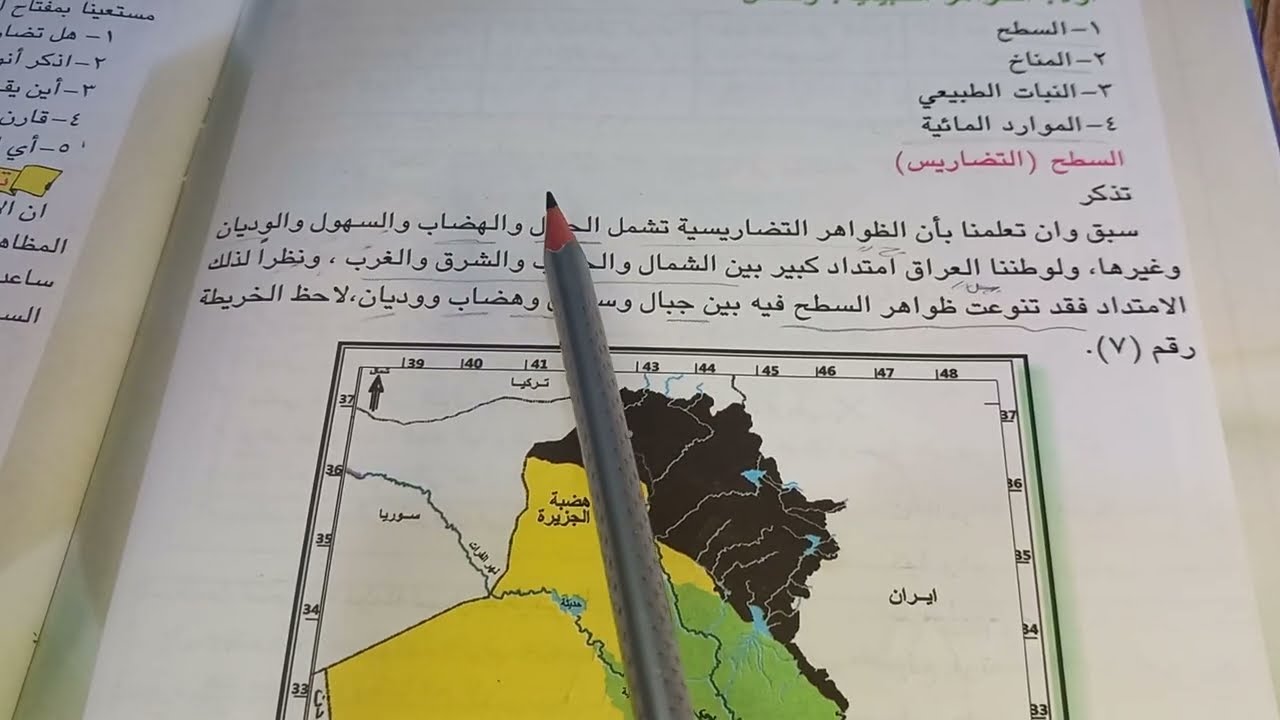
The geographic and environmental context of the Middle Paleolithic era, particularly the region of the Zagros Mountains in modern-day Iraq.
The historical shifts in scientific and public perceptions of Neanderthals, moving away from 'brutish cavemen' stereotypes toward a more nuanced understanding.
The 'Flower Burial' hypothesis at Shanidar Cave and the ongoing scientific debate surrounding Neanderthal ritualistic practices, symbolism, and cognitive depth.
The formal 'Bioarchaeology of Care' methodology, which provides a framework for analyzing how prehistoric healthcare and social support systems functioned.
Advanced paleogenomics, specifically what Neanderthal ancient DNA (aDNA) tells us about interbreeding, population genetics, and physiological traits inherited by modern humans.
An exploration of alternative hypotheses explaining the eventual extinction or assimilation of Neanderthals roughly 40,000 years ago.
1.7M views38.4Klikes23:55Original Release: 2023-02-22
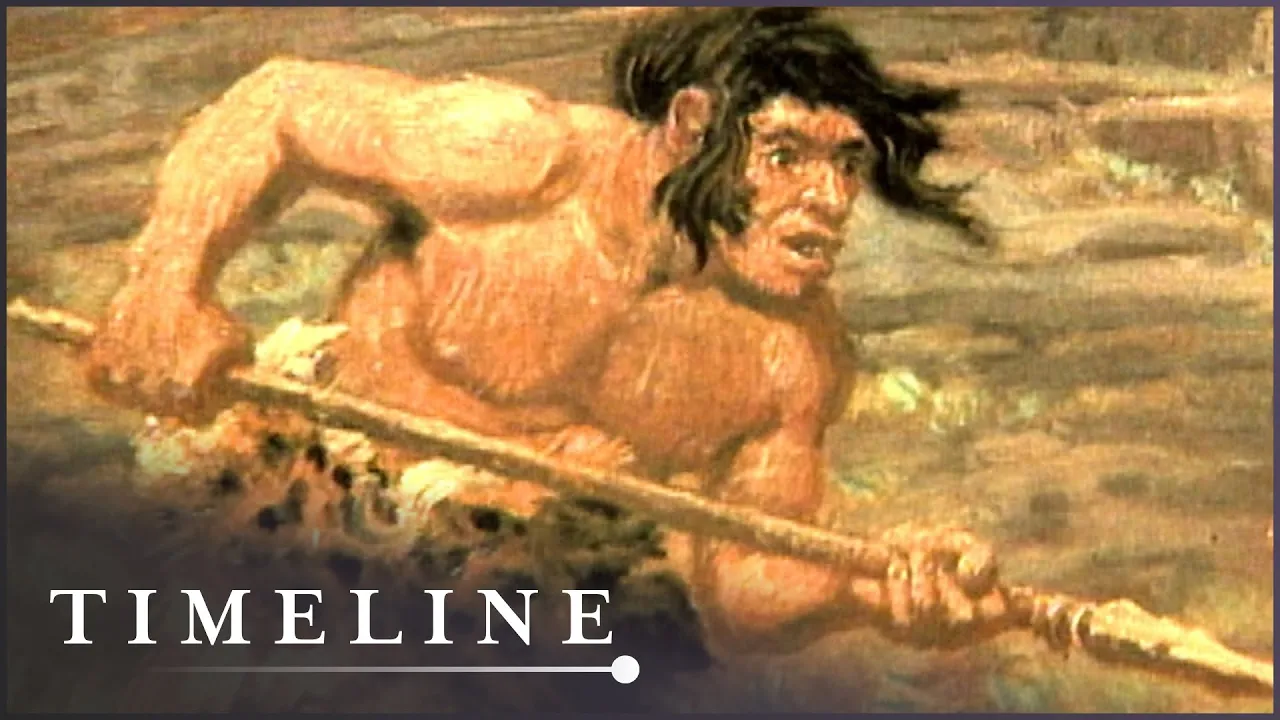
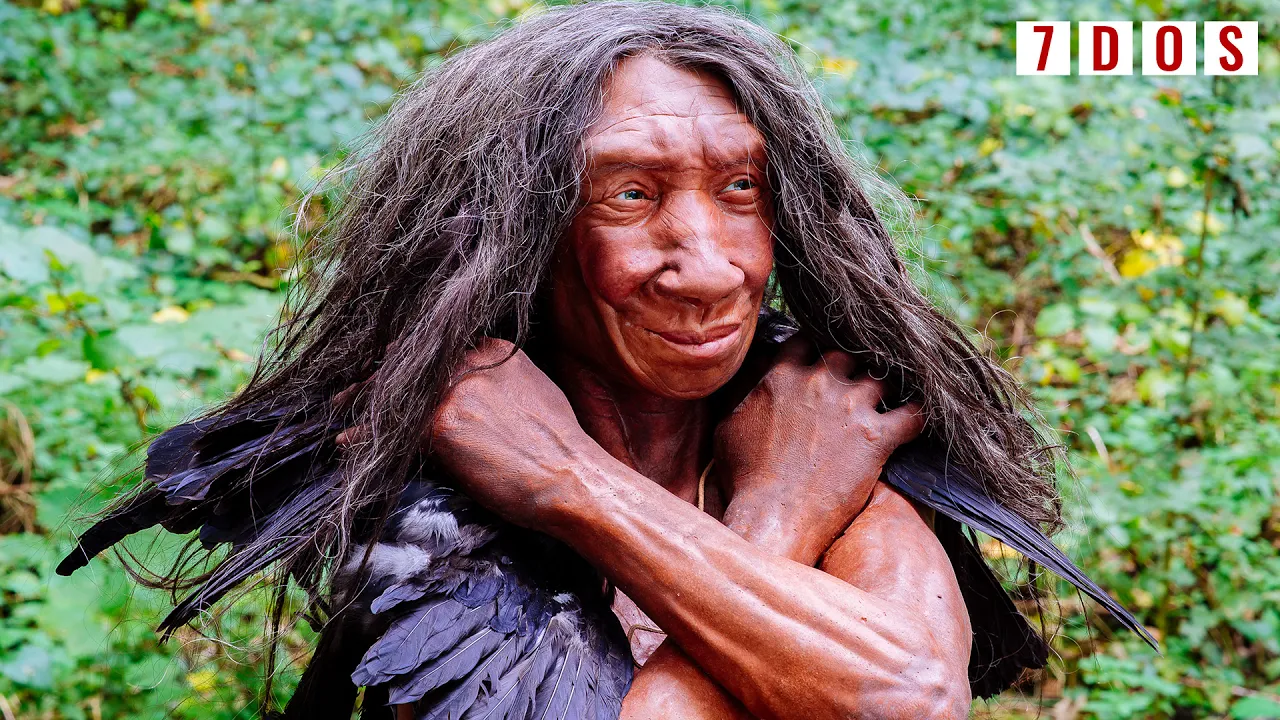
Roughly 50,000 years ago in what is now Iraq, this Neanderthal Shanadar 1 aka Nandy, walked the Earth. Using the latest scientific evidence, what can we say about his life and death, his childhood, his diet, his society, his life-threatening injuries?
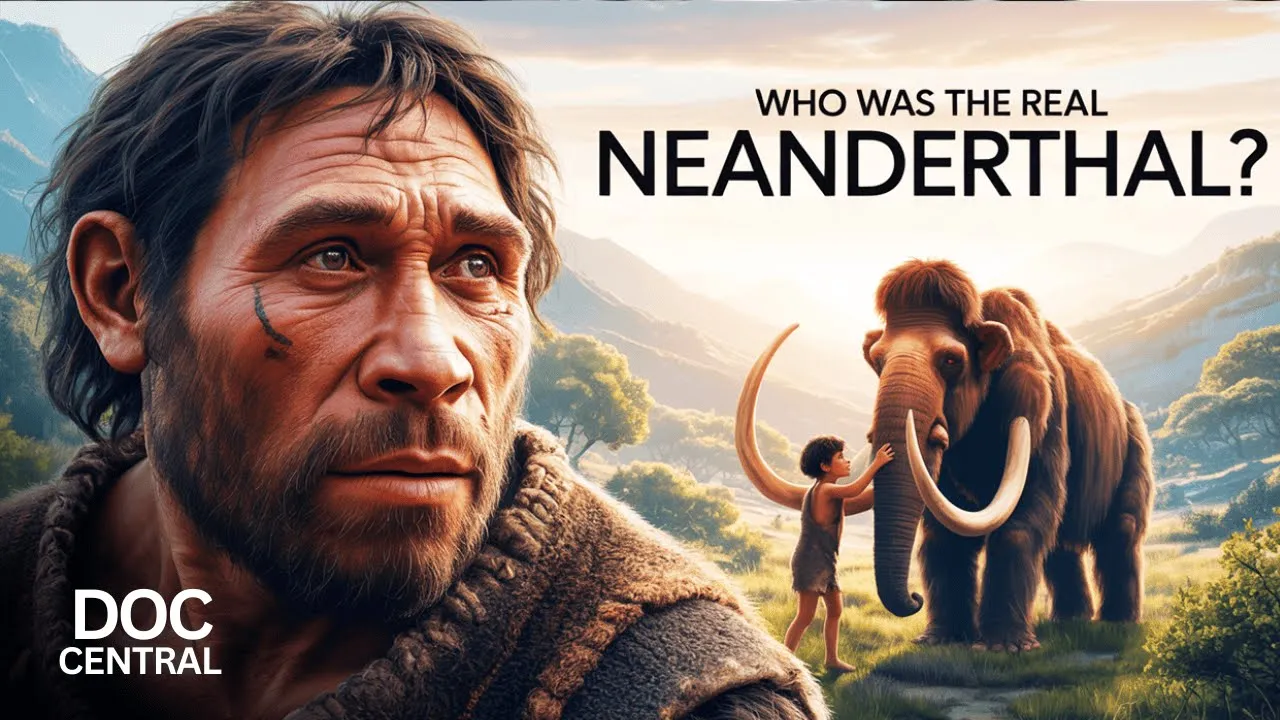
This is the life and death of a neanderthal.
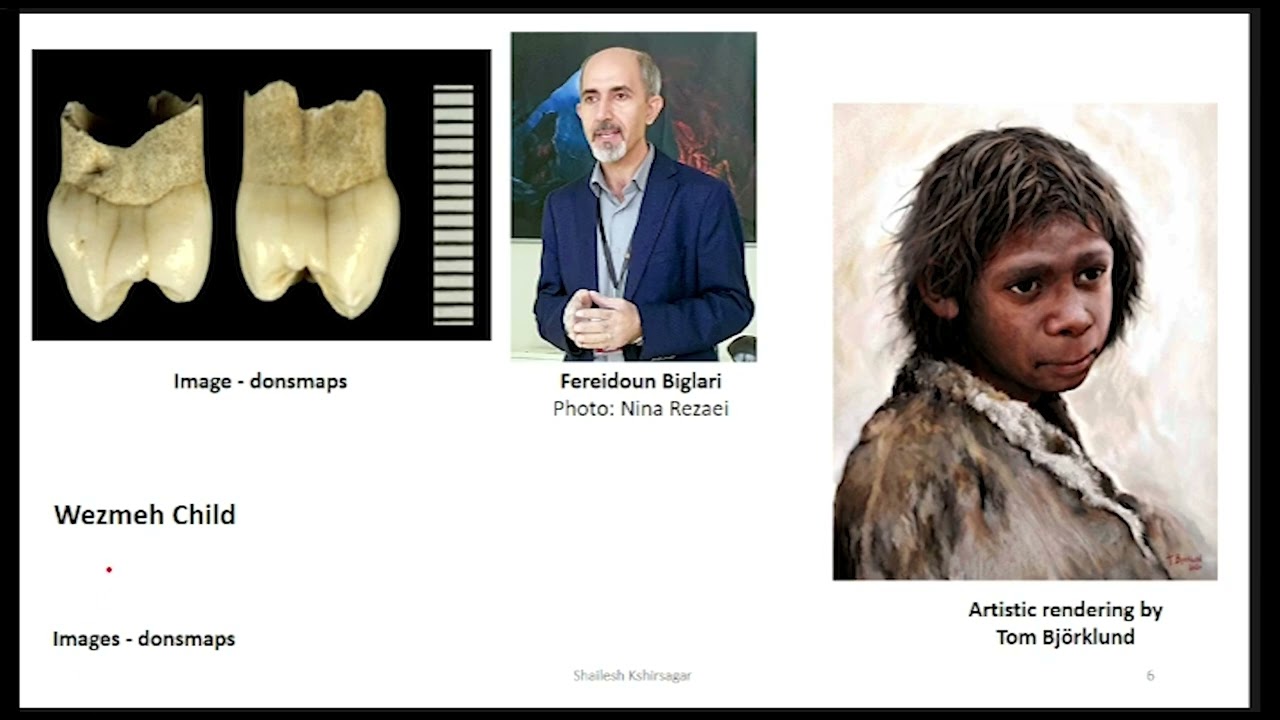
[Music] For all great apes, whether human or non-human, childhood is a time of learning and exploration but also vulnerability. This was undoubtedly the same for neanderthals but sadly so many details are now obscured by the mists of time. For some neanderthals childhood was undoubtedly a hard time. Living life as nomadic hunter-gatherers during the pleistocene when Earth was colder than it is now was probably not easy. Food, warmth and safety were not guaranteed. Stress lines in the teeth of this Neanderthal child from Western France suggest that for certain periods of their childhood they were under a lot of physical stress either from illness or malnutrition. Possibly a result of having to struggle through a particularly hard winter.
The owner of that tooth was luckier than others though. At Moula-Guercy the remains of at least two adults, two teenagers and two child neanderthals were found, dating to around 100,000 years ago. Sadly for these people it seems they came to a grisly end. Every bone from this cave is shattered, butchered, cut up clear signs of cannibalism. All the remains were found against the East wall of the cave totally disarticulated, mixed in with the remains of other animals.
It's entirely possible all of these remains come from one terrible event.
How common cannibalism was amongst neanderthals is difficult to say. It was certainly not a daily event for most, but did Nandy have to occasionally resort to it when times were tough, when no animals could be found, when the last horse had left the valley? It's certainly possible.
Life was not all bad though. 80,000 years ago on what are now the beaches of Normandy a Neanderthal family lived amongst the dunes, leaving behind bones, tools and heartwarmingly little handprints and footprints. Of the 257 prints recovered the majority belonged to children and adolescents.
The youngest being probably around two. We just can't help but imagine how this family played in the sand. Did the children collect shells leaving us a tiny handprint as they knelt down? Did their older brothers and sisters yell at them to keep up? Did the two-year-old hold on to their mother's hand as they tentatively tiptoed on the shifting sand? And what did they think of the wolf following behind them? We're so fortunate to have even the smallest clues of family life preserved for 80,000 years. A handprint a footprint they're always so special.
For our young Nandy at some point he must have had to learn how to survive in this Paleolithic world of his. He no doubt had to learn how to produce the stone tools that were so essential for life in the Paleolithic. Patiently learning how to knap and break rock. He would have had to learn how to process game and cook meat over the fire to provide for his hungry family. Finding such traces of children's journeys into adulthood is hard but not impossible. Over in Cova Negra in Spain, 244 bird remains were recovered from a layer dating to the pleistocene, mainly doves and choughs. Many of them clearly butchered and burnt. Not only does this show that neanderthals were adept at catching small prey, but the tiny scratch marks on these bones could have been made by tiny Neanderthal fingers. Perhaps they were thrown a bird to practice on as their mum and dad butchered the rest of the meal.
Unfortunately for our Nandy, he led a long and painful life. In fact he's got to be a contender for the most injured person ever found archaeologically. At some point he received a terrible debilitating injury to the right hand side of his body. We'll never know how of course.
Did he chase a mountain goat too far and fall from a great height? Was he pushed perhaps? Whatever the cause of this injury his right arm was absolutely shattered. It did heal but in doing so became withered and small. He also completely lost his right forearm. He survived this injury and we can only speculate how. The pointed angle of the surviving bone has left anthropologists to wonder was he the world's first successful amputation. The fact that the bone had healed in this deformed state does show that he survived for a long time after this injury. How was Nandy able to prevent himself from dying from blood loss? How did the others around him prevent that from happening?
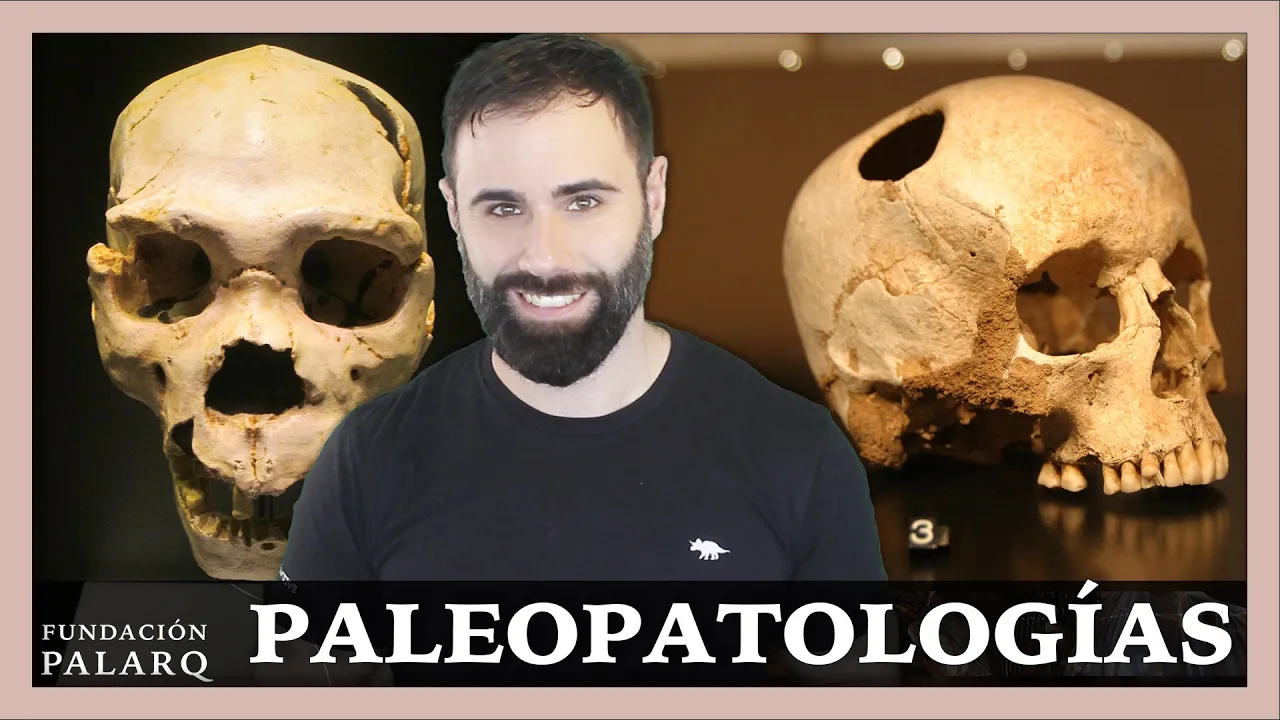
Perhaps in the same incident a blow to the left-hand side of his face crushed his skull and deformed his eye socket. This almost certainly resulted in him being blind in one eye or at least having some difficulties with that eye. He had a healed fracture in his foot, injuries to his leg and knees which probably caused him to walk with a limp. Separate to all of these injuries he was also struck on the head again hard enough to deform his skull and if all of that wasn't enough, he was also partially deaf. Bony growths within both ears certainly caused some form of hearing loss. This could have been caused by the blow to the skull or he could have had a congenital condition called DISH. We'll never know for certain to order these injuries were sustained in. What we can say for certain though is that there is no way he could have survived all of this on his own, especially the loss of his arm. Others must have cared for him, brought him food, given him the care and time needed to recover. Nandy went through an awful lot in his life, especially for a time with absolutely no painkillers. You can't help but wonder if neanderthals used local plants or mushrooms in some way to dull the enormous pain he would have felt.
Intriguingly, one Neanderthal from El Sidron in Spain was found to have the bark of poplar wood in the plaque in their teeth. Poplar does naturally contain salicylic acid the active ingredient in Aspirin so there is some tentative evidence that neanderthals used plants in their environment as natural medicines, as natural painkillers. However he managed to cope, it's so interesting that what is perhaps evidence of horrific violence amongst the Neanderthals, all these injuries and and problems he had, is also the best evidence of their humanity, their kindness, loving each other caring for each other. In spite of all of these injuries he seemingly lived until he was around 40 and the rest of his body is as robust and sturdy as any other neanderthals suggesting he adapted to his condition and lived a physically active lifestyle. Perhaps he learned some one-handed knapping techniques. Considering when he lived he almost certainly had no choice but to continue on, nothing else to do about it, however, he may have been spared the most difficult of hunts.
When we picture neanderthals we often imagine them at the height of the Ice Age hunting woolly rhinos and mammoths and for sure some did live like that. 125,000 years ago neanderthals in Germany were hunting straight tusked elephants each weighing up to 11 tons or even more. Huge beasts, a huge amount of food, and an incredible display of Neanderthal hunting and teamwork. For our Nandy though he was probably not used to such Ice Age conditions. Although we're still trying to reconstruct the environment around Shanidar cave at the time Nandy lived it seems that the climate was probably not wildly different to how it is today. Perhaps Shanidar cave and his surrounding environment would be immediately recognizable to him. Nandi's meals were also made of less intimidating prey than mammoths, at least the meals he enjoyed at Shanidar anyway. The majority of faunal remains from the cave are made up of wild goats, who still clamber up and down the mountains of the region. How did Neanderthals hunt such nimble prey? Did they lie in wait on well trodden paths or hurl spears and rocks at them from above? Can't have been that easy. The fact that goats make up such a large percentage of the remains also gives us a possible insight into when Shanidar cave was occupied. Still today shepherds guide their flocks of sheep down towards the Shanidar valley to overwinter before moving them higher into the Zagros Mountains in the spring. It's interesting to think that the ebb and flow of Nandi's life might have been similar, winter at Shanidar, spring and summer higher in the mountains. It's certainly possible.
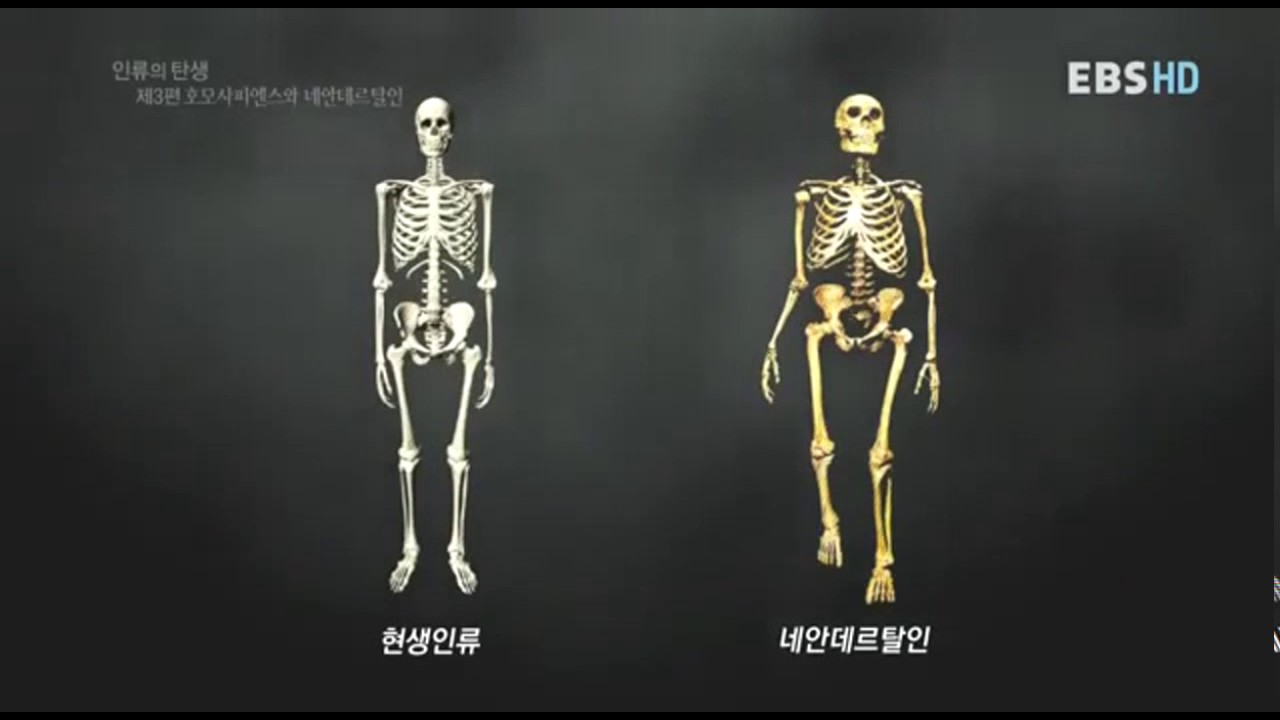
Nearby in Syria in the El Kowm Basin, the tip of a flint spear still embedded in the neck bone of a wild ass has been found by archaeologists. Possibly ambushed on its way to seasonal lakes that dot the area. Such a large animal would have provided a good meal for Nandy and his family but it wouldn't have sustained them for too long. Neanderthals were stocky broad-chested folks living extremely active lives, perhaps even needing to eat 15% more calories than modern humans. In challenging cold climates they may have needed 7000 calories a day. For a family of 10 neanderthals that would equal roughly three reindeer a week, quite a big ask. Such large calorie requirements meant neanderthals could not have been fussy eaters at all. No doubt all the fattiest richest parts of the body, the brains, the tongue, organs were all widely consumed, but they probably didn't turn their nose up at humbler prey too. Grubs, insects things like that, covering their prey, found under logs, would have made a great snack for a hungry Nandy.
The more we study neanderthals, the more we realize that their diet was not just meat.
Another Neanderthal found in Shanidar cave, Shanidar 3, had the plaque of their teeth analyzed. Far from relying on goats and asses the plaque revealed he ate a diet rich in fruits like date palms and wild seeds and grasses like wetch, such tiny seeds are notoriously time consuming to gather and the process must have been a major investment of time for Nandi's community.
It's easy to think of this extra calorie requirement as a strictly logistical problem but this increased need for calories would have had a ripple effect throughout all Neanderthal society.
Was it hard for Nandi's mother to gather enough food to feed herself and breastfeed her hungry baby? How did Neanderthal women deal with this challenge? How did Neanderthals picture their landscape and assess whether there was enough resources for them all?
And is it possible that this increased need for food played a part in their ultimate downfall?
Did leaner, more efficient bodies expanding Out of Africa have an advantage in hard times?
[Music] The more we learn about neanderthals, the more evidence we have of their adaptability.
From turtles, to mussels, to hibernating bears everything was on the menu and they produced a variety of tools to get this food. Not only do we have all the stone tools that they left behind but every now and again when conditions are right we get glimpses of their Ingenuity. Neanderthals in Italy were using beeswax mixed with conifer resin to stick their spear points to shafts, warming the mixture over the fire before applying it to their tools. They were really doing prehistoric chemistry and they no doubt helped themselves to some honey whilst they were at it.
One of the biggest gaps in the archaeological record is the fact that wood decomposes, we're largely ignorant of all the wooden artifacts that neanderthals would have created, but every now and again we do find some. From Abric Romani Rock shelter in Northern Spain a wooden tool left a trowel-shaped impression in the dirt. Are these the fragmentary remains of a neanderthal kitchen tool, or or a small shovel? From Poggetti Vecchi in Italy the remains of 58 digging sticks have been found. Nandy and his group must have produced similar tools to help them gather all the plant Foods they were eating, and most famously of all the Shoningen spears, which date to around 380,000 years ago. Probably made by very early neanderthals, found amongst the butchered remains of horses no doubt ambushed by these neanderthals. More recently an intriguing wooden object believed by some to be a throwing stick has also been found, this also dates to around 300,000 years old and it's tools like this that probably allowed neanderthals to hunt small prey like birds.
Most of what we know about neanderthals comes from cave sites, just because they're so geologically stable not much really comes in and disturbs them. But neanderthals certainly moved outside of these Rock shelters, just finding clues about how they lived and survived when they were out in the world is so tricky. At La Folie, France, archaeologists have unearthed what they think was a neanderthal Camp. A ring of small post holes surrounded evidence of Paleolithic Life, like flint knapping, butchering and cooking. All the activities were carried out at different spaces and this shows that neanderthals had a very developed sense of space, they weren't just mindlessly bumbling around. We see this elsewhere too at Kebara in modern Israel where the rubbish of daily life is organized into middens and at El Salt, in Spain we have evidence of Neanderthals burning their poo, they didn't want to leave that lying around the cave, very house proud of them. At Abric Romani again it's even possible that there's some evidence of Neanderthals creating lean-tos and things like that inside of the cave to provide extra shelter.
I'm sure if more wood survived to the present day we would absolutely be amazed at what neanderthals were capable of and how they created tools to live in their environment.
All of this clearly shows that neanderthals had the ability to inject meaning into their environment, they're very house proud. It makes you wonder what did Nandy think about Shanidar cave after a long goat hunting expedition, was he excited to see it?
Was he relieved to be sat around the warm hearth of his home? I certainly think so.
The ability of Neanderthals to inject meaning into things was not purely practical and definitely entered the realm of art and symbolism. At 170,000 years ago, at Bruniquel in France, Neanderthals walked 336 meters through the dark cold wet cave into the main chamber.
Here they constructed a ring of stalagmites and within this circle they burnt small fires on top of little piles of stalagmites. If the dates and our interpretation of this site are correct it undoubtedly forces us to question exactly what was going on in a neanderthal's brain this is really incredible stuff and yet evidence for Neanderthal art doesn't end there. From Krapina in Croatia and Grotte du Renne in France we have evidence of Neanderthal jewellery made from talons and teeth. From two sites in Spain we have evidence of Neanderthals mixing pigments in seashells and Incredibly at three sites, also in Spain the possible remains of Neanderthal painting. The faint remnants of a hand stencil from Maltravieso, red ocher staining the cave wall at Ardales and most incredibly of all a panel of strange symbols at La Pasiega. All of these paintings seemingly predate the arrival of homo sapiens in Europe by 20,000 years so neanderthals must have made them. Incredibly at La Pasiega these newly arriving Homo sapiens may have even added to the Neanderthal scene by drawing animals inside the panels.
What did these paintings mean? What happened in the fires of Bruniquel? Why explore deep into these caves? One hypothesis is that they were drawn deep into caves to hunt hibernating bears, which we know neanderthals certainly did, and once down there their imagination took over for some reason. We'll never know for sure but it's certain proof that there was some sort of spark behind those large Neanderthal eyes. The stereotype of of mindless brutes eeking out a meager existences permanently relegated to the past. We don't yet have any evidence of art from the Shanidar region but they certainly displayed a level of symbolic thinking in how they disposed of the Dead.
As Nandy and his family were walking over the hills, pursuing goats gathering grains, they undoubtedly ran into other humans. Some would have been neanderthals like them but some were not quite the same. At between 40 to 55,000 years old, Nandy lived during or even after the time period that a group of homo sapiens left Africa at least according to our current understanding. As we now know through genetics, when our ancestors came into contact with neanderthals, they mated with them had children with them. You have Neanderthal DNA within you now. Considering the fact that all non-african people have this genetic legacy it must have occurred soon after this group left Africa. It therefore almost certainly happened in the region of Western Asia. Though to be clear modern African people do also have Neanderthal ancestry just less than non-africans.
In other words Nandy lived at close to the time and in the exact place where our two lineages merged for perhaps the last time. The Neanderthal genes that live in your cells could well be his, or at least belong to other neanderthals that lived around Shanidar. Neanderthals are not our evolutionary cousins they are in a small way our direct ancestors.
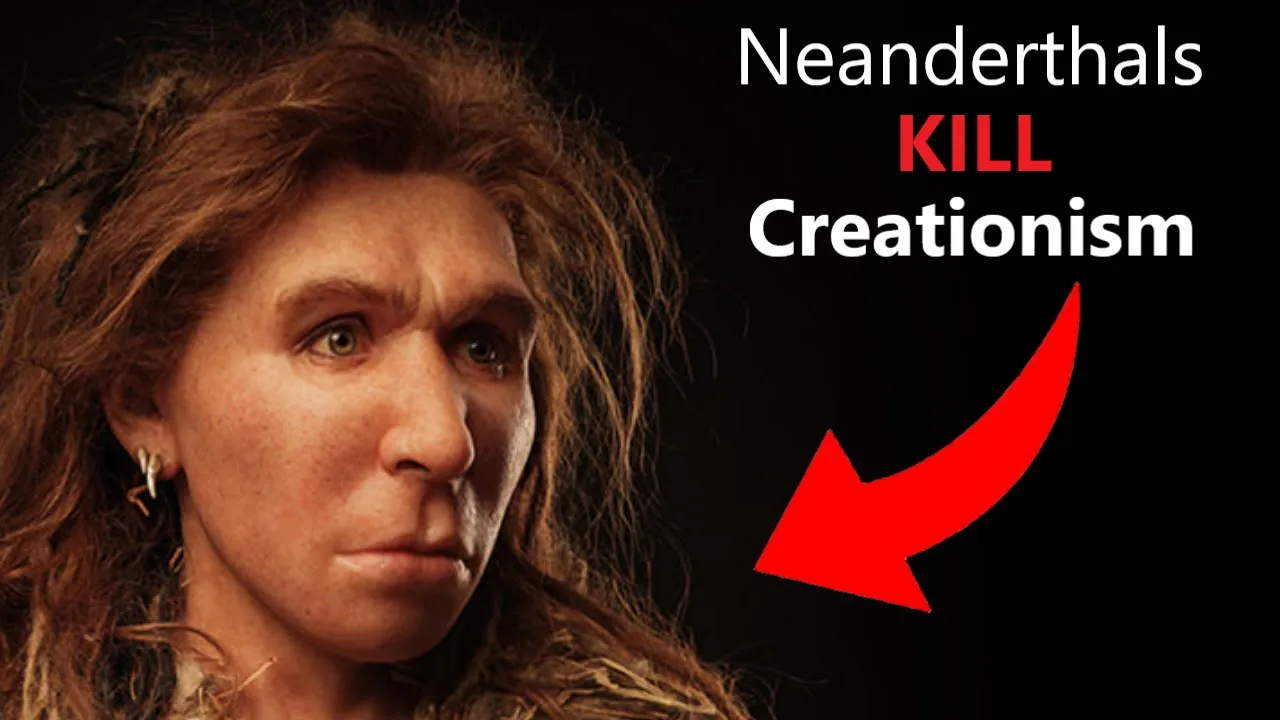
In one sense it's easy to imagine that these two groups running into each other was a novel event, that it was unusual for them but more and more we find that interactions between Homo sapiens and Neanderthals was complex occurring many times throughout our evolution. In the same way that we have Neanderthal DNA in our blood, Nandi certainly had the DNA of homo sapiens flowing through his. It really shows that homo sapiens and Neanderthals are not really two distinct species but rather points on a spectrum of humanity. Nandy really was every bit as human as you or I.
The fact that we have Neanderthal DNA within us today shows that they were similar enough to have children with Homo sapiens and more importantly that these children were successful enough in their communities to pass on their DNA too. So I'm sure at some point these interactions between neanderthals and Homo sapiens were peaceful. At least some of the time they must have been. But other times they may not have been. Shanidar 3, the individual with all the plant remains in his teeth, had a vicious cut to one of his ribs. It had begun to heal but the tip of the weapon may still have been lodged inside as the rib seemingly healed around something and unlike Nandy who survived for years with his terrible injuries, Shanidar 3 was not so lucky. They probably died within a few weeks of receiving this blow. Why was he stabbed like this and who did it we'll never know, but it's possible that it was conflict between these two groups of homo sapiens and Neanderthals that this expanding group of humans were not necessarily the friendliest of neighbours, certainly the rest of human history would seem to prove that point.
For Nandy, life seemingly came to an unfortunate end too. Even though he survived injury after injury, poor vision, deafness a missing arm there is some evidence to suggest he finally died in a cave-in. Crushed by the very rocks that have sheltered him during his hard life. Shanidar cave is still well known for Rock Falls today, it's a dangerous place to excavate. However his story may not quite end there. When Nandy was originally excavated in the 1950s the idea that neanderthals would bury their dead was highly controversial but now after 70 years more research it does seem that neanderthals engaged in mortuary behavior, including simple burials. The Neanderthals at Shanidar Cave are one of the best examples of this. The original excavator Solecki believed he had found the remains of one Neanderthal when he was excavating lying on its side in a sort of fetal position. As he prepared to remove the body for study he discovered the remains of three other neanderthals were in the exact same spot, so close that the bones had become mixed up.
The chances of four neanderthals dying accidentally in the same spot seems highly unlikely, they were almost certainly placed there. To try and get to the bottom of this puzzle, in 2017 archaeologists returned to Solecki's trench to see what else they could find. As it turns out there was yet another burial in that spot that Solecki had missed. These bones were found in a bowl-shaped depression possibly even with their head placed resting on a stone, great evidence of deliberate burial. The dirt surrounding the body is especially dark suggesting it's made up of decomposing material, part of this was undoubtedly the soft parts of the body, but it does also seem that there are plant remains also mixed into this brown spot. Solecki had believed that the burials at Shanidar had flowers placed over them. This was a highly controversial statement for the time and it has been debated ever since. The discovery of a new burial at Shanidar again suggesting some form of organic matter placed around the bodies has reignited this argument about neanderthals and burial. Did Neanderthals cover the dead with flowers? Did they place goods in the grave?
This new burial also seemingly had a flaked stone in their left hand when they were placed into the ground. Was it a prized possession did the Neanderthals place it in their hand out of some vague notion that they would possibly still need it. The mind boggles at the possibilities. I'd love to tell you more but at the time of recording this research is still ongoing. It would not surprise me one bit if our Nandy had been buried. It's not guaranteed of course neanderthals can die in accidents just like we can but considering the effort that these ancient humans went into caring for Nandy during his life, it would not surprise me in the least that they would have cared for him in death too. Preserving him for tens of thousands of years and giving us an insight into the incredibly difficult but also rich and loving lives of our Neanderthal ancestors.
Up Next
17:52
Homo Sapiens vs Neanderthals: The Evolution of Language | Human Origins Explained
@pimd6998
965K views•2016-01-03

38:41
Astrobiology Through an Anthropological Lens: Field Insights
@georgiatechastrobiology
128 views•2021-04-14

4:45
Proxemics Explained: The Study of Personal Space
@Vox
536K views•2016-07-05

10:38
Psychology of Internet Trolling and Pranks Explained
@AzzyLand
10.7M views•2017-12-20
Related Study Plans & Knowledge Roadmaps
Structured learning paths in Anthropology
anthropology
Space Anthropology: Analogs, Culture & Habitats
01Foundations of Space Anthropology & Cosmic Imaginaries
02Extreme Isolation & Micro-Societies in Orbit
03Space Analog Habitats & Earth-Based Simulations
+ 2 more learning modules
15h5 modules
Explore Roadmap
anthropology
Legal Anthropology: Customary Law & Pluralism
01Foundations of Legal Anthropology and Social Justice
02Legal Pluralism: Coexisting Legal Systems
03Customary Law and Indigenous Dispute Resolution
+ 2 more learning modules
15h5 modules
Explore Roadmap
anthropology
Global Tourism: Gaze, Authenticity & Heritage
01Introduction to the Sociology of Tourism
02The 'Tourist Gaze' (John Urry)
03Staged Authenticity in Tourism
+ 3 more learning modules
14h6 modules
Explore Roadmap
anthropology
Modern Kinship (ART, Adoption & Chosen Family)
01Foundations of Kinship and Family
02Assisted Reproductive Technologies (ART) & Relatedness
03Transnational Adoption and Global Kinship
+ 2 more learning modules
12h5 modules
Explore Roadmap