








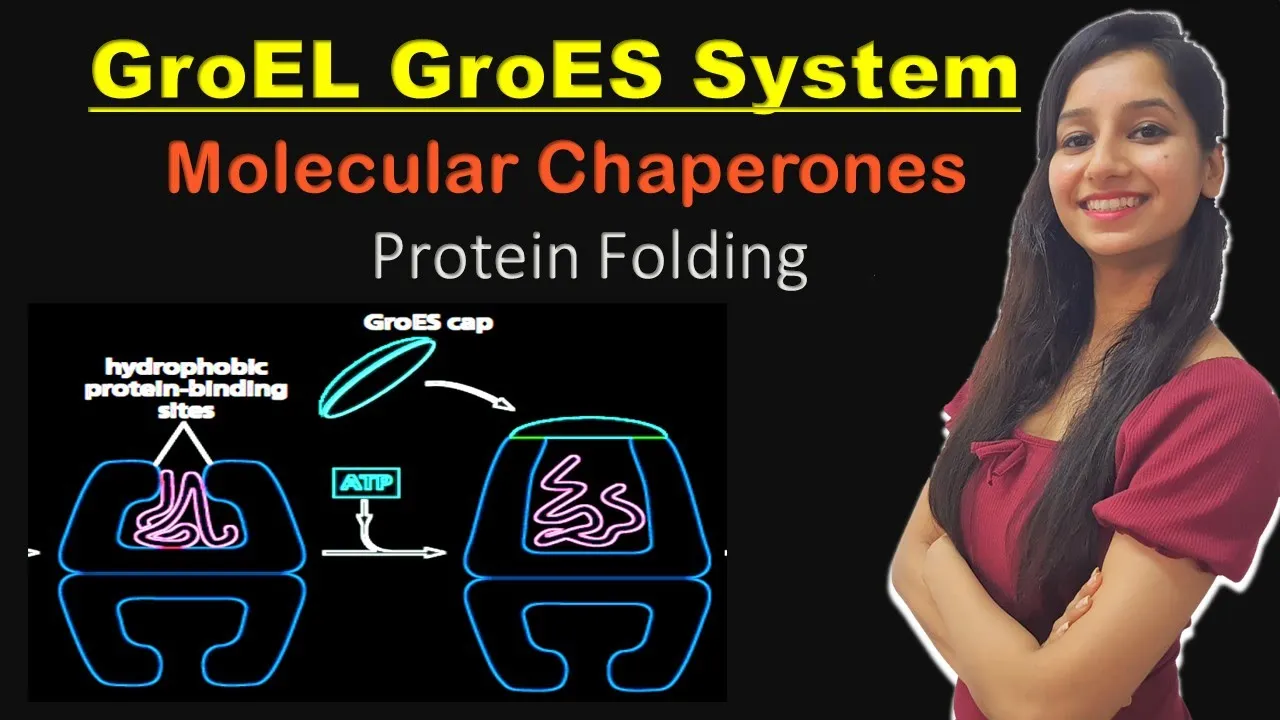


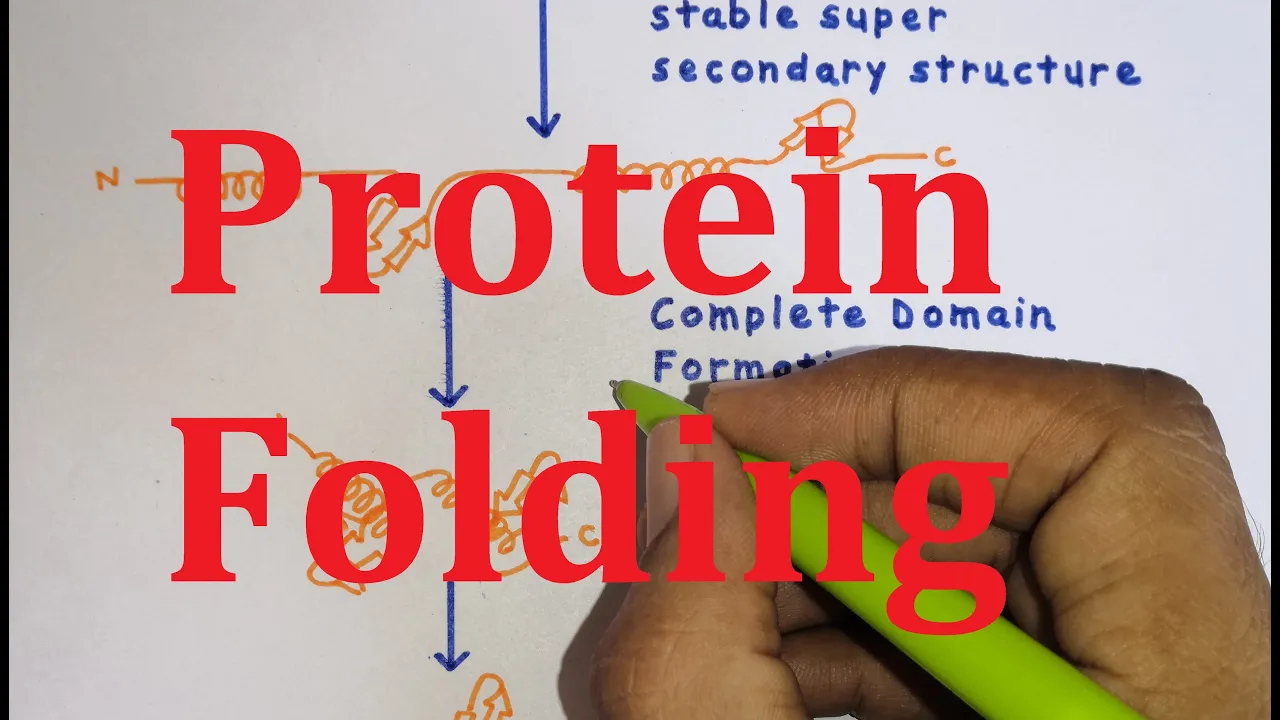



The GroEL-GroES chaperonin system (HSP60-HSP10 in eukaryotes) assists protein folding through a double-engine mechanism: GroEL forms two heptameric rings creating two chambers, while GroES acts as a cap that seals one chamber when bound; partially folded/misfolded proteins bind to the apical region, triggering ATP binding (one per subunit), which causes conformational changes that trap the protein inside the chamber; during the ~10-second ATP hydrolysis period, the protein unfolds or completes folding; upon ADP release and GroES dissociation, the chamber opens and the properly folded protein is released.
GroEL/GroES Chaperonin System: Protein Folding Mechanism
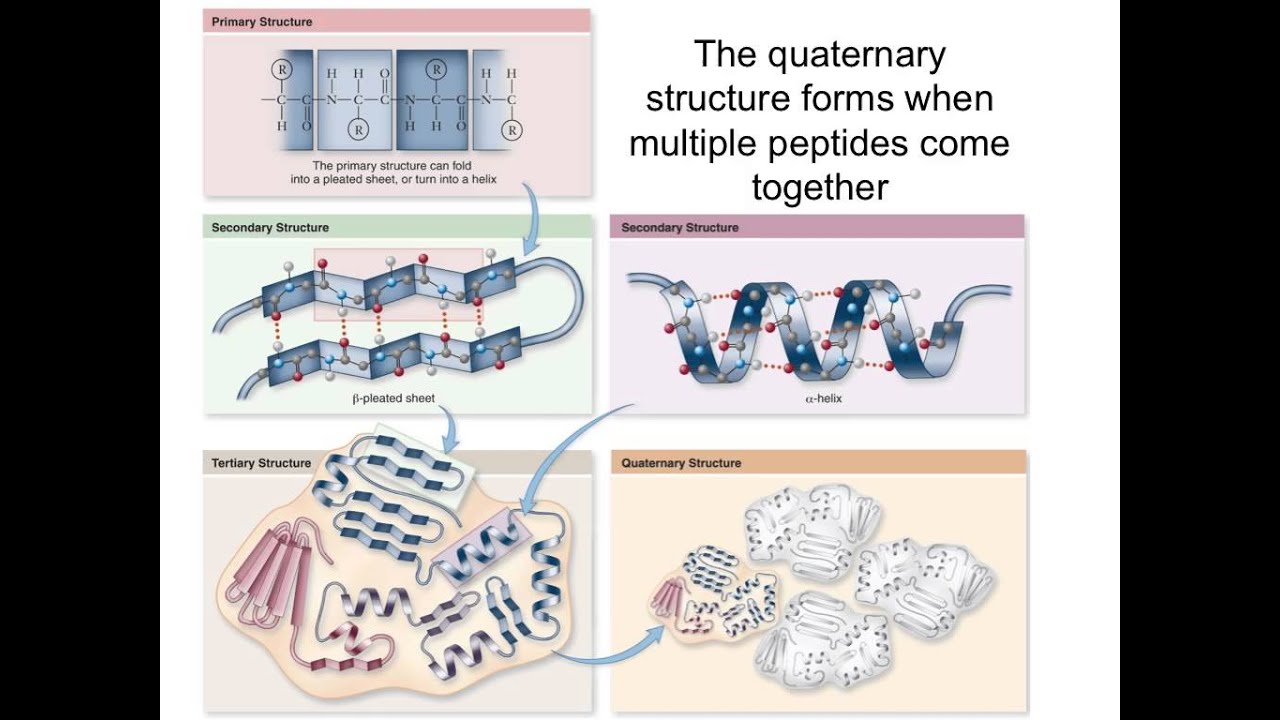
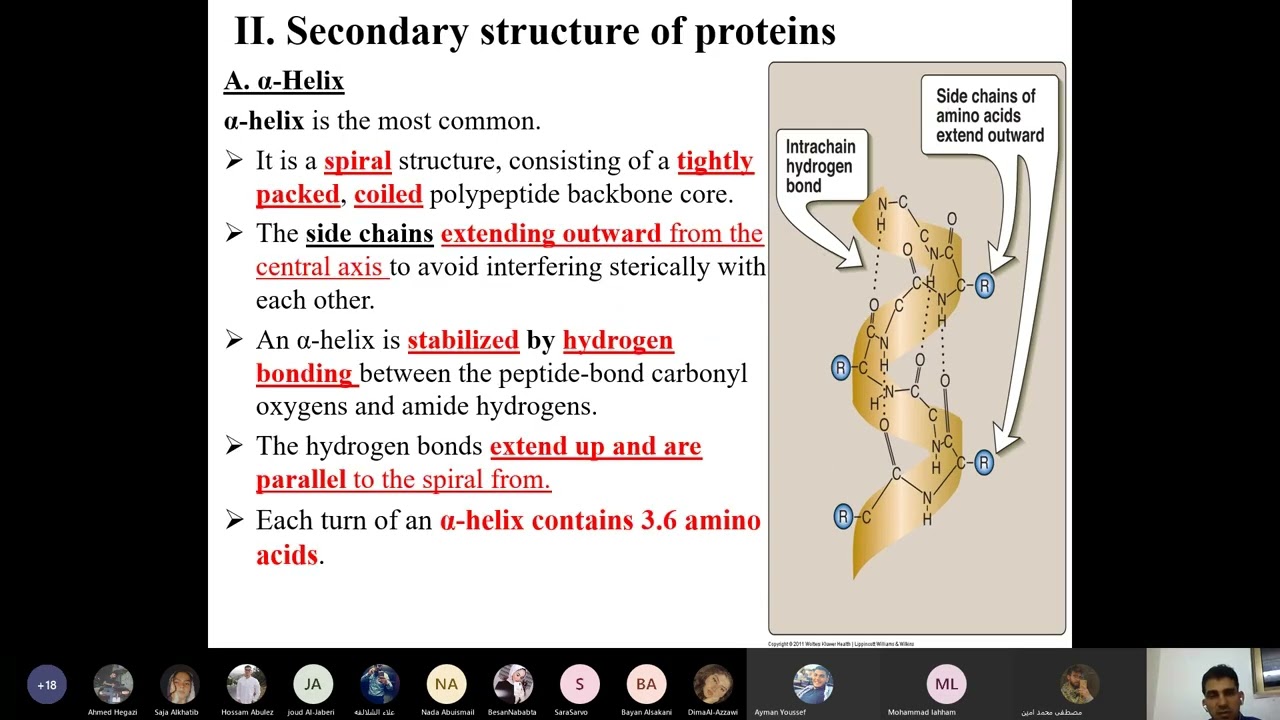
Added:Levels of protein structure (primary, secondary, tertiary, and quaternary) and the thermodynamic principles driving protein folding, such as the hydrophobic effect.
The concept of protein misfolding, denaturation, and the tendency of unfolded polypeptide chains to form toxic aggregates in the crowded cellular environment.
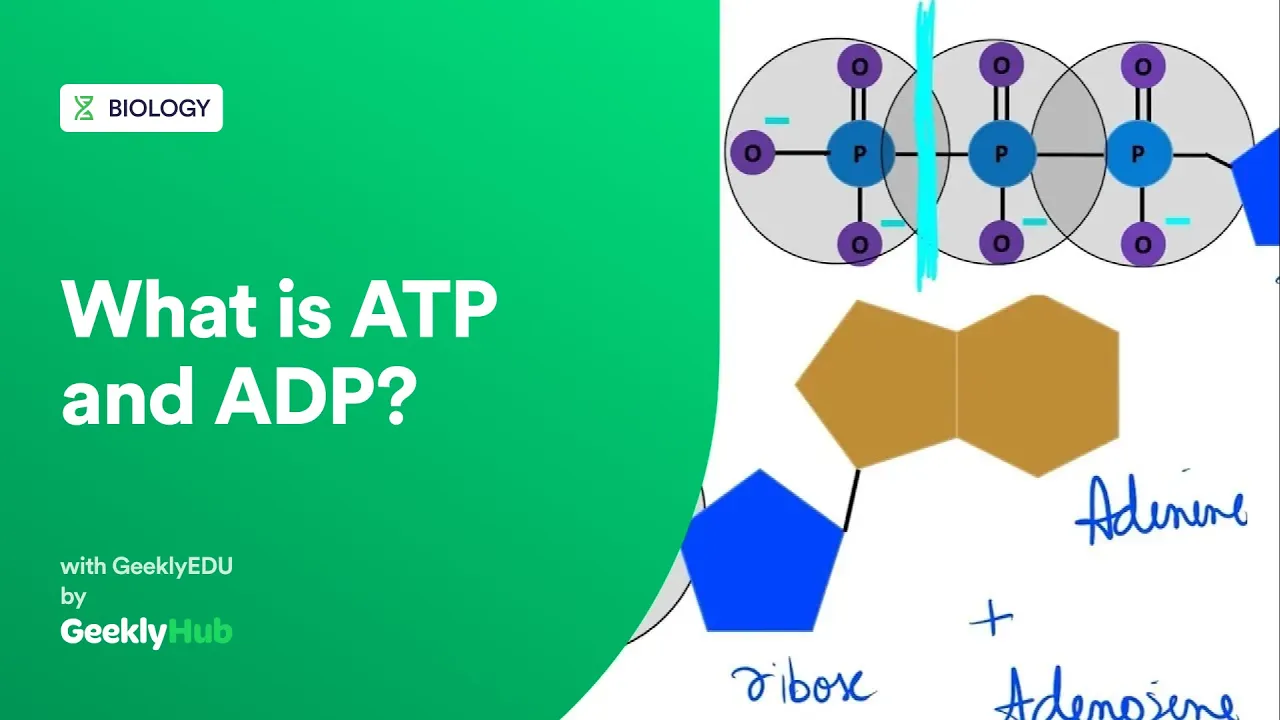
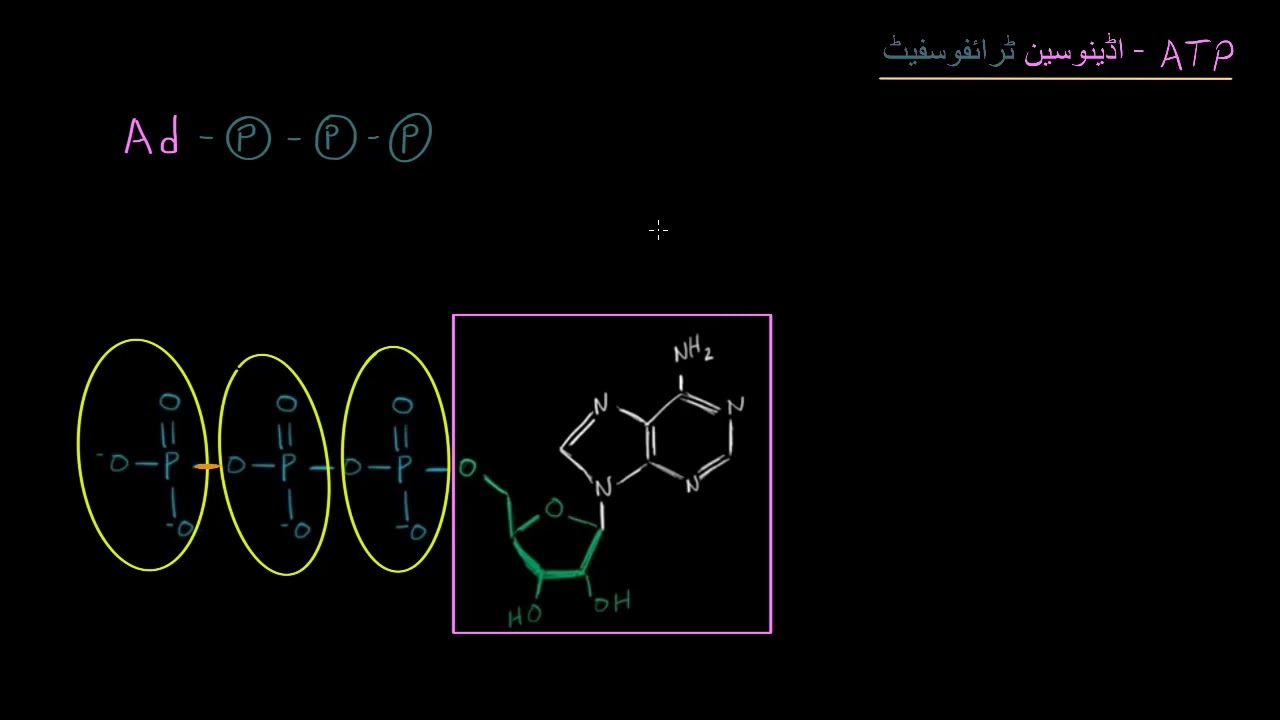
The role of Adenosine Triphosphate (ATP) as a biological energy currency and how its binding and hydrolysis drive conformational changes in proteins.
The basic classification of Heat Shock Proteins (HSPs) and a general understanding of molecular chaperones.
The structural and functional differences between prokaryotic chaperonins (GroEL/GroES) and their eukaryotic counterparts, such as the TRiC/CCT complex.
The pathophysiology of human proteopathies and protein-misfolding diseases, including Alzheimer's, Parkinson's, Huntington's, and Prion diseases.
Other major cellular chaperone systems, such as the Hsp70 (DnaK) and Hsp90 networks, and how they coordinate to maintain overall proteostasis.
Biotechnological and industrial applications of chaperonins, such as co-expression strategies in recombinant protein production to prevent inclusion body formation.
8.3K views195likes6:59Original Release: 2022-03-01
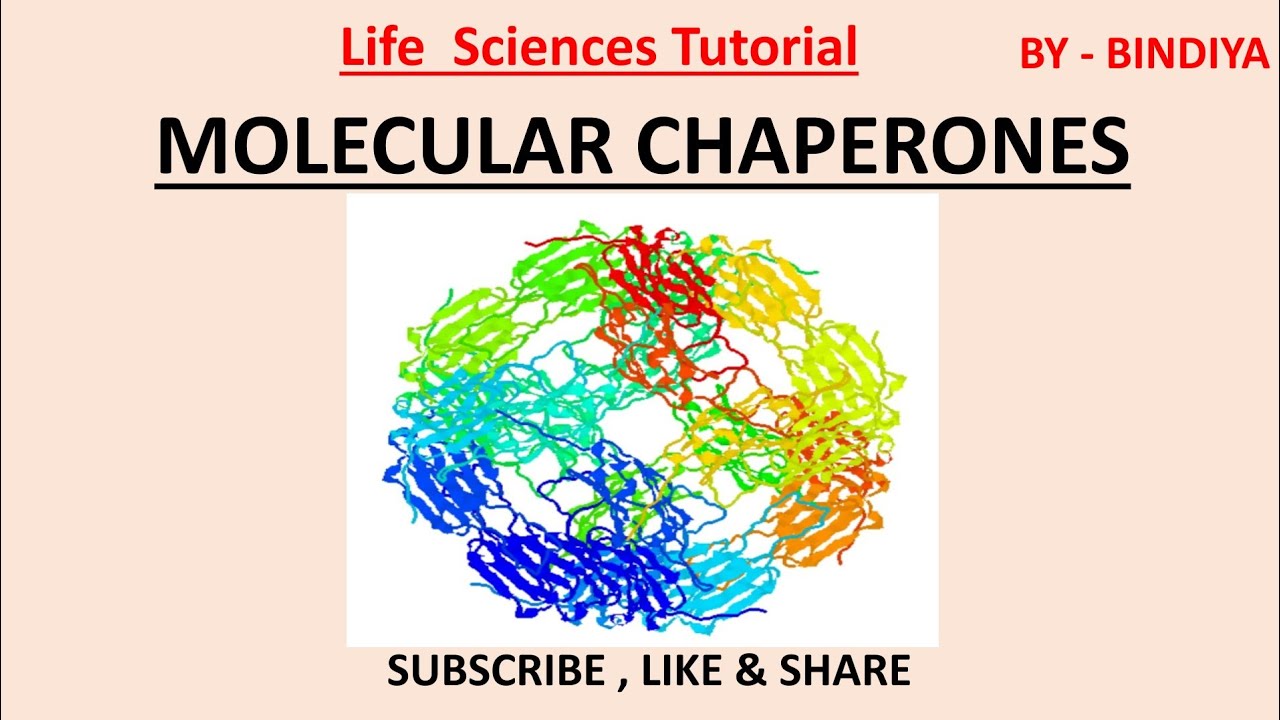
in this video tutorial i am going to discuss about the chaperonin system of protein folding so first i will discuss about the structure of chaperonin system and then i will discuss about how chaperoning system works for the protein folding so let's first look at the structure of chaperonin system as you can see chaperonin system it is made up of two major protein this is one protein and this is the second protein now this protein inside the prokaryotes it is known as grow el the structurally and functionally similar counterpart in the eukaryotes it is known as hsp 60.
the second protein in the prokaryotes it is known as grow es similarly structurally and functionally similar protein in the eukaryotes it is known as hsp 10.
now let's first examine the structure of this groel as you can see this grow el it is two part this upper part and this lower part right both parts are identical in all the manners each of this part it is made up of seven subunit so we call this half part as a heptameric ring similarly this is also heptameric ring so 7 subunit in this part and 7 subunit in this part that makes total 14 subunit now this each heptameric portion it forms one large chamber so there are total two large chambers so two heptameric rings are there which forms two large chambers coming to the grow es it is the cape-like structure it is heptameric protein that means seven subunits are there and it can block one of the grow yellow pocket see this is the cap-like structure it can bind this protein this grow es can bind with the apical region of grow el and once it is bound over here then this chamber closes if it binds at this place then this chamber gets closed right now you might be wondering that in the prokaryotes why this grow designation is given to this protein here see grow in the grow yield and grow in the grow yes what is the reason for this name grow so the reason is very interesting one that is the chaperonins first become known for the necessity by certain viruses for growth inside the bacteria so earlier it was thought that this grow el and grow es are actually a growth factor for certain viruses in bacteria so that's why this grow designation is given to these proteins it it was found later on that these proteins are actually a major component of chaperonin system right now let us look at how chaperonin works for the protein folding as you can see over here this is the structure of grow el this grow el basically works on partially folded or misfolded protein so suppose this protein is partially folded or misfolded protein now this such protein has affinity towards the apical region of the groel so what will happen this protein binds with this apical region which is shown in this diagram once such protein binds to the grow el then 7 atp molecules binds with this chamber now why 7 atps because we know that this upper part or this chamber it is heptameric right that means it is 7 subunit and each subunit requires one prot one atp that's why the seven atps are bound with this chamber once atps are bound with this chamber conformational changes occur in this apical region and this protein which was initially bound with the apical region it falls inside this cavity inside this chamber and this nascent apical region is occupied by this grow es okay that is the second major component of the chaperonin once this grow es binds over here this chamber is closed and this protein is trapped inside this chamber now how much time this protein will remain trapped inside this chamber the time is the same as it is required by the 7 atps to hydrolyze itself okay and it is estimated that approximately 10 seconds are required for the hydrolysis of these 7 atp molecules so now for this protein it is a time of approximately 10 second now if this protein is misfolded then what will happen within this 10 second this misfolded protein undergoes complete unfolding and then it falls in a proper manner or if it is a partially folded then remaining folding is carried out so slow hydrolysis will release seven inorganic phosphate molecules and later on we have seven adp's right and now this protein is completely folded and grow es is still in the place now this adp molecule has not any affinity towards this chamber so all the seven adips are removed they get dissociated from this grow el once adp get dissociated then in the second step this grow es also gets dissociated and once grow es gets dissociated what will happen this chamber will be open so this properly folded protein will leave this cavity so this is properly folded protein so everything dissociate and now once again our this grow el is ready to undergo the second cycle of the protein folding now you might be wondering that i had shown you the function of this upper region only what is the function of this lower region the exactly same function is also happening in this lower part right so that means we can say that this chaperonins are the double engine system right here one protein is undergoing proper folding and in this place also another protein is going for the proper folding so it is a double engine in nature so i hope everything regarding the chaperonin is clear to you if you still have any confusion or doubt please write it down in the comment section below thank you
Up Next
46:20
Translation in Biology | MIT Introductory Biology Lecture 10
@mitocw
43.1K views•2020-05-12
50:12
Bacterial Communication: Quorum Sensing and Biofilm Formation Explained
@JHUAAP
12.6K views•2011-06-28

5:35
Enteric Nervous System Explained: The Gut's Brain | Neurobiology Lecture
@alumniu6029
438 views•2018-09-12
7:08
Bacteriophages: Earth's Deadliest Killers and Future Antibiotics
@kurzgesagt
34.6M views•2018-05-13
Related Study Plans & Knowledge Roadmaps
Structured learning paths in Biology
biology
RNAi: Biogenesis, RISC & Gene Silencing
01Molecular Biology Foundations: DNA to Protein
02Introduction to RNA Interference (RNAi)
03Molecular Biogenesis of miRNA and siRNA
+ 2 more learning modules
10h5 modules
Explore Roadmap
biology
Mycorrhizae: Signaling, Biophysics & Ecology
01Foundations of Mycorrhizal Symbiosis
02Molecular Signaling and Root Colonization
03Biophysics and Bioenergetics of Nutrient Exchange
+ 1 more learning modules
11h4 modules
Explore Roadmap
biology
Circadian Clocks: TTFL, SCN & Periphery
01Foundations of Molecular Biology & Gene Expression
02Introduction to Chronobiology and Actograms
03The Core TTFL: Molecular Architecture of the Clock
+ 3 more learning modules
14h6 modules
Explore Roadmap
biology
Population Genetics: Math, Drift & Selection
01Genetic & Probability Foundations
02The Hardy-Weinberg Principle and Baseline Models
03Mathematical Modeling of Natural Selection
+ 3 more learning modules
18h6 modules
Explore Roadmap