





![I Fórum de Enfermagem Gerontológica da UERJ [24/10/2022]](https://i.ytimg.com/vi/0h08G2q8Vg0/maxresdefault.jpg)

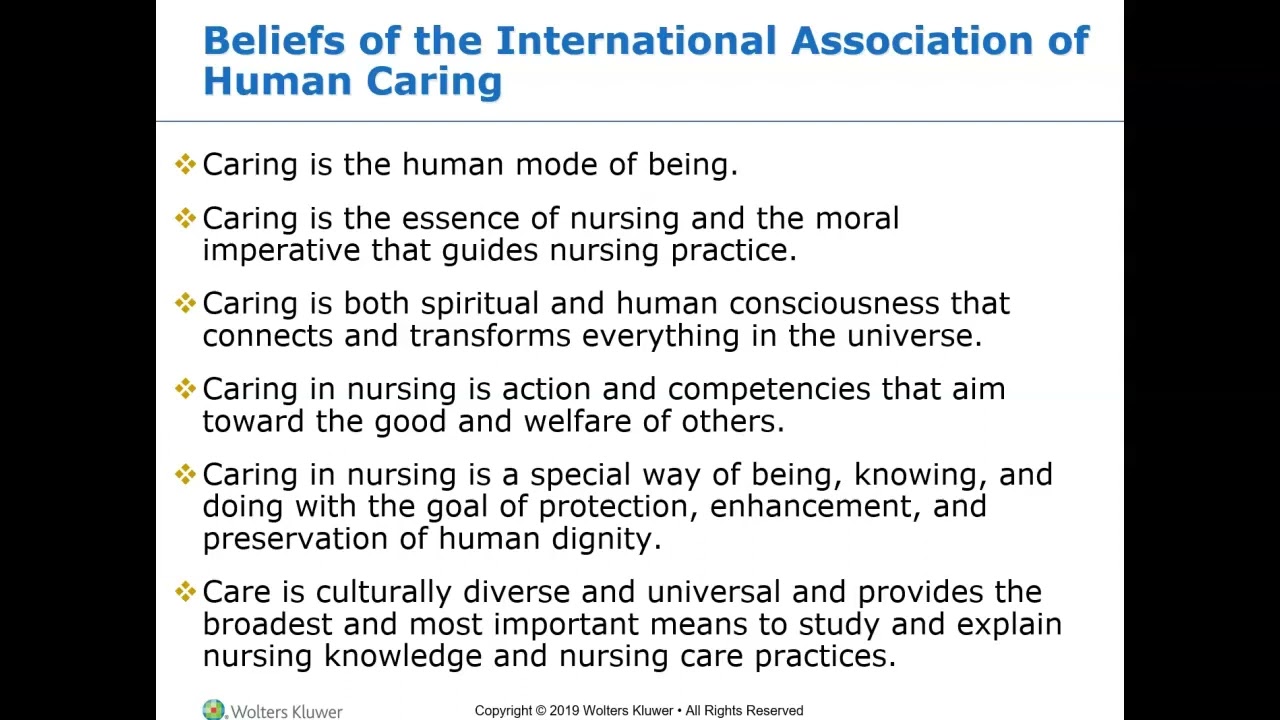









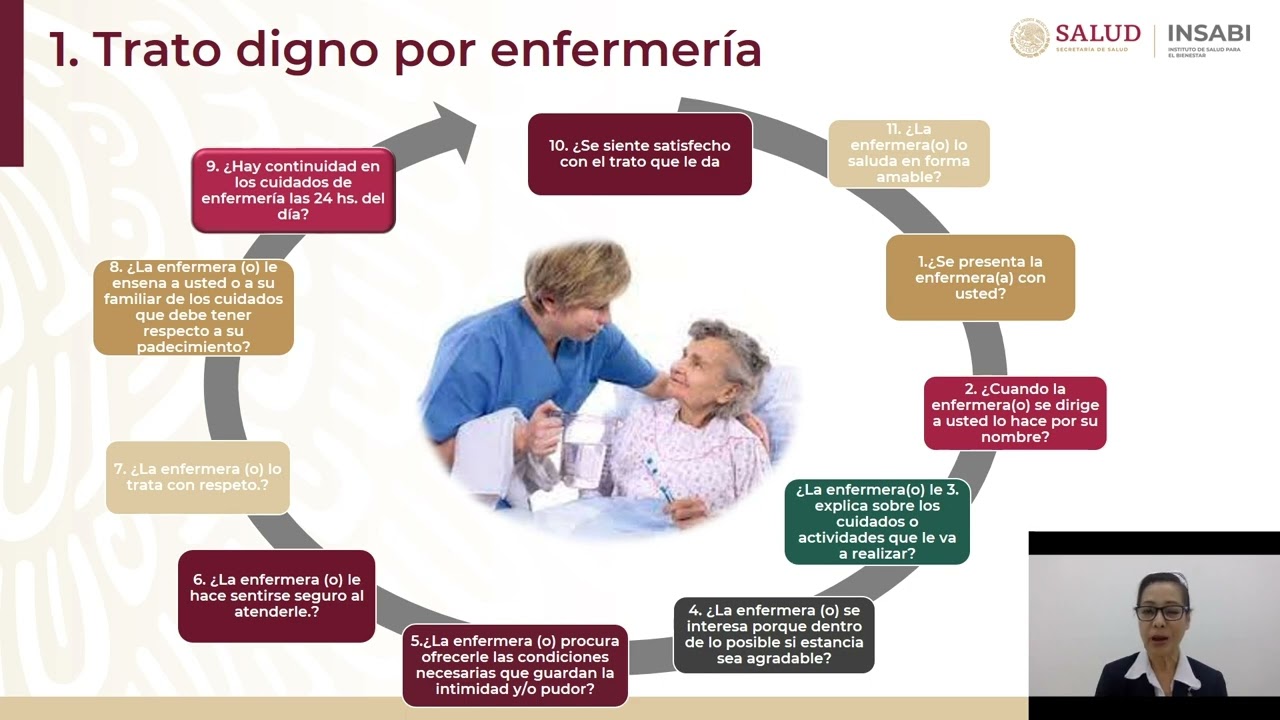




The SPICES assessment tool (Sleeping problems, Problems with eating and feeding, Incontinence, Confusion, Evidence of falls, Skin breakdown) is a comprehensive framework for daily geriatric nursing assessment that enables early detection and prevention of common syndromes in older adults, transforming what was once considered 'second-class nursing' into a complex and gratifying specialty that improves patient outcomes and reduces suffering through systematic, evidence-based care planning.
SPICES Geriatric Assessment Tool: Nursing Best Practice Guide
Added:Basic physiological changes associated with normal aging, such as altered sleep patterns, reduced bladder capacity, and decreased skin elasticity.
Foundational nursing assessment techniques, including head-to-toe physical examinations and patient history taking.
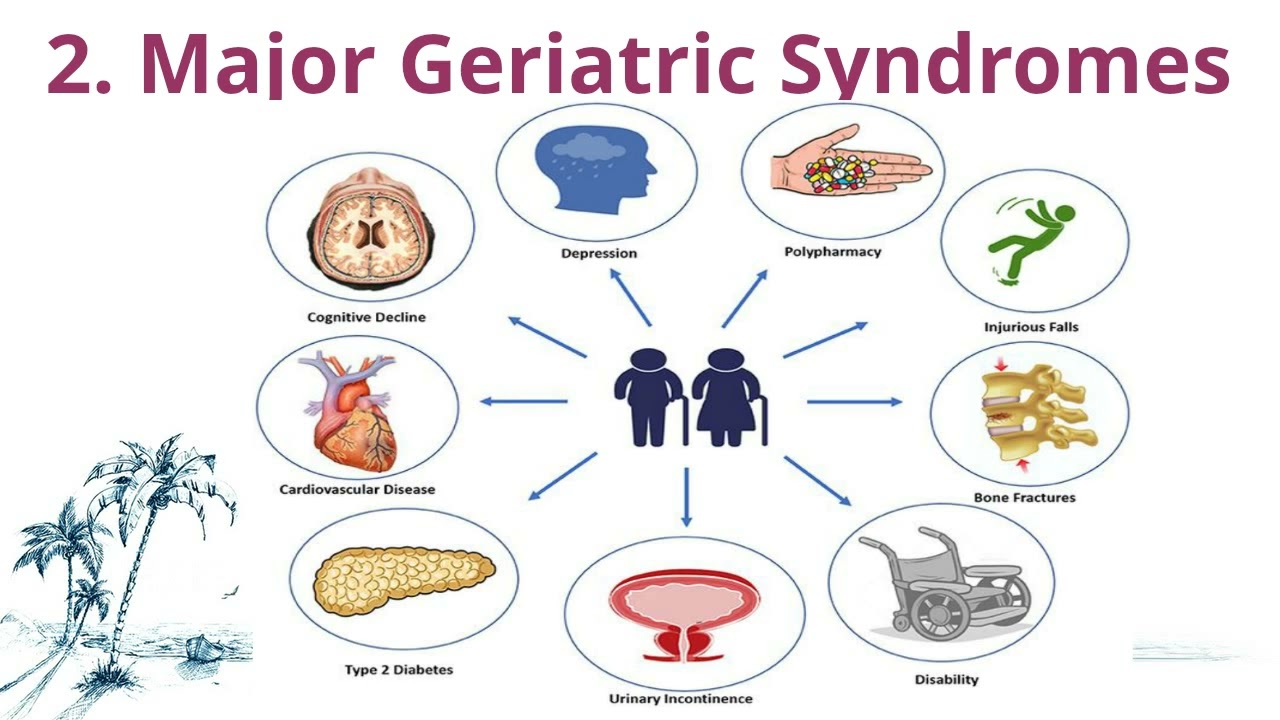
The concept of 'Geriatric Syndromes' and how multifactorial conditions present differently in older adults compared to younger populations.
Basic understanding of nursing care plans and the clinical reasoning cycle.
Integration of specialized secondary assessment tools for identified risks, such as the Braden Scale for skin breakdown or the Confusion Assessment Method (CAM) for delirium.
Pharmacological considerations in geriatrics, specifically using the Beers Criteria to evaluate how medications impact SPICES areas like falls and confusion.
Developing and implementing interprofessional care plans to address identified SPICES deficits alongside physical therapists, dietitians, and pharmacists.
Clinical protocols for fall prevention, pressure injury prevention, and non-pharmacological sleep promotion in acute and long-term care settings.
149.9K views377likes20:48Original Release: 2013-09-20
[Music] [Music] [Music] [Music] When I graduated from college and began practicing nursing, it was clear to me that the ownership and best practice for older adults was in the hands of nurses.
If I went in to take care of a patient who had urinary incontinence and I asked my colleagues in medicine what I should do about it, they would say, "Well, I don't know. Do whatever nursing usually does."
Very often there were quick fixes in those days regarding geriatric syndromes that really didn't do anything to prevent or to make an improvement in the syndrome, but instead it was to do something about it. So for example, if someone were incontinent, they had a foley catheter inserted. If they were confused, they were put in restraints and medicated. If someone had trouble with eating or feeding, an NG tube was dropped and they were fed in that way.
So there were answers, but we know today that that was not best practice for older adults. So I would say that the care for older adults has been in place since time began, but the science of geriatric nursing is relatively young.
It wasn't until the 60s that the American Nurses Association began a specialty interest group and began thinking about practice standards. It was not until 1975 that the National Institutes of Health began a National Institute on Aging. And so we come from a context that is relatively young. Good morning, Miss Goldsmith. I'm Michelle. I'm going to be your nurse today. Okay. And with me, I have Alex and Lily and they're NYU nursing students. Hi. And and also with me, I'm Bruce Harris, the geriatric resource nurse in attendant. Nice to meet you. I'll be working with you today. Okay. I'm just going to write our names on the board so this way throughout the day you can remember who you need to speak to if you need to.
Okay.
Mrs. Goldmith, the patient in this video program, is a 70-year-old African-American woman with a complicated medical history, including cickle cell anemia, congestive heart failure, and a total hip replacement.
She has just been transferred to this unit from a surgical floor. The geriatric resource nurse and the geriatric resource nurse assistant assigned to her care are doing a spices assessment. two nursing students are observing the assessment process as well.
So, what we'd like to do is we'd like to ask you a couple of questions that this way we could try to make your stay here a little bit more comfortable. Okay.
Okay. One of the tools that we use here at NYU is called the spices tool and it helps us get a little bit more of a better idea how we can plan your care.
Spices is a organizing framework to approach care for older adults. The spices framework covers six areas. Those are sleeping problems, problems with eating and feeding, incontinence, confusion, evidence of falls, and skin breakdown. We think that the spices assessment should be done by the nurse who's taking care of the patient every single day. Even better if she does it in a team approach with the nursing attendant with whom she's partnered, with the physician who is taking care of the patient. that at a minimum the nurse who is responsible for the patient should be looking at the spices card every day to make sure that she is preventing these problems that can extend hospital stay, increase cost, but more importantly increase suffering for older people. So the first question we're going to ask you is about your sleeping habits. Do you have any difficulty sleeping?
Um yes, sometimes I do. Okay. Do you know what causes problems with your sleeping or what makes it difficult for you to sleep? Um, the main problem is pain. About how many hours a night do you sleep?
Um, five or six. Five or six. Yeah. Okay.
How have you been sleeping here in the hospital? Pretty good. Pretty good.
Yeah. Especially cuz you give me pain medicine. Okay. And we will when we meet with the geriatric team later, the nurse practitioner and the doctor, we will also discuss your sleeping regimen and see if there's anything else that we can make it a little bit more comfortable for you. Okay. Okay. Um the next question I'd like to ask you is in terms of eating and feeding, do you have any problems cutting up your food or um feeding yourselves? Do you need any assistance with that? Uh no, not um Oh, wait a minute. I'm sorry. Sometimes I do because of the pain in my wrist. Okay.
So, we do have Ruth here and I will ask her to please, you know, make sure during the meal times that she comes in and make sure you're set up for your food. If you feel comfortable to do it yourself, then that's fine. But if you need some assistance, we have Ruth and we have other people available. Do you have any pain when you're swallowing or at all the food?
No, not if it's small pieces. If it's big pieces, then I get choked. Okay. And it hurts going down. Okay. So, do you prefer foods of softer consistency?
Yes. Not mushy, but soft. But softer.
Okay. Do you have your own teeth or do you have dentures? I have dentures.
Upper plate. Okay. My next question is in terms of move of urinating and moving your bowels. Do you have control of your bowels and bladder?
Um, yes I do, but I have um trouble uh getting in and out of bed when I'm in the home. So, I have to wear protective underwear because by the time I untangle myself and from my uh protection from the that I have to have and by the time I get on my house shoes and get the walker and go to the bathroom, uh I'm kind of not making it okay to the bathroom. So, I do know when I have to go, okay, but my problem is being able to hold it long enough to get there.
Okay. So when you get the urge that you have to go to the bathroom, it's usually pretty soon or there's some time in between. Oh no. When I get the urge, I better start moving. You better because u by the time I have get up and get to the bathroom, you know, sometimes I make it almost to the bathroom. Sometime I get to the door to the bathroom and then if I'm not really tangled up in the covers and stuff, I do make it to the bathroom. Okay. So maybe we can also set up um a toileting regimen with you if you'd like. Do you know about how often you urinate? Is it every hour or every two hours? Is there Could you kind of put a time on it? I know it's a little complicated question. Um, usually every 2 or 3 hours. Okay. Would you like to have a bedside commode? Maybe just in case if we can't get you to the bathroom in time that there's something here also for you.
Okay. Okay. But I prefer going to the bathroom. Absolutely. And we will do our best to to get there. But just in case, we also have bedside commodes available this way, too. If you're having a lot of pain and it's too difficult for you to get to the bathroom, the commode might be much easier. Absolutely. We I still would come in and assist you to get over to the commode. Okay. But it would be faster and much easier for you. All right. That sounds good. And I think it's also better for your skin too if we can, you know, instead of using the under garments, if we can use have a toileting regimen, then it might be better for you, more beneficial. Okay.
Okay. And what about moving your bowels?
Do you have control over moving your bowels? Yes. Okay. And when was the last time you have gone to the bathroom? When I woke up this morning, I had to go.
Okay, good. Okay. So my next question for you is now you're new to us up here on this geriatric service because you were on the surgical floor prior to coming here. During this hospitalization, have there ever been any periods where you felt confused at all?
Um on downstairs? Yes. Okay. Yeah. Do you know what maybe had caused the confusion or Well, because um I was in a lot of pain and I was given a lot of medications and when when you're in a lot of pain, you're not aware of anything. You know what's going on. All you know is that I'm getting pain medicine. I'm going to sleep. When I wake up, I want pain medicine. I'm going to sleep. You don't know if it's been one day or next day or what time it is, if it's day, night, whatever. But when the pain start easing and then you you look around it's like oh okay is this morning or is this afternoon and then I go somebody what time is it? What day is it? What's the date? How long have I been here? You know so um have you ever fallen in the past 6 months at all? No, I've been um weak and unsteady but I've never fallen. Okay. Do you use any assisted devices to help you move around? Yes, I have a walker. Okay. And you feel comfortable using the walker?
Yes. Okay. Okay. And how many how many people does it help you to transfer out of bed with? This way we can try to set up a protocol for you. Would the nursing attendant be enough or do you need like a twoerson assist? Um, right now just the nursing that's the attendant. It's good. Okay. you know, at any time you don't feel safe with that, you just let us know and we can get some more help for that. But I would also I'm also going to recommend to the geriatric team that we maybe get you a physical therapy consult while you're here um if they haven't seen you already to keep up with your physical therapy and help with your strengthening. Yes. Okay. Okay. Do you have any problems with your skin? Yes.
Okay. Can you describe it to me a little bit? Um okay. Um, okay. I can show you. Okay. With the Why don't you let us grab some gloves if you don't mind? So this way we can examine your skin a little bit while you're telling us about it. Okay. I have to be very careful especially with my legs.
Okay. Yeah. Okay. See here is the scar. That was an uler. Okay. It heals very nicely. Yeah. It took um a year and a half for that to heal. Okay.
And over here you still see the scars and down there. Okay. Can you see down there? Mhm. Mhm. Okay. Those those came from just those ulcers started from just a bru a bruise or broke broken skin.
Okay. You know, and my skin is very thin. You know, you can tell that it's very thin and and I have to protect my my legs and and I'm very careful about walking and and moving around and anyone near my legs. Okay? You know, because once the skin is broken, it automatically turns into an ulcer, which takes a long time to heal. Okay. How often do you put um lotion or a luberm on your legs? Um, in the mornings when I get up and I'd have them a shower I and at night before I go to bed. Okay. Okay.
And if I start itching, my legs itch, instead of scratching, I put the lotion on it.
Also, I would like to put um a soft care mattress on your bed and that also helps to release um relieve the pressure so you don't develop any pressure ulcers.
And we also have here the heel lift boots that keep your heels off the bed.
Right. Okay. And we will also part of our skin protocol is also doing frequent skin assessments and especially because your skin is so delicate. It's such an important part of your care. Yes. Okay.
Thank you. So, we're going to cover you up here. Okay. Can you just sit up a little bit for us? And I'm just going to lower the side rail for a second. Maybe we can all just step around this way. We always check the back. Okay, we'll just do this. And any of the bony prominences because from lying in bed too also you can develop skin tears. So we always want to check and make sure the coloring and the sensation and the temperature is good. And you also check you know the back of the head. Okay. Because sometimes from laying flat in bed you can also develop a pressure ulcer. Okay.
How do you determine when a pressure ulcer is coming? again. Um, you look at again, you look at the coloring of the skin, okay? And cuz it's so dark that it's it's hard to tell. Okay? So, with this color skin pigmentation, you would just see it would turn more of like a purplish hue as compared to some people turns red and everybody is different.
But that's one thing that you need to be aware of is the different colors that you may see. That's the developing of a pressure ulcer. Okay? Okay. And you can also tell by the temperature. If something if the skin is soft in one spot, it should sort of be soft in the next spot. Okay. Or it should it should be equal, okay, to each other. With what we've discussed here today, I'm going to bring it back and present it to the team, which is the n the geriatric team, which is the nurse practitioner, the doctor, um the social worker, and we will address, you know, your needs, and we will develop a plan of care for you for the day. Okay? Okay. And then after I discuss with them, I'll come back and discuss with you. Do you have any specific goals that you would like to meet for the day?
Um, get out of the bed. Okay. So, we will get you up out of the bed and we will get you started with physical therapy.
The importance of a spic's approach for looking at syndromes can never be overestimated. It is central and essential that these syndromes are noted every single day of a hospitalization for two reasons. One early dete detection and prevention and two there's another realm and that is what I like to say the celebration of what did not happen today. When I'm on a very busy medical surgical unit and I collect spice cards with those staff nurses for a week or a month, at the end of that time period, whatever periodicity we choose, it's very exciting to sit down and say, "Let's take a look at these data for a minute. You've taken care of over 200 frail older people during this time period. And I can note that you've had no one fall. You've had no urinary incontinence.
You do not have evidence of profound sleep disorders on this unit. And you should be celebrating that because that's what I call expert and excellent geriatric nursing. And it's very important to look at all the data that suggests we're doing something very right and then to understand that so that it gets translated and transmitted throughout the institution and beyond the institution. When I consult around different hospitals around the country, sometimes nurses will say to me, well Terry, we we added a letter or we changed the word a little bit because it makes great sense here. And that's the answer. This is an organizing framework and it has to have immediate uptake at the particular institution.
The spices approach has been used not only in hospitals, but it's also been used in long-term care facilities. And to my knowledge, it's been tested uh just a little bit, but it's beginning to be tested in some home care settings.
The spices assessment can also be recommended to the patient and the patient's family upon discharge.
You can engage the family member as a partner in care by working with them and showing them a quick spice card and saying to them, "If you see any things change, it'd be really important for you to reach out to your primary care provider so that we know something's going differently and get to it before it becomes a serious problem. You're going to have physical therapy, occupational therapy, and also we would like for a plan of care to be followed in the home setting. So, the nurses are actually going to be calling you at home and doing a follow-up phone call. And one of the things they're going to be focused on were the same assessments that we actually uh had here on the jury service. I think we're in a very exciting new era where finally there is a tipping point and nurses are seeing geriatric nursing practice not as secondass nursing but as complex and very gratifying nursing practice. There was a period of time when it was considered almost an embarrassment to say my practice is around geriatric nursing because it was thought to be less than and it was felt that you needed less knowledge to practice in that area. Certainly today we know that's not the case. And as we look at the wonderful work that's been done by the John Hartford Foundation and the way in which centers for geriatric nursing excellence have evolved, we're finding a tremendous enthusiasm in nurses across the country who really want to provide the best care possible to their patients. When the geriatric nurses are with me, I'm at ease because they understand, you know, how how it takes me more than a second to get up, you know, and they're patient with me. And that's very comforting and it's very rewarding.
[Music] Heat. Heat.
[Music] [Applause] Heat. Heat.
[Music] [Music]
Up Next

15:47
Polypharmacy Prevention: 7 Tips to Reduce Medication Risks
@KenDBerryMD
133K views•2022-01-08

48:47
Graphic Medicine: Comics for Collaborative Healthcare Communication
@nationalpatientadvocate
189 views•2023-12-04

10:28
Neuroanatomy: Central and Peripheral Nervous System Divisions Explained
@AKLECTURES
136.2K views•2014-09-20
3:05
Stages of Labor and Vaginal Birth | Childbirth Animation
@nucleusmedicalmedia
52.1M views•2017-08-18
Related Study Plans & Knowledge Roadmaps
Structured learning paths in Medicine
medicine
Abnormal LFTs: Diagnostic Workup & Pathology
01Liver Anatomy and Basic Physiology
02Introduction to Liver Function Tests (LFTs)
03Hepatocellular vs. Cholestatic Patterns
+ 3 more learning modules
12h6 modules
Explore Roadmap
medicine
Analyzing Blood Smears: RBC, WBC & Platelets
01Introduction to Blood Components & Smear Preparation
02Normal Morphology of Blood Cells
03Erythrocyte Pathologies & Morphological Variants
+ 2 more learning modules
12h5 modules
Explore Roadmap
medicine
Mechanical Ventilation: Waveforms & Alarms
01Anatomy and Physiology of Breathing
02Introduction to Mechanical Ventilation & Core Modes
03Ventilator Settings and Waveform Interpretation
+ 2 more learning modules
12h5 modules
Explore Roadmap
medicine
Neuro Exam: Localization & Stroke Syndromes
01Foundations of Neuroanatomy and Vascular Supply
02The Neurological Examination: Step-by-Step
03Principles of Neurological Localization
+ 3 more learning modules
18h6 modules
Explore Roadmap