Research using EEG reveals that individuals with a growth mindset (believing intelligence can be developed through learning and effort) exhibit enhanced neural responses to mistakes, specifically larger error positivity (PE) amplitudes 200-500 milliseconds after errors, indicating greater conscious awareness and attention allocation to mistakes; this neural difference mediates improved post-error performance, as growth-minded individuals recover better from mistakes due to their heightened awareness and adaptive response patterns.
Mindset and Brain Activity: How Growth Mindsets React to Mistakes
Added:Deep Dive
Carol Dweck's Mindset Theory: The fundamental difference between a fixed mindset (believing intelligence is static) and a growth mindset (believing intelligence can be developed).

التفكير وسبل النجاح _ الصف السادس الابتدائي _ أحمد محمد عبد الجواد
27.2K
This section presents Carol Dweck's influential theory from Stanford University, introduced in her 2015 book 'Mindset: The New Psychology of Success'. The theory classifies human mindsets into two types: fixed mindset (العقليه الثابته) and growth mindset (العقليه المتناميه). People with fixed mindset believe intelligence and talent are innate, unchangeable traits that determine success. They interpret failure as lack of ability and avoid challenges. People with growth mindset believe abilities can be developed through effort, training, and learning. They view failure as a challenge to overcome and embrace challenges as opportunities for growth. The section emphasizes that anyone can develop their abilities regardless of initial intelligence.
Click to watch →

OS SEGREDOS DA FORÇA DE ROCK LEE EXPLICADOS
31.5K
Carol Dweck, a Columbia University psychologist, developed the growth mindset theory through extensive research including neurological analysis. She identified two mindsets: fixed (believing abilities are innate and unchangeable) and growth (believing abilities can be developed through effort). Research shows praising children for effort rather than intelligence leads to better outcomes—those praised for effort continue attempting difficult tasks while those praised for intelligence give up. Modern society's constant praise for fixed characteristics has created a generation with low tolerance for criticism and failure. Parents should reinforce effort, persistence, and resilience rather than innate abilities.
Click to watch →

GROWTH Mindset vs FIXED Mindset | Carol Dweck’s Mindset Theory
17.9K
Carol Dweck's Mindset Theory distinguishes between two perspectives on human potential: a fixed mindset, where people believe abilities are innate and unchangeable, leading them to avoid challenges and view effort as pointless; and a growth mindset, where people believe abilities can be developed through effort, leading them to embrace challenges, persist through setbacks, and see criticism as feedback for improvement; research shows that individuals with a growth mindset are more likely to achieve long-term success because they focus on continuous learning and development rather than proving their worth.
Click to watch →

Этот УРОК АНГЛИЙСКОГО по TED лекции изменит вашу жизнь || Skyeng
360.9K
TED is an acronym for a conference bringing together lectures on science, business, art, and other topics, with the motto 'Ideas worth spreading.' Professor Carol Dweck from Stanford University presents her research on mindset. She explains that students receiving 'not yet' grades understand they are on a learning curve, while those with failing grades feel like 'no one, nowhere.' Students with a fixed mindset fear evaluation and perfectionism, preventing them from trying new challenges. In contrast, students with a growth mindset embrace challenges as learning opportunities. Dweck's book 'Mindset' provides practical strategies for developing this growth-oriented approach.
Click to watch →

V.O. Complete. “It is important that our children learn with growth mindset”. Carol Dweck
16K
Carol Dweck developed the concepts of fixed and growth mindset through years of psychological research. A fixed mindset is the belief that basic abilities and intelligence are fixed traits that cannot be changed—some people are naturally lucky while others are not. A growth mindset is the belief that abilities can be developed through hard work, good strategies, mentorship, instruction, and resources. Dweck became interested in this topic because she wanted to understand why some students relish challenges while others become afraid of difficulty. Her research revealed that students with fixed mindsets avoid tasks that might make them look not smart and quit when facing difficulty, while students with growth mindsets embrace challenges as opportunities to develop their abilities.
Click to watch →
Deep Dive
Introduction to Neuroplasticity: The brain's ability to reorganize itself by forming new neural connections throughout life in response to learning and practice.

The Power of Neuroplasticity | दिमाग को Rewire करके जिंदगी बदलें | Brain Rewiring Explained in Hindi
20.6K
Neuroplasticity is the brain's remarkable ability to reorganize itself by forming new neural connections throughout life. The brain is not a fixed map but like living clay that can be shaped according to one's wishes. Thoughts create neural pathways—repeated thoughts strengthen these pathways while unused ones weaken. This means your brain adapts to support whatever you consistently think about, whether positive or negative.
Click to watch →

Neuroplasticity आपके दिमाग की क्षमता बढ़ा देगा | NASA के वैज्ञानिक इससे होते है तैयार | Ram Verma
73.1K
Neuroplasticity is a 21st-century science explaining how the brain changes. The term combines 'neuro' (brain cells) and 'plastic' (ability to change shape). The brain contains approximately 80 billion neurons that can change throughout life. Every thought causes the brain to physically alter its structure, determining how we think, respond to situations, handle emotions, manage money, and approach relationships. These changes are so significant they can only be detected with specialized scientific instruments. The brain continues changing throughout life, and whether changes are positive or negative depends on our thoughts and experiences.
Click to watch →
Cách não bộ giúp con người làm những điều không tưởng (Neuroplasticity)
51.6K
Neuroplasticity is the brain's ability to change and adapt based on learning experiences and injuries. During early childhood, the brain creates billions of neural connections, especially in the first few years. The brain then eliminates unnecessary connections through synaptic pruning, following the 'use it or lose it' principle. This process optimizes brain efficiency. Children's brains are designed for exploration and learning, while adult brains become more specialized and efficient but less adaptable.
Click to watch →

How neuroplasticity helps us shape who we become | André Vermeulen | TEDxJohannesburg
133.3K
The brain can be rewired through conscious effort, allowing individuals to become great in their own right. Neuroplasticity is the brain's ability to adapt and rewire itself so that individuals can survive and thrive. This is demonstrated by Nelson Mandela's statement that while imprisoned for 27 years, his mind was never in jail. A case study of a Chinese woman who lived without a cerebellum (containing 50% of brain cells) shows how the brain compensates when parts are missing. Despite missing this critical region, she married, had children, and lived a fairly normal life, proving that the brain can adapt to help us survive and thrive.
Click to watch →
Neuroplasticidade: Dicas práticas para estimular a auto cura e aliviar dores crônicas
17.5K
Neuroplasticity is the brain's capacity to change and adapt throughout life, challenging the historical belief that neurons cannot regenerate. The brain is not static but plastic and mutable, capable of continuous transformation. This phenomenon manifests through several types: somatic plasticity during embryonic development where cells migrate to form organs; axonal plasticity involving repair mechanisms using neurotrophic factors; regenerative plasticity where surrounding neurons attempt to regenerate damaged areas; dendritic plasticity involving the growth of dendritic branches in response to new stimuli; and synaptic plasticity at neural junctions where connections are established. These mechanisms allow the brain to create new neural maps and pathways, which can be harnessed for therapeutic purposes, particularly in chronic pain management.
Click to watch →
Deep Dive
Basic Cognitive Psychology of Error Monitoring: Understanding how the human brain detects mistakes and initiates cognitive control to adjust subsequent behavior.

Breakfast & Science 47 with Solange Denervaud
115
Error monitoring is an intrinsic three-step mechanism essential for learning: (1) Detection - the brain's anterior cingulate cortex signals when something unexpected happens; (2) Integration - slowing down to encode new information; (3) Adaptation - adjusting behavior based on the new information. This basic yet complex process involves physiological responses and occurs naturally whenever people experience something novel. Children learn from mistakes primarily through this mechanism, with school environments significantly influencing how effectively they engage in this learning process.
Click to watch →
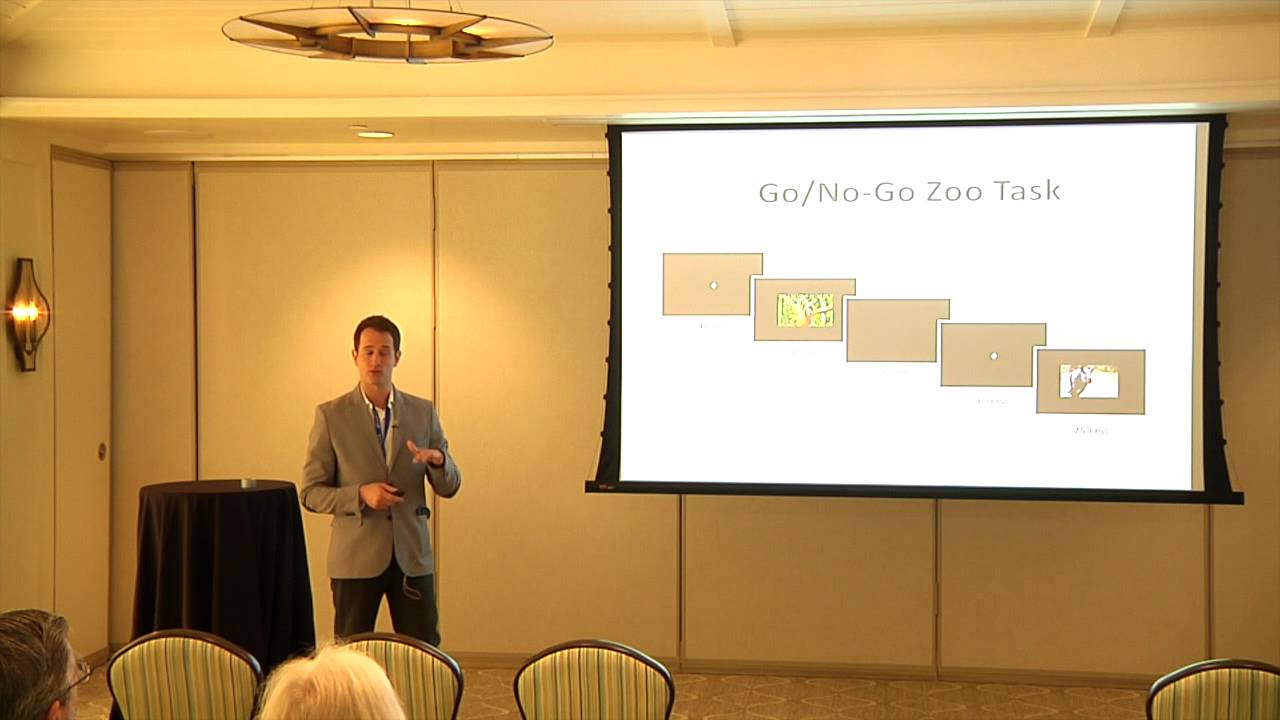
Session 2, Danovitch & Moser - Neural, Cognitive, and Social Contributions to Children's IH
193
Error monitoring can be measured using electroencephalogram (EEG) derived event-related brain potentials (ERPs). The Error-Related Negativity (ERN) is an initial negative deflection within 100 milliseconds of an error, reflecting automatic error detection. The Error Positivity (Pe) follows between 200-600 milliseconds and reflects error awareness and confidence. The Pe shifts from frontal to parietal distribution and is associated with metacognitive awareness of mistakes. Research in adults shows that growth-minded individuals (who believe intelligence can change) show larger Pe responses and bounce back more accurately after errors, while fixed-minded individuals show smaller Pe responses and are less accurate after mistakes.
Click to watch →
![[2021 Nov] 3. Development of consciousness symposium (Qualia structure)](https://i.ytimg.com/vi/TaC08sdlgu8/maxresdefault.jpg)
[2021 Nov] 3. Development of consciousness symposium (Qualia structure)
738
The error-related negativity (originating in anterior cingulate cortex) is displayed by infants when making errors, indicating basic error monitoring. However, the medial prefrontal cortex, important for metacognitive monitoring, undergoes slow maturation continuing until adolescence. This slow maturation explains why children even after 4 years sometimes struggle to monitor their own competencies.
Click to watch →

BCBT12 Guenter Knoblich
485
Two EEG components reflect error monitoring: the Feedback Related Negativity (FRN) is an early component reflecting mismatches between expected and actual feedback, while the Error Positivity (P300) is a later component reflecting conscious recognition or motivational significance of errors. Both are elicited by altered auditory feedback in piano performance.
Click to watch →

#139 The Science of Self Awareness feat. Steve Fleming
759
Research by Pat Rabbit in the 1960s showed that people can correct their own errors much more rapidly than when receiving external feedback, indicating internal error monitoring mechanisms. EEG studies reveal error-related negativities when people make mistakes on simple tasks, and these involve the same dopamine circuitry as external rewards and punishments. This suggests that metacognition stands in for external feedback by building internal models of how actions should unfold, generating prediction error signals when things go off track without needing external correction.
Click to watch →
Deep Dive
Fundamental Neuroscience Tools: A basic awareness of how electroencephalography (EEG) and Event-Related Potentials (ERPs) are used to measure real-time brain activity.
Andrew Davison - Computational neuroscience with EBRAINS
590
Computational neuroscience tools span multiple scales and purposes. Model-building tools include molecular-level databases, neural model builders (Hodgkin-Huxley based), PINNACLE for spiking neural networks, LIFML for ion channel models, and SNOOZE for biophysically detailed neurons. Simulation tools range from nanoscale electrodynamics simulations to full-scale rat hippocampus models running in web browsers on HPC resources. Multi-scale co-simulation frameworks enable connecting different tools simultaneously with real-time communication. Analysis tools include LFPi for local field potentials and EEG calculations, visualization tools at different abstraction levels, and libraries for formalizing model comparisons. Validation tools include catalogs of models and tests with pre-computed comparisons to experimental datasets. All tools are open source, regularly updated every six months, and designed for interoperability through standardized workflows based on CWL (Common Workflow Language).
Click to watch →

Мозг и наука. Татьяна Черниговская
119.2K
Neuroscience has reached a limit of complexity where current approaches are insufficient. The brain is so complex that showing each neuron individually would not provide useful information. The fundamental problem is that current tools are like a magnifying glass that cannot reveal what is needed. A new paradigm and theoretical breakthrough are required, involving strong philosophers and mathematicians. The challenge is that the brain's complexity exceeds what current mathematical tools can adequately describe.
Click to watch →

Brains, Minds, and Machines: Keynote Panel: The Golden Age
159
Bob De Simone describes the tools enabling modern neuroscience: (1) Anatomical tracing - creating wiring diagrams of the brain, with examples from fish visual systems and mouse brains showing incredible detail on how neurons wire together; (2) Recording activity - electrical recordings from large numbers of neurons distributed across systems, increasingly in humans using eCoG recordings in epilepsy patients; (3) Optogenetics - invented by Ed Boyden at MIT and Karl Deisseroth at Stanford, this technique uses light-sensitive pumps and channels from other organisms to infect neurons, allowing stimulation or inhibition of specific cell types with millisecond precision. These tools enable researchers to trace circuits, record activity, and test hypotheses about how neural circuits work, with the vision of understanding how the brain computes to advance intelligent systems.
Click to watch →
The Rise of Bulls**t Neuroscience | Tommy Blanchard
30.3K
fMRI measures blood oxygenation levels, not direct neural activity, with significant temporal lag. It cannot see individual neurons, only aggregates across millions of neurons per voxel. Animal models range from C. elegans (302 neurons, still not fully understood) to monkeys and rodents, each with trade-offs between complexity and experimental control. Despite the human brain having 86 billion neurons and 100 trillion connections, we're limited by ethics and crude tools, forcing reliance on simpler models that may not capture human cognition.
Click to watch →
Ed Boyden | Tools for Mapping and Controlling the Brain
2.5K
Neuroscience seeks 'ground truth'—understanding brain building blocks and their interactions—similar to physics reaching quantum mechanics and chemistry reaching molecular bonds. Two fundamental tensions define the field: spatial scales spanning from centimeter-sized brain cells to nanoscale biomolecules, and temporal scales involving millisecond electrical pulses and rapid synaptic exchanges. Expansion microscopy addresses spatial limitations by physically magnifying preserved brain tissue using swellable polymer meshes, achieving ~100x volume expansion while preserving nanoscale information. Combined with color-coded fluorescent proteins, this enables visualization of individual brain circuit wiring. Optogenetics revolutionized neuroscience by enabling precise neural control using light-sensitive proteins derived from microbes, allowing activation or silencing of specific cell populations. This has translated to clinical applications for blindness and Alzheimer's disease. Parallel efforts developed directed evolution robots to screen voltage-sensitive fluorescent proteins, producing molecules enabling millisecond-resolution imaging of many neurons simultaneously. Different model organisms provide complementary research advantages based on brain complexity, from worms to humans. The path forward involves integrating whole-brain imaging, expansion microscopy, optogenetics, and computational modeling across species, with non-invasive imaging technologies potentially enabling real-time neuron observation without depth limitations.
Click to watch →
Prerequisite Knowledge
- Concept 01Carol Dweck's Mindset Theory: The fundamental difference between a fixed mindset (believing intelligence is static) and a growth mindset (believing intelligence can be developed).
- Concept 02Introduction to Neuroplasticity: The brain's ability to reorganize itself by forming new neural connections throughout life in response to learning and practice.
- Concept 03Basic Cognitive Psychology of Error Monitoring: Understanding how the human brain detects mistakes and initiates cognitive control to adjust subsequent behavior.
- Concept 04Fundamental Neuroscience Tools: A basic awareness of how electroencephalography (EEG) and Event-Related Potentials (ERPs) are used to measure real-time brain activity.
Subsequent Learning
- Step 01Neurophysiological Markers (ERN and Pe): Exploring Error-Related Negativity and Error Positivity, the specific brain wave patterns associated with automatic error detection and conscious error awareness.
- Step 02Mindset Intervention Design: Studying how to implement targeted educational and psychological interventions to foster growth mindsets in classroom or organizational settings.
- Step 03Cognitive Behavioral Strategies for Failure: Investigating how reframing mistakes can reduce performance anxiety and leverage the brain's natural error-correction mechanisms.
- Step 04The Role of the Anterior Cingulate Cortex (ACC): Delving into the neuroanatomy of the ACC, the brain region primarily responsible for conflict monitoring, error detection, and emotional regulation.
EEG Mindsets
Bounce Back
EEG Mindsets
0:01Playing Section
- 1
Explored brain activity differences between growth and fixed mindsets.
- 2
Growth mindset individuals show enhanced error awareness signals.
- 3
This increased awareness predicts better post-mistake performance.
Replication Failures and Systemic Predictors of Performance
While neurological studies suggest growth mindsets enhance brain-level error processing (such as ERN and Pe waves), broad meta-analyses and replication studies challenge the real-world significance of these findings. Critics, including researchers behind major meta-analyses, argue that the overall effect size of growth mindset interventions on academic and cognitive performance is extremely small or negligible. Furthermore, skeptics of 'neuro-realism' caution against overinterpreting localized brain activity, pointing out that correlation between neural error-awareness and actual behavioral improvement is often weak and highly context-dependent. Opposing perspectives suggest that cognitive ability, socioeconomic status, and systemic educational resources are far more robust predictors of how individuals recover from mistakes than an individual's mindset. Thus, focusing heavily on neurological mindset markers risks oversimplifying the complex, systemic nature of learning and academic resilience.
Deep Dive
Neurophysiological Markers (ERN and Pe): Exploring Error-Related Negativity and Error Positivity, the specific brain wave patterns associated with automatic error detection and conscious error awareness.
Session 2, Danovitch & Moser - Neural, Cognitive, and Social Contributions to Children's IH
193
Error monitoring can be measured using EEG-derived event-related brain potentials (ERPs). The Error-Related Negativity (ERN) is an initial negative deflection within 100 milliseconds of an error, reflecting automatic error detection. The Error Positivity (Pe) follows between 200-600 milliseconds and reflects error awareness and confidence. Research in adults shows that growth-minded individuals show larger Pe responses and bounce back more accurately after errors. Using a go no-go task with animal stimuli, researchers found that children who showed greater intellectual humility demonstrated larger Pe responses and better post-error accuracy. In boys, larger Pe responses were associated with greater advice-seeking behavior and better post-error accuracy. In girls, these relationships were more complex and interactive, with the relationship between Pe and advice-seeking only found in girls who were humble about their self-assessment of knowledge.
Click to watch →

por que tanta gente tem medo de errar no trabalho?
3.1K
Error Positivity (PE) is a neural marker that indicates consciousness of error and attention allocation. Research shows that individuals with a growth mindset (who believe intelligence can be developed) exhibit stronger PE responses when making errors. This neural response reflects the brain's willingness to learn from errors and the motivation to evolve and improve.
Click to watch →

A Verdade Sobre as VACINAS ANTIDROGAS e o Vício Digital (Celular, Pornografia e Drogas) - Ep.24
157.8K
Research has found that individuals with smartphone dependence show the same electro-physiological patterns as those with cocaine dependence. These patterns are not found in normal individuals without addiction. This suggests that smartphone addiction involves similar brain mechanisms as substance addiction, providing neurobiological evidence that behavioral addictions are legitimate medical conditions.
Click to watch →

Brain Products Webinar Recording: ERPs anywhere with X.on and the PEER App
243
PEER inserts markers directly into the EEG data stream at the appropriate time points when stimuli are presented or audio is played. This temporal synchronization ensures clean ERP responses. The marker resolution is approximately 2 milliseconds, determined by the Axon's sampling rate of 250 or 500 Hz. The data quality from Axon is comparable to traditional active electrode systems like the ActiveChamp. Individual variability in ERP responses is similar to what would be obtained with traditional EEG systems, validating the mobile approach for scientific research.
Click to watch →

24 Different Event Related Potentials (2)
1.1K
Event-related potentials (ERPs) are brain responses to stimuli that can reveal cognitive processes; slow waves like the Bereitschaftspotential (readiness potential) and contingent negative variation (CNV) require DC recording settings (DC to 30 Hz) and reflect neural preparation for voluntary movements or anticipated events, with the BP showing negativity starting over half a second before conscious awareness of movement intent, raising philosophical questions about free will, while other ERPs like the error-related negativity (ERN) and feedback-related negativity (FRN) monitor performance and outcomes, and the P50 gating and N170 face recognition potentials serve as biomarkers for neurological and psychiatric conditions including schizophrenia, Parkinson's disease, and dyslexia.
Click to watch →
Deep Dive
Mindset Intervention Design: Studying how to implement targeted educational and psychological interventions to foster growth mindsets in classroom or organizational settings.

Psychological Intervention: Carol Dweck
7.2K
The growth mindset intervention consists of eight sessions combining neuroscience education about brain development with study skills training. The intervention teaches students that their intelligence can be developed through effort. Control groups received only study skills training, while the growth mindset group received both study skills and the growth mindset concept.
Click to watch →

Innovation and evidence generation in MineduLAB in Peru | MineduLAB | Fabiola Cáceres
209
The intervention consists of a 90-minute pedagogical session conducted during weekly tutoring sessions. The key components include: (1) students reading an article about brain science explaining neuroplasticity in simple terms, (2) displaying a poster in the classroom with summarized information to reinforce learning, (3) group discussion with the teacher to ensure comprehension, and (4) each student writing a letter to a friend explaining what they learned. The session is designed to ensure students remember the concept and internalize the message about their ability to improve their intelligence through practice.
Click to watch →

Unlocking Potential: How Growth Mindset Emails Boost First-Generation College Student Success -Aug24
102
Effective growth mindset interventions require randomized controlled trial designs with proper timing at multiple points throughout the semester. Interventions should include specific actionable strategies (daily study, group study, concept maps) rather than vague encouragement. Three core components ground the theory: abilities can be improved, academic struggles are normal, and struggles result from controllable factors. Messages should acknowledge past struggles of other students, set realistic expectations about the learning process, and offer instructor availability.
Click to watch →

5ª JORNADA DE INVESTIGACIÓN Y BUENAS PRÁCTICAS DE DOCENCIA 2025
222
The intervention consisted of micro-interventions lasting no more than 15 minutes, planned at the beginning of a course. Four of seven parallel groups participated. The methodology contrasted growth mindset with fixed mindset, introduced skills related to growth mindset, and used videos and personal experiences.
Click to watch →

How to Master Growth Mindset to Improve Performance | Dr. David Yeager
639.4K
Effective mindset interventions typically include three components: (1) presenting new scientific information about how the brain works, (2) sharing stories from people similar to the participant who have used these ideas successfully, and (3) asking participants to author their own story about a time they struggled and how they overcame it. This 'saying is believing' approach leverages cognitive dissonance principles to create lasting mindset shifts.
Click to watch →
Deep Dive
Cognitive Behavioral Strategies for Failure: Investigating how reframing mistakes can reduce performance anxiety and leverage the brain's natural error-correction mechanisms.

Faire face à un échec - vaincre la peur de l'échec - méditation guidée
530
This segment presents cognitive strategies for transforming one's relationship with failure. Key techniques include: (1) Balanced perspective-taking by recognizing positive aspects within failures; (2) Understanding emotional distortions that make failures seem more complete than they are; (3) Recognizing that others often perceive failures less severely than we imagine; (4) Viewing failure as a natural life stage rather than a permanent state; (5) Reflecting on past failures to realize consequences were typically less severe than feared. These strategies help individuals overcome the all-or-nothing thinking that often accompanies failure and develop resilience.
Click to watch →

11 DICAS INFALÍVEIS PARA SER UM FRACASSADO
99.8K
This section covers the foundational mindset and behavioral strategies for ensuring failure. Key strategies include: (1) Surrounding yourself with other failures who provide 'good advice'; (2) Never accepting personal responsibility by always blaming external factors like family, government, or God; (3) Never completing what you start, as finishing creates satisfaction that leads to success; (4) Avoiding all new learning opportunities including books, training, and mentorship, as intelligence transforms failures into successes; (5) Excessive smartphone and social media use to compare your life with others' perfect lives; (6) Avoiding planning and goal-setting, which are characteristics of successful people; (7) Rejecting opportunities, as they risk transforming failure into success; (8) Actively destroying dreams by consuming content that reinforces hopelessness; (9) Avoiding people who are more successful or knowledgeable, as they inspire growth; (10) Expecting others to solve your problems rather than taking personal responsibility; (11) Never starting anything today, as successful people understand that 'today' is the moment to build results.
Click to watch →

Learning How To Fail Well with Amy Edmondson
445
Effective strategies for learning from failure include: (1) STOP - Challenge and choose: When facing failure, pause and take a deep breath to challenge automatic reactions of blame, anger, shame, or self-blame, then choose healthier thinking patterns. (2) Rational response training: Instead of catastrophizing (e.g., thinking 'I'm going to die' when running late), respond with more rational assessments (e.g., 'This is inconvenient'). (3) Giving grace: Recognize that we're all fallible human beings (FHBS) working in a highly fallible complex world, so give yourself and others permission to be human. This cognitive-behavioral approach helps transform failure responses from destructive to productive.
Click to watch →

失敗を引きずらない人の“頭の使い方”とは?
597
People who recover quickly from failure share common cognitive habits: they separate emotions from actions by focusing on problem-solving rather than self-blame, view failures as external events rather than personal failures, and use activities like light exercise or writing down failures to break negative thought loops and enable objective self-assessment.
Click to watch →

Scheitern für Anfänger
144
Four key strategies for dealing with failure: (1) Become consciously aware of unconscious self-defeating patterns; (2) Observe and change your inner dialogue from 'you're a failure' to acknowledging specific failures while maintaining overall self-worth; (3) Reframe failure by placing it in appropriate context without letting it define your identity; (4) View failure as valuable feedback that reveals what you need to improve. The goal is to separate 'I failed at this' from 'I am a failure.'
Click to watch →
Deep Dive
The Role of the Anterior Cingulate Cortex (ACC): Delving into the neuroanatomy of the ACC, the brain region primarily responsible for conflict monitoring, error detection, and emotional regulation.

How to Force Your Brain to DO Hard Things And Build Willpower
88.7K
The Anterior Cingulate Cortex (ACC) is a brain region located in the frontal part of the brain that serves as the 'willpower muscle.' It plays three key roles: conflict monitoring (resolving competing desires like wanting a cookie while trying to lose weight), emotional regulation (staying calm when wanting to react), and cognitive control (overriding short-term urges to stay aligned with long-term goals). The ACC is the internal voice that motivates action even when one does not feel like doing something.
Click to watch →

How I Healed My Brain in 1200 Days
430.5K
The anterior cingulate cortex (ACC) is a critical brain region connected to hormone regulation, emotional processing, and memory formation. This structure serves as the foundation for self-regulation and willpower. Without intentional care, the ACC naturally atrophies over time. Modern technology usage has accelerated this decline by transforming phones from tools into products that weaken our resistance capabilities. Patients with ACC damage lose their sense of self-efficacy entirely, often becoming unable to engage in meaningful activities beyond basic survival. This creates a concerning parallel with modern habits of prolonged bed rest and constant phone scrolling, suggesting that our generation faces similar risks to those observed in clinical cases.
Click to watch →

RESENHA COM ESLEN DELANOGARE - Ciência Sem Fim #121
467.8K
The anterior cingulate cortex (ACC) is involved in monitoring conflicts and detecting discrepancies between expected and actual outcomes. Research shows that the ACC responds to both external conflicts (like unexpected events) and internal conflicts (like emotional pain). The speaker describes how the ACC may be responsible for the physical sensation of emotional pain (like 'heartache' during depression). This region is also a target for deep brain stimulation in treatment-resistant depression. Research by Helen Mayberg showed that DBS of the ACC could produce dramatic improvements in patients who had not responded to other treatments. Interestingly, similar improvements were seen in patients with childhood trauma using psychotherapy, suggesting that different treatments can target the same underlying neural mechanisms.
Click to watch →

뇌를 잘 써야 중간에 포기하지 않습니다
197.5K
The anterior cingulate cortex (ACC) is a brain region that acts as a barrier between the prefrontal cortex and other brain areas, regulating self-control and willpower. A thicker ACC indicates better impulse control and the ability to consistently do things one should do while avoiding things one shouldn't. This brain region can be strengthened through consistent effort, even when tasks are unpleasant, which is why people who regularly do things they don't want to do tend to develop stronger self-control abilities over time.
Click to watch →

Dr. K Explains: The Science of Self Control
2M
Research using EEG technology discovered that the anterior cingulate cortex (ACC) is responsible for monitoring internal conflict, and this brain region is the actual mechanism underlying self-control. The ACC continuously monitors conflicts between competing desires or impulses within the mind. When this conflict monitoring system is active, self-control is maintained; however, when this monitoring stops, self-control capacity disappears entirely. This finding suggests that self-control is not a separate 'control' function but rather the very act of monitoring internal conflict itself.
Click to watch →
EEG Mindsets
Bounce Back
EEG Mindsets
0:01- 1
Explored brain activity differences between growth and fixed mindsets.
- 2
Growth mindset individuals show enhanced error awareness signals.
- 3
This increased awareness predicts better post-mistake performance.
Replication Failures and Systemic Predictors of Performance
While neurological studies suggest growth mindsets enhance brain-level error processing (such as ERN and Pe waves), broad meta-analyses and replication studies challenge the real-world significance of these findings. Critics, including researchers behind major meta-analyses, argue that the overall effect size of growth mindset interventions on academic and cognitive performance is extremely small or negligible. Furthermore, skeptics of 'neuro-realism' caution against overinterpreting localized brain activity, pointing out that correlation between neural error-awareness and actual behavioral improvement is often weak and highly context-dependent. Opposing perspectives suggest that cognitive ability, socioeconomic status, and systemic educational resources are far more robust predictors of how individuals recover from mistakes than an individual's mindset. Thus, focusing heavily on neurological mindset markers risks oversimplifying the complex, systemic nature of learning and academic resilience.
Carol Dweck's Mindset Theory: The fundamental difference between a fixed mindset (believing intelligence is static) and a growth mindset (believing intelligence can be developed).
Introduction to Neuroplasticity: The brain's ability to reorganize itself by forming new neural connections throughout life in response to learning and practice.
Basic Cognitive Psychology of Error Monitoring: Understanding how the human brain detects mistakes and initiates cognitive control to adjust subsequent behavior.
Fundamental Neuroscience Tools: A basic awareness of how electroencephalography (EEG) and Event-Related Potentials (ERPs) are used to measure real-time brain activity.
Neurophysiological Markers (ERN and Pe): Exploring Error-Related Negativity and Error Positivity, the specific brain wave patterns associated with automatic error detection and conscious error awareness.
Mindset Intervention Design: Studying how to implement targeted educational and psychological interventions to foster growth mindsets in classroom or organizational settings.
Cognitive Behavioral Strategies for Failure: Investigating how reframing mistakes can reduce performance anxiety and leverage the brain's natural error-correction mechanisms.
The Role of the Anterior Cingulate Cortex (ACC): Delving into the neuroanatomy of the ACC, the brain region primarily responsible for conflict monitoring, error detection, and emotional regulation.
366 views2likes2:20@PsychologicalScienceOriginal Release: 2011-05-29
my name is Hans Schroeder I'm from Michigan State University and I presented my research at the aps convention so we studied fixed and growth minded people people that believe intelligence is a stable characteristic and that really can't be changed that's a fixed mindset versus people that think intelligence is malleable you can change it with learning and effort that's a growth mindset so we brought them into the lab and we had we hooked them up with electroencephalography EEG and we looked at their event related potentials after mistakes so when you make a mistake you have a an initial oh crap response that is called the error related negativity that happens within 100 milliseconds of making a mistake and then you have a later error positivity the PE that happens 200 to 500 milliseconds after making a mistake and so we compared the brain activity between the two mindsets and it turns out that they didn't differ in the initial oh crap response but it's really more about this later PE amplitude that is different between the mindsets and this PE amplitude is more about conscious awareness of having made a mistake attention allocation to making mistakes so growth-minded individuals are more aware of having made a mistake within half a second of making the mistake in the first place which is really consistent with Decades of work showing that growth-minded individuals are more likely to take remedial actions after mistakes they're more well suited for adapting after setbacks or after negative performance feedback so it's it's a it's a much more online study that looks at reactions right after making a mistake within milliseconds of making a mistake so we also found that growth-minded individuals perform better after mistakes than fixed-minded individuals so they have better post their accuracy and the relationship between mindset and posterior accuracy was mediated by the PE amplitude that is growth-minded individuals who had a bigger p e amplitude more attention allocation to making mistakes we're better able to bounce back from their mistakes because of their enhanced PE amplitude so this is really consistent with lots of work in social psychology suggesting that growth-minded individuals are more likely to take remedial action after setbacks and mistakes than fixed-minded individuals
Up Next

13:03
How Exercise Benefits Your Brain: Science Explained
@TED
11.4M views•2018-03-21

21:55
Deciphering Neural Circuits Controlling Anorexia in Mice | Richard Palmiter
@AllenInstitute
2.3K views•2011-10-10

4:10
Vagus Nerve (CN X): Anatomy, Nuclei & Functions Explained
@Alilamedicalmedia
305.2K views•2022-10-31

115:32
Matthew Walker on Sleep Science: REM, Dreams & Health – JRE #1109
@joerogan
9.9M views•2018-04-25
Related Study Plans & Knowledge Roadmaps
Structured learning paths in Neuroscience
neuroscience
Appetite Regulation: Brain Circuits & Hormones
01Foundations of Endocrinology and Brain Anatomy
02Introduction to Energy Homeostasis
03Peripheral Signals: Leptin, Ghrelin, and Insulin
+ 2 more learning modules
14h5 modules
Explore Roadmap
neuroscience
Neuroeconomics: Value, Risk & Brain Mechanisms
01Foundations of Neuroscience and Brain Anatomy
02Introduction to Neuroeconomics and Subjective Value
03Dopaminergic Prediction Errors & Reinforcement Learning
+ 3 more learning modules
18h6 modules
Explore Roadmap
neuroscience
Spatial Navigation: Cells, Grids & Brain Maps
01Foundations of Brain Anatomy and Memory
02Place Cells and Head-Direction Cells
03Grid Cells: The Brain's Coordinate System
+ 2 more learning modules
12h5 modules
Explore Roadmap
neuroscience
BCIs: Neural Decoding & Prosthetic Control
01Neuroscience Foundations: How the Brain Signals Intent
02Signal Acquisition: Recording the Brain's Activity
03Neural Decoding: Translating Brain Waves into Data
+ 2 more learning modules
25h5 modules
Explore Roadmap