

















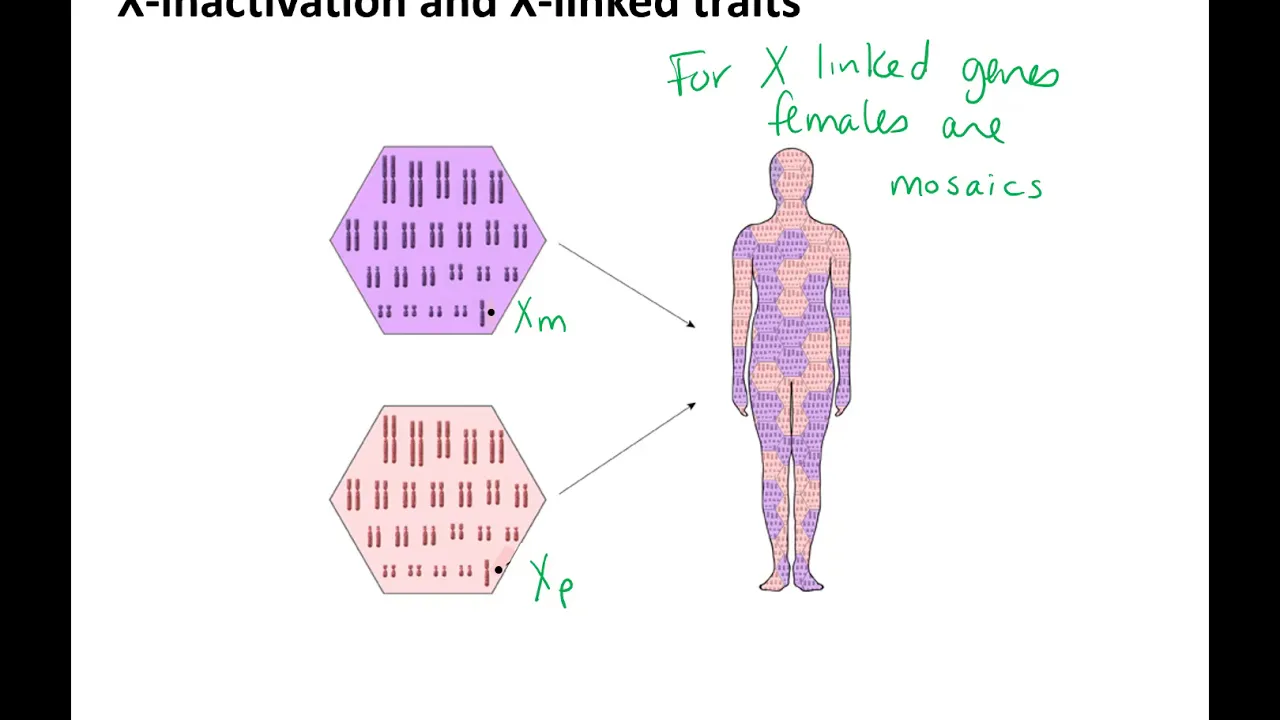
X chromosome inactivation is a cellular mechanism where females randomly silence one of their two X chromosomes during early development, creating cellular mosaicism; this explains why identical twins can have different traits like color blindness, as each twin may have different cells expressing the normal or mutated version of X-linked genes.
Exploring X Chromosome Inactivation | Genetics Explained
Added:Understanding of sex chromosomes (X and Y) and how biological sex determination works in mammals.
Basic principles of Mendelian genetics, specifically sex-linked (X-linked) inheritance patterns.
The concept of gene expression and how DNA is transcribed into RNA and translated into proteins.
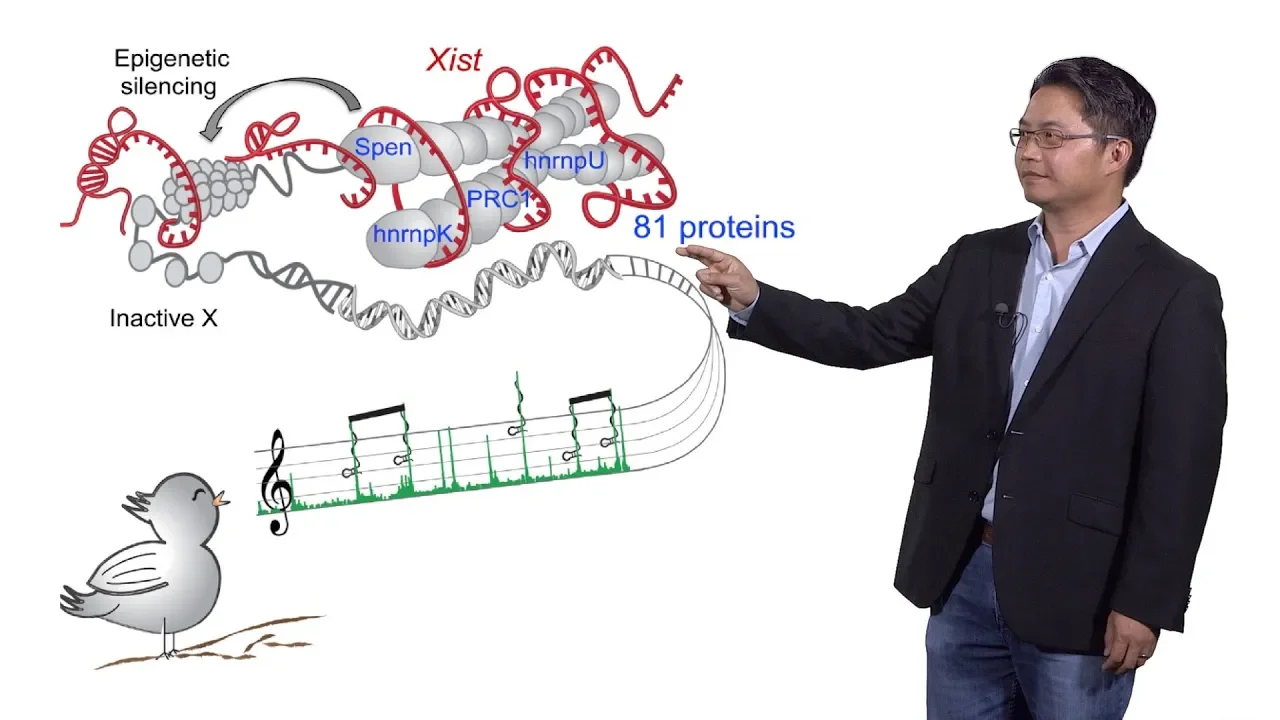
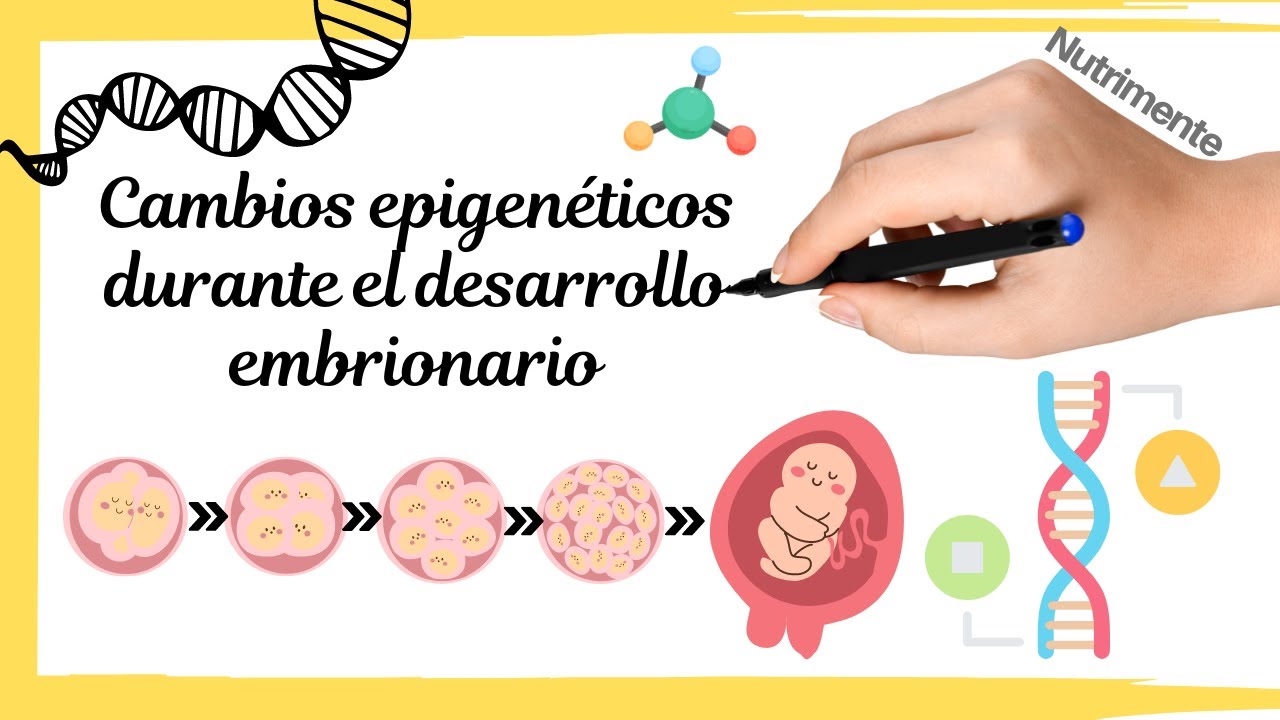
An introductory understanding of epigenetics, specifically how gene activity can be modified without altering the DNA sequence.
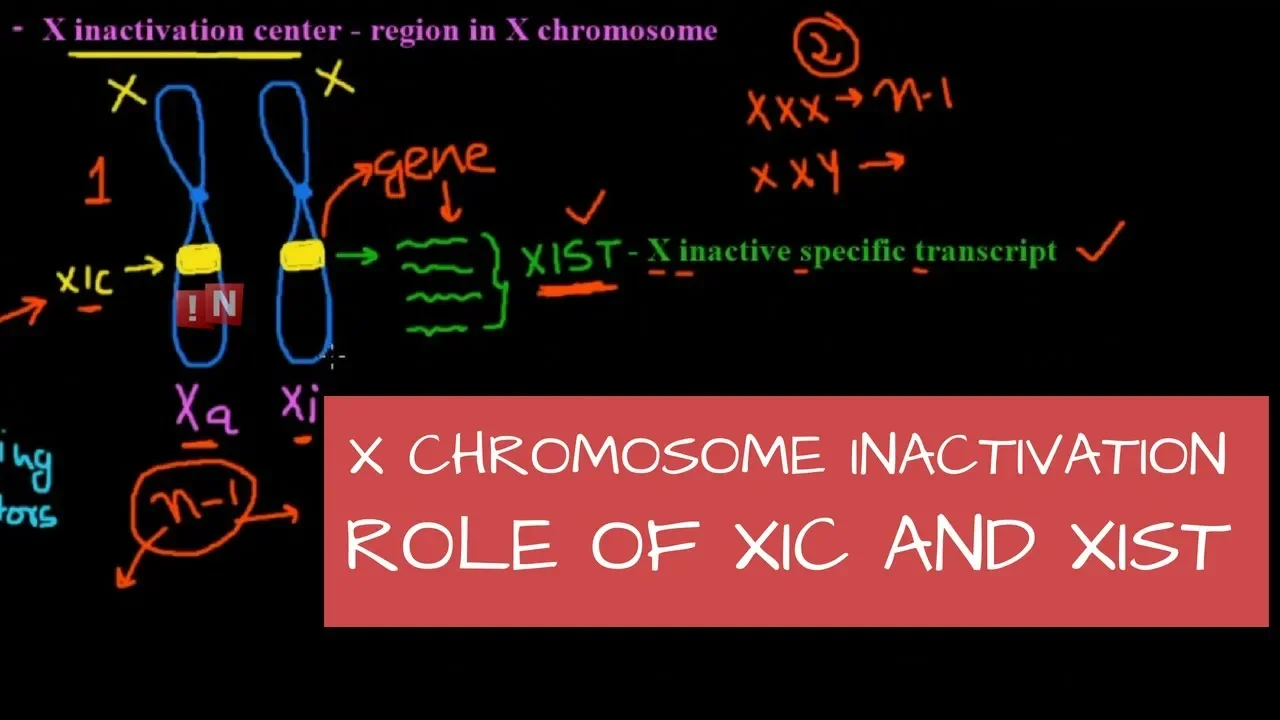
The specific molecular mechanism of X-inactivation, including the role of the Xist long non-coding RNA (lncRNA).
The clinical significance of skewed X-chromosome inactivation in female carriers of X-linked disorders like Rett syndrome or Hemophilia.
The process of epigenetic reprogramming and how the inactive X chromosome is reactivated during germ cell development.
Exploration of other monoallelic gene expression phenomena, such as genomic imprinting.
1.2M views23.7Klikes5:06Original Release: 2017-04-18
The secrets of the X chromosome.
These women are identical twins.
They have the same nose, the same hair color, the same eye color.
But this one is color blind for green light, and this one isn't.
How is that possible?
The answer lies in their genes.
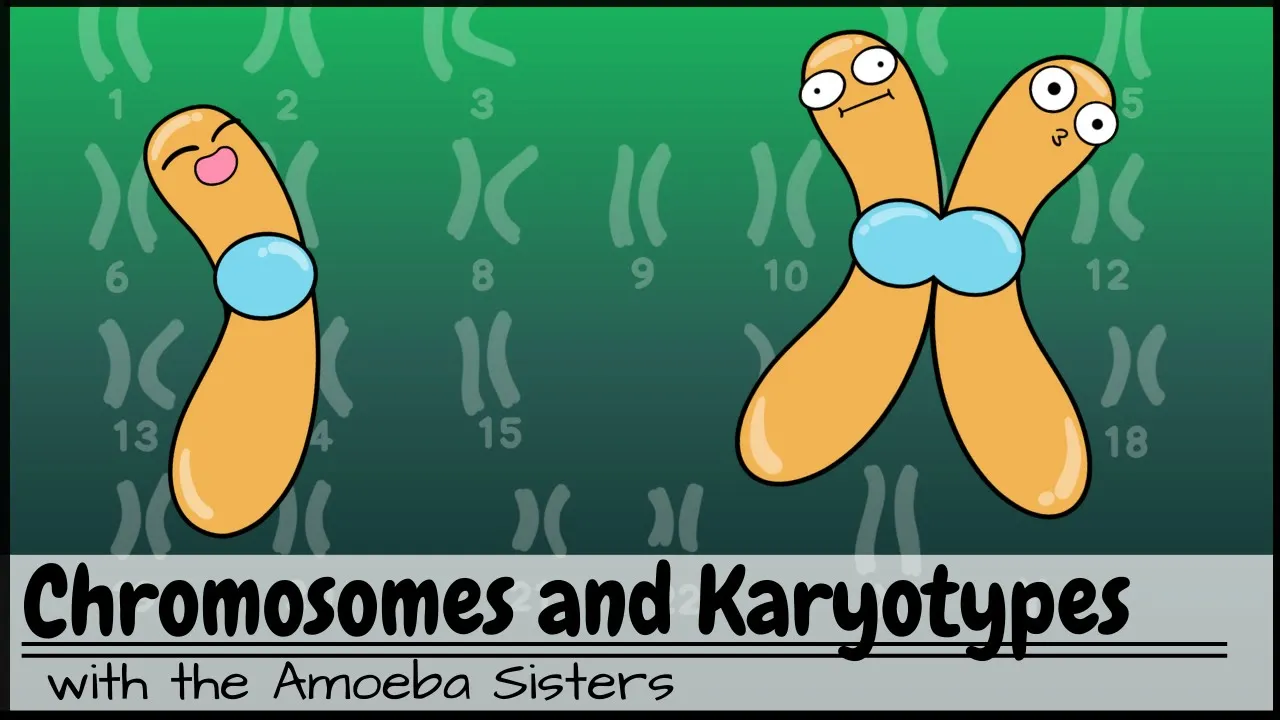
For humans, the genetic information that determines our physical traits is stored in 23 pairs of chromosomes in the nucleus of every cell.
These chromosomes are made up of proteins and long, coiled strands of DNA.
Segments of DNA, called genes, tell the cell to build specific proteins, which control its identity and function.
For every chromosome pair, one comes from each biological parent.
In 22 of these pairs, the chromosomes contain the same set of genes, but may have different versions of those genes.
The differences arrive from mutations, which are changes to the genetic sequence that may have occurred many generations ago.
Some of those changes have no effect, some cause diseases, and some lead to advantageous adaptations.
The result of having two versions of each gene is that you display a combination of your biological parents' traits.
But the 23rd pair is unique, and that's the secret behind the one color blind twin.
This pair, called the X and Y chromosomes, influences your biological sex.
Most women have two X chromosomes while most men have one X and one Y.
The Y chromosome contains genes for male development and fertility.
The X chromosome, on the other hand, contains important genes for things other than sex determination or reproduction, like nervous system development, skeletal muscle function, and the receptors in the eyes that detect green light.
Biological males with an XY chromosome pair only get one copy of all these X chromosome genes, so the human body has evolved to function without duplicates.
But that creates a problem for people with two X chromosomes.
If both X chromosomes produced proteins, as is normal in other chromosomes, development of the embryo would be completely impaired.
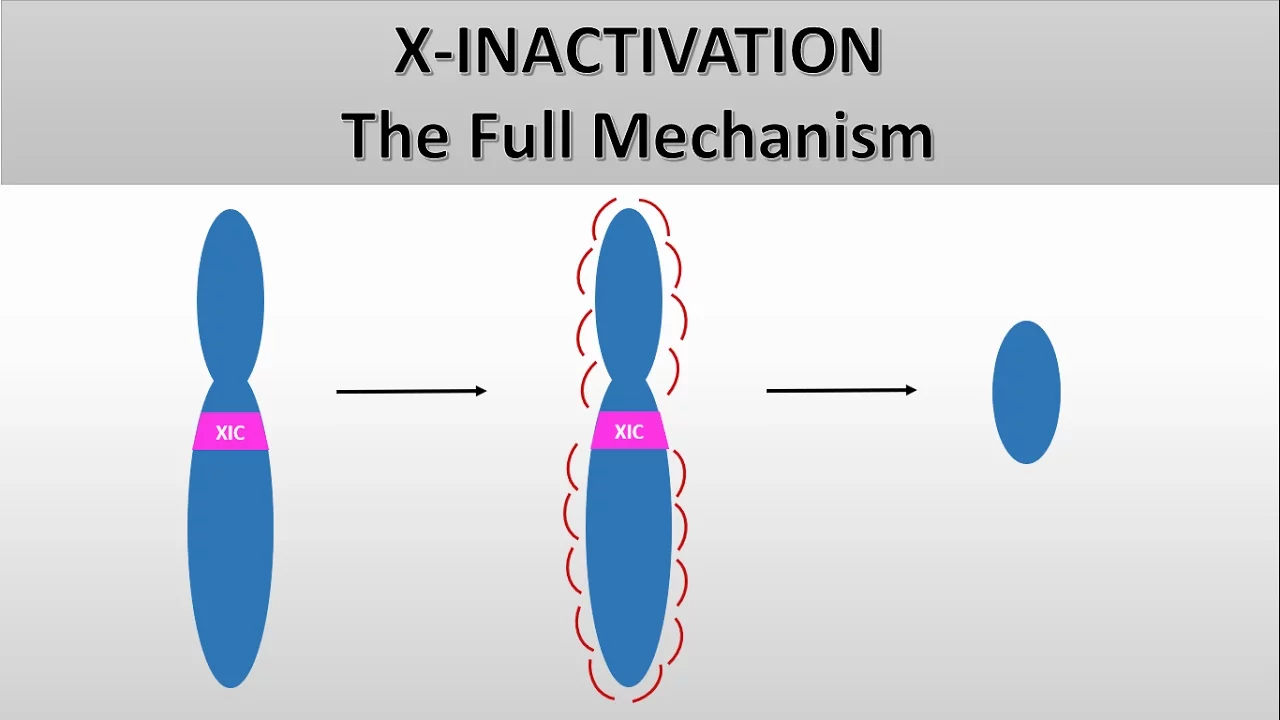
The solution is X inactivation.
This happens early in development when an embryo with two X chromosomes is just a ball of cells.
Each cell inactivates one X chromosome.
There's a certain degree of randomness to this process.
One cell may inactivate the X chromosome from one parent, and another the chromosome from the other parent.
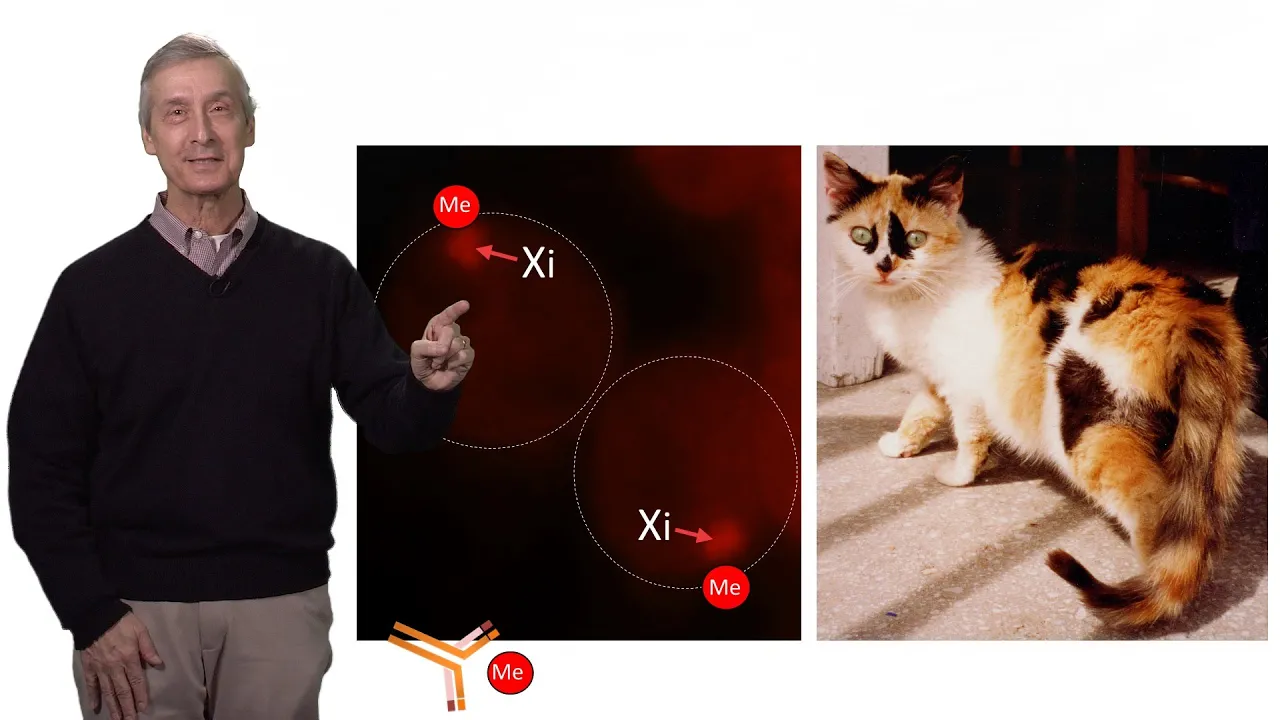
The inactive X shrivels into a clump called a Barr body and goes silent.
Almost none of its genes order proteins to be made.
When these early cells divide, each passes on its X inactivation.
So some clusters of cells express the maternal X chromosome, while others express the paternal X.
If these chromosomes carry different traits, those differences will show up in the cells.
This is why calico cats have patches.
One X had a gene for orange fur and the other had a gene for black fur.
The pattern of the coat reveals which one stayed active where.
Now we can explain our color blind twin.
Both sisters inherited one mutant copy of the green receptor gene and one normally functioning copy.
The embryo split into twins before X inactivation, so each twin ended up with a different inactivation pattern.
In one, the X chromosome with the normal gene was turned off in the cells that eventually became eyes.
Without those genetic instructions, she now can't sense green light and is color blind.
Disorders that are associated with mutations of X chromosome genes, like color blindness, or hemophilia, are often less severe in individuals with two X chromosomes.
That's because in someone with one normal and one mutant copy of the gene, only some of their cells would be affected by the mutation.
This severity of the disorder depends on which X got turned off and where those cells were.
On the other hand, all the cells in someone with only one X chromosome can only express the mutant copy of the gene if that's what they inherited.
There are still unresolved questions about X inactivation, like how some genes on the X chromosome escape inactivation and why inactivation isn't always random.
What we do know is that this mechanism is one of the many ways that genes alone don't tell our whole story.
Up Next
27:29
X Inactivation and Genomic Imprinting: Epigenetic Gene Regulation
@lisajohansen1868
772 views•2018-10-07

22:43
Ketone Ester Treats Angelman Syndrome Seizures in Mouse Model
@epigenixfoundation5302
1.3K views•2016-07-15
4:23
The Origins of Genes: Mutation and Duplication Explained
@TEDEd
1M views•2014-09-22
7:08
Bacteriophages: Earth's Deadliest Killers and Future Antibiotics
@kurzgesagt
34.6M views•2018-05-13
Related Study Plans & Knowledge Roadmaps
Structured learning paths in Biology
biology
Analyzing Animal Venoms: Genetics & Pharma
01Molecular Biology & Physiology Foundations
02Venom Evolution & Toxin Gene Recruitment
03Neurotoxins & Ion Channel Pharmacology
+ 2 more learning modules
18h5 modules
Explore Roadmap
biology
RNAi: Biogenesis, RISC & Gene Silencing
01Molecular Biology Foundations: DNA to Protein
02Introduction to RNA Interference (RNAi)
03Molecular Biogenesis of miRNA and siRNA
+ 2 more learning modules
10h5 modules
Explore Roadmap
biology
Mycorrhizae: Signaling, Biophysics & Ecology
01Foundations of Mycorrhizal Symbiosis
02Molecular Signaling and Root Colonization
03Biophysics and Bioenergetics of Nutrient Exchange
+ 1 more learning modules
11h4 modules
Explore Roadmap
biology
Circadian Clocks: TTFL, SCN & Periphery
01Foundations of Molecular Biology & Gene Expression
02Introduction to Chronobiology and Actograms
03The Core TTFL: Molecular Architecture of the Clock
+ 3 more learning modules
14h6 modules
Explore Roadmap