









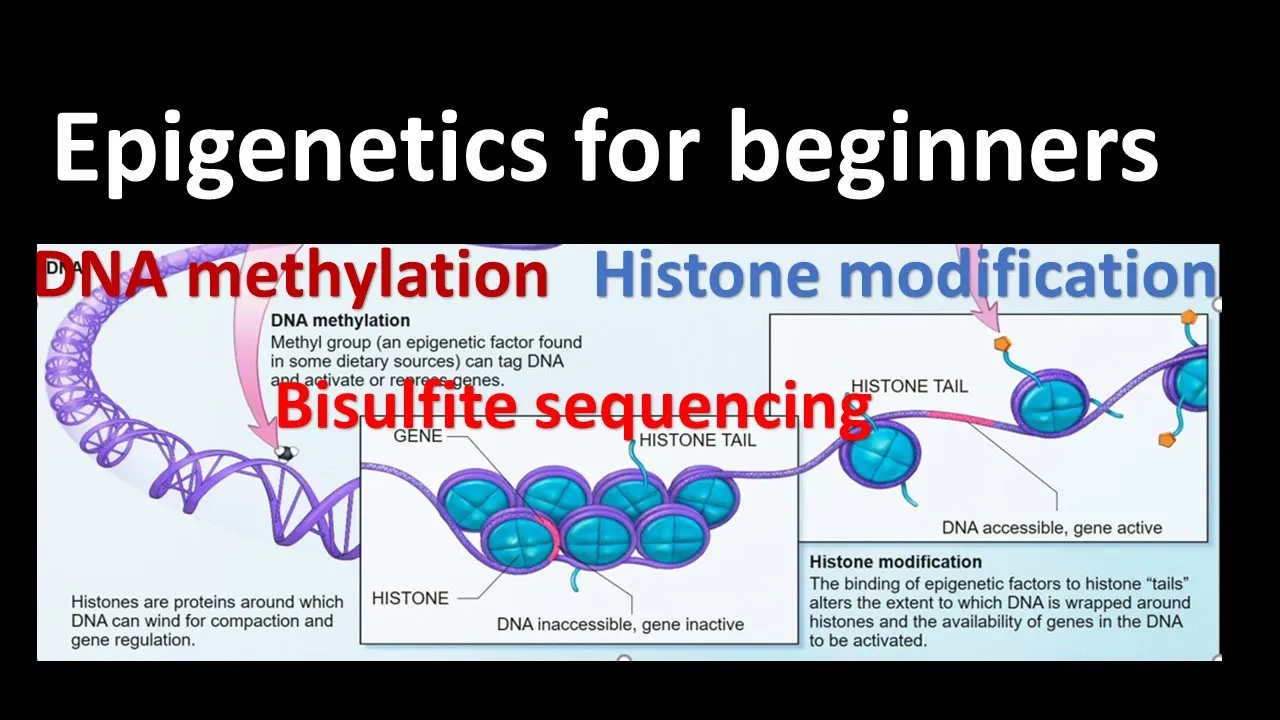



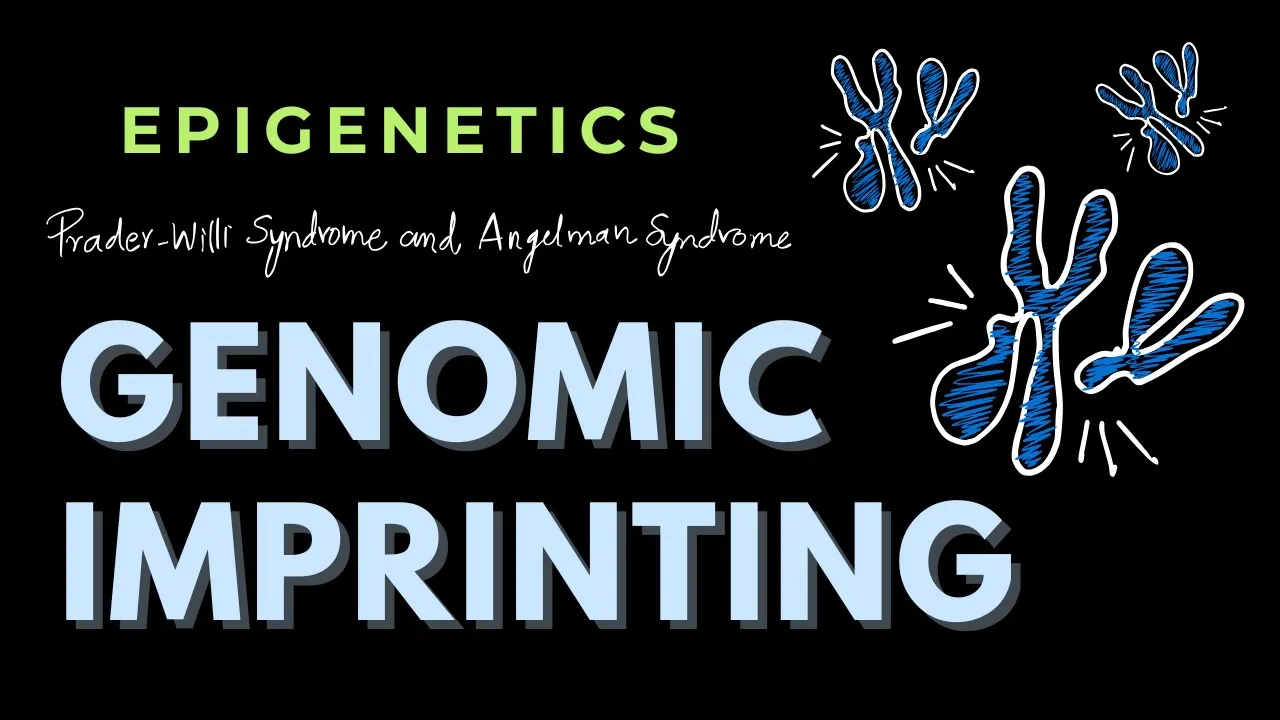











X chromosome inactivation and genomic imprinting are two critical epigenetic mechanisms that ensure proper gene dosage compensation in mammals. X-inactivation involves the XIST long non-coding RNA coating one X chromosome to silence most genes, creating a Barr body, while the active X expresses Tsix to block XIST; this random process occurs during early embryonic development and creates cellular mosaicism in females. Genomic imprinting involves monoallelic expression where specific genes are silenced from either the maternal or paternal chromosome based on parent-of-origin, with imprinted genes organized in clusters controlled by enhancers and insulators. Both mechanisms involve histone modifications and DNA methylation to regulate gene expression without altering DNA sequence, and both undergo erasure and re-establishment in germ cells to maintain proper gene dosage across generations.
X Inactivation and Genomic Imprinting: Epigenetic Gene Regulation
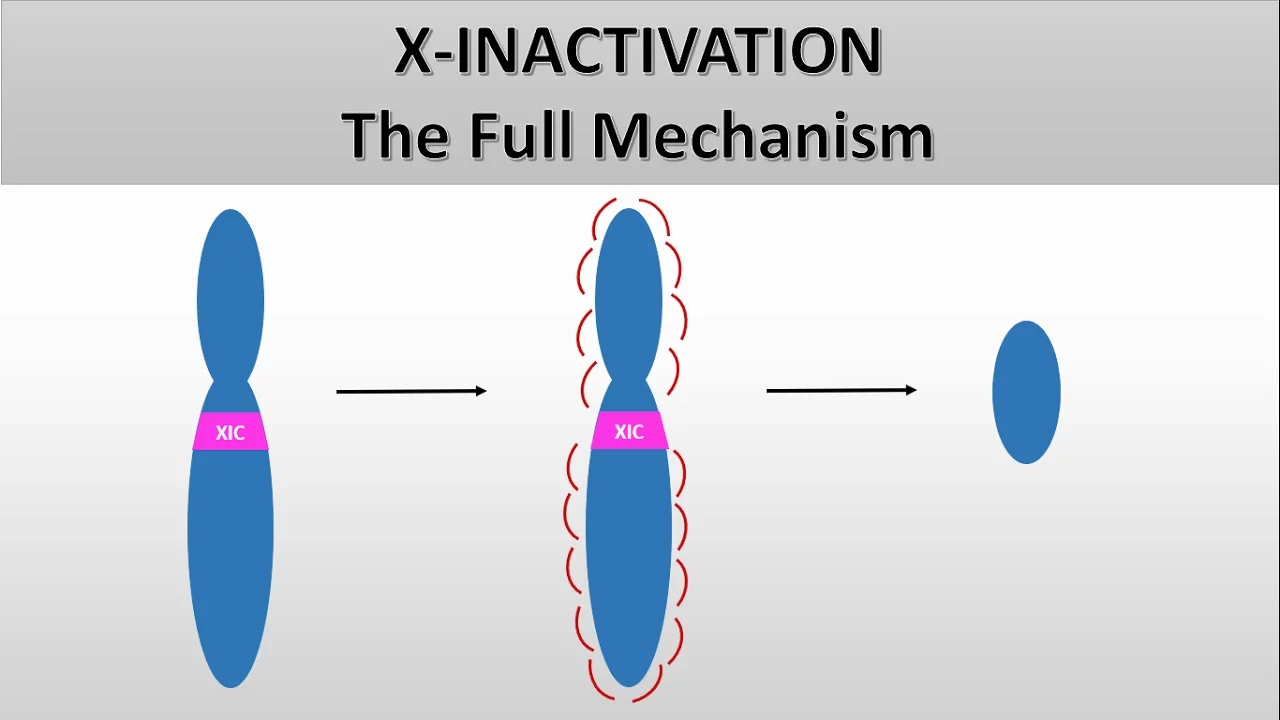
Added:this little mini lecture is to go through X and activation and genomic imprinting so yammer our kiss rule keep it simple X inactivation oops and of course I don't start my pad X inactivation is due to the long non-coding RNA X is T which is transcribed that's what it's showing here are these little Artie's being expressed from the X chromosome and this is going to be the X I the inactivated x chromosome it's transcribed so RNA made well this is stimulated by a second long non-coding RNA called jpx and that's not shown here but as we talk next unit about transcription regulation you'll see that non-coding rnas can stimulate genes to be expressed so jpx stimulates X is T to be expressed as X is T is expressed X is T that RNA coats the X chromosome and it's working in sis which means it coats the chromosome that it's been expressed from same this is the same so now you see all these red little squiggly X is T RNAs they're coding it and they're recruiting histone modification proteins which are then going to work on condensing that X chromosome into heterochromatin you eventually also get DNA methylation so you're really really turning off the genes and that chromosome inactivated chromosome eventually becomes a barre body right that little tightly compacted chromosome that we can see in the nuclei if a cell has two or more X chromosomes one thing I want you to see is that this is indicating a concept called spread and spread here so this is spreading the signal along the X chromosome and the importance is to remember that this is maintained throughout meiosis I'm sorry mitosis okay so once an X chromosome becomes inactive in the embryo it stays inactive that specific one it gets replicated through DNA replication which we're talking about next but it stays inactive throughout the lifetime of all the cells that come from it okay if you have two or more X chromosomes the other one will be activated and one of the ways that the X chromosome stays active is that there's another long coding sorry long non-coding RNA called t6 which is the opposite X is T of X is T so another long coding RNA called excite stimulates the expression of t6 t6 is made on the octa X chromosome and if any X is T is made because these genes are opposite on the DNA strand they are complementary so they can base pair and basically t6 shown in green blocked the activity of X is T so that X is T cannot coat the active X chromosome and even though T 6 is much longer then X is T because in brown is the X is T gene in green all the way from here to here is the T 6 so I really should actually draw oops well if it was green let's see if I can get green okay and I've killed it ah ok now my fingers are going to that's interesting alright never mind this is just wasting time so T 6 is really longer then X is T but that doesn't matter this base pairing allows the t 6 RNA to block X is T activation or coding of the chromosome so what you need to remember here is that X I the inactivated X chromosome expresses X is T the active X chromosome expresses T 6 there is also an RNA jpx that helps promote X is T to help maintain that chromosome inactivation and there is another non-coding RNA called X ite that stimulates T six expression okay so what's going on here all right x-inactivation in the development of an embryo so the paternal X chromosome is inactivated in the sperm so the maternal x chromosome is active now this could have been her father or her mother's X chromosome we don't know that all I'm showing you is that there's one active X chromosome there's an active one darnit that comes together in the zygote the paternal X chromosome remains silent in the non embryonic tissue so the tissue that's not making the embryo but the supporting tissue that's making the placenta and umbilical cord this other kind of tissue that's shown in blue so you only have the maternal X being expressed in the green cells these are going to be the embryonic cells XP is reactivated so now you have an active X P and an active maternal so both paternal and maternal are active and then you get random X chromosome inactivation where either the paternal or the maternal can be inactivated so the timing is that you get for females remember where this is only worried about female offspring you get an X chromosome from your mom that's active an X chromosome from your dad that is inactive but when the cells start to divide and they're going to start making the embryo so inside this blastocysts all the X chromosomes paternal and maternal are reactivated and then you get random X chromosome inactivation that we're showing here and each cell has a 50/50 chance of in activating the maternal or the paternal chromosome which means that if we're looking up here we're looking at the tortoiseshell cats because that's an easy visual you get random well if I could spell random X inactivation so this is showing the paternal is off and in these cells the maternal and that's maintained throughout the lifecycle of the organism and so the phenotype that that shows is this mosaic and you can see it with fur color some cells will express the orange fur some cells will express the X fur because these are an x-linked trait so females are mosaics for x-linked genes so if you took cells from different parts of a female's body some would have the maternal x chromosome expressed some I should write this the proper way would have the paternal X chromosome expressed where that happens in the body just depends on the cells that were inactivated up here in the early embryo so this is similar to what males are right males only have one x chromosome and so in all of their cells they are only expressing the x-linked genes from one x chromosome so the dosage is the same for males and females you see excellent traits like red green colorblindness more often in men because they only have one X chromosome where if a female is heterozygous some tissue will express the dominant some will express the colorblind allele and what we're finding is it that in most tissue say this is her eyeball I should give her two it was kinda creepy being a mosaic means she's likely not colorblind because some of the tissue will express the dominant some will express the colorblind allele and it kind of evens out now that's not always true if X inactivation happened in all of the retinal tissues expressed only the colorblind x-linked trait the female could also be colorblind so you can see when we were doing punnett squares why we can't take into account X inactivation it's just too complicated and we don't really know where is going to happen in which cells and affecting which tissue but in real life it obviously does the other thing I want you to understand so we've talked about gene dosage or dosage compensation for x-linked genes so everybody cells are only expressing x-linked chromosome sorry excellent genes from one chromosome but remember there are this there is this pair which is called pseudo autosomal region maybe it's par shown in green and purple here this is what allows the X and y chromosomes to line up for cell division and they carry similar genes on the X and the y chromosome I should say they carry the same genes on the X and the y chromosome so in the par it's what we call by allelic expression just like dominant recessive traits you have two alleles one on the X one on the Y if you're a male or if you're a female you have the par on your active X you also have the par being expressed on your inactive X so these are the parts of the X chromosome that are not inactivated so whether you have XX or XY you are expressing two alleles for all these different genes shown in green and purple and that's why if your X o or X X Y or X X X or any of these variations you have a slightly different phenotype than regular XX or XY people because here they're missing par jeans and in these people they have three x par jeans where normally we only express two so X inactivation is not 100% of the X chromosome there are some pseudo autosomal regions that are still expressed and that's why individuals with different than the XX or XY genotype will have a slightly different phenotype the other place the gene dosage or dosage compensation and epigenetics is important and let me just make the point it excuse me this is epigenetics because we are affecting gene expression turning off gene expression for most of the X chromosome without affecting the DNA sequence that's also true for genomic imprinting remember genomic imprinting is mono allelic expression so even though you inherit two alleles because you inherit a chromosome from your mom and from your dad the some genes are silenced from the paternal chromosome and some genes are silenced on the maternal chromosome so we're really only getting one allele expressed and that gives the normal phenotype so again if you have variations on this you have differences in gene dosage from what we normally expect and you can have disease or syndromes so for genomic imprinting it means some genes are on from mom some genes are on from dad this is maintained again throughout your life it is reset in your gametes so if you are a male you're going to take both chromosomes from mom and dad and you're going to reset them to all look like male imprints and if you're female you're gonna take those chromosomes from mom and dad and reset them with the female imprints so that when you go to produce another offspring they are getting the female imprints from the mom the male imprints from the doubt now this is the mouse chromosomes with imprinted genes in red and blue but what I wanted to show you is that imprinting genes imprinted genes are found in clusters so it's not just one gene here or one gene there it's these groups and I want you to see that in the groups if you're looking there's both red and blue jeans so red are maternally expressed blue are paternally expressed so within that gene cluster you can get some Express from the mom or some expressed from the dad and these gene expressions are controlled separately so the example I showed you in class was igf2 and h19 and there's this sequence called an enhancer and we haven't talked about these but we will enhancer promotes gene expression or transcription so in the male chromosome the enhancer promotes IGF to remember this is important for growth and the h19 gene is off due to DNA methylation so even though these genes are very close to each other they're controlled separately on the contrary and the maternal allele the h19 gene is on because the enhancer acts on its promoter and because this protein here this green yellow protein physically blocks the enhancer from turning on igf2 so you don't have to understand this mechanism right now but what I want you to understand is that these imprinted genes are in clusters yet each gene is controlled independently and the important part is this is important for gene dosage what is normal is to have a GF to from the dead and h19 from the mom if something happens and in this case they're saying if we lost imprinting so say we lost DNA methylation now you're getting h19 expressed from both parents that's not how it's supposed to be that's not normal and that gives rise to disease on the flip side maybe you lose an imprint so in this case we're losing the CTF insulator from binding we're getting DNA methylation on both so from the mom and the dad each 19's turned off and each sorry igf2 is expressed from both again these are different gene dosage than what we normally find and this can cause disease so genomic imprinting is very important for normal development if we start here with our gametes we have male and female imprinted genes they stay imprinted in the zygote they are maintained throughout all of the cells both the embryonic and non-embryonic so this is placenta this is the non embryonic and the embryonic and they stay that way in all tissue except for the germ cells which are going to make the gametes so in your gametes we erase all the imprints and we re-establish based on sex of the organism okay so if you're a female you're gonna have the female imprints if you're male you're gonna have the male imprints and then when egg and sperm come together you get the correct genomic imprinting dosage compensation okay so what I want you to understand from both genomic imprinting and X activation X inactivation both affect or are may be a result of gene dosage or dosage compensation and really what the sustain as both and genomic imprinting you only have one allele expressed either from mom or dad and in X activation you only have one allele of x-linked genes expressed but it's random which parent that expression is from X inactivation only happens in organisms with two or more X chromosomes so not in males genomic imprinting in both male and female okay in both types of epigenetics you get erasure of the epigenetic marks and reestablishment in the germ cells okay so reestablishment by reestablishment i mean that both X chromosomes are active or for genomic imprinting the imprinting is set whoops based on sex of the parent genomic imprinting is stable from gamete to adult tissue X inactivation is random an embryonic tissue so just a little bit later then imprinting because imprinting is the same from egg sperm all the way through your life X inactivation is random in the embryonic tissue and then remains through adult tissue okay I hope that helps you see these two very important types of epigenetics Thanks
Up Next

Retina Anatomy: Key Points on Rods, Cones & RPE Functions
@DoctorNajeeb
275.9K views•2015-12-16
Bacterial Communication: Quorum Sensing and Biofilm Formation Explained
@JHUAAP
12.6K views•2011-06-28

Enteric Nervous System Explained: The Gut's Brain | Neurobiology Lecture
@alumniu6029
438 views•2018-09-12
Bacteriophages: Earth's Deadliest Killers and Future Antibiotics
@kurzgesagt
34.6M views•2018-05-13
Related Study Plans & Knowledge Roadmaps
Structured learning paths in Biology