

















Mitochondria are complex organelles with a double membrane system (outer membrane porous to small molecules, inner membrane impermeable to ions) that evolved from an anaerobic bacterium engulfed by a proto-eukaryotic cell; they perform both catabolic (ATP production through electron transport chain and proton gradient-driven ATP synthase) and anabolic (biosynthesis of lipids, amino acids, and nucleotides) metabolic functions, while also communicating with the rest of the cell through metabolites, redox signals, calcium signaling, and immune system interactions, and face unique protein homeostasis challenges due to their complex multi-subunit protein complexes requiring coordination between nuclear and mitochondrial genomes.
Mitochondria: Cellular Parasite Origins, Metabolism, and Signaling
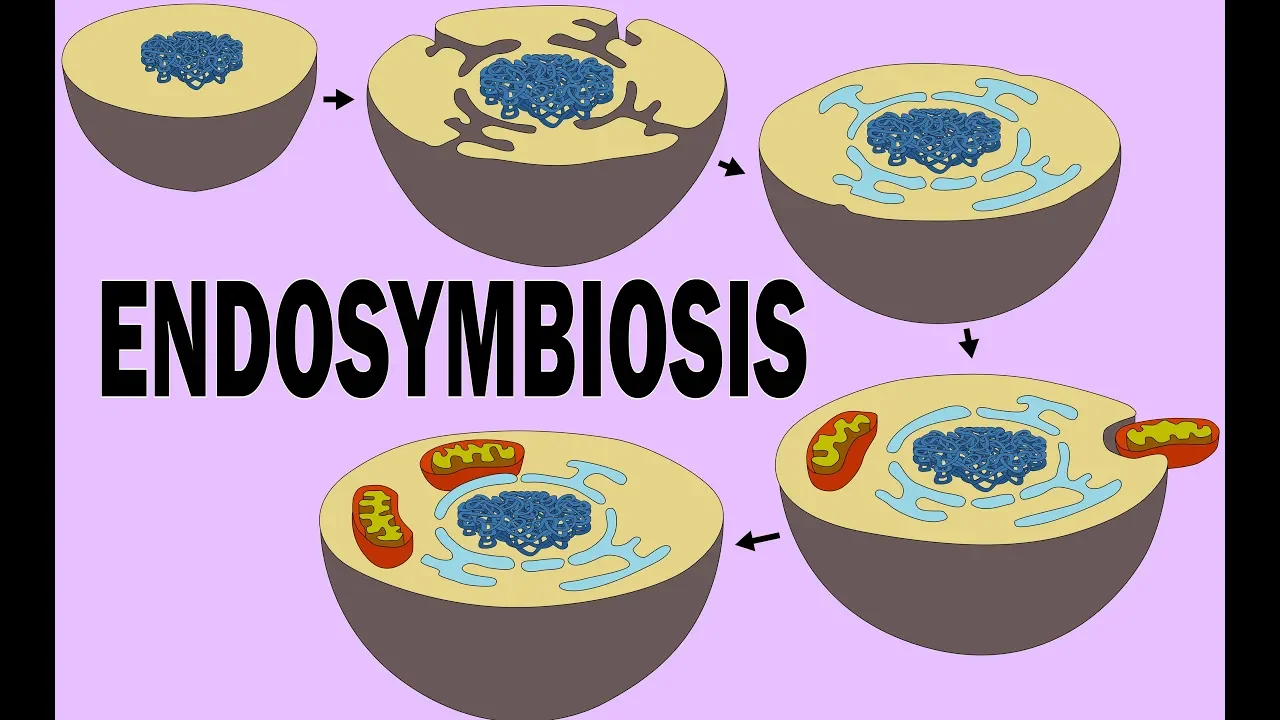
Added:The Endosymbiotic Theory of organelle evolution, specifically how ancestral eukaryotic cells engulfed prokaryotic organisms to establish a symbiotic relationship.
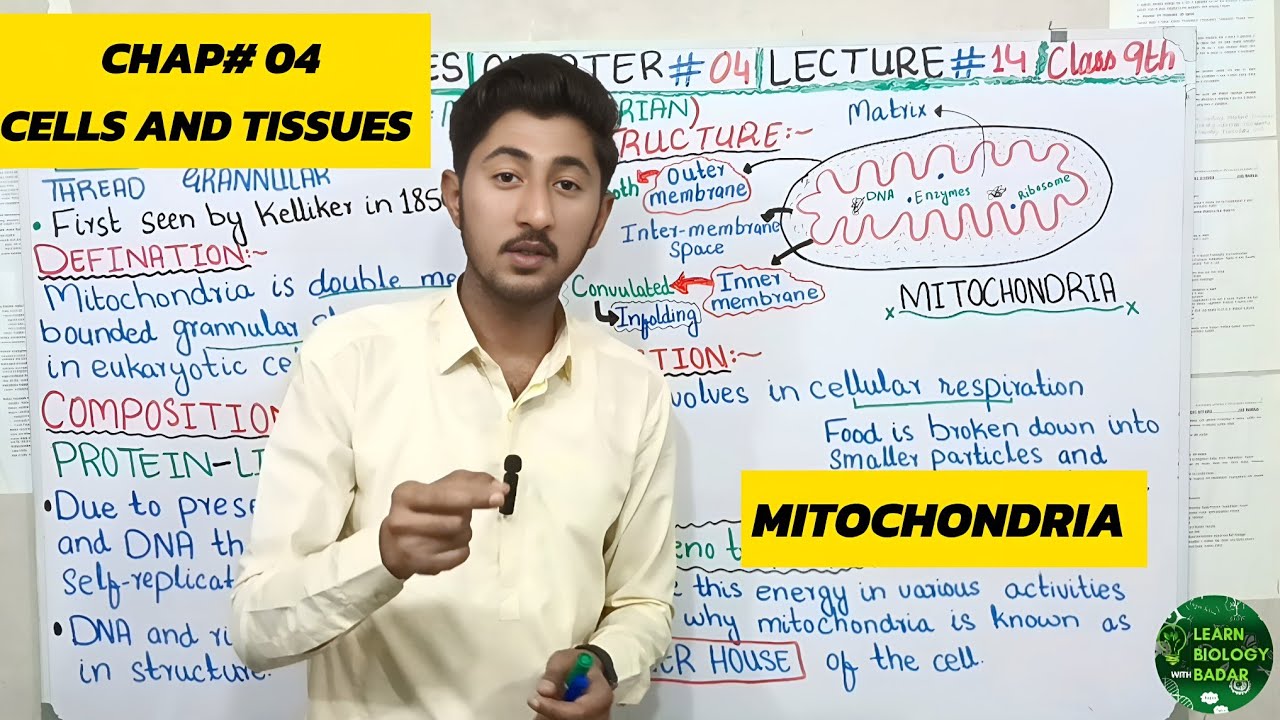
Fundamental eukaryotic cell anatomy, particularly the structural components of the mitochondrion (outer membrane, inner membrane, intermembrane space, and matrix).
Core metabolic pathways of cellular respiration, including glycolysis, the tricarboxylic acid (TCA/Krebs) cycle, and oxidative phosphorylation.
Basic molecular genetics, including the concepts of dual-genome systems (nuclear DNA vs. mitochondrial DNA) and protein synthesis.
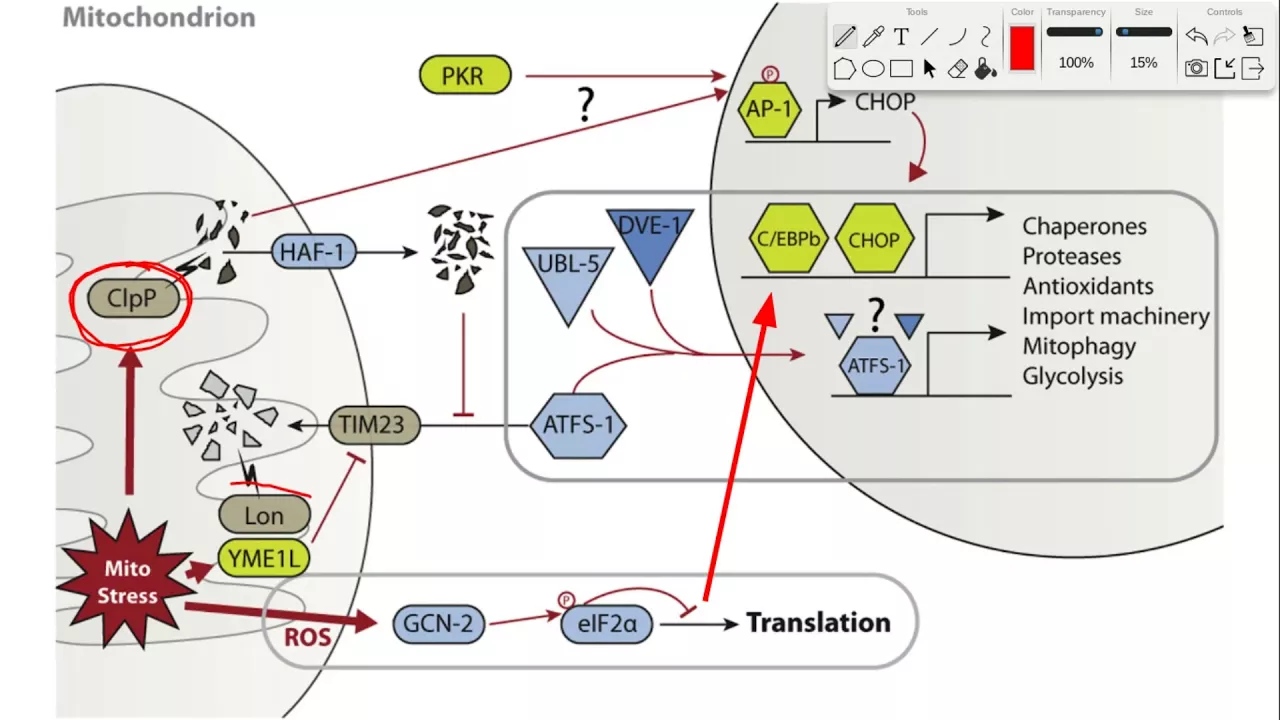
The molecular mechanisms of mitochondrial quality control, such as mitophagy (selective autophagy of mitochondria) and the mitochondrial unfolded protein response (UPRmt).
Mitochondrial retrograde signaling pathways, focusing on how the metabolic and energetic state of mitochondria influences nuclear gene expression.
The role of mitochondrial dysfunction in the pathogenesis of human diseases, including neurodegenerative disorders, type 2 diabetes, and cardiovascular diseases.
Cancer metabolism and the therapeutic targeting of mitochondrial metabolic alterations, such as the regulation of the mitochondrial pyruvate carrier (MPC).
191.4K views4.1Klikes30:59Original Release: 2020-01-07
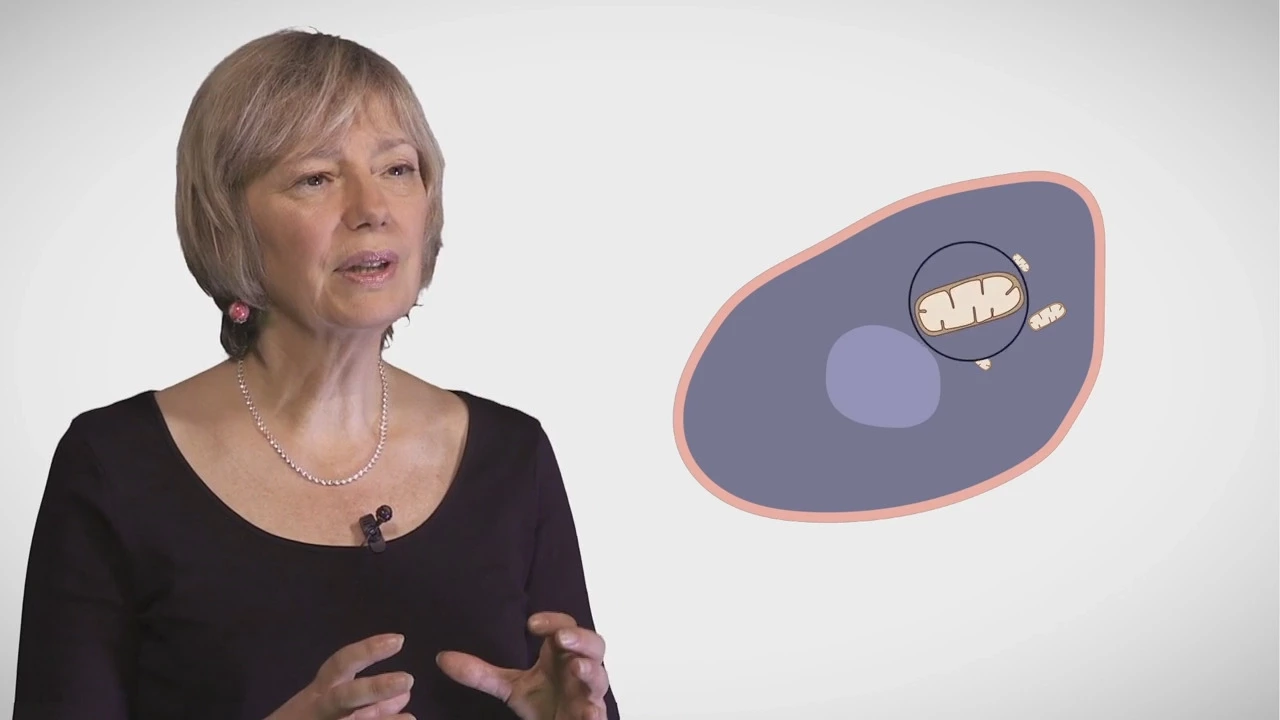
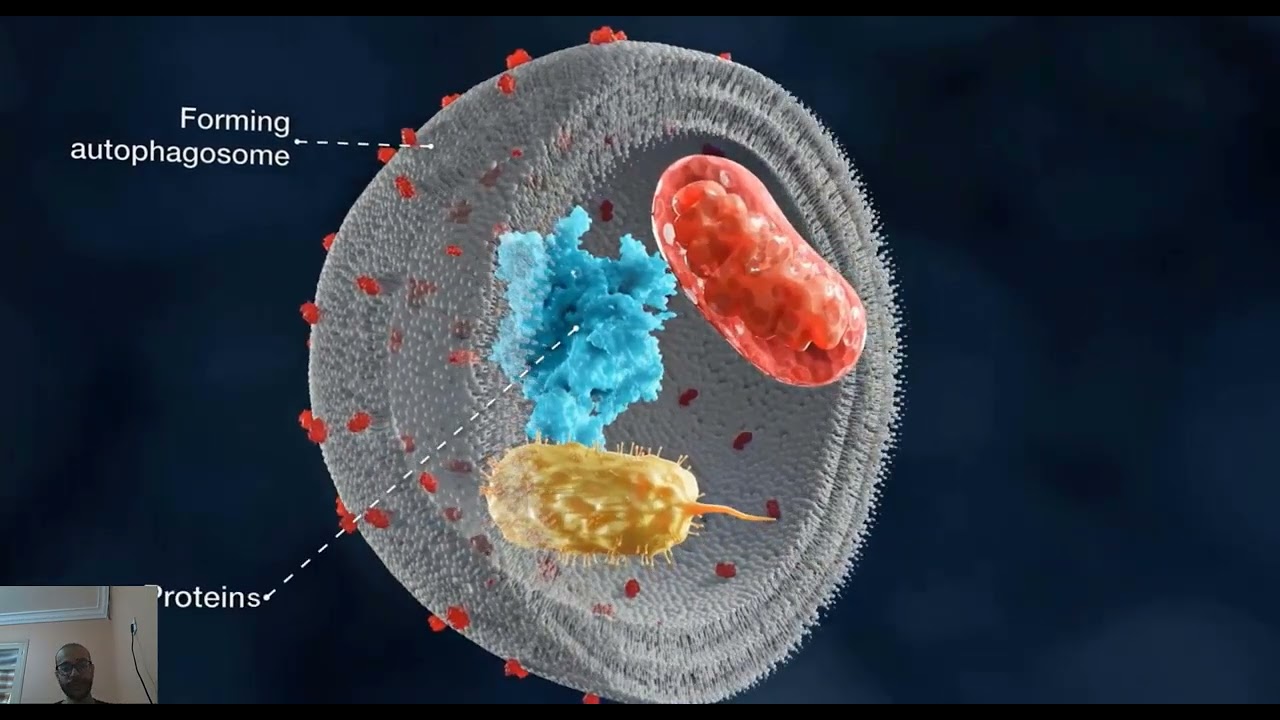
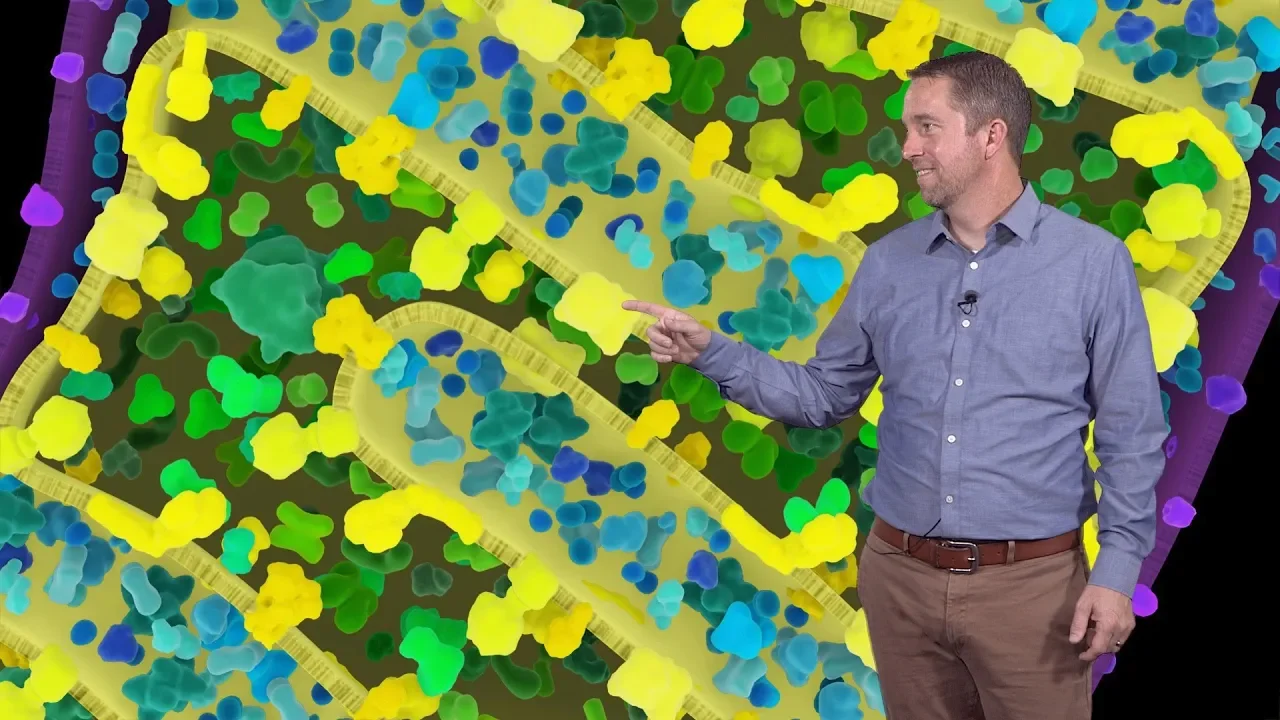
hi my name is Jared Rutter and I'm a professor of biochemistry and an investigator of the Howard Hughes Medical Institute at the University of Utah and I'm gonna tell you today in the next 30 minutes or so some of the things that I find most fascinating about the mitochondria so to give you a little bit of my background and how we became interested in this organelle I did my PhD in the lab of dr. Steve McKnight at the University of Texas Southwestern Medical Center and at the time I joined Steve's lab he had just recently come back to academia from a biotech company and as a result of that the lab was relatively small and there weren't really ongoing projects everything was brand new and Steve really encouraged us at that time to really focus on doing something brand new focus on doing something unique make a discovery that no one else would ever make that's how we were taught to think about science and and and that's a teaching that has really influenced my career and something that I've always aspired to this is really difficult we all like to stay in our comfort zones and and this is a really difficult standard to hold ourselves to but I think is very important for us as scientists so after being in Steve's lab I eventually went to the University of Utah and joined the department of biochemistry and was surrounded by a bunch of wonderful colleagues some of which worked on this organelle the mitochondria specifically Janet Shaw and Dennis wing he really inspired me with the work that they had done to understand mitochondria and make important discoveries and I began to be kind of intrigued and thought that my lab should maybe do something to try and understand this organelle better and I'll tell you one of the things that really captured my attention relating to how Steve taught us to think about science is the degree to which there were many things about mitochondria that we just didn't understand well about this complex structure and in cells so what I'm gonna do is tell you about a few features of this organelle that I find really fascinating and some of the and I'll try and allude to those points where I think there's really critical knowledge about the mitochondria that we don't yet have and and and that we need to understand better and I will also tell you that jodean Inari gave an excellent talk about mitochondria that's part of the eye biology series that talks about mitochondria primarily from the perspective of evolution and alludes to several features and I definitely encourage you to watch that and all I'll try and cover some of the things that she didn't talk about quite so much so the five things the five areas that I will allude to regarding mitochondria are shown here first about its origin it's clear quite clear from from how we understand mitochondria that they evolved as a result of anaerobic bacterium becoming engulfed in what was the proto eukaryotic cell and essentially became domesticated domesticated bacteria living in those cells that eventually entered into a symbiotic relationship that was a benefit both to that bacterium and that cell and those bacterium have evolved and adapted and have become today's mitochondria and when we think about that that we essentially have a domesticated bacterium living in most of our cells I think that has big implications for for how we think about cell biology and I'll allude to that a little bit later but that that I think changes in a way the relationship between mitochondria and the nucleus compared to other organelles where their origin is is is quite different so the structure of mitochondria is one of the most unique features of this organelle unlike other organ at most other organelles that those in animal cells in particular mitochondria has two membrane compart two membrane systems there is an outer membrane that completely surrounds the mitochondria and everything is contained within outer membrane that outer membrane turns out to be relatively porous to small molecules this inner membrane however and which encapsulate so protein compartment known as the matrix shown in blue this inner membrane is thought to be completely sealed and is impermeable to ions except through specific transport processes that are critically important for the function of mitochondria this inner membrane is highly invaginate 'add and leads to these folded structures depicted here as christie which will become important later but this also this folding also creates a scenario where the surface area of the inner membrane is quite a bit larger than the surface area of the outer membrane and again that becomes important because this inner membrane is the site of much of the important work that is done in mitochondria and and the mitochondrial matrix I just want to point out is where a lot of the chemistry is done so the enzymes that we consider to be localized to mitochondria the vast majority of them are localized to the mitochondrial matrix which again is completely segregated from the cytosol by virtue of this two membrane system again the inner membrane being the dominant one for for conveying the separation so what are the proteins come from that perform the work in mitochondria 99% of those proteins roughly are synthesized in the cytosol and cytosolic ribosomes and then imported into mitochondria but interestingly 1% of the proteins found in mitochondria are actually synthesized there and they are encoded by the mitochondrial genome so again another very unique feature for animal cells of mitochondria is the maintenance of this mitochondrial genome which is a relic we we believe of the ancestral bacterial genome that was first brought into this proto eukaryotic cell this mitochondrial genome only encodes 13 proteins but those 13 proteins are critically important for the respiration functions of mitochondria and those 13 proteins all of them Co assemble with other nuclear encoded cytosol eclis synthesize proteins into large protein complexes which creates very interesting and important challenges of coordination we'll talk about later so metabolism metabolism is easily the most famous function of mitochondria that's what we think about typically when we think about mitochondrial function this metabolic function of mitochondria can be broken down into several flavors of function the most well known and and and and most well studied probably is the catabolic function of mitochondria the processes by which mitochondria consume the food that we eat and enable the production of ATP and we're going to go through that in a lot of detail but mitochondria also play very important biosynthetic punt functions in building the molecules that are our cells need for duplication and repair there are also very important functions of mitochondria in controlling redox balance which I won't talk about in great detail but are clearly very important so this system by which mitochondria consume food and make ATP is truly amazing truly incredibly important especially in those cells that consume a lot of ATP like cardiomyocytes heart muscle cells and neurons which have enormous ATP demand the vast majority of that ATP comes from mitochondria how does that work this is just a brief summary of that from the perspective of a carbohydrate like glucose when glucose is brought into the cell it's converted to pyruvic acid in the cytosol which generates a little bit of ATP two molecules of ATP to fully capture the energy of glucose however that pyruvate is taken into the mitochondria carbons are extracted and released as co2 electrons are extracted and can vade to the electron transport chain which enables very efficient ATP production leading to a much in an idealized setting 38 molecules of ATP that is the way to generate ATP highly efficiently but as as I mentioned in that context the carbon is lost to co2 so if that carbon needs to be used to build something like DNA or proteins or lipids one can't fully oxidize glucose to carbo to co2 and so that balance between anabolic and catabolic functions of mitochondria is one I'll come back to later but it appears to be critically important it's clearly important in normal physiology and appears to be critically important in disease so this is an overall summary of how this happened so of how ATP synthesis is managed by the mitochondria so how does this actually work in very simplistic terms one of the key features of this is that the energy of food is used to enable the pumping of protons through this respiratory system which we'll talk about in much more detail from the mitochondrial matrix into the christie space the inter membrane space between those two membranes and then as those protons flow back down their gradient the energy from that is captured to make ATP and that is the process by which food energy is used to fool at fuel ATP production we'll talk about both the proton pumping and the ATP production aspects of that in a little bit more detail so again this is a zoom in of this system again food molecules are used to feed the TCA cycle the citric acid cycle or Krebs cycle the carbon is lost as co2 but the electrons are extracted and passed to the electron transport chain which then in conjunction with pumping with with passing electrons pumps protons from the matrix to the intermembrane space and then as those protons then flow back down there in an energetically favorable process that energy is captured very elegantly by this beautiful machine the ATP synthase and coupled to the synthesis of ATP and again we're going to talk about each of those processes and in more details so unlike combustion or an explosion where the energy from a fuel is lost as heat or light this process the mitochondria capture that energy by virtue of it being conveyed in very small very discrete steps not unlike how a turbine a series of turbines captures water flowing down a hill through gravity or flowing through a dam and via gravity that energy is captured and converted into and stored in a way that it can then be used to generate ATP that our cells will use to fuel their prop there the processes that they need to power so this is how mitochondria do it is by capturing that energy and very discrete processes and it is done primarily through the pumping of protons so this is a depiction of the electron transport chain and again this complex one or NADH dehydrogenase captures the electrons that have been held in the nad cofactor pool and then conveys those electrons to ubiquinone and in and in the process of doing so pumps protons from the matrix to the intermembrane space the quinone pool passes those electrons again to complex 3 or cytochrome c reductase which again pumps protons as those electrons are eventually then conveyed to cytochrome C which again passes its electrons to cytochrome C oxidase which pumps protons in conjunction with electrons being carried to oxygen and then the enabling the formation of water so this process this series of many many electron transport reactions is coupled to the pumping of protons and this depiction is inappropriate in a way because it belies the massive complexity of these complexes so I just want to focus on complex one so this is a structure of complex one that was solved a few years ago forty four different proteins are required for the function of this complex makeup this complex which exists both in the in the might in the membrane which is about here the the membrane piece of complex one and then this matrix arm of this complex and these are all required for the conveyance of electrons from NADH through a series of cofactors that sequentially capture those electrons and pass them on down the chain eventually reaching the quinone where they are deposited that then takes them as I said before to the the next complex in the chain and that conveyance of electrons is coupled to the movement of specific HeLa sees in this membrane in this membrane arm that enable the pumping of protons from the matrix to the intermembrane space how that exactly works we don't really know we know some of the features of it and we're trying the field is trying very hard to understand this in more detail but it's a very elegant process by which these two functions of electron passage and proton pumping are coupled through this very complex 44 subunit enzyme system so how does this proton gradient then get used to make ATP through ATP synthase so I want to show you an animation that I think illustrates this very nicely based on actual structural data of this complex so the ATP synthase molecule is shown or complex as shown here it's composed of two different motors a motor in the matrix and one in the in the membrane that uses the proton grade as you see here hi in the IMS you see lo proton availability in the matrix those protons flow through this complex and that flowing is coupled with ATP synthesis and these two motors the FO motor that exists in the membrane captures those electrons and couples they're flowing through the to the rotation of this rotor and the f1 sent a motor makes ATP so protons come in through this rear channel bind to this fo rotor go all the way around and 360 degrees around this rotor and then are released through this front channel into the matrix and that powers the rotation of this fo motor that rotation is conveyed to the f1 motor through this central stalk which rotates in the middle of this f1 motor and causes sequentially as it goes around conformational changes that convey energy to the production of ATP from ADP and phosphate and this goes around and around coupled with the pumping of protons with the the flowing of protons from the IMF from the intermembrane space to the matrix and coupling that with ATP synthesis it's a really beautiful motor system to convey the potential energy of the proton gradient to the production of ATP that can be used for energetically demanding processes in the cell I want to talk a little bit about the anabolic functions of metabolism of the mitochondria as well so this is a complex slide and I just want to point out a few things so again glucose comes into the cell is converted to pyruvate in the cytosol that pyruvate is transported into the mitochondrion enters the TCA cycle at TCA cycle not only extracts electrons to fuel the electron transport chain but also provides intermediates like citrate that can then be exported to the cytosol and are critically important for the synthesis of lipids like fatty acids and cholesterol so mitochondria actually contribute to the building of of molecules as well as their destruction like this in this case with with lipid synthesis oxaloacetate another TCA cycle intermediate is also used in the building of amino acids like aspartate which contribute to nucleotide biosynthesis so again very important biosynthetic functions of mitochondria in addition to the catabolic ATP producing functions that we tend to focus on mostly interestingly many pathways are actually shared between the cytosol and the mitochondria or mitochondria and another organelle phospholipid biosynthesis is one example one example is also shown here which is particularly interesting like this SH MT enzyme which in ER converts glycine and serine there's actually an isoform in the cytosol and an isoform in the mitochondria that do the same reaction it's interesting to speculate that perhaps that enables the function of this pathway and others like it to exist to be functional in different metabolic states where the cytosol and the mitochondria might be differentially optimized for this chemistry in one condition versus another something that we really need to understand better is how the cytosol ik and mitochondrial metabolic functions are coordinated and in addition one other type of coordination that is clearly important is the coordination between the anabolic functions of mitochondria as shown here and the catabolic functions which we just talked about clearly those are both very important and the mitochondria conducts all of them how does it coordinate them and how does it decide whether it's more important to generate ATP or more important to generate building blocks for cell growth and proliferation and repair something that we don't understand very well just yet but it's something very critical for human normal physiology and for disease so I want to talk about the challenges that arise for protein homeostasis because of the unique structural constraints provided by my Andreea so this is again another depiction of the mitochondrial electron transport chain and the TCA cycle and I just want to point out again that the electrons are extracted from acetic away pass to this system through these very complex electron transport chain complexes and eventually conveying the electrons to oxygen to make water while pumping protons and as I described this is critically important to eventually enable ATP synthase to make ATP by using that proton gradient beautifully elegant system fantastically complex and that complexity brings several challenges that eventually end up being protein homeostasis challenges so just focusing on that just the the protein components of these complexes so just complex one for example as I alluded to has 44 different subunits seven of which are encoded by the mitochondrial genome 37 by the nuclear genome and these proteins all have to find one another in the right stoichiometry to make an intact complex one it's impossible for the cell to manage that in complete with complete control and the results have to be that too much of one subunit or too little of another er there and that leads to a degradation problem where those EXO subunits have to be degraded this is happening throughout this complex that's an important problem that the mitochondria have to deal with in addition to that all of these complexes also have redox active cofactors that need to be managed very carefully and when they're not managed carefully that leads to the production of reactive oxygen species that create damage to the mitochondrial proteins again those proteins that are damaged have to be degraded and and and and recognized as being damaged and degraded and so this is a massive protein homeostasis problem and this is made worse by the fact that this is all happening in a place that is inaccessible to the proteasome which does most of the protein degradation in the cell so that creates a challenge for how do proteins how our proteins recognized and degraded in the mitochondria this is one depiction of the the complexity of systems that do that this system includes several proteases in the matrix in the inner membrane and in the inner membrane space that through mechanisms we mostly don't understand recognize proteins that meet a need to be degraded and degrade them there are also proteins on the outer membrane that need to be degraded extracted from the outer membrane and typically presented to the proteasome for degradation how are they recognized as being a barren dis still remains to be determined and interestingly it's becoming clear that the mitochondria is a common destination for the MIS localization of proteins that should be somewhere else but end up miss localizing to the mitochondrial outer membrane how are they then recognized integrate it's a very important question that is clearly important for human disease but we really don't understand it very well but sometimes even all this complexity of systems trying to maintain mitochondrial quality don't work well enough and mitochondria need to be degraded and there's a very interesting process known as mitochondria Lata Fuji or my tava ji that manages the degradation of whole organelles this is mediated one part one pathway toward might hoffa G is mediated by this pink Parkin system which targets mitochondrial for a Dafa G Parkin is so named because mutations in the Parkin the gene encoding Parkin cause also Parkinson's disease devastating neurodegenerative disorder just emphasizing the importance of mitochondrial quality both in terms of protein degradation as well as mitochondrial degradation for maintaining the normal function of healthy cells and and healthy organisms finally I want to just allude to some of the interesting communication that happens from mitochondria out to the rest of the cell to the nucleus and and and the cytosol there is also of course very interesting and important communication happening going in to mitochondria I won't talk much about that but one of the obvious ways that mitochondria communicate with the rest of the cell is through providing metabolites as we just talked about and several of the metabolites that are produced by mitochondria have very important signaling and regulatory roles like acid shield Kawai alpha ketoglutarate ATP itself they all play very important roles in controlling cell biology and that's a one of the key means whereby mitochondria communicate to the rest of the cell another is the redox state of mitochondria because of its ability to put electrons into oxygen this is provides what is normally a very safe way to dispose of electrons and when mitochondria don't have when the cell doesn't have access to oxygen as an electron acceptor through mitochondria the cell has to adapt and find other ways to dispose of those electrons or to not generate as many electrons this is a very important part of mitochondrial function by controlling redox homeostasis that we don't think about as much but as is clearly important in several disease settings we talk about reactive oxygen species typically as being signs of damage when things go wrong but it's clear the hydrogen peroxide and other oxidants play normal signaling roles and we're just starting to understand the means whereby that signaling happens what are the targets of that signaling and how does it control cell biology but it's interesting to speculate that that might be a very interesting Sentinel of how mitochondrial function is going by virtue of the production of hydrogen peroxide calcium signaling is mitochondria play a very important role in calcium signaling both by virtue of their storing some calcium as well as controlling the release of calcium from other sites and that an obviously calcium signaling is critically important in many excitable cells mitochondria directly contact almost every other organelle and probably will come to know that they contact every other membrane system in the cell and by virtue of those contacts that enables efficient transport of metabolites between organelles and it's clear that there is also regulatory information conveyed by those interactions as well and this is a very active area of research currently one of I think the most interesting features of mitochondria is their connection with the immune system again this harkens back to the to the history of mitochondria as a as a bacterium that became engulfed by a eukaryotic cell it's interesting to know now that many features that the immune system have particular relationships with mitochondria some systems of the innate immune response actually reside on mitochondria all the time are centered there it's interesting to think about the implications of that given its origin as a bacterium there are very interesting responses to the exposure of mitochondrial DNA to the cytosol and again that's quite interesting given the history of that mitochondrial genome as the descendant of what was once a bacterial genome and the net effect of this is mitochondrial functions don't just make ATP they don't just make metabolites they significantly influence the behaviors that selves made and those behaviors when they become a baron is very clear have profound impacts on disease and so I think one of the most interesting areas of a future research for us is to understand how mitochondria communicate through these and other mechanisms to control the behaviors of cells and I'll talk in much more detail about that in the second part of this series so this leads us back to my story of why we became so interested in mitochondria I think I've told you about all the mysteries that I think are still contained within this organelle and this was brought home to me quite clearly by the elegant work of Dave Hagler Eenie and bouncy when they defined the mitochondrial proteome in humans several years back now and it became clear that about 1/3 of the proteins found there were completely uncharacterized for this organelle that's been so well studied about of the third of the about a third of the proteins found there have no known function they likely are doing something and that likeliness that they're doing something is really illustrated by the fact that many of those proteins are found throughout all eukaryotes implying conservation across many many years of evolution so that function that they're doing is not important just for yeast or just for humans but throughout all eukaryotes so we decided in my lab to take a stab at understanding the functions of some of these uncharacterized highly conserved mitochondrial proteins and initially initially characterized that group in 32 protein families that we set out to just go find the functions of going one by one and that's led us into many different areas of mitochondrial biology some of which are shown here along with protein functions that we've identified and I'll focus in parts two and three of this series on two stories that emerge from this project where we by taking by taking an approach to try and go into the mysterious features of mitochondria and take what was unknown and really try and understand the functions that those proteins have that's led us into some very interesting of areas of mitochondrial biology and and I'll tell you more about that in parts two and three and thank you for listening you
Up Next

20:49
Hamilton's Rule Explained: Kin Selection & Altruism Simulation
@PrimerBlobs
6.4M views•2021-08-28
50:12
Bacterial Communication: Quorum Sensing and Biofilm Formation Explained
@JHUAAP
12.6K views•2011-06-28

42:45
MicroRNAs: Gene Regulation Explained by David Bartel | iBiology
@scicommlab
233.1K views•2014-03-24
7:08
Bacteriophages: Earth's Deadliest Killers and Future Antibiotics
@kurzgesagt
34.6M views•2018-05-13
Related Study Plans & Knowledge Roadmaps
Structured learning paths in Biology
biology
RNAi: Biogenesis, RISC & Gene Silencing
01Molecular Biology Foundations: DNA to Protein
02Introduction to RNA Interference (RNAi)
03Molecular Biogenesis of miRNA and siRNA
+ 2 more learning modules
10h5 modules
Explore Roadmap
biology
Mycorrhizae: Signaling, Biophysics & Ecology
01Foundations of Mycorrhizal Symbiosis
02Molecular Signaling and Root Colonization
03Biophysics and Bioenergetics of Nutrient Exchange
+ 1 more learning modules
11h4 modules
Explore Roadmap
biology
Circadian Clocks: TTFL, SCN & Periphery
01Foundations of Molecular Biology & Gene Expression
02Introduction to Chronobiology and Actograms
03The Core TTFL: Molecular Architecture of the Clock
+ 3 more learning modules
14h6 modules
Explore Roadmap
biology
Population Genetics: Math, Drift & Selection
01Genetic & Probability Foundations
02The Hardy-Weinberg Principle and Baseline Models
03Mathematical Modeling of Natural Selection
+ 3 more learning modules
18h6 modules
Explore Roadmap