









![If I Wanted to Learn Sales, I'd Do This [FULL GUIDE]](https://i.ytimg.com/vi/A-RO3N_vL1w/maxresdefault.jpg)









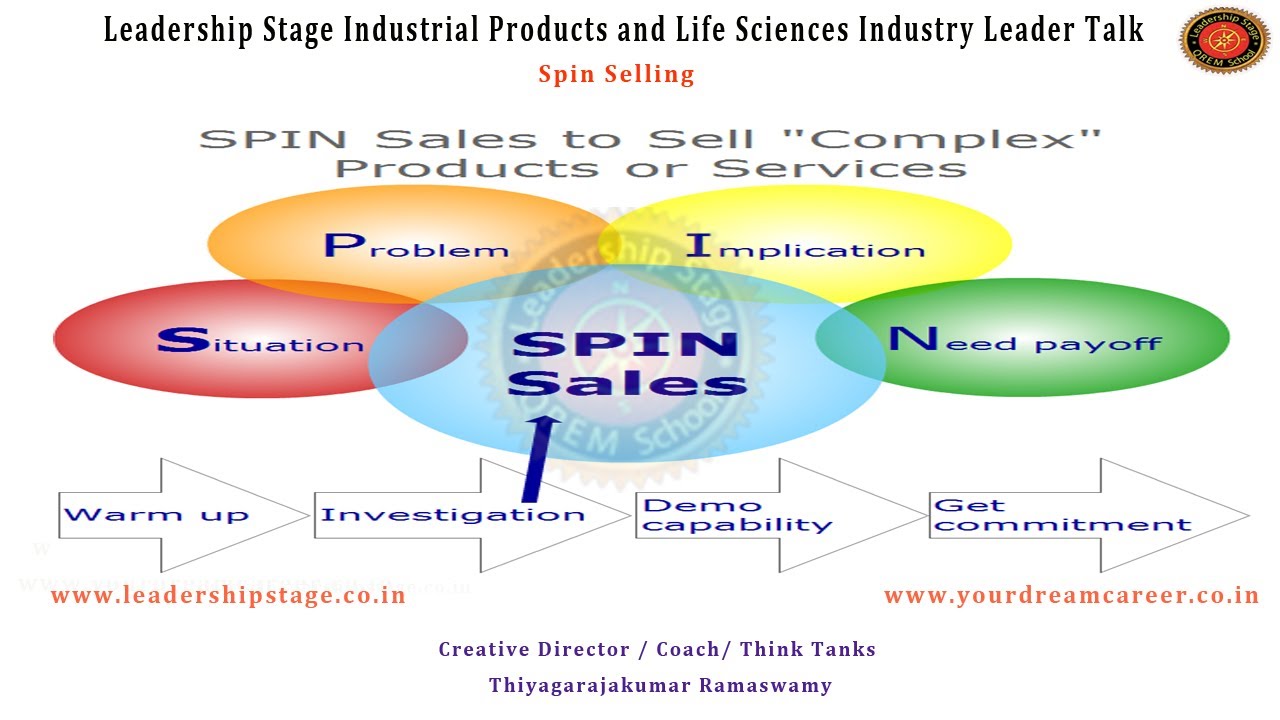
SPIN selling is a proven sales methodology based on 35,000 sales calls that helps salespeople move from low-consequence to high-consequence sales by asking four types of questions—Situational (understanding the business context), Problem (identifying customer issues), Implication (exploring the consequences of those problems), and Need-Payoff (building positive future scenarios)—to gather comprehensive information before proposing solutions, thereby justifying higher prices and increasing the likelihood of closing big-ticket deals.
Applying the SPIN Selling Framework to High-Ticket B2B Sales
Added:Understanding the B2B sales cycle, including the typical stages from lead generation to deal closure.
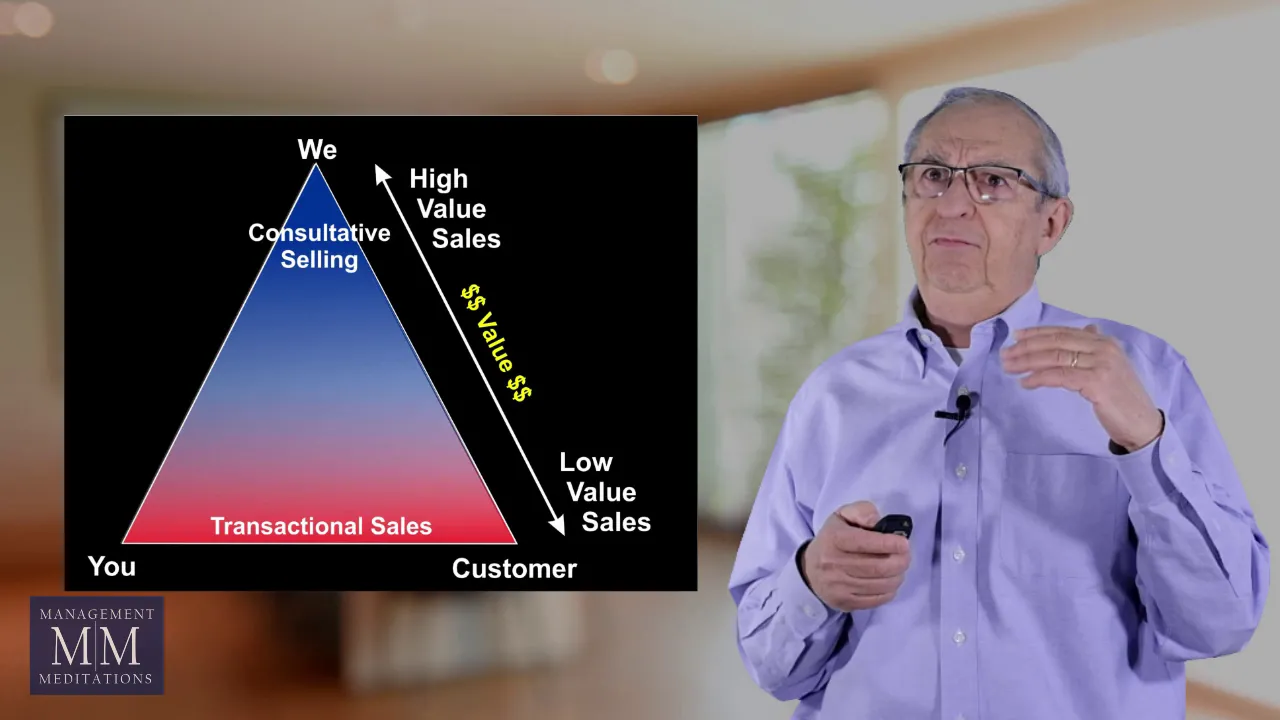
The fundamental differences between transactional sales and consultative (solution-based) selling.
Basic buyer psychology and how corporate decision-makers evaluate business pain points and ROI.
The characteristics of high-ticket enterprise sales, such as long sales cycles and multi-stakeholder decision-making.
Advanced enterprise qualification frameworks like MEDDPICC or BANT to assess deal viability.
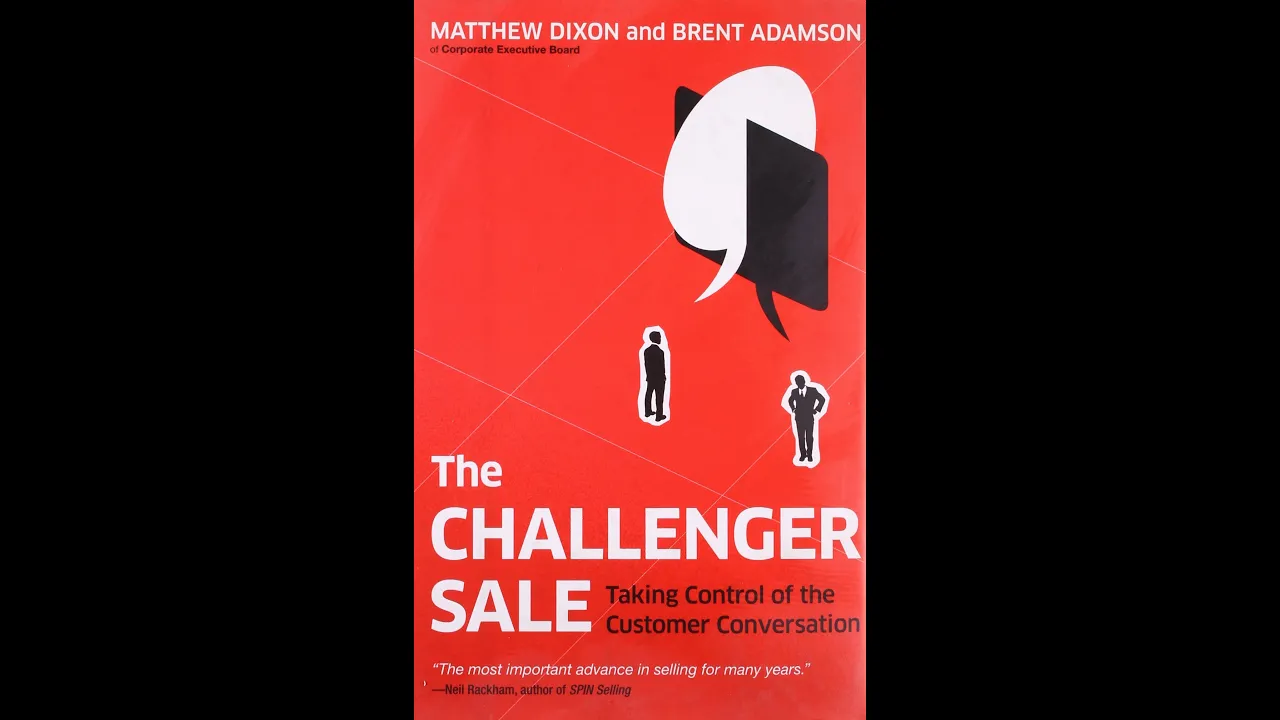
Integrating the Challenger Sale methodology to challenge customer assumptions and teach for differentiation.
High-stakes B2B negotiation techniques and navigating procurement and legal departments.
Key Account Management (KAM) strategies to apply SPIN principles for upselling and cross-selling existing clients.
111.2K views3.4Klikes25:42Original Release: 2019-04-03
all right welcome so in this video we're gonna break down spin selling what exactly it is how you can use it how it's gonna help you to sell one of the best books there is one of the best methods there is on high ticket sales so selling something for a decent price so in this video we're gonna break it down look at all the different parts and then see how it works alright so welcome to this video on spin selling I'm gonna break it down in a lot of detail probably not going to be the shortest video on YouTube but it is going to be the video we walk away understanding what's been selling is how to use it how to make some big sales using the spin selling strategy so there's a lot of different things to cover it spin I'm gonna break it down into sections by the end of this video you'll have a really clear idea of how to use it the first thing about spin that you got to know is that it's based on 35,000 sales calls so I mean look at any sales system out there or sales theory a lot of the time it's one person who tried something and they're letting you know what they did with spin selling it's based on a lot of different services a lot of different products sold at a high price point a lot of different sales people and this is common ground that all the successful sales call it's used to close those sales so really really cool I think it's probably the most studied and proven sales system that there is so really cool thing about spin is it's a specific method for high priced sales so selling something at a high price if you're currently selling a certain service or product at a low price and you want to move up to offering that at a much higher price spin selling is a really effective method to start making those sales calls to start having an actual game plan when it comes time to talking to potential customers this is something that helped me a lot in the past for quite a long time I was stuck at two hundred three hundred dollar sales for web sites which is my own service spin selling is one of those things that really helped me to move up to ten thousand twenty thousand dollar sales so I really love Spence Elling let's get into how it works what it all means okay so for when you start it's been selling a really important thing to know is where it goes into your sales process and I've broken this down for this video into three general stages of clothes so you have the first pack which is creating the sales so this is you go out there into the marketplace and you find potential people to sell to so maybe a warm lead maybe a referral maybe you've some sort of incoming marketing maybe you're doing cold prospecting now spin selling doesn't cover this stage of the sales process it's up to you how you find your customers whit's been selling it's not going to show you that stage of creating the sale what it is going to show you though is in between these two stages between finding people to sell to and closing the sale you know your pricing what you're going to do how the project's gonna work in the middle here with a high price sale you've got to have hopefully you can see the bottom you've got to have a sales conversation and this is a crucial part of high ticket selling high price selling is there's always gonna be it could be one it could be several but in-depth conversations where you talk to the customer you figure out what's going on with their business what their problems are what their needs are and then you come up with a solution together to best suit what's gonna be best for them this is where you spend selling it's in the middle between creating the sale and closing the sale during this conversational stage this is where in spin selling comes in and where it's really going to be highly effective alright so Before we jump into the actual spin selling method I want to show you the difference between little no consequence sales and high consequence sales what happens here is a lot of us know how to sell at this price point little no consequence but when we use those same techniques those same methods the same approach that has been working up here and we try to use it for high consequence sales it just doesn't work spin selling is for high consequence sales it isn't for a little no consequence sales so what exactly is the difference between these two different types of sales little no consequence sales are something that doesn't matter too much for the customer and if they make the wrong decision it's not going to be the end of the world so imagine you go into a store to buy a pair of jeans or you're buying a pair of jeans online you pick out your size you pick out your color you like the particular style you go ahead and you order now if those pair of jeans aren't perfect it's not the end of the world you're not going to lose your life you're not going to lose your business it's not going to be / so that sort of sale is a little no consequence sale when someone comes to you and you're a gene sales person it's pretty easy in a way to sell that sort of stuff because someone's come to you they know what they want you just have to show them kind of the selection you show them the features and you wrap up that sale with high consequence sales it's very very different this is something that has real impact if the person makes the wrong decision and to give an example of this let's say having an operation you go into a doctor you are not feeling well and you're discussing maybe going ahead with a life-changing operation that is something that you're not going to decide in two three minutes that is something that you're going to think about you're going to ask questions you're going to need certain information you want to know that that's the right decision now apply that same logic to a business when we're selling a service high consequence sales are when our product has a real impact on the business but if it's done incorrect if it's done the wrong way it's gonna have a huge negative impact on the business it could mess up their whole sales system it could turn away a bunch of potential customers it could do some real damage for these sort of sales we have to use the spin selling method and it's really really effective making the customer feel secure making them feel confident making them really feel that this is the right decision for them how it's gonna work what problems it's gonna solve what value it's gonna create so if you've been at this stage so far and even using certain methods it's good that you have the experience but you're really gonna have to switch up your game to move to these high consequence sales all right so we're jumping into the actual spin method what you might not have known or maybe you did or spin selling stands for four different types of questions the four types are asked for situational P for problem I for implication and and for need payoff we'll get into exactly what these are how it works in detail in a few moments the first thing that I want to cover is why we're asking questions in the first place alright so to understand why we're asking so many questions one of these big sales let's go back to the difference between low consequence sales and high consequence sales for a low consequence sale it's not a big deal for the person buying they do want this but again it's not going to be the end of the word if they make the wrong decision so usually what a sale like that people come to you they want the product of the service and you have kind of a polished sales pitch you know in general what they're after it's a pretty specific service or product so you go to your sales pitch you give them the features the benefits you talk about the great price point how it's gonna help them they have one or two questions and for the most part it follows a pretty consistent path towards the sale or towards a no sale with a high consequent sale where we're going to need spend selling that is definitely not the case and why it changes is because things are much more complex this is a high-risk sale for the person buying and they need to know it's the right solution for them for us to just guess and so just give a generic sales pitch is not going to be effective we got again information we got to understand what this business does how exactly they do it who do they serve who their customers are what are their problems what's holding them back what's going to help them sell what's the value potential value if we're able to solve this situation and improve their business now for us to guess that stuff we could guess maybe we dealt with a similar business in the past it's not a good strategy because a lot of the time we're not going to be correct and we're pushing something on them that's at a high price point at a high consequence without having the right information it's not the way to do it we've got to get the information so how do you get information we don't know it or we know very little at this stage we got to go through a series of questions and that is what's been selling is it's the right order and the right sort of questions to get the information that we need to have a very good chance or the best chance possible at making a sale so let's get into the actual questions I hope the first part of this makes sense that you understand why we're asking questions in the first place and why it's so important to ask these questions if we want to have the best chance possible to close this deal to close this project or whatever it is so let's get into the first question all right so the first sort of question is situation question I like to think of these as context so Before we jump into the more complex style of questions all we're gonna do is first figure out what is going on with this business and that makes sense we want to have good in before we start getting into the specifics of how we can help what problems they might have so what we're going to do in this first stage with situational questions is just very quickly because we you know don't waste too much time in this stage it's not gonna help a cell directly but it is something that we need to know before we go ahead we want to figure out you know who what why of this business who are they selling to what they do what's their main value point what's the current situation how do they currently sell how do they feel about their sales system how many employees all the sort of stuff the thing is these sort of questions are pretty boring for the potential customer to answer it's just them listing off information they don't see so much value in this so far so this stage we have to keep pretty fast and if you can't make sense to research the business beforehand and only ask questions that are you know leading towards a sale and that you really do want the information about if I'm selling a website doesn't really matter how many employees they have not so much what I want to focus on in that example is okay where you're getting your sales from right now how is the website performing at the moment what's your typical sales process from start to finish how many visitors are you getting a month those things are good questions too for me to start figuring out the situation of what is going on with this business understanding the context understanding what it is and if you think about you know visual analogy what you're doing here is you're mapping out the business you're looking at what is there before you jump in further so that is situational questions I'll put some examples in the description of this video but basically the first stage of this is just getting the right information and understanding what this businesses how they do it who they serve what their product or service is and what's going on at the moment you got to do it kind of fast but this is where you got to start all right so the next stage of this is problems I hope you're enjoying my sketches if you are smash that like button so what we've done in this first stage is we figured out the situation of the business we understand the context what they do how they do it who the help and so on what we're now going to start doing is getting information that's going to help us sell this information doesn't help itself we know this about the business who cares the owner that's not going to motivate them whatsoever what we need to start doing is finding problems problems that are painful enough that the potential customer might pay or hopefully pays to resolve those problems so once you know what's going on with the business and you have an idea of who their customers are how it works what they so in my case I sell websites so what's going on the website how the sales process works we start looking for potential problems so we go from general situational questions like you know what exactly do you sell to okay when you guys are selling to your customers how do you feel your communication is do you feel like it could be better or do you feel like it's on point do you think that customers understand how much potential value that you have to offer what I'm doing here is I'm fishing for problems so I don't say hey you guys got a problem I can see you have a problem I start asking them because I want the information to come from their side first what I'm going to do is for my particular service websites I'm going to go to all the areas that I would like to cover for potential problems and just see what's there on the surface level so do you have a problem communicating with potential customers do you have a problem with your sales process and you know the information that helps people make a buying decision do you have a problem with the sales process in regards to you know someone comes in do they book do they send an email do they go ahead and reserve a sales call from a sales rep the sort of stuff has the website performing any issues there you know do you feel good about the design any sort of problems you know has the general sales system I'm basically looking for problems and I'm getting the customer hopefully to state that they have some issues in some of these areas now to be honest nearly every business has an issue with their sales stuff they always want more sales they want more customers they want more projects or whatever it is that they do so all I got to do in this stage with problems is ask good fishing questions and I'm not at this stage all I'm doing is looking for the start of these problems and it's going to lead into the next stage which is implications but what we do to quickly recap first get the general idea of what is going on this bit the context the situation then start going through all the different areas that you think whole potential for what it is that you offer again I sell websites I want to focus on the areas that hopefully a website could help fix there's no point me asking them hey how BIG's your car crack you got enough parking spaces for your stuff I don't sell chiropractic sell websites so you gotta be specific to what it is that you offer when you're looking for problems if it's not a problem you can't fix don't focus on that it sucks for the business owner but it's not something you can help them with you gotta focus on the areas where you can potentially add value that brings us into the next question all right so in the problem stage hopefully we incur at least one and hopefully several problems on the surface that we can see that the client already has now in that last example with the problem section I was focusing on maybe they have a problem communicating with their clients so what I'm gonna do and I'll actually do this for all the different problems that they have but this is just to give an example of one what I would do if the client mentions yeah you know actually we kind of do have a problem with the clients right now there's certain services that we have that people don't realize we offer there's certain great projects have done in the past that they're just not aware of and I just feel like the text on the website could maybe be better and when people you know and we get a sales call a lot of the time the customers don't really exactly know what it is that we do and what we offer and you know how much we can help them so basically what a lot of people do at that stage some of the what not that much excels experience is they think great these people have a problem and they go straight from that point to well you know what I could do I could make you a new website and I could put in great content and we can solve all those problems the mistake with doing that is this if you jump in at this stage when you just have the small initial problems so they have a problem communicating with their clients you have a problem this big on their on the potential clients radar they see the problem this big so the only amount of money that you can charge is also this big so this is your money what we need to do before we get to pricing our services if we want to make a big sale is turn this problem and this is how they perceive it - this size and hopefully this is made up of quite a lot of several problems that are all really painful for the client and why we're doing this is they see whoa this is actually way worse than I thought it's really hurting the business so it is worth not spending this amount it's worth spending this amount and this is a huge difference between people who sell at a low price point and they sell at a big price point is they jump in too early with a solution they see that the client has a small little problem straight away I can fix that and the only price that a client will pay because you haven't explored this problem and the other problems is a very small price to get a big price for your services you gotta explore problems so let me rub this off so what we do is when we find a potential problem like communication with the clients we talk about this problem and we go over all the things that it's you know implicating so they have a problem communicating with the client okay we understand the problem what's the implications of this problem so are they losing sales are they spending a lot more time on the phone selling to these clients do they have people who woulda bought more often if they had understood exactly the value that this business had and they had seen all the different projects that them in the past or they had seen how good their service was at helping other people so what we're doing is taking the small problem and we're making it much bigger now we're not exaggerating or lying we're just exploring the problem and showing that it's not just the initial problem there's a lot of knock on things that this impacts they're wasting time that they could have spend elsewhere explaining the same stuff to customers all the time they're having people who don't even go ahead and contact the business because they didn't have the right communication on the website and these potential customers returned off and they went to someone else they have people who would have bought at a higher price point but because of the poor communication they didn't spend that much they didn't believe in the service or product as much what we got to do is ask these sort of questions and get that information from the potential client all right so to visually show the difference between an inning salesperson and why they can only charge so much an experienced salesperson and how they can charge so much let's go over it so the situational questions both people start off on that doesn't really build a sale it's not really getting you to a big amount because it's just factual questions about the business now you get into the problems people who are inexperienced will ask some problem questions so hey do you have a problem with this do you have a problem of that and they'll build a little bit of a need with the client it won't be too much but the client understands they have some problems they probably already knew they had those problems so you know the only way they're gonna go ahead with that at this stage is if it's nice and cheap okay let's fix those problems whatever what the experienced person does is sure they talk about the problems as well and they build it up but not only the problems they build up the implication of those problems and now the problems seem way bigger way more severe way more serious it's damaging the business it's holding the business back they didn't even realize this sort of stuff and that is from asking good implication questions it's not just the problem that you know who cares about it that much it's wow this is the big problem it's not just the broken contact form it's us not looking professional it's us losing potential leads it's us not you know having to fire staff because we didn't make enough revenue that we thought we would all those different sort of things and proper implication questions are gonna draw these out now there is more that we can do and this is the next section and this is the need pay off before you get into that and like you know switch to my knee pay off board I want to talk about one thing so far with these questions it's been kind of negative and what I mean by that is for asking about problems things that kind of stuck with the business that isn't going so well it isn't nice for them it's painful it's stressful this is stuff they want to get rid of that's only one side of the equation so if you think of your motivation in any situation for anything there's things that you don't want and there's things that you do want you know if I have a headache I don't want to have a headache but I'd like to feel good again this is the positive side the negative side what we've done so far here is we've been talking mostly about the negative side of stuff what's not well with the business what they want to get rid of but we've missed all this positive motivation what about the things that they do want to do the areas that they would love to be having more success in what does that look like that brings into our final sort of question which is the need payoff questions they're positive questions to build the other side of the motivation so if you think of hopefully this isn't getting to small little scales give me a second we're building up all the negative stuff that they want to get rid of but hey we can also build up some cool positive stuff as well and make this sale even more valuable hopefully so last sort of question let's get into it neat payoff questions all right we're getting they were on the last sort of questions this is it me payoff questions so hopefully it's all making sense so far if it is if it isn't leave me a comment below let me know the feedback so what we've done so far is this we've figured out the situation this is okay our starting point we got that information we jumped in and we found out some problems so we found some stuff that you know potentially we could resolve that this is an area that our business our product caters to we didn't stop there we looked at all the implications of those problems we asked questions we figured it out we got in detail what does that really mean with the problems how is it impacting the business thing is though this is all being kind of negative and we've missed that so far on another thing that we could be doing which is the positive side of things so what we do now is you take these problems okay bad communication with the client and they know that it's damaging the business they know that it's hurting stuff hopefully they're starting to feel like this is something that they want to fix but why don't we you know switch this around and also build it up the other way and talk about hey you know if you had perfect communication on the website for you what would that look like and what would that mean for your business and this is getting them to not only realize that they have a big problem but to look into the future what do they want what's their goals and basically what we're doing here is we're getting them to list the benefits of what we're going to sell them benefits or something that week come up with on a big sale we have to get that information from the potential client and by asking these sort of questions that's how we get our benefits it's a huge part of selling a high price service or product so you got the problem can communicate with clients the current website is just terrible at telling clients what it is that they do and how valuable they are we've covered the negative side positive side hey you know if you're perfect communication what's that going to mean if you how would that change your business what would you like to see from that sort of issue being fixed you know it's gonna mean our sales person are having much better results it's gonna mean we attract the right sort of customers it's gonna mean the right sort of customers pay more money it's gonna mean we get more market share it's gonna mean we look more professional more prestigious so on so we're getting them to list off the things on the positive side from all this other information that we have and what we do is we go through the problems look at the implications and then we go hey you know if that was fixed if that was better if that was working correctly what would that mean for your business how would that impact your business positively what would you like to see from that being resolved and we build up all these benefits and that is one of the final parts of the spin selling method so what you've done is you've figured out the situation you found some problems the implication of this problems that's really helping to sell in a big way that's meant to be a tick mark but you've also built it up the other way where you've talked about all the positive benefits and value from resolving this issue all right we're on the home straight hopefully you're still with me so what it looks like is this we figured out the problems but we didn't stop there because that isn't enough to make a high price sale we focused on all the negative stuff the implications what's holding them back the pain points all the damage it's doing right now to the business we also added in the positive stuff what do they want to see in the future what benefits would they want from an ideal solution how is an ideal solution going to add value what specifically do they like about the idea of getting this fixed what do they want to see in something that they might potentially buy we've done that all by asking questions hopefully we've built up the problem so big that they're now considering a worthwhile investment something quite decently sized price-wise to get this thing fixed where we go from here this is kind of where we exit spin we go into the next stage of closing the sale that we talked about way back at the beginning you're going to start talking about you know what your solution does what it's done in the past to help other people how you're confident it's going to work how you could price it what it makes sense for these people you know to pay and hopefully you've built it up so that they agree with how you see things and how you're going to get back their return on investment how you're gonna add value for them you're basically giving back a lot of this information in the form of talking about your product talking about your service and the cool thing is you know for sure that this is what is fact you're not guessing this stuff didn't come off the top of your head you took the time to ask these thing questions and really understand what's going on and now you know how to effectively sell your service and price it down in that next stage hope this video a little bit on the long side I hope it's added a ton of value I hope it helps you sell and move up to those higher ticket sales any questions suggestions feedback just let me know I got a couple of links below the video check those out thanks for watching
Up Next

15:34
Optimizing LinkedIn Outreach With Virtual Assistants: A Scalable Approach
@kyrillkrystallis
924 views•2024-05-23
46:36
Retention Habits of Top DTC Ecommerce Brands Revealed
@SendItPodcast
44K views•2026-03-03

15:23
Decoy Effect: How Pricing Psychology Influences Consumer Spending
@bobinvestsUS
90K views•2026-01-05

17:30
The Planned Obsolescence of Light Bulbs and Tech
@veritasium
25.3M views•2021-03-26
Related Study Plans & Knowledge Roadmaps
Structured learning paths in Business
business
Pop-Up Retail: Strategy, Design & Execution
01Introduction to Pop-Up Retail & Strategic Goal Setting
02Budgeting, Site Selection, and Legal Essentials
03Experiential Retail Design & Visual Merchandising
+ 2 more learning modules
15h5 modules
Explore Roadmap
business
Reg CF: Startup Funding, Marketing & Launch
01Introduction to Equity Crowdfunding & Reg CF
02Platform Selection & Legal Preparation
03Crafting High-Converting Campaign Assets
+ 2 more learning modules
14h5 modules
Explore Roadmap
business
Productized Services: Scaling Solo Freelance
01Foundations of Productized Services
02Packaging and Scope Definition
03Pricing and Subscription Models
+ 2 more learning modules
15h5 modules
Explore Roadmap
business
Gov Procurement: Find, Bid & Win Contracts
01Introduction to Government Procurement & Business Setup
02Small Business Certifications & Set-Asides
03Finding and Analyzing Contract Opportunities
+ 2 more learning modules
14h5 modules
Explore Roadmap