
















Effective cold messaging on LinkedIn requires a four-step process: personalize the message by addressing the recipient by name, acknowledge their time and keep the message brief, leave a genuine compliment rather than flattery, and connect on shared interests or like-minded topics; alternatively, warm up the recipient by engaging with their content before sending a message, or use voice messaging to stand out and convey authenticity.
LinkedIn Cold Messaging Strategies for Effective B2B Outreach
Added:Fundamentals of B2B (Business-to-Business) sales processes and understanding buying committees.
The principles of professional networking and how to optimize a LinkedIn profile for credibility.
How to define an Ideal Customer Profile (ICP) and identify key decision-makers.
Basic communication and copywriting principles, including crafting a clear value proposition.
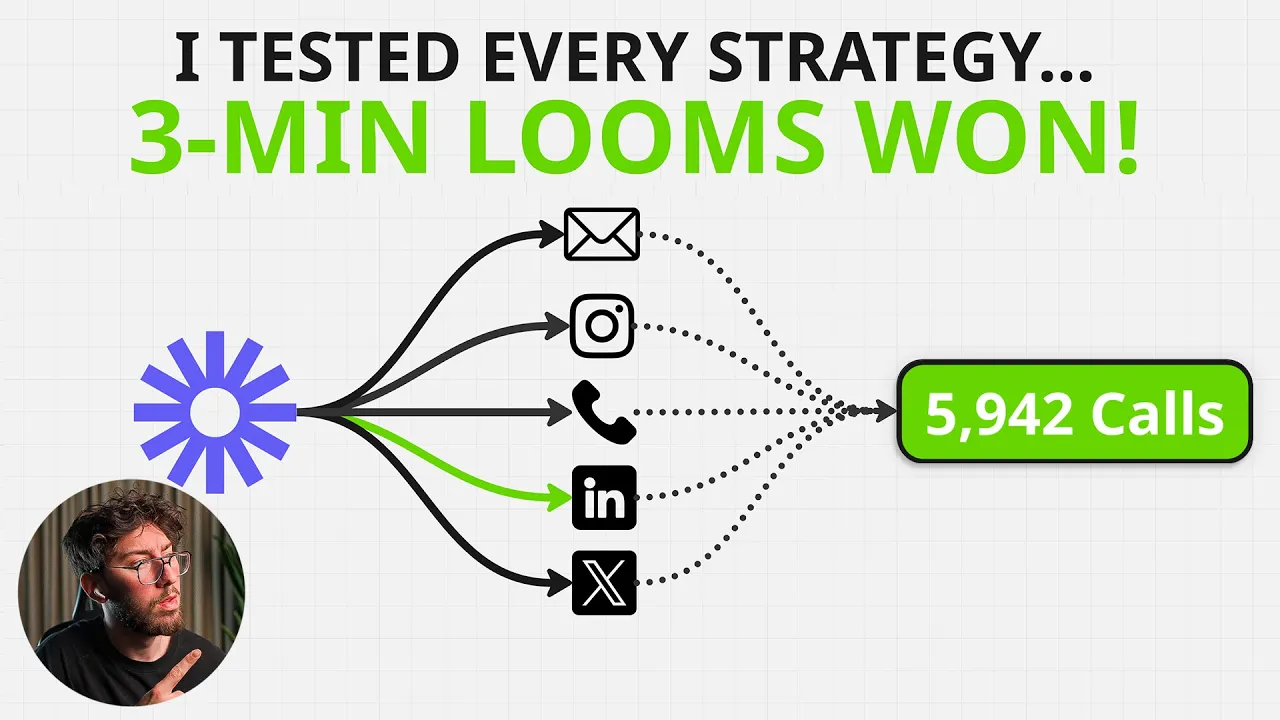
Integrating LinkedIn outreach with multi-channel campaigns, such as cold emailing, phone calls, and social selling.
A/B testing message templates and analyzing outreach metrics, such as acceptance, response, and conversion rates.
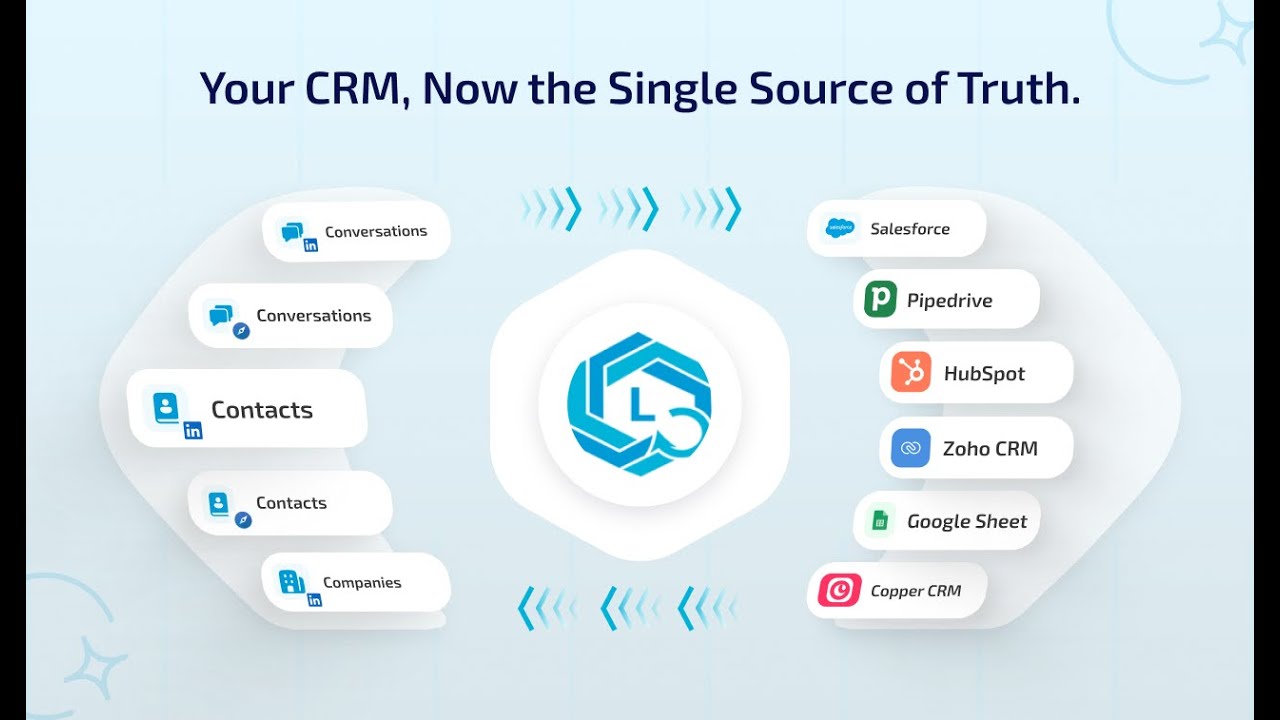
Managing B2B pipelines and syncing LinkedIn leads with Customer Relationship Management (CRM) systems like Salesforce or HubSpot.
Navigating LinkedIn automation tools and compliance guidelines to scale outreach ethically without account suspension.
108K views3Klikes8:59Original Release: 2019-06-19
hey guys welcome back to my channel today I want to talk to you about cold messaging on LinkedIn because I know in general that cold messaging is a really difficult thing for most people traditionally it's quite a spammy thing and the way that most salespeople go about it or the way that most people in general go about it is that it's a numbers game so if I hit a hundred I might get one response if I hit 200 I'll get two responses and so because it is a numbers game there's no authenticity there's no genuine interest in the other person and because of that we have a real problem there so in this video I want to walk you through my two exact processes that I have actually used on linked-in when reaching out and game responses from the respective people that I've been speaking to one of them in fact is Australia's biggest online fashion retailer and I reached out to the CMO and he responded by actually inviting me to their headquarters to sit down and talk video and digital okay so as I mentioned I have two approaches so my first approach is that typical cold call message and I have a four-step process that I go by the first step is to personalize the message one of the biggest mistakes that I see on LinkedIn and by far the stupidest mistake is that people bulk message and as a result they often leave the name space blank or they accidentally leave in the template message like hey name or hey XYZ or hey F name I've even had and now F name is the merge tag you use when you're sending emails that tells your email provider to pull in that person's first name sub out F name and put their first name in so by the time it reaches my email it says hey Sarah not hey F name so these people are copying pasting that email putting it into LinkedIn and it's saying hey F name it's just mind-blowing as to how many of these I get so personalize your message so the second thing I like to do is acknowledge their time and focus on brevity so you'll see in this message that I've said I don't want to take up too much of your time but just wanted to say that so immediately in this message he understood that I wasn't here to waste his time now here's the thing you actually have to keep your message brief I have had some of these in males in my LinkedIn inbox and they start with something similar but then they go on to put three frickin paragraphs you cannot do that you have to keep to your word and be brief now the third thing I like to do is leave a genuine comment now I'm not someone who likes to reach out just for the sake of reaching out I only reach out when I really want to connect with someone for a particular reason I also really don't buy into flattery I think anyone can see through somebody else just trying to flatter them for the sake of getting their foot in the door so I highly recommend being extremely genuine in what you have to say if you choose to use the compliment method so as you've seen my message here I've just said that you and your team are building an awesome brand and I love watching it grow and that's the truth I was seeing Shoko everywhere at the time and I really loved watching what they were doing because as I worked with smaller brands I can actually take a leaf out of their book and apply it to the brands that I work with knowing that these guys are getting astronomical growth and sales and the fourth thing I like to do is connect on something like minded so this whole message has to do with their digital and their branding which obviously is a lack minded link between us but I even just threw in at the end it's the brand geek in me just to just to connect on that branding aspect of it just to say this isn't a robotic message this is me this is my personality but we are also like-minded and basically that's the process so as you can see here in the message he pretty much responded straight away and now I want to give you my bonus tip my response to him instead of closing down the conversation or instead of just saying thank you or got trying to go into a really in-depth conversation I kept it light and I kept it humorous so I just said you know I continue to stalk you because that's funny because we all stalk each other on social media and then clarified that just in case we didn't quite share the same brand of humor and I really recommend that use your personality to help you stand out and to help you shine okay now my second approach that I have for you still follows that four-step process but the beginning is a little bit different something that I really like to do on LinkedIn to increase my chances of that interaction actually happening and whatever I have in mind actually taking place is that I like to comment and engage on that person's statuses and and the things that they're interested in on LinkedIn rather than going straight for that cold message you can warm it up simply by getting in front of them maybe you check their profile maybe you like some of those statuses maybe you leave a comment maybe you leave an opinion but that wave already touched base and by the time you hop in their inbox or they're in mail it's not as cold as the original method now in this particular example I had been following along with this person I had been tracking them on Twitter at the time as well engaging in their statuses and also liking things that they liked and and really just trying to get in front of them so that by the time I hit the email it wasn't as cold as it could have been the second part of this process is that I actually referenced the fact that I had been engaging on their statuses now this person typically gets hundreds of comments and a lot of engagement so I could have been easily missed but I did reference back to the thoughtful nature of those statuses and the fact that I had been reading them and how I actually appreciated them so that it wasn't dissing genuine said the word Muji sorry disingenuous once I had done that I pretty much put in everything from that first four-step process I personalized it I didn't necessarily knowledge time in this because I was referencing back to a place where we had already engaged I genuinely complimented them and I connected on something like minded and spoke about my experience within the industry now as a result there was a bit of back and forth turns out I didn't really want to get in front of that person in the first place but it worked and that's all you have to do now here's a ninja tip if you want to turn X that authenticity LinkedIn now has the capability of voice messaging on that platform can you imagine if I went back to these people and actually sent a voice message instead of writing something that everyone does that cold calls very few people use the voice messaging functionality and the ability that that voice messaging functionality has to immediately connect you with that person because they can hear the tone in your voice they can hear whether you're being genuine or not it just 10x is the whole situation and I can guarantee you that if you start standing out in that way you're going to get the response that you want purely because nobody else is doing it so if you want to use the voice messaging method all you have to do is overlay the four step process into the voice message personalize it let them know you're not here to waste their time genuinely complement them connect on something like minded and get out of there from this place with both approaches or the voice messaging approach you can nurture that relationship touch back in from time to time until it feels appropriate and seems right to take it to the next step whether that's coffee whether that's call whether that's a lead magnet however you choose to get that person to where you want them is up to you but this is how you take that first step in a way that is going to get you the response you want every time now if you guys loved this video I would love for you to pop down hit the subscribe button also hit the bell notification so that you get notified every single week when I put out these thank you so much for tuning in and I will see you in the next video
Up Next
24:45
LinkedIn Sales Navigator: A Beginner's Guide to B2B Lead Generation
@leadgenjay
144.6K views•2023-12-29
66:41
Web3 Social Decentralization: Farcaster Co-Founder on Crypto Social Networks
@levychain
1.5K views•2022-10-18

15:23
Decoy Effect: How Pricing Psychology Influences Consumer Spending
@bobinvestsUS
90K views•2026-01-05

17:30
The Planned Obsolescence of Light Bulbs and Tech
@veritasium
25.3M views•2021-03-26
Related Study Plans & Knowledge Roadmaps
Structured learning paths in Business
business
CPG Retail Strategy: Pitching & Trade Spend
01Foundations of the CPG and Grocery Ecosystem
02Retail Math and Designing the Pitch
03Securing Shelf Space & Category Reviews
+ 2 more learning modules
12h5 modules
Explore Roadmap
business
Pop-Up Retail: Strategy, Design & Execution
01Introduction to Pop-Up Retail & Strategic Goal Setting
02Budgeting, Site Selection, and Legal Essentials
03Experiential Retail Design & Visual Merchandising
+ 2 more learning modules
15h5 modules
Explore Roadmap
business
Reg CF: Startup Funding, Marketing & Launch
01Introduction to Equity Crowdfunding & Reg CF
02Platform Selection & Legal Preparation
03Crafting High-Converting Campaign Assets
+ 2 more learning modules
14h5 modules
Explore Roadmap
business
Productized Services: Scaling Solo Freelance
01Foundations of Productized Services
02Packaging and Scope Definition
03Pricing and Subscription Models
+ 2 more learning modules
15h5 modules
Explore Roadmap