













![[강연] 바이러스 감염, 어떻게 방어하는가? _ by유주연 ㅣ 2021 가을 카오스강연 '과학의 희열' 8강](https://i.ytimg.com/vi/hvnPyHweWTE/maxresdefault.jpg)





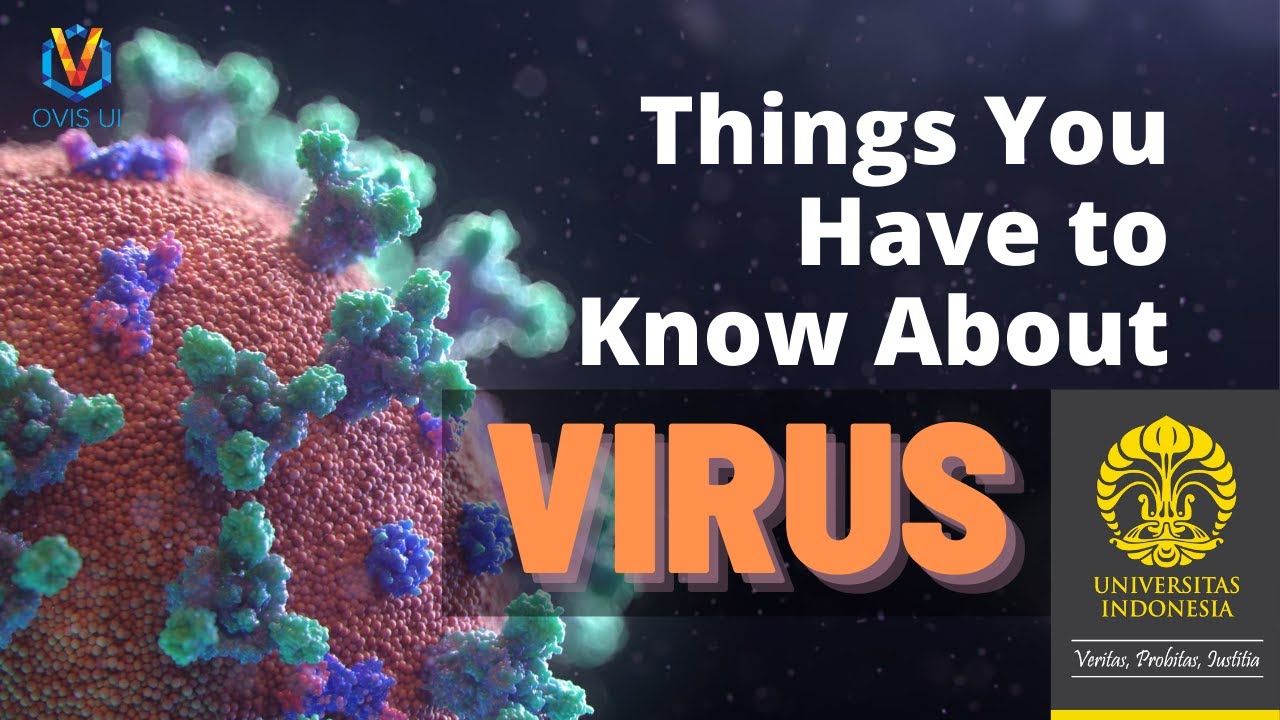

Viruses are non-living infectious agents composed of genetic material (DNA or RNA) enclosed in a protein coat called a capsid, which lack the cellular machinery to replicate independently and must hijack host cell machinery to reproduce through either the lytic cycle (destroying the host cell) or lysogenic cycle (integrating into the host genome); they were first discovered in the late 19th century when scientists observed that plant disease could be transmitted through filtered sap containing no visible bacteria, and they exhibit diverse structural forms including helical, icosahedral, and enveloped shapes.
Viral Structure and Replication: Molecular Hijackers Explained
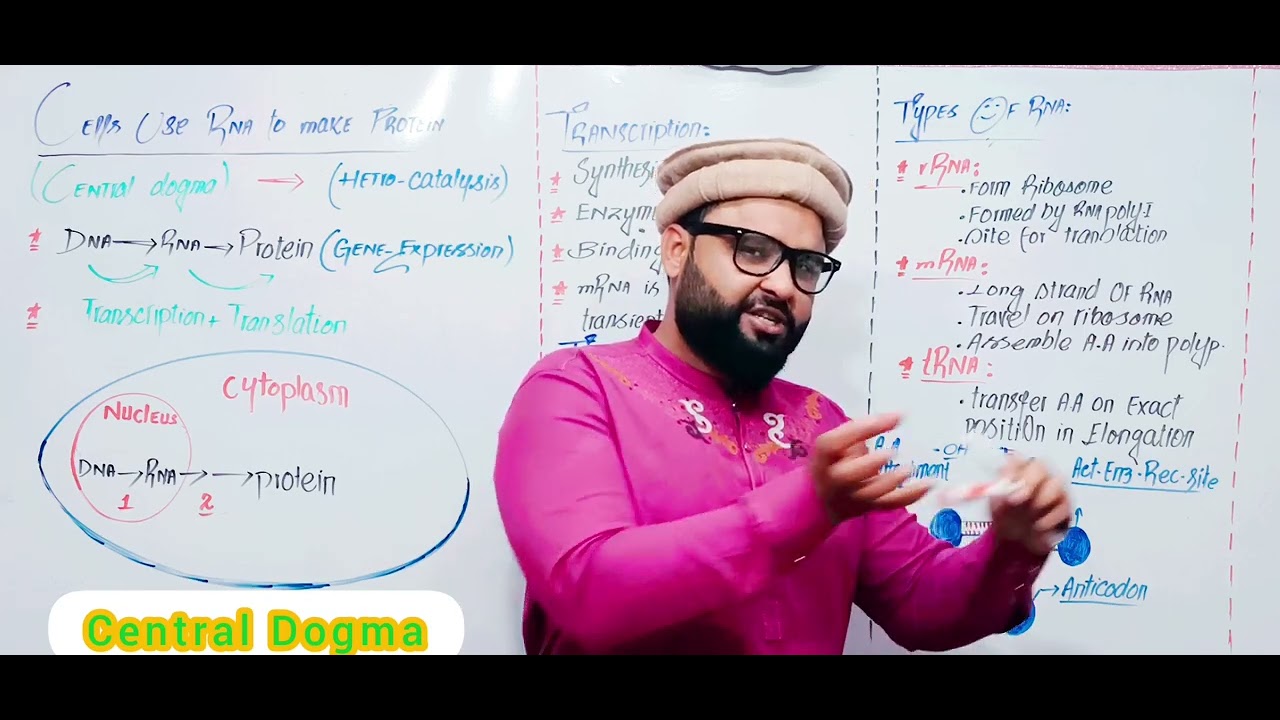
Added:The Central Dogma of Molecular Biology, specifically how DNA is transcribed into RNA and translated into proteins using cellular machinery.
Basic eukaryotic and prokaryotic cell structure, including the roles of the cell membrane, nucleus, and ribosomes.
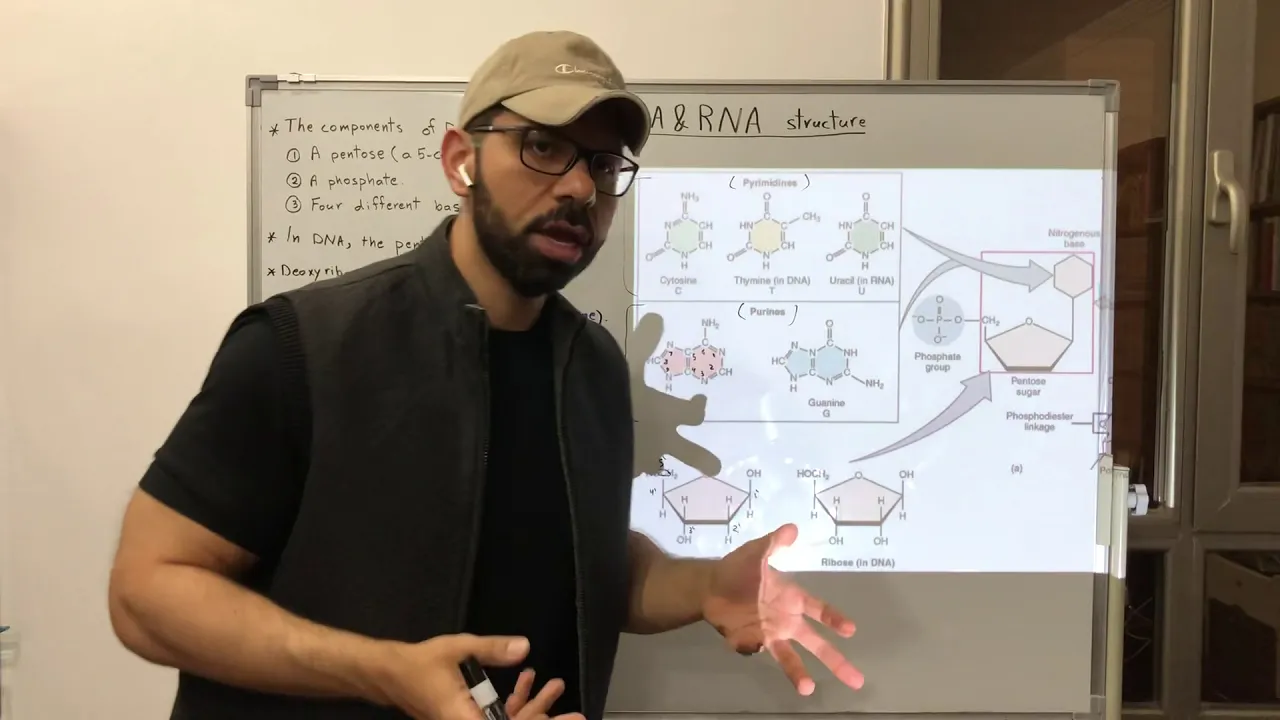
The fundamental components of nucleic acids (DNA and RNA) and proteins, which form the structural basis of viral genomes and capsids.
The core tenets of Cell Theory, to understand why viruses are generally classified as non-living, obligate intracellular parasites.
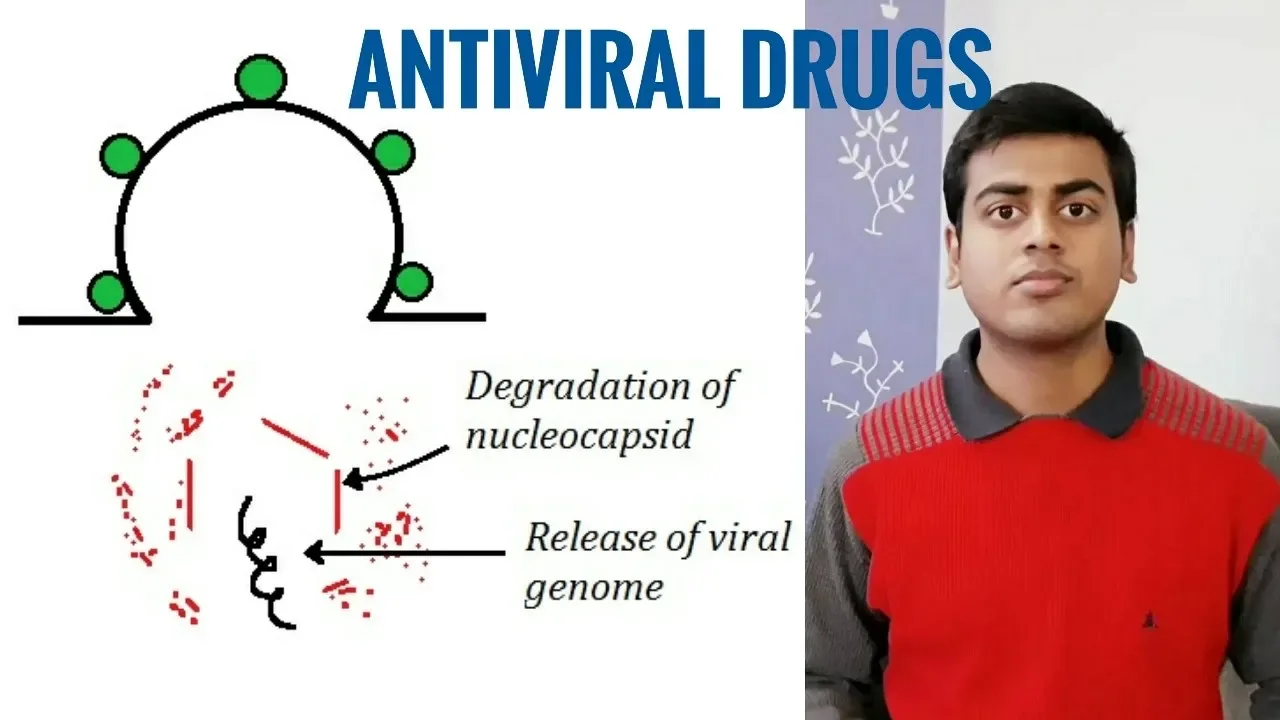
The mechanism of action of antiviral drugs and vaccines, and how they specifically target phases of the lytic or lysogenic cycles.
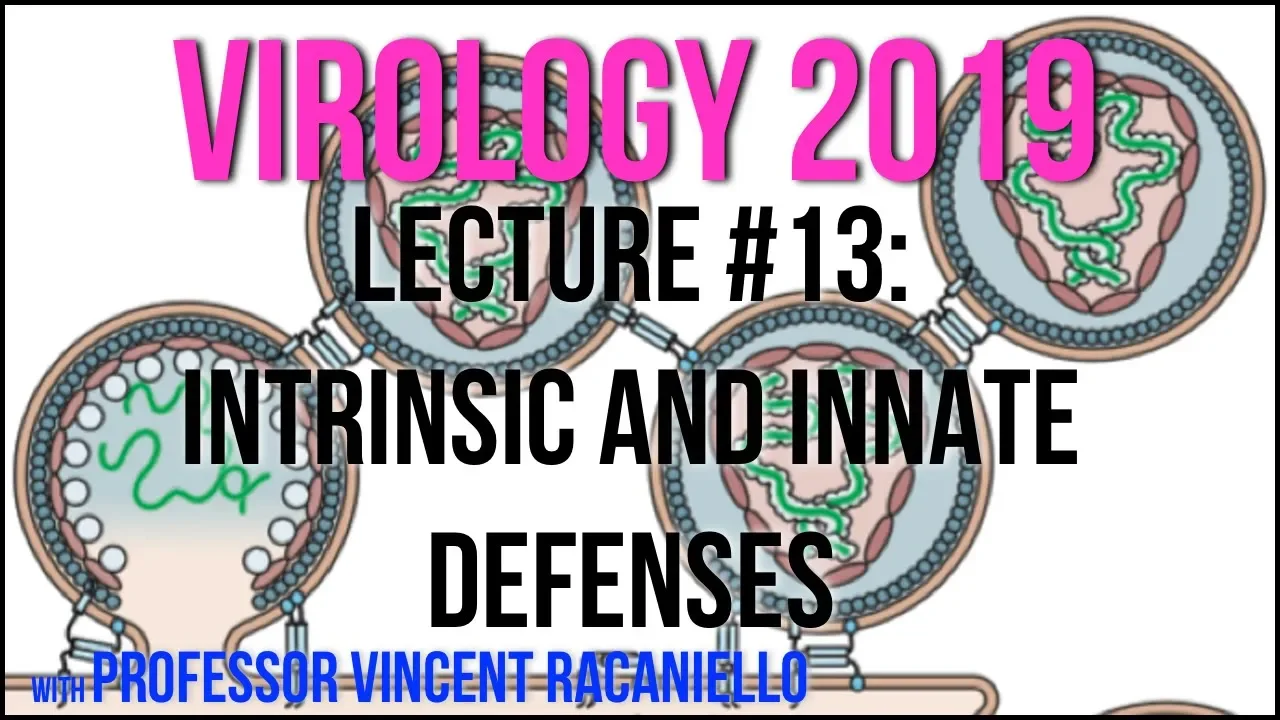
How the host immune system detects viral infections and coordinates innate and adaptive immune responses.
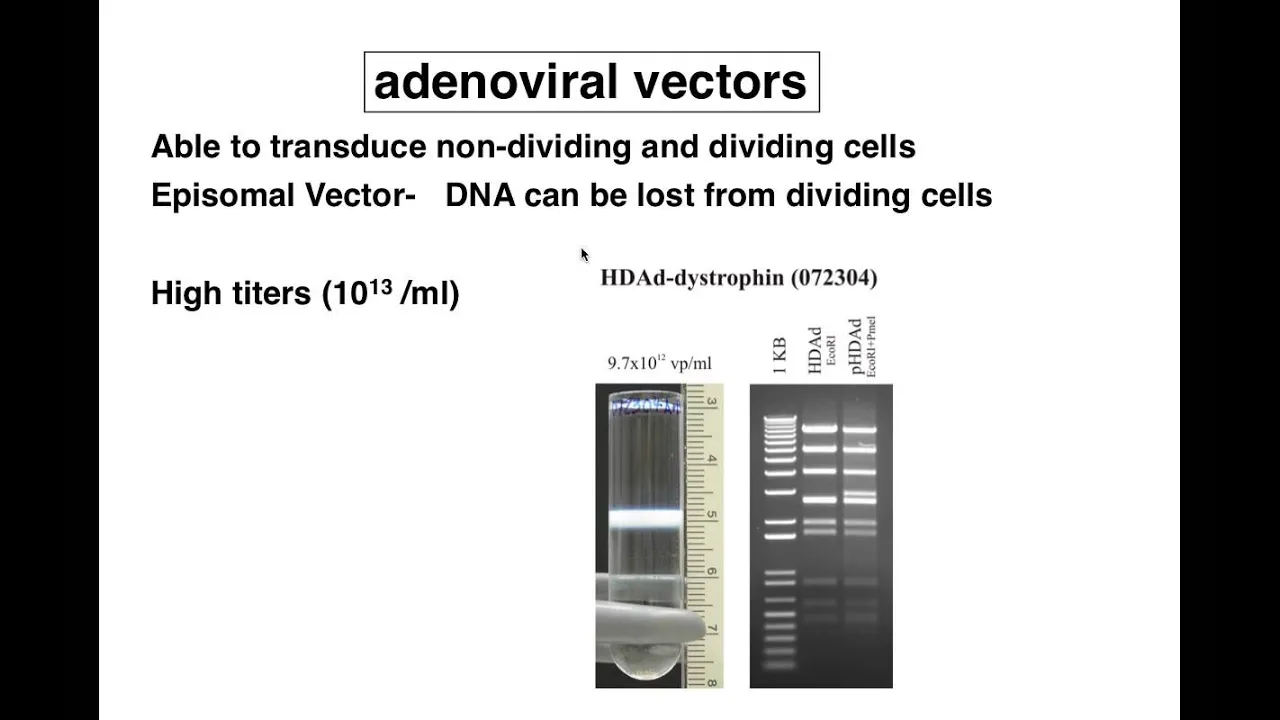
The use of modified viruses as vectors in genetic engineering, gene therapy, and vaccine development (e.g., adenoviral vectors).
Viral mutation rates and evolution, particularly exploring how antigenic drift and shift lead to drug resistance and emerging global pandemics.
1.7M views25.5Klikes10:02Original Release: 2017-10-19
Hey it’s professor Dave; let’s talk about viruses.
We now have a pretty good understanding of what’s going on inside a cell, so we are ready to look at different kinds of unicellular organisms.
But before we get to those, let’s take a look at something a bit simpler, a virus.
Contrary to popular belief, viruses are not alive.
They are much smaller and simpler than single-celled organisms like bacteria, and they do not meet most of the criteria that biologists agree are required to call something alive.
Living organisms must be able to perform metabolism, making energy from food.
Viruses cannot.
Life must be able to reproduce out of its own capacity.
Viruses do not.
They can be considered biologically inert, so viruses exist in a kind of gray area in between simple molecules and living organisms.
So what’s inside a virus exactly?
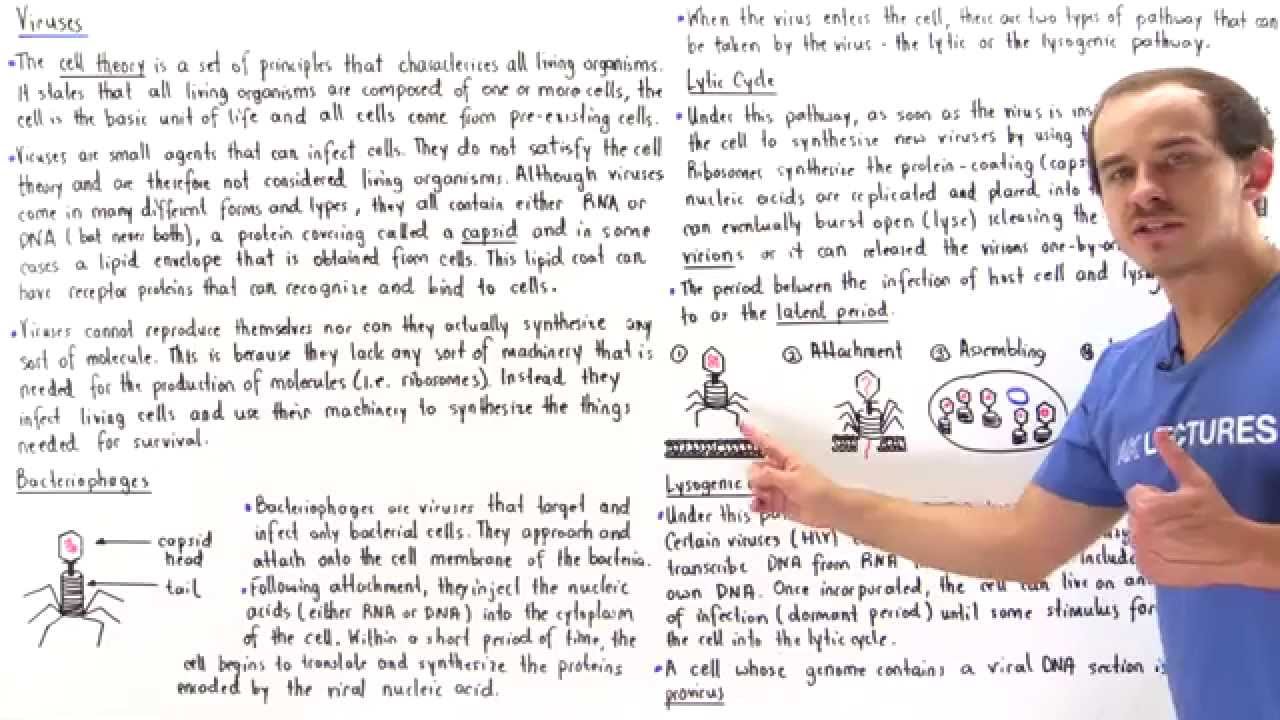
In truth, a virus is pretty much just genetic material in a protein casing.
There is no membrane, no organelles, not much of anything we are used to seeing in living creatures.
Nevertheless, viruses reproduce by injecting their genetic material into a host cell, thereby hijacking the cellular machinery of the cell and forcing it to make copies of the virus instead of what the cell would normally be doing, sort of like pirates on the high seas capturing a large vessel and taking command.
Viruses were discovered in the late 19th century when examining certain diseases that afflicted plants.
It was found that sap from the plant would transmit the disease even though no bacteria were visible in the sap when examined with a microscope, and the sap would still transmit the disease even when it was filtered by a process meant to remove any such bacteria.
This meant that the agent responsible for transmitting the disease must be way smaller than a single bacterium.
But this agent could not be cultivated in test tubes or Petri dishes, so it must also be much simpler than a bacterium.
Later, as we became able to examine viruses with more sophisticated techniques, we began to realize the structure of the virus, which comes in a number of forms.
Some are rod-shaped or helical, like the tobacco mosaic virus.
Some are icosahedral, like an adenovirus.
Some have a membranous envelope covered with spikes, like the influenza virus.
And some even look like weird little spiders.
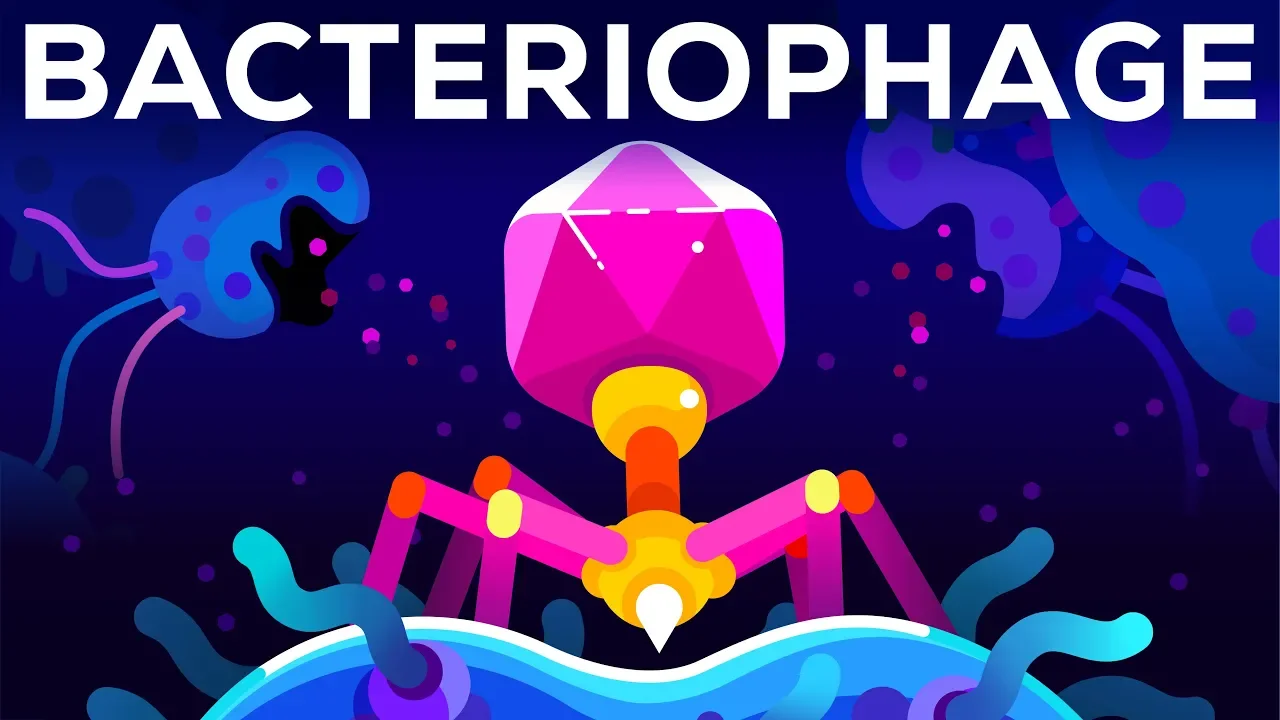
This is called a bacteriophage, and it’s kind of like a rod-shaped and icosahedral virus combined, with some fiber tails.
The thing they all have in common is that they carry their own genetic material, which could be double-stranded or single-stranded, and either DNA or RNA.
This will typically be found as either a single linear molecule or a circular molecule.
The protein shell that encloses the genetic material is called the capsid, which comes in different shapes for different viruses, and the capsid is made of smaller subunits called capsomeres.
That’s really all there is to the structure of a virus.
So how exactly do they reproduce?
As we said earlier, viruses hijack the machinery of a host cell.
This is because they do not have ribosomes or the other components necessary to express genes, so they need a cell to do it for them.
Certain viruses are able to infect certain kinds of cells, and this is due to the system of recognition that must occur between the two.
In order to get inside the cell, a virus must be recognized by surface receptors on the cell, so there must be some specificity for these receptors to that particular virion.
For this reason, many viruses are specific to only a small set of species, or even one individual species, and sometimes even a particular type of cell found within that individual species.
Once this recognition occurs, the virus either injects its genetic material into the cell if it’s a bacteriophage, or the virus can be brought inside the cell completely intact through endocytosis.
Once inside, the virus disassembles and the viral DNA gets transcribed and translated by all the parts of the cell that are typically busy working for the cell itself.
Once there are many copies of the viral DNA, the capsid proteins reassemble and form new viral particles, up to hundreds or even thousands of them, which then exit the cell.
Sometimes this process can damage or destroy the host cell, so let’s look at the different mechanisms viral replication can utilize for bacteriophages, as these are the best understood viruses.
With the lytic cycle, the host cell is terminated at the end of the replicative cycle.
This happens once many viruses have been generated, and the cell bursts open, or lyses, releasing them to then go and infect other cells.
Given the exponential nature of this process, just a few successive lytic cycles can destroy an entire bacterial population in a couple of hours.
By contrast, with the lysogenic cycle, the host cell is not destroyed.
This is because rather than usurping the cellular machinery to exclusively produce viruses, the viral DNA is incorporated into the genome of the cell.
We can refer to this kind of viral DNA as a prophage.
This DNA remains largely silent, and the cell is able to divide many times, with each daughter cell also containing the prophage.
Then some environmental signal may trigger a switch from the lysogenic mode to the lytic mode, where the prophage returns to the form of a separate circular DNA molecule, and all of the infected cells could lyse at once.
Apart from bacteriophages, other viruses have envelopes, which allow them to enter and exit the cell by endocytosis and exocytosis without destroying the cell.
So it is of great importance to the virus that it will be recognized by these surface receptors.
Other viruses are considered retroviruses, because they contain an enzyme called reverse transcriptase, which transcribes an RNA template into DNA, which is the opposite of normal transcription.
There are even smaller infectious agents called viroids, which are naked circular RNA molecules that disrupt certain regulatory systems in plants, and prions, which have no genome, but are instead infectious protein particles that cause other proteins in brain cells to aggregate and bring on disease symptoms, possibly including Alzheimer’s and Parkinson’s disease.
It would seem that no cells are safe from viruses.
But nature is clever, and bacteria are constantly evolving.
Chance mutations in genes that code for surface receptor proteins may result in receptors that no longer recognize a particular virus, so it can no longer enter the cell.
Viruses in turn mutate at random, and if glycoproteins on a viral envelope become modified such that they will be recognized by the new receptors, they will proliferate anew.
In this way, bacteria and viruses are engaged in constant evolutionary flux.
The origin of viruses is still disputed, though it is generally thought that viruses came about shortly after unicellular life first evolved, and there are a number of anomalous viruses that contain up to several thousand genes, including some previously found only in cellular genomes.
A discussion of the specific diseases caused by viruses and the strategies we use to combat them will have to wait for a pathology course at a later time.
For now, let’s move on to the biological structure of the simplest organisms.
Up Next
26:25
Heart Anatomy Tutorial (Pericardium, Chambers, Valves, Coronary Circulation)
@TheNotedAnatomist
460.4K views•2018-09-30
50:12
Bacterial Communication: Quorum Sensing and Biofilm Formation Explained
@JHUAAP
12.6K views•2011-06-28

10:50
Protein Structure Explained: Primary to Quaternary | Biochemistry
@ProfessorDaveExplains
1.4M views•2016-08-27
7:08
Bacteriophages: Earth's Deadliest Killers and Future Antibiotics
@kurzgesagt
34.6M views•2018-05-13
Related Study Plans & Knowledge Roadmaps
Structured learning paths in Biology
biology
RNAi: Biogenesis, RISC & Gene Silencing
01Molecular Biology Foundations: DNA to Protein
02Introduction to RNA Interference (RNAi)
03Molecular Biogenesis of miRNA and siRNA
+ 2 more learning modules
10h5 modules
Explore Roadmap
biology
Mycorrhizae: Signaling, Biophysics & Ecology
01Foundations of Mycorrhizal Symbiosis
02Molecular Signaling and Root Colonization
03Biophysics and Bioenergetics of Nutrient Exchange
+ 1 more learning modules
11h4 modules
Explore Roadmap
biology
Circadian Clocks: TTFL, SCN & Periphery
01Foundations of Molecular Biology & Gene Expression
02Introduction to Chronobiology and Actograms
03The Core TTFL: Molecular Architecture of the Clock
+ 3 more learning modules
14h6 modules
Explore Roadmap
biology
Population Genetics: Math, Drift & Selection
01Genetic & Probability Foundations
02The Hardy-Weinberg Principle and Baseline Models
03Mathematical Modeling of Natural Selection
+ 3 more learning modules
18h6 modules
Explore Roadmap